



We protect your health through science

Investigación
Mycobacteria
Líneas de investigación
Content with Investigacion .
Inmunología Microbiana e Inmunogenética
1. Análisis de la respuesta innata de mamíferos en la infección por Leishmania.
2. Caracterización inmunoproteómica en :
a. Streptococcus suis
b. Lactococcus garviae
c. Mycobacterium spp
3. Desarrollo de inmunoensayos analíticos basados en anticuerpos monoclonales (AcM) para detectar y cuantificar antígenos de origen animal, vegetal y microbiano.
4. Desarrollo y caracterización de AcM frente a los componentes del sistema del Complemento. Aplicación diagnóstica.
5. Desarrollo de reactivos de referencia y diseño de inmunoensayos para la evaluación cualitativa y cuantitativa de toxinas clostridiales.
6. Oferta tecnológica de producción de AcM y policlonales frente a substancias de interés industrial y biomédico.
El grupo está interesado en el estudio de la respuesta inmune desde una perspectiva multidisciplinar que incluye aproximaciones bioquímicas, biotecnológicas, genómicas, inmunoinformáticas y proteómicas, que junto con el uso adicional de modelos in vivo se encaminan al diseño de estrategias terapéuticas frente a diversas enfermedades crónicas, infecciosas y raras que poseen un claro componente inmunológico en su etiología.
Las principales líneas de investigación que está desarrollando el grupo en la actualidad son:
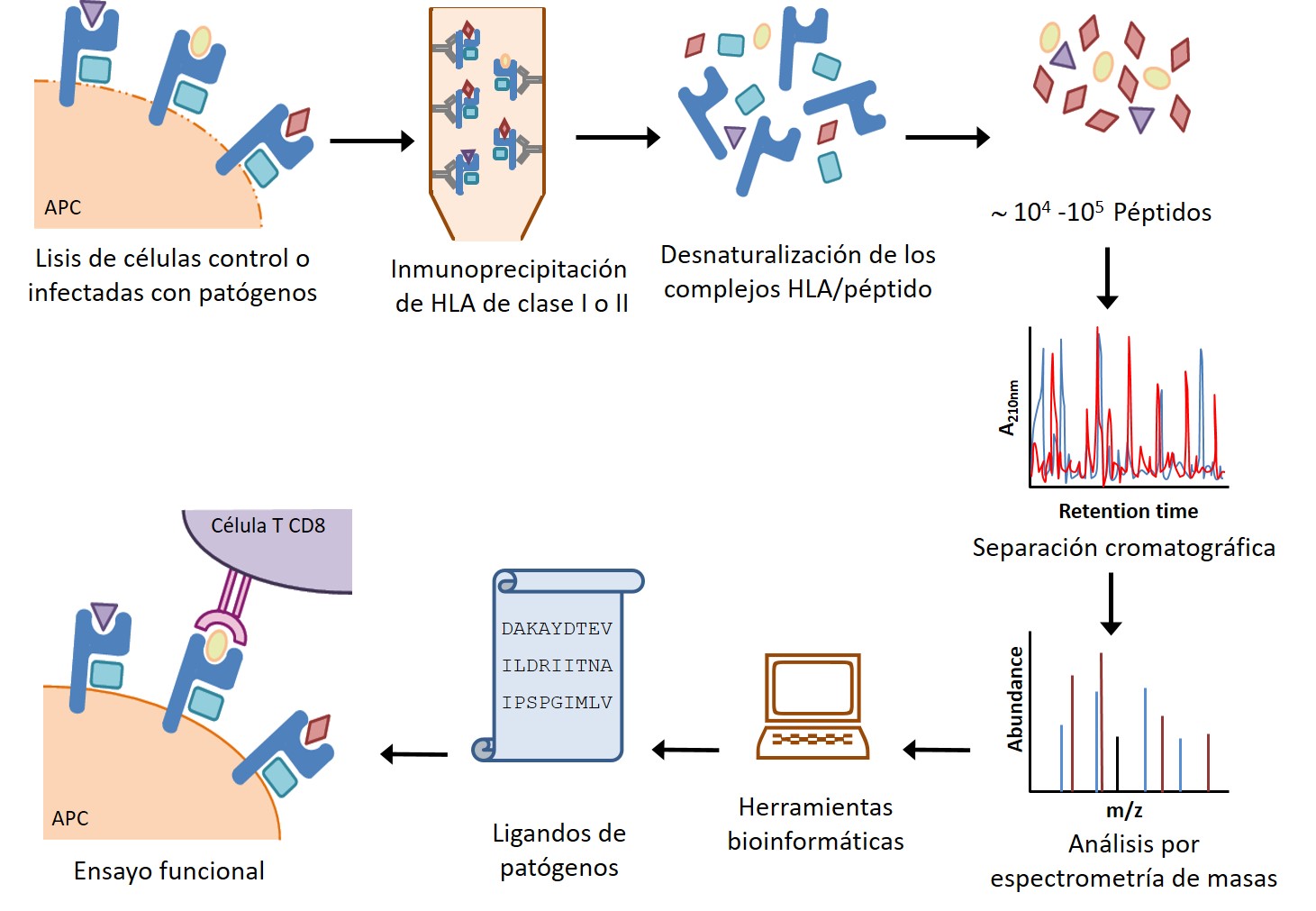
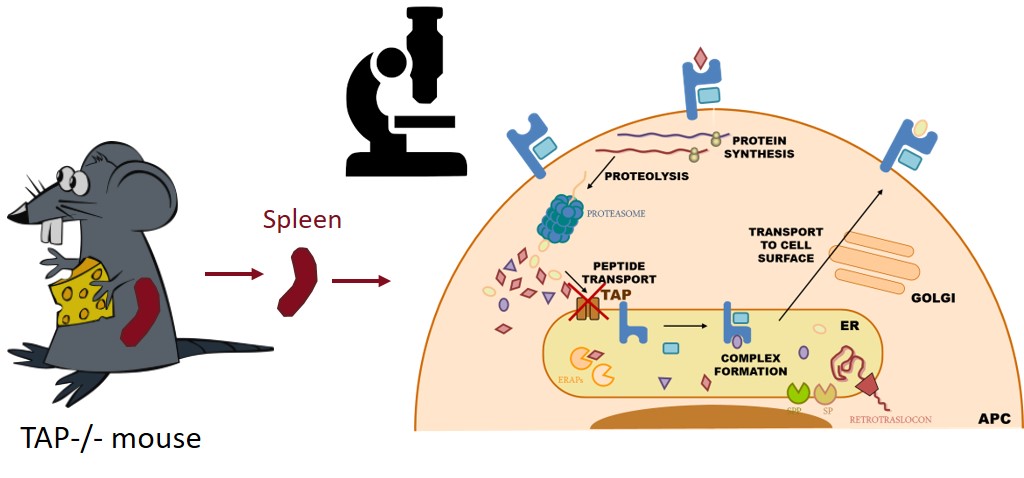
- * Análisis de las respuestas inmunes celulares frente a patógenos virales y bacterianos, mediante técnicas inmunoproteómicas, modelos in vivo con animales transgénicos y muestras humanas.
- * Caracterización de CD69: regulación génica, función reguladora inmune en homeostasis e infección y su uso como diana terapéutica, edición génica por CRISPR en modelos animales y celulares, etc.

* Desarrollo de herramientas inmunoinformáticas que permitan analizar la respuesta inmune celular frente a diversos virus de interés sanitario y determinar la eficacia de sus vacunas a nivel de población mundial.

* Estudio de las respuestas inmunes celulares frente a enfermedades raras (artritis reactiva y síndrome del linfocito desnudo) y crónicas (espondiloartropatías).
* Inclusión de componentes del sistema inmune en la fabricación de tejidos humanos, especialmente piel, para uso clínico, farmacéutico y cosmético.
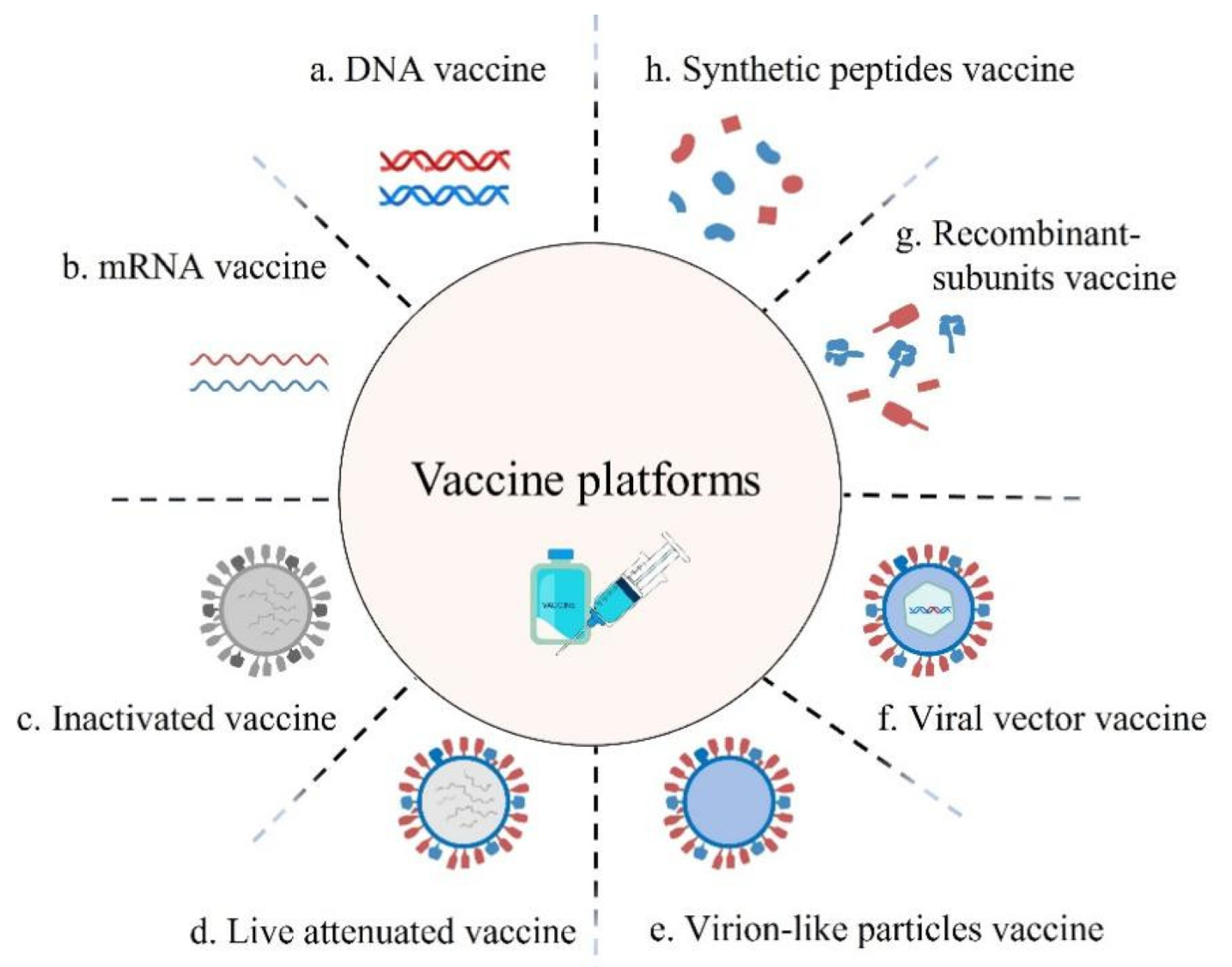
- * Generación de virus recombinantes como vectores vacunales.
Publicaciones destacadas
Cryptococcus neoformans can form titan-like cells in vitro in response to multiple signals
Trevijano-Contador N, de Oliveira HC, García-Rodas R, Rossi SA, Llorente I, Zaballos Á, Janbon G, Ariño J, Zaragoza Ó. Cryptococcus neoformans can form titan-like cells in vitro in response to multiple signals. PLoS Pathog. 2018 May 18;14(5):e1007007. PMCID: PMC6454888.
PUBMED DOICell Wall Changes in Amphotericin B-Resistant Strains from Candida tropicalis and Relationship with the Immune Responses Elicited by the Host
5: Mesa-Arango AC, Rueda C, Román E, Quintin J, Terrón MC, Luque D, Netea MG, Pla J, Zaragoza O. Cell Wall Changes in Amphotericin B-Resistant Strains from Candida tropicalis and Relationship with the Immune Responses Elicited by the Host. Antimicrob Agents Chemother. 2016 Mar 25;60(4):2326-35. PMCID: PMC4808153.
PUBMED DOIThe production of reactive oxygen species is a universal action mechanism of Amphotericin B against pathogenic yeasts and contributes to the fungicidal effect of this drug
8: Mesa-Arango AC, Trevijano-Contador N, Román E, Sánchez-Fresneda R, Casas C, Herrero E, Argüelles JC, Pla J, Cuenca-Estrella M, Zaragoza O. The production of reactive oxygen species is a universal action mechanism of Amphotericin B against pathogenic yeasts and contributes to the fungicidal effect of this drug. Antimicrob Agents Chemother. 2014 Nov;58(11):6627-38. PMCID: PMC4249417.
PUBMED DOICapsule Growth in Cryptococcus neoformans Is Coordinated with Cell Cycle Progression
9: García-Rodas R, Cordero RJ, Trevijano-Contador N, Janbon G, Moyrand F, Casadevall A, Zaragoza O. Capsule growth in Cryptococcus neoformans is coordinated with cell cycle progression. mBio. 2014 Jun 17;5(3):e00945-14. PMCID: PMC4056547.
PUBMED DOIThe interaction between Candida krusei and murine macrophages results in multiple outcomes, including intracellular survival and escape from killing
12: García-Rodas R, González-Camacho F, Rodríguez-Tudela JL, Cuenca-Estrella M, Zaragoza O. The interaction between Candida krusei and murine macrophages results in multiple outcomes, including intracellular survival and escape from killing. Infect Immun. 2011 Jun;79(6):2136-44. PMCID: PMC3125833.
PUBMED DOIHuman IgM Inhibits the Formation of Titan-Like Cells in Cryptococcus neoformans
14: Trevijano-Contador N, Pianalto KM, Nichols CB, Zaragoza O, Alspaugh JA, Pirofski LA. Human IgM Inhibits the Formation of Titan-Like Cells in Cryptococcus neoformans. Infect Immun. 2020 Mar 23;88(4):e00046-20. PMCID: PMC7093138.
PUBMED DOIThe lymphocyte scavenger receptor CD5 plays a nonredundant role in fungal infection
15: Velasco-de-Andrés M, Català C, Casadó-Llombart S, Simões I, Zaragoza O, Carreras E, Lozano F. The lymphocyte scavenger receptor CD5 plays a nonredundant role in fungal infection. Cell Mol Immunol. 2020 Apr 24.
PUBMED DOIInformación adicional
• Taxonomic study. Objective: Association of already described species to new clinical processes. Description of new bacterial species.
• Sensitivity studies against new antituberculous drugs: Objective: To evaluate the antimicrobial activity of new compounds for human use in clinical strains of Mycobacterium tuberculosis and in other species of non-tuberculous mycobacteria, for subsequent application in the treatment of these infections.
• Molecular epidemiology of tuberculosis. Objectives: Molecular characterization of the members of the M. tuberculosis complex. Transmission studies with special surveillance of MDR/XDR tuberculosis.
• Development of new methods of identification and detection of resistance in mycobacteria. Objectives: Optimization and development of molecular techniques for the diagnosis and detection of resistance.