



We protect your health through science

Investigación
Mycobacteria
Líneas de investigación
Content with Investigacion .
Inmunología Microbiana e Inmunogenética
1. Análisis de la respuesta innata de mamíferos en la infección por Leishmania.
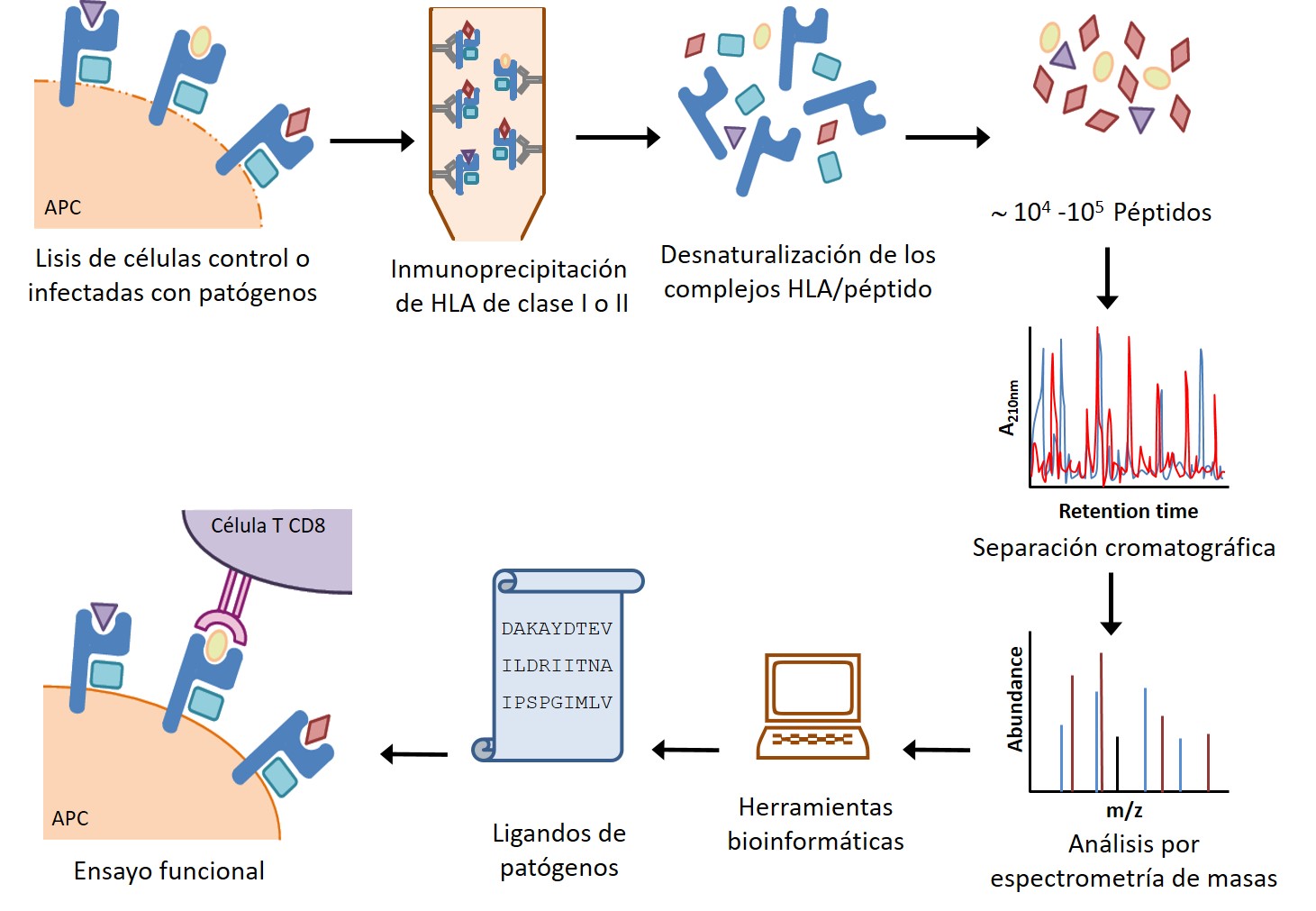
2. Caracterización inmunoproteómica en :
a. Streptococcus suis
b. Lactococcus garviae
c. Mycobacterium spp
3. Desarrollo de inmunoensayos analíticos basados en anticuerpos monoclonales (AcM) para detectar y cuantificar antígenos de origen animal, vegetal y microbiano.
4. Desarrollo y caracterización de AcM frente a los componentes del sistema del Complemento. Aplicación diagnóstica.
5. Desarrollo de reactivos de referencia y diseño de inmunoensayos para la evaluación cualitativa y cuantitativa de toxinas clostridiales.
6. Oferta tecnológica de producción de AcM y policlonales frente a substancias de interés industrial y biomédico.
El grupo está interesado en el estudio de la respuesta inmune desde una perspectiva multidisciplinar que incluye aproximaciones bioquímicas, biotecnológicas, genómicas, inmunoinformáticas y proteómicas, que junto con el uso adicional de modelos in vivo se encaminan al diseño de estrategias terapéuticas frente a diversas enfermedades crónicas, infecciosas y raras que poseen un claro componente inmunológico en su etiología.
Las principales líneas de investigación que está desarrollando el grupo en la actualidad son:
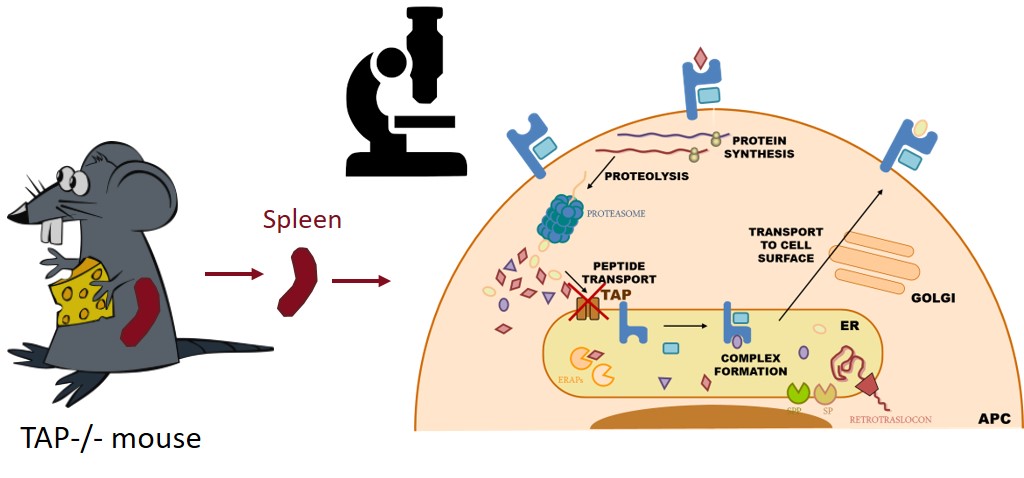
- * Análisis de las respuestas inmunes celulares frente a patógenos virales y bacterianos, mediante técnicas inmunoproteómicas, modelos in vivo con animales transgénicos y muestras humanas.
- * Caracterización de CD69: regulación génica, función reguladora inmune en homeostasis e infección y su uso como diana terapéutica, edición génica por CRISPR en modelos animales y celulares, etc.

* Desarrollo de herramientas inmunoinformáticas que permitan analizar la respuesta inmune celular frente a diversos virus de interés sanitario y determinar la eficacia de sus vacunas a nivel de población mundial.

* Estudio de las respuestas inmunes celulares frente a enfermedades raras (artritis reactiva y síndrome del linfocito desnudo) y crónicas (espondiloartropatías).
* Inclusión de componentes del sistema inmune en la fabricación de tejidos humanos, especialmente piel, para uso clínico, farmacéutico y cosmético.
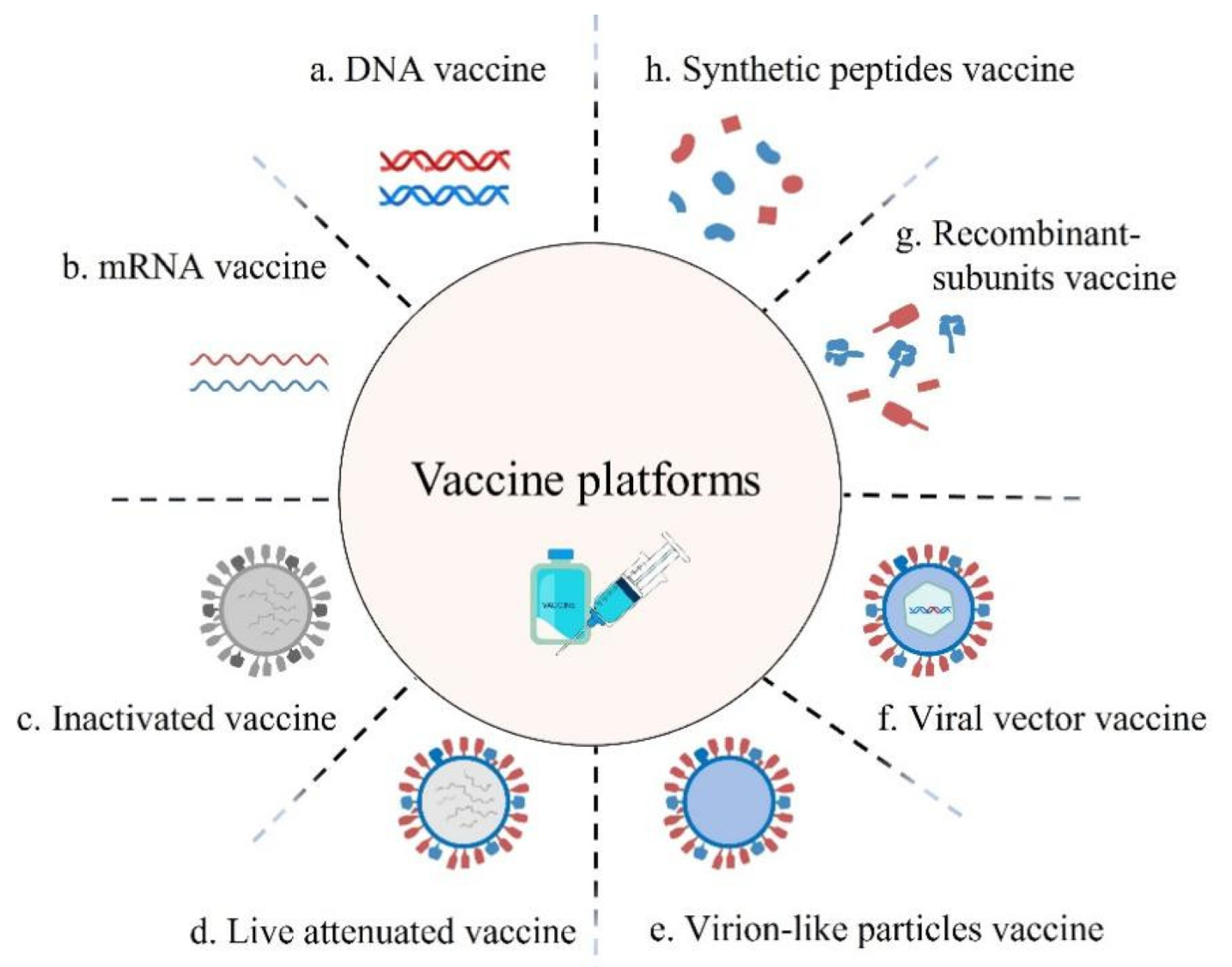
- * Generación de virus recombinantes como vectores vacunales.
Publicaciones destacadas
Alastruey-Izquierdo A, Alcazar-Fuoli L, Rivero-Menéndez O, Ayats J, Castro C, García-Rodríguez J, Goterris-Bonet L, Ibáñez-Martínez E, Linares-Sicilia MJ, Martin-Gomez MT, Martín-Mazuelos E, Pelaez T, Peman J, Rezusta A, Rojo S, Tejero R, Anza DV, Viñuelas J, Zapico MS, Cuenca-Estrella M; the FILPOP2 Project from GEMICOMED (SEIMC) and REIPI. Molecular Identification and Susceptibility Testing of Molds Isolated in a Prospective Surveillance of Triazole Resistance in Spain (FILPOP2 Study). Antimicrob Agents Chemother. 2018 Aug 27;62(9):e00358-18. doi: 10.1128/AAC.00358-18. PMID: 29941643; PMCID: PMC6125503.
Alastruey-Izquierdo A, Alcazar-Fuoli L, Rivero-Menéndez O, Ayats J, Castro C, García-Rodríguez J, Goterris-Bonet L, Ibáñez-Martínez E, Linares-Sicilia MJ, Martin-Gomez MT, Martín-Mazuelos E, Pelaez T, Peman J, Rezusta A, Rojo S, Tejero R, Anza DV, Viñuelas J, Zapico MS, Cuenca-Estrella M; the FILPOP2 Project from GEMICOMED (SEIMC) and REIPI. Molecular Identification and Susceptibility Testing of Molds Isolated in a Prospective Surveillance of Triazole Resistance in Spain (FILPOP2 Study). Antimicrob Agents Chemother. 2018 Aug 27;62(9):e00358-18. doi: 10.1128/AAC.00358-18. PMID: 29941643; PMCID: PMC6125503.
PUBMED DOIGonçalves SM, Lagrou K, Rodrigues CS, Campos CF, Bernal-Martínez L, Rodrigues F, Silvestre R, Alcazar-Fuoli L, Maertens JA, Cunha C, Carvalho A. Evaluation of Bronchoalveolar Lavage Fluid Cytokines as Biomarkers for Invasive Pulmonary Aspergillosis in At-Risk Patients. Front Microbiol. 2017 Nov 29;8:2362. doi:10.3389/fmicb.2017.02362. PMID: 29238334; PMCID: PMC5712575.
Gonçalves SM, Lagrou K, Rodrigues CS, Campos CF, Bernal-Martínez L, Rodrigues F, Silvestre R, Alcazar-Fuoli L, Maertens JA, Cunha C, Carvalho A. Evaluation of Bronchoalveolar Lavage Fluid Cytokines as Biomarkers for Invasive Pulmonary Aspergillosis in At-Risk Patients. Front Microbiol. 2017 Nov 29;8:2362. doi:10.3389/fmicb.2017.02362. PMID: 29238334; PMCID: PMC5712575.
PUBMED DOIAlcazar-Fuoli L, Buitrago M, Gomez-Lopez A, Mellado E. An alternative host model of a mixed fungal infection by azole susceptible and resistant Aspergillus spp strains. Virulence. 2015;6(4):376-84. doi: 10.1080/21505594.2015.1025192. PMID: 26065322; PMCID: PMC4601236.
Alcazar-Fuoli L, Buitrago M, Gomez-Lopez A, Mellado E. An alternative host model of a mixed fungal infection by azole susceptible and resistant Aspergillus spp strains. Virulence. 2015;6(4):376-84. doi: 10.1080/21505594.2015.1025192. PMID: 26065322; PMCID: PMC4601236.
PUBMED DOIAlcazar-Fuoli L, Cairns T, Lopez JF, Zonja B, Pérez S, Barceló D, Igarashi Y, Bowyer P, Bignell E. A modified recombineering protocol for the genetic manipulation of gene clusters in Aspergillus fumigatus. PLoS One. 2014 Nov 5;9(11):e111875. doi: 10.1371/journal.pone.0111875. PMID: 25372385; PMCID:PMC4221250.
Alcazar-Fuoli L, Cairns T, Lopez JF, Zonja B, Pérez S, Barceló D, Igarashi Y, Bowyer P, Bignell E. A modified recombineering protocol for the genetic manipulation of gene clusters in Aspergillus fumigatus. PLoS One. 2014 Nov 5;9(11):e111875. doi: 10.1371/journal.pone.0111875. PMID: 25372385; PMCID:PMC4221250.
PUBMED DOIInformación adicional
• Taxonomic study. Objective: Association of already described species to new clinical processes. Description of new bacterial species.
• Sensitivity studies against new antituberculous drugs: Objective: To evaluate the antimicrobial activity of new compounds for human use in clinical strains of Mycobacterium tuberculosis and in other species of non-tuberculous mycobacteria, for subsequent application in the treatment of these infections.
• Molecular epidemiology of tuberculosis. Objectives: Molecular characterization of the members of the M. tuberculosis complex. Transmission studies with special surveillance of MDR/XDR tuberculosis.
• Development of new methods of identification and detection of resistance in mycobacteria. Objectives: Optimization and development of molecular techniques for the diagnosis and detection of resistance.