



We protect your health through science

Investigación
Mycobacteria
Líneas de investigación
Content with Investigacion .
Inmunología Microbiana e Inmunogenética
1. Análisis de la respuesta innata de mamíferos en la infección por Leishmania.
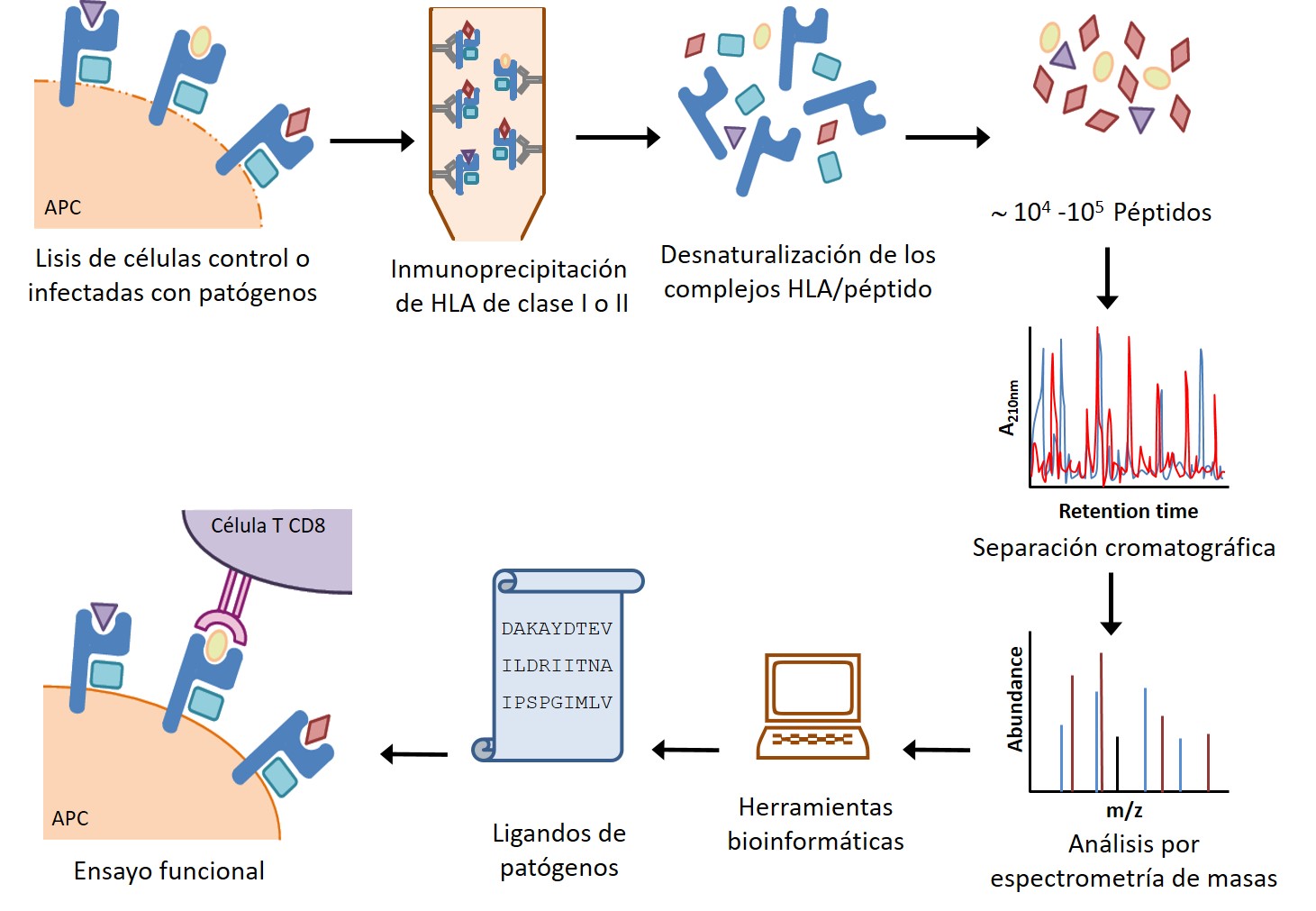
2. Caracterización inmunoproteómica en :
a. Streptococcus suis
b. Lactococcus garviae
c. Mycobacterium spp
3. Desarrollo de inmunoensayos analíticos basados en anticuerpos monoclonales (AcM) para detectar y cuantificar antígenos de origen animal, vegetal y microbiano.
4. Desarrollo y caracterización de AcM frente a los componentes del sistema del Complemento. Aplicación diagnóstica.
5. Desarrollo de reactivos de referencia y diseño de inmunoensayos para la evaluación cualitativa y cuantitativa de toxinas clostridiales.
6. Oferta tecnológica de producción de AcM y policlonales frente a substancias de interés industrial y biomédico.
El grupo está interesado en el estudio de la respuesta inmune desde una perspectiva multidisciplinar que incluye aproximaciones bioquímicas, biotecnológicas, genómicas, inmunoinformáticas y proteómicas, que junto con el uso adicional de modelos in vivo se encaminan al diseño de estrategias terapéuticas frente a diversas enfermedades crónicas, infecciosas y raras que poseen un claro componente inmunológico en su etiología.
Las principales líneas de investigación que está desarrollando el grupo en la actualidad son:
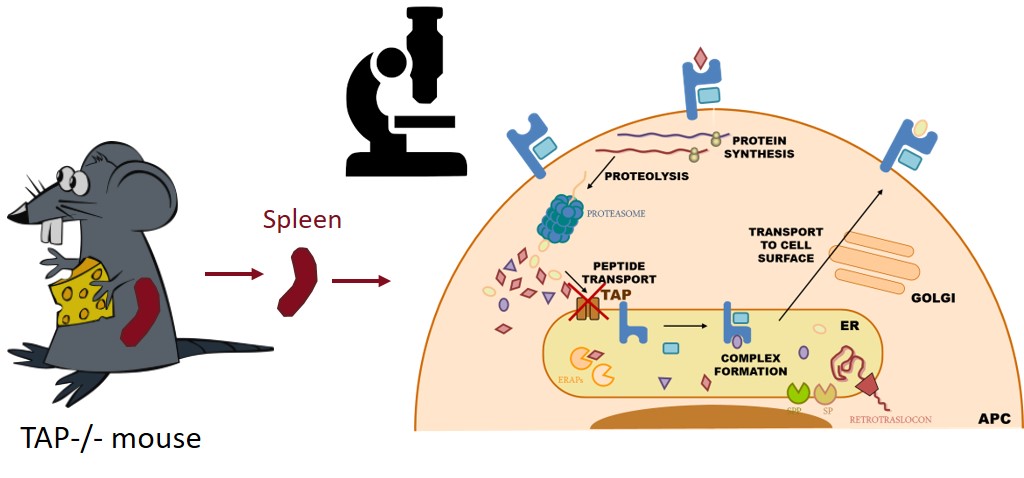
- * Análisis de las respuestas inmunes celulares frente a patógenos virales y bacterianos, mediante técnicas inmunoproteómicas, modelos in vivo con animales transgénicos y muestras humanas.
- * Caracterización de CD69: regulación génica, función reguladora inmune en homeostasis e infección y su uso como diana terapéutica, edición génica por CRISPR en modelos animales y celulares, etc.

* Desarrollo de herramientas inmunoinformáticas que permitan analizar la respuesta inmune celular frente a diversos virus de interés sanitario y determinar la eficacia de sus vacunas a nivel de población mundial.

* Estudio de las respuestas inmunes celulares frente a enfermedades raras (artritis reactiva y síndrome del linfocito desnudo) y crónicas (espondiloartropatías).
* Inclusión de componentes del sistema inmune en la fabricación de tejidos humanos, especialmente piel, para uso clínico, farmacéutico y cosmético.
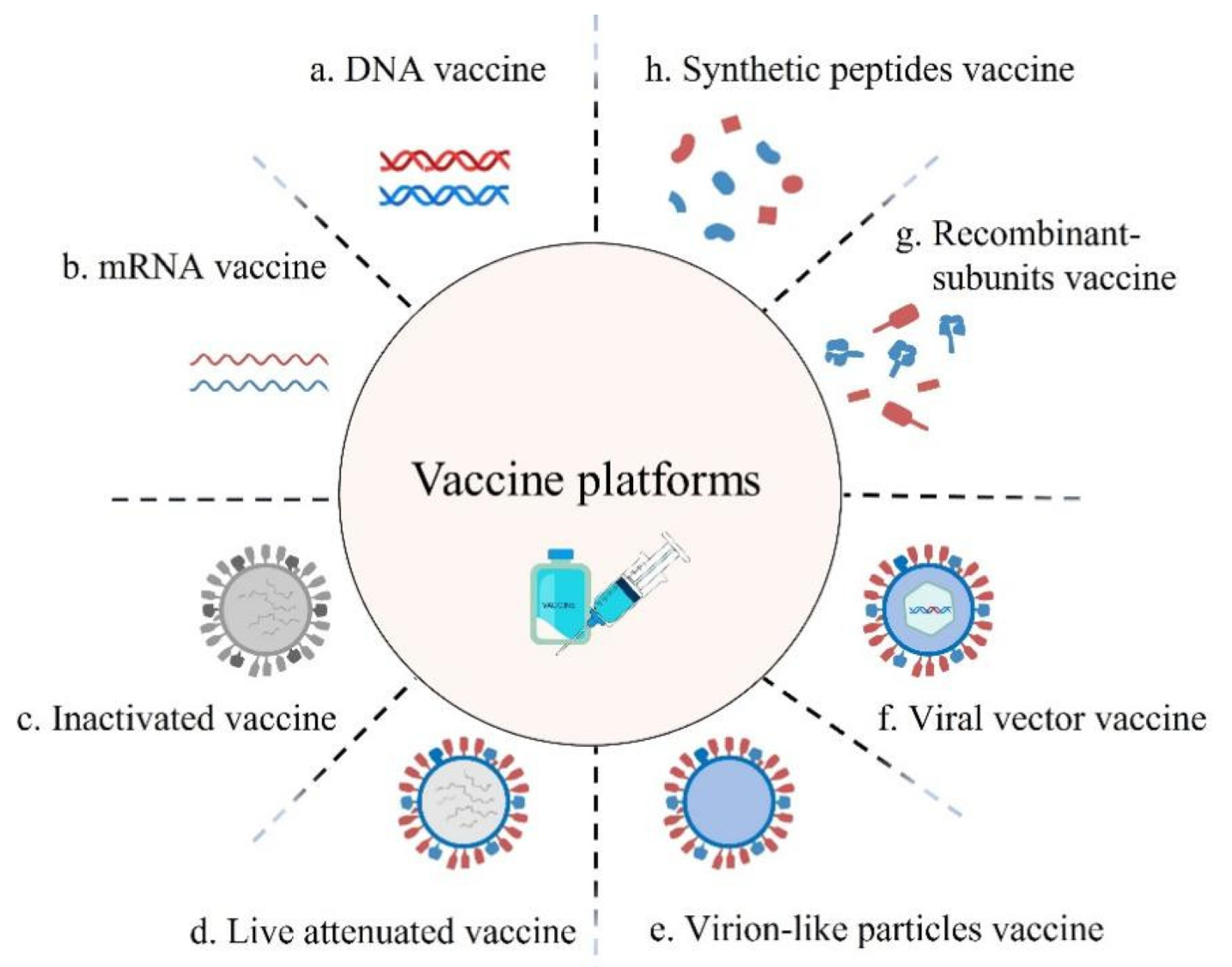
- * Generación de virus recombinantes como vectores vacunales.
Publicaciones destacadas
Cytotoxic cell populations developed during treatment with tyrosine kinase inhibitors protect autologous CD4+ T cells from HIV-1 infection
Cytotoxic cell populations developed during treatment with tyrosine kinase inhibitors protect autologous CD4+ T cells from HIV-1 infection. Vigón L, Rodríguez-Mora S, Luna A, Sandonís V, Mateos E, Bautista G, Steegmann JL, Climent N, Plana M, Pérez-Romero P, de Ory F, Alcamí J, García-Gutierrez V, Planelles V, López-Huertas MR, Coiras M (AC). Biochem Pharmacol. 2020 Dec;182:114203. doi: 10.1016/j.bcp.2020.114203. PMID: 32828803.
PUBMED DOITyrosine Kinase Inhibition: a New Perspective in the Fight against HIV
Tyrosine Kinase Inhibition: a New Perspective in the Fight against HIV. Rodríguez-Mora S, Spivak AM, Szaniawski MA, López-Huertas MR, Alcamí J, Planelles V, Coiras M (AC). Curr HIV/AIDS Rep. 2019 Oct;16(5):414-422. doi: 10.1007/s11904-019-00462-5. PMID: 31506864. Review.
PUBMED DOIDasatinib protects humanized mice from acute HIV-1 infection
Dasatinib protects humanized mice from acute HIV-1 infection. Salgado M, Martinez-Picado J, Gálvez C, Rodríguez-Mora S, Rivaya B, Urrea V, Mateos E, Alcamí J, Coiras M (AC). Biochem Pharmacol. 2020 Apr;174:113625. doi: 10.1016/j.bcp.2019.113625. PMID: 31476293.
PUBMED DOIEvaluation of resistance to HIV-1 infection ex vivo of PBMCs isolated from patients with chronic myeloid leukemia treated with different tyrosine kinase inhibitors.
Evaluation of resistance to HIV-1 infection ex vivo of PBMCs isolated from patients with chronic myeloid leukemia treated with different tyrosine kinase inhibitors. Bermejo M, Ambrosioni J, Bautista G, Climent N, Mateos E, Rovira C, Rodríguez-Mora S, López-Huertas MR, García-Gutiérrez V, Steegmann JL, Duarte R, Cervantes F, Plana M, Miró JM, Alcamí J, Coiras M (AC). Biochem Pharmacol. 2018 Oct;156:248-264. doi: 10.1016/j.bcp.2018.08.031. PMID: 30142322.
PUBMED DOIStaphylococcus aureus Nasal Colonization in Spanish Children. The COSACO Nationwide Surveillance Study.
Staphylococcus aureus Nasal Colonization in Spanish Children. The COSACO Nationwide Surveillance Study. Del Rosal T, Méndez-Echevarría A, Garcia-Vera C, Escosa-Garcia L, Agud M, Chaves F, Román F, Gutierrez-Fernandez J, Ruiz de Gopegui E, Ruiz-Carrascoso G, Ruiz-Gallego MDC, Bernet A, Quevedo SM, Fernández-Verdugo AM, Díez-Sebastian J, Calvo C; COSACO Study Group.
PUBMEDAntimicrobial Resistance and Distribution of Staphylococcus spp. Pulsotypes Isolated from Goat and Sheep Bulk Tank Milk in Southern Spain
Antimicrobial Resistance and Distribution of Staphylococcus spp. Pulsotypes Isolated from Goat and Sheep Bulk Tank Milk in Southern Spain. Barrero-Domínguez B, Luque I, Galán-Relaño Á, Vega-Pla JL, Huerta B, Román F, Astorga RJ. Foodborne Pathog Dis. 2019 Oct;16(10):723-730. doi: 10.1089/fpd.2018.2593. Epub 2019 Jun 3.Foodborne Pathog Dis. 2019. PMID: 31157980
PUBMEDPrevalence of pSCFS7-like vectors among cfr-positive staphylococcal population in Spain
Prevalence of pSCFS7-like vectors among cfr-positive staphylococcal population in Spain. Nguyen LTT*, Román F*, Morikawa K, Trincado P, Marcos C, Rojo-Martín MD, Cafini F. Int J Antimicrob Agents. 2018 Aug;52(2):305-306.
PUBMEDMethodology for the Study of Horizontal Gene Transfer in Staphylococcus aureus.
Methodology for the Study of Horizontal Gene Transfer in Staphylococcus aureus. Cafini F, Thi Le Thuy N, Román F, Prieto J, Dubrac S, Msadek T, Morikawa K. J Vis Exp. 2017 Mar 10;(121).
PUBMEDInformación adicional
• Taxonomic study. Objective: Association of already described species to new clinical processes. Description of new bacterial species.
• Sensitivity studies against new antituberculous drugs: Objective: To evaluate the antimicrobial activity of new compounds for human use in clinical strains of Mycobacterium tuberculosis and in other species of non-tuberculous mycobacteria, for subsequent application in the treatment of these infections.
• Molecular epidemiology of tuberculosis. Objectives: Molecular characterization of the members of the M. tuberculosis complex. Transmission studies with special surveillance of MDR/XDR tuberculosis.
• Development of new methods of identification and detection of resistance in mycobacteria. Objectives: Optimization and development of molecular techniques for the diagnosis and detection of resistance.