



Protegemos tu salud a través de la Ciencia
Investigación
Virus humanos de la familia herpesviridae
Líneas de investigación
Virus Respiratorios y Gripe
• Gripe humana y animal. Vigilancia de su circulación. Antigripales, resistencias virales. Vacunas
• Infecciones víricas respiratorias en pacientes pediátricos
• Diagnóstico, referencia y Nuevos procedimientos basados en la metagenómica viral para el estudio de virus respiratorios.
• Epidemiologia de Virus respiratorios: Gripe, Virus Respiratorio Sincitial, Adenovirus, Metapneumovirus humano, Coronavirus (MERS, 229E, OC43, HKU1, NL63), Parainfluenzavirus, Rinovirus, Bocavirus humano
• Virus respiratorios emergentes • Biodefensa y virus
Virus humanos de la familia herpesviridae
• Infecciones neurológicas y/o sistémicas producidas por virus herpes simple, virus de la varicela zóster y enterovirus.
• Infecciones sistémicas producidas por virus Epstein-Barr, citomegalovirus, virus herpes 6, 7 y 8.
• Epidemiología molecular del virus de la varicela zóster: Estudio de clados y genotipos.
• Estudio molecular de casos de varicela y herpes zóster en pacientes vacunados.
• Investigación de mutaciones que confieren resistencia a antivirales en citomegalovirus.
• Infección congénita por citomegalovirus: Estudio de marcadores virológicos e inmunológicos.
• Aplicación de la tecnología de NGS para el estudio etiológico de la infección neurológica.
1. EPIDEMIOLOGÍA MOLECULAR DEL VIRUS DE LA VARICELA ZÓSTER: ESTUDIO DE CLADOS Y GENOTIPOS
Las políticas de vacunación deben basarse en la vigilancia epidemiológica, incluida la caracterización molecular de los virus circulantes que producen no solo la varicela, sino también el herpes zóster o la enfermedad neurológica, a fin de evaluar el impacto de los programas de vacunación en la incidencia y el patrón de circulación viral. Además, dado que los eventos de recombinación no son infrecuentes en VZV, su investigación resulta imprescindible para evaluar la aparición de nuevas cepas recombinantes entre la cepa de la vacuna y las de tipo salvaje o, entre las de tipo salvaje que pudieran dar lugar a cepas más virulentas que cambiaran el patrón de distribución de la enfermedad.
El objetivo principal de esta línea de investigación es la caracterización genética completa a través de secuenciación de Sanger y NGS de las cepas de VZV circulante en nuestro país con especial énfasis en la población pediátrica y aquella en la que se ha detectado fallo vacunal.
Proyectos asociados (en curso):
Estudio del fallo vacunal en enfermedades víricas inmunoprevenibles. AESI2019 Investigación en Salud. PI19CIII/00041 /MPY 513/19
Publicación asociada:
González; A. Molina-Ortega; P. Pérez-Romero; J.E. Echevarría; L. He; David Tarragó Asensio. Varicella-zoster virus clades circulating in Spain over two decades. Journal of Clinical Virology. 110, pp. 17 - 21. 2019. DOI: 10.1016/j.jcv.2018.11.008
2. DIAGNÓSTICO, REFERENCIA Y NUEVOS PROCEDIMIENTOS BASADOS EN LA METAGENÓMICA VIRAL PARA EL ESTUDIO ETIOLÓGICO DE LA INFECCIÓN NEUROLÓGICA
Los virus son la causa más frecuente de meningitis y encefalitis de origen infeccioso. Para identificar el agente etiológico de las infecciones del sistema nervioso central, los laboratorios utilizan ensayos basados en la PCR a partir de muestras de líquido cefalorraquídeo. El diagnóstico molecular ha mejorado sustancialmente con la introducción en nuestro laboratorio de la PCR a tiempo real multiplex, lo cual permite detectar muchos más patógenos con una alta sensibilidad y especificidad, al mismo tiempo que cuantificar la carga viral en la muestra del paciente. A pesar de estos avances, la etiología sigue siendo desconocida en aproximadamente un 40-60% de los casos con sospecha de meningitis/encefalitis viral, pudiendo llegar a ser de hasta el 81% según los diversos estudios. En España, un proyecto de 2012 destinado a determinar los virus causantes de infecciones del sistema nervioso central mediante pruebas convencionales, concluyó que un número significativo de casos (43% de meningitis, 60% de meningoencefalitis y 72% de encefalitis) permanecieron sin diagnóstico etiológico. Los datos actuales del Centro Nacional de Microbiología muestran que aproximadamente el 80% de los casos con sospecha clínica de infección viral del sistema nervioso central permanecen sin diagnosticar. Esto puede deberse principalmente a la amplia variedad de virus que pueden causar enfermedad neurológica, por falta de sensibilidad de los métodos diagnósticos o a una etiología por virus de especies conocidas que no se asociaban a enfermedad neurológica o bien a nuevas especies desconocidas. En esta línea de investigación se trata de identificar por secuenciación masiva el agente etiológico de infecciones del sistema nervioso central de sospecha vírica a las que no se ha llegado a un diagnóstico etiológico por métodos convencionales.
Proyectos asociados (en curso):
AESI2020 PI20CIII/00005. Diagnóstico virológico por secuenciación masiva de casos de meningitis y encefalitis sin filiación etiológica.
3. RESISTENCIA A ANTIVIRICOS EN CMV DE PACIENTES INMUNOCOMPROMETIDOS
Una de las principales preocupaciones actuales tras la realización de un trasplante es la infección por CMV resistente a los fármacos antivirales, altamente correlacionada con un aumento de morbilidad y mortandad. Para realizar una adecuada selección del tratamiento, es importante investigar todos los posibles mecanismos de resistencia que puedan darse. Actualmente, al identificarse las mutaciones de resistencia más habituales en la infección por CMV, los estudios genotípicos de secuenciación son el método de elección y suponen la base para la selección de un tratamiento alternativo. El análisis del genoma viral en busca de mutaciones de resistencia debe ir dirigido a zonas concretas del genoma viral, concretamente a mutaciones que afectan a los genes UL54 (codones 300-1000) y UL97 (codones 400-670). En general, más del 90% de las mutaciones más comunes descritas se localizan en el gen UL97, concretamente entre los codones 460-520, involucrados en la unión de ATP y del 590 al 607, implicados en el reconocimiento del sustrato.
Cuando las mutaciones afectan solamente al gen UL97, los virus presentan resistencia al ganciclovir, pero siguen siendo sensibles a otros antivirales, como foscarnet o cidofovir. Sin embargo, si estas aparecen simultáneamente en el gen UL54, el nivel de resistencia al ganciclovir aumenta y aparecen resistencias cruzadas con otros antivirales.
Recientemente, el Letermovir ha surgido como alternativa terapéutica ya que es activo frente a cepas resistentes al ganciclovir, foscarnet y cidofovir. Las mutaciones de resistencia asociadas al LET han sido mapeadas principalmente en el gen UL56, concretamente a la región codificante para los aminoácidos 229-369.
Esta línea de investigación tiene como objetivo determinar, estudiar y evaluar las mutaciones en UL97, UL54 y UL56 que pudieran asociarse a resistencia a los antivirales descritos.
4. INFECCIÓN CONGÉNITA POR CITOMEGALOVIRUS: ESTUDIO DE MARCADORES VIROLÓGICOS E INMUNOLÓGICOS
Tanto el haplotipo HLA-I A/C como el polimorfismo en gpUl40 de la cepa de CMV infectante puede afectar a la capacidad de los diferentes pacientes en su respuesta a CMV mediada por las células NK y los linfocitos CD8 citotóxicos y restringida por HLA-E. HLA-E presenta en la superficie de las células péptidos antigénicos propios provenientes del procesamiento de HLA-C y A. Polimorfismos en un nonámero de la secuencia líder de la gpUL40 del CMV generan distintos péptidos de unión a HLA-E de la misma forma que lo hacen los péptidos provenientes del HLA A y C. Por tanto, esta íntima asociación entre los antígenos del virus y los propios pudiera ser utilizada como biomarcador para poder predecir la morbilidad y mortalidad en los pacientes con infección congénita por CMV. El objetivo principal de esta línea de investigación es la completa caracterización del gen ul40 para estudiar polimorfismos que puedan relacionarse con la clínica en la infección congénita por CMV, así como en el pronóstico y evolución de sus secuelas.
Proyecto asociado:
MPY1372/12. Investigación genético molecular en virus de la familia herpesviridae.
Virus entéricos
1. Vigilancia microbiológica y epidemiológica a nivel nacional de las infecciones causadas por enterovirus y parechovirus y de los casos de parálisis flácida aguda en menores de 15 años. Caracterización, asociación clínica y epidemiología molecular.
2. Investigación de los enterovirus y parechovirus que causan infecciones neurológicas y sistémicas severas en población pediátrica. Estudio de los factores virológicos implicados en la patogenicidad.
3. Estudio virológico de muestras ambientales (aguas residuales y tratadas para consumo) de la CAM.
4. Estudio virológico (diagnóstico y caracterización) de las infecciones gastrointestinales causadas por virus (norovirus, rotavirus y otros). Epidemiología molecular y caracterización de brotes.
Investigación y vigilancia de los poliovirus y la poliomielitis
El Laboratorio de Enterovirus (actualmente de Virus Entéricos) del CNM fue designado Laboratorio Nacional de Poliovirus en 1998 y desde entonces es certificado anualmente por la OMS, como parte del Plan Global de Erradicación de la Poliomielitis. Es responsable, junto a 3 laboratorios primarios en 3 CCAA, de la vigilancia de la poliomielitis a nivel nacional, estudiando e investigando (clínica, epidemiológica y virológicamente) todos los casos compatibles, incluidos los de parálisis flácida aguda en menores de 15 años (enfermedad de notificación obligatoria) para descartar la presencia y circulación de poliovirus en España.
Además, desde 1999 (y gracias a un convenio con el CYII) posee toda la infraestructura y metodología necesaria para realizar vigilancia medioambiental en aguas, tanto para medir la calidad de las aguas potables de ETAP, como para monitorizar la excreción de virus por parte de la población con el estudio de la presencia de poliovirus y otros enterovirus en aguas residuales de EDAR. Esto ha permitido que, a partir de marzo de este año, se estén realizando, además, ensayos de presencia de SARS-CoV-2 en las muestras procedentes de diferentes EDAR situadas en la CAM.
Investigación y referencia en infecciones por enterovirus y parechovirus
El Laboratorio también es Laboratorio de Referencia para las infecciones por Enterovirus y Parechovirus realizando: 1) el diagnostico virológico en muestras clínicas; 2) la caracterización de todos los enterovirus y parechovirus detectados (Programa de Vigilancia Microbiológica del CNM); 3) el desarrollo, mantenimiento y transferencia de métodos de diagnóstico y tipado, tanto moleculares como de cultivo viral; y 4) la investigación para profundizar en el conocimiento de aquellos virus implicados en casos de excepcional importancia clínica o epidemiológica. La larga experiencia del grupo en la propagación de cultivos virales de enterovirus y en técnicas celulares y moleculares de caracterización, ha permitido que el CNM posea una amplia colección de cepas, muy valiosa para la investigación de estos virus.
Investigación y referencia en infecciones gastrointestinales causadas por virus
Desde 2016, el laboratorio realiza: 1) el diagnostico virológico de Norovirus, Rotavirus, Adenovirus 40/41, Astrovirus y otros virus productores de gastroenteritis aguda en muestras clínicas; 2) el genotipado de los virus detectados y la caracterización de brotes; 3) el desarrollo y mantenimiento de métodos de diagnóstico y genotipado; y 4) la investigación básica y epidemiológica de aquellos virus de mayor importancia clínica.

B) Estudio de la distribución y dinámica de las infecciones por VPH en grupos de riesgo. Existen algunos colectivos especialmente vulnerables, algunos de ellos de difícil acceso (trabajadoras del sexo, colectivo trans, etc.), en la que las infecciones por VPH merecen una especial atención. La prevalencia de la infección por VPH es especialmente alto en personas que viven con VIH y/o entre hombres que tienen sexo con hombres. El conocimiento de la distribución y dinámica de las infecciones es especialmente interesante en estos grupos, ya que pueden ayudar a mejorar los actuales algoritmos para la prevención del cáncer anogenital.
C) Estudio de la Infección por genotipos de VPH y su relación con la progresión hacia procesos neoplásicos. La capacidad oncogénica de algunos genotipos de VPH y su implicación en la producción de cáncer anogenital, es conocida. Además, existen otros procesos oncológicos, como el cáncer de piel no-melanoma, en el que el VPH podrían estar implicado. Es de esperar que la aparición de nuevos genotipos y la realización de estudios más amplios pueda dar lugar a la identificación de nuevas asociaciones entre VPH y procesos neoplásicos.
D) Estudio de co-infecciones por diferentes genotipos de VPH. La presencia de co-infecciones de diferentes genotipos de VPH es un hallazgo muy frecuente, tanto en muestras piel como en diferentes mucosas. La gran diversidad genética de VPH limita la capacidad de los métodos moleculares clásicos para realizar una detección y estudio integral de los genotipos presentes. Sin embargo, la utilización de la secuenciación masiva permite eliminar parte de estos sesgos y obtener una información más detallada de las poblaciones de VPH existentes, así como analizar interacciones entre los diferentes genotipos.
E) Descripción de nuevos genotipos/variantes de VPH. Actualmente en el Centro Internacional de Referencia del VPH (Instituto Karolinska, Suecia) se encuentran descritos más de 220 genotipos de VPH, distribuidos en 5 géneros diferentes. Sin embargo, la mejora de las técnicas de detección molecular, así como el uso de la secuenciación masiva están permitiendo incrementar rápidamente este número. El estudio de nuevos genotipos y variantes es fundamental para la validación y el control de calidad de los métodos de diagnóstico disponibles. De igual modo, su caracterización y el estudio de posibles asociaciones del VPH con patologías distintas a las que ya se conocen, es un campo de gran interés para su investigación.
Investigación
La investigación del grupo de Virología Molecular está centrada en el estudio de la variación genética del VIH-1 y la evolución viral tanto por enfoques "in vitro" como "ex vivo" enfocado en las siguientes líneas:
- Pacientes no progresores. Estos pacientes mantienen el control de la enfermedad en ausencia de tratamiento antirretroviral por lo que se han propuesto como un modelo de cura funcional. Nuestro objetivo es estudiar la contribución de los factores virales en el control de la enfermedad mediante la caracterización biológica y la evolución viral en individuos con cargas virales indetectables (controladores de élite, CE), en comparación con individuos que presentan otros patrones de control viral.
- Envoltura viral: esta proteína viral es clave para determinar la eficacia viral. Por ello, su funcionalidad afecta de forma significativa a la progresión de la infección. En colaboración con Dr. Blanco y Dr. Valenzuela estudiamos qué eventos concretos (unión a CD4, fusogenicidad, etc) están relacionados con la funcionalidad de la envoltura. Para ello, hemos analizado envueltas de individuos con distintos patrones de progresión. Parte de ellas han sido cedidas al biobanco de envueltas de la Red de Investigación en SIDA para su uso.
- Doble infección: La infección por más de una variante viral (ya sea mediante co o superinfección) puede tener consecuencias en la patogénesis de la infección. En este sentido en nuestro grupo se han analizado diferentes aspectos de la DI, su detección en pacientes no progresores, su prevalencia e incidencia en España, así como la influencia de la DI sobre la respuesta neutralizante.
- Epidemiología Molecular: En el grupo de VM hemos analizado la evolución del virus a lo largo de la epidemia en España y en otros países (Holanda, Italia, Alemania, Uruguay, Panamá, Brasil, etc).
- Estudio del papel de distintos residuos aminoacídicos de la retrotranscriptasa del VIH-1 en la función enzimática y en la capacidad de replicación utilizando un clon molecular infeccioso obtenido previamente por el grupo.
- Variabilidad "in vitro". El estudio de pases seriados se ha empleado detectar los mecanismos responsables de la ganancia o pérdida de eficacia viral.
- Estudios sobre antivirales. Se ha analizado la selección de mutaciones de resistencia “in vitro” frente a distintos antivirales, así como el efecto de estas mutaciones sobre la eficacia viral, y la actividad de nuevos antivirales como los inhibidores de ATR.
Diagnóstico y Referencia Virológica en Infecciones Producidas por VIH y VLTH
El grupo de investigación ofrece y realiza actividades de diagnóstico y referencia a través de la cartera de servicios del Centro Nacional de Microbiología a todo el sistema nacional de salud.
Estos servicios incluyen:
- Diagnóstico y Referencia de la infección por el VIH (1 y 2) mediante detección de anticuerpos específicos y detección del ADN proviral mediante PCR.
- Diagnóstico y Referencia de la infección por el HTLVI/II mediante la detección de anticuerpos específicos y la detección del ADN proviral mediante PCR. Cuantificación de la carga proviral del HTLV-1 mediante PCR a tiempo real.
Laboratorio de Referencia de la Unión Europea en el ámbito de los productos sanitarios para diagnóstico in vitro Laboratorio de Referencia de la Unión Europea (EURL) en el ámbito de los productos sanitarios para diagnóstico microbiológico in vitro (IVD) de VIH y HTLV (Reglamento 2023/2713 de 5 de diciembre de 2023.) Nuestra labor es confirmar la fiabilidad y eficacia de los dispositivos para la detección de estos patógenos y garantizar sus requisitos específicos de funcionamiento mediante pruebas de laboratorio antes de que puedan ser comercializados en el mercado europeo.
Las vacunas virales clásicas se basan en la inducción de anticuerpos neutralizantes. En el caso de la infección por el virus de la inmunodeficiencia humana (VIH), la espícula viral ha evolucionado para no ser reconocida por dichos anticuerpos. A pesar de estos obstáculos, se han conseguido aislar ciertos anticuerpos monoclonales capaces de neutralizar a la mayoría de los aislados primarios de VIH-1 y han demostrado eficacia tanto en el control de la viremia como en protección frente a la infección en modelos animales. Son los denominados bNAbs (“Broadly neutralizing antibodies”).
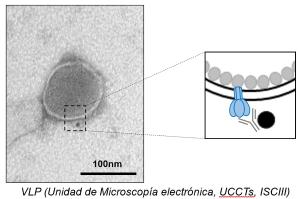
Con el objetivo de identificar los factores asociados a la inducción de estos anticuerpos y desarrollar estrategias preventivas basadas en la inducción de bNAbs, estamos trabajando en las siguientes líneas de investigación:
- Determinación de los factores asociados a la inducción de respuestas humorales eficaces en distintos escenarios: infección reciente, infección crónica, coinfección con el virus de la hepatitis C, reinfección e infección pediátrica, entre otros.
- Estudio del efecto de la terapia hormonal feminizante en el sistema inmune de mujeres transgénero.
- Desarrollo de prototipos de vacunas basadas en espículas de VIH-1 incorporadas en partículas tipo virión (“Virus-Like Particles” o VLPs), procedentes de dos fuentes: a) seleccionadas, a partir una biblioteca de espículas mutadas aleatoriamente, por presentar una mayor accesibilidad de los epítopos correspondientes a bNAbs y b) de virus presentes en individuos infectados con amplias respuestas neutralizantes en infección reciente.
- Aislamiento y caracterización de nuevos bNAbs contra el VIH-1 a partir de células B individuales de individuos con una respuesta neutralizante eficiente. Estos anticuerpos podrán ser utilizados tanto en estrategias preventivas como terapeúticas.
- Aislamiento de nuevos anticuerpos monoclonales frente a otros virus patogénicos humanos, adaptando la tecnología desarrollada para aislar anticuerpos frente al VIH-1, en colaboración con otros investigadores del Centro Nacional de Microbiología.
- Utilización de vectores de terapia génica (Virus Recombinantes Adeno-Asociados; rAAV) para incorporar bNAbs y aplicarlos en estrategias profilácticas y terapéuticas
Trasplante de órganos
Nuestro grupo de investigación ha liderado múltiples investigaciones en el ámbito del trasplante de órganos. Específicamente, nuestra trayectoria se ha centrado en el estudio de las células mieloides que favorecen la tolerancia al órgano trasplantado.
Recientemente, nuestro laboratorio ha empleado un novedoso y revolucionario enfoque terapéutico en el que nanopartículas dirigidas específicamente hacia células mieloides in vivo previenen la inmunidad entrenada y promueven la aceptación de trasplante de órganos.
En la actualidad, el laboratorio trabaja para confirmar la identificación de la inmunidad entrenada como biomarcador y valor analítico para predecir el riesgo de rechazo bajo tres condiciones: reperfusión isquémica, alosensibilización e infección.
Toxoplasmosis y Protozoos intestinales
Estudio de zoonosis y enfermedades emergentes originadas por protozoos con especial interés en:
• Toxoplasmosis: Desarrollo de diagnóstico inmunológico y molecular en casos congénitos e inmunocomprometidos. Caracterización de aislados de Toxoplasma gondii de origen humano y animal, relación con epidemiología y virulencia.
• Protozoosis intestinales: Diagnóstico, caracterización, epidemiología y dinámicas de transmisión de las enfermedades ocasionadas por Cryptosporidium, Giardia, Blastocystis y Entamoeba histolytica, en el ámbito humano y animal. Asociaciones entre estos parásitos y la microbiota intestinal.
• Amebas de Vida Libre: Desarrollo de diagnóstico de Acanthamoeba, Naegleria fowleri y Balamuthia mandrillaris. Estudios de casos oftalmológicos y neurológicos. Detección en el hombre, animales y medioambiente. Relevancia e implicaciones en la epidemiología y control.
Taxonomía Bacteriana
Los objetivos de investigación se focalizan en los ámbitos de la Taxonomía Bacteriana y de la Microbiología en Salud Pública:
• Asignación taxonómica bacteriana de especies emergentes, inusuales, de difícil identificación implicadas en infección humana
• Descripción de nuevas especies
• Estudio de la biología poblacional bacteriana mediante diferentes técnicas de tipificación: genes conservados (gyrB, secA, rpoB, tuf, etc), MLST (Multilocus sequence typing), MLVA ( Multiple Locus Variable-number Tandem Repeat Analysis) y/o secuenciación de genoma completo
• Epidemiología de la resistencia frente a antimicrobianos y factores de virulencia para determinados patógenos bacterianos en diferentes escenarios nosocomial/comunitario.
Estos objetivos se abordan desde la perspectiva de la taxonomía polifásica (taxonomía feno- y genotípica) combinada con el estudio del genoma completo para la asignación de género/especie y análisis filogenéticos. Conjuntamente se realizan análisis de viruloma y resistoma para determinadas especies bacterianas (ver publicaciones) y para contextos de brote en Salud Pública.
La investigación de la infección invasiva por Streptococcus pyogenes y otros estreptococos beta-hemolíticos, se realiza a través del Programa de Vigilancia del Centro Nacional de Microbiología con el estudio de los linajes circulantes en nuestro país.
Líneas de investigación
• Descripción de nuevos géneros y especies bacterianas con repercusión clínica.
• Estudio del entorno taxonómico, de virulencia y resistencia a antimicrobianos de bacterias anaerobias multirresistentes de interés clínico.
• Filogenia, caracterización de mecanismos moleculares de resistencia y plataformas genéticas en Nocardia spp y géneros afines.
• Streptococcus pyogenes: elementos genéticos móviles protagonistas en la evolución de serotipos pandémicos M1 y M89 causantes de infecciones invasivas.
• Identificación de los genotipos circulantes en España de Brucella melitensis y de nuevas líneas clonales.
• Caracterización genética de las neurotoxinas responsables de botulismo humano en España.
Susceptibilidad del huésped a las infecciones fúngicas invasoras
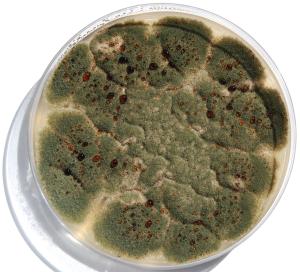
Se estima que más de un millón y medio de personas mueren al año en el mundo debido a una enfermedad fúngica invasora (EFI). Los tratamientos con inmunosupresores, terapias con corticoides, trasplantes de células hematopoyéticas y órgano sólido así como tratamientos quimioterapéuticos contra el cáncer han favorecido el aumento de estas infecciones fúngicas. El género Aspergillus es la principal causa de EFI por hongos filamentosos, siendo A. fumigatus la especie principalmente aislada en la mayoría de los casos y más frecuentemente asociada a Aspergilosis Invasora.
Muchas de estas infecciones están infra-diagnosticadas debido, tanto a la falta de sospecha clínica como a las limitaciones diagnósticas. Esta línea de investigación tiene como principal objetivo mejorar el pronóstico de la infecciones en pacientes con riesgo de desarrollar infecciones invasoras por hongos. Para ello se estudian marcadores del individuo (denominados biomarcadores del hospedador) que puedan ser detectados de forme temprana en muestras de pacientes en riesgo y que nos permita estratificar a los mismos en función de la susceptibilidad a desarrollar una infección invasora por hongos. Además, estudios realizados en los últimos años muestran que el fondo genético del hospedador está asociado con la predisposición al desarrollo de este tipo de enfermedades. En concreto se han identificado polimorfismos genéticos de nucleótido simple (“Single Nucleotide Polymorphism”- SNP) en genes que codifican para componentes celulares que interaccionan con estructuras fúngicas y/o que están involucradas en la respuesta inmune del huésped frente a agentes infecciosos como Aspergillus. En este sentido se han estandarizado y aplicado herramientas para la detección de SNPs en humanos de genes diana asociados concretamente con la susceptibilidad a la Aspergilosis Invasora.
Estudio de los mecanismos de virulencia en Aspergillus fumigatus
En paralelo al estudio de la respuesta del hospedador se sigue una línea cuyo objetivo es caracterizar mecanismos de virulencia en A. fumigatus. Uno de los principales mecanismos por los que A. fumigatus es capaz de causar enfermedad en humanos es su capacidad de adaptarse a las condiciones ambientales del hospedador. Entre las moléculas y los genes que se han relacionado con la virulencia de este hongo se encuentran componentes de la pared celular, genes y moléculas relacionadas con la evasión de la respuesta inmune, sistemas de detoxificación de los compuestos derivados del oxígeno, la producción de toxinas, la obtención de nutrientes como hierro, fósforo, nitrógeno y la adaptación a pH y temperatura del hospedador. Estos estudios permiten profundizar en el conocimiento sobre la patogenicidad de este hongo e identificar nuevas dianas terapéuticas
Serología
- Diagnóstico etiológico mediante serología de enfermedades infecciosas.
- Rubéola, Sarampión y Parotiditis
- Infección neurológica
- Validación de ensayos para diagnóstico serológico
- Estudios de seroepidemiología de enfermedades vacunables
Sarampión, rubeola, parotiditis, parvovirus B19 y rabia
Epidemiología molecular, filogeografía y filodinámica de las enfermedades de la vacuna triple vírica (sarampión, rubéola y parotiditis). Desarrollo de nuevos marcadores moleculares para su vigilancia global.
Caracterización de las infecciones en pacientes vacunados con vacuna triple vírica. Búsqueda de determinantes genotípicos y fenotípicos de escape a vacuna. Caracterización de la respuesta inmune.
Epidemiología molecular, filogeografía y filodinámica de la rabia en España. Dinámica de la infección por EBLV-1 en murciélagos. Caracterización epidemiológica de la rabia importada en Ceuta y Melilla.
Búsqueda y caracterización de virus potencialmente emergentes en murciélagos ibéricos. Caracterización de la infección por lisavirus de murciélago Lleida (LLEBV).
Epidemiología molecular, filogeografía y filodinámica de las enfermedades de la vacuna triple vírica (sarampión, rubéola y parotiditis). Desarrollo de nuevos marcadores moleculares para su vigilancia global.
Caracterización de las infecciones en pacientes vacunados con vacuna triple vírica. Búsqueda de determinantes genotípicos y fenotípicos de escape a vacuna. Caracterización de la respuesta inmune.
Epidemiología molecular, filogeografía y filodinámica de la rabia en España. Dinámica de la infección por EBLV-1 en murciélagos. Caracterización epidemiológica de la rabia importada en Ceuta y Melilla.
Búsqueda y caracterización de virus potencialmente emergentes en murciélagos ibéricos. Caracterización de la infección por lisavirus de murciélago Lleida (LLEBV).
Resistencia a Antibióticos
1. Resistencia a antibióticos (RA): vigilancia y epidemiología basadas en la genómica. Esta línea se centra en la vigilancia molecular y epidemiológica de patógenos prioritarios multirresistentes, integrando herramientas genómicas avanzadas para comprender su evolución, diseminación y mecanismos de resistencia, en alineación con el Centro Europeo para la Prevención y el Control de las Enfermedades (ECDC).
a) Vigilancia genómica de patógenos prioritarios. Se aborda el estudio sistemático de bacterias resistentes a antibióticos de alto impacto clínico y epidemiológico:
- Enterobacterales productores de carbapenemasas.
- Acinetobacter baumannii resistente a carbapenémicos.
- Pseudomonas aeruginosa resistente a carbapenémicos.
- Haemophilus influenzae causante de enfermedad invasiva.
- Staphylococcus aureus resistente a meticilina (MRSA).
Las actividades incluyen:
- Caracterización mediante secuenciación genómica completa (WGS) para identificar determinantes de resistencia, virulencia y linajes circulantes.
- Identificación y seguimiento de clones de alto riesgo y eventos de diseminación epidémica.
- Análisis filogenéticos para reconstruir rutas de transmisión local, nacional e internacional.
- Estudio de elementos genéticos móviles (plásmidos, integrones, transposones) implicados en la diseminación de genes de resistencia a los antibióticos.
b) Estudios multicéntricos y redes colaborativas
- Coordinación de estudios multicéntricos nacionales e internacionales para evaluar tendencias temporales y geográficas.
- Integración en redes europeas de vigilancia genómica.
- Comparación estandarizada de datos entre centros mediante pipelines bioinformáticos estandarizados.
c) Integración de genómica en sistemas de vigilancia
- Desarrollo de infraestructuras para incorporar datos WGS en programas nacionales de vigilancia.
- Generación de informes en tiempo real para apoyar medidas de control de infecciones hospitalarias.
- Transferencia de evidencia científica a autoridades sanitarias para diseño de políticas públicas.
El objetivo estratégico es evolucionar desde una vigilancia fenotípica clásica hacia una vigilancia predictiva basada en genómica, capaz de anticipar la emergencia y expansión de nuevos mecanismos de resistencia.

2. Nuevas estrategias terapéuticas frente a bacterias multirresistentes a los antibióticos. Esta línea aborda el desarrollo de terapias innovadoras que complementen o sustituyan a los antibióticos tradicionales frente a bacterias multirresistentes.
a) Diagnóstico rápido de resistencia a antibióticos. Desarrollo de ensayos de inmunocromatografía de flujo lateral para detección rápida de carbapenemasas y otros mecanismos de resistencia directamente desde muestras clínicas, mediante generación de anticuerpos monoclonales ultrasensibles dirigidos a proteínas específicas de resistencia, para reducir el tiempo de diagnóstico y facilitar la terapia antimicrobiana dirigida.
b) Plataforma integral de análisis genómico. Diseño de una plataforma bioinformática automatizada para detección de genes y mutaciones asociadas a resistencia a partir de datos genómicos. Incorporación de algoritmos predictivos basados en aprendizaje automático para inferir fenotipo de resistencia. Integración con sistemas hospitalarios para soporte a la decisión clínica en tiempo real. El objetivo es transformar los datos genómicos en herramientas operativas para la práctica clínica.
c) Terapias basadas en oligonucleótidos. Desarrollo de oligonucleótidos antisentido capaces de bloquear la expresión de genes esenciales o determinantes de resistencia. Optimización de sistemas de difusión para permitir su entrada en bacterias extracelulares. Conjugación con bacteriocinas para mejorar especificidad y capacidad de internalización. Evaluación en modelos preclínicos de infección por patógenos multirresistentes. Esta estrategia permite modular genéticamente la bacteria sin recurrir a antibióticos convencionales.
d) Terapias celulares avanzadas (CAR-NK derivadas de iPSC). Desarrollo de células NK modificadas con receptores quiméricos (CAR) dirigidos frente a determinantes bacterianos específicos. Uso de células derivadas de iPSC (células madre pluripotentes inducidas) que permiten expansión indefinida y producción clonal estandarizada. Optimización de procesos de fabricación reproducibles y escalables, facilitando cumplimiento regulatorio. Evaluación de seguridad, especificidad y eficacia en modelos experimentales. El objetivo es explorar estrategias inmunoterapéuticas aplicadas a infecciones por bacterias multirresistentes.

3. Terapia con bacteriófagos y estrategias anti-persistencia. Esta línea se centra en el desarrollo y estandarización de bancos de fagos para su uso en infecciones bacterianas crónicas y en el desarrollo de estrategias anti-persistencia para erradicar subpoblaciones bacterianas tolerantes.
- Aislamiento, caracterización genómica y funcional de bacteriófagos líticos activos frente a patógenos prioritarios (p. ej., Pseudomonas aeruginosa, Klebsiella pneumoniae, Staphylococcus aureus).
- Creación de colecciones bien definidas, con trazabilidad, secuenciación completa y ausencia de genes de virulencia o resistencia transferibles.
- Estandarización de protocolos de producción bajo condiciones GMP, control de calidad, estabilidad y formulación (tópica, inhalada, intravenosa). o Evaluación preclínica y clínica de cócteles de fagos y estrategias combinadas fago-antibiótico.
- Uso de fagos con capacidad de penetración en biopelículas o modificados para expresar enzimas degradadoras de matriz extracelular.
- Modelos in vitro e in vivo de infección crónica para evaluar eficacia terapéutica y prevenir recaídas.
El objetivo final es diseñar terapias combinadas capaces de erradicar tanto bacterias activamente replicativas como subpoblaciones tolerantes.
4. Medicina personalizada y diagnóstico avanzado en RA. Esta línea aborda la resistencia a antibióticos (RA) desde un enfoque de medicina de precisión, integrando datos clínicos, microbiológicos y genómicos para optimizar el tratamiento individualizado.
- Integración de secuenciación genómica completa (WGS) para identificar determinantes de resistencia y virulencia en tiempo real.
- Diseño de algoritmos de decisión clínica que combinen datos genómicos y características del paciente.
- Desarrollo de modelos predictivos de respuesta terapéutica basados en inteligencia artificial. o Implementación de terapias dirigidas (antibióticos específicos, combinaciones racionales, uso de fagos personalizados).
- Implementación de plataformas “point-of-care” para reducir el tiempo a tratamiento efectivo.
El objetivo es reducir el uso empírico de antibióticos de amplio espectro, mejorar resultados clínicos y disminuir la presión selectiva.
5. Impacto clínico, microbioma y resistoma humanos. Esta línea estudia cómo la hospitalización y la exposición a antibióticos modifican el microbioma intestinal y el resistoma, y cómo estos cambios influyen en la aparición de infecciones por bacterias resistentes.
a) Impacto de la hospitalización en microbioma y resistoma
- Estudios longitudinales en pacientes hospitalizados para caracterizar cambios en diversidad microbiana mediante metagenómica.
- Análisis del resistoma (conjunto de genes de resistencia presentes en la microbiota) antes, durante y después de la hospitalización.
- Identificación de factores clínicos asociados a disbiosis y expansión de patógenos oportunistas.
b) Relación microbiota–RA–evolución clínica
- Evaluación del papel de la pérdida de diversidad intestinal en la colonización por bacterias multirresistentes.
- Estudio de transferencia horizontal de genes de resistencia dentro del microbioma.
- Correlación entre perfiles de microbiota y desenlaces clínicos (infección, recaída, mortalidad).
- Desarrollo de estrategias preventivas (probióticos racionales, trasplante de microbiota fecal, moduladores metabólicos) para restaurar el equilibrio microbiano y reducir riesgo de infección.
El objetivo es comprender el ecosistema microbiano humano como reservorio dinámico de resistencia a antibióticos y como diana potencial para intervenciones terapéuticas y preventivas.
Las líneas de investigación actuales del grupo de Helmintos giran en torno a los siguientes temas:
Innovación de técnicas diagnósticas en helmintosis humanas (autóctonas / importadas / olvidadas)
Está línea de investigación está enfocada al desarrollo de TDSP y técnicas multianalito para su aplicación en enfoques diagnósticos integrales. Estas técnicas permiten la evaluación simultánea de múltiples biomarcadores, proporcionando una visión más completa y precisa del estado de salud de un paciente. Además, el trabajo incluye la incorporación de candidatos diagnósticos noveles, es decir, nuevos biomarcadores o moléculas que podrían ser útiles para la detección precoz o el seguimiento de enfermedades. Este enfoque busca mejorar tanto la precisión como la rapidez en el diagnóstico clínico.
Búsqueda de candidatos vacunales para helmintosis olvidadas por aproximaciones ómicas.
Esta línea de investigación se centra en encontrar candidatos vacunales para las helmintosis olvidadas mediante el uso de aproximaciones ómicas, como la genómica y proteómica empleando ensayos experimentales “in vitro” e “in vivo”. El enfoque ómico permite un análisis integral de los parásitos, ayudando a descubrir proteínas, antígenos y otros biomoléculas que desempeñan un papel fundamental en la infección y supervivencia del helminto dentro del hospedador. Estas biomoléculas pueden ser seleccionadas como candidatos para vacunas que podrían inducir una respuesta inmunitaria eficaz, bloqueando la capacidad del parásito para establecer infecciones o disminuir su impacto en los seres humanos. El objetivo final es mejorar el control de estas enfermedades desatendidas, proporcionando nuevas estrategias más efectivas que los tratamientos actuales..
Estudio de la inmunobiología de la interacción parásito-hospedador en helmintosis desde una perspectiva proteómica e inmunológica.
Estudiar la interacción entre los helmintos y sus hospedadores desde una perspectiva proteómica e inmunológica nos ayuda a entender los mecanismos moleculares que utilizan los parásitos para evadir o suprimir la respuesta inmunitaria del hospedador. El conocimiento generado en esta línea de trabajo no solo ayudará a entender mejor las complejas interacciones biológicas entre parásitos y hospedadores, sino que también puede proporcionar información clave para el desarrollo de nuevas terapias inmunológicas o vacunas contra las helmintosis, al identificar posibles blancos terapéuticos o mecanismos de defensa que puedan ser potenciados para combatir la infección.
Investigación de nuevas alternativas terapéuticas para enfermedades autoinmunes a partir de moléculas de helmintos.
Dado que los helmintos han desarrollado mecanismos sofisticados para modular el sistema inmunológico del hospedador y evitar ser eliminados, las moléculas que secretan pueden tener propiedades inmunomoduladoras. Estas moléculas podrían ser aprovechadas para tratar enfermedades autoinmunes, donde el sistema inmune ataca al propio cuerpo. El estudio se enfoca en identificar y caracterizar estas moléculas helmínticas con potencial terapéutico, investigando su capacidad para regular las respuestas inmunes y restaurar el equilibrio inmunológico en condiciones autoinmunes. El objetivo es desarrollar tratamientos innovadores que utilicen estos compuestos naturales para reducir la inflamación y el daño tisular en enfermedades como la artritis reumatoide, esclerosis múltiple o lupus, ofreciendo nuevas opciones más seguras y efectivas para los pacientes.

Presentación y Regulación Inmunes
• Análisis de las respuestas inmunes celulares frente a patógenos virales y bacterianos, mediante técnicas inmunoproteómicas, modelos in vivo con animales transgénicos y muestras humanas.

• Generación de virus recombinantes como vectores vacunales.
• Caracterización de CD69: regulación génica, función reguladora inmune en homeostasis e infección y su uso como diana terapéutica, edición génica por CRISPR en modelos animales y celulares, etc.
• Estudio de las respuestas inmunes celulares en enfermedades raras (artritis reactiva y síndrome del linfocito desnudo) y crónicas (espondiloartropatías).
• Inclusión de componentes del sistema inmune en la fabricación de tejidos humanos, especialmente piel, para uso clínico, farmacéutico y cosmético.
Patógenos Especiales
1.- Estudio de zoonosis emergentes producidas por bacterias: Anaplasma/Ehrlichia, Borrelia, Bartonella, Coxiella, Rickettsia, Francisella y Leptospira.
• Desarrollo y validación de nuevas técnicas de diagnóstico y genotipado.
• Epidemiología Molecular de Coxiella burnetii: asociación entre genotipos y diferentes manifestaciones clínicas.
• Descubrimiento de nuevos patógenos: descripción de variantes en reservorios, vectores, pacientes.
• Vigilancia de estos agentes en la naturaleza: cinética, ciclos de transmisión y reservorios.
• Estudio de brotes.
2.- Bacterias de potencial uso en bioterrorismo: Bacillus anthracis, Brucella spp., Burkholderia mallei, B. pseudomallei, C. burnetii, Francisella spp. y Yersinia pestis:
• Implementación de un Sistema de respuesta rápida.
• Desarrollo de nuevos métodos de detección.
Líneas de investigación prioritarias

1. Estudio de los procesos de latencia y reactivación del VIH-1: principales mecanismos homeostáticos responsables de la latencia proviral y la generación de los reservorios virales que imposibilitan la erradicación de la enfermedad.
2. Estudio de dianas terapéuticas para impedir la replicación viral activa durante la infección aguda o primaria y para interferir con la renovación del reservorio viral: análisis de fármacos inhibidores de las kinasas de linfocitos PKC o kinasas de la familia Src como p56Lck.
3. Análisis de los mecanismos de transactivación responsables de la replicación viral activa en linfocitos T CD4+: mecanismos virales implicados en reactivación del provirus.
4. Estudio de mecanismos que impidan la infección y replicación viral eficaz en células del reservorio viral secundario como son los monocitos/macrófagos.
5. Análisis de la resistencia a la infección por VIH-1 en linfocitos T CD4+ aislados de pacientes con distrofia muscular de cintura escapulohumeral/pélvica 1F (LGMD1F), que portan un defecto en el gen de la transportina-3 (tnpo3).
6. Estudio de la sinergia NF-B/Tat para la identificación de nuevas dianas terapéuticas.
7. Estudio de cambios de expresión en el transcriptoma y modificaciones postraduccionales en el proteoma de linfocitos T CD4+ que expresan Tat intracelular y su impacto sobre la estructura del citoesqueleto celular: mecanismo potencial de supervivencia de los reservorios virales.
8. Análisis de los mecanismos de degradación de p65/RelA (NF-B) y su importancia en la infección por VIH-1.
9. Estudio de las modificaciones en el metabolismo del RNA inducidas por la expresión intracelular de Tat y su papel en los mecanismos de supervivencia celular y aumento de la replicación viral.
Otras líneas de investigación
1. Estudio de la respuesta humoral y celular desarrollada en pacientes con Long COVID o COVID persistente.
2. Análisis de biomarcadores predictivos de gravedad en pacientes con distintas presentaciones de COVID-19.
3. Estudio de la respuesta inmune frente a la infección natural por SARS-CoV-2 o por la vacunación frente al COVID-19 desarrollada por pacientes con enfermedades oncohematológicas en estado de inmunodeficiencia.
4. Definición de biomarcadores predictivos de recaída en pacientes con leucemia mieloide crónica que hayan interrumpido el tratamiento con inhibidores de tirosina kinasas.
Patogénesis e inmunidad viral
A) Desarrollo de metodología point of care frente a hepatitis virales en el reservorio del VIH
El tratamiento precoz de las hepatitis virales reduce el deterioro progresivo del hígado y evita el trasplante hepático. Resulta esencial disponer de métodos diagnóstico rápido, sencillos y coste-efectivos, para el cribado, en la vigilancia epidemiológica y el diagnóstico virológico temprano de enfermedades virales hepáticas. Línea de investigación llevada a cabo en colaboración con el Dr. Ricardo Madrid (BioAssays S.L).
B) Impacto de la coinfección y eliminación de las hepatitis virales en el reservorio del VIH
La coinfección por el VHC impacta en el reservorio del VIH, principal obstáculo para eliminar esta infección. Se realizan distintos abordajes del estudio del reservorio del VIH en pacientes VIH+ con distinta exposición al VHC, y tras su eliminación espontánea o con antivirales de acción directa, con el objetivo de identificar y proponer nuevas estrategias de eliminación/curación del VIH. Esta línea de Investigación se desarrolla en el seno del Grupo Multidisciplinar COVIHEP (COinfección por VIH y HEPatitis).
C) Identificación de marcadores de senescencia inducida por virus y estrategias paliativas
Las infecciones virales inducen una senescencia acelerada cuyo impacto afecta a la evolución de la enfermedad y a posibles comorbilidades. Nuestro objetivo es profundizar en los mecanismos que desencadenan la inmunosenescencia y estrés oxidativo asociado a infecciones virales e identificar nuevas estrategias terapéuticas que palien el envejecimiento prematuro en estos pacientes.
D) Impacto de SARS-CoV-2 en la infección por el VIH y hepatitis virales
Se desconocen las complicaciones a largo plazo de la infección por SARS-CoV-2 en personas que viven con VIH y/o hepatitis virales que podrían experimentar un desarrollo clínico de la enfermedad más desfavorable. La identificación de biomarcadores de gravedad no invasivos (como en sangre/plasma) resulta de especial interés en estos pacientes.
E) Origen y Epidemiología de la enfermedad hepática
Estudio del origen y la dinámica de transmisión espacio-temporal de los virus hepáticos, clave para el entendimiento de su evolución y propagación, así como en el análisis de la carga global de las enfermedades, lo que podría ayudar a desarrollar programas de Salud Pública encaminados a prevenir y frenar su transmisión.
F) Impacto de la viremia de bajo grado del VIH
Se desconoce tanto el origen como los mecanismos de la viremia de bajo grado, presente entre el 3 y 16% que las personas que viven con VIH. Su presencia podría desembocar en un mayor riesgo de sufrir comorbilidades relacionadas con enfermedades cardiovasculares, cáncer y trastornos metabólicos.
G) Calidad del aire y su impacto en poblaciones vulnerables
La contaminación del aire agrava las patologías infecciosas y la salud cardiovascular y respiratoria. La evolución de la enfermedad en personas con enfermedades crónicas con VIH y hepatitis puede verse agravada tras la inhalación continua de contaminantes ambientales. Línea de investigación llevada a cabo en colaboración con el CNSA y el CNE del ISCIII.
H) Coinfección por VHE y protistas entéricos en el reservorio humano y animal: vigilancia e investigación
La coinfección entre virus y protistas entéricos podría influir en la cotransmisión y patogenicidad de dichas especies. Línea de investigación, bajo el concepto “One Health” que se centra en la vigilancia y estudio de la coinfección del VHE y protistas entéricos. Colaboración con el grupo multidisciplinar COHEPROEN (COinfección HEpatitis y PROtistas ENtéricos).
Nuevos antifúngicos y aspergilosis crónicas.
Epidemiología, resistencia y actividad de nuevos antifúngicos
El conocimiento de la epidemiología y la tasa de resistencia a los antifúngicos es esencial para un manejo adecuado de los pacientes y una estrategia de detección y diagnostico apropiada. La resistencia a los antimicrobianos es hoy una de las mayores amenazas para la salud mundial siendo el desarrollo y comercialización de nuevos compuestos una de las prioridades del sector de la salud. Se han realizado en colaboración con centros del Sistema Nacional de Salud varios estudios poblacionales, con el fin de conocer la epidemiología de los hongos filamentosos en España y la tasa de resistencia a los antifúngicos. Se ha encontrado que más de un 10% de las infecciones por hongos filamentosos están producidas por especies crípticas que suelen ser más resistentes a los antifúngicos. En los últimos años han aparecido varios compuestos con capacidad antifúngica que están en diferentes fases de desarrollo, en nuestro grupo se ensayan estos nuevos compuestos frente a los principales géneros de especies patógenas, incluyendo las especies crípticas multiresistentes.
Aspergilosis Pulmonar Crónica y Aspergilosis Broncopulmonar alérgica
Estas enfermedades ocurren generalmente en personas inmunocompetentes. La incidencia de estas enfermedades es prácticamente desconocida. La ausencia de un diagnóstico apropiado y del tratamiento óptimo complica el manejo de estos pacientes. Varios estudios han documentado la presencia de cepas multiresistentes en estos pacientes, debido a tratamiento prolongados. En esta línea se está trabajando en mejorar el algoritmo diagnóstico de estas enfermedades, así como analizar la epidemiología de las especies aisladas en estas infecciones y la influencia de cambios en el micobioma pulmonar y ambiental.
Enfermedades fúngicas y Salud global
Muchos países de renta media y baja se encuentran en zonas de alta incidencia de hongos, sin embargo, tienen menos herramientas y capacidad diagnóstica para manejarlas. Con el fin de conocer la incidencia de las infecciones oportunistas por hongos y disminuir la muerte asociada a las mismas en pacientes que viven con VIH en Guatemala y en colaboración con el Fondo de acción Global para las infecciones fúngicas (GAFFI), se ha desarrollado una red de unidades de atención integral al sida e implementado un laboratorio central de diagnóstico, que hace de referencia para el diagnóstico en varias infecciones oportunistas. Se ha hecho un estudio de cohortes incluyendo a más de 2500 pacientes HIV+ con un seguimiento de un año. Se han tamizado las principales infecciones fúngicas en este grupo de pacientes permitiendo el acceso al diagnóstico y al tratamiento de las mismas en la mayor parte del país y consiguiendo una disminución de mortalidad en un año del 7%.
Vigilancia epidemiológica de los serotipos y genotipos que causan enfermedad neumocócica invasiva (ENI) en España. Caracterización molecular de factores de virulencia de neumococo. Identificación y caracterización de proteínas de neumococo candidatas a vacuna. Evaluación de mecanismos de evasión de la respuesta inmune en Streptococcus pneumoniae. Impacto de los biofilms bacterianos en la persistencia del tracto respiratorio. Mecanismos de cronicidad de aislados clínicos de neumococo en pacientes con enfermedad pulmonar obstructiva crónica.
Vigilancia epidemiológica
Un pilar del laboratorio consiste en la vigilancia epidemiológica de los serotipos y genotipos que causan enfermedad neumocócica invasiva (ENI) en España. Nuestro laboratorio aporta información al Sistema Nacional de Salud procedente de la caracterización de las cepas circulantes, indicando el serotipo, genotipo y la sensibilidad antibiótica. La identificación de muestras con cultivo negativo (LCR y líquido pleural) se determina por PCR a tiempo real. El serotipado se realiza mediante la técnica de Dot-blot y PCR-secuenciación. El genotipado para el estudio de brotes y caracterización de clones asociados a cepas hipervirulentas y/o multirresistentes, se realiza mediante la técnica de MLST y análisis de genomas completos. Además, se determina la susceptibilidad antibiótica siguiendo los criterios EUCAST.
Caracterización molecular de factores de virulencia de neumococo e identificación y caracterización de proteínas de neumococo candidatas a vacuna
La cápsula polisacarídica del neumococo es el principal factor de virulencia, y la base de las actuales vacunas disponibles contra este patógeno. Debido a la elevada variabilidad de la cápsula, que diferencia actualmente a 100 serotipos, así como la existencia de cepas no capsuladas y al fenómeno del reemplazamiento de serotipos vacunales por serotipos no vacunales, es necesario un nuevo enfoque en cuanto al diseño de las vacunas dirigidas contra entre patógeno. Para ello, el laboratorio trabaja en la identificación de factores de virulencia y la caracterización del papel protector de proteínas conservadas en el neumococo que sirvan para el diseño de una vacuna universal contra este patógeno.
Evaluación de mecanismos de evasión de la respuesta inmune en Streptococcus pneumoniae
El proceso infeccioso de esta enfermedad requiere de una colonización del tracto respiratorio superior, posterior establecimiento en los pulmones, causando la neumonía, y su diseminación produciendo las patologías invasivas. Para ello emplea diversas estrategias de evasión del sistema inmune. Nuestro laboratorio estudia los diferentes mecanismos de evasión que se pueden producir en cada una de las etapas. Desde el punto de vista del patógeno se emplean mutantes de diferentes factores de virulencia, líneas celulares epiteliales y fagocitarias mientras que, para estudiar la respuesta inmune del huésped, se emplean modelos experimentales de colonización, neumonía y sepsis. Las principales técnicas analíticas son la citometría de flujo y la microscopía confocal.
Importancia del humo de tabaco y de la formación de los biofilms en la patogénesis bacteriana
El humo del tabaco es la principal causa de la Enfermedad Pulmonar Obstructiva Crónica (EPOC) caracterizada por una disminución de la función pulmonar y una serie de patologías asociadas. Una de las complicaciones recurrentes es la infección y reinfección por microorganismos, siendo el neumococo uno de los más habituales. El hecho de que neumococo, bajo estas condiciones, tenga la capacidad de persistir produciendo neumonías repetitivas, y se asocie a la aparición de multirresistencias a antibióticos, en muchos casos asociado a su capacidad de formación de biofilms, lo convierte en uno de nuestros objetivos de investigación.

Proyectos de investigación
A continuación se detallan los proyectos de investigación del grupo con vigencia en los últimos cinco años:
1. Título del proyecto: Terapias de RNA, Inmunoterapia y Diagnóstico Avanzado frente a las Resistencias Antimicrobianas. END-RAM (PLEC2024-011123).
Proyecto financiado por el CDTI y la Agencia Estatal de Investigación en la convocatoria Transmisiones de 2024 (vigencia 2025-2028). IP: María Pérez Vázquez
2. Título del proyecto: AMIR: Inmunoterapia avanzada basada en macrófagos para infecciones resistentes a antibióticos (CPP2024-011561)
Proyecto financiado por la Agencia Estatal de Investigación en la convocatoria Retos 2025 (vigencia 2026-2028). IP: Isabela Alonso González.
3. Título del proyecto: Desarrollo y Estandarización de un Banco de fagos para el tratamiento de Infecciones Pulmonares crónicas producidas por Bacterias Multirresistentes (DEBIPhage) (COOP24CIII/00021).
Proyecto financiado por el ISCIIII en la convocatoria COOPERA-ISCIII (AESi 2024) (vigencia 2025-2028). IP: María Pérez Vázquez.
4. Título del proyecto: Estudio comprehensivo del impacto de las bacterias multirresistentes productoras de metalocarbapenemasas a nivel nacional: Proyecto multicéntrico nacional CARB/MBL-ES-25 (PI24CIII/00044)
Proyecto financiado por el ISCIII en la convocatoria AESi 2024 (vigencia 2025-2027). IPs: María Pérez Vázquez y Jesús Oteo Iglesias; coordinadora: Eva Ramírez de Arellano.
5. Título del proyecto: Phage Therapy An-persister strategy (PHAGES-An-PERS) (JPIAMR-ACTION 2024)
Proyecto financiado por la JPIAMR-Action 2024 (vigencia 2025-2027) IP: María del Mar Tomás Carmona (H.U. A Coruña). IP del CNM: Jesús Oteo Iglesias.
6. Título del proyecto: Improving surveillance of antibiotic-resistant Pseudomonas aeruginosa in Europe (ISARPAE) (JPIAMR_NC_2022-021)
Proyecto financiado por la JPI-AMR 2022 (vigencia 2023-2024) IP: Antonio Oliver Palomo (H.U Son Espases de Palma de Mallorca). Investigador del grupo en el proyecto: Jesús Oteo Iglesias.
URL: https://www.jpiamr.eu/projects/isarpae/#network-partners
7. Título del proyecto: Bridging of Antimicrobial resistance Surveillance systems In Community Settings across Europe (BASICS) (JPIAMR_NC_2022-020).
Proyecto financiado por la JPI-AMR 2022 (vigencia 2023-2024). IP: Olivier Lemenand; investigador del grupo en el proyecto: Jesús Oteo Iglesias.
URL: https://www.jpiamr.eu/projects/basics/
8. Título del proyecto: La medicina de precisión contra la resistencia a antimicrobianos: Proyecto MePRAM (PMP22/00092)
Proyecto financiado por el ISCIII en la convocatoria de Medicina Personalizada y de Precisión 2022 (vigencia 2023-junio 2026). IP: Jesús Oteo Iglesias.
9. Título del proyecto: Impact of carbapenemase-producing Klebsiella pneumoniae in patients infected by SARS-CoV-2: Prevalence and genomic characterization (PI21CIII/00039)
Proyecto financiado por el ISCIII en la convocatoria AESi 2020 (vigencia 2022-2024, prorrogado hasta 2025). IPs: María Dolores Pérez Vázquez y Jesús Oteo Iglesias.
10. Título del proyecto: Impacto de la hospitalización en UCI en el microbioma y resistoma intestinal, estudio de cohorte observacional (2018-T1/BMD-11581)
Proyecto financiado por la Dirección General de Investigación e Innovación, Consejería de Educación e Investigación de la CAM (vigencia 2019-2023). IP: Silvia García Cobos.
11. Título del proyecto: Metatranscriptomics to investigate the functional gut microbiome and resistome in critically ill patients (2022-5A/BMD-24243)
Proyecto financiado por la Dirección General de Investigación e Innovación, Consejería de Educación e Investigación de la CAM (vigencia 2023-2024). IP: Silvia García Cobos.
12. Título del proyecto: PROTECT, Inhibidores de carbapenemasas: actividad frente a Enterobacterales productores de carbapenemasas, mecanismos e impacto en la evolución de la resistencia antimicrobiana (PI22/01212).
Proyecto financiado por el ISCIII en la convocatoria AES 2022 (vigencia 2023-2025). IP: Jorge Arca Suarez. Investigador colaborador del grupo: Maria Belén Aracil.
13. Título del proyecto: Incidencia y caracterización genómica de Klebsiella pneumoniae y Escherichia coli productores de carbapenemasas aislados en hospitales españoles: Proyecto multicéntrico nacional CARB-ES-2019 (PI18CIII/00030)
Proyecto financiado por el ISCIII en la convocatoria AESi 2018 (vigencia 2019-2021, prorrogado hasta diciembre de 2022). IP: Jesús Oteo Iglesias.
14. Título del proyecto: Desarrollo preclínico de vacunas basadas en ADN plasmídico para la prevención de infecciones por Klebsiella pneumoniae y Acinetobacter baumannii multirresistente (MPY 380/18)
Proyecto financiado por el ISCIII en la convocatoria AESi 2018 (vigencia 2019-2021, prorrogado hasta diciembre de 2022). IPs: María Pérez Vázquez y Michael McConnelly
15. Aunque no se trata de proyectos de investigación con financiación competitiva al uso, caben destacar los estudios de vigilancia mediante WGS que el ECDC a través de su red EURGen-Net está llevando a cabo en los últimos años, y que se estructuran a través de redes nacionales; la subred española está coordinada desde el CNM-ISCIII por nuestro grupo.
15.1. ECDC genomic-based survey of carbapenem-resistant Acinetobacter baumannii in Europe (CRAb). Inicio 2025. Coordinación española: Belén Aracil García y Jared Sotelo Tascón
15.2. ECDC genomic surveillance of carbapenem-resistant Enterobacterales 2025 (CRE25 survey). Inicio 2025. Coordinación española Belén Aracil García y Javier Cañada García.
-Hacia una cura funcional: implicaciones de la terapia antirretroviral temprana y los cambios hormonales sobre el reservorio del VIH en adolescentes infectados perinatalmente. Fondo de Investigación Sanitaria (FIS) - Instituto de Salud Carlos III (01/01/2026 - 31/12/2028). 72.000 €. IP: María Pernas, Concepción Casado.
- Determination of factors associated with protection against Human Immunodeficiency Virus type 1 Reinfection: Identification of protection correlates. IX Convocatoria de Becas Gilead a la Investigación Biomédica, Gilead Sciences, S.L. (01/07/2023-31/06/2025). 16.330 €. IP: María Pernas.
- Impacto de la envuelta en la replicación viral del VIH: Nuevas vías para el desarrollo de vacunas. Fondo de Investigación Sanitaria (FIS) - Instituto de Salud Carlos III (01/01/2020 - 31/12/2023). 53.000 €. IP: María Pernas, Concepción Casado.
- Estudio de la virulencia del VIH-1 en pacientes recién infectados y de su contribución junto a factores clínico-epidemiológicos a la progresión clínica. Ministerio de Economía y Competitividad. Programa Estatal de Investigación Científica y Técnica y de Innovación (30/12/2016 - 30/06/2021). 145.000 €. IP: Concepción Casado, Cecilio López-Galíndez
- Contribución de la doble infección con el VIH-1 a la evolución virológica y clínica en hombres homo/bisexuales. Fondo de Investigación Sanitaria (FIS) Instituto de Salud Carlos III (01/01/2014- 31/01/2016.). 74.410 €. IP: Cecilio López-Galíndez.
- Caracterización de variantes no patogénicos del VIH obtenidos “ex vivo” e “in vitro” para el estudio de la patogenia de la enfermedad. Ministerio de Ciencia e Innovación (01/01/2011-31/01/2014). 169.400 €. IP: Cecilio López-Galíndez
- Red española de Investigación en SIDA (RIS-RETIC) Instituto de Salud Carlos III (02/01/2017-02/01/2022). 195.212 €. IP: Cecilio López-Galíndez, Concepción Casado

- Título: Desvelando la genómica de las bacterias anaerobias procedentes de bacteriemias
Referencia Proyecto: PID202-1127477OB-I00-MPY 302/22.
Entidad financiador: Agencia Estatal de Investigación.
Fechas de ejecución: 2023-2026
Financiación 108.900 €.
Investigadora principal: Sylvia Valdezate

- Título: Plataformas MALDI-TOF/CMI SENSITITRETM Personal Técnico Apoyo
Referencia: PTA2019-016623-I.
Entidad Financiadora: Agencia Estatal de Investigación.
Fechas ejecución 12/2020-11/2023
Investigadora principal: Sylvia Valdezate
- Título: Elementos genéticos móviles protagonistas en la evolución de los serotipos pandémicos M1 y M89 de Streptococcus pyogenes en el síndrome del shock tóxico y otras infecciones invasivas
Referencia: (MPY 377/18).
Entidad financiadora: Instituto de Salud Carlos III. Agencia Estatal de Investigación en Salud Intramural (AESI).
Fechas de ejecución: 11/2018-12/2022.
Financiación: 40.000 €.
Investigadoras principales: Pilar Villalón. Co-IP Sylvia Valdezate.
- Título: Plataformas genéticas y su influencia en la resistencia a co-trimoxazol, macrólidos y tetraciclina en Nocardia spp.
Referencia: MPY 1278/15
Entidad financiadora: Instituto de Salud Carlos III. Agencia Estatal de Investigación en Salud Intramural (AESI).
Fechas de ejecución: 2015-2017.
Financiación: 88.141,8 €.
Investigadora principal: Sylvia Valdezate
- Título: Filogenia y caracterización de mecanismos moleculares de resistencia en Nocardia spp.
Referencia: MPY 1446/11
Entidad financiadora: Instituto de Salud Carlos III. Fondo de Investigación Sanitaria (AES). ()
Fechas de ejecución: 04/2012-10/2015
Financiación: 115.457 €.
Investigadora principal: Sylvia Valdezate.
- Título: Iberian network of laboratories of biological alert. Accreditation of methods for detection highly pathogenic agents (IB-BIOALERTNET).
Entidad financiadora: COMISIÓN EUROPEA HOME/2012/ISEC/AG/CBRN/4000003810. (Instituto de Salud Carlos III (VISAVET, IVIA, INSA, INIAV))
Referencia: SAFI 1132/13-7.
Fecha de ejecución: 2013-2015.
Financiación: 699.175 €.
Tipo de participación: Miembro del equipo investigador.
- Título: EQUATOX Project Establishment of Quality Assurances for theDetection of Biological Toxins of potential Bioterrorism risk.
Entidad financiadora y convocatoria: Seven Framework Programme for Research FP7-SECURITY. (Robert Koch-Institut Berlin Alemania).
Referencia: SEC-2011.5.4-1.
Fechas de ejecución: 2012-2014.
Proyectos de investigacion financiados mediante convocatorias públicas
Investigador Principal
1.TÍTULO DEL PROYECTO: Análisis proteómico de biofilms fúngicos (mono/multiespecie): Importancia de la Matriz Extracelular.
ENTIDAD FINANCIADORA: AESi 2025 (Expediente Nº PI25/00038)
DOTACION: 117.500 €
DURACION DESDE: 2026 HASTA: 2028
INVESTIGADOR PRINCIPAL: Alicia Gómez López
2.TÍTULO DEL PROYECTO: Estudio de biomarcadores involucrados en el desarrollo y evolución de un biofilm fúngico.
ENTIDAD FINANCIADORA: AESi 2021 (PI21CIII/00012, MPY 435/21)
DOTACION: 40.450 €
DURACION DESDE: 2022 HASTA: 2024prorg2025
INVESTIGADOR PRINCIPAL: Alicia Gómez López
3. TÍTULO DEL PROYECTO: Nuevas estrategias para la caracterización de la progresión y respuesta a la infección fúngica: aplicación de la versatilidad de técnicas cromatográficas.
ENTIDAD FINANCIADORA: AESi FIS (PI16CIII/00014, MPY 1347/16)
DOTACION: 41.500 €
DURACION DESDE: 2017- 2021
INVESTIGADOR PRINCIPAL: Alicia Gomez Lopez
4.TÍTULO DE LA ACTUACIÓN: Gestión y mantenimiento de la colección de cepas de levaduras y hongos filamentosos del Laboratorio de Referencia de Micología (CNM-ISCIII)
REFERENCIA DE LA ACTUACIÓN: PEJ-2014-A-13436
ÁREA CIENTÍFICA: Transferencia de Tecnología/Technology Transfer
Fecha:2016-2018
INVESTIGADOR/TUTOR: Alicia Gómez López
5.TÍTULO DEL PROYECTO: Variantes génicas de enzimas metabolizadoras (CYP450) y monitorización de voriconazol en pacientes tratados. Implicación en la toma de decisiones
ENTIDAD FINANCIADORA: AES FIS 2013 (PI13/01817), MPY 1367/13)
DURACION : 2013- 2016
PUESTO DESEMPEÑADO: Investigador Principal
PRESUPUESTO: 86.515€
6.TÍTULO DEL PROYECTO: Estudio de la relevancia clínica de la resistencia a azoles en un modelo animal de aspergilosis invasora: Caracterización de parámetros PK/PD.
ENTIDAD FINANCIADORA: ISCIII PROGRAMA GRUPOS EMERGENTES MPY1354/10
DURACION DESDE: 2010-2012
PUESTO DESEMPEÑADO: Investigador Principal
PRESUPUESTO:63.613 € (Contrato Técnico FP)
7.TÍTULO DEL PROYECTO: Estudio de la relevancia clínica de la resistencia a azoles en un modelo animal de aspergilosis invasora: Caracterización de parámetros PK/PD
ENTIDAD FINANCIADORA: AES FIS (exp PI09/0624), MPY 1003/10)
DURACION: 2010-2012
PUESTO DESEMPEÑADO: Investigador Principal
PRESUPUESTO:50.820€
Colaborador
TITULO DEL PROYECTO: Proyecto piloto para el desarrollo de una red de vigilancia molecular de resistencia a los antifúngicos con integración de datos microbiológicos y clínicos. FunResNet
Consorcio Centro de Investigacion Biomedica en Red (CIBERINFEC). Área de Enfermedades Infecciosas.
ENTIDAD FINANCIADORA: CIF: G85296226. Expediente IM23/INFEC/2
DOTACION: €
DURACIÓN: 2024-2025
INVESTIGADOR PRINCIPAL: Ana Alastruey Izquierdo, Investigador colaborador: Alicia Gómez López
TITULO DEL PROYECTO: Biomarcadores en lavado broncoalveolar para el diagnóstico y la predicción evolutiva de la aspergilosis pulmonar invasora Consorcio Centro de Investigacion Biomedica en Red (CIBERINFEC). Área de Enfermedades Infecciosas.
ENTIDAD FINANCIADORA: CIF: G85296226. Expediente IM23/INFEC/7
DOTACION: 63.000 €
DURACIÓN: 2024-2025
INVESTIGADOR PRINCIPAL: Laura Alcazar Fuoli, Investigador colaborador: Alicia Gómez López
TITULO: Consorcio Centro de Investigacion Biomedica en Red (CIBER). Área de Enfermedades Infecciosas.
ENTIDAD FINANCIADORA: CIF: G85296226. Expediente CB21/13/00105
DURACIÓN: 2022-2026
DOTACION: 85.000 € (primer año)
Participación: Desarrollo tecnológico Investigador colaborador
INVESTIGADOR/A RESPONSABLE: Emilia Mellado Terrado,
Proyectos financiados a través de empresas biotecnológicas
TITULO DEL PROYECTO: Rezafungin: An Attempt to Optimize In Vitro Susceptibility Against a Collection of Clinical Yeasts
EMPRESA/ADMINISTRACIÓN FINANCIADORA: Mundipharma Research/ Micología Molecular S.L/
DURACIÓN: 2025
INVESTIGADOR PRINCIPAL: Alicia Gómez López
TITULO DEL PROYECTO: Estudio de la concentración de benzinidazol en suero y orina de conejo tratado
Investigadora: Alicia Gómez López, Madrid, Spain
EMPRESA/ADMINISTRACIÓN FINANCIADORA: Micología Molecular S.L/ Fundacion MundoSano
DURACIÓN: 2024
INVESTIGADOR PRINCIPAL: Javier Nieto
PARTICIPACION: Desarrollo tecnológico (Investigador Colaborador)
TITULO: Ensayo clínico, fase IV, unicéntrico, dosis múltiple, con un único brazo de tratamiento para analizar la penetrancia broncopulmonar de isavuconazol en pacientes receptores de trasplante pulmonar (2019-004240-30)
DURACIÓN: 2020-2021
Participación: Investigador colaborador
INVESTIGADOR/A RESPONSABLE: Piedad Ussetti Gil, Belén Ruiz Antorán (Hospital Puerta de Hierro, Madrid)
TÍTULO DEL PROYECTO: Estudio piloto, prospectivo y aleatorizado sobre la factibilidad de Anfotericina B Liposomal nebulizada (ALN) como tratamiento complementario de la aspergilosis pulmonar invasiva
DURACIÓN: 2019-2021
ENTIDAD FINANCIADORA: Micología Molecular S.L.
INVESTIGADOR PRINCIPAL: Jesús Fortún Abete
PUESTO DESEMPEÑADO: Investigador colaborador
TITULO DEL CONTRATO: Estudio secuencial de Farmacocinética a nivel plasmático con dos formulaciones orales de posaconazol (suspensión oral y comprimidos gastrorresistentes) en pacientes hematológicos con riesgo elevado de contraer micosis invasivas. PROTOCOLO CÓDIGO POPK-1501
DURACIÓN: 2017
EMPRESA/ADMINISTRACIÓN FINANCIADORA: MSD/ Micología Molecular S.L.
PUESTO DESEMPEÑADO: Investigador colaborador
TITULO DEL PROYECTO: Validación de PCR en tiempo Real en sangre y liquido peritoneal en el diagnóstico de peritonitis candidiasica. Farmacocinética peritoneal y análisis de resistencia a equinocandinas.
DURACIÓN: 2016-2018
EMPRESA/ADMINISTRACIÓN FINANCIADORA: Micología Molecular S.L.
PUESTO DESEMPEÑADO: Investigador colaborador
TÍTULO DEL PROYECTO: Actividad in vitro de extractos de cianobacterias frente a una colección de hongos levaduriformes y filamentosos
DURACION : 2013
ENTIDAD FINANCIADORA: Valoralia I+D+i
PUESTO DESEMPEÑADO: Investigador Principal
TÍTULO DEL PROYECTO: Arasertaconazole nitrate.In vitro activity against Candida spp by Time-Kill Studies
DURACION : 2010-2011
ENTIDAD FINANCIADORA: Grupo Ferrer
PUESTO DESEMPEÑADO: Investigador Principal
TÍTULO DEL PROYECTO: Arasertaconazole nitrate. Susceptility study in vitro of arasertaconazole nitrate against clinical isolates of Candida
DURACION : 2010-2011
ENTIDAD FINANCIADORA: Grupo Ferrer
PUESTO DESEMPEÑADO: Investigador Principal
1. Título del proyecto: Determinación del grado de identidad de antígenos comunes de N. meningitidis y N. gonorrhoeae mediante herramientas genómicas e inmunológicas.
Investigador Principal: Raquel Abad Torreblanca
Entidad financiadora: ISCIII. Programa: Acción Estratégica en Salud Intramural
Referencia: PI23CIII/00040
Periodo: 2024-2026
Importe concedido: 68.500€
2. Título del proyecto: Meningococcal Disease and Molecular Epidemiology (MEMORY).
Investigador Principal: Raquel Abad Torreblanca y Julio A. Vázquez Moreno
Entidad financiadora: Pfizer Inc
Referencia: MVP 352/21
Periodo: 2022-2024
Importe concedido: 82.834,50€
3. Título del proyecto: Modelling Approaches to Guide Intelligent surveillance for the sustainable Introduction of novel ANtibiotics. MAGIcIAN.
Investigador Principal: Raquel Abad Torreblanca
Entidad financiadora: ISCIII / Acción Conjunta Internacional / Programa Joint Programming Initiatives (JPI)
Referencia: AC19CIII/00002
Periodo: 2020-2024
Importe concedido: 46.000€
4. Título del proyecto: Análisis epidemiológico, microbiológico y clínico del brote de listeriosis en Andalucía. Estudio LISMOAN.
Investigador Principal: José Miguel Cisneros Herreros
Entidad financiadora: FISEVI (Fundación Pública Andaluza para la gestión de la Investigación en Salud)/Convocatoria FPS2020
Referencia: PI-0001-2020
Periodo: 2020-2023
Importe concedido: 114.954€
5. Título del proyecto: Estructura poblacional de Neisseria meningitidis mediante secuenciación masiva ¿Una posible herramienta para estimar efectividad vacunal?
Investigador Principal: Raquel Abad Torreblanca
Entidad financiadora: ISCIII / Acción Estratégica en Salud Intramural
Referencia: PI19CIII/00030
Periodo: 2020-2023
Importe concedido: 67.153€.
6. Título del proyecto: Encomienda de gestión entre el Ministerio de Sanidad, Servicios Sociales e Igualdad (dirección general de salud pública, calidad e innovación) y el Instituto de Salud Carlos III, para las determinaciones de laboratorio correspondientes al 2º estudio de seroprevalencia en España.
Investigador Principal: Fernando de Ory y Julio A. Vázquez
Entidad financiadora: Dirección General de Salud Pública, Ministerio de Sanidad
Referencia: MEG151/17
Periodo: 2018-2020
Importe concedido: 565.663€
7. Título del proyecto: Efectividad de la vacuna frente al Meningococo B en niños inmunodeprimidos por drepanocitosis.
Investigador Principal: Raquel Abad Torreblanca
Entidad financiadora: Fundación de la Sociedad Española de Hematología y Oncología Pediátricas (SEHOP)
Referencia: MVP 199/18
Periodo: 2018-2020
Importe concedido: 18.285€
8. Título del proyecto: Aplicación de secuenciación masiva y aproximaciones inmunológicas en el análisis de expresión de nuevos antígenos vacunales en población de meningococo.
Investigador Principal: Raquel Abad Torreblanca
Entidad financiadora: ISCIII / Acción Estratégica en Salud Intramural
Referencia: PI16CIII/00023
Periodo: 2017-2020
Importe concedido: 115.084€
9. Título del proyecto: fHbp variability over time and potential coverage of the new meningococcal serogroup B vaccine (bivalent rLP2086/fHbp) in Spain.
Investigador Principal: Raquel Abad y Julio A. Vázquez
Entidad financiadora: Pfizer SLU
Referencia: MVP 1273/16
Periodo: 2017-2020
Importe concedido: 125.350€
10. Título del proyecto: Estimación de protección de vacuna conjugada frente a meningococo de serogrupo C basada en un modelo matemático.
Investigador Principal: Julio A. Vázquez y Javier Díez
Entidad financiadora: Centro Superior de Investigación en Salud Pública (CSISP)
Referencia: MVP 1116/11
Periodo: 2011-2017
Importe concedido: 143.750€
Proyectos con financiación pública
TÍTULO: Factores de virulencia de la levaduras patógenas y su influencia en el huésped
ENTIDAD FINANCIADORA: Ministerio de Educación y Ciencia
PUESTO DESEMPEÑADO: Investigador Principal, Contratado “Ramón y Cajal”
INICIO/ FINALIZACIÓN: 2006-2007
CANTIDAD: 15.000 EUROS
TÍTULO: Caracterización de células gigantes de hongos y papel durante la infección en mamíferos
ENTIDAD FINANCIADORA: Instituto de Salud Carlos III
PUESTO DESEMPEÑADO: Investigador Principal, Contratado “Ramón y Cajal”
INICIO/ FINALIZACIÓN: 2006-2007
CANTIDAD: 55.000 EUROS
TÍTULO: Búsqueda e identificación de genes involucrados en la resistencia a antifúngicos en Cryptococcus neoformans
ENTIDAD FINANCIADORA: Ministerio de Ciencia e Innovación
PUESTO DESEMPEÑADO: Investigador Principal, Contratado “Ramón y Cajal”
INICIO/ FINALIZACIÓN: 2008-2010
CANTIDAD: 25.000 EUROS
COLABORADORES: Juan Luis Rodríguez Tudela (Centro Nacional de Microbiología, ISCIII. Madrid); Manuel Cuenca Estrella (Centro Nacional de Microbiología, ISCIII. Madrid); Maria Jose Gianinni (Faculdade de Ciências Farmacêuticas-UNESP). Brasil
TÍTULO: Papel de los cambios morfológicos de la levadura patógena Cryptococcus neoformans durante la infección en el huésped
ENTIDAD FINANCIADORA: Ministerio de Ciencia e Innovación. Programa Plan Nacional “Investigación Fundamental no orientada”, área de Biomedicina, SAF2008-03761
PUESTO DESEMPEÑADO: Investigador Principal, Contratado “Ramón y Cajal”
INICIO/ FINALIZACIÓN: 2009-2011
CANTIDAD: 46.000 EUROS
TÍTULO DEL PROYECTO: Identificación de los mecanismos moleculares involucrados en la morfogénesis de Cryptococcus neoformans y estudio de su función durante la infección
ENTIDAD FINANCIADORA: Ministerio Ciencia e Innovación, Plan Nacional Investigación Fundamental no orientada, Área Biomedicina, Referencia: SAF2011-25140
DURACIÓN DESDE: Enero 2012 HASTA: Diciembre 2014
INVESTIGADOR/A PRINCIPAL: Oscar Zaragoza Hernández
Este proyecto tiene un becario FPI concedido
SUBVENCION: 90.000 euros
TÍTULO: Importancia de la morfogénesis en la virulencia de la levadura patógena Cryptococcus neoformans y mejora de la terapia de la criptococosis basada en anfotericina B. SAF2014-25140
ENTIDAD FINANCIADORA: MINECO (Convocatoria Proyectos I+D+I “RETOS INVESTIGACION)
PUESTO DESEMPEÑADO: Investigador Principal
INICIO/ FINALIZACIÓN: 2015-2017
Financiación: 100.000 €
TÍTULO: Estudio de las bases moleculares y de los factores que inducen cambios morfológicos en Cryptococcus neoformans y caracterización de nuevas estrategias terapéuticas. SAF2017-86912-R
ENTIDAD FINANCIADORA: MINECO (Convocatoria Proyectos I+D+I “RETOS INVESTIGACION)
PUESTO DESEMPEÑADO: Investigador Principal
INICIO/ FINALIZACIÓN: 2018-2020
Financiación: 106.000 €
TÍTULO: Mecanismos de adatapción de la levadura patógena Cryptococcus neoformans al pulmon. Referencia: PID2020-114546RB inanciado por MICIU/AEI /10.13039/501100011033.
ENTIDAD FINANCIADORA: Ministerio de Ciencia e Innovación, Agencia Estatal de Investigación (Convocatoria «Proyectos I+D+I» 2020 - Modalidades «Retos Investigación» y «Generación de Conocimiento»)
PUESTO DESEMPEÑADO: Investigador Principal
INICIO/ FINALIZACIÓN: 01/09/2021-31/05/2025
Financiación: 143.990 €

TÍTULO: La medicina de precisión contra la resistencia a antimicrobiano. Proyecto MePRAM.
ENTIDAD FINANCIADORA: Proyectos de Investigación de Medicina Personalizada de Precisión de la Acción Estratégica en Salud 2021-2023, bajo el PERTE para la Salud de Vanguardia y con cargo a los fondos europeos del Plan de Recuperación, Transformación y Resiliencia
PUESTO DESEMPEÑADO: Colaborador. (Investigador Principal: Jesús Oteo Iglesias)
INICIO/ FINALIZACIÓN: 2023-2025
Financiación: 4.339.500 €
TITULO : Consorcio Centro de Investigacion Biomedica en Red (CIBER). Área de Enfermedades Infecciosas.
ENTIDAD FINANCIADORA: CIF: G85296226. Expediente CB21/13/00105
DURACIÓN: 2022-2026 DOTACION: 85.000 € (primer año)
IP: Emilia Mellado Terrado / CoIP: Óscar Zaragoza Hernández

TÍTULO: Study of the genetic, metabolic and cellular determinants that influence titan cell formation in the fungal pathogen Cryptococcus neoformans and correlation with antifungal exposure
CONVOCATORIA: Proyectos Generación de Conocimiento.
ENTIDAD FINANCIADORA. Agencia Estatal de Investigación. Ministerio de Ciencia, Innovación y Universidades.
REFERENCIA: Proyecto PID2023-148686OB-I00 financiado por MICIU/AEI/10.13039/501100011033 y por FEDER, UE
INVESTIGADOR PRINCIPAL: Oscar Zaragoza Hernández
INICIO/ FINALIZACIÓN: 2024-2027
FINANCIACIÓN: 180.000 €

TÍTULO: Caracterización de aislados de Candida parapsilosis resistentes a azoles asociados a brotes hospitalarios: Nuevas estrategias para su detección y tratamiento
CONVOCATORIA: Acción Estratégica en Salud Intramural.
ENTIDAD FINANCIADORA. Instituto de Salud Carlos III.
REFERENCIA: AESI-2024 PI24CIII/00051
INVESTIGADOR PRINCIPAL: Oscar Zaragoza Hernández / Laura Alcázar Fuoli
INICIO/ FINALIZACIÓN: /01/012025-31/12/2027
FINANCIACIÓN: 70.000 €
Proyectos financiados por empresas biotecnológicas
TÍTULO DEL PROYECTO: Amphores. Evaluation of the induction of oxidative damage by Amphoterin B in susceptible and resistant yeast species
ENTIDAD FINANCIADORA: Gilead
DURACIÓN DESDE: 2011 HASTA: 2012
INVESTIGADOR/A PRINCIPAL: Oscar Zaragoza Hernández
SUBVENCION: 55.000 euros
TÍTULO: Fungomics. Evaluation of the activity of amphotericin B and other antifungals against human pathogenic fungi
ENTIDAD FINANCIADORA: Gilead
PUESTO DESEMPEÑADO: Investigador Principal
INICIO/ FINALIZACIÓN: 2019-2020
TÍTULO: Antifungal susceptibility testing of a set of Candida spp to CD101 and anidulafungin in five microdilution plates
ENTIDAD FINANCIADORA: Cidara
PUESTO DESEMPEÑADO: Investigador Principal
INICIO/ FINALIZACIÓN: 2018
TÍTULO: Characterization of Candida parapsilosis triazole-resistant isolates isolated from Spanish hospitals
ENTIDAD FINANCIADORA: Gilead Science
PUESTO DESEMPEÑADO: Investigador Principal
INICIO/ FINALIZACIÓN: 2022-2023
TÍTULO: EUCAST multicentre MIC testing of manogepix meeting EUCAST ECOFF setting criteria
ENTIDAD FINANCIADORA: Pfizer
PUESTO DESEMPEÑADO: Principal Investigator
INICIO/FINALIZACIÓN: 2023
PROYECTOS DE INVESTIGACIÓN FINANCIADOS EN LOS ÚLTIMOS 10 AÑOS
1.TÍTULO: Sur8/Shoc2 como nuevo actor en envejecimiento y fragilidad.
CONVOCATORIA: COOPERA ISCIII 2024
ENTIDAD FINANCIADORA: Instituto de Salud Carlos III
REFERENCIA: COOP24CIII/00030
INVESTIGADOR PRINCIPAL: Amanda Fernández Rodríguez
INICIO/FINALIZACIÓN: 2025 - agosto 2028
FINANCIACIÓN: 130.600€
2.TÍTULO: Algoritmo predictivo para aNTicipar una retIrada preCoz y segura del tratamiento AntIbiótico en sePsis Abdominal basado en marcadores clínicos y transcriptómicos (ANTICIPA).
CONVOCATORIA: CIBERINFEC 2023
ENTIDAD FINANCIADORA: Centro de Investigación Biomédica en Red, CIBER, Instituto de Salud Carlos III
REFERENCIA: INFEC24PI01 S.N/2024
INVESTIGADOR PRINCIPAL: Amanda Fernández Rodríguez, IP coordinador
INICIO/FINALIZACIÓN: 2024-2025
FINANCIACIÓN: 120.000€

3.TÍTULO: Optimización de la duración del tratamiento antibiótico en la sepsis abdominal basado en la cinética de biomarcadores transcriptomicos y clínicos (Estudio GENOTIME-COHORT)).
CONVOCATORIA: AESI 2023
ENTIDAD FINANCIADORA: Instituto de Salud Carlos III
REFERENCIA: PI23CIII/00010
INVESTIGADOR PRINCIPAL: Amanda Fernández Rodríguez, IP coordinador
INICIO/FINALIZACIÓN: 2024-2026
FINANCIACIÓN: 128.750€
4.TÍTULO: Impact of long-tem HCV eradication on HIV infection: integration of Immune-virologic HIV markers, host transcriptome, and plasma microbiome data
CONVOCATORIA: Proyectos de Generación de Conocimiento
ENTIDAD FINANCIADORA: Ministerio de Ciencia, Innovación y Universidades.
REFERENCIA: PID2021-126781OB-I00 financiado por por MICIU/AEI /10.13039/501100011033 y por FEDER, UE
INVESTIGADOR PRINCIPAL: Amanda Fernández y Verónica Briz
INICIO/FINALIZACIÓN: Septiembre 2022 - agosto 2025
FINANCIACIÓN: 157.300€

5.TÍTULO: Determinación de biomarcadores de senescencia tras la eliminación del virus de la hepatitis C con antivirales de acción directa
CONVOCATORIA: X Convocatoria Proyectos de Investigación Santander UAX.
ENTIDAD FINANCIADORA: Fundación Universidad Alfonso X El Sabio
REFERENCIA: 1.010.932
INVESTIGADOR PRINCIPAL: Amanda Fernández
INICIO/FINALIZACIÓN: 2019 - 2022
FINANCIACIÓN: 90.000€
6.TÍTULO: Impacto de la erradicación y aclaramiento del VHC con los nuevos antivirales de acción directa, en pacientes coinfectados VIH/VHC en el reservorio VIH en sangre periférica y sistema inmune.
CONVOCATORIA: AESI 2018
ENTIDAD FINANCIADORA: Instituto de Salud Carlos III
REFERENCIA: PI18CIII/00020
INVESTIGADOR PRINCIPAL: Amanda Fernández Rodríguez
INICIO/FINALIZACIÓN: 2020-2021
FINANCIACIÓN: 92.000 €
7. TÍTULO Integración de ómicas frente al COVID-19.
CONVOCATORIA: Fondo SARS-CoV-2 y enfermedad COVID19
ENTIDAD FINANCIADORA: Instituto de Salud Carlos III
REFERENCIA: COV20/01144
INVESTIGADOR PRINCIPAL: Amanda Fernández Rodríguez
INICIO/FINALIZACIÓN: 2020-2021
FINANCIACIÓN: 131.970 €
8. TÍTULO: Estudio de los efectos de la clarificación del VHC en pacientes coinfectados VIH/VHC: impacto en el reservorio VIH, subpoblaciones de LT y en el perfil de microRNAs.
CONVOCATORIA: AESI 2015
ENTIDAD FINANCIADORA: Instituto de Salud Carlos III
REFERENCIA: PI15CIII/00031
INVESTIGADOR PRINCIPAL: Amanda Fernández Rodríguez y Verónica Briz
INICIO/FINALIZACIÓN: 2019-2019
FINANCIACIÓN: 54.800 €
Formando parte del equipo investigador:
1. 101157269. The ENVironmental ExpoSOME and health (ENVESOME) Entidad Financiadora: HORIZON EUROPE (Horizon), Horizon Research and Innovation Actions IP: Coordinador ETHNIKO IDRYMA EREVNON Duración: 1 December 2024 – 30 November 2028; Presupuesto: total 7 999 798,58 €, ISCIII 447 500,00 €; Grant agreement ID: 101157269
2. 925.581: Estudio de los factores genéticos asociados al desarrollo de secuelas en el paciente crítico post COVID. Fundación Universidad Alfonso X el Sabio-Santander. Abril 2022-prorrogable hasta marzo 2025. 81.000€; IP: Rafael Blancas Gómez-Casero
2. COV20_00622: Determinantes genéticos y biomarcadores genómicos de riesgo en pacientes con infección por coronavirus SARS-Cov-2. Instituto de Salud Carlos III, Fondo COVID-19. 01/05/2020-30/04/2021. 597.900 €; IP: Ángel Carracedo
3. CIVP19A5953: Búsqueda de biomarcadores en vesículas extracelulares para el diagnóstico y pronóstico del shock séptico post-quirúrgico. Fundación Ramón Areces. 2019-2021. 70.567€; IP: Eduardo Tamayo Gómez
4. VA321P18: Búsqueda de biomarcadores en vesículas extracelulares para el diagnóstico y pronóstico del shock séptico post-quirúrgico. Gerencia Regional de Salud. Consejería de Sanidad. Comunidad de Castilla y León. 2019-2021. 120.000€; IP: Eduardo Tamayo Gómez
La Dra. Fernández lidera tres subproyectos del consorcio “Spanish COalition to Unlock Research on host Genetics on COVID-19 (http://www.scourge-covid.org/)" que surgió a partir de uno de los proyectos del fondo COVID-ISCIII (REF:COV20_00622). Esta propuesta engloba a más de 60 grupos españoles, 9 biobancos y 22 grupos de investigación de distintos países Latinoaméricanos (México, Cuba, República Dominicana, Nicaragua, Colombia, Ecuador, Perú, Paraguay, Brasil, Uruguay y Argentina) y está alineada con el “The COVID-9 Host Genetics Initiative" (https://www.covid19hg.org/).
Concesión del Proyecto de la Convocatoria 2019 de RETOS-COLABORACIÓN: Desarrollo de kits diagnósticos mediante PCR multiplex en tiempo real en formato líquido y gelificado para la detección de enfermedades víricas y sepsis. RTC2019-007023-1 / MPY 292/20. IPs: Inmaculada Casas y Giovanni Fedele. 2020-2023. 442.653 €. Investigadoras colaboradoras: Mª Paz Sánchez-Seco, Ana Vázquez, Anabel Negredo.
Título del Proyecto: VIRUS DE LA FIEBRE HEMORRÁGICA DE CRIMEA-CONGO EN ESPAÑA: PAPEL DE LAS AVES MIGRATORIAS Y GARRAPATAS EN LA DIVERSIDAD VIRAL Y SUS EFECTOS EN LAS PRESENTACIONES CLÍNICAS EN EL HOMBRE
Entidad financiadora: ISCIII. Expediente: PI21CIII/0001 Centro: CNM
Duración desde: 01/01/2022 hasta: 31/12/2024
Investigador principal: Mª Paz Sánchez-Seco Financiación: 171.190,84 €
Título del Proyecto: Development of New Technologies to Track Emerging Infectious Threats in Wildlife and the Environment (NEXTHREAT)
Entidad financiadora: Ministerio de Ciencia e Innovación. Convocatoria Proyectos de I+D+i en líneas estratégicas, en colaboración público-privada 2021. Expediente: Proyecto PLEC2021-007968 financiado por MCIN/AEI/10.13039/501100011033 y por la Unión Europea NextGenerationEU/ PRTR. Centro: ISCIII
Duración desde: 20/12/2021 hasta: 30/09/2025
Investigador principal: Ana Vázquez Financiación: 301.191 €

Título del Proyecto: Measuring the real impact of West Nile virus infection in Spain
Entidad financiadora: Convocatoria Intramural de Proyectos de Investigación 2022 pertenecientes a CIBERESP. Expediente: ESP22PI05/2022 Centro: ISCIII
Duración desde: 01/05/2022 hasta: 01/05/2024
Investigador principal: Ana Vázquez Financiación: 48.000 €
Título del Proyecto: Microsoft Premonition
Entidad financiadora: ISCIII. Expediente: MPY241-22 Centro: ISCIII
Duración desde: 01/07/2022 hasta: 30/06/2024
Investigador principal: Ana Vázquez Financiación: 160.000 €
Título del Proyecto: CIBER (Centro de Investigación Biomédica En Red) de Enfermedades Infecciosas (CIBERINFEC). CB21/13/00110.
Entidad financiadora: Instituto de Salud Carlos III. Centro: CNM, ISCIII
Duración desde: 01/01/2022 hasta:
Investigador principal: Mª Paz Sánchez-Seco Financiación: 60.000 €/año
Título del Proyecto: Acción Estratégica Monkeypox
Entidad financiadora: CIBER (Centro de Investigación Biomédica En Red) de Enfermedades Infecciosas (CIBERINFEC). Instituto de Salud Carlos III. Centro: Multicéntrico
Duración desde: 01/09/2022 hasta: 15/04/2023
Investigador principal: Mª Paz Sánchez-Seco Financiación: 214.000 €
Título del Proyecto: INVESTIGACION Y VIGILANCIA INTEGRADA DE LOS ARBOVIRUS EMERGENTES WEST NILE, TOSCANA Y DENGUE EN ALGUNAS ZONAS DE ESPAÑA
Entidad financiadora: ISCIII Expediente: PI19CIII/00014 Centro: ISCIII
Duración desde: 01/01/2020 hasta: 01/01/2022
Investigador principal: Ana Vázquez Financiación: 122.000 €
Título del Proyecto: RED TEMÁTICA DE INVESTIGACIÓN COOPERATIVA EN ENFERMEDADES TROPICALES
Entidad financiadora: ISCIII Expediente: RD16CIII/0003/0003. Centro: ISCIII
Duración desde: 2017 hasta: 2021
Investigador principal: Mª Paz Sánchez-Seco Financiación: 195.000 €
Título del Proyecto: INVESTIGACIÓN APLICADA AL DIAGNÓSTICO Y TRATAMIENTO DE LOS VIRUS ZIKA, DENGUE Y CHIKUNGUNYA
Entidad financiadora: ISCIII Expediente: PI16CIII/00037 Centro: ISCIII
Duración desde: 01/01/2017 hasta: 31/12/2020 (Incluida prórroga de un año)
Investigador principal: Mª Paz Sánchez-Seco Financiación: 145.000 €
Título del Proyecto: SHARP: Strengthened International HeAlth Regulations and Preparedness in the EU
Entidad financiadora: UE Centro: ISCIII
Duración desde: 01/10/2019 hasta: 01/10/2020
Investigador principal: Mª Paz Sánchez-Seco Financiación: 22.000 €
PROYECTOS VIGENTES
Título del proyecto: “Caracterización bioquímica y funcional de proteínas salivales de Phlebotomus perniciosus y su papel en la infección por Leishmania infantum (PERNIPROT)”
Referencia: Proyecto PID2023-147773NA-I00 financiado por MICIU/AEI/10.13039/501100011033 y por FEDER, UE.
Fecha inicio: 01/09/2024
Fecha Fin: 31/08/2028
Financiación: 175.000 €
Investigadora Principal: Inés Elena Martín Martín.
Agencia Financiadora: Agencia Estatal de Investigación (Proyecto de Generación del Conocimiento 2023).
Título del proyecto: “Vigilancia de la leishmaniosis en la Comunidad de Madrid desde una perspectiva “One health”: estudio de capacidad infectiva de pacientes con leishmaniosis visceral y su papel como reservorio”
Referencia: PI24CIII/00026
Fecha inicio: 01/01/2025
Fecha Fin: 31/12/2027
Financiación: 60.000,00 €
Investigadora Principal: Inés Elena Martín Martín.
Co-Investigadora Principal: Maribel Jiménez Alonso
Agencia financiadora: Instituto de Salud Carlos III (Acción Estratégica en Salud Intramural, AESI).
Contrato de Servicios: “Análisis para la vigilancia del vector y de los reservorios silvestres transmisores de la leishmaniasis en la Comunidad de Madrid”
Referencia: nº de expediente 17/2024 (A/SER-008455/2024).
Fecha inicio: 26/06/2024
Fecha Fin: 10/12/25 prorrogable 2026
Financiación total: 171.084 €
Investigadora Principal: Maribel Jiménez Alonso
Agencia financiadora: Contrato de Servicios entre el Instituto de Salud Carlos III (ISCIII) y la Dirección General de Salud Pública, Consejería de Sanidad de la Comunidad de Madrid
Título del Proyecto: Grupo de Investigación CIBERINFEC (CB21/13/00110)
Fecha inicio: 2021
Fecha fin: vigente actualmente
Investigadora Principal: Dra. Mª Paz Sánchez-Seco, Unidad de Arbovirus y Enfermedades víricas Importadas.
Investigadores del Laboratorio de Entomología Médica: Maribel Jiménez (Integrante), Inés Martín Martín (colaboradora).
Financiación: 108.134 €. Nº de expediente: CB21/13/00110.
Agencia financiadora: Consorcio Centro de Investigación Biomédica en RED (CIBER)
PROYECTOS PASADOS
Contrato de Servicios: “Evaluation of the anti-leishmania effect of the bacteria Tc1 and its derivates in the intravectorial cycle”
Referencia: Nº ISCIII-06896
Fecha inicio: 15/12/2022
Fecha Fin: 15/04/2025
Financiación: 71,265.67 €
Investigadora Principal: Inés Elena Martín Martín
Agencia financiadora: Contrato de Servicios entre la empresa GlaxoSmithKline Investigación y Desarrollo S.L. (GSK) y el Instituto de Salud Carlos III
Contrato de Servicios: “Análisis para la vigilancia del vector y de los reservorios silvestres transmisores de la leishmaniasis en la Comunidad de Madrid
Referencia: Exp.: 59/2020 (A/SER-040739/2020)
Fecha inicio: 10/12/2021
Fecha Fin: 10/12/2023.
Financiación: 42.612,17 € anuales Total 2021-2023: 127. 836, 51 €
Investigadores Principales: Ricardo Molina /Maribel Jiménez Alonso
Agencia financiadora: Contrato de Servicios entre el Instituto de Salud Carlos III (ISCIII) y la Dirección General de Salud Pública, Consejería de Sanidad de la Comunidad de Madrid
Título del proyecto: Investigación y Vigilancia Integrada de los Arbovirus Emergentes West Nile, Toscana y Dengue en algunas zonas de España
Referencia: PI19CIII/00014
Fecha inicio: 2020
Fecha Fin: 2022
Investigadora Principal: Ana Vázquez González
Co-Investigador Principal: Ricardo Molina
Financiación: 60.000,00 €
Agencia financiadora: Instituto de Salud Carlos III (Acción Estratégica en Salud Intramural, AESI).
Título del proyecto: Characterization of the concept “Asymptomatic Carrier” in leishmaniasis: implications for treatment.
Fecha inicio: 01/01/2015
Fecha Fin: 31/12/2017
Investigador Principal: Javier Moreno y Javier García
Financiación: 159.940 €
Agencia financiadora: Study Agreement entre Drugs for Neglected Diseases Initiative (DNDi), la Fundación Española para la Cooperación Internacional, Salud y Política Social (FCSAI) y el Hospital de Fuenlabrada. Subcontractor: Unidad de Entomología Médica del ISCIII (Maribel Jiménez y Ricardo Molina).
Título del proyecto: Biology and control of vector-borne infections in Europe (EDENext Collaborative Project): Sandfly-borne diseases.
Referencia: Subproject (PBD) (UE, FP7-HEALTH-2010-single-stage, contract N° 261504).
Fecha inicio: 2011
Fecha Fin: 2014
Investigador Principal: Ricardo Molina Coordinador general: Petr Volf
Financiación: 140.000 €
Agencia Financiadora: UE- FP7
Título del Proyecto: La saliva de Phlebotomus perniciosus como fuente en la búsqueda de potenciales dianas para el desarrollo de vacunas frente a Leishmania infantum.
Referencia: AGL2008-01592/GAN (MICINN)
Fecha inicio: 2009
Fecha Fin: 2011
Investigador Principal: Ricardo Molina
Financiación: 70.180 €
Agencia Financiadora: Ministerio de Ciencia e Innovación
Los proyectos del grupo de los últimos años son los siguientes:
Proyecto “Enfoques inmunoinformaticos e inmunoproteomicos para identificar epitopos bacterianos implicados en la REA: diagnostico temprano y diseño de farmacos” financiado por el Plan Nacional de I+D+i del Ministerio de Ciencia, Innovación y Universidades. Centro Nacional de Microbiología, Instituto de Salud Carlos III. Investigador principal. Año: 2024-2026. Presupuesto Concedido: 225.000 euros. Proyecto PID2023-148729OB-100 financiado por MICIU/AEI/10.13039/501100011033 y por FEDER, UE.
Proyecto “La interrelación de CD69 y el procesamiento antigénico en enfermedades infecciosas y autoinmunes" financiado por la Acción Estratégica en Salud del Ministerio de Ciencia, Innovación y Universidades. Año: 2023-2025.
Proyecto “Interacciones génicas y proteicas de CD69 y sus regiones génicas reguladoras con moléculas" inanciado por el Plan Nacional de I+D+i del Ministerio de Ciencia, Innovación y Universidades. Centro Nacional de Microbiología, Instituto de Salud Carlos III. Proyecto PID2021-125757OB-100 financiado por MICIU/AEI/10.13039/501100011033 y por FEDER, UE.
Proyecto “Nuevas tecnologías de fabricación y optimización de tejidos: la piel como sistema modelo” financiado por el Programa de Actividades de I+D entre grupos de investigación de la Comunidad de Madrid en tecnologías 2018. Año: 2020-2023. Proyecto Coordinado por el Dr. Pablo Acedo de la Universidad Carlos III.
Proyecto “Estudio de CD69 como diana para mejorar el tratamiento de la leucopania y la movilización de células T de memoria de médula ósea" financiado por la Acción Estratégica en Salud del Ministerio de Ciencia, Innovación y Universidades. Año:2020-2024.
Proyecto “Diseño racional de una vacuna contra el virus respiratorio sincitial humano” financiado por la Acción Estratégica en Salud del Ministerio de Ciencia, Innovación y Universidades. Año: 2019-2022
Proyecto “Función de CD69 y sus elementos reguladores" financiado por la Acción Estratégica en Salud del Ministerio de Ciencia, Innovación y Universidades. Año: 2017-2022.
Proyecto “Diseño de vacunas recombinantes poliepitópicas para generar respuestas CD8+ contra virus emergentes” financiado por el Plan Nacional de I+D+i del Ministerio de Economía y Competitividad. Año: 2015-2017.

Proyecto “Análisis de los efectos de CD69 dependientes de S1P1 en modelos de infección e inflamación y estudio de su regulación” financiado por el FIS. Año: 2014-2017.
Proyecto “ADELVAC: Adenovirus con delecciones epitópicas para vacunación” financiado por el programa INNPACTO del Ministerio de Economía y Competitividad. Centro Nacional de Microbiología, Instituto de Salud Carlos III. Año: 2012-2014. Proyecto Coordinado por el Dr. Manel Cascallo de VCN BIOSCIENCES SL.
Proyecto “Diseño de vacunas multiepitópicas recombinantes para aumentar la respuesta inmune celular contra el VRSH” financiado por el Plan Nacional de I+D+i del Ministerio de Ciencia e Innovación. Año: 2012-2014.
A) Proyectos de investigación financiados en los últimos 10 años
-
Como investigadora principal
1. Impact of long-tem HCV eradication on HIV infection: integration of Immune-virologic HIV markers, host transcriptome, and plasma microbiome data. Ministerio de Ciencia (Proyectos de Generación de Conocimiento 2021). Expediente: PID2021-126781OB-I00 financiado por por MICIU/AEI /10.13039/501100011033 y por FEDER, UE Septiembre 2022 - agosto 2025. 157.300€.

2. Identificación de biomarcadores inmunológicos asociados a las infecciones virales crónicas hepatitis C y VIH relacionados con la infección por SARS-COV-2 y su pronóstico. Consejo de Educación e Investigación. Comunidad de Madrid. Doctorados Industriales. Expediente: IND2020/BMD-17373. 2021-2024. 150.000€.
3. Impacto de la erradicación y aclaramiento del VHC con los nuevos antivirales de acción directa, en pacientes coinfectados VIH/VHC en el reservorio VIH en sangre periférica y sistema inmune. Organismo Financiador: Fondo de Investigación Sanitaria (ISCIII). Expediente: PI18CIII/00020. 2019-2021. 154.000€.
4. Desarrollo de un sistema de diagnóstico in vitro para la determinación del virus de la Hepatitis C mediante nanosondas. Organismo Financiador: Comunidad Autónoma de Madrid. Doctorados Industriales. Expediente: IND2017/BMD7683. 2018-2020. 128.000€.
5. Validación preclínica de un nuevo método de diagnóstico in vitro para la determinación de la infección por el virus de la hepatitis C en humanos. Organismo financiador: BioAssays SL. Expediente: MVP-325/19. 2019-2023. 193.400€.
6. Estudio del reservorio VIH en sangre periférica y su relación con la infección por VHC, sistema inmune y perfil de microARNs. Organismo Financiador: Fondo de Investigación Sanitaria (ISCIII). Expediente: PI15CIII/00031. 2016-2018. 154.000€.
7. Development of a cell-based assay to characterize resistance mutations and drug susceptibility to protease inhibitors against hepatitis C virus and evaluation in vivo as predictors of failure. Organismo Financiador: Fondo de Investigación Sanitaria (ISCIII). Expediente: CP13/00098. 2014-2016. 120.000€.
- Como investigadora asociada
1. URBANOME (Urban Observatory for Multi-participatory Enhancement of Health and Wellbeing). IP: Saúl García Dos Santos-Alves. Agencia Financiadora: Horizon 2020 H2020-SC1-BHC-2018-2020 / H2020-SC1-2020-Two-Stage-RTDework. Call topic: Innovative actions for improving urban health and wellbeing - addressing environment, climate and socioeconomic factors". Expediente: 945391. 01/04/2021 - 01/04/2025. 268.000 €.
2. Antibiotics, hormones, persistent and mobile organic contaminants and pathogens, the complex mixture in agriculture and livestock scenario. Risk to health or natural attenuation? (Nat4Health). IP: Ana de Santiago y Raffaella Meffe. Agencia Financiadora: Ministerio de ciencia e Innovación. Convocatoria: Proyectos I+D+i 2020. Modalidad: Retos Investigación. Expediente: PID2020-118521RB-I00. 01/09/2021 - 01/09/2025. 170.000 €.
3. Inmunopatogenía del VIH. Red Temática De Investigación Cooperativa (RIS). Expediente: RD16CIII/00025. IP: Salvador Resino. (Instituto de Salud Carlos III). 01/01/2017-06/03/2022. 250.000 €.
4. Efectos de la erradicación del VHC en pacientes con cirrosis avanzada por VHC. Una aproximación traslacional. Investigador principal: Salvador Resino García. Organismo Financiador: Fondo de Investigación Sanitaria (ISCIII). Expediente: PI14/CIII/00011. 2016-2018. 154.000 €.
5. Desarrollo y mecanismo de acción de dendrímeros como microbicidas para frenar la infección por el VIH por transmisión sexual (vaginal y anal): prueba de concepto. IP: Mª Angeles Muñoz Fernández. Organismo Financiador: Fondo de Investigación Sanitaria (ISCIII). Expediente: PI13/02016. 2014-2016. 180.000 €.
6. Peptides-associated dendrimers in dendritic cells for the development of new nano-HIV vaccines. DENPEPTHIV. EuroNanoMed. IP: Mª Angeles Muñoz Fernández. Organismo financiador: Instituto de Salud Carlos III. Proyectos al amparo del Espacio Europeo de Investigación dentro del VII Programa Europeo. FP7 Cooperation Work Programme: Health-2010. Expediente: PS09102669. 2010-2013. 220.000 €.
1: Título del proyecto: Desarrollo de enzibióticos para combatir infecciones en pacientes con fibrosis quística provocadas por los patógenos Pseudomonas aeruginosa y Staphylococcus aureus: CF-TREAT
Referencia: CPP2022-009574 / MPY 375/23
Agencia Financiadora: Agencia Estatal de Investigación. MICINN.

Fecha Inicio: 01/12/2023
Fecha Fin: 30/11/2026
Financiación: 238.938 Euros
Investigadores principales: Roberto Díez Martínez, José E. Yuste Lobo y Pilar García Suárez
2: Título del proyecto: Desarrollo de enzibióticos para combatir infecciones humanas producidas por Enterococcus faecium resistente a vancomicina (ANTI‐VRE).
Proyecto CPP2021-009054 financiado por MICIU/AEI /10.13039/501100011033 y por la Unión Europea NextGenerationEU/ PRTR

Investigadores principales: Roberto Díez Martínez, Jose Yuste Lobo y Mirian Domenech
Periodo: 18/11/2022 - 17/11/2025
Cuantía total: 231.455 €
3: Título del proyecto: Mecanismos de virulencia en patógenos respiratorios.
Entidad financiadora: Ministerio de Ciencia e Innovación, Agencia Estatal de Investigación (Convocatoria «Proyectos I+D+I» 2020 - Modalidades «Retos Investigación» y «Generación de Conocimiento»). Referencia: PID2020-119298RB-I00
Investigador principal: Jose Yuste Lobo
Periodo: 01/09/2021 - 30/08/2024
Cuantía total: 121.000 €
4: Título del proyecto: Efectividad de la vacuna antineumocócica conjugada 13-valente frente a la hospitalización por neumonía adquirida en la comunidad en adultos de 60 años o mayores, mediante un estudio de casos y controles modificado. Estudio CIBELES.
Investigadores principales: Jose Yuste Lobo y Ángel Gil de Miguel
Entidad financiadora: PFIZER. Referencia: MVP 249/20
Periodo: 23/02/2021 - 22/02/2025
Cuantía total: 168.000 €
5: Título del proyecto: Evolution of Invasive Pneumococcal Disease in Spain with special focus on the pathogenesis of serotypes 3, 8, 11A, 19A, 22F and 33F. Investigadores principales: Jose Yuste Lobo y Mirian Domenech.
Entidad financiadora: Merck Sharp & Dohme USA. Referencia: MVP 132/21
Período: 16/06/2021 - 15/12/2023
Cuantía total: 157.448€
6: Título del proyecto: Mecanismos de patogenicidad y protección en bacterias Gram-positivas causantes de enfermedad respiratoria y bacteriemia
Investigador principal: Jose Yuste Lobo
Entidad financiadora: MINECO. Referencia: SAF2017-83388-R
Periodo: 31/12/2017 - 30/06/2021
Cuantía total: 145.200 €
7: Título del proyecto: Characterization of susceptibility to cefditoren investigating penicillin resistant clinical isolates of Streptococcus pneumoniae.
Investigadores: Jose Yuste Lobo y Mirian Domenech Lucas
Entidad financiadora: Tedec Meiji Farma, S.A. Referencia: MVP 119/20
Periodo: 11/07/2020 – 10-07-2022
Cuantía total: 76.517 €
8: Título del proyecto: Impact of clinical isolates of serotypes 22F and 33F in the epidemiology and pathogenesis of Streptococcus pneumoniae.
Investigador principal: Jose Yuste Lobo
Entidad financiadora: Merck Sharp & Dohme España, S.A. Referencia: MVE 213/18
Periodo: 10/05/2018 - 30/05/2021
Cuantía total: 157.604 €
1. Respuesta inmune frente a la infección por SARS-CoV-2: Efecto en vacunados naive y en seropositivos frente a las variantes más transmisibles y relevancia de la genética del hospedador.
Investigador principal: Javier García Pérez.
Organismo financiador: Acción Estratégica en Salud Intramural 2021(ISCIII)
Financiación: 135.000 €
Duración: 2022-2025.
Nº de Expediente: PI21CIII/00025.
2. Diseño y generación de stocks virales de las nuevas variantes de SARS-CoV-2 (subvariantes ómicron) y análisis de su susceptibilidad a la neutralización por anticuerpos.
Investigador principal: Javier García Pérez.
Organismo financiador: Hipra Scientific S.L.U.
Financiación: 103.771 €
Duración: 2023-2025.
Nº de Expediente: MVP 198/23.
3. Caracterización de una mutación en transportina 3 que protege de la infección por VIH: mecanismos moleculares y descubrimiento de nuevos fármacos.
Investigadores principales: José Alcamí y Javier García Pérez.
Organismo financiador: Proyectos de I+D+I, Generación de Conocimiento y Retos Investigación de la Agencia Estatal de Investigación.
Financiación: 240.000 €
Duración: 2022-2026.
Nº de Expediente: Proyecto PID2021-125978OB-C21financiado por MICIU/AEI/10.13039/501100011033 y por FEDER, UE
4. Generación de inmunógenos basados en envueltas de VIH-1 procedentes de individuos con infección aguda y respuesta neutralizante amplia frente a virus fundadores.
Investigador principal: Nuria González Fernández.
Organismo financiador: Acción Estratégica en Salud Intramural 2023 (ISCIII)
Financiación: 82.000 €
Duración: 2024-2026.
Nº de Expediente: PI23CIII/00039.
5. Ensayo clínico de fase 1 para evaluar la seguridad e inmunogenicidad de la vacuna 763SIP8/MPLA-5 basada en la envoltura del VIH-1.
Investigador principal: Josep Mallolas Masferrer.
Organismo financiador: Proyectos de Investigación Clínica Independiente, Acción Estratégica en Salud 2021-2023 (ISCIII).
Financiación: 173.200 €
Duración: 2024-2026.
Nº de Expediente: ICI23/00025.
6. Servicio de determinaciones inmunológicas del protocolo ENE-COVID SENIOR II.
Investigador principal: Mayte Pérez Olmeda y Javier García Pérez.
Organismo financiador: fundación para la investigación biomédica del Hospital Universitario La Paz
Financiación: 185.037 €
Duración: 2024-2025.
Nº de Expediente: MOTR 219/24.
7. Caracterización de la memoria inmunitaria frente a SARS-CoV-2 en población mayor de 65 años mediante transcriptómica de célula única. Investigador principal: Javier García Pérez y Francisco Díez Fuertes.
Organismo financiador: Acción Estratégica en Salud Intramural 2021(ISCIII)
Financiación: 152.000 €
Duración: 2025-2027.
Nº de Expediente: PI24CIII/00058<
8. Evaluación de rimonabant y análogos de cannbinooides en la infección por VIH y la latencia viral. Investigador principal: Luis Miguel Bedoya del Olmo.
Organismo financiador: Universidad Complutense de Madrid
Financiación: 12.000 €
Duración: 2024-2025.
Nº de Expediente: PR12/24-31553.
9. Descubrimiento de nuevos inhibidores de la biogénesis del ARN del VIH-1 basados en el bloqueo de la ribonucleoproteína RRE-Rev.
Investigador principal: José Gallego Sala. Investigador Asociado: Luis Miguel Bedoya del Olmo
Organismo financiador: Consellería de Innnovación, Universidades, Ciencia y Sociedad Digital. Generalitat Valenciana.
Financiación: 543.683,84 €
Duración: 2025-2027.
Nº de Expediente: PROMETEO/2021/036.

TITULO DEL PROYECTO: Consorcio Centro de Investigacion Biomedica en Red (CIBER). Área de Enfermedades Infecciosas.
ENTIDAD FINANCIADORA: CIF: G85296226. Expediente CB21/13/00105
DURACIÓN: 2022-2026 DOTACION: 85.000 € (primer año)
IP: Emilia Mellado Terrado
TÍTULO DEL PROYECTO: Modulación diferencial de la persulfidación en el hongo y el hospedador como nueva estrategia antifúngica.
Entidad financiadora: Agencia Estatal de Investigación (Convocatoria Proyectos de Generación de Conocimiento"
Referencia: Proyecto PID2022-136343OA-I00 financiado por MICIU/AEI /10.13039/501100011033 y por FEDER, UE
IP: Jorge Amich.
Duración: 2024-2026.
Financiación 118.750 €
TITULO DEL PROYECTO: Bridging the gap between environment and patient JPIAMR (AC23CIII_2/00002 (JPIAMR2023-DISTOMOS-103).
DURACIÓN: 2024-2026 DOTACION: 178.000 €
IP: Jorge Amich.
TITULO DEL PROYECTO: Buscando los rasgos geneticos de la resistencia de Aspergillus fumigatus a los azoles para preservar la eficacia de los azoles:un enfoque de salud global.
ENTIDAD FINANCIADORA: Fondo de Investigación Sanitaria. PI21CIII/00028_ MPY443/2021
DURACIÓN: 2022-2025 DOTACION: 47.000 €
IP: Emilia Mellado Terrado
TITULO DEL PROYECTO: Persistencia a antifúngicos azólicos en Aspergillus fumigatus: mecanismos, relevancia y diagnóstico.
ENTIDAD FINANCIADORA: AESI 2022 (PI22CIII/00053).
DURACIÓN: 2023-2025 DOTACION: 55.000 €
IP: Jorge Amich.
TITULO DEL PROYECTO: La medicina de precisióncontra la resistencia a antimicrobianos:
CONSORCIO CENTRO DE INVESTIGACION BIOMEDICA EN RED (CIBER) CENTRO NACIONAL DE MICROBIOLOGIA
G85296226 PMP22/00092 Proyecto MePRAM 28.107.46QF.749 DOTACION: 4.339.500,00€
IP: Jesus Oteo
Proyectos de I+D+I como investigadores principales
Effect of Feminizing Hormone Therapy on the Immune Response in Transgender Women
Investigador Principal: Víctor Sánchez-Merino
Agencia financiadora: Acción Estratégica en Salud Intramural
Financiación: 117.000 €
Participating Institutions: ISCIII, IRSICAIXA, 7 Infectious diseases units (Hospital General Universitario Gregorio Marañón (HGUGM-INF), Hospital Universitario La Paz (HULP), Hospital Universitario Infanta Leonor (HUIL), Hospital Fundación Jiménez Díaz (FJD), Fundación Universitario la Princesa (HUP), Hospital Universitario Ramón y Cajal (HURyC) y Hospital Universitario Doce de Octubre (HU12O), Centro Sandoval, 1 Gender Identity Unit, Facultad de psicología (UAM), Facultad de Geografía e Historia (UCM) and three ONGs
Duración: 01/01/2025- 31/12/2027
Expediente contrato/proyecto: PI24CIII/00031
Diseño de prototipos de vacuna basados en la envuelta del VIH-1 presentada en “Virus-Like Particles” y nanodiscos.
Investigadora Principal: Eloísa Yuste Herranz
Agencia financiadora: Proyectos de Generación de Conocimiento. Plan Estatal para el Desarrollo Científico y Técnico e Innovación.
Financiación: 125.000€
Entidades Participantes: ISCIII y la Universidad de UNSW (Sydney, Australia)
Duración: 01/09/24–31/12/28
Expediente contrato/proyecto: Proyecto PID2023-148729OB-100 financiado por MICIU/AEI/10.13039/501100011033 y por FEDER, UE.
Financiación para la contratación de un Ayudante de Investigación asociado al proyecto “Nuevos Abordajes para el desarrollo de inmunógenos para la inducción de anticuerpos neutralizantes de amplio espectro anti-VIH-1 basados en envueltas virales presentadas en VLPs"
Investigadora Principal: Eloísa Yuste Herranz
Agencia financiadora: (Plan de Empleo Juvenil (Comunidad de Madrid)
Financiación: Contratación titulado superior durante 2 años
Entidades participantes: ISCIII
Duración: 01/04/2024 – 31/03/2026
Expediente contrato/proyecto: SAL-GL-28125
Generación de un vector asociado a adenovirus para la transferencia de un anticuerpo neutralizante de amplio espectro (bNAb) frente al VIH-1 que no induzca respuestas anti-anticuerpo.
Investigador Principal: Víctor Sánchez Merino
Agencia financiadora: FUAX-Santander
Financiación: 90.000€
Entidades participantes: Universidad Alfonso X El Sabio e ISCIII
Duración: 01/04/2022-01/04/2025
Expediente contrato/proyecto:1.013.008
New Approaches to Immunogen Design for the Induction of Anti-HIV-1 Broadly Neutralizing Antibodies (bNAbs) Based on Viral Envelope Proteins presented on Virus-Like Particles (VLPs)
Investigador Principal: Eloísa Yuste Herranz
Agencia financiadora: Acción Estratégica en Salud Intramural
Financiación: 77.000 €.
Entidades participantes: Fraunhofer Institute (Alemania) e ISCIII
Duración: 01/01/2021-31/06/2024
Expediente contrato/proyecto: PI20CIII/00039
Desarrollo de Inmunógenos y Estrategias de Vacunación para Optimizar la Inducción de Anticuerpos de Amplio Espectro (bNAb) frente al VIH-1.
Investigadora Principal: Eloísa Yuste Herranz
Agencia financiadora: Acción Estratégica en Salud Intramural
Financiación: 117.000 €.
Entidades participantes: Fraunhofer Institute (Alemania) e ISCIII
Duración: 01/01/2018-31/12/2021
Contratación de personal: Un investigador doctor por 3 años
Expediente contrato/proyecto: PI17/00049
Aislamiento y caracterización de anticuerpos de amplio espectro frente al Virus de la Inmunodeficiencia Humana tipo 1 (VIH-1) a partir de pacientes con infección reciente.
Investigador Principal: Eloísa Yuste Herranz
Agencia financiadora: Acción Estratégica en Salud (ISCIII)
Financiación: 57.475 €
Entidades participantes: IDIBAPS, Fraunhofer Institute (Alemania) e ISCIII
Duración: 01/01/2014–30/04/2017
Expediente contrato/proyecto: PI13/01528
Desarrollo de una vacuna contra el VIH: aislamiento y caracterización de nuevos anticuerpos de amplio espectro.
Investigadora Principal: Eloísa Yuste Herranz
Agencia financiadora: Fondo de Investigación Sanitaria (ISCIII)
Financiación: 116.765 €
Entidades participantes: IDIBAPS e ISCIII
Duración: 01/01/2010-31/12/2012
Expediente contrato/proyecto: PI09/1459
Optimización como inmunógeno de la proteína de la envuelta del virus de la inmunodeficiencia humana tipo 1.
Investigadora Principal: Eloísa Yuste Herranz
Agencia financiadora: Fundación para la investigación y prevención del SIDA en España (FIPSE).
Financiación: 141.845 €
Entidades participantes: IDIBAPS
Duración: 30/10/2008-31/08/2012
Contratación de personal: Un titulado superior por 3 años
Expediente contrato/proyecto: 36780/08
Optimización como inmunógeno de la proteína de la envuelta del virus de la inmunodeficiencia humana tipo 1.
Investigador Principal: Eloísa Yuste Herranz
Agencia financiadora: Programa Ramón y Cajal (Ministerio de Educación y Ciencia)
Financiación: Contratación como Investigador Ramón y Cajal 5 años+3 años como I3
Entidades participantes: IDIBAPS
Duración: 2008 – 2016
Expediente contrato/proyecto: RYC-2007-00788
Proyectos de I+D+I como parte del equipo investigador (2008-Actualidad)
Determination of factors associated with protection against Human Immunodeficiency VIrus type 1 Reinfection: Identification of protection correlates.
Investigador Principal: María Pernas Escario
Agencia financiadora: Gilead Sciences
Financiación: 16.630 €
Entidades participantes: Centro Sandoval e ISCIII
Duración: 01/01/2023 - 31/12/2023.
Expediente contrato/proyecto: GLD22/001144
EAVI2020: European AIDS Vaccine Initiative 2020
Investigador Principal: José Alcamí Pertejo
Agencia financiadora: Horizonte 2020 (Unión Europea; UE)
Financiación: 403.829 €.
Entidades participantes: ISCIII y un consorcio de UE
Duración: 01/01/2015-30/04/2021
Expediente contrato/proyecto: MPY1398/15
EHVA, European HIV Vaccine Alliance (EHVA): an EU platform for the discovery and evaluation of novel prophylactic and therapeutic vaccine candidates.
Investigador Principal: Felipe García Alcaide
Agencia financiadora: Horizonte 2020 (Unión Europea; UE)
Financiación: 1.000.000 €.
Entidades participantes: IDIBAPS y un consorcio de UE
Duración: 01/01/2018-31/12/2020
Expediente contrato/proyecto: 681032
Grup de Recerca VIH/SIDA
Investigador Principal: Jose María Gatell
Agencia financiadora: AGAUR_SGR14 (Generalitat de Catalunya-projectes)
Financiación: 63.000 €.
Entidades participantes: IDIBAPS
Duración: 01/01/20114-30/04/2017
Expediente contrato/proyecto: 214_SGR_706
Proyecto de Investigación de la Vacuna del SIDA (HIVACAT)
Investigador Principal: Jose María Gatell
Agencia financiadora: MINECO (Programa INNPACTO)
Financiación: 288.740 €
Entidades participantes: IDIBAPS e Irsicaixa
Duración: 01/01/2013-31/03/2020
Expediente contrato/proyecto: PT-2012-0325-010000
Diseño, síntesis y estudio anti-HIV-1 de dominios peptídicos del GB virus B
Investigador Principal: Isabel Haro
Agencia financiadora: Fundación para la Investigación y Prevención del SIDA FIPSE).
Financiación: 33.000 €.
Entidades participantes: IQAC-CSIC e IDIBAPS
Duración: 09/03/2010-30/11/2014
Expediente contrato/proyecto: 36-0735-09
PROYECTOS EN ACTIVO: Concesión del Proyecto de la Convocatoria 2019 de RETOS-COLABORACIÓN: Desarrollo de kits diagnósticos mediante PCR multiplex en tiempo real en formato líquido y gelificado para la detección de enfermedades víricas y sepsis.
Referencia: RTC2019-007023-1 / MPY 292/20. Proyecto financiado por el Ministerio de Ciencia e Innovación y la Agencia Estatal de Investigación (MCIN/AEI/10.13039/501100011033).
IP: Inmaculada Casas y Giovanni Fedele.

Fechas de ejecución: 2020-2023.
Cantidad financiada: 442.653 €.
Colaborador: Francisco Pozo
Título: Impacto de la vacunación del Virus del Papiloma Humano en España: Estudio de la distribución de genotipos y su aplicación en vigilancia. Investigador principal: Horacio Gil. Duración: 2024-2026. Organismo financiador: Acción Estratégica de Salud Intramural (AESI) del Instituto de Salud Carlos III. Referencia: PI23CIII/00006.
Título: Efecto de la terapia feminizante en la respuesta inmune en mujeres transgénero. Investigador principal; Victor Manuel Sánchez Merino. Investigador colaborador: Horacio Gil. Duración: 2025-2027. Organismo financiador: Acción Estratégica de Salud Intramural (AESI) del Instituto de Salud Carlos III. Referencia del proyecto: PI24CIII/00031.
Expresion
Publicaciones destacadas
Detection of Rhabdovirus viral RNA in oropharyngeal swabs and ectoparasites of Spanish bats
Aznar C, Vazquez-Moron S, Martson D, Juste J, Ibáñez C, Berciano JM, Salsamendi E, Aihartza J, Banyard AC, McElhinney L, Fooks AR, Echevarria JE. Detection of Rhabdovirus viral RNA in oropharyngeal swabs and ectoparasites of Spanish bats. Journal of General Virology. 2013. 94: 69-75.
PUBMED DOIGenomic non-coding regions reveal hidden patterns of mumps virus circulation in Spain, 2005 to 2015
Gavilán AM, Fernández-García A*, Rueda A, Castellanos A, Masa J, López-Perea N, Torres de Mier MV, de Ory F, Echevarría JE. Non-coding sequences reveal hidden patterns of mumps virus circulation in Spain, 2005 to 2015. Eurosurveillance,2018, 23(15): 1-8. *Corresponding author.
PUBMED DOIFirst cases of European Bat Lyssavirus type 1 in Iberian serotine bats: implications for the molecular epidemiology of bat rabies in Europe.
Mingo-Casas P, Sandonís V, Obón E, Berciano JM, Vázquez-Morón S, Juste J, Echevarría JE. First cases of European Bat Lyssavirus type 1 in Iberian serotine bats: implications for the molecular epidemiology of bat rabies in Europe. Plos Neglected Tropical Diseases, 2018: 12(4): e0006290.
PUBMED DOILast cases of rubella and congenital rubella syndrome in Spain, 1997–2016: The success of a vaccination program
Seppälä EM, López-Perea N, Torres de Mier MV, Echevarría JE, Fernández García A, Masa-Calles J. Last cases of rubella and congenital rubella syndrome in Spain, 1997–2016: The success of a vaccination program. Vaccine, 2019, 37(1):169-175.
PUBMED DOICombination of Cefditoren and N-acetyl-l-Cysteine Shows a Synergistic Effect against Multidrug-Resistant Streptococcus pneumoniae Biofilms
Llamosí M, Sempere J, Coronel P, Gimeno M, Yuste J, Domenech M. Combination of Cefditoren and N-acetyl-l-Cysteine Shows a Synergistic Effect against Multidrug-Resistant Streptococcus pneumoniae Biofilms. Microbiol Spectr. 2022 Dec 21;10(6):e0341522
PUBMED DOIClearance of mixed biofilms of Streptococcus pneumoniae and methicillin-susceptible/resistant Staphylococcus aureus by antioxidants N-acetyl-L-cysteine and cysteamine
Sempere J, Llamosí M, Román F, Lago D, González-Camacho F, Pérez-García C, Yuste J, Domenech M. Clearance of mixed biofilms of Streptococcus pneumoniae and methicillin-susceptible/resistant Staphylococcus aureus by antioxidants N-acetyl-L-cysteine and cysteamine. Sci Rep. 2022 Apr 23;12(1):6668
PUBMED DOIClinical Relevance and Molecular Pathogenesis of the Emerging Serotypes 22F and 33F of Streptococcus pneumoniae in Spain
Sempere J, de Miguel S, González-Camacho F, Yuste J, Domenech M. Clinical Relevance and Molecular Pathogenesis of the Emerging Serotypes 22F and 33F of Streptococcus pneumoniae in Spain. Front Microbiol. 2020 Feb 27;11:309.
PUBMED DOICombination of Antibodies and Antibiotics as a Promising Strategy Against Multidrug-Resistant Pathogens of the Respiratory Tract
Domenech M, Sempere J, de Miguel S, Yuste J. Combination of Antibodies and Antibiotics as a Promising Strategy Against Multidrug-Resistant Pathogens of the Respiratory Tract. Front Immunol. 2018 Nov 20;9:2700. doi: 10.3389/fimmu.2018.02700. PMID: 30515172; PMCID: PMC6256034.
DOIChemotherapy with Phage Lysins Reduces Pneumococcal Colonization of the Respiratory Tract
Corsini B, Díez-Martínez R, Aguinagalde L, González-Camacho F, García-Fernández E, Letrado P, García P, Yuste J. Chemotherapy with Phage Lysins Reduces Pneumococcal Colonization of the Respiratory Tract. Antimicrob Agents Chemother. 2018 May 25;62(6):e02212-17. doi: 10.1128/AAC.02212-17. PMID: 29581113; PMCID: PMC5971604.
DOIImpact of Biological Therapies on the Immune Response after Pneumococcal Vaccination in Patients with Autoimmune Inflammatory Diseases
Richi P, Yuste J, Navío T, González-Hombrado L, Salido M, Thuissard-Vasallo I, Jiménez-Díaz A, Llorente J, Cebrián L, Lojo L, Steiner M, Cobo T, Martín MD, García-Castro M, Castro P, Muñoz-Fernández S. Impact of Biological Therapies on the Immune Response after Pneumococcal Vaccination in Patients with Autoimmune Inflammatory Diseases. Vaccines. 2021 Feb 28;9(3):203. doi: 10.3390/vaccines9030203. PMID: 33671007; PMCID: PMC7997274.
DOIPleiotropic Effects of Cell Wall Amidase LytA on Streptococcus pneumoniae Sensitivity to the Host Immune Response
Ramos-Sevillano E, Urzainqui A, Campuzano S, Moscoso M, González-Camacho F, Domenech M, Rodríguez de Córdoba S, Sánchez-Madrid F, Brown JS, García E, Yuste J. Pleiotropic effects of cell wall amidase LytA on Streptococcus pneumoniae sensitivity to the host immune response. Infect Immun. 2015 Feb;83(2):591-603. doi: 10.1128/IAI.02811-14. PMID: 25404032; PMCID: PMC4294232.
DOIPSGL-1 on Leukocytes is a Critical Component of the Host Immune Response against Invasive Pneumococcal Disease
Ramos-Sevillano E, Urzainqui A, de Andrés B, González-Tajuelo R, Domenech M, González-Camacho F, Sánchez-Madrid F, Brown JS, García E, Yuste J. PSGL-1 on Leukocytes is a Critical Component of the Host Immune Response against Invasive Pneumococcal Disease. PLoS Pathog. 2016 Mar 14;12(3):e1005500. doi: 10.1371/journal.ppat.1005500. PMID: 26975045; PMCID: PMC4790886.
DOIComparison of methods and characterization of small RNAs from plasma extracellular vesicles of HIV/HCV coinfected patients
Martínez-González E; Brochado-Kith O; Gómez-Sanz A; et al; Fernández-Rodríguez A (AC). (9/9). 2020. Small RNA sequencing from plasma extracellular vesicles of HIV/HCV coinfected patients: a protocol comparison SCIENTIFIC REPORTS. 9. ISSN 2045-2322.
DOIRelative telomere length impact on mortality of COVID-19: Sex differences
Virseda-Berdices A; Concostrina-Martinez L; Martínez-González O;et al; Fernández-Rodríguez A (AC). (14/14). 2022. Relative telomere length impact on mortality of COVID-19: Sex differences.Journal of medical virology. 95, pp.e28368. ISSN 0146-6615.
DOIHepatitis C Virus Influences HIV-1 Viral Splicing in Coinfected Patients
Martínez-Román P; López-Huertas MR; Crespo-Bermejo C; et al; Briz V (AC). (16/15). 2020. Hepatitis C virus influences HIV-1 viral splicing in coinfected patients JOURNAL OF CLINICAL MEDICINE. MDPI. ISSN 2077-0383.
DOIHCV eradication with IFN-based therapy does not completely restore gene expression in PBMCs from HIV/HCV-coinfected patients
Brochado-Kith; Martínez I; Berenguer J; et al; Fernández-Rodríguez A (AC); Resino S. (11/12). 2021. HCV eradication with IFN-based therapy does not completely restore gene expression in PBMCs from HIV/HCV-coinfected patients. Journal of Biomedical Sciences. Springer Nature. 28-1.
DOIOLFM4 polymorphisms predict septic shock survival after major surgery. Eur J Clin Invest.
Pérez-García F; Resino S; Gómez-Sánchez E; et al; Jiménez-Sousa MÁ (10/10). OLFM4 polymorphisms predict septic shock survival after major surgery. Eur J Clin Invest. 2021. 51(4):e13416. doi: 10.1111/eci.13416.
Alcazar-Fuoli L, Mellado E, Garcia-Effron G, Buitrago MJ, Lopez JF, Grimalt JO, Cuenca-Estrella JM, Rodriguez-Tudela JL. Aspergillus fumigatus C-5 sterol desaturases Erg3A and Erg3B: role in sterol biosynthesis and antifungal drug susceptibility. Antimicrob Agents Chemother. 2006 Feb
Alcazar-Fuoli L, Mellado E, Garcia-Effron G, Buitrago MJ, Lopez JF, Grimalt JO, Cuenca-Estrella JM, Rodriguez-Tudela JL. Aspergillus fumigatus C-5 sterol desaturases Erg3A and Erg3B: role in sterol biosynthesis and antifungal drug susceptibility. Antimicrob Agents Chemother. 2006 Feb;50(2):453-60. doi: 10.1128/AAC.50.2.453-460.2006. PMID: 16436696; PMCID: PMC1366924.
PUBMED14. Alcazar-Fuoli L, Mellado E, Alastruey-Izquierdo A, Cuenca-Estrella M, Rodriguez-Tudela JL. Aspergillus section Fumigati: antifungal susceptibility patterns and sequence-based identification. Antimicrob Agents Chemother. 2008 Apr
Alcazar-Fuoli L, Mellado E, Alastruey-Izquierdo A, Cuenca-Estrella M, Rodriguez-Tudela JL. Aspergillus section Fumigati: antifungal susceptibility patterns and sequence-based identification. Antimicrob Agents Chemother. 2008 Apr;52(4):1244-51. doi: 10.1128/AAC.00942-07. Epub 2008 Jan 22. PMID: 18212093; PMCID: PMC2292508.
PUBMED DOIAlcazar-Fuoli L, Mellado E, Alastruey-Izquierdo A, Cuenca-Estrella M, Rodriguez-Tudela JL. Species identification and antifungal susceptibility patterns of species belonging to Aspergillus section Nigri. Antimicrob Agents Chemother. 2009 Oct
Alcazar-Fuoli L, Mellado E, Alastruey-Izquierdo A, Cuenca-Estrella M, Rodriguez-Tudela JL. Species identification and antifungal susceptibility patterns of species belonging to Aspergillus section Nigri. Antimicrob Agents Chemother. 2009 Oct;53(10):4514-7. doi: 10.1128/AAC.00585-09. Epub 2009 Jul 27. PMID: 19635955; PMCID: PMC2764190.
PUBMED DOI-
-
-
-
María Cabrerizo Sanz
Científica titular OPI y responsable del grupo
Código ORCID: 0000-0001-7054-5696
Doctora en CC. Químicas, especialidad Bioquímica y Biología Molecular, por la Universidad Autónoma de Madrid (2000). Excepto un periodo posdoctoral de 2 años en el Hospital de La Princesa, en el que su investigación estuvo relacionada con las enfermedades onco-hematológicas, el resto de su carrera científica se ha centrado en el estudio de las enfermedades infecciosas causadas por virus y su vigilancia. Se incorporó al Instituto de Salud Carlos III en 2003, primero en el Laboratorio de Arbovirus y Enfermedades Víricas Importadas, después en el de Hepatitis Víricas y finalmente, en el de Enterovirus (que está acreditado como Laboratorio Nacional de Polio -LNP- para la OMS desde 1998). Obtiene la plaza de Científica Titular en 2016, al mismo tiempo que asume la responsabilidad del laboratorio, actualmente de Virus Entéricos: Poliovirus/Enterovirus, Parechovirus y Virus productores de Gastroenteritis, del CNM. Tiene 4 sexenios y 4 quinquenios reconocidos.
Ha sido y es IP de 4 proyectos de investigación consecutivos y 3 contratos de servicios, desde 2012 hasta la actualidad, participando, además, en otros 20 proyectos. Como responsable del LNP, forma parte del Grupo de Trabajo del Plan Nacional para la Erradicación de la Poliomielitis y de la WHO European Polio Laboratory Network. También es miembro de la European Non-Polio Enterovirus Network (ENPEN), y de las redes de cooperación nacionales CIBERESP y RITIP (IdiPAZ). Desde 2023 es Council Member from Spain de European Society of Clinical Virology.
En total ha publicado 98 artículos en revistas indexadas en WoS (23 Q1 y 22 D1), siendo primer autor, autor senior o de correspondencia en 43 de ellos (H=27). Ha dirigido 1 Tesis Doctoral (2017) y 12 TFM. Actualmente está supervisando otra tesis doctoral (IMIENS-UNED). Participa como docente en tres másteres universitarios (UCM, UAH y UV), siendo coordinadora de la asignatura H2 del Máster de Virología de la UCM.
-
-
-
-
-
-

Javier García Pérez
Investigador Doctor
Código ORCID: 0000-0001-7551-7803
Licenciado en Bioquímica (1999) y Biología Molecular (2000) por la Universidad Autónoma de Madrid (UAM), consiguió una beca predoctoral “ISCIII” en el laboratorio de Inmunopatología del SIDA, donde desarrolló nuevas técnicas basadas en virus recombinantes. Su tesis doctoral se centró en la aplicación de este desarrollo tecnológico al estudio de la capacidad replicativa del VIH-1 y su resistencia a los fármacos antirretrovirales, obteniendo el grado de doctor en Ciencias por la UAM en 2007.
Gracias a un breve postdoc en 2008 y varias estancias entre 2009 y 2015 en la Unidad de Patogenia Viral del Instituto Pasteur de París amplió su formación en el estudio de la envoltura y el tropismo del VIH-1. Entre 2015 y 2019 se reincorpora a la unidad de Inmunopatología del SIDA del ISCIII, centrando su trabajo en el estudio de la capacidad funcional de virus fundadores, así como de variantes del virus con interés en Salud Pública por su reciente expansión en nuestro país. Actualmente lidera un proyecto sobre el estudio de una mutación en transportina 3 observada en pacientes con una distrofia muscular muy rara (LGMDD2) y que confiere protección frente a la infección por el VIH-1.
Durante los últimos 5 años compagina esta actividad en VIH-1 con la participación y liderazgo de diferentes estudios y ensayos clínicos que investigan la inmunidad generada en personas vacunadas contra la infección por SARS-CoV-2.
Desde 2024 es Investigador Doctor fuera de convenio en el Centro Nacional de Microbiología y actualmente coordina junto al Dr. Francisco Díez Fuertes la unidad de Inmunopatología del SIDA.
-

María Luisa Gaspar Alonso-Vega
Profesorado de Investigación de OPIs
Código ORCID: 0000-0001-9858-3862
Licenciada (1980) y Doctora (1985) en Medicina y Cirugía por la Universidad Autónoma de Madrid. Realizó la especialidad de Inmunología (1981-1985), y su tesis doctoral bajo la dirección de la Dra. Carmen Gutierrez, en el laboratorio de Inmunología de la Clínica Puerta de Hierro dirigido por el Dr. Miguel Kreisler. Realizó una estancia predoctoral en el Laboratorio de citogenética, del National Institute of Autoimmune, Diabetes, Digestive and Kidney Diseases (NIDDK, NIH), bajo la supervisión del Dr. JH Tjio y la Dra. E. Raveché. Ingresó como Facultativo-Especialista en el Servicio de Inmunología del Centro Nacional de Microbiología, Virología e Inmunología Sanitarias (CNMVIS, AISNA y luego ISCIII) en 1986, en el Laboratorio de Inmunología dirigido por el Dr. Alfredo Toraño. Realizó una estancia postdoctoral (1989-1991) en la Unidad de Inmunogenética del Instituto Pasteur (París) dirigido por el Dr. T. Meo. Desde 1991 hasta 2006 fue Jefa de Sección de Inmunología sucesivamente en el CNMVIS, en el Centro Nacional de Biología Fundamental (CNBF-ISCIII) y en el Centro Nacional de Microbiología (CNM-ISCIII). Desde 2006 a 2016 ha sido Investigadora Titular y Científica Titular de OPIs, en el laboratorio de Inmunobiología del CNM-ISCIII. Desde 2016 a 2018 fue Investigadora Científica de OPIs y desde 2018, es Profesora de Investigación de OPIs en el CNM.
-

Horacio Gil Gil
Científico Titular de los OPIs
Código ORCID: 0000-0002-7114-6686
Licenciado en Veterinaria en 1995 y Doctor en Veterinaria en 2002 por la Universidad de Zaragoza. Realizó su tesis doctoral en NEIKER Tecknalia (Derio, Vizcaya) y el Centro Nacional de Microbiología del Instituto de Salud Carlos III (CNM-ISCIII, Majadahonda, Madrid) sobre el ciclo biológico de la enfermedad de Lyme en el País Vasco. Posteriormente, desarrolló su formación postdoctoral en diferentes aspectos de la patogenia de la tularemia en el Center for Infectious Diseases de la Universidad de Stony Brook, Nueva York (EEUU) durante 3 años. En diciembre 2005, se incorporó al Laboratorio de Referencia e Investigación en Patógenos Especiales del CNM-ISCIII donde desarrolló actividades de diagnóstico, referencia e investigación, en Bartonella, Leptospira y en patógenos de interés en bioterrorismo. Entre 2014-2016 participó en el Programa Europeo de formación de microbiólogos en Salud Pública (EUPHEM), organizado por el Centro Europeo para la Prevención y el Control de Enfermedades. Durante este programa, participó en una misión internacional para la investigación de un brote de cólera en Ghana, propuesto por el Instituto Bernhard Nocht de Enfermedades Tropicales de Hamburgo (Alemania). En diciembre 2016 trabajó como consultor de laboratorio para la Organización Mundial de la Salud en su oficina de Phnom Penh (Camboya). Posteriormente, trabajó un año con Médicos Sin Fronteras como director y jefe de calidad del laboratorio de tuberculosis en Nukus (Uzbekistán).
En 2019, se incorporó a la Unidad de Variabilidad y Biología de VIH en el CNM-ISCIII, donde desarrolló diferentes actividades de referencia e investigación, entre las que cabe destacar su aportación a la vigilancia epidemiológica molecular del VIH-1 en España y al estudio de las resistencias frente a antirretrovirales del VIH-1. Desde septiembre de 2022 dirige la Unidad del Virus del Papiloma Humano en el CNM-ISCIII.
-

Fernando González Camacho
Científico Titular
Código ORCID: 0000-0003-3175-9004
Licenciado en Ciencias Biológicas por la Universidad de Salamanca y Doctor por la Universidad Autónoma de Madrid. Actualmente, es Científico Titular de plantilla en el Centro Nacional de Microbiología (CNM) del Instituto de Salud Carlos III (ISCIII). Responsable de la Unidad de Legionella del Laboratorio de Referencia e Investigación en Enfermedades Bacterianas transmitidas por agua y alimentos.
A nivel europeo es sustituto (Alternate) al National Focal Point para la enfermedad del legionario en el ECDC y es OCP (Operational Contact Point) en microbiología para la legionelosis en la European Legionnaires' Disease Surveillance Network (ELDSNet).
Coordina las líneas de investigación del laboratorio que se desarrollan en tres perspectivas diferentes: en las instalaciones colonizadas, estudios sobre la resistencia a los tratamientos y su persistencia; en la clínica, sobre factores de virulencia y su interacción con el sistema inmune; y en la vigilancia microbiológica, sobre la mejorar de los métodos de caracterización del microorganismo.
Es Investigador Principal en el proyecto “Búsqueda de biomarcadores de patogenicidad en Legionella spp con interés predictivo de riesgo de infección".
Es miembro de distintas sociedades científicas como son la Sociedad Española de Salud Ambiental (SESA), Sociedad Española de Enfermedades Infecciosas y Microbiología Clínica (SEIMC) y la European Society of Clinical Microbiology and Infectious Diseases (ESCMID).
-

Adela González de la Campa
Investigador Científico
Código ORCID: 0000-0002-3598-2548
Licenciada en Biología en 1981 y Doctora en 1985 por la Universidad Complutense de Madrid. Realizó su tesis doctoral en el laboratorio del Dr. Miguel Vicente del Centro de Investigaciones Biológicas del CSIC. Posteriormente trabajó durante 2 años en el Brookhaven National Laboratory, Upton, New York, EEUU en el laboratorio de Sandord Lacks. Tras esta etapa posdoctoral en EEUU, trabajó durante 3 años como Becario de Reincorporación en el Centro de Investigaciones Biológicas del CSIC en el laboratorio del Dr. Manuel Espinosa. Es Científico titular del CSIC desde 1990 e Investigador Científico desde 2007. Participó como jefe de grupo del CIBER de Enfermedades Respiratorias (CIBERES) desde 2007 a 2015.
-
-

Isabel Jado García
Científico Titular OPIS, Director laboratorio
-

Maribel Jiménez Alonso
Científico Titular OPIs
Código ORCID: 0000-0002-5615-3087
Doctora en Farmacia por la Universidad Complutense de Madrid (1994) y Premio extraordinario de Doctorado. Inició su actividad investigadora en el ISCIII en 1990 en el campo de la leishmaniasis. Actualmente, es la responsable del LEM donde desarrolla su labor científica en el campo de la vigilancia entomológica de flebotomos en la CM y otros estudios en el campo de la biología molecular, aplicados fundamentalmente al modelo de Leishmania infantum y su vector Phlebotomus perniciosus. Componente del equipo de expertos del ISCIII que participa en la elaboración de Evaluaciones Rápidas de Riesgo y en los grupos de trabajo encargados de la elaboración de Planes Nacionales de Prevención, Vigilancia y Control de Enfermedades Transmitidas por Vectores del CCAES, Ministerio de Sanidad. En la actualidad es “Operational Focal Point” para enfermedades transmitidas por vectores a nivel nacional para la red One Health-Vectornet (EFSA y el ECDC) y coordinadora de la red VectorNet- España desde julio de 2024. Por otro lado, es integrante del comité de expertos de la Red de Vigilancia y Control de Vectores con interés en salud pública en la Comunidad de Madrid. Además, forma parte de un grupo de investigación dentro del CIBER (CIBERINFEC; CB21/13/00110).
-
Vicente Mas Lloret
Científico Titular de los OPIs
-
-

Jesús Oteo Iglesias
Profesor Científico OPI
Código ORCID: 0000-0003-3327-8263
Licenciado en Medicina y Cirugía en 1992 y Doctor en 2005 por la Universidad Complutense de Madrid. Realizó la especialidad en Microbiología y Parasitología en el Hospital de Móstoles (2000) y desde 2001 ha desarrollado su carrera profesional en el CNM del ISCIII, del cual fue Director entre 2019-2021 liderando el plan de acción del CNM-ISCIII frente a la pandemia de COVID-19. Es profesor de investigación de OPIs, director científico del CIBER de Enfermedades Infecciosas (CIBERINFEC), coordinador de la Red Nacional de Laboratorios para la Vigilancia de Microorganismos Resistentes (RedLabRA) y National Focal Point español en resistencia a antimicrobianos. Su actividad investigadora está centrada en el campo de la resistencia a antibióticos, ha publicado más de 200 artículos en revistas con índice de impacto y ha sido investigador principal de numerosos proyectos. Ha sido secretario científico de la Junta Directiva de la SEIMC, y presidente de su grupo para el estudio de los mecanismos de acción y resistencia a antibióticos (GEMARA).







Listado de personal
Información adicional
Nuestro grupo está interesado en las infecciones causadas por los 8 herpes humanos conocidos, que son agentes etiológicos muy importantes debido a las altas tasas de infección, así como por su morbilidad y mortalidad, sobretodo en situaciones en los que el sistema inmune es inmaduro (enfermedad pediátrica), senescente (patologías en edad avanzada) o bien inmunocomprometido (trasplantados).
Forman un grupo muy heterogéneo, pero una vez producida la infección, ésta persiste de por vida a través de sus fases de latencia. La patogenicidad de los alfa- y beta-herpesvirus está relacionado con la infección primaria y sus recurrencias, pero en los gamma-herpesvirus su principal patogenicidad reside en su capacidad de producir tumores.
El objetivo principal del grupo es dar respuesta a los problemas médicos causados por estas infecciones desde un punto de vista multidisciplinar, que incluye los aspectos virológicos, inmunológicos y moleculares.
En el presente, los objetivos de investigación concretos del grupo se centran principalmente en dos temas:
- Marcadores de patogenicidad en la enfermedad congénita por citomegalovirus que modulan el sistema inmune durante la infección y
- Caracterización molecular del virus de la varicela zóster en los casos de fallos vacunales. El IP del grupo forma parte como socio promotor de Spin-off: Virnóstica-ISCIII
Nuestro grupo está interesado en las infecciones causadas por los 8 herpes humanos conocidos, que son agentes etiológicos muy importantes debido a las altas tasas de infección, así como por su morbilidad y mortalidad, sobretodo en situaciones en los que el sistema inmune es inmaduro (enfermedad pediátrica), senescente (patologías en edad avanzada) o bien inmunocomprometido (trasplantados).
Forman un grupo muy heterogéneo, pero una vez producida la infección, ésta persiste de por vida a través de sus fases de latencia. La patogenicidad de los alfa- y beta-herpesvirus está relacionado con la infección primaria y sus recurrencias, pero en los gamma-herpesvirus su principal patogenicidad reside en su capacidad de producir tumores.
El objetivo principal del grupo es dar respuesta a los problemas médicos causados por estas infecciones desde un punto de vista multidisciplinar, que incluye los aspectos virológicos, inmunológicos y moleculares.
En el presente, los objetivos de investigación concretos del grupo se centran principalmente en dos temas:
- Marcadores de patogenicidad en la enfermedad congénita por citomegalovirus que modulan el sistema inmune durante la infección y
- Caracterización molecular del virus de la varicela zóster en los casos de fallos vacunales. El IP del grupo forma parte como socio promotor de Spin-off: Virnóstica-ISCIII
El centro está dirigido por el Dr. José Miguel Rubio Muñoz.
El Dr. José Miguel Rubio es licenciado en Ciencias Biológicas por la Universidad Autónoma de Madrid (1986) y doctor en Ciencias Biológicas por la misma universidad (1992). Realizó su tesis doctoral en el Departamento de Genética de la Universidad Autónoma de Madrid, en calidad de Profesor Asociado de Universidad (1988-1989), y en la Facultad de Biología de la Universidad de East Anglia en Norwich, Reino Unido, como Senior Research Assistant (1989-1992).
Durante su etapa postdoctoral obtuvo una Beca de la Comisión Europea dentro del Programa Human Capital and Mobility a desarrollar en la Universidad de “La Sapienza” de Roma, Italia y el Instituto de Biología Molecular y Biotecnología en Creta, Grecia (1993-1994). Con posterioridad realizó una nueva estancia subvencionada por la OMS y la propia universidad en el departamento de Entomología de la Universidad de Wageningen, Países Bajos (1994-1996).
Desde 1997 es miembro del Instituto de Salud Carlos III (ISCIII), donde se incorpora al Departamento de Parasitología del Centro Nacional de Microbiología, como postdoctoral UE-INCO y posteriormente con una beca de la Comunidad Autónoma de Madrid (CAM). Formo parte del grupo fundador del Centro Nacional de Medicina Tropical (2003-2006) y de la Unidad de Alertas y Emergencias 24/7 (2006-2018) y actualmente es Responsable de la Unidad de Malaria y Parasitosis Emergentes del Centro Nacional de Microbiología y forma parte, como personal investigador, del Centro de Investigación Biomédica en Red de Enfermedades Infecciosas (CIBERINFEC/ISCIII).
En su carrera científica ha sido Científico Visitante del Centro Leonidas e Marie Dean (FIOCRUZ-AMAZONAS, Manaos, Brasil) y es Consultor Externo de los Departamentos de Parasitología de la Universidad del Cairo (Egipto) y del Centro de Investigación Médica (MRC) de Kuala Lumpur (Malasia). Además, pertenece o ha pertenecido a diferentes comités nacionales e internacionales: Miembro del grupo de expertos para el control de malaria del Centro de Control de Enfermedades Europeo (ECDC) desde 2011; Experto-Evaluador para los programas de salud de la Comisión Europea desde 2004; Representante español (comisionado por el ISCIII y el MSC) en el Comité Científico Técnico del TDR (OMS) 2007-2008; Adjunto Focal Point español para microbiología en el Centro de Control de Enfermedades Europeo (ECDC) desde 2012 hasta 2020; y, miembro del Comité de Ética para la Investigación del ISCIII hasta 2019.
En este periodo ha publicado más de 100 artículos en revistas indexadas internacionales, 10 capítulos de libros y ha sido coeditor de dos libros dentro del área de malaria, medicina tropical y enfermedades olvidadas. Ha participado en 58 proyectos de investigación de financiación competitiva, 20 de ellos internacionales, habiendo sido el investigador principal en 8 nacionales y en 11 internacionales como IP del proyecto o líder de WP. Además, ha dirigido cinco convenios con empresas. Actualmente tiene concedidos cuatro sexenios de investigación, presentándose este año 2025 al quinto. En el ámbito docente participa en distintos programas de postgrado en las áreas de microbiología y parasitología, habiendo dirigido siete tesis doctorales y más de 20 trabajos fin de Master o Grado, tanto a nivel nacional como internacional.
El laboratorio de Referencia e Investigación en Resistencia a Antibióticos ofrece una amplia cartera de servicios al Sistema Nacional de Salud, las cuales pueden solicitarse en cnm-laboratorios.isciii.es. Jefe del Laboratorio: Jesús Oteo Iglesias (Punto focal Nacional de Resistencia antibiótica).
Dispone de dos programas de Vigilancia oficiales y gratuitos que engloban los ensayos ofertados ya sea como aislamientos individuales o mediante estudio de brotes. El Laboratorio utiliza asimismo técnicas de PCR en tiempo real para la detección de genes de resistencia, estas técnicas se han adaptado a un formato multiplex que permite detectar varios genes en la misma reacción. En los últimos años se han incluido metodologías basadas en la secuenciación de genomas completos para el análisis de bacterias multiresistentes (WGS).
Programa de vigilancia de Haemophilus influenzae. Responsables: María Pérez Vázquez (Punto focal Nacional de Haemophilus influenzae) y Belén Aracil. Laboratorio encargado de la identificación, estudio de sensibilidad y análisis genotípico de aislados de Haemophilus influenzae, centrándose esencialmente en la patología invasiva debida este patógeno.
Programa de vigilancia de Resistencia a Antibióticos. Responsables: María Pérez Vázquez y Belén Aracil (Punto focal Nacional de Resistencia antibiótica). Laboratorio encargado de la identificación, el estudio de sensibilidad antibiótica, y el diagnóstico fenotípico y genotípico de los diferentes mecanismos de resistencia a antibióticos fundamentalmente en enterobacterias y gram-negativos no fermentadores y Enterococcus spp.
Estudio de brotes. Responsables: Belén Aracil y María Pérez Vázquez. El programa incluye la caracterización de brotes nosocomiales y clones emergentes de alto riesgo mediante diferentes técnicas moleculares (tabla resumen). Éstas, nos permiten realizar estudios filogenéticos con el fin de obtener una información detallada acerca la relación entre los diferentes aislados y su trazabilidad. El objetivo final es generar datos que se transfieren a los hospitales como ayuda para la prevención o control de la propagación del brote.
Acreditación y Calidad. Responsable: Belén Aracil. El laboratorio Referencia e Investigación en Resistencia a Antibióticos ha sido de los primeros en el ISCIII en la utilización de técnicas acreditadas por la Entidad Nacional de Acreditaciones (ENAC). Este laboratorio consiguió la primera acreditación homologada de técnicas diagnósticas en 2012, programa que ha sido ampliado, de manera que en la actualidad más de la mitad de las técnicas ofrecidas al Sistema Nacional de Salud están debidamente acreditadas por ENAC.
Técnicos responsables de las técnicas realizadas en el Laboratorio: Noelia Lara Fuella y Verónica Bautista Sánchez.
En la siguiente imagen se resumen las técnicas ofrecidas al Sistema Nacional de Salud.
| PROGRAMAS | NOMBRE CARTERA SERVICIO | PATÓGENO | DETERMINACIÓN, DETECCIÓN, ANÁLISIS | MÉTODOS |
|
Programa de vigilancia de Haemophilus Programa de vigilancia de resistencia a antibióticos. |
Identificación bacteriana |
Haemophilus sp. Enterobacterias, gram-negativos no fermentadores, Enterococcus spp |
Identificación bacteriana |
Bioquímicos MALDI TOF Secuenciación de RNAr |
| | Identificación capsular |
Haemophilus influenzae
|
Identificación capsular fenotípica y genotípica |
Aglutinación serológica en latex PCR ind/multiplex |
| | Determinación de Sensibilidad |
Haemophilus sp. Enterobacterias, gram-negativos no fermentadores, Enterococcus
|
Determinación de Sensibilidad |
Microdilución Tiras epsilon Kirby Bauer |
| | Métodos fenotípicos de detección de mecanismos de resistencia |
Enterobacterias, gram-negativos no fermentadores,
|
Métodos fenotípicos de detección de mecanismos de resistencia |
Discos y tabletas combinados con inhibidores Tiras combinadas Test de Hodge modificado CabaNP Inmunocromatografía CBP |
| | Métodos genotípicos de detección de mecanismos de resistencia |
Haemophilus sp. Enterobacterias, gram-negativos no fermentadores, Enterococcus
|
ADN, PCR y secuenciación |
PCR ind/multiplex Análisis comparativo de las secuencias |
| | Tipificación molecular/análisis filogenéticos |
Haemophilus sp. Enterobacterias, gram-negativos no fermentadores, Enterococcus
|
Corte enzimas de restricción, electroforesis ADN, PCR y secuenciación Preparación de librerías y secuenciación y análisis de genomas completos |
PFGE
MLST
WGS |