



We protect your health through science
Investigation
Antibiotic Resistance
Research Lines
Content with Investigacion .

B) Study of the distribution and dynamics of HPV infections in risk groups. There are some particularly vulnerable groups, some of them difficult to access (sex workers, transgender groups, etc.), in which HPV infections deserve special attention. The prevalence of HPV infection is especially high in people living with HIV and/or among men who have sex with men. Knowledge of the distribution and dynamics of infections is especially interesting in these groups, as they may help to improve current algorithms for the prevention of anogenital cancer.
C) Study of infection by HPV genotypes and their relationship with progression to neoplastic processes. The oncogenic capacity of some HPV genotypes and their involvement in the production of anogenital cancer is well known. In addition, there are other oncological processes, such as non-melanoma skin cancer, in which HPV could be implicated. Thus, members of the gamma-24 HPV species have recently been associated with skin cancer. It is to be hoped that the appearance of new genotypes and the performance of more extensive studies may lead to the identification of new associations between HPV and neoplastic processes.
D) Study of co-infections by different HPV genotypes. The presence of co-infections of different HPV genotypes is a very frequent finding, both in skin samples and in different mucous membranes. The great genetic diversity of HPV limits the ability of classical molecular methods to perform a comprehensive detection and study of the genotypes present. However, the use of massive sequencing makes it possible to eliminate some of these biases and to obtain more detailed information on the existing HPV populations, as well as to analyze interactions between the different genotypes.
E) Description of new HPV genotypes/variants. Currently at the International HPV Reference Center (Karolinska Institute, Sweden) more than 220 HPV genotypes are described, distributed in 5 different genera. However, improved molecular detection techniques, as well as the use of massive sequencing, are allowing this number to increase rapidly. The study of new genotypes and variants is essential for the validation and quality control of available diagnostic methods. Similarly, their characterization and the study of possible associations of HPV with pathologies other than those already known is a field of great interest for research.
Research projects
Content with Investigacion .
Título: Impact of vaccination against Human Papillomavirus in Spain: Studye of the distribution of genotypes and its application in surveillance. Principal Investigator: Horacio Gil. Starting/End dates: 2024-2026. Funding Entity: Acción Estratégica de Salud Intramural (AESI) del Instituto de Salud Carlos III. Project Reference: PI23CIII/00006.
Título: Effect of feminizing therapy on immune response in transgender women. Principal Investigator: Victor Manuel Sánchez Merino. Collaborating Investigator: Horacio Gil. Starting/End dates:2025-2027. Funding Entity: Acción Estratégica de Salud Intramural (AESI) del Instituto de Salud Carlos III. Project Reference: PI24CIII/00031.
Publications
Viruses from a cluster of HIV-1 Elite controllers inherit viral characteristics associated with the clinical non-progressor phenotype
Casado C, Marrero-Hernández S, Márquez-Arce D, Pernas M, Marfil S, Borràs-Grañana F, Olivares I, Cabrera-Rodríguez R, Valera M-S, de Armas-Rillo L, Lemey P, Blanco J, Valenzuela-Fernández A, Lopez-Galíndez C. 2018. mBio 9:e02338-17.
PUBMED DOIPermanent control of HIV-1 pathogenesis in exceptional elite controllers: a model of spontaneous cure
Casado C, Galvez C, Pernas M, Tarancon-Diez L, Rodriguez C, Sanchez-Merino V, Vera M, Olivares I, De Pablo-Bernal R, Merino-Mansilla A, Del Romero J, Lorenzo-Redondo R, Ruiz-Mateos E, Salgado M, Martinez-Picado J, Lopez-Galindez C. Sci Rep. 2020 Feb 5,10(1):1902
PUBMED DOIHigh-Risk Sexual Practices Contribute to HIV-1 Double Infection Among Men Who Have Sex with Men in Madrid
Casado C, Pernas M, Rava M, Ayerdi O, Vera M, Alenda R, Jiménez P, Docando F, Olivares I, Zaballos A, Vicario JL, Rodríguez C, Del Romero J, Lopez-Galindez C. AIDS Res Hum Retroviruses. 2020 Nov, 36(11):896-904
PUBMED DOIIdentification of a Spanish HIV-1 Long Term Non-Progressor cluster infected with a low replicating virus
Concepción Casado, Maria Pernas, Virginia Sandonis, Tamara Alvaro-Cifuentes, Isabel Olivares, Rosa Fuentes, Lorena Martínez Prats, Eulalia Grau, Lidia Ruiz, Rafael Delgado, Carmen Rodríguez, Jorge del Romero, and Cecilio López-Galíndez. (2013). PLoS One. 8 (10):e77663.
PUBMED DOIImmunoescape of HIV-1 in Env-EL9 CD8 + T cell response restricted by HLA-B*14:02 in a Non progressor who lost twenty-seven years of HIV-1 control
Moyano A, Blanch-Lombarte O, Tarancon-Diez L, Pedreño-Lopez N, Arenas M, Alvaro T, Casado C, Olivares I, Vera M, Rodriguez C, Del Romero J, López-Galíndez C, Ruiz-Mateos E, Prado JG, Pernas M. Retrovirology. 2022 Mar 26,19(1):6
PUBMED DOIThe Characteristics of the HIV-1 Env Glycoprotein Are Linked with Viral Pathogenesis
Pérez-Yanes S, Pernas M, Marfil S, Cabrera-Rodríguez R, Ortiz R, Urrea V, Rovirosa C, Estévez-Herrera J, Olivares I, Casado C, Lopez-Galindez C, Blanco J, Valenzuela-Fernández A. Front Microbiol. 2022 Mar 24, 3:763039.
PUBMED DOIAnalysis of HIV-1 “in vitro” evolution through 3D real fitness landscapes constructed by Self Organizing Maps.
Ramón Lorenzo‐Redondo, Soledad Delgado, Federico Morán, and Cecilio Lopez‐Galindez. Analysis of HIV-1 “in vitro” evolution through 3D real fitness landscapes constructed by Self Organizing Maps. (2014) PLoS One. 9(2): e88579.
PUBMED DOIPhenotypic and molecular characterization of IMP-producing Enterobacterales in Spain: Predominance of IMP-8 in Klebsiella pneumoniae and IMP-22 in Enterobacter roggenkampii.
5. Phenotypic and molecular characterization of IMP-producing Enterobacterales in Spain: Predominance of IMP-8 in Klebsiella pneumoniae and IMP-22 in Enterobacter roggenkampii. Autores: Cañada-García JE, Grippo N, de Arellano ER, Bautista V, Lara N, Navarro AM, Cabezas T, Martínez-Ramírez NM, García-Cobos S, Calvo J, Cercenado E, Aracil B, Pérez-Vázquez M, Oteo-Iglesias J; Spanish IMP Study Group. Revista: Front Microbiol. 2022 Sep 28;13:1000787.
DOIHCV eradication with DAAs differently affects HIV males and females: A whole miRNA sequencing characterization
Valle-Millares D; Brochado-Kith O; Gómez-Sanz A; et al; Fernández-Rodríguez A (AC). (17/17). 2021. Biomedicine and Pharmacotherapy. Elsevier.
DOIOutbreak of invasive meningococcal disease caused by a meningococcus serogroup B expressing a rare porA genosubtype (19-54, 15), Spain, March to April 2024.
Abad R, Navarro C, García-Amil C, Montes M, Castañeda-García A, Cuadros JA, Galar A, Martin F, Mena E, Pérez de Madrid S, Román C, Soler M, Vázquez JA. Euro Surveill. 2025 Nov;30(44):2500222
PUBMED DOIT-Cell-Specific Loss of the PI-3-Kinase p110α Catalytic Subunit Results in Enhanced Cytokine Production and Antitumor Response.
1. Aragoneses-Fenoll L, Ojeda G, Montes-Casado M, Acosta-Ampudia Y, Dianzani U, Portolés P, Rojo JM. T-Cell-Specific Loss of the PI-3-Kinase p110α Catalytic Subunit Results in Enhanced Cytokine Production and Antitumor Response. Front. Immunol. 2018 Feb 27;9:332.
PUBMED DOIEssential in vitro diagnostics for advanced HIV and serious fungal diseases: international experts' consensus recommendations. Eur J Clin Microbiol Infect Dis. 2019 Sep
Bongomin F, Govender NP, Chakrabarti A, Robert-Gangneux F, Boulware DR, Zafar A, Oladele RO, Richardson MD, Gangneux JP, Alastruey-Izquierdo A, Bazira J, Boyles TH, Sarcarlal J, Nacher M, Obayashi T, Worodria W, Pasqualotto AC, Meya DB, Cheng B, Sriruttan C, Muzoora C, Kambugu A, Rodriguez Tudela JL, Jordan A, Chiller TM, Denning DW. Essential in vitro diagnostics for advanced HIV and serious fungal diseases: international experts' consensus recommendations. Eur J Clin Microbiol Infect Dis. 2019 Sep;38(9):1581-1584. doi: 10.1007/s10096-019-03600-4. PMID: 31175479.
PUBMED DOIPneumoviridae fusion proteins as immunogens to induce cross-neutralizing antibody responses
Olmedillas E, Cano O, Martinez I, Luque D, Terron MC, McLellan JS, et al. Chimeric Pneumoviridae fusion proteins as immunogens to induce cross-neutralizing antibody responses. EMBO Mol Med. 2018;10(2):175-87.
PUBMED DOIHigh-Quality Draft Genome of Babesia divergens, the Etiological Agent of Cattle and Human Babesiosis.
8. Cuesta I; González LM; Estrada K; Grande R; Zaballos A; Lobo CA; Barrera J; Sanchez-Flores A; Montero E. 2014. High-Quality Draft Genome of Babesia divergens, the Etiological Agent of Cattle and Human Babesiosis. Genome Announcement. 2: e01194-14.
PUBMED DOIEmergence of linezolid-resistant coagulase-negative staphylococci in an intensive care unit.
Emergence of linezolid-resistant coagulase-negative staphylococci in an intensive care unit. Balandin B, Lobo B, Orden B, Román F, García E, Martínez R, Valdivia M, Ortega A, Fernández I, Galdos P. Infect Dis (Lond). 2016;48(5):343-9.
PUBMEDContent with Investigacion .
-
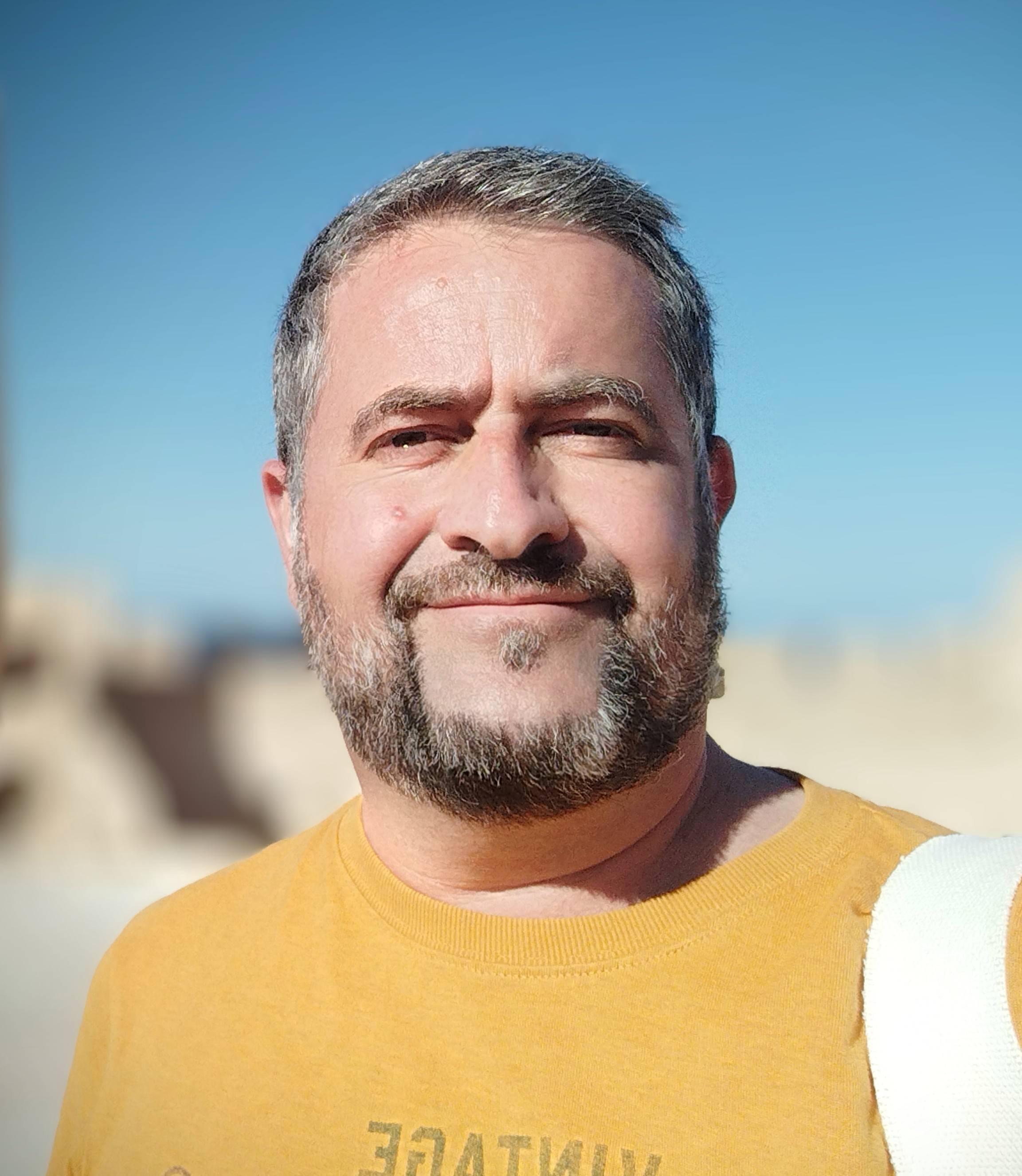
Horacio Gil Gil
Research Scientist
ORCID code: 0000-0002-7114-6686
Degree in Veterinary Medicine in 1995 and PhD in Veterinary Medicine in 2002 from the University of Zaragoza. He did his PhD thesis at NEIKER Tecknalia (Derio, Vizcaya) and the National Center for Microbiology of Instituto de Salud Carlos III (CNM-ISCIII, Majadahonda, Madrid) on the biological cycle of Lyme disease in the Basque Country. After that, he developed his postdoctoral training in different aspects of the pathogenesis of tularemia at the Center for Infectious Diseases, Stony Brook University, New York (USA) for 3 years. In December 2005, he joined the Reference and Research Laboratory in Special Pathogens of the CNM-ISCIII where he developed diagnostic, reference and research activities, in Bartonella, Leptospira and pathogens of interest in bioterrorism. Between 2014-2016 he participated in the European Program for the Training of Microbiologists in Public Health (EUPHEM), organized by the European Centre for Disease Prevention and Control. During this program, he participated in an international mission for the investigation of a cholera outbreak in Ghana, proposed by the Bernhard Nocht Institute for Tropical Diseases in Hamburg (Germany). In December 2016, he worked as a laboratory consultant for the World Health Organization at their office in Phnom Penh (Cambodia). Subsequently, he worked one year with Médecins Sans Frontières as director and quality manager of the TB laboratory in Nukus (Uzbekistan).
In 2019, he joined the HIV Variability and Biology Unit at CNM-ISCIII, where he developed different reference and research activities, including his contribution to the molecular epidemiological surveillance of HIV-1 in Spain and the study of HIV-1 antiretroviral resistance. Since September 2022 he has been leading the Human Papillomavirus Unit at the CNM-ISCIII. -
Alicia Inés García Señán
Predoctoral Student UNED
Degree in Pharmacy in 2013 from the Complutense University of Madrid. She completed specialized health training in Microbiology and Parasitology at the Complejo Asistencial Universitario de Salamanca (2014-2018). During this period he studied a master's degree in Tropical Diseases at the University of Salamanca (2016). She has developed her professional activity as a clinical microbiologist at the Hospital de Santa Bárbara (Soria) (2018), Hospital Universitario Vall d'Hebrón (Barcelona) (2019-2022), and Hospital Central de la Defensa (Gómez Ulla) C.S.V.E, since 2022. In September 2024 she has started PhD studies at the Human Papillomavirus Unit of the CNM-ISCIII.
-
Manuela Rodríguez Vargas
Técnico de Laboratorio

List of staff
Additional Information
Our general objective is to provide early knowledge about any emerging antibiotic resistance mechanism in our country. This contribution of knowledge is based on transversal objectives that we consider key, such as 1) the ability to adapt research to emerging resistance problems, 2) the promotion of cooperative and multidisciplinary research studies working in networks with different Spanish and foreign centers, 3) the transfer of research results in an agile way to the clinical practice of the national health system, and 4) the promotion of the interrelation of research with reference, advice, training and dissemination seeking the empowerment of all.
More specifically, our main scientific objectives are the characterization of the molecular bases of antibiotic resistance in pathogenic bacteria, the study of the molecular epidemiology and population structure of resistant bacteria, the characterization of the mobile genetic elements that carry resistance genes, and the development of diagnostic techniques and therapeutic alternatives against bacteria with extensive resistance to antibiotics. In this sense, research into the dissemination pathways of Enterobacteriaceae, Acinetobacter baumannii and carbapenemase-producing Pseudomonas aeruginosa (as a paradigm of extensive resistance and pan-resistance) is one of our current priority objectives.
Our general objective is to provide early knowledge about any emerging antibiotic resistance mechanism in our country. This contribution of knowledge is based on transversal objectives that we consider key, such as 1) the ability to adapt research to emerging resistance problems, 2) the promotion of cooperative and multidisciplinary research studies working in networks with different Spanish and foreign centers, 3) the transfer of research results in an agile way to the clinical practice of the national health system, and 4) the promotion of the interrelation of research with reference, advice, training and dissemination seeking the empowerment of all.
More specifically, our main scientific objectives are the characterization of the molecular bases of antibiotic resistance in pathogenic bacteria, the study of the molecular epidemiology and population structure of resistant bacteria, the characterization of the mobile genetic elements that carry resistance genes, and the development of diagnostic techniques and therapeutic alternatives against bacteria with extensive resistance to antibiotics. In this sense, research into the dissemination pathways of Enterobacteriaceae, Acinetobacter baumannii and carbapenemase-producing Pseudomonas aeruginosa (as a paradigm of extensive resistance and pan-resistance) is one of our current priority objectives.
The current director of CNM is Dr. José Miguel Rubio Muñoz.
Dr. José Miguel Rubio has a degree in Biological Sciences from the Universidad Autónoma de Madrid (1986) and a PhD in Biological Sciences from the same university (1992). He carried out his doctoral thesis at the Department of Genetics of the Universidad Autónoma de Madrid, as Associate Professor (1988-1989), and at the School of Biology of the University of East Anglia in Norwich, UK, as Senior Research Assistant (1989-1992).
During his postdoctoral period he obtained a grant from the European Commission within the Human Capital and Mobility Program to be carried out at the University of “La Sapienza” in Rome, Italy and the Institute of Molecular Biology and Biotechnology in Crete, Greece (1993-1994). Subsequently, he made a further stay funded by the WHO and the university itself at the Department of Entomology, Wageningen University, The Netherlands (1994-1996).
Since 1997 he has been a member of the Instituto de Salud Carlos III (ISCIII), where he joined the Department of Parasitology of the National Center of Microbiology, as an EU-INCO postdoctoral fellow and later with a grant from the Autonomous Community of Madrid (CAM). She was part of the founding group of the National Center for Tropical Medicine (2003-2006) and of the 24/7 Alerts and Emergencies Unit (2006-2018) and is currently Head of the Malaria and Emerging Parasitosis Unit of the National Microbiology Center and is part, as research staff, of the Center for Biomedical Research Network on Infectious Diseases (CIBERINFEC/ISCIII).
During his scientific career he has been Visiting Scientist at the Leonidas e Marie Dean Center (FIOCRUZ-AMAZONAS, Manaus, Brazil) and is an External Consultant of the Parasitology Departments of Cairo University (Egypt) and the Medical Research Center (MRC) of Kuala Lumpur (Malaysia). He also belongs or has belonged to different national and international committees: Member of the expert group for malaria control of the European Centre for Disease Control (ECDC) since 2011; Expert-Evaluator for health programs of the European Commission since 2004; Spanish Representative (commissioned by ISCIII and MSC) in the Technical Scientific Committee of the TDR (WHO) 2007-2008; Spanish Deputy Focal Point for microbiology at the European Centre for Disease Control (ECDC) from 2012 to 2020; and, member of the Research Ethics Committee of ISCIII until 2019.
In this period he has published more than 100 articles in international indexed journals, 10 book chapters and has been co-editor of two books in the area of malaria, tropical medicine and neglected diseases. He has participated in 58 competitively funded research projects, 20 of them international, having been the principal investigator in 8 national and 11 international projects as PI of the project or WP leader. In addition, he has led five agreements with companies. Currently he has been awarded four sexenios of research, being presented this year 2025 to the fifth. In the teaching field, he participates in different postgraduate programs in the areas of microbiology and parasitology, having directed seven doctoral theses and more than 20 Master's or Degree final projects, both nationally and internationally.
El laboratorio de Referencia e Investigación en Resistencia a Antibióticos ofrece una amplia cartera de servicios al Sistema Nacional de Salud, las cuales pueden solicitarse en cnm-laboratorios.isciii.es. Jefe del Laboratorio: Jesús Oteo Iglesias (Punto focal Nacional de Resistencia antibiótica).
Dispone de dos programas de Vigilancia oficiales y gratuitos que engloban los ensayos ofertados ya sea como aislamientos individuales o mediante estudio de brotes. El Laboratorio utiliza asimismo técnicas de PCR en tiempo real para la detección de genes de resistencia, estas técnicas se han adaptado a un formato multiplex que permite detectar varios genes en la misma reacción. En los últimos años se han incluido metodologías basadas en la secuenciación de genomas completos para el análisis de bacterias multiresistentes (WGS).
Programa de vigilancia de Haemophilus influenzae. Responsables: María Pérez Vázquez (Punto focal Nacional de Haemophilus influenzae) y Belén Aracil. Laboratorio encargado de la identificación, estudio de sensibilidad y análisis genotípico de aislados de Haemophilus influenzae, centrándose esencialmente en la patología invasiva debida este patógeno.
Programa de vigilancia de Resistencia a Antibióticos. Responsables: María Pérez Vázquez y Belén Aracil (Punto focal Nacional de Resistencia antibiótica). Laboratorio encargado de la identificación, el estudio de sensibilidad antibiótica, y el diagnóstico fenotípico y genotípico de los diferentes mecanismos de resistencia a antibióticos fundamentalmente en enterobacterias y gram-negativos no fermentadores y Enterococcus spp.
Estudio de brotes. Responsables: Belén Aracil y María Pérez Vázquez. El programa incluye la caracterización de brotes nosocomiales y clones emergentes de alto riesgo mediante diferentes técnicas moleculares (tabla resumen). Éstas, nos permiten realizar estudios filogenéticos con el fin de obtener una información detallada acerca la relación entre los diferentes aislados y su trazabilidad. El objetivo final es generar datos que se transfieren a los hospitales como ayuda para la prevención o control de la propagación del brote.
Acreditación y Calidad. Responsable: Belén Aracil. El laboratorio Referencia e Investigación en Resistencia a Antibióticos ha sido de los primeros en el ISCIII en la utilización de técnicas acreditadas por la Entidad Nacional de Acreditaciones (ENAC). Este laboratorio consiguió la primera acreditación homologada de técnicas diagnósticas en 2012, programa que ha sido ampliado, de manera que en la actualidad más de la mitad de las técnicas ofrecidas al Sistema Nacional de Salud están debidamente acreditadas por ENAC.
Técnicos responsables de las técnicas realizadas en el Laboratorio: Noelia Lara Fuella y Verónica Bautista Sánchez.
En la siguiente imagen se resumen las técnicas ofrecidas al Sistema Nacional de Salud.
| PROGRAMAS | NOMBRE CARTERA SERVICIO | PATÓGENO | DETERMINACIÓN, DETECCIÓN, ANÁLISIS | MÉTODOS |
|
Programa de vigilancia de Haemophilus Programa de vigilancia de resistencia a antibióticos. |
Identificación bacteriana |
Haemophilus sp. Enterobacterias, gram-negativos no fermentadores, Enterococcus spp |
Identificación bacteriana |
Bioquímicos MALDI TOF Secuenciación de RNAr |
| | Identificación capsular |
Haemophilus influenzae
|
Identificación capsular fenotípica y genotípica |
Aglutinación serológica en latex PCR ind/multiplex |
| | Determinación de Sensibilidad |
Haemophilus sp. Enterobacterias, gram-negativos no fermentadores, Enterococcus
|
Determinación de Sensibilidad |
Microdilución Tiras epsilon Kirby Bauer |
| | Métodos fenotípicos de detección de mecanismos de resistencia |
Enterobacterias, gram-negativos no fermentadores,
|
Métodos fenotípicos de detección de mecanismos de resistencia |
Discos y tabletas combinados con inhibidores Tiras combinadas Test de Hodge modificado CabaNP Inmunocromatografía CBP |
| | Métodos genotípicos de detección de mecanismos de resistencia |
Haemophilus sp. Enterobacterias, gram-negativos no fermentadores, Enterococcus
|
ADN, PCR y secuenciación |
PCR ind/multiplex Análisis comparativo de las secuencias |
| | Tipificación molecular/análisis filogenéticos |
Haemophilus sp. Enterobacterias, gram-negativos no fermentadores, Enterococcus
|
Corte enzimas de restricción, electroforesis ADN, PCR y secuenciación Preparación de librerías y secuenciación y análisis de genomas completos |
PFGE
MLST
WGS |