



We protect your health through science
Investigation
Immune Presentation and Regulation
Research Lines
Content with Investigacion .
The Immunobiology group has been working for years on the following lines of research:
1) The mechanisms of haematopoietic cell generation throughout ontogeny and the influence that the first haematopoietic cells exert on the innate and adaptive immune system present in the adults. We have identified and characterised a new population of B lymphocytes called B1-Rel (B220lo), which produce high levels of natural IgG/IgA antibodies. We sought to understand their role in the immune response in animal models of infection, analysing their impact on immune cell populations and on the production of soluble mediators (cytokines and immunoglobulins). In this regard, we have evaluated the generation of embryonic megakaryocytes (and their differentiation niches), their functionality and that of platelets, and their influence on haematopoietic development. For lymphoid populations, we have carried out extensive characterisation by flow cytometry and single cell RNA sequencing (scRNAseq) methodology. To carry out these cellomic studies, we have designed complex panels for use in multiparametric phenotypic analysis, and single cell cytometry and RNAseq omics technologies on purified cell populations.

In parallel, we are interested in understanding local immune responses in respiratory infections at times of particular susceptibility due to the fragility of the immune system (childhood and old age), both in mouse animal models, which allow their manipulation, and in humans.
2) Mouse models studied during neonatal life, in which we evaluated the effect of antibiotic (AB) treatment and addressed the role of TLR receptors in innate, pseudo-innate and adaptive immune cell populations. In these models, we observed that AB administration was able to modulate B-lymphoid populations, as well as their ability to secrete proinflammatory cytokines in culture and their differentiation into plasma cells, with differentiated immunoglobulin repertoires. Furthermore. These effects were mediated through the Toll-like receptor-2 (TLR2).

3) Mouse models with accelerated senescence (SAMP8) and senescent animals (over 20 months of age) to map lymphoid populations and soluble mediators of the immune response (immunoglobulins and cytokines). In these models, the B lymphoid populations (B1Rel and marginal zone B lymphocytes) are observed to be altered, accompanied by an increase in IgG1 with great restriction of their VDJ repertoires.

4) Role of the B1Rel population in animal models of local or systemic infection. We analysed the response to Streptoccoccus pneumoniae (SPN) locally in the lung and systemically in the spleen, as well as the role of TLR4 in these responses.

5) In humans, we are studying immune responses in children with respiratory syncytial virus (RSV) viral primo-infection. In this case we studied the immune response that occurs locally in the nasal mucosa (by analysis of nasal washings, NW) in a cohort of infected children versus healthy controls, stratified by age. We found that lymphomyeloid cells accumulate in these nasal washings in patients with diverse lymphocyte populations, as well as cytokines and immunoglobulins.

6) Analysis and characterisation of extracellular vesicles produced during respiratory infection both in lung supernatants from models of SPN infection and in LN in the case of children with RSV infection.

7) In parallel, we carry out studies of the genetic rearrangements of immunoglobulins and their use in the generation of chimeric receptors for possible use in immunotherapy.
Research projects
Content with Investigacion .
-Project “Induction, differentiation and modulation of resident B lymphocytes in the lung in response to pneumococcus (NEUBLUNG)”. Ministry of Science and Innovation, PID2022-141754OB-I00 Call 2022 "Knowledge Generation Projects". 09/01/2023-08/31/2026. Financed by MICIU/AEI /10.13039/501100011033 and by ERDF, EU. PI: Belén by Andrés Muguruza. CoPI: María Luisa Gaspar Alonso-Vega.

-Project." Immune response of the nasal mucosa in childhood bronchiolitis” Instituto de Salud Carlos III-AESI. AESI-PI22CIII/00030 PI: Belén by Andrés Muguruza. CoPI Maria Luisa Gaspar Alonso-Vega. 01/01/2023-12/31/2025..
-Project. BenBedPhar. CA20121, European Union. Antonio Cuadrado. (CNM-ISCIII).10/19/2021-10/18/2025.
-Spanish Association Against Cancer Project “Novel comprehensive immunotherapy to specifically target the malignant clone in Sézary syndrome, an ultra-rare cancer of mature T lymphocytes”, number PROYE20084REGU. PI: José Ramón Regueiro, PI group Maria Luisa Gaspar. 01/01/2021-12/31/2023.
Project “The pulmonary immune system in homeostasis and infection: characterization and function of immature and pseudoinnate lymphoid populations.” MINECO-RETOS RTI2018-099114-B-100. PI: Maria Luisa Gaspar, CoPI: Belén de Andrés 01/01/2019-12/31/2022. Financed by MICIU/AEI /10.13039/501100011033/ and by FEDER A way of making Europe.

-Project “New B lymphoid populations: B1-rel pseudoinnate cells, homeostatic maintenance and their response under infection conditions.” MINECO-RETOS SAF2015-70880-R. PI: Maria Luisa Gaspar. 01/01/2016-12/31/2019.

-Project “Role of CD19+CD45R lymphocytes- in perinatal immune responses. Implications related to respiratory diseases in neonates. AESI PI14CIII/00049; PI Belén de Andrés. 2015-2018.
-Project “Study of the pseudo-innate population of CD19+CD45R- B lymphocytes in TLR-dependent infection models”. AESI PI11/01733FIS. PI Belén de Andrés. 2012-2015.
-Project." Cellular interactions in the establishment of B lymphoid differentiation niches: role of megakaryocytes and their implications in pathology. MINECO; SAF2012-33916. Maria Luisa Gaspar. 01/01/2013-12/31/2015.
-ISCIII Platforms Project to support R&D&I in Biomedicine and Health Sciences. PT23CIII/00006. 2023. Participating researcher: Isabel Cortegano.
-Research contracts between the Carlos III Health Institute and Inmunotek S.L. for the development of the Bactek-mv130 and Uromune-MV140 study in protection against S. pneumoniae infections. Immunotek. IP: Belen de Andrés 2019-2021.
-Research contract between the Carlos III Health Institute and Inmunotek S.L. “MV130 as a vaccine model based on trained immunity against respiratory infections due to pneumococcus and respiratory syncytial virus”, CAM Call. Industrial Doctorates. IND2023/BMD-27071. PI: Belén by Andrés Muguruza. 12/01/2023-11/30/2026.
Publications
Polymorphisms in Host Immunity-Modulating Genes and Risk of Invasive Aspergillosis: Results from the AspBIOmics Consortium
7. Lupiañez CB, Canet LM, Carvalho A, Alcazar-Fuoli L, Springer J, Lackner M, Segura-Catena J, Comino A, Olmedo C, Ríos R, Fernández-Montoya A, Cuenca-Estrella M, Solano C, López-Nevot MÁ, Cunha C, Oliveira-Coelho A, Villaescusa T, Fianchi L, Aguado JM, Pagano L, López-Fernández E, Potenza L, Luppi M, Lass-Flörl C, Loeffler J, Einsele H, Vazquez L; PCRAGA Study Group, Jurado M, Sainz J. Polymorphisms in Host Immunity-Modulating Genes and Risk of Invasive Aspergillosis: Results from the AspBIOmics Consortium. Infect Immun. 2015 Dec 14;84(3):643-57.
PUBMED DOICell Wall Changes in Amphotericin B-Resistant Strains from Candida tropicalis and Relationship with the Immune Responses Elicited by the Host.
9. Mesa-Arango AC, Rueda C, Román E, Quintin J, Terrón MC, Luque D, Netea MG, Pla J and Zaragoza O. Cell Wall Changes in Amphotericin B-Resistant Strains from Candida tropicalis and Relationship with the Immune Responses Elicited by the Host. Antimicrob. Agents Chemother. 2016. 60(4):2326-35.
PUBMED DOIThe role of respiratory viruses in children with humoral immunodeficiency on immunoglobulin replacement therapy
Benavides-Nieto M, Méndez-Echevarría A, Del Rosal T, García-García ML, Casas I, Pozo F, de la Serna O, Lopez-Granados E, Rodriguez-Pena R, Calvo C. The role of respiratory viruses in children with humoral immunodeficiency on immunoglobulin replacement therapy. Pediatr Pulmonol. 2019 Feb;54(2):194-199. Indice Impacto: 3,157. Revista en Q1.
PUBMED DOISeasonality and geographical spread of respiratory syncytial virus epidemics in 15 European countries, 2010 to 2016.
Broberg EK, Waris M, Johansen K, Snacken R, Penttinen P; European Influenza Surveillance Network. Seasonality and geographical spread of respiratory syncytial virus epidemics in 15 European countries, 2010 to 2016. Euro Surveill. 2018 Feb;23(5). Indice Impacto: 5,983. Revista en Decil 1
PUBMED DOIHuman Metapneumovirus infections in hospitalized children and comparison with other respiratory viruses in 2005-2014 prospective study.
García-García ML, Calvo C, Rey C, Díaz B, Molinero MD, Pozo F, Casas I. Human Metapneumovirus infections in hospitalized children and comparison with other respiratory viruses in 2005-2014 prospective study. PLoS One. 2017 Mar 16;12(3):e0173504. doi: 10.1371/journal.pone.0173504. eCollection 2017. Indice Impacto: 2,766. Revista en Q1.
PUBMED DOIRespiratory Infections by Enterovirus D68 in Outpatients and Inpatients Spanish Children
Calvo C, Cuevas MT, Pozo F, García-García ML, Molinero M, Calderón A, Gonzalez-Esguevillas M, Pérez-Sautu U, Casas I. Respiratory Infections by Enterovirus D68 in Outpatients and Inpatients Spanish Children. Pediatr Infect Dis J. 2016 Jan;35(1):45-9.
PUBMED DOIClinical and Virologic Characteristics of Early and Moderate Preterm Infants Readmitted with Viral Respiratory Infections.
García-Garcia ML, González-Carrasco E, Quevedo S, Muñoz C, Sánchez-Escudero V, Pozo F, Casas I, Calvo C. Clinical and Virologic Characteristics of Early and Moderate Preterm Infants Readmitted with Viral Respiratory Infections. Pediatr Infect Dis J. 2015 Jul;34(7):693-9. Indice Impacto: 2,587. Revista en Q1
PUBMED DOIEight Year Prospective Study of Adenoviruses Infections in Hospitalized Children. Comparison with Other Respiratory Viruses.
Calvo C, García-García ML, Sanchez-Dehesa R, Román C, Tabares A, Pozo F, Casas I. Eight Year Prospective Study of Adenoviruses Infections in Hospitalized Children. Comparison with Other Respiratory Viruses. PLoS One. 2015 Jul 6;10(7):e0132162. eCollection 2015. Indice Impacto: 3,057. Revista en Q1
PUBMED DOIContent with Investigacion .
-

Maribel Jiménez Alonso
Tenured Scientist
ORCID code: 0000-0002-5615-3087
Doctor in Pharmacy from the Complutense University of Madrid (1994) and Extraordinary Doctorate Award. She started her research activity at ISCIII in 1990 in the field of leishmaniasis. Currently, she is the head of the LEM where she develops her scientific work in the field of entomological surveillance of phlebotomine sandflies in the CM and other studies in the field of molecular biology, mainly applied to the model of Leishmania infantum and its vector Phlebotomus perniciosus. Member of the team of experts of the ISCIII that participates in the elaboration of Rapid Risk Assessments and in the working groups in charge of the elaboration of National Plans of Prevention, Surveillance and Control of Vector-borne Diseases of the CCAES, Ministry of Health. She is currently “Operational Focal Point” for vector-borne diseases at national level for the One Health-Vectornet network (EFSA and ECDC) and coordinator of the VectorNet-Spain network since July 2024. In addition, she is a member of the expert committee of the Network of Surveillance and Control of Vectors with public health interest in the Community of Madrid. In addition, she is part of a research group from CIBER (CIBERINFEC; CB21/13/00110).
-

Inés Martín Martín
Tenured Scientist
ORCID code: 0000-0002-0956-7324
Within Medical Entomology, my work focuses on the study of phlebotomine sand flies and culicidae as vectors of leishmaniasis and arbovirosis, respectively. In 2014 I obtained my PhD degree “cum laude” with European mention from the Complutense University of Madrid. My PhD Thesis (developed at the Instituto de Salud Carlos III), focused on the study of phlebotomine sandfly saliva. Subsequently, during my postdoctoral period, I worked on insect gene editing, molecular, biochemical and functional characterization of insect saliva proteins and their role in the infection and transmission of pathogens. Most of my scientific career has been developed at the Laboratory of Malaria and Vector Research, National Institutes of Health (NIH), USA. Since 2021 I am a Senior Scientist at the Laboratory of Medical Entomology (ISCIII).
-

Ricardo Molina Moreno
Doctor Ad Honorem
ORCID code: 0000-0001-6662-173X
Doctor in Biological Sciences from the Complutense University of Madrid (1994). In 1979 he began his professional career at the Instituto de Salud Carlos III (ISCIII), where he became a researcher in 1985. He was in charge of the Medical Entomology Laboratory from that year until his retirement in 2023. He is currently a doctor linked “Ad Honorem”. He has extensive experience in medical entomology, advising the Ministry of Health (CCAES) and Health Departments of Autonomous Communities, on surveillance and control of arthropods transmitting vector-borne diseases. In recent years he has been involved in surveillance programs in Spain for leishmaniasis vectors, especially in the Fuenlabrada outbreak, and for viruses causing Crimean-Congo hemorrhagic fever and dengue. Also in the surveillance of invasive exotic mosquitoes, especially Aedes albopictus, in ports and airports. In his last stage he has been part of the research group within the CIBER (CIBERINFEC; CB21/13/00110).
-

Marcos López de Felipe Escudero
Predoctoral contract FPU
ORCID code: 0000-0002-2919-836X
Graduated in Biology from the Autonomous University of Madrid and Master in Tropical Parasitic Diseases from the University of Valencia. He started his professional career in 2019 in surveillance and management of hematophagous diptera of veterinary-medical interest, as well as other urban pests. In 2024 he began his work at the Instituto de Salud Carlos III (ISCIII) within the framework of the project “Evaluation of the anti-leishmanicidal effect of the bacterium Tc1 and its derivatives in the intravectorial cycle of the parasite” directed by Dr. Inés Martín Martín where he continues after the award of a FPU fellowship. He has extensive experience in medical entomology, especially in surveillance and vector control and taxonomic identification. Her career so far has focused mainly on the study of phlebotomine sand flies, simulids and culicidae, with special attention to citizen science.
-

Eva Pérez Martínez
Clinical and Biomedical Laboratory Technician
ORCID code: 0000-0002-6553-9969
Graduated in 2019 from the Advanced Vocational Training Program in Clinical and Biomedical Laboratory Sciences. I began my professional career in 2020 at Eurofins Megalab laboratories. In 2024, I started working as a freelance professional on an international project focused on the bioecology of phlebotomine sand flies in urban environments across the Mediterranean Basin, conducting fieldwork in Spain, Italy, Greece, and southern France within the framework of citizen science. Since 2025, I have been part of the Medical Entomology Laboratory at the Instituto de Salud Carlos III (ISCIII), where I work as a laboratory technician on the project “Biochemical and functional characterization of salivary proteins from Phlebotomus perniciosus and their role in Leishmania infantum infection (PERNIPROT)”, led by Dr. Inés Martín Martín.



List of staff
Additional Information
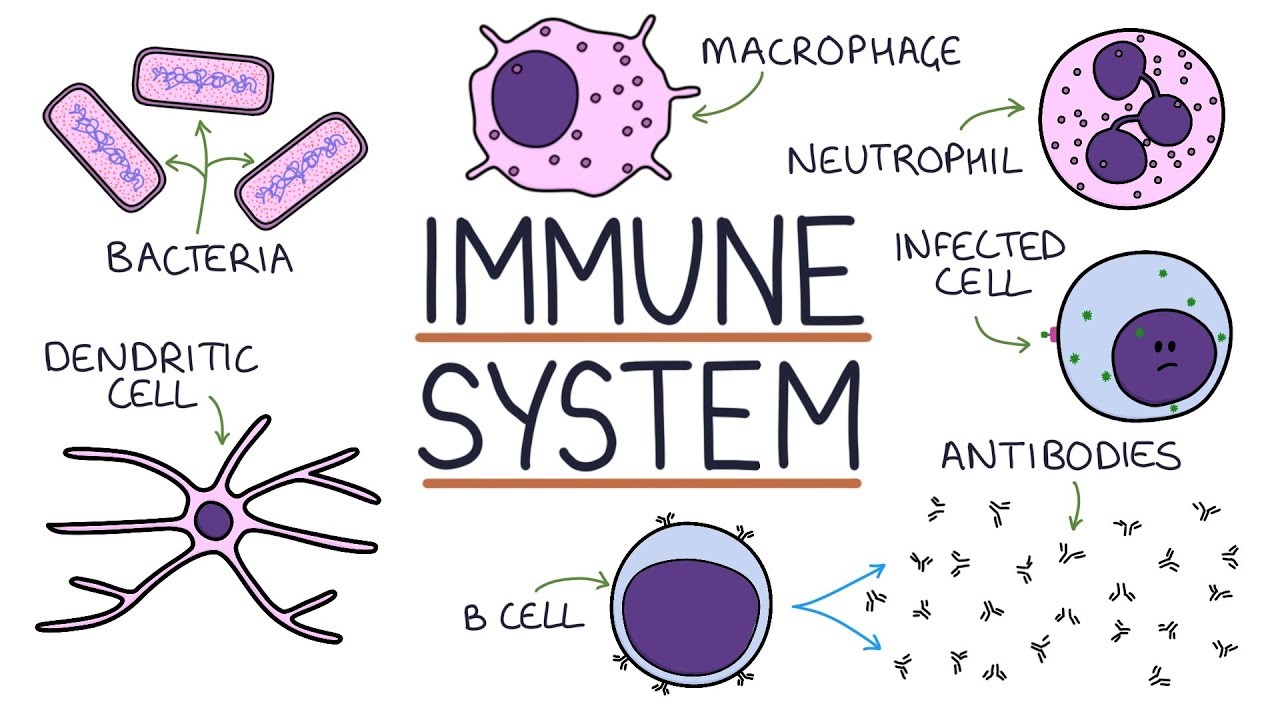
The group is interested in the study of the immune response from a multidisciplinary perspective that includes genomic, biochemical, proteomic, in vivo and biotechnological models aimed at the design of therapeutic strategies against various chronic, infectious and rare diseases that have a clear immunological component in their etiology.
The current specific objectives focus on:
- Antigenic presentation: Identification of antigenic presentation rules for their application in the design of therapeutic treatments including vaccines.
- Study of CD69 function and its regulation; its use as a therapeutic target in the mobilization of hematopoietic precursors and in the potentiation of the immune response mediated by CD69 with the potentiation of vaccines using the vaccinia virus as a vector.
The group is interested in the study of the immune response from a multidisciplinary perspective that includes genomic, biochemical, proteomic, in vivo and biotechnological models aimed at the design of therapeutic strategies against various chronic, infectious and rare diseases that have a clear immunological component in their etiology.
The current specific objectives focus on:
- Antigenic presentation: Identification of antigenic presentation rules for their application in the design of therapeutic treatments including vaccines.
- Study of CD69 function and its regulation; its use as a therapeutic target in the mobilization of hematopoietic precursors and in the potentiation of the immune response mediated by CD69 with the potentiation of vaccines using the vaccinia virus as a vector.