



We protect your health through science
Investigation
Immune Presentation and Regulation
Publications
The TLR4-MyD88 Signaling Regulates Lung Monocyte Differentiation Pathways in Response to Streptococcus pneumoniae
Sánchez-Tarjuelo R, Cortegano I, Manosalva J, Rodríguez M, Ruiz C, Alía M, Prado MC, Cano EM, Ferrándiz MJ, de la Campa A, Gaspar ML, de Andrés B. Front Immunol 2020 Sep 16:11:2120.
PUBMED DOICarbapenemase-producing Pseudomonas aeruginosa in Spain: interregional dissemination of the high-risk clones ST175 and ST244 carrying blaVIM-2, blaVIM-1, blaIMP-8, blaVIM-20 and blaKPC-2.
8. Carbapenemase-producing Pseudomonas aeruginosa in Spain: interregional dissemination of the high-risk clones ST175 and ST244 carrying blaVIM-2, blaVIM-1, blaIMP-8, blaVIM-20 and blaKPC-2. Autores: Pérez-Vázquez M, Sola-Campoy PJ, Zurita ÁM, Ávila A, Gómez-Bertomeu F, Solís S, López-Urrutia L, Gónzalez-Barberá EM, Cercenado E, Bautista V, Lara N, Aracil B, Oliver A, Campos J, Oteo-Iglesias J; Spanish Antibiotic Resistance Surveillance Program collaborating Group. Revista: Int J Antimicrob Agents. 2020 Jul;56(1):106026.
PUBMED DOIEvolution of broadly cross-reactive HIV-1-neutralizing activity: therapy-associated decline, positive association with detectable viremia, and partial restoration of B-cell subpopulations
Ferreira CB, Merino-Mansilla A, Llano A, Perez I, Crespo I, Llinas L, Garcia F, Gatell JM, Yuste E, Sanchez-Merino V; J Virol. 2013 Nov;87(22):12227-36
PUBMED DOICOVID-19 Associated Pulmonary Aspergillosis (CAPA): Hospital or Home Environment as a source of life-threatening Aspergillus fumigatus infection?
Peláez-García de la Rasilla T, González-Jiménez I, García-Fernández Arroyo A, Roldán A, Carretero-Ares JL, Clemente-García M,, Martínez-Suarez M, Vázquez Valdés F, Melón-Garcia S, Mellado E, Sánchez-Nuñez ML on behalf HUCAPA group. Journal of Fungi, 2022 Mar 19;8(3):316.
PUBMED DOIEpidemiology and susceptibility to antimicrobial agents of the main Nocardia species in Spain.
Valdezate S, Garrido N, Carrasco G, Medina-Pascual MJ, Villalón P, Navarro AM, Saéz-Nieto JA. Epidemiology and susceptibility to antimicrobial agents of the main Nocardia species in Spain. J Antimicrob Chemother. 2017;72(3):754-761.
PUBMED DOIRevisiting the Ancylostoma caninum secretome provides new information on hookworm-host interactions.
Morante T, Shepherd C, Constantinoiu C, Loukas A, Sotillo J. Revisiting the Ancylostoma caninum secretome provides new information on hookworm-host interactions. Proteomics. 2017 Dec;17(23-24).
PUBMED DOI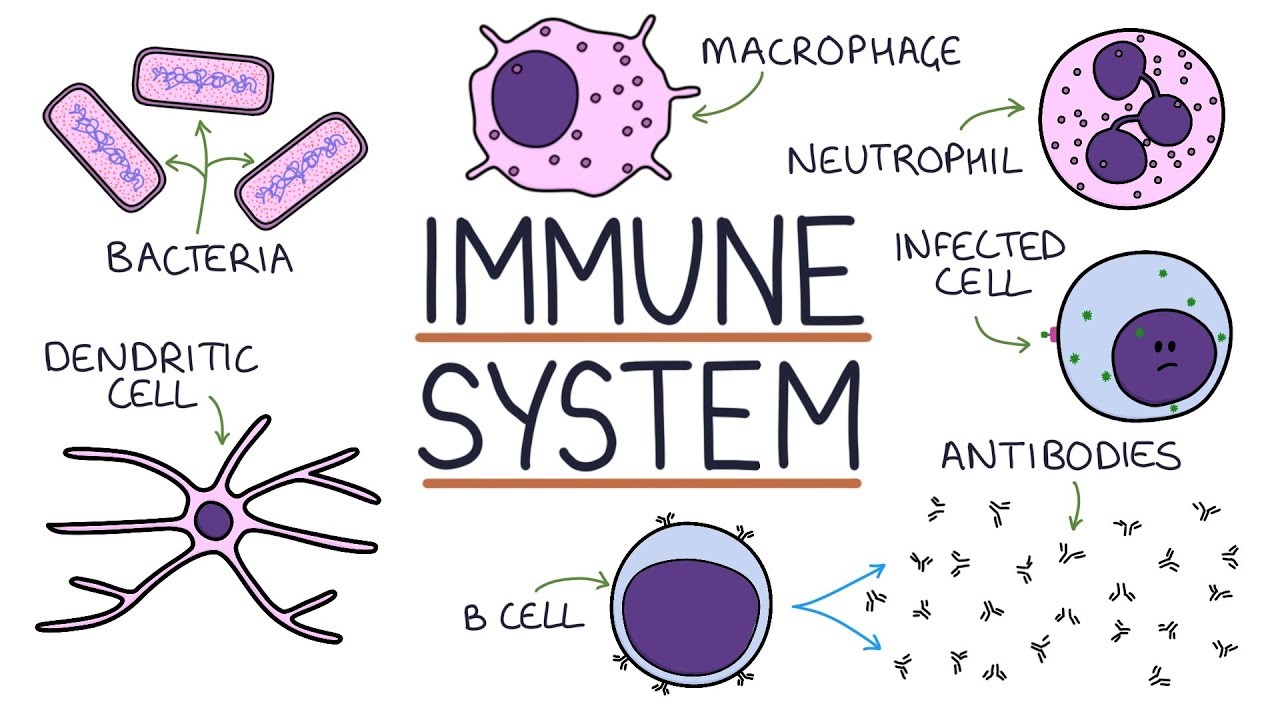
Additional Information
The group is interested in the study of the immune response from a multidisciplinary perspective that includes genomic, biochemical, proteomic, in vivo and biotechnological models aimed at the design of therapeutic strategies against various chronic, infectious and rare diseases that have a clear immunological component in their etiology.
The current specific objectives focus on:
- Antigenic presentation: Identification of antigenic presentation rules for their application in the design of therapeutic treatments including vaccines.
- Study of CD69 function and its regulation; its use as a therapeutic target in the mobilization of hematopoietic precursors and in the potentiation of the immune response mediated by CD69 with the potentiation of vaccines using the vaccinia virus as a vector.
The group is interested in the study of the immune response from a multidisciplinary perspective that includes genomic, biochemical, proteomic, in vivo and biotechnological models aimed at the design of therapeutic strategies against various chronic, infectious and rare diseases that have a clear immunological component in their etiology.
The current specific objectives focus on:
- Antigenic presentation: Identification of antigenic presentation rules for their application in the design of therapeutic treatments including vaccines.
- Study of CD69 function and its regulation; its use as a therapeutic target in the mobilization of hematopoietic precursors and in the potentiation of the immune response mediated by CD69 with the potentiation of vaccines using the vaccinia virus as a vector.