



We protect your health through science
Investigation
Immune Presentation and Regulation
Research Lines
Content with Investigacion .
Legionella
Desde su creación hasta la actualidad, La Unidad de Legionella tiene como principal función dar apoyo científico-técnico a la Administración General del Estado, a las Comunidades Autónomas y al Sistema Nacional de Salud en el campo de la prevención y control de la legionelosis, así como llevar a cabo investigaciones científicas en el contexto de la legionelosis. Además, la Unidad de Legionella también actúa como Laboratorio de Referencia de España frente al European Centre for Disease Prevention and Control (ECDC), siendo miembro de la red europea de vigilancia de la legionelosis, “European Legionnaires’ Disease Surveillance Network (ELDSNet). Finalmente, la unidad también realiza una actividad docente, participando en cursos de formación especializada, así como en Máster Universitarios.
Principales líneas de investigación
Vigilancia microbiológica
Búsqueda de marcadores moleculares con capacidad de predecir el riesgo de una instalación de provocar legionelosis. Factores de virulencia de Legionella spp.
Estudio de la capacidad formadora de biofilms de Legionella spp. Colonización y dispersión.
Búsqueda de marcadores fenotípicos capaces de discriminar especies del Género Legionella; grupos y subgrupos de Legionella pneumophila.

Diferentes estructuras de biofilms en función de la cepa formadora de Legionella pneumophila. En verde la biomasa bacteriana, en rojo el exopolisacárido de la matriz extracelular.
Apoyo al Sistema Nacional de Salud de la Unidad de Legionella
La Unidad de Legionella tambien desarrolla actividades con el fin de proporcionar asistencia al sistema nacional de salud a traves de la oferta disponible en la cartera de servicios del CNM, así como a través de programas de vigilancia microbiológica.
Research projects
Content with Investigacion .
1: Título del proyecto: Búsqueda de biomarcadores de patogenicidad en Legionella spp con interés predictivo de riesgo de infección.
Investigador principal: Fernando González Camacho
Entidad financiadora: ISCIII (AESI). Referencia: MPY 341/22
Periodo: 01/01/2023 - 31/12/2025
Publications
European collaborative evaluation of the Enzygnost HBsAg 6.0 assay: performance on hepatitis B virus surface antigen variants
• Avellón A, Echevarría JM, Weber B, Weik M, Schobel U, Willems WR, Gerlich WH. European collaborative evaluation of the Enzygnost HBsAg 6.0 assay: performance on hepatitis B virus surface antigen variants. J Med Virol. 2011 Jan;83(1):95-100.
PUBMED DOIPrevalence of pSCFS7-like vectors among cfr-positive staphylococcal population in Spain.
Prevalence of pSCFS7-like vectors among cfr-positive staphylococcal population in Spain. Nguyen LTT*, Román F*, Morikawa K, Trincado P, Marcos C, Rojo-Martín MD, Cafini F. Int J Antimicrob Agents. 2018 Aug;52(2):305-306.
PUBMED DOIZoonotic pathogens in fluctuating common vole (Microtus arvalis) populations: occurrence and dynamics
Rodriguez-Pastor, Ruth; Escudero, Raquel; Lambin, Xavier; Vidal, M Dolors; Gil, Horacio; Jado, Isabel; Rodriguez-Vargas, Manuela; Luque-Larena, Juan Jose; Mougeot, Francois. Zoonotic pathogens in fluctuating common vole (Microtus arvalis) populations: occurrence and dynamics. Parasitology. pp. 1 - 10. 24/09/2018.
PUBMED DOILong-range dispersal moved Francisella tularensis into Western Europe from the East
Dwibedi, Chinmay; Birdsell, Dawn; Larkeryd, Adrian; Myrtennas, Kerstin; Ohrman, Caroline; Nilsson, Elin; Karlsson, Edvin; Hochhalter, Christian; Rivera, Andrew; Maltinsky, Sara; Bayer, Brittany; Keim, Paul; Scholz, Holger C; Tomaso, Herbert; Wittwer, Matthias; Beuret, Christian; Schuerch, Nadia; Pilo, Paola; Hernandez Perez, Marta; Rodriguez-Lazaro, David; Escudero, Raquel; Anda, Pedro; Forsman, Mats; Wagner, David M; Larsson, Par; Johansson, Anders. Long-range dispersal moved Francisella tularensis into Western Europe from the East. Microbial genomics. 2 - 12, pp. e000100. 01/01/2016.
PUBMED DOIFrancisella species in ticks and animals, Iberian Peninsula
Lopes de Carvalho, I.; Toledo, A.; Carvalho, C. L.; Barandika, J. F.; Respicio-Kingry, L. B.; Garcia-Amil, C.; Garcia-Perez, A. L.; Olmeda, A. S.; Ze-Ze, L.; Petersen, J. M.; Anda, P.; Nuncio, M. S.; Escudero, R. Francisella species in ticks and animals, Iberian Peninsula. Ticks and Tick-Borne Diseases. 7 - 1, pp. 159 - 165. Elsevier GMBH, Urban & Fischer Verlag, 01/01/2016.
PUBMED DOIStable levels of Coxiella burnetii prevalence in dairy sheep flocks but changes in genotype distribution after a 10-year period in northern Spain
Álvarez-Alonso R, Barandika JF, Ruiz-Fons F, Ortega-Araiztegi I, Jado I, Hurtado A, García-Pérez AL. Stable levels of Coxiella burnetii prevalence in dairy sheep flocks but changes in genotype distribution after a 10-year period in northern Spain. Acta Vet Scand. 2018 Nov 20;60(1):75.
PUBMED DOIEvidence for Suppression of Onchocerciasis Transmission in Bioko Island, Equatorial Guinea
Moya L, Herrador Z, Ta-Tang TH, Rubio JM, Perteguer MJ, Hernandez-González A, García B, Nguema R, Nguema J, Ncog P, Garate T, Benito A, Sima A and Aparicio P. Evidence for Suppression of Onchocerciasis Transmission in Bioko Island, Equatorial Guinea.PLoS Negl Trop Dis, 2016; 10(7): e0004829.
PUBMED DOIContent with Investigacion .
-

Almudena Cascajero Díaz
Técnico de laboratorio
ORCID code: 0000-0002-9654-3100
Técnico Superior de Actividades Técnicas y Profesionales (Unidades de Inmunopatología del SIDA y Legionella, Centro Nacional de Microbiología). Clinical Diagnostic Laboratory Technician by IES Renacimiento de Madrid.
Experience in cloning techniques and characterization of neutralizing antibodies and participation in different projects on the pathogenesis of HIV by studying the viral envelope and the mechanisms of resistance to antiretroviral drugs. This experience has subsequently allowed me to participate in 5 multicenter clinical studies studying the immune response against different variants of SARS-CoV-2.
Since 2021, I also participate as a laboratory technician in the Legionella Unit as a support to the Spanish National Health System through the microbiological surveillance of the disease to contribute to the prevention and control of legionellosis.
-

Laura del Estal Gómez
Ayudante de investigación
ORCID code: 0009-0000-2773-8986
Graduada en Biología Sanitaria por la Universidad de Alcalá. Máster Universitario en Microbiología Aplicada a la Salud Pública e Investigación en Enfermedades Infecciosas.
-

Caroline Stephanie Crisóstomo Vergara
Técnico de Laboratorio
ORCID code: 0009-0008-0525-1737
Técnico de Laboratorio. Técnico superior de Laboratorio Clínico y Biomédico por la Escuela Técnica de Enseñanzas Especializadas de Madrid. Máster en Microbiología Clínica por el Instituto Europeo de Química, Física y Biología de Madrid.
-

Fernando González Camacho
Científico Titular
ORCID code: 0000-0003-3175-9004
Licenciado en Ciencias Biológicas por la Universidad de Salamanca y Doctor por la Universidad Autónoma de Madrid. Actualmente, es Científico Titular de plantilla en el Centro Nacional de Microbiología (CNM) del Instituto de Salud Carlos III (ISCIII). Responsable de la Unidad de Legionella del Laboratorio de Referencia e Investigación en Enfermedades Bacterianas transmitidas por agua y alimentos.
A nivel europeo es sustituto (Alternate) al National Focal Point para la enfermedad del legionario en el ECDC y es OCP (Operational Contact Point) en microbiología para la legionelosis en la European Legionnaires' Disease Surveillance Network (ELDSNet).
Coordina las líneas de investigación del laboratorio que se desarrollan en tres perspectivas diferentes: en las instalaciones colonizadas, estudios sobre la resistencia a los tratamientos y su persistencia; en la clínica, sobre factores de virulencia y su interacción con el sistema inmune; y en la vigilancia microbiológica, sobre la mejorar de los métodos de caracterización del microorganismo.
Es Investigador Principal en el proyecto “Búsqueda de biomarcadores de patogenicidad en Legionella spp con interés predictivo de riesgo de infección".
Es miembro de distintas sociedades científicas como son la Sociedad Española de Salud Ambiental (SESA), Sociedad Española de Enfermedades Infecciosas y Microbiología Clínica (SEIMC) y la European Society of Clinical Microbiology and Infectious Diseases (ESCMID).
-

Juana María González Rubio
Científica Titular
ORCID code: 0000-0001-6979-2964
La Dra. Juana María González Rubio es Licenciada en Bioquímica por la Universidad de Salamanca y Doctora por la Facultad de Medicina de la Universidad Autónoma de Madrid. Actualmente, es Científico Titular de plantilla en el Centro Nacional de Microbiología del Instituto de Salud Carlos III (ISCIII), donde trabaja en la Unidad de Legionella del Laboratorio de Referencia e Investigación en Enfermedades Bacterianas transmitidas por agua y alimentos.
Dentro del laboratorio, realiza las actividades propias del Programa de Vigilancia Microbiológica de Legionella, y lleva las líneas de investigación del laboratorio sobre la caracterización de biofilms y la puesta a punto de nuevas técnicas para la caracterización de Legionella. También forma parte del equipo investigador del proyecto “Búsqueda de marcadores de patogenicidad para el análisis de riesgos en las instalaciones".
Anteriormente, ha trabajado en la Unidad de Biomonitorización humana del Centro Nacional de Sanidad Ambiental (ISCIII) participando en diferentes proyectos de investigación relacionados con la Sanidad Ambiental, siendo el último más destacado el proyecto “HBM4EU" en el que ha trabajado hasta junio de 2023.


List of staff
Additional Information
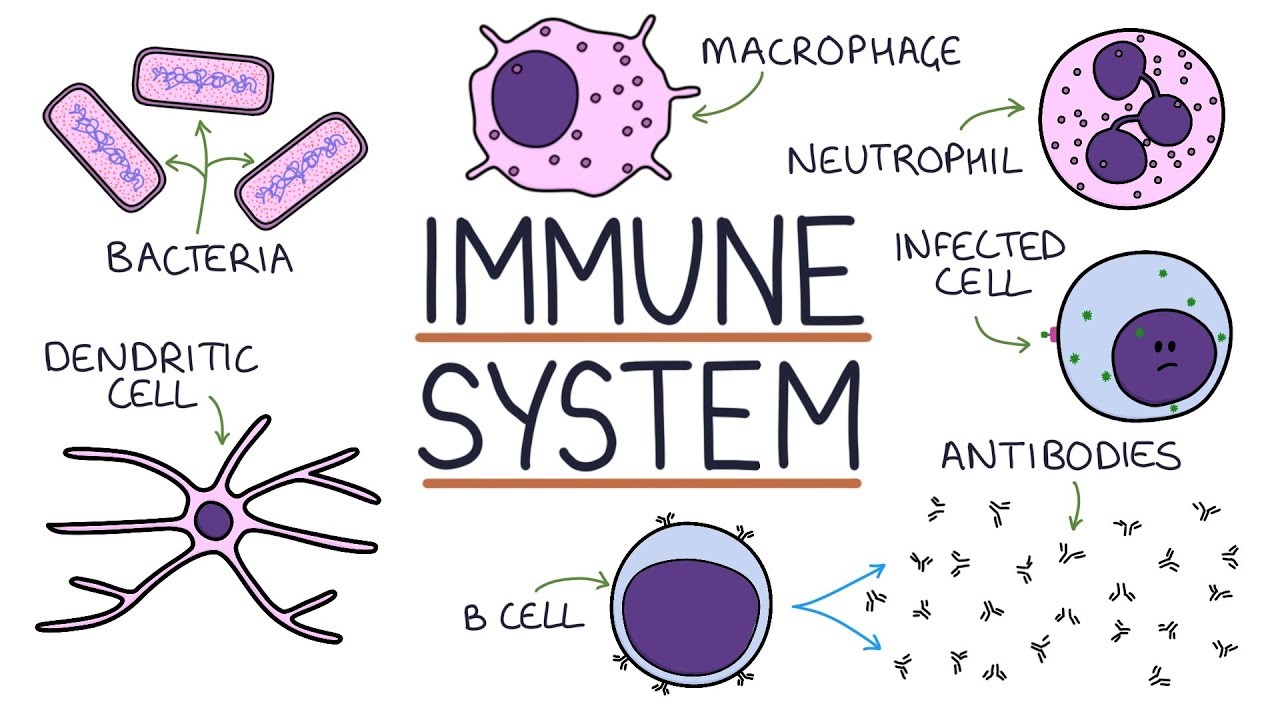
The group is interested in the study of the immune response from a multidisciplinary perspective that includes genomic, biochemical, proteomic, in vivo and biotechnological models aimed at the design of therapeutic strategies against various chronic, infectious and rare diseases that have a clear immunological component in their etiology.
The current specific objectives focus on:
- Antigenic presentation: Identification of antigenic presentation rules for their application in the design of therapeutic treatments including vaccines.
- Study of CD69 function and its regulation; its use as a therapeutic target in the mobilization of hematopoietic precursors and in the potentiation of the immune response mediated by CD69 with the potentiation of vaccines using the vaccinia virus as a vector.
The group is interested in the study of the immune response from a multidisciplinary perspective that includes genomic, biochemical, proteomic, in vivo and biotechnological models aimed at the design of therapeutic strategies against various chronic, infectious and rare diseases that have a clear immunological component in their etiology.
The current specific objectives focus on:
- Antigenic presentation: Identification of antigenic presentation rules for their application in the design of therapeutic treatments including vaccines.
- Study of CD69 function and its regulation; its use as a therapeutic target in the mobilization of hematopoietic precursors and in the potentiation of the immune response mediated by CD69 with the potentiation of vaccines using the vaccinia virus as a vector.