



We protect your health through science
Investigation
Immune Presentation and Regulation
Research projects
Content with Investigacion .
- Titulo: “Inmunidad entrenada en trasplante de órganos”.
Entidad financiadora. Ministerio de Ciencia, Innovación y Universidades
Referencia: Proyecto PID2019-110015RB-I00 financiado por MICIU/AEI/10.13039/501100011033
IP: Jordi Cano Ochando
Fechas de ejecución: 01/06/2020-31/05/2024
Presupuesto: 205.700 €

Publications
Shiga toxin-producing Escherichia coli and atypical enteropathogenic E. coli infection in a Spanish household
Sánchez, S., Cenoz, M.G., Martín, C., Beristain, X., Llorente, M.T., Herrera-León, S. Cluster investigation of mixed O76:H19 Shiga toxin-producing Escherichia coli and atypical enteropathogenic E. coli infection in a Spanish household (2014) Epidemiology and Infection, 142 (5), pp. 1029-1033.
PUBMED DOIOff-label use of maraviroc in HIV-1-infected paediatric patients in clinical practice.
Palladino C, Navarro Gomez ML, Soler-Palacin P, Gonzalez-Tome MI, Jiménez de Ory S, Espiau M, Pérez-Hoyos S, León-Leal JA, Méndez M, Moreno-Pérez D, Fortuny C, uer A, Pocheville I, Moreno S, Briz V, on behalf of the CoRISpe Working Group. Off-label use of maraviroc in HIV-1-infected paediatric patients in clinical practice. AIDS 2015; 29-16, pp.2155-2159. (A; FI= 4,407; Q1 Infectious Disease).
PUBMED DOIComparative sensitivity of commercial tests for hepatitis E genotype 3 virus antibody detection.
Comparative sensitivity of commercial tests for hepatitis E genotype 3 virus antibody detection. Avellon A, Morago L, Garcia-Galera del Carmen M, Munoz M, Echevarría JM. J Med Virol. 2015 Nov;87(11):1934-9. Epub 2015 May 29.
PUBMED DOIRelative telomere length impact on mortality of COVID-19: sex differences.
Virseda-Berdices A, Concostrina-Martinez L, Martínez-González O, Blancas R, Resino S, Ryan P, De Juan C, Moreira-Escriche P, Martin-Vicente M, Brochado-Kith O, Blanca-López N, Jiménez-Sousa MA (‡,*), Fernández-Rodríguez A (‡). Relative telomere length impact on mortality of COVID-19: sex differences. J Med Virol 2023; 98 (1): e28368 (A; FI= 20.96; D1, Virology; JCR 2021).
PUBMED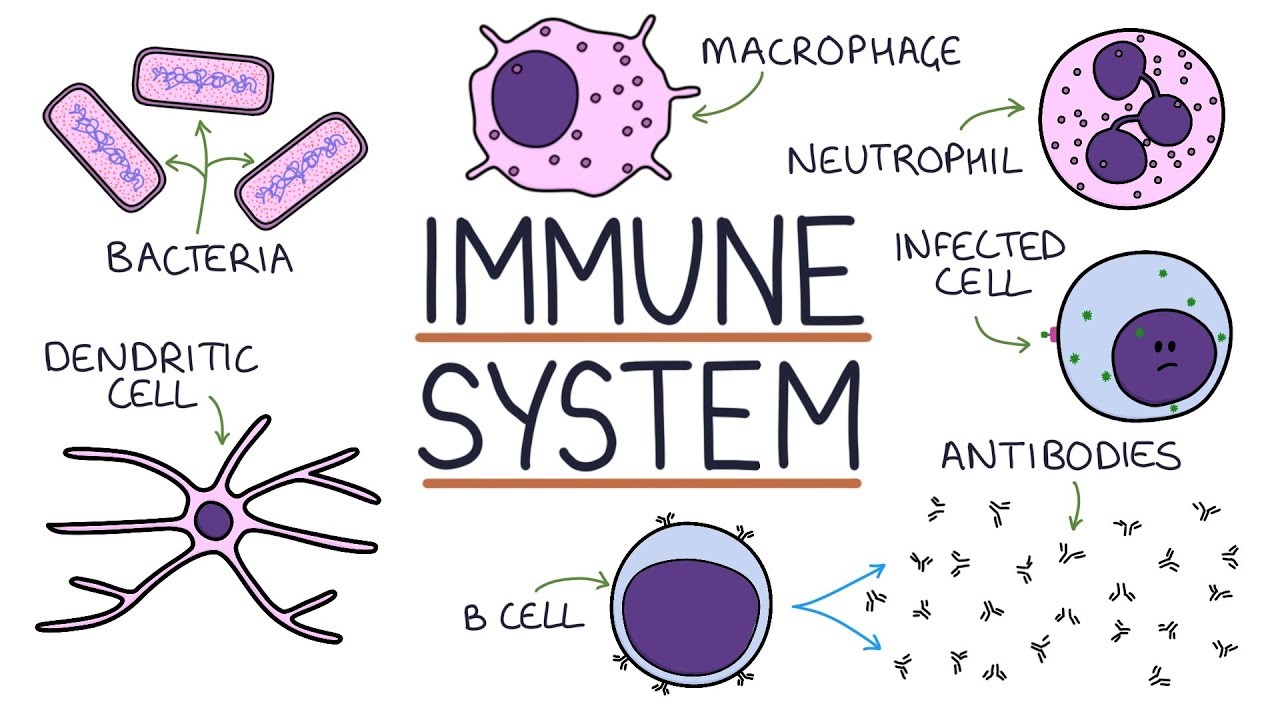
Additional Information
The group is interested in the study of the immune response from a multidisciplinary perspective that includes genomic, biochemical, proteomic, in vivo and biotechnological models aimed at the design of therapeutic strategies against various chronic, infectious and rare diseases that have a clear immunological component in their etiology.
The current specific objectives focus on:
- Antigenic presentation: Identification of antigenic presentation rules for their application in the design of therapeutic treatments including vaccines.
- Study of CD69 function and its regulation; its use as a therapeutic target in the mobilization of hematopoietic precursors and in the potentiation of the immune response mediated by CD69 with the potentiation of vaccines using the vaccinia virus as a vector.
The group is interested in the study of the immune response from a multidisciplinary perspective that includes genomic, biochemical, proteomic, in vivo and biotechnological models aimed at the design of therapeutic strategies against various chronic, infectious and rare diseases that have a clear immunological component in their etiology.
The current specific objectives focus on:
- Antigenic presentation: Identification of antigenic presentation rules for their application in the design of therapeutic treatments including vaccines.
- Study of CD69 function and its regulation; its use as a therapeutic target in the mobilization of hematopoietic precursors and in the potentiation of the immune response mediated by CD69 with the potentiation of vaccines using the vaccinia virus as a vector.