



We protect your health through science
Investigation
Immune Presentation and Regulation
Research Lines
Content with Investigacion .
Legionella
Desde su creación hasta la actualidad, La Unidad de Legionella tiene como principal función dar apoyo científico-técnico a la Administración General del Estado, a las Comunidades Autónomas y al Sistema Nacional de Salud en el campo de la prevención y control de la legionelosis, así como llevar a cabo investigaciones científicas en el contexto de la legionelosis. Además, la Unidad de Legionella también actúa como Laboratorio de Referencia de España frente al European Centre for Disease Prevention and Control (ECDC), siendo miembro de la red europea de vigilancia de la legionelosis, “European Legionnaires’ Disease Surveillance Network (ELDSNet). Finalmente, la unidad también realiza una actividad docente, participando en cursos de formación especializada, así como en Máster Universitarios.
Principales líneas de investigación
Vigilancia microbiológica
Búsqueda de marcadores moleculares con capacidad de predecir el riesgo de una instalación de provocar legionelosis. Factores de virulencia de Legionella spp.
Estudio de la capacidad formadora de biofilms de Legionella spp. Colonización y dispersión.
Búsqueda de marcadores fenotípicos capaces de discriminar especies del Género Legionella; grupos y subgrupos de Legionella pneumophila.

Diferentes estructuras de biofilms en función de la cepa formadora de Legionella pneumophila. En verde la biomasa bacteriana, en rojo el exopolisacárido de la matriz extracelular.
Apoyo al Sistema Nacional de Salud de la Unidad de Legionella
La Unidad de Legionella tambien desarrolla actividades con el fin de proporcionar asistencia al sistema nacional de salud a traves de la oferta disponible en la cartera de servicios del CNM, así como a través de programas de vigilancia microbiológica.
Research projects
Content with Investigacion .
1: Título del proyecto: Búsqueda de biomarcadores de patogenicidad en Legionella spp con interés predictivo de riesgo de infección.
Investigador principal: Fernando González Camacho
Entidad financiadora: ISCIII (AESI). Referencia: MPY 341/22
Periodo: 01/01/2023 - 31/12/2025
Publications
Mycobacterium mageritense meningitis in an immunocompetent patient with an intrathecal catheter.
9. Muñoz-Sanz A, Rodríguez Vidigal FF, Vera-Tome A, Jimenez MS. Mycobacterium mageritense meningitis in an immunocompetent patient with an intrathecal catheter. Enfer Infecc Microbiol Clin. 2013; 31:59-6
PUBMED DOIMeasles virus genotype D4 strains with non-standard length M-F non-coding region circulated during the major outbreaks of 2011-2012 in Spain.
2. Gil H, Fernández-García A*, Mosquera MM, Hübschen JM, Castellanos AM, de Ory F, Masa-Calles J, Echevarría JE.Measles virus genotype D4 strains with non-standard length M-F non-coding region circulated during the major outbreaks of 2011-2012 in Spain. PLoS One. 2018 Jul. 16;13(7):e0199975. * Corresponding author.
PUBMED DOIIsolation, antigenicity and immunogenicity of Lleida Bat Lyssavirus
3. Banyard AC, Selden D, Wu G; Thorne L, Jennings D, Marston D, Finke S, Freuling CM, Mueller T, Echevarria JE, Fooks AR. Isolation, antigenicity and immunogenicity of Lleida Bat Lyssavirus. Journal of General Virology, 2018. 99(12):1590-1599
PUBMED DOIShift within age-groups of mumps incidence, hospitalizations and severe complications in a highly vaccinated population
6. López-Perea N, Masa-Callesa J, Torres de Miera MV, Fernández-García A, Echevarría JE, de Ory F, Martínez de Aragón MV. Shift within age-groups of mumps incidence, hospitalizations and severe complications in a highly vaccinated population. Spain, 1998–2014. Vaccine, 2017, 35(34): 4339-4345.
PUBMED DOIThe Complexity of Antibody Responses Elicited against the Respiratory Syncytial Virus Glycoproteins in Hospitalized Children Younger than 2 Years
2. Trento A, Rodriguez-Fernandez R, Gonzalez-Sanchez MI, Gonzalez-Martinez F, Mas V, Vazquez M, et al. The Complexity of Antibody Responses Elicited against the Respiratory Syncytial Virus Glycoproteins in Hospitalized Children Younger than 2 Years. Front Microbiol. 2017;8:2301.
PUBMED DOIPotent single-domain antibodies that arrest respiratory syncytial virus fusion protein in its prefusion state.
3. Rossey I, Gilman MS, Kabeche SC, Sedeyn K, Wrapp D, Kanekiyo M, et al. Potent single-domain antibodies that arrest respiratory syncytial virus fusion protein in its prefusion state. Nat Commun. 2017;8:14158.
PUBMED DOIRapid profiling of RSV antibody repertoires from the memory B cells of naturally infected adult donors
6. Gilman MS, Castellanos CA, Chen M, Ngwuta JO, Goodwin E, Moin SM, et al. Rapid profiling of RSV antibody repertoires from the memory B cells of naturally infected adult donors. Sci Immunol. 2016;1(6).
PUBMED DOICharacterization of a Prefusion-Specific Antibody That Recognizes a Quaternary, Cleavage-Dependent Epitope on the RSV Fusion Glycoprotein.
8. Gilman MS, Moin SM, Mas V, Chen M, Patel NK, Kramer K, et al. Characterization of a Prefusion-Specific Antibody That Recognizes a Quaternary, Cleavage-Dependent Epitope on the RSV Fusion Glycoprotein. PLoS Pathog. 2015;11(7):e1005035.
PUBMED DOIPolyclonal and monoclonal antibodies specific for the six-helix bundle of the human respiratory syncytial virus fusion glycoprotein as probes of the protein post-fusion conformation.
9. Palomo C, Mas V, Vazquez M, Cano O, Luque D, Terron MC, et al. Polyclonal and monoclonal antibodies specific for the six-helix bundle of the human respiratory syncytial virus fusion glycoprotein as probes of the protein post-fusion conformation. Virology. 2014;460-461:119-27.
PUBMED DOIBiophysical properties of single rotavirus particles account for the functions of protein shells in a multilayered virus
Jiménez-Zaragoza M., Yubero M.L., Martín-Forero E., Castón J.R., Reguera D., Luque D.*, de Pablo P.J., Rodríguez J.M. 2018. Biophysical properties of single rotavirus particles account for the functions of protein shells in a multilayered virus. eLife 7: e37295. *Corresponding author.
PUBMED DOIAcquisition of functions on the outer capsid surface during evolution of double-stranded RNA fungal viruses
Mata C.P., Luque D., Gómez-Blanco J., Rodríguez J.M., González J.M., Suzuki N., Ghabrial S.A., Carrascosa J.L., Trus B.L., Castón J.R. 2017. Acquisition of functions on the outer capsid surface during evolution of double-stranded RNA fungal viruses. PLoS Pathog. 13(12):e1006755.
PUBMED DOIStructural Insights into the Assembly and Regulation of Distinct Viral Capsid Complexes
Sarker S., C. Terrón M., Khandokar Y., Aragão D., Hardy J.M., Radjainia M., Jiménez-Zaragoza M., de Pablo P.J., Coulibaly F., Luque D., Raidal D.R., Forwood J.K. 2016. Structural Insights into the Assembly and Regulation of Distinct Viral Capsid Complexes. Nat. Commun. 7:13014. IF: 12.124; D1.
PUBMED DOIHeterodimers as the structural unit of the T=1 capsid of the fungal dsRNA Rosellinia necatrix quadrivirus 1
Luque D., Mata C.P., González-Camacho F., González J.M., Gómez-Blanco J., Alfonso C., Rivas G., Havens W.M., Kanematsu S., Suzuki N., Ghabrial S.A., Trus B.L., Castón J.R. 2016. Heterodimers as the structural unit of the T=1 capsid of the fungal dsRNA Rosellinia necatrix quadrivirus 1. J Virol. 90(24):11220-11230. IF: 4.666, Q1.
PUBMED DOISelf-assembly and characterization of small and monodisperse dye nanospheres in a protein cage
Luque D., de la Escosura A., Snijder J., Brasch M., Burnley R.J, Koay M.S.T., Carrascosa J.L., Wuite G.J.L., Roos W.H., Heck A.J.R., J.J.L.M Cornelissen, Torres T., Castón J.R. 2014. Self-assembly and characterization of small and monodisperse dye nanospheres in a protein cage. Chem. Sci.,5, 575-581. IF: 9.211, D1.
DOICryo-EM near-atomic structure of a dsRNA fungal virus shows ancient structural motifs preserved in the dsRNA viral lineage.
Luque D., Gómez-Blanco J., Garriga D., Brilot A.F., González J.M., Havens W.M., Carrascosa J.L., Trus B.L., Verdaguer N., Ghabrial S.A., Castón J.R. 2014. Cryo-EM near-atomic structure of a dsRNA fungal virus shows ancient structural motifs preserved in the dsRNA viral lineage. Proc Natl Acad Sci U S A 111(21):7641-7646. IF: 9.674, D1
PUBMED DOINew insights into rotavirus entry machinery: stabilization of rotavirus spike conformation is independent of trypsin cleavage
Rodríguez J.M., Chichón F.J., Martín-Forero E., González-Camacho F., Carrascosa J.L., Castón J.R., Luque D*. 2014. New insights into rotavirus entry machinery: stabilization of rotavirus spike conformation is independent of trypsin cleavage. PLoS Pathog. 10(5):e1004157. IF: 7.562, D1. * Corresponding autor.
PUBMED DOIContent with Investigacion .
-

Sara Vázquez Ávila
Técnico de Laboratorio
Obtuve mi título como Técnico de Laboratorio Clínico y Biomédico en el año 2020 y en el 2021obtuve el Grado Superior de Anatomía Patológica y Citodiagnóstico. Trabajé en el Centro Andaluz de Biología Molecular y Medicina Regenerativa (Sevilla) y en el Departamento de Farmacología de la Facultad de Medicina (Universidad Complutense de Madrid). Actualmente soy Técnico de Laboratorio en el Laboratorio de Helmintos del CNM (ISCIII).
-
Maria Jesús Perteguer Prieto
Investigadora Titular, Jefa de grupo
-

Javier Sotillo Gallego
Científico Titular
ORCID code: 0000-0002-1443-7233
En el año 2011 obtuve mi título de doctor “cum laude” por la Universidad de Valencia. Durante mi etapa postdoctoral en la James Cook University en Australia (2012-2019) me especialicé en estudiar las interacciones parásito-hospedador usando diferentes técnicas ómicas. En 2019 volví España y comencé a trabajar en el Laboratorio de Helmintos del CNM (ISCIII) primero como Investigador Miguel Servet y más adelante como Investigador Ramón y Cajal. Actualmente soy Científico Titular en el mismo laboratorio.
-

Ana Hernández González
Laboral Fijo Doctor
ORCID code: 0000-0001-6762-8175
Licenciada en Biología y doctora en Enfermedades Tropicales por la Universidad de Salamanca. Puestos ocupados con anterioridad: investigadora predoctoral en el IRNASA-CSIC (contrato JAE predoc), investigadora postdoctoral en el CNM (contrato Sara Borrell) e investigadora contratada como técnico superior en el CNM (RICET). Actualmente, personal Laboral Fijo Doctor en el laboratorio de Helmintos del CNM.
-
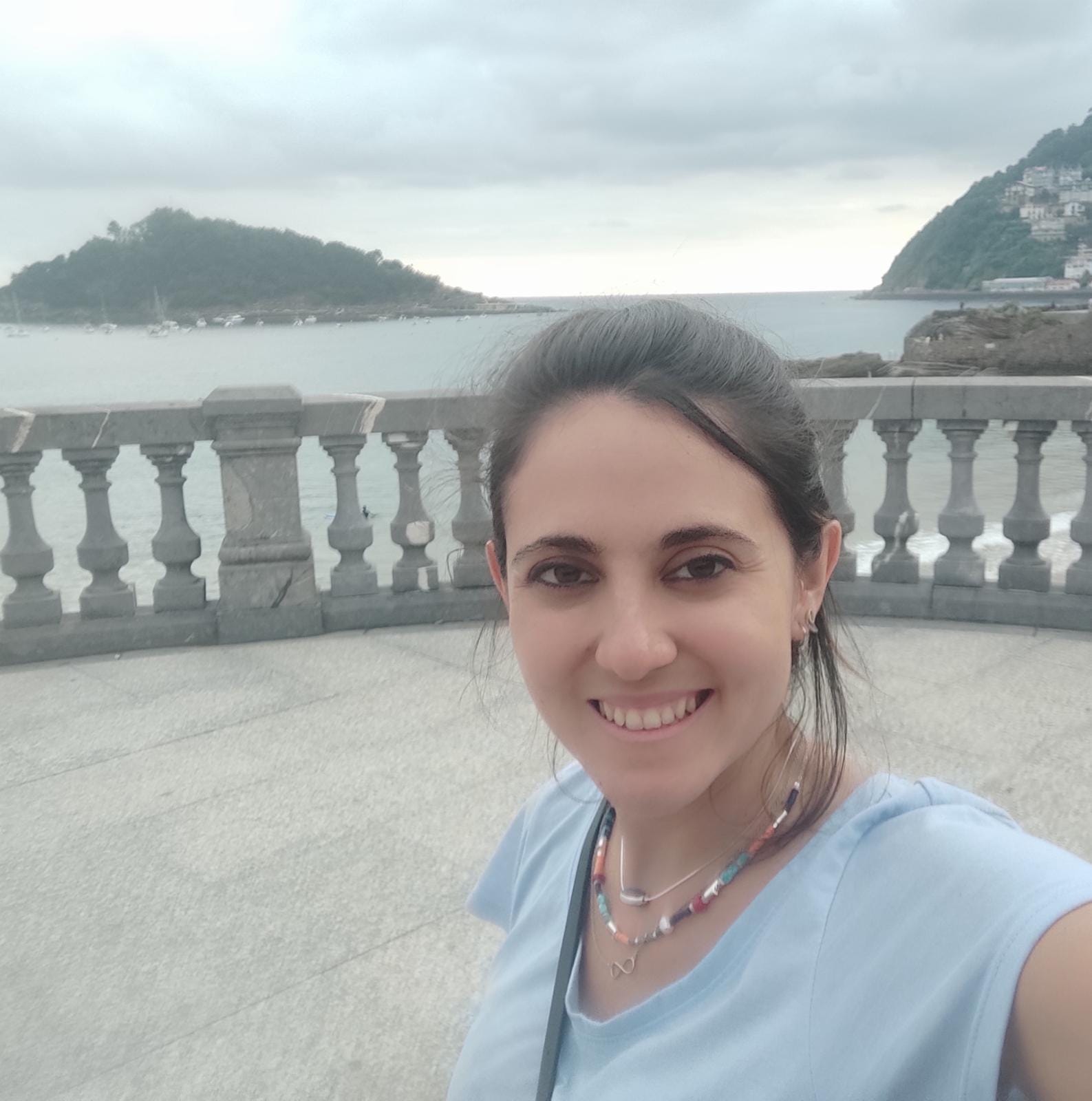
Esther Rodríguez Pérez
Técnico de Laboratorio
ORCID code: 0000-0002-3680-7733
Obtuve mi título como Graduada en Biología Sanitaria en el año 2015 y en el año 2019 obtuve el Grado Superior de Laboratorio de Diagnóstico Clínico. De 2019 a 2022 trabajé en el Museo Nacional de Ciencias Naturales (MNCN-CSIC), en el Departamento de Biogeoquímica y Ecología Microbiana. Actualmente trabajo como Técnico de Laboratorio en el Laboratorio de Helmintos del CNM (ISCIII).
-

Lourdes Castro Companioni
Ayudante de Investigación
ORCID code: 0009-0003-2746-4067
Bióloga sanitaria graduada en la Universidad de Alcalá de Henares (UAH), con master de Microbiología y Salud pública en la UAH en colaboración con el ISCIII.


List of staff
Additional Information
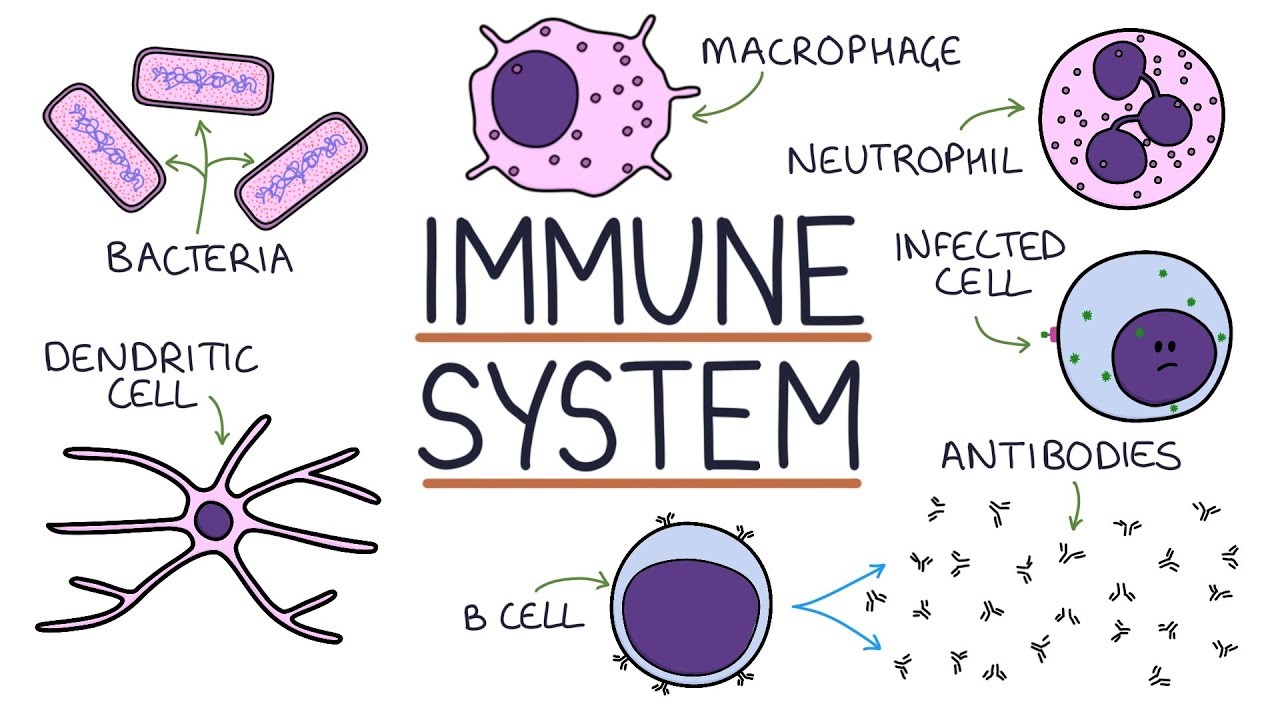
The group is interested in the study of the immune response from a multidisciplinary perspective that includes genomic, biochemical, proteomic, in vivo and biotechnological models aimed at the design of therapeutic strategies against various chronic, infectious and rare diseases that have a clear immunological component in their etiology.
The current specific objectives focus on:
- Antigenic presentation: Identification of antigenic presentation rules for their application in the design of therapeutic treatments including vaccines.
- Study of CD69 function and its regulation; its use as a therapeutic target in the mobilization of hematopoietic precursors and in the potentiation of the immune response mediated by CD69 with the potentiation of vaccines using the vaccinia virus as a vector.
The group is interested in the study of the immune response from a multidisciplinary perspective that includes genomic, biochemical, proteomic, in vivo and biotechnological models aimed at the design of therapeutic strategies against various chronic, infectious and rare diseases that have a clear immunological component in their etiology.
The current specific objectives focus on:
- Antigenic presentation: Identification of antigenic presentation rules for their application in the design of therapeutic treatments including vaccines.
- Study of CD69 function and its regulation; its use as a therapeutic target in the mobilization of hematopoietic precursors and in the potentiation of the immune response mediated by CD69 with the potentiation of vaccines using the vaccinia virus as a vector.