



We protect your health through science
Investigation
Immune Presentation and Regulation
Research Lines
Content with Investigacion .
Hepatitis
- Diseño de métodos diagnósticos para el estudio de los virus de las hepatitis (VH) A, B, C, D, E: Diseñamos sistemas de PCR para su detección y caracterización.
- Evaluación de métodos diagnósticos de los VH. Colaboramos con empresas para estudios de sensibilidad y especificidad de equipos diagnósticos.
- Estudios de Seroprevalencia de los virus de las hepatitis.
- Epidemiología genómica de genomas completos de VHA, VHB, VHC, VHD y VHE en colaboración con el ECDC. Estudios de trazabilidad del VHE.
- Caracterización molecular de virus de las hepatitis mediante secuenciación masiva: a) VHB: mutantes de escape HBsAg (prevalencia y efectos en la detección del HBsAg). Estudio de mutaciones en epítopos de estimulación inmune y mutaciones asociadas a evolución clínica desfavorable.
- b) VHC: resistencias a los antivirales de acción directa. Análisis molecular de subtipos poco frecuentes.
c) Estudios filogenéticos del VHD.
d) Análisis genómico del VHE.
e) Investigación etiológica de hepatitis no filiadas mediante estudios de metagenómica.
- b) VHC: resistencias a los antivirales de acción directa. Análisis molecular de subtipos poco frecuentes.
Research projects
Content with Investigacion .
1. Proyecto CIBEREPS 2022. Microbiological and genomic investigation of hepatitis in children by metagenomic approach in case and control subjects (IP: Ana Avellón).
2023-2024. En colaboración con el Hospital San Joan de Deu de Barcelona.
2. MPY 501-19: Tracking hepatitis E virus infection by means of epidemiological research and whole genome sequencing. Project TrazHE. (IP: Ana Avellón). 2020-2024.
3. Proyecto CIBEREPS 2021 Metagenomic sequencing to identify viral aetiologies in undiagnosed paediatric cases of meningitis and encephalitis (IP: D. Tarragó). 2021-2022.
4. MPY 383/19 (PEJ2018-004446-A). Ayudas para la promoción de empleo joven e implantación de la garantía juvenil en I+D+I. análisis de la complejidad de secuencias de los virus de la hepatitis A, B, C; D y E (VHA, VHB, VHC, VHD y VHE) mediante técnicas de secuenciación masiva. (IP: Ana Avellón). 2020-2021.
5. MPY 1285/16 Movilidad "Salvador de Madariaga" programa estatal de promoción de talento y su empleabilidad. (IP: Ana Avellón). 2016.
Publications
HCV eradication with IFN-based therapy does not completely restore gene expression in PBMCs from HIV/HCV-coinfected patients.
10.1186/s40249-021-00894-5. 9. Brochado O, Martínez I (*), Berenguer J, Medrano L, González-García J, Jiménez-Sousa MA, Carrero A, Hontañón V, Navarro J, Guardiola JM, Pérez-Latorre L, Micán R, Fernández-Rodríguez A (‡), Resino S (* ‡). HCV eradication with IFN-based therapy does not completely restore gene expression in PBMCs from HIV/HCV-coinfected patients. J Biomed Sci 2021; 28:23 (A; FI= 12.77; D1, Medicine, Research & Experimental; JCR 2021). PMID: 33785040. DOI: 10.1186/s12929-021-00718-6.
PUBMEDRelationship of vitamin D status with advanced liver fibrosis and response to hepatitis C virus therapy: A meta-analysis.
12. García-Álvarez M, Pineda-Tenor D, Jiménez-Sousa Ma, Fernández-Rodríguez A, Guzmán-Fulgencio M; Resino S (*). Relationship of vitamin D status with advanced liver fibrosis and response to hepatitis C virus therapy: A meta-analysis. Hepatology. 2014, 6(5):1541-1550. (A; FI= 11.05; D1, Gastroenterology & Hepatology; JCR 2014). PMID: 24975775. DOI: 10.1002/hep.27281.
PUBMEDFTO rs9939609 polymorphism is associated with metabolic disturbances and response to HCV therapy in HIV/HCV-coinfected patients.
13. Pineda-Tenor D, Berenguer J, Jiménez-Sousa MA, García-Álvarez M, Aldamiz-Echevarría T, Carrero A, Vázquez-Morón S, García-Broncano P, Diez C, Tejerina F, Guzmán-Fulgencio M, Resino S (*). FTO rs9939609 polymorphism is associated with metabolic disturbances and response to HCV therapy in HIV/HCV-coinfected patients. BMC Med. 2014, 12:198. (A; FI= 7.34; D1, Medicine, General & Internal; JCR 2014). PMID: 25367448. DOI: 10.1186/s12916-014-0198-y.
PUBMEDHLA-E variants are associated with sustained virological response in HIV/hepatitis C virus-coinfected patients on hepatitis C virus therapy.
14. Guzmán-Fulgencio M, Berenguer J; Rallón N, Fernández-Rodríguez A, Miralles P, Soriano V, Jiménez-Sousa MA, Cosin J, Medrano J, García-Álvarez M, López JC, Benito JM, Resino S (*). HLA-E variants are associated with sustained virological response in HIV/hepatitis C virus-coinfected patients on hepatitis C virus therapy. AIDS 2013; 27(8):1231-1238. (A; FI= 6.55; D1, Infectious Diseases; JCR 2013). PMID: 23811951. DOI: 10.1097/QAD.0b013e32835f5b9c.
PUBMEDEva Orviz, Anabel Negredo, Oskar Ayerdi, Ana Vázquez, Ana Muñoz-Gomez, Sara Monzón, Petunia Clavo, Angel Zaballos, Mar Vera, Patricia Sánchez, Noemi Cabello, Pilar Jiménez, Jorge A Pérez-García, Sarai Varona, Jorge Del Romero, Isabel Cuesta, Alberto Delgado-Iribarren, Montse Torres, Iñigo Sagastagoitia, Gustavo Palacios, Vicente Estrada, Maria Paz Sánchez-Seco, Grupo Viruela del Simio Madrid CNM/ISCIII/HCSC/Sandoval.
Eva Orviz, Anabel Negredo, Oskar Ayerdi, Ana Vázquez, Ana Muñoz-Gomez, Sara Monzón, Petunia Clavo, Angel Zaballos, Mar Vera, Patricia Sánchez, Noemi Cabello, Pilar Jiménez, Jorge A Pérez-García, Sarai Varona, Jorge Del Romero, Isabel Cuesta, Alberto Delgado-Iribarren, Montse Torres, Iñigo Sagastagoitia, Gustavo Palacios, Vicente Estrada, Maria Paz Sánchez-Seco, Grupo Viruela del Simio Madrid CNM/ISCIII/HCSC/Sandoval. Monkeypox outbreak in Madrid (Spain): Clinical and virological aspects. J Infect. 2022 Jul 10;S0163-4453(22)00415-7. doi: 10.1016/j.jinf.2022.07.005.
DOIEuropean mitochondrial haplogroups are associated with CD4+ T-cell recovery in HIV-infected patients on combination antiretroviral therapy.
15. Guzmán-Fulgencio M; Berenguer J, Micheloud D, Fernández-Rodríguez A; García–Álvarez M, Jiménez-Sousa MA, Bellón JM, Campos Y, Cosin J, Aldámiz-Echevarría T, Catalán P, López JC, Resino S (*). European mitochondrial haplogroups are associated with CD4+ T-cell recovery in HIV-infected patients on combination antiretroviral therapy. J Antimicrob Chemoth 2013; 68 (10): 2349–2357 (A; FI= 5.44; D1, Infectious Diseases; JCR 2013). PMID: 23749950. DOI: 10.1093/jac/dkt206.
PUBMEDMaría Paz Sánchez-Seco, María José Sierra, Agustín Estrada-Peña, Félix Valcárcel, Ricardo Molina, Eva Ramírez de Arellano, Angeles Sonia Olmeda, Lucía García San Miguel, Maribel Jiménez, Luis J Romero, Anabel Negredo; Group for CCHFv Research. Widespread Detection of Multiple Strains of Crimean-Congo Hemorrhagic Fever Virus in Ticks, Spain.
María Paz Sánchez-Seco, María José Sierra, Agustín Estrada-Peña, Félix Valcárcel, Ricardo Molina, Eva Ramírez de Arellano, Angeles Sonia Olmeda, Lucía García San Miguel, Maribel Jiménez, Luis J Romero, Anabel Negredo; Group for CCHFv Research. Widespread Detection of Multiple Strains of Crimean-Congo Hemorrhagic Fever Virus in Ticks, Spain. Emerg Infect Dis. 2022 Feb;28(2):394-402. doi: 10.3201/eid2802.211308.
DOINegredo A, Sánchez-Ledesma M, Llorente F, Pérez-Olmeda M, Belhassen-García M, González-Calle D, Sánchez-Seco MP, Jiménez-Clavero MÁ. Retrospective Identification of Early Autochthonous Case of Crimean-Congo Hemorrhagic Fever, Spain, 2013
Negredo A, Sánchez-Ledesma M, Llorente F, Pérez-Olmeda M, Belhassen-García M, González-Calle D, Sánchez-Seco MP, Jiménez-Clavero MÁ. Retrospective Identification of Early Autochthonous Case of Crimean-Congo Hemorrhagic Fever, Spain, 2013. Emerg Infect Dis. 2021 Jun;27(6):1754-1756. doi: 10.3201/eid2706.204643.
DOINegredo A, Sánchez-Arroyo R, Díez-Fuertes F, de Ory F, Budiño MA, Vázquez A, Garcinuño Á, Hernández L, la Hoz González C, Gutiérrez-Arroyo A, Grande C, Sánchez-Seco P. Fatal Case of Crimean-Congo Hemorrhagic Fever Caused by Reassortant Virus, Spain, 2018.
Negredo A, Sánchez-Arroyo R, Díez-Fuertes F, de Ory F, Budiño MA, Vázquez A, Garcinuño Á, Hernández L, la Hoz González C, Gutiérrez-Arroyo A, Grande C, Sánchez-Seco P. Fatal Case of Crimean-Congo Hemorrhagic Fever Caused by Reassortant Virus, Spain, 2018. Emerg Infect Dis. 2021 Apr;27(4):1211-1215. doi: 10.3201/eid2704.203462.
DOILaura Davó, Laura Herrero, Maria Paz Sánchez-Seco, Nuria Labiod, David Roiz, Elena Gómez-Díaz, Lourdes Hernandez, Jordi Figuerola and Ana Vázquez. Real-time PCR assay to detect Granada virus and the related Massilia and Arrabida phleboviruses
Laura Davó, Laura Herrero, Maria Paz Sánchez-Seco, Nuria Labiod, David Roiz, Elena Gómez-Díaz, Lourdes Hernandez, Jordi Figuerola and Ana Vázquez. Real-time PCR assay to detect Granada virus and the related Massilia and Arrabida phleboviruses. Davó et al. Parasit Vectors. 2020 May 29;13(1):270. doi: 10.1186/s13071-020-04110-5.
DOIMaría Velasco, María Paz Sánchez-Seco, Carolina Campelo, Fernando de Ory, Oriol Martin, Laura Herrero, Octavio J. Salmerón Béliz, Teodora Minguito, Mª Carmen Campos, Francisca Molero, Alejandro Algora and Ana Vázquez. Imported Human West Nile Virus Lineage 2 Infection in Spain
María Velasco, María Paz Sánchez-Seco, Carolina Campelo, Fernando de Ory, Oriol Martin, Laura Herrero, Octavio J. Salmerón Béliz, Teodora Minguito, Mª Carmen Campos, Francisca Molero, Alejandro Algora and Ana Vázquez. Imported Human West Nile Virus Lineage 2 Infection in Spain: Neurological and Gastrointestinal Complications. Viruses 2020 Jan 29;12(2):156. doi: 10.3390/v12020156.
DOINegredo A, Habela MÁ, Ramírez de Arellano E, Diez F, Lasala F, López P, Sarriá A, Labiod N, Calero-Bernal R, Arenas M, Tenorio A, Estrada-Peña A, Sánchez-Seco MP. Survey of Crimean-Congo Hemorrhagic Fever Enzootic Focus, Spain, 2011-2015
Negredo A, Habela MÁ, Ramírez de Arellano E, Diez F, Lasala F, López P, Sarriá A, Labiod N, Calero-Bernal R, Arenas M, Tenorio A, Estrada-Peña A, Sánchez-Seco MP. Survey of Crimean-Congo Hemorrhagic Fever Enzootic Focus, Spain, 2011-2015. Emerg Infect Dis. 2019 Jun;25(6):1177-1184. doi: 10.3201/eid2506.180877.
DOIRamírez de Arellano E, Sanchez-Lockhart M, Perteguer MJ, Bartlett M, Ortiz M, Campioli P, Hernández A, Gonzalez J, Garcia K, Ramos M, Jiménez-Clavero MÁ, Tenorio A, Sánchez-Seco MP, González F, Echevarría JE, Palacios G, Negredo A. First Evidence of Antibodies Against Lloviu Virus in Schreiber's Bent-Winged Insectivorous Bats Demonstrate a Wide Circulation of the Virus in Spain
Ramírez de Arellano E, Sanchez-Lockhart M, Perteguer MJ, Bartlett M, Ortiz M, Campioli P, Hernández A, Gonzalez J, Garcia K, Ramos M, Jiménez-Clavero MÁ, Tenorio A, Sánchez-Seco MP, González F, Echevarría JE, Palacios G, Negredo A. First Evidence of Antibodies Against Lloviu Virus in Schreiber's Bent-Winged Insectivorous Bats Demonstrate a Wide Circulation of the Virus in Spain. Viruses. 2019 Apr 19;11(4):360. doi: 10.3390/v11040360.
DOIMeta-analysis: diagnostic accuracy of hepatitis C core antigen detection during therapy with direct-acting antivirals.
3. Sepúlveda-Crespo D, Treviño-Nakoura A, Bellon JM, Ardizone Jiménez B, Jiménez‑Sousa MA, Fernández-Rodríguez A, Martínez I (‡), Resino S (*‡). Meta-analysis: diagnostic accuracy of hepatitis C core antigen detection during therapy with direct-acting antivirals. Aliment Pharmacol Ther 2022; 56 (8): 1224-1234 (A; FI= 9.52; D1, Pharmacology & Pharmacy; JCR 2021).
PUBMED DOIAntibody levels to SARS-CoV-2 spike protein in mothers and children from delivery to six months later.
4. Martin-Vicente M, Carrasco I, Muñoz-Gomez MJ, Lobo AH, Mas V, Vigil-Vázquez S, Vázquez M, Manzanares A, Cano O, Alonso R, Sepúlveda-Crespo D, Tarancón-Díez L, Muñoz-Fernández MÁ, Muñoz-Chapuli M, Resino S#*, Navarro ML#, Martinez I#*. Antibody levels to SARS-CoV-2 spike protein in mothers and children from delivery to six months later. Birth. 2022 Jul 8:10.1111/birt.12667. doi: 10.1111/birt.12667. Online ahead of print. PMID: 35802776.
PUBMEDHepatitis E virus seroprevalence is associated with neurodegenerative disorders in older people with dementia: a case-control study.
5. Pérez-García F, Vázquez-Morón S, Burgueño-García I, José Muñoz-Gómez M, Zea-Sevilla MA, Calero M, Martínez I#, Rábano A#, Resino S#. Hepatitis E virus seroprevalence is associated with neurodegenerative disorders in older people with dementia: a case-control study. J Infect Dis. 2022 Jun 27:jiac268. doi: 10.1093/infdis/jiac268. Online ahead of print. PMID: 35759220 (A; FI= 7.759; Q1 Microbiology; JCR 2021).
PUBMEDNegative impact of HIV infection on broad-spectrum anti-HCV neutralizing antibody titers in HCV-infected patients with advanced HCV-related cirrhosis.
6. Sepúlveda-Crespo D, Yélamos MB, Díez C, Gómez J, Hontañón V, Torresano-Felipe F, Berenguer J, González-García J, Ibañez-Samaniego L, Llop E, Olveira A, Martínez J, Resino S (‡ *), Martínez I (‡ *). Negative impact of HIV infection on broad-spectrum anti-HCV neutralizing antibody titers in HCV-infected patients with advanced HCV-related cirrhosis. Biomed Pharmacother 2022, 150: 113024. (A; FI= 7.42; D1, Pharmacology & Pharmacy; JCR 2021).
PUBMED DOI. Environmental factors linked to hospital admissions in young children due to acute viral lower respiratory infections: A bidirectional case-crossover study.
7. Álvaro-Meca A, Goez MDC, Resino R, Matías V, Sepúlveda-Crespo D, Martínez I#, Resino S#. Environmental factors linked to hospital admissions in young children due to acute viral lower respiratory infections: A bidirectional case-crossover study. Environ Res. 2022 Sep; 212(Pt B):113319. doi: 10.1016/j.envres.2022.113319. PMID: 35447151. (A; FI= 8.431; D1 Public, Environmental & Occupational Health; JCR 2021).
PUBMEDMisdiagnosis rate of among negative COVID-19 patients in real-life with Panbio COVID-19 Antigen Rapid Test during 2021.
8. Ryan P, Pérez-García F, Torres-Macho J, Bibiano C, Ignacio Lazo J, Castaño-Ochoa G, Vidal-Alcántara EJ, Muñoz-Gómez MJ, Martínez I#, Resino S#. Misdiagnosis rate of among negative COVID-19 patients in real-life with Panbio COVID-19 Antigen Rapid Test during 2021. J Infect. 2022 May; 84(5):e42-e44. doi: 10.1016/j.jinf.2022.03.013. PMID: 35306106 (L; FI= 38.637; D1 Infectious Diseases; JCR 2021).
PUBMEDSimilar humoral immune responses against the SARS-CoV-2 spike protein in HIV and non-HIV individuals after COVID-19.
11. Martín-Vicente M, Berenguer J, Muñoz-Gómez MJ, Díez C, Micán R, Pérez-Elías MJ, García-Fraile LJ, Peraire J, Suárez-García I, Jiménez-Sousa MÁ, Fernández-Rodríguez A, Vázquez M, Ryan P, González-García J, Jarrín I, Mas V, Martínez I#, Resino S#. Similar humoral immune responses against the SARS-CoV-2 spike protein in HIV and non-HIV individuals after COVID-19. J Infect. 2022 Mar;84(3):418-467. doi: 10.1016/j.jinf.2021.11.002. PMID: 34752819 (L; FI= 38.637; D1 Infectious Diseases; JCR 2021).
PUBMED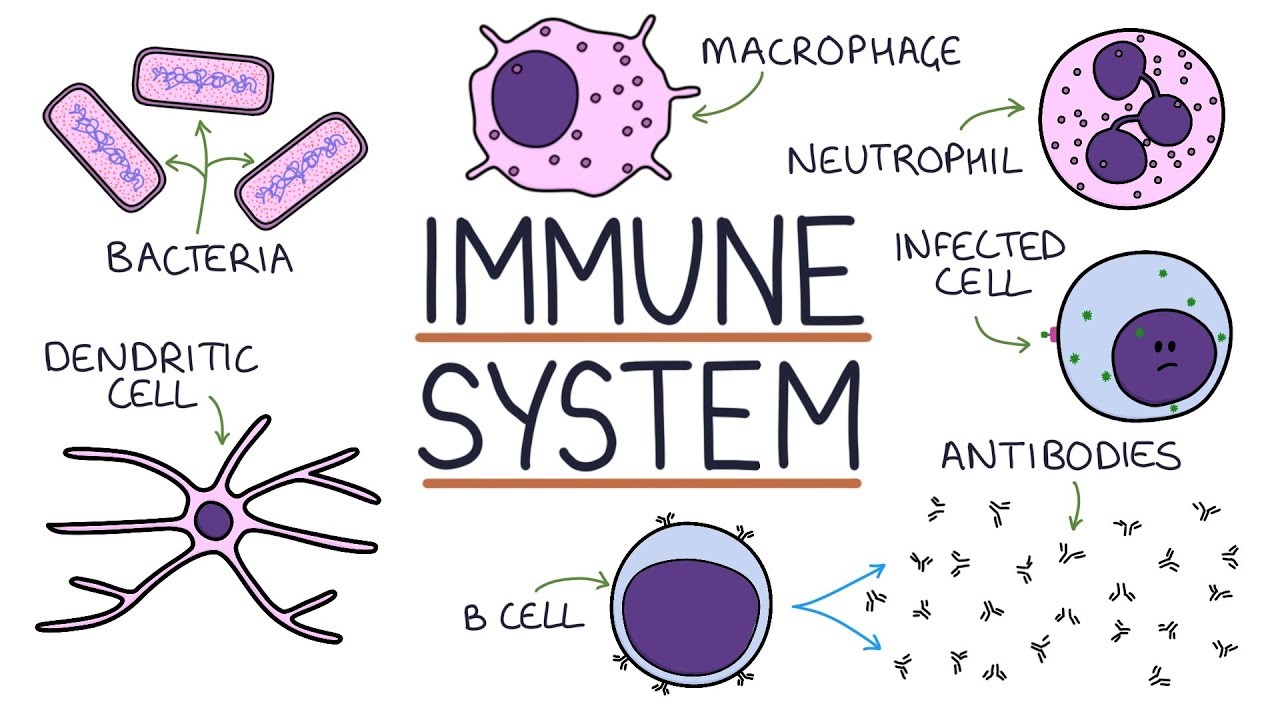
Additional Information
The group is interested in the study of the immune response from a multidisciplinary perspective that includes genomic, biochemical, proteomic, in vivo and biotechnological models aimed at the design of therapeutic strategies against various chronic, infectious and rare diseases that have a clear immunological component in their etiology.
The current specific objectives focus on:
- Antigenic presentation: Identification of antigenic presentation rules for their application in the design of therapeutic treatments including vaccines.
- Study of CD69 function and its regulation; its use as a therapeutic target in the mobilization of hematopoietic precursors and in the potentiation of the immune response mediated by CD69 with the potentiation of vaccines using the vaccinia virus as a vector.
The group is interested in the study of the immune response from a multidisciplinary perspective that includes genomic, biochemical, proteomic, in vivo and biotechnological models aimed at the design of therapeutic strategies against various chronic, infectious and rare diseases that have a clear immunological component in their etiology.
The current specific objectives focus on:
- Antigenic presentation: Identification of antigenic presentation rules for their application in the design of therapeutic treatments including vaccines.
- Study of CD69 function and its regulation; its use as a therapeutic target in the mobilization of hematopoietic precursors and in the potentiation of the immune response mediated by CD69 with the potentiation of vaccines using the vaccinia virus as a vector.
The current director of CNM is Dr. José Miguel Rubio Muñoz.
Dr. José Miguel Rubio has a degree in Biological Sciences from the Universidad Autónoma de Madrid (1986) and a PhD in Biological Sciences from the same university (1992). He carried out his doctoral thesis at the Department of Genetics of the Universidad Autónoma de Madrid, as Associate Professor (1988-1989), and at the School of Biology of the University of East Anglia in Norwich, UK, as Senior Research Assistant (1989-1992).
During his postdoctoral period he obtained a grant from the European Commission within the Human Capital and Mobility Program to be carried out at the University of “La Sapienza” in Rome, Italy and the Institute of Molecular Biology and Biotechnology in Crete, Greece (1993-1994). Subsequently, he made a further stay funded by the WHO and the university itself at the Department of Entomology, Wageningen University, The Netherlands (1994-1996).
Since 1997 he has been a member of the Instituto de Salud Carlos III (ISCIII), where he joined the Department of Parasitology of the National Center of Microbiology, as an EU-INCO postdoctoral fellow and later with a grant from the Autonomous Community of Madrid (CAM). She was part of the founding group of the National Center for Tropical Medicine (2003-2006) and of the 24/7 Alerts and Emergencies Unit (2006-2018) and is currently Head of the Malaria and Emerging Parasitosis Unit of the National Microbiology Center and is part, as research staff, of the Center for Biomedical Research Network on Infectious Diseases (CIBERINFEC/ISCIII).
During his scientific career he has been Visiting Scientist at the Leonidas e Marie Dean Center (FIOCRUZ-AMAZONAS, Manaus, Brazil) and is an External Consultant of the Parasitology Departments of Cairo University (Egypt) and the Medical Research Center (MRC) of Kuala Lumpur (Malaysia). He also belongs or has belonged to different national and international committees: Member of the expert group for malaria control of the European Centre for Disease Control (ECDC) since 2011; Expert-Evaluator for health programs of the European Commission since 2004; Spanish Representative (commissioned by ISCIII and MSC) in the Technical Scientific Committee of the TDR (WHO) 2007-2008; Spanish Deputy Focal Point for microbiology at the European Centre for Disease Control (ECDC) from 2012 to 2020; and, member of the Research Ethics Committee of ISCIII until 2019.
In this period he has published more than 100 articles in international indexed journals, 10 book chapters and has been co-editor of two books in the area of malaria, tropical medicine and neglected diseases. He has participated in 58 competitively funded research projects, 20 of them international, having been the principal investigator in 8 national and 11 international projects as PI of the project or WP leader. In addition, he has led five agreements with companies. Currently he has been awarded four sexenios of research, being presented this year 2025 to the fifth. In the teaching field, he participates in different postgraduate programs in the areas of microbiology and parasitology, having directed seven doctoral theses and more than 20 Master's or Degree final projects, both nationally and internationally.
El laboratorio de Referencia e Investigación en Resistencia a Antibióticos ofrece una amplia cartera de servicios al Sistema Nacional de Salud, las cuales pueden solicitarse en cnm-laboratorios.isciii.es. Jefe del Laboratorio: Jesús Oteo Iglesias (Punto focal Nacional de Resistencia antibiótica).
Dispone de dos programas de Vigilancia oficiales y gratuitos que engloban los ensayos ofertados ya sea como aislamientos individuales o mediante estudio de brotes. El Laboratorio utiliza asimismo técnicas de PCR en tiempo real para la detección de genes de resistencia, estas técnicas se han adaptado a un formato multiplex que permite detectar varios genes en la misma reacción. En los últimos años se han incluido metodologías basadas en la secuenciación de genomas completos para el análisis de bacterias multiresistentes (WGS).
Programa de vigilancia de Haemophilus influenzae. Responsables: María Pérez Vázquez (Punto focal Nacional de Haemophilus influenzae) y Belén Aracil. Laboratorio encargado de la identificación, estudio de sensibilidad y análisis genotípico de aislados de Haemophilus influenzae, centrándose esencialmente en la patología invasiva debida este patógeno.
Programa de vigilancia de Resistencia a Antibióticos. Responsables: María Pérez Vázquez y Belén Aracil (Punto focal Nacional de Resistencia antibiótica). Laboratorio encargado de la identificación, el estudio de sensibilidad antibiótica, y el diagnóstico fenotípico y genotípico de los diferentes mecanismos de resistencia a antibióticos fundamentalmente en enterobacterias y gram-negativos no fermentadores y Enterococcus spp.
Estudio de brotes. Responsables: Belén Aracil y María Pérez Vázquez. El programa incluye la caracterización de brotes nosocomiales y clones emergentes de alto riesgo mediante diferentes técnicas moleculares (tabla resumen). Éstas, nos permiten realizar estudios filogenéticos con el fin de obtener una información detallada acerca la relación entre los diferentes aislados y su trazabilidad. El objetivo final es generar datos que se transfieren a los hospitales como ayuda para la prevención o control de la propagación del brote.
Acreditación y Calidad. Responsable: Belén Aracil. El laboratorio Referencia e Investigación en Resistencia a Antibióticos ha sido de los primeros en el ISCIII en la utilización de técnicas acreditadas por la Entidad Nacional de Acreditaciones (ENAC). Este laboratorio consiguió la primera acreditación homologada de técnicas diagnósticas en 2012, programa que ha sido ampliado, de manera que en la actualidad más de la mitad de las técnicas ofrecidas al Sistema Nacional de Salud están debidamente acreditadas por ENAC.
Técnicos responsables de las técnicas realizadas en el Laboratorio: Noelia Lara Fuella y Verónica Bautista Sánchez.
En la siguiente imagen se resumen las técnicas ofrecidas al Sistema Nacional de Salud.
| PROGRAMAS | NOMBRE CARTERA SERVICIO | PATÓGENO | DETERMINACIÓN, DETECCIÓN, ANÁLISIS | MÉTODOS |
|
Programa de vigilancia de Haemophilus Programa de vigilancia de resistencia a antibióticos. |
Identificación bacteriana |
Haemophilus sp. Enterobacterias, gram-negativos no fermentadores, Enterococcus spp |
Identificación bacteriana |
Bioquímicos MALDI TOF Secuenciación de RNAr |
| | Identificación capsular |
Haemophilus influenzae
|
Identificación capsular fenotípica y genotípica |
Aglutinación serológica en latex PCR ind/multiplex |
| | Determinación de Sensibilidad |
Haemophilus sp. Enterobacterias, gram-negativos no fermentadores, Enterococcus
|
Determinación de Sensibilidad |
Microdilución Tiras epsilon Kirby Bauer |
| | Métodos fenotípicos de detección de mecanismos de resistencia |
Enterobacterias, gram-negativos no fermentadores,
|
Métodos fenotípicos de detección de mecanismos de resistencia |
Discos y tabletas combinados con inhibidores Tiras combinadas Test de Hodge modificado CabaNP Inmunocromatografía CBP |
| | Métodos genotípicos de detección de mecanismos de resistencia |
Haemophilus sp. Enterobacterias, gram-negativos no fermentadores, Enterococcus
|
ADN, PCR y secuenciación |
PCR ind/multiplex Análisis comparativo de las secuencias |
| | Tipificación molecular/análisis filogenéticos |
Haemophilus sp. Enterobacterias, gram-negativos no fermentadores, Enterococcus
|
Corte enzimas de restricción, electroforesis ADN, PCR y secuenciación Preparación de librerías y secuenciación y análisis de genomas completos |
PFGE
MLST
WGS |