



We protect your health through science
Investigation
Mechanisms of Antifungal Resistance in Aspergillus
Research Lines
Content with Investigacion .
Resistance mechanisms of Aspergillus fumigatus to antifungals
Aspergillus fumigatus is a universally distributed opportunistic fungal pathogen with a significant global incidence and extremely high mortality. The widespread and extensive use of azole antifungals has led to the emergence of A. fumigatus azole resistant, resulting in serious consequences for patients infected with these isolates, who are left with limited therapeutic options.
Initially, the emergence of resistant strains was very sporadic and showed point mutations in key areas of the Cyp51A enzyme (G54, G138, F219, M220, G448S) in strains isolated from patients undergoing long-term treatment with azoles. This clinical pathway is due to the selective pressure that azoles exert on A. fumigatus within the patient. However, since 2014, resistance has grown significantly, and almost all azole-resistant A. fumigatus strains have a combined mechanism of modifications in the promoter and the coding portion of cyp51A (TR34/L98H or TR46/Y121F/T289A). Both resistance mechanisms are frequently detected in strains from patients who have never been exposed to antifungal therapy. In these cases, the involvement of an environmental route is raised, in which the unintentional exposure of A. fumigatus to DMIs (imidazole and triazole) in the field would be favoring the resistance emergence.

Origin and Evolution of A. fumigatus Resistance to Antifungals
Nowadays, the isolation of A. fumigatus strains resistant to antifungals is an increasing global emergence. The continuous exposure of A. fumigatus to environmental fungicides, used for crop protection against other fungal species that cause agricultural damage, is believed to be selecting multi drug resistant strains. The main azole resistance mechanisms in A. fumigatus are strains with modifications of the azole target (cyp51A gene), mainly the TR34/L98H, followed by TR46/Y121F/A289T. Both types of mechanisms are responsible for panazole resistance and cross resistance to DMIs used for crop protection (imidazoles and triazoles). More recently, resistance to several fungicide classes such as, Bencimidazoles (MBC), Estrobilurinas (QoIs), sucinato deshidrogenase inhibitors (SDHIs) and Dicarboximides, has also been acknowledged.

Genomic characterization (NGS) of strains from both clinical and environmental sources allows linking genomic differences with the acquisition of resistance to different fungicides. Adding data on susceptibility to non-azole antifungals provides a more precise picture of the phylogenetic relationships among strains, as distinct subclades are formed in which strains multi-resistant to non-azole antifungals grouped with azole-resistant strains with TRs resistance mechanisms. This formation of specific clades with strains that differ in geographic origin and year of isolation suggests the existence of a common link, an evolutionary origin according to which the strains have developed under similar circumstances that converge in a series of multi-resistance mechanisms to fungicides from different families. The resistance of A. fumigatus to non-azole fungicides, that are exclusively used in the environment, confirms that the strains with TRs resistance mechanisms are selected and developed in the environment where they are exposed to the selective pressure of multiple fungicides.
Tolerance and Persistence to Azole Antifungals in Aspergillus fumigatus
Tolerance and persistence are two phenomena by which pathogenic organisms can survive the microbicidal action of antimicrobials that should kill them over an extended period. In our laboratory, we investigate the ability of certain A. fumigatus isolates to exhibit tolerance and persistence to azoles, which are the first-line antifungal treatment for aspergillosis infections.
We are developing methodologies to detect and study tolerance and persistence, both in the laboratory and in clinical diagnosis. Using these methods, we are exploring the underlying molecular and genomic mechanisms that enable these phenomena. In addition, we are investigating the potential relevance of tolerance and persistence in the efficacy of antifungal treatment.
Differential Modulation of Persulfidation in the Fungus and Host as a Novel Antifungal Strategy
Persulfidation is a post-translational modification in which an activated sulfur group (S₂-), through the action of an enzyme, performs a specific nucleophilic attack on thiol (-SH) groups of cysteine residues in target proteins, forming a persulfide group (-SSH). This modification has been shown to modulate the intrinsic activity of proteins, playing a crucial role in various cellular mechanisms and physiological functions.
In our previous research, we demonstrated that correct levels of persulfidation are important both for A. fumigatus virulence and for orchestrating an adequate immune response in the host. Based on this, our research explores the hypothesis that differential modulation of persulfidation could constitute a novel antifungal treatment strategy.
We are investigating the ability of compounds to inhibit fungal enzymes responsible for persulfidation, aiming to reduce persulfidation levels and thereby decrease A. fumigatus virulence. Additionally, we are studying the use of sulfur donors as a potential means to enhance persulfidation in pulmonary host cells, with the goal of strengthening the immune response.
Evolution of Cross-Resistance to the New Antifungals Olorofim and Manogepix
Azole resistance is already present worldwide. Studies have shown that the most common resistance mechanisms—tandem repeats in the promoter of the gene encoding the azole target—have developed in agricultural settings due to the indiscriminate use of pesticides from the same family as clinical azoles.
Currently, two new clinical antifungals with novel molecular mechanisms of action have been introduced: olorofim and manogepix. However, analogous compounds with the same mechanism of action, ipflufenoquin and aminopyrifen, have also been developed for use as pesticides. This situation puts us at risk of repeating the same mistake made with azoles.
In this international collaborative project, we study the evolution of resistance and cross-resistance to these clinical and environmental antifungals. Our goal is to design strategies to minimize the emergence of resistance in the environment and develop early detection methods for antifungal resistance.

Research projects
Content with Investigacion .
PROJECT TITLE: Consorcio Centro de Investigacion Biomedica en Red (CIBER). Infectious Diseases Area.
Funding Agency: CIF: G85296226. Reference: CB21/13/00105
Dates: 2022-2026 Funding: 85.000 € (first year)
Principal Investigator: Emilia Mellado Terrado

PROJECT TITLE: Modulación diferencial de la persulfidación en el hongo y el hospedador como nueva estrategia antifúngica.
Funding Agency: Agencia Estatal de Investigación (Convocatoria Proyectos de Generación de Conocimiento"
Reference: Project PID2022-136343OA-I00 funded by MICIU/AEI /10.13039/501100011033 and by FEDER, UE
Principal Investigator: Jorge Amich.
Dates: 2024-2026.
Funding: 118.750 €

PROJECT TITLE: : Bridging the gap between environment and patient JPIAMR (AC23CIII_2/00002 (JPIAMR2023-DISTOMOS-103).
DATES: 2024-2026 Funding: 178.000 €
Principal Investigator: Jorge Amich.
PROJECT TITLE: : Buscando los rasgos geneticos de la resistencia de Aspergillus fumigatus a los azoles para preservar la eficacia de los azoles:un enfoque de salud global.
FUNDING AGENCY: Fondo de Investigación Sanitaria. PI21CIII/00028_ MPY443/2021
DATES: 2022-2025 Funding: 47.000 €
Principal Investigator: Emilia Mellado Terrado
PROJECT TITLE: : Persistencia a antifúngicos azólicos en Aspergillus fumigatus: mecanismos, relevancia y diagnóstico.
FUNDING AGENCY: AESI 2022 (PI22CIII/00053).
DATES: 2023-2025 Funding: 55.000 €
Principal Investigator: Jorge Amich.
PROJECT TITLE: : La medicina de precisión contra la resistencia a antimicrobianos:
CONSORCIO CENTRO DE INVESTIGACION BIOMEDICA EN RED (CIBER) CENTRO NACIONAL DE MICROBIOLOGIA
G85296226 PMP22/00092. Project MePRAM 28.107.46QF.749 Funding: 4.339.500,00€
Principal Investigator: Jesus Oteo
Publications
Isolation of Functional SARS-CoV-2 Antigen-Specific T-Cells with Specific Viral Cytotoxic Activity for Adoptive Therapy of COVID-19. García-Ríos, E.; Leivas, A.; Mancebo, F.J.; Sánchez-Vega, L.; Lanzarot, D.; Aguado, J.M.; Martínez-López, J.; Paciello, M.L.; Pérez-Romero, P. Biomedicines 2022, 10, 630. doi: 10.3390/biomedicines10030630.
Isolation of Functional SARS-CoV-2 Antigen-Specific T-Cells with Specific Viral Cytotoxic Activity for Adoptive Therapy of COVID-19. García-Ríos, E.; Leivas, A.; Mancebo, F.J.; Sánchez-Vega, L.; Lanzarot, D.; Aguado, J.M.; Martínez-López, J.; Paciello, M.L.; Pérez-Romero, P. Biomedicines 2022, 10, 630. doi: 10.3390/biomedicines10030630.
Deciphering the Potential Coding of Human Cytomegalovirus: New Predicted Transmembrane Proteome. Mancebo, F.J., Parras-Moltó, M., García-Ríos, E., Pérez-Romero, P. International Journal of Molecular Sciences, 2022, 23(5), 2768. doi: 10.3390/ijms23052768.
Deciphering the Potential Coding of Human Cytomegalovirus: New Predicted Transmembrane Proteome. Mancebo, F.J., Parras-Moltó, M., García-Ríos, E., Pérez-Romero, P. International Journal of Molecular Sciences, 2022, 23(5), 2768. doi: 10.3390/ijms23052768.
Detection of cytomegalovirus drug resistance mutations in solid organ transplant recipients with suspected resistance
Cross-Recognition of SARS-CoV-2 B-Cell Epitopes with Other Betacoronavirus Nucleoproteins. Tajuelo, A.; López-Siles, M.; Más, V.; Pérez-Romero, P.; Aguado, J.M.; Briz, V.; McConnell, M.J.; Martín-Galiano, A.J.; López, D. Int. J. Mol. Sci. 2022, 23, 2977. doi: 10.3390/ijms23062977.
PUBMEDDetection of cytomegalovirus drug resistance mutations in solid organ transplant recipients with suspected resistance
Immunogenicity of Anti-SARS-CoV-2 Vaccines in Common Variable Immunodeficiency. Arroyo-Sánchez D, Cabrera-Marante O, Laguna-Goya R, Almendro-Vázquez P, Carretero O, Gil-Etayo FJ, Suàrez-Fernández P, Pérez-Romero, P, Rodríguez de Frías E, Serrano A, Allende LM, Pleguezuelo D, Paz-Artal E. J Clin Immunol. 2022 Feb;42(2):240-252. doi: 10.1007/s10875-021-01174-5. PMID: 34787773.
PUBMEDOptimization of a Lambda-RED Recombination Method for Rapid Gene Deletion in Human Cytomegalovirus
Optimization of a Lambda-RED Recombination Method for Rapid Gene Deletion in Human Cytomegalovirus. García-Ríos E, Gata-de-Benito J, López-Siles M, McConnell MJ, Pérez-Romero, P. Int J Mol Sci. 2021 Sep 29;22(19):10558. doi: 10.3390/ijms221910558. PMID: 34638896.
PUBMEDCirculatory follicular helper T lymphocytes associate with lower incidence of CMV infection in kidney transplant recipients
Circulatory follicular helper T lymphocytes associate with lower incidence of CMV infection in kidney transplant recipients. Suàrez-Fernández P, Utrero-Rico A, Sandonis V, García-Ríos E, Arroyo-Sánchez D, Fernández-Ruiz M, Andrés A, Polanco N, González-Cuadrado C, Almendro-Vázquez P, Pérez-Romero P, Aguado JM, Paz-Artal E, Laguna-Goya R. Am J Transplant. 2021 Dec;21(12):3946-3957. doi: 10.1111/ajt.16725. PMID: 34153157.
PUBMEDIs It Feasible to Use CMV-Specific T-Cell Adoptive Transfer as Treatment Against Infection in SOT Recipients?
Is It Feasible to Use CMV-Specific T-Cell Adoptive Transfer as Treatment Against Infection in SOT Recipients? García-Ríos E, Nuévalos M, Mancebo FJ, Pérez-Romero P. Front Immunol. 2021 Apr 23;12:657144. doi: 10.3389/fimmu.2021.657144. PMID: 33968058.
PUBMEDCytotoxic cell populations developed during treatment with tyrosine kinase inhibitors protect autologous CD4+ T cells from HIV-1 infection
Cytotoxic cell populations developed during treatment with tyrosine kinase inhibitors protect autologous CD4+ T cells from HIV-1 infection. Vigón L, Rodríguez-Mora S, Luna A, Sandonís V, Mateos E, Bautista G, Steegmann JL, Climent N, Plana M, Pérez-Romero P, de Ory F, Alcamí J, García-Gutierrez V, Planelles V, López-Huertas MR, Coiras M. Biochem Pharmacol. 2020 Aug 20;182:114203. doi: 10.1016/j.bcp.2020.114203. PMID: 32828803
PUBMEDRole of Neutralizing Antibodies in CMV Infection: Implications for New Therapeutic Approaches
Role of Neutralizing Antibodies in CMV Infection: Implications for New Therapeutic Approaches. Sandonís V, García-Ríos E, McConnell MJ, Pérez-Romero P.Sandonís V, et al. Trends Microbiol. 2020 Nov;28(11):900-912. doi: 10.1016/j.tim.2020.04.003. PMID: 32448762 Review.
PUBMEDPre-existing Hemagglutinin Stalk Antibodies Correlate with Protection of Lower Respiratory Symptoms in Flu-Infected Transplant Patients
Pre-existing Hemagglutinin Stalk Antibodies Correlate with Protection of Lower Respiratory Symptoms in Flu-Infected Transplant Patients. Aydillo T, Escalera A, Strohmeier S, Aslam S, Sanchez-Cespedes J, Ayllon J, Roca-Oporto C, Pérez-Romero P, Montejo M, Gavalda J, Munoz P, Lopez-Medrano F, Carratala J, Krammer F, García-Sastre A, Cordero E. Cell Rep Med. 2020 Nov 3;1(8):100130. doi: 10.1016/j.xcrm.2020.100130. PMID: 33294855
PUBMEDEffect of Influenza Vaccination Inducing Antibody Mediated Rejection in Solid Organ Transplant Recipients. Cordero E, Bulnes-Ramos A, Aguilar-Guisado M, González Escribano F, Olivas I, Torre-Cisneros J, Gavaldá J, Aydillo T, Moreno A, Montejo M, Fariñas MC, Carratalá J, Muñoz P, Blanes M, Fortún J, Suárez-Benjumea A, López-Medrano F, Roca C, Lara R, Pérez-Romero P. Front Immunol. 2020 Oct 6;11:1917. doi: 10.3389/fimmu.2020.01917. PMID: 33123119
Effect of Influenza Vaccination Inducing Antibody Mediated Rejection in Solid Organ Transplant Recipients. Cordero E, Bulnes-Ramos A, Aguilar-Guisado M, González Escribano F, Olivas I, Torre-Cisneros J, Gavaldá J, Aydillo T, Moreno A, Montejo M, Fariñas MC, Carratalá J, Muñoz P, Blanes M, Fortún J, Suárez-Benjumea A, López-Medrano F, Roca C, Lara R, Pérez-Romero P. Front Immunol. 2020 Oct 6;11:1917. doi: 10.3389/fimmu.2020.01917. PMID: 33123119
Humoral response to natural influenza infection in solid organ transplant recipients
Humoral response to natural influenza infection in solid organ transplant recipients. Hirzel C, Ferreira VH, L'Huillier AG, Hoschler K, Cordero E, Limaye AP, Englund JA, Reid G, Humar A, Kumar D; Influenza in Transplant Study Group.Hirzel C, et al. Am J Transplant. 2019 Aug;19(8):2318-2328. doi: 10.1111/ajt.15296. Epub 2019 Mar 18.Am J Transplant. 2019. PMID: 30748090 Clinical Trial.
PUBMEDA 5-Year Prospective Multicenter Evaluation of Influenza Infection in Transplant Recipients
A 5-Year Prospective Multicenter Evaluation of Influenza Infection in Transplant Recipients. Kumar D, Ferreira VH, Blumberg E, Silveira F, Cordero E, Perez-Romero P, Aydillo T, Danziger-Isakov L, Limaye AP, Carratala J, Munoz P, Montejo M, Lopez-Medrano F, Farinas MC, Gavalda J, Moreno A, Levi M, Fortun J, Torre-Cisneros J, Englund JA, Natori Y, Husain S, Reid G, Sharma TS, Humar A.Kumar D, et al. Clin Infect Dis. 2018 Oct 15;67(9):1322-1329. doi: 10.1093/cid/ciy294.Clin Infect Dis. 2018. PMID: 29635437 Clinical Trial.
PUBMEDImpact of pretransplant CMV-specific T-cell immune response in the control of CMV infection after solid organ transplantation: a prospective cohort study
Impact of pretransplant CMV-specific T-cell immune response in the control of CMV infection after solid organ transplantation: a prospective cohort study. Molina-Ortega A, Martín-Gandul C, Mena-Romo JD, Rodríguez-Hernández MJ, Suñer M, Bernal C, Sánchez M, Sánchez-Céspedes J, Pérez Romero P, Cordero E.Molina-Ortega A, et al. Clin Microbiol Infect. 2019 Jun;25(6):753-758. doi: 10.1016/j.cmi.2018.09.019. PMID: 30292792 Clinical Trial.
PUBMEDTwo Doses of Inactivated Influenza Vaccine Improve Immune Response in Solid Organ Transplant Recipients: Results of TRANSGRIPE 1-2, a Randomized Controlled Clinical Trial.
Two Doses of Inactivated Influenza Vaccine Improve Immune Response in Solid Organ Transplant Recipients: Results of TRANSGRIPE 1-2, a Randomized Controlled Clinical Trial. Cordero E, Roca-Oporto C, Bulnes-Ramos A, Aydillo T, Gavaldà J, Moreno A, Torre-Cisneros J, Montejo JM, Fortun J, Muñoz P, Sabé N, Fariñas MC, Blanes-Julia M, López-Medrano F, Suárez-Benjumea A, Martinez-Atienza J, Rosso-Fernández C, Pérez-Romero P. Clin Infect Dis. 2017 Apr 1;64(7):829-838. doi: 10.1093/cid/ciw855.Clin Infect Dis. 2017. PMID: 28362949 Clinical Trial.
PUBMEDUse of antibodies neutralizing epithelial cell infection to diagnose patients at risk for CMV Disease after transplantation
Use of antibodies neutralizing epithelial cell infection to diagnose patients at risk for CMV Disease after transplantation. Blanco-Lobo P, Cordero E, Martín-Gandul C, Gentil MA, Suárez-Artacho G, Sobrino M, Aznar J, Pérez-Romero P.Blanco-Lobo P, et al. J Infect. 2016 May;72(5):597-607. doi: 10.1016/j.jinf.2016.02.008. Epub 2016 Feb 24.J Infect. 2016. PMID: 26920791 Clinical Trial.
PUBMEDIdentification and Analysis of Unstructured, Linear B-Cell Epitopes in SARS-CoV-2 Virion Proteins for Vaccine Development
Identification and Analysis of Unstructured, Linear B-Cell Epitopes in SARS-CoV-2 Virion Proteins for Vaccine Development. Corral-Lugo A, López-Siles M, López D, McConnell MJ, Martin-Galiano AJ. Vaccines. 2020 Jul 20;8(3):397. doi: 10.3390/vaccines8030397.
PUBMEDUsing Omics Technologies and Systems Biology to Identify Epitope Targets for the Development of Monoclonal Antibodies Against Antibiotic-Resistant Bacteria
Using Omics Technologies and Systems Biology to Identify Epitope Targets for the Development of Monoclonal Antibodies Against Antibiotic-Resistant Bacteria. Martín-Galiano AJ, McConnell MJ.Front Immunol. 2019 Dec 10;10:2841. doi: 10.3389/fimmu.2019.02841. eCollection 2019.
PUBMEDA lipopolysaccharide-free outer membrane vesicle vaccine protects against Acinetobacter baumannii infection
A lipopolysaccharide-free outer membrane vesicle vaccine protects against Acinetobacter baumannii infection. Pulido MR, García-Quintanilla M, Pachón J, McConnell MJ.Vaccine. 2020 Jan 22;38(4):719-724. doi: 10.1016/j.vaccine.2019.11.043.
PUBMEDA Live Salmonella Vaccine Delivering PcrV through the Type III Secretion System Protects against Pseudomonas aeruginosa.
A Live Salmonella Vaccine Delivering PcrV through the Type III Secretion System Protects against Pseudomonas aeruginosa. Aguilera-Herce J, García-Quintanilla M, Romero-Flores R, McConnell MJ, Ramos-Morales F. mSphere. 2019 Apr 17;4(2):e00116-19. doi: 10.1128/mSphere.00116-19.
PUBMEDContent with Investigacion .
-

Aída Úbeda Trillo
Técnico de Laboratorio
Técnico superior en laboratorio de diagnóstico clínico en 2019. Lleva vinculada a la Unidad de Neumococos desde 2023 como técnico de laboratorio contratada. Anteriormente estuvo contratada en el Servicio de Microbiología y Urgencias del Hospital Infanta Sofía de Madrid.
-

José Enrique Yuste Lobo
Científico Titular
ORCID code: 0000-0001-7996-0837
Licenciado en Farmacia en 1998 y Doctor en 2002 por la Universidad Complutense de Madrid. Realizó su tesis doctoral en el laboratorio de neumococos del Centro Nacional de Microbiología del ISCIII. Posteriormente trabajó durante 5 años en Londres, primero como Investigador Asociado en el Centre for Molecular Microbiology and Infection Biology de Imperial College hasta 2003 y luego en el Centre for Respiratory Research de University College hasta 2007. Tras esta etapa posdoctoral en Reino Unido, trabajó durante 3 años como Investigador Senior en el Centro de Investigaciones Biológicas del CSIC hasta 2010. Desde entonces trabaja como Científico Titular en la Unidad de Neumococos del CNM-ISCIII, siendo el responsable científico del laboratorio desde el año 2016. Es investigador principal del grupo CIBER de Enfermedades Respiratorias (CIBERES) CB06/06/0003 (https://www.ciberes.org/grupos/grupo-de-investigacion?id=18143)
-

Mirian Domenech Luchas
Investigadora posdoctoral
ORCID code: 0000-0002-0942-8180
Licenciada en Ciencias Biológicas en 2005 y Doctora en 2012 por la Universidad Complutense de Madrid. Realizó su tesis doctoral en el Centro de Investigaciones Biológicas del CSIC bajo la dirección del Profesor Ernesto García y la Dra. Miriam Moscoso caracterizando el biofilm neumocócico y estudiando distintos antimicrobianos para prevenir y tratar las infecciones producidas por neumococo y otros patógenos. Posteriormente ha trabajado como investigadora junior para el CIBER de Enfermedades Respiratorias y para la empresa Investigación y Proyectos Microbiológicos realizando estudios sobre biofilms de patógenos respiratorios. A finales del 2018 se incorporó a la Unidad de Neumococos del Centro Nacional Microbiología del ISCIII, donde participa en las distintas labores de investigación y referencia de la Unidad y es profesora ayudante Doctor de la Facultad de Biología de la Universidad Complutense de Madrid.
-
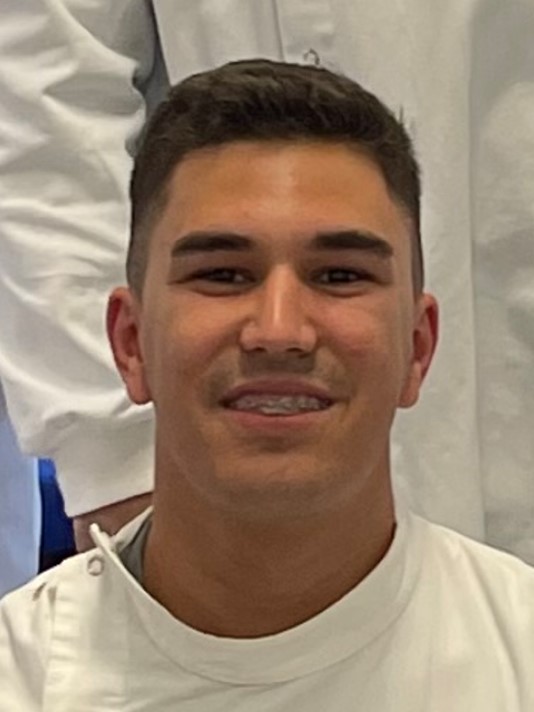
Julio Sempere García
Investigador Posdoctoral
ORCID code: 0000-0001-9340-6867
Graduado en Bioquímica por la Universidad Complutense de Madrid, donde posteriormente cursó estudios de Máster en Microbiología y Parasitología. Actualmente realiza el programa de doctorado en Microbiología y Parasitología. Lleva asociado a la Unidad de Neumococos desde 2017, donde realizó las prácticas extracurriculares de grado y posteriormente realizó su trabajo de fin de grado (2018) y trabajo de fin de máster (2019). En 2022 obtuvo el grado de Doctor y actualmente investiga biofilms de bacterias Gram positivas, la matriz de estos y cómo interaccionan con el sistema inmune. También trabaja en la interacción de diferentes cápsulas de Streptococcus pneumoniae con el sistema inmune y patogénesis de serotipos emergentes incluidos en las futuras vacunas antineumocócicas.
-
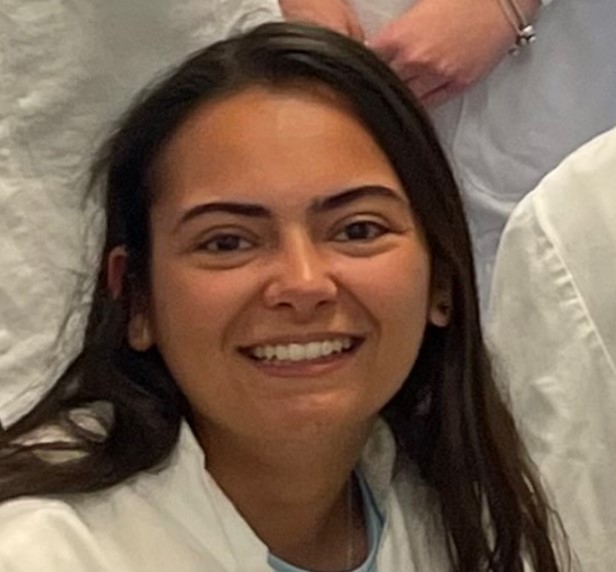
Covadonga Pérez García
Contratada predoctoral FPU
ORCID code: 0000-0002-5295-6480
Graduada en Biología por la Universidad Complutense de Madrid, donde posteriormente cursó estudios de Máster en Microbiología y Parasitología. Lleva vinculada a la Unidad de Neumococos desde 2019, donde realizó las prácticas extracurriculares de grado y posteriormente realizó su trabajo de fin de grado (2020) y trabajo de fin de máster (2021). En 2022 obtuvo beca predoctoral del programa FPU y actualmente investiga mecanismos de patogenicidad y protección de serotipos emergentes de neumococo.
-

Erick Joan Vidal Alcántara
Ayudante de Investigación
ORCID code: 0000-0001-8946-3754
Graduado en Biología por la Universidad Complutense de Madrid, y posteriormente cursó estudios de Máster en Microbiología aplicada a salud pública e investigación en enfermedades infecciosas por la Universidad de Alcalá de Henares. Lleva vinculado a la Unidad de Neumococos desde 2022 como ayudante de investigación y es personal de plantilla.
-
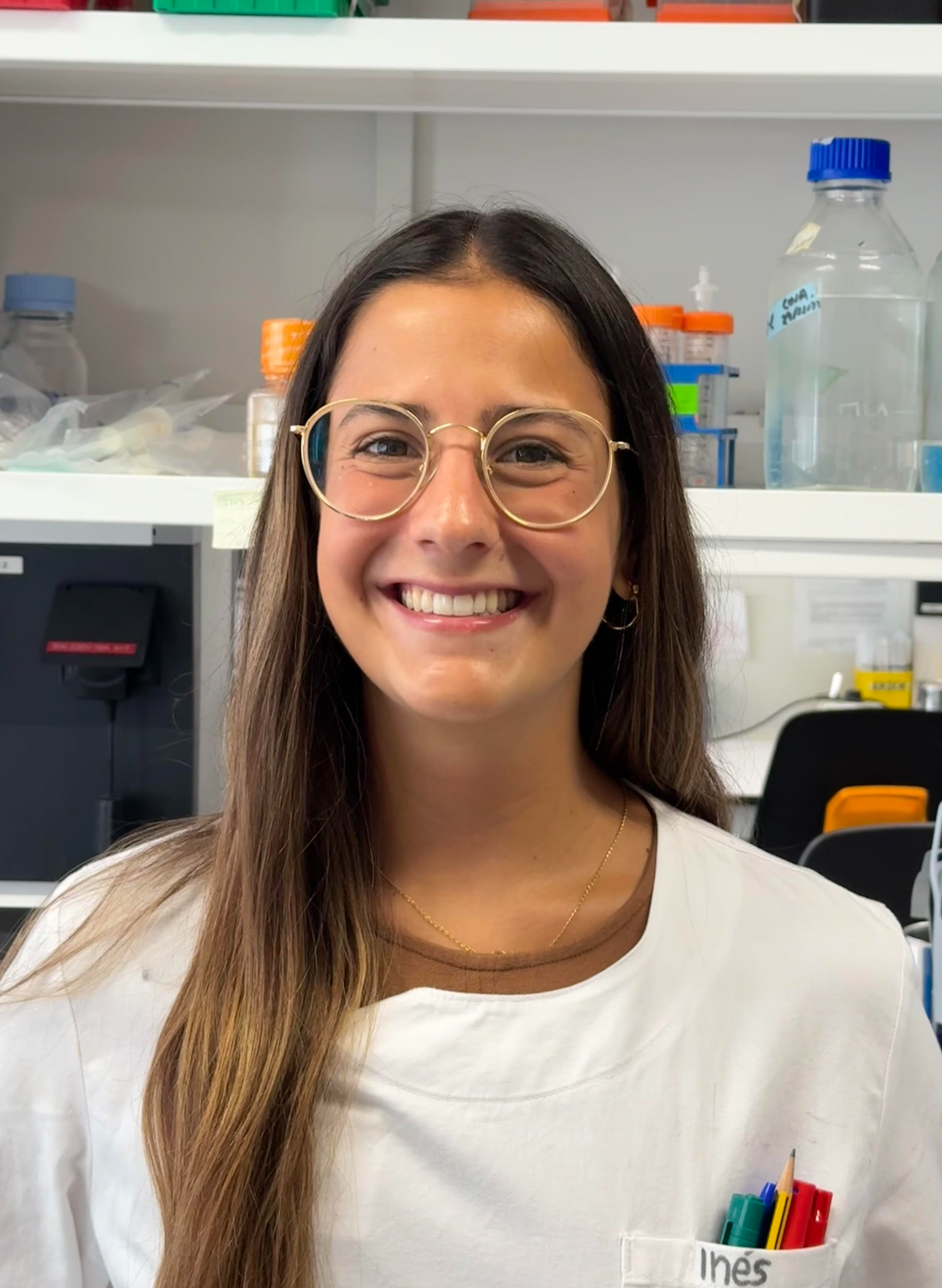
Inés Pareja Cerbán
Estudiante predoctoral CIBERES
ORCID code: 0009-0006-8015-7367
Graduada en Bioquímica por la Universidad de Málaga. Es contratada predoctoral del CIBER de Enfermedades Respiratorias (CIBERES) y en nuestro grupo está realizando su Tesis Doctoral en la caracterización de factores de virulencia de aislados prevalentes así como en el estudio y caracterización de nuevos antimicrobianos frente a bacterias respiratorias.
-

Mirella Llamosí Fornés
Contratada predoctoral
ORCID code: 0000-0002-4369-9558
Graduada en Biología por la Universidad Complutense de Madrid, donde posteriormente cursó estudios de Máster en Microbiología y Parasitología. Está realizando su Tesis Doctoral en el campo de la resistencia antibiótica así como en la búsqueda y caracterización de nuevos antimicrobianos con especial interés en lograr compuestos activos frente a infecciones producidas por biofilms.


List of staff