



We protect your health through science
Investigation
AIDS Immunopathology
Research Lines
Content with Investigacion .
Infecciones Víricas e Inmunidad en Enfermos Inmunodeprimidos
Nuestras líneas de investigación se centran en distintas áreas del conocimiento relacionadas con hepatitis virales crónicas (Hepatitis B, C y D), VIH, y SARS-CoV-2:
- Inmunopatogenia de las infecciones virales y su relación con eventos clínicos.
- Impacto en el organismo del control o eliminación de la infección viral.
- Biopsia líquida y ómicas: biomarcadores de enfermedad en infección viral.
- Resistencia a la infección viral y aclaramiento espontáneo.
- Cribado de infección viral y epidemiología molecular de los virus.
- Desarrollo de kits de diagnóstico rápido.
- Respuesta inmune a vacunas.
Infección por CMV en pacientes trasplantados
En los últimos años en nuestro grupo hemos estudiado la cinética de infección por CMV y el desarrollo de la respuesta inmune protectora específica frente a CMV. Como resultados de estos estudios hemos sido capaces de caracterizar la cinética y magnitud de la adquisición de la respuesta inmune frente a CMV y establecer puntos de corte de inmunidad específica que se relacionan con la protección frente a la infección.
El objetivo de esta línea de investigación en los últimos años ha sido definir parámetros relacionados con la respuesta inmune específica frente a CMV y con factores genéticos que puedan estar relacionados con el control de la infección y enfermedad por CMV. El estudio de estas variables de forma conjunta como marcadores de predicción del riesgo de desarrollo de infección/enfermedad y de la evolución de la infección tras el trasplante permitirían establecer un algoritmo para el manejo de los pacientes. Además, permitirían definir niveles mínimos de protección que sirvan de endpoints para el desarrollo de una vacuna. Esta línea de investigación se enmarca dentro del programa de Infecciones en Transplantes de la Red Española de Investigación en Patologías Infecciosas (REIPI), como parte del WP2 denominado Optimización de la prevención de la enfermedad por CMV.
Desarrollo preclínico de vacunas protectoras frente a CMV
La vacuna ideal frente a CMV debería estar compuesta por múltiples antígenos y ser capaz de imitar el efecto producido por la infección natural, y estimular una respuesta inmune específica combinada tanto de células T como de anticuerpos neutralizantes. Sin embargo, a pesar de los esfuerzos realizados y los progresos de los últimos años, los resultados obtenidos en el desarrollo de una vacuna frente a CMV no han mostrado resultados definitivos.
Por tanto, el objetivo de esta línea de investigación es promover aproximaciones innovadoras para el diseño y desarrollo de una vacuna frente a la infección por CMV. Para ello se ha puesto en marcha una aproximación a través de la construcción de un plásmido optimizado para generar una respuesta inmune combinada y amplia específica frente a CMV y la búsqueda de los antígenos candidatos, a través del estudio de la inmunogenicidad in vivo del proteoma completo de CMV.
Desarrollo preclínico de alternativas terapéuticas frente a CMV basadas en la inmunoterapia
La inmunidad mediada por células T constituye una respuesta adaptativa fundamental y representa el mecanismo de defensa más importante frente a la infección viral. Por otra parte, la presencia en suero de anticuerpos neutralizantes se han asociado con tasas más bajas de transmisión del CMV de la madre al feto y en los receptores de trasplante de órgano sólido.
El presente proyecto propone un enfoque novedoso a través de la identificación y caracterización de la respuesta inmune tanto celular como de anticuerpos en pacientes que han sido inmunizados de forma natural y están protegidos frente a la infección por CMV, para abordar el desarrollo preclínico de alternativas terapéuticas basadas en la transferencia adoptiva de células T CD8+ citotóxicas y de anticuerpos monoclonales específicos de CMV con el objetivo de desarrollar una nueva estrategia terapéutica para el tratamiento frente a la infección por este patógeno.
Estudio del desarrollo de inmunidad frente a SARS-CoV-2
Dada la situación producida como consecuencia de la propagación del SARS-CoV-2 urge la realización de estudios serológicos que nos ayuden a determinar el alcance y la duración de la inmunidad adquirida por la población infectada por SARS-CoV-2 que ha superado la enfermedad. En este sentido el estudio de los anticuerpos neutralizantes, que son aquellos que reconocen las proteínas del virus implicadas en el reconocimiento del receptor celular bloqueando su capacidad infectiva, en pacientes recuperados de la infección por SARS-CoV-2 podrían ser clave para explicar el pronóstico de la enfermedad en estos pacientes. Además son necesarios estudios que estudien la cinética de la inmunidad de anticuerpos específicos frente a coronavirus y su relación con la evolución de la enfermedad que nos permitan establecer estrategias de manejo de los pacientes en base a su patrón inmunológico.
También participamos en el desarrollo de un prototipo de vacuna basado en ADN plasmídico que expresa antígenos de SARS-CoV-2 y la caracterización de la respuesta inmune inducida por esta vacuna en un modelo murino de inmunización.
Research projects
Content with Investigacion .
Proyectos del Plan Nacional.
1. Título del proyecto: Characterization of the antibody immune response against CMV in transplant patients for vaccine design.
Entidad financiadora: Instituto de Salud Carlos III
Expediente: PI20CIII/00009
Financiación: 92.000 € + 1 contrato de Técnico Superior 2 años Duración: 2021-2024
Investigador Principal: Pilar Pérez Romero
2. Título del proyecto: STOP-Coronavirus: factores clínicos, inmunológicos, genómicos, virológicos y bioéticos de COVID-19.
Entidad financiadora: Instituto de Salud Carlos III
Expediente: COV20/00181
Financiación: 1.200.000,00 € Duración: 2020-2021
3. Título del proyecto: Coordinación de actividades de investigación en el CNM para realizar una respuesta integradora frente a la pandemia por SARS-COV2 en España.
Entidad financiadora: Instituto de Salud Carlos III
Expediente: COV20/00679
Financiación: 325.909,46€ Duración: 2020-2021
4. Título del proyecto: Desarrollo preclínico de vacunas de ADN frente a CMV a través de análisis inmunogénico del proteoma completo de CMV.
Entidad financiadora: Instituto de Salud Carlos III (Proyecto de Desarrollo Tecnológico)
Expediente: DTS18CIII/00005
Financiación: 98.400€ Duración: 2019-2021
Investigador Principal: Pilar Pérez Romero
5. Título del proyecto: Score integrado de factores inmunológicos y genotípicos de predicción del riesgo y evolución de la infección por CMV en pacientes con trasplante renal.
Entidad financiadora: Instituto de Salud Carlos III
Expediente: P17CIII/00016
Financiación: 94.700€ Duración: 2018-2021
Investigador Principal: Pilar Pérez Romero
6. Título del proyecto: ACINETOCLINIC: Transición a fase clínica de investigación para licencia de la primera vacuna contra Acinetobacter baumannii drogorresistente.
Entidad financiadora: Ministerio de Economía y Competitividad
Expediente: RTC-2016-5161-1
Financiación: 147.104,40€ Duración: 2016-2019
Co-Investigadores Principales: Pilar Pérez Romero, Michael McConnell, Jerónimo Pachón
7. Título del proyecto: Búsqueda de antígenos virales capaces de estimular una respuesta inmune protectora frente a la infección por CMV para el diseño de una vacuna.
Entidad financiadora: Instituto de Salud Carlos III
Expediente: PI14/01291
Financiación: 121.000€ Duración: 2015-2017
Investigador Principal: Pilar Pérez Romero
Otros proyectos.
1. Título del Proyecto: Estudio de la cinética y reactividad de los anticuerpos neutralizantes en pacientes recuperados de COVID-19.
Entidad financiadora: Fundación Mutua Madrileña
Financiación: 80.000 € Duración: 2020-2021
Investigador Principal: José Mª Aguado y Pilar Pérez Romero
2. Título del Proyecto: SARSVAX: Development of a multi-epitope vaccine for SARS-CoV-2 using the PLASMIVAX vaccine platform.
Entidad financiadora: Caixa-Impulse
Financiación: 300.000 € Duración: 2020-2021
3. Título del Proyecto: Investigación de anticuerpos frente a Acinetobacter baumannii.
Entidad financiadora: Vaxdyn S.L
Expediente: MVP 210/18
Financiación: 40.400 € Duración: 2018-2020
Investigador Principal: Pilar Pérez Romero y Michael McConnell
4. Título del proyecto: Caracterización físico-química y biológica de principio activo conteniendo antígenos virales.
Entidad financiadora: Bionaturis SL.
Financiación: 57.290 €. Duración: 2015-2017
Investigadora Principal: Pilar Pérez Romero
5. Título del Proyecto: BIOMAP: Biomolecules design through multivariate analysis process for obtaining active compounds.
Entidad financiadora: CDTI Ministerio de Ciencia e Innovación Programa INNTERCONECTA Expediente:ITC-20151294
Financiación (IBiS): 107.000 € Duración: 2015-2017
6. Título del proyecto: Diseño y desarrollo preclínico de una vacuna trivalente frente a la infección por citomegalovirus.
Entidad financiadora: Consejería de Economía, Ciencia y Empresa, Junta de Andalucía
Expediente: CTS 1909
Financiación: 43.100 € Duración: 2014-2017
Investigador Principal: Pilar Pérez Romero.
7. Título del Proyecto: ADELIS: "Andalusian Drug Delivery Injectable Systems"
Entidad financiadora: CDTI Ministerio de Ciencia e Innovación Programa INNTERCONECTA
Expediente: ITC-20131036
Financiación (IBiS): 1,3M € Duración: 2013-2015
Investigador Principal: Pilar Pérez Romero.
Publications
Molecular Identification and Susceptibility Testing of Molds Isolated in a Prospective Surveillance of Triazole Resistance in Spain (FILPOP2 Study).
5. Alastruey-Izquierdo A, Alcazar-Fuoli L, Rivero-Menéndez O, Ayats J, Castro C, García-Rodríguez J, Goterris-Bonet L, Ibáñez-Martínez E, Linares-Sicilia MJ, Martin-Gomez MT, Martín-Mazuelos E, Pelaez T, Peman J, Rezusta A, Rojo S, Tejero R, Anza DV, Viñuelas J, Zapico MS, Cuenca-Estrella M; the FILPOP2 Project from GEMICOMED (SEIMC) and REIPI. Molecular Identification and Susceptibility Testing of Molds Isolated in a Prospective Surveillance of Triazole Resistance in Spain (FILPOP2 Study). Antimicrob Agents Chemother. 2018 Aug 27;62(9).
PUBMED DOIEvaluation of Bronchoalveolar Lavage Fluid Cytokines as Biomarkers for Invasive Pulmonary Aspergillosis in At-Risk Patients
6. Gonçalves SM, Lagrou K, Rodrigues CS, Campos CF, Bernal-Martínez L, Rodrigues F, Silvestre R, Alcazar-Fuoli L, Maertens JA, Cunha C, Carvalho A. Evaluation of Bronchoalveolar Lavage Fluid Cytokines as Biomarkers for Invasive Pulmonary Aspergillosis in At-Risk Patients. Front Microbiol. 2017 Nov 29;8:2362.
PUBMED DOIPolymorphisms in Host Immunity-Modulating Genes and Risk of Invasive Aspergillosis: Results from the AspBIOmics Consortium
7. Lupiañez CB, Canet LM, Carvalho A, Alcazar-Fuoli L, Springer J, Lackner M, Segura-Catena J, Comino A, Olmedo C, Ríos R, Fernández-Montoya A, Cuenca-Estrella M, Solano C, López-Nevot MÁ, Cunha C, Oliveira-Coelho A, Villaescusa T, Fianchi L, Aguado JM, Pagano L, López-Fernández E, Potenza L, Luppi M, Lass-Flörl C, Loeffler J, Einsele H, Vazquez L; PCRAGA Study Group, Jurado M, Sainz J. Polymorphisms in Host Immunity-Modulating Genes and Risk of Invasive Aspergillosis: Results from the AspBIOmics Consortium. Infect Immun. 2015 Dec 14;84(3):643-57.
PUBMED DOICell Wall Changes in Amphotericin B-Resistant Strains from Candida tropicalis and Relationship with the Immune Responses Elicited by the Host.
9. Mesa-Arango AC, Rueda C, Román E, Quintin J, Terrón MC, Luque D, Netea MG, Pla J and Zaragoza O. Cell Wall Changes in Amphotericin B-Resistant Strains from Candida tropicalis and Relationship with the Immune Responses Elicited by the Host. Antimicrob. Agents Chemother. 2016. 60(4):2326-35.
PUBMED DOIThe role of respiratory viruses in children with humoral immunodeficiency on immunoglobulin replacement therapy
Benavides-Nieto M, Méndez-Echevarría A, Del Rosal T, García-García ML, Casas I, Pozo F, de la Serna O, Lopez-Granados E, Rodriguez-Pena R, Calvo C. The role of respiratory viruses in children with humoral immunodeficiency on immunoglobulin replacement therapy. Pediatr Pulmonol. 2019 Feb;54(2):194-199. Indice Impacto: 3,157. Revista en Q1.
PUBMED DOISeasonality and geographical spread of respiratory syncytial virus epidemics in 15 European countries, 2010 to 2016.
Broberg EK, Waris M, Johansen K, Snacken R, Penttinen P; European Influenza Surveillance Network. Seasonality and geographical spread of respiratory syncytial virus epidemics in 15 European countries, 2010 to 2016. Euro Surveill. 2018 Feb;23(5). Indice Impacto: 5,983. Revista en Decil 1
PUBMED DOIHuman Metapneumovirus infections in hospitalized children and comparison with other respiratory viruses in 2005-2014 prospective study.
García-García ML, Calvo C, Rey C, Díaz B, Molinero MD, Pozo F, Casas I. Human Metapneumovirus infections in hospitalized children and comparison with other respiratory viruses in 2005-2014 prospective study. PLoS One. 2017 Mar 16;12(3):e0173504. doi: 10.1371/journal.pone.0173504. eCollection 2017. Indice Impacto: 2,766. Revista en Q1.
PUBMED DOIRespiratory Infections by Enterovirus D68 in Outpatients and Inpatients Spanish Children
Calvo C, Cuevas MT, Pozo F, García-García ML, Molinero M, Calderón A, Gonzalez-Esguevillas M, Pérez-Sautu U, Casas I. Respiratory Infections by Enterovirus D68 in Outpatients and Inpatients Spanish Children. Pediatr Infect Dis J. 2016 Jan;35(1):45-9.
PUBMED DOIClinical and Virologic Characteristics of Early and Moderate Preterm Infants Readmitted with Viral Respiratory Infections.
García-Garcia ML, González-Carrasco E, Quevedo S, Muñoz C, Sánchez-Escudero V, Pozo F, Casas I, Calvo C. Clinical and Virologic Characteristics of Early and Moderate Preterm Infants Readmitted with Viral Respiratory Infections. Pediatr Infect Dis J. 2015 Jul;34(7):693-9. Indice Impacto: 2,587. Revista en Q1
PUBMED DOIEight Year Prospective Study of Adenoviruses Infections in Hospitalized Children. Comparison with Other Respiratory Viruses.
Calvo C, García-García ML, Sanchez-Dehesa R, Román C, Tabares A, Pozo F, Casas I. Eight Year Prospective Study of Adenoviruses Infections in Hospitalized Children. Comparison with Other Respiratory Viruses. PLoS One. 2015 Jul 6;10(7):e0132162. eCollection 2015. Indice Impacto: 3,057. Revista en Q1
PUBMED DOIInfluenza vaccine effectiveness in Spain 2013/14: subtype-specific early estimates using the cycEVA study
Jiménez-Jorge S, Pozo F, de Mateo S, Delgado-Sanz C, Casas I, García-Cenoz M, Castilla J, Sancho R, Etxebarriarteun-Aranzabal L, Quinones C, Martínez E, Vega T, Garcia A, Giménez J, Vanrell JM, Castrillejo D, Larrauri A, on behalf of the Spanish Influenza Sentinel Surveillance System (SISS). Influenza vaccine effectiveness in Spain 2013/14: subtype-specific early estimates using the cycEVA study. Euro Surveill. 2014 Mar 6;19(9). Indice Impacto: 5,722. Revista en Q1.
PUBMED DOIY155H amino acid substitution in influenza A(H1N1)pdm09 viruses does not confer a phenotype of reduced susceptibility to neuraminidase inhibitors
Perez-Sautu U, Pozo F, Cuesta I, Monzon S, Calderon A, Gonzalez M, Molinero M, Lopez-Miragaya I, Rey S, Cañizares A, Rodriguez G, Gonzalez-Velasco C, Lackenby A, Casas I. Y155H amino acid substitution in influenza A(H1N1)pdm09 viruses does not confer a phenotype of reduced susceptibility to neuraminidase inhibitors. Euro Surveill. 2014 Jul 10;19(27):14-20. Indice Impacto: 5,722. Revista en Q1
PUBMED DOICharacterization In Vitro and In Vivo of a Pandemic H1N1 Influenza Virus from a Fatal Case.
Rodriguez A, Falcon A, Cuevas MT, Pozo F, Guerra S, García-Barreno B, Martinez-Orellana P, Pérez-Breña P, Montoya M, Melero JA, Pizarro M, Ortin J, Casas I, Nieto A. Characterization In Vitro and In Vivo of a Pandemic H1N1 Influenza Virus from a Fatal Case. PLoS One. 2013;8(1):e53515. doi: 10.1371/journal.pone.0053515. Epub 2013 Jan 10. Indice Impacto: 3,534. Revista en Q1
PUBMED DOIMycobacterium tuberculosis genotypes and predominant clones among the multidrug-resistant isolates in Spain 1998-2006
3. Samper S, Gavin P, Millan-Lou MI, Iglesias M.J. Jimenez MS. Spanish Working Group on MDR-TB, Covin D, Rastogi N. Mycobacterium tuberculosis genotypes and predominant clones among the multidrug-resistant isolates in Spain 1998-2006. Infec Genet Evol. 2017. Aug 5;55:117.
PUBMED DOIAntitubercular drugs for an old target: GSK693 as a promising inhA direct inhibitor.
5. Martinez-Hoyos M, Perez-Herran E, Gulten G, Encinas L, Alvarez-Gomez D, Alvarez E, Ferrer Bazaga S, Garcia-Perez A, Ortega F, Angulo-Bartures I, Rullas-Trincado J, Blanco Ruano D, Torres P, Castañeda P, Huss S, Fernandez R, Gonzalez del Valle S, Ballel L, Barros D, Modha S, Dhar N, Signorino-Gelo F, McKinney JD, Garcia-Bustos JF, Lavandera JL, Sacchettini JC, Jimenez MS, Martin-Casabona N, Castro-PIchel J, Mendoza-Losana A. Antitubercular drugs for an old target: GSK693 as a promising inhA direct inhibitor. EBioMedicine. 2016; 8:291-301
PUBMED DOIPediatric drug-resistant tuberculosis in Madrid family matters
7. Santiago B, Baquero-Artiago F, Mejias A, Blázquez D, Jimenez MS, Mellado-Peña MJ, EREMITA Study group. Pediatric drug-resistant tuberculosis in Madrid: family matters. The Pediatric Infectious Disease Journal. 2014; 33:345-350.
PUBMED DOIMycobacterium kumamotonense, another Member of the Mycobacterium terrae Complex Unusually Carrying Two Copies of the Ribosomal RNA Operon
8. Menéndez MC, Jiménez MS, Yubero J, García MJ. Mycobacterium kumamotonense, another Member of the Mycobacterium terrae Complex Unusually Carrying Two Copies of the Ribosomal RNA Operon. Mycobac Dis; 2014; 4:176.
DOIMycobacterium mageritense meningitis in an immunocompetent patient with an intrathecal catheter.
9. Muñoz-Sanz A, Rodríguez Vidigal FF, Vera-Tome A, Jimenez MS. Mycobacterium mageritense meningitis in an immunocompetent patient with an intrathecal catheter. Enfer Infecc Microbiol Clin. 2013; 31:59-6
PUBMED DOIMeasles virus genotype D4 strains with non-standard length M-F non-coding region circulated during the major outbreaks of 2011-2012 in Spain.
2. Gil H, Fernández-García A*, Mosquera MM, Hübschen JM, Castellanos AM, de Ory F, Masa-Calles J, Echevarría JE.Measles virus genotype D4 strains with non-standard length M-F non-coding region circulated during the major outbreaks of 2011-2012 in Spain. PLoS One. 2018 Jul. 16;13(7):e0199975. * Corresponding author.
PUBMED DOIIsolation, antigenicity and immunogenicity of Lleida Bat Lyssavirus
3. Banyard AC, Selden D, Wu G; Thorne L, Jennings D, Marston D, Finke S, Freuling CM, Mueller T, Echevarria JE, Fooks AR. Isolation, antigenicity and immunogenicity of Lleida Bat Lyssavirus. Journal of General Virology, 2018. 99(12):1590-1599
PUBMED DOIShift within age-groups of mumps incidence, hospitalizations and severe complications in a highly vaccinated population
6. López-Perea N, Masa-Callesa J, Torres de Miera MV, Fernández-García A, Echevarría JE, de Ory F, Martínez de Aragón MV. Shift within age-groups of mumps incidence, hospitalizations and severe complications in a highly vaccinated population. Spain, 1998–2014. Vaccine, 2017, 35(34): 4339-4345.
PUBMED DOIThe Complexity of Antibody Responses Elicited against the Respiratory Syncytial Virus Glycoproteins in Hospitalized Children Younger than 2 Years
2. Trento A, Rodriguez-Fernandez R, Gonzalez-Sanchez MI, Gonzalez-Martinez F, Mas V, Vazquez M, et al. The Complexity of Antibody Responses Elicited against the Respiratory Syncytial Virus Glycoproteins in Hospitalized Children Younger than 2 Years. Front Microbiol. 2017;8:2301.
PUBMED DOIPotent single-domain antibodies that arrest respiratory syncytial virus fusion protein in its prefusion state.
3. Rossey I, Gilman MS, Kabeche SC, Sedeyn K, Wrapp D, Kanekiyo M, et al. Potent single-domain antibodies that arrest respiratory syncytial virus fusion protein in its prefusion state. Nat Commun. 2017;8:14158.
PUBMED DOIRapid profiling of RSV antibody repertoires from the memory B cells of naturally infected adult donors
6. Gilman MS, Castellanos CA, Chen M, Ngwuta JO, Goodwin E, Moin SM, et al. Rapid profiling of RSV antibody repertoires from the memory B cells of naturally infected adult donors. Sci Immunol. 2016;1(6).
PUBMED DOICharacterization of a Prefusion-Specific Antibody That Recognizes a Quaternary, Cleavage-Dependent Epitope on the RSV Fusion Glycoprotein.
8. Gilman MS, Moin SM, Mas V, Chen M, Patel NK, Kramer K, et al. Characterization of a Prefusion-Specific Antibody That Recognizes a Quaternary, Cleavage-Dependent Epitope on the RSV Fusion Glycoprotein. PLoS Pathog. 2015;11(7):e1005035.
PUBMED DOIPolyclonal and monoclonal antibodies specific for the six-helix bundle of the human respiratory syncytial virus fusion glycoprotein as probes of the protein post-fusion conformation.
9. Palomo C, Mas V, Vazquez M, Cano O, Luque D, Terron MC, et al. Polyclonal and monoclonal antibodies specific for the six-helix bundle of the human respiratory syncytial virus fusion glycoprotein as probes of the protein post-fusion conformation. Virology. 2014;460-461:119-27.
PUBMED DOIBiophysical properties of single rotavirus particles account for the functions of protein shells in a multilayered virus
Jiménez-Zaragoza M., Yubero M.L., Martín-Forero E., Castón J.R., Reguera D., Luque D.*, de Pablo P.J., Rodríguez J.M. 2018. Biophysical properties of single rotavirus particles account for the functions of protein shells in a multilayered virus. eLife 7: e37295. *Corresponding author.
PUBMED DOIAcquisition of functions on the outer capsid surface during evolution of double-stranded RNA fungal viruses
Mata C.P., Luque D., Gómez-Blanco J., Rodríguez J.M., González J.M., Suzuki N., Ghabrial S.A., Carrascosa J.L., Trus B.L., Castón J.R. 2017. Acquisition of functions on the outer capsid surface during evolution of double-stranded RNA fungal viruses. PLoS Pathog. 13(12):e1006755.
PUBMED DOIStructural Insights into the Assembly and Regulation of Distinct Viral Capsid Complexes
Sarker S., C. Terrón M., Khandokar Y., Aragão D., Hardy J.M., Radjainia M., Jiménez-Zaragoza M., de Pablo P.J., Coulibaly F., Luque D., Raidal D.R., Forwood J.K. 2016. Structural Insights into the Assembly and Regulation of Distinct Viral Capsid Complexes. Nat. Commun. 7:13014. IF: 12.124; D1.
PUBMED DOIHeterodimers as the structural unit of the T=1 capsid of the fungal dsRNA Rosellinia necatrix quadrivirus 1
Luque D., Mata C.P., González-Camacho F., González J.M., Gómez-Blanco J., Alfonso C., Rivas G., Havens W.M., Kanematsu S., Suzuki N., Ghabrial S.A., Trus B.L., Castón J.R. 2016. Heterodimers as the structural unit of the T=1 capsid of the fungal dsRNA Rosellinia necatrix quadrivirus 1. J Virol. 90(24):11220-11230. IF: 4.666, Q1.
PUBMED DOISelf-assembly and characterization of small and monodisperse dye nanospheres in a protein cage
Luque D., de la Escosura A., Snijder J., Brasch M., Burnley R.J, Koay M.S.T., Carrascosa J.L., Wuite G.J.L., Roos W.H., Heck A.J.R., J.J.L.M Cornelissen, Torres T., Castón J.R. 2014. Self-assembly and characterization of small and monodisperse dye nanospheres in a protein cage. Chem. Sci.,5, 575-581. IF: 9.211, D1.
DOICryo-EM near-atomic structure of a dsRNA fungal virus shows ancient structural motifs preserved in the dsRNA viral lineage.
Luque D., Gómez-Blanco J., Garriga D., Brilot A.F., González J.M., Havens W.M., Carrascosa J.L., Trus B.L., Verdaguer N., Ghabrial S.A., Castón J.R. 2014. Cryo-EM near-atomic structure of a dsRNA fungal virus shows ancient structural motifs preserved in the dsRNA viral lineage. Proc Natl Acad Sci U S A 111(21):7641-7646. IF: 9.674, D1
PUBMED DOINew insights into rotavirus entry machinery: stabilization of rotavirus spike conformation is independent of trypsin cleavage
Rodríguez J.M., Chichón F.J., Martín-Forero E., González-Camacho F., Carrascosa J.L., Castón J.R., Luque D*. 2014. New insights into rotavirus entry machinery: stabilization of rotavirus spike conformation is independent of trypsin cleavage. PLoS Pathog. 10(5):e1004157. IF: 7.562, D1. * Corresponding autor.
PUBMED DOIEfficacy and safety assessment of a TRAF6-targeted nanoimmunotherapy in atherosclerotic mice and non-human primates.
3. Lameijer M, Binderup T, van Leent M, Senders M, Fay F. Seijkens T, Kroon J, Stroes E, Kjaer A, Ochando J, Reiner T, Pérez-Medina C, Calcagno C, Fischer E, Zhang B, Temel R, Swirski F, Nahrendorf M, Fayad Z, Lutgens E, Mulder W and Duivenvoorden R. Efficacy and safety assessment of a TRAF6-targeted nanoimmunotherapy in atherosclerotic mice and non-human primates. Nature Biomedical Engineering. 2018. 2: 279–292.
PUBMED DOINeutrophil derived CSF1 induces macrophage polarization and promotes transplantation tolerance.
4. Braza MS, Conde P, Garcia MR, Cortegano I, Brahmachary M, Pothula V, Fay F, Boros P, Werner SW, Ginhoux F, Mulder WJ, and Ochando J. Neutrophil derived CSF1 induces macrophage polarization and promotes transplantation tolerance. Am J Transplant. 2018.
PUBMED DOIDC-SIGN(+) Macrophages Control the Induction of Transplantation Tolerance
9. Conde P, Rodriguez M, van der Touw W, Jimenez A, Burns M, Miller J, Brahmachary M, Chen HM, Boros P, Rausell-Palamos F, Yun TJ, Riquelme P, Rastrojo A, Aguado B, Stein-Streilein J, Tanaka M, Zhou L, Zhang J, Lowary TL, Ginhoux F, Park CG, Cheong C, Brody J, Turley SJ, Lira SA, Bronte V, Gordon S, Heeger PS, Merad M, Hutchinson J, Chen SH, Ochando J. 2015. DC-SIGN(+) Macrophages Control the Induction of Transplantation Tolerance. Immunity. 16;42(6):1143-58.
PUBMED DOIProteomic characterisation of bovine and avian purified protein derivatives and identification of specific antigens for serodiagnosis of bovine tuberculosis
2.- Proteomic characterisation of bovine and avian purified protein derivatives and identification of specific antigens for serodiagnosis of bovine tuberculosis. Antonio Infantes-Lorenzo, Jose; Moreno, Inmaculada; Angeles Risalde, Maria; et ál. CLINICAL PROTEOMICS Volumen: 14 Número de artículo: 36 Fecha de publicación: NOV 2 2017
PUBMED DOIFunctional and structural characterization of four mouse monoclonal antibodies to complement C3 with potential therapeutic and diagnostic applications.
3.- Functional and structural characterization of four mouse monoclonal antibodies to complement C3 with potential therapeutic and diagnostic applications. Subias Hidalgo, Marta; Yebenes, Hugo; Rodriguez-Gallego, Cesar; et ál..EUROPEAN JOURNAL OF IMMUNOLOGY Volumen: 47 Número: 3 Páginas: 504-515 Fecha de publicación: MAR 2017
PUBMED DOIImmunoproteomic characterisation of Mycoplasma mycoides subspecies capri by mass spectrometry analysis of two- dimensional electrophoresis spots and western blot
5.- Immunoproteomic characterisation of Mycoplasma mycoides subspecies capri by mass spectrometry analysis of two- dimensional electrophoresis spots and western blot. Churchward, Colin P.; Rosales, Ruben S.; Gielbert, Adriana; et ál..JOURNAL OF PHARMACY AND PHARMACOLOGY Volumen: 67 Número: 3 Número especial: SI Páginas: 364-371 Fecha de publicación: MAR 2015
PUBMED DOIEfficacy of low doses of amphotericin B plus allicin against experimental visceral leishmaniasis.
6.- Efficacy of low doses of amphotericin B plus allicin against experimental visceral leishmaniasis. Corral, M. Jesus; Serrano, Dolores R.; Moreno, Inmaculada; et ál..JOURNAL OF ANTIMICROBIAL CHEMOTHERAPY Volumen: 69 Número: 12 Páginas: 3268-3274 Fecha de publicación: DEC 2014
PUBMED DOIA Novel Antibody against Human Factor B that Blocks Formation of the C3bB Proconvertase and Inhibits Complement Activation in Disease Models
7.- A Novel Antibody against Human Factor B that Blocks Formation of the C3bB Proconvertase and Inhibits Complement Activation in Disease Models. Subias, Marta; Tortajada, Agustin; Gastoldi, Sara; et ál..JOURNAL OF IMMUNOLOGY Volumen: 193 Número: 11 Páginas: 5567-5575 Fecha de publicación: DEC 2014
PUBMED DOIDetection of anti-Leishmania infantum antibodies in sylvatic lagomorphs from an epidemic area of Madrid using the indirect immunofluorescence antibody test
8.- Detection of anti-Leishmania infantum antibodies in sylvatic lagomorphs from an epidemic area of Madrid using the indirect immunofluorescence antibody test. Moreno, Inmaculada; Alvarez, Julio; Garcia, Nerea; et ál..VETERINARY PARASITOLOGY Volumen: 199 Número: 3-4 Páginas: 264-267 Fecha de publicación: 2014
PUBMED DOIEvidence of Leishmania infantum Infection in Rabbits (Oryctolagus cuniculus) in a Natural Area in Madrid, Spain.
9.- Evidence of Leishmania infantum Infection in Rabbits (Oryctolagus cuniculus) in a Natural Area in Madrid, Spain. Garcia, Nerea; Moreno, Inmaculada; Alvarez, Julio; et ál..BIOMED RESEARCH INTERNATIONAL Número de artículo: 318254 Fecha de publicación: 2014
PUBMED DOIMucus-Activatable Shiga Toxin Genotype stx2d in Escherichia coli O157:H7
2. Sánchez, S., Llorente, M.T., Herrera-León, L., Ramiro, R., Nebreda, S., Remacha, M.A., Herrera-León, S. Mucus-activatable shiga toxin genotype stx2d in Escherichia coli O157:H7. (2017) Emerging Infectious Diseases, 23 (8), pp. 1431-1433.
PUBMED DOIMultinational outbreak of travel-related Salmonella Chester infections in europe, summers 2014 and 2015
3. Fonteneau, L., Da Silva, N.J., Fabre, L., Ashton, P., Torpdahl, M., Müller, L., Bouchrif, B., El Boulani, A., Valkanou, E., Mattheus, W., Friesema, I., Herrera Leon, S., Varela Martínez, C., Mossong, J., Severi, E., Grant, K., Weill, F., Gossner, C.M., Bertrand, S., Dallman, T., Le Hello, S. Multinational outbreak of travel-related Salmonella Chester infections in europe, summers 2014 and 2015. (2017) Eurosurveillance, 22 (7).
PUBMED DOIProspective use of whole genome sequencing (WGS) detected a multi-country outbreak of Salmonella Enteritidis
4. Inns, T., Ashton, P.M., Herrera-Leon, S., Lighthill, J., Foulkes, S., Jombart, T., Rehman, Y., Fox, A., Dallman, T., De Pinna, E., Browning, L., Coia, J.E., Edeghere, O., Vivancos, R. Prospective use of whole genome sequencing (WGS) detected a multi-country outbreak of Salmonella Enteritidis (2017) Epidemiology and Infection, 145 (2), pp. 289-298.
PUBMED DOIPlasmid-mediated quinolone resistance in different diarrheagenic Escherichia coli pathotypes responsible for complicated, noncomplicated, and traveler's diarrhea cases.
5. Herrera-Leon, S., Llorente, M.T., Sanchez, S. Plasmid-mediated quinolone resistance in different diarrheagenic Escherichia coli pathotypes responsible for complicated, noncomplicated, and traveler's diarrhea cases. (2016) Antimicrobial Agents and Chemotherapy, 60 (3), pp. 1950-1951.
PUBMED DOIMolecular Epidemiology and Antibiotic Susceptibility of Vibrio cholerae Associated with a Large Cholera Outbreak in Ghana in 2014.
6. Eibach, D., Herrera-León, S., Gil, H., Hogan, B., Ehlkes, L., Adjabeng, M., Kreuels, B., Nagel, M., Opare, D., Fobil, J.N., May, J. Molecular Epidemiology and Antibiotic Susceptibility of Vibrio cholerae Associated with a Large Cholera Outbreak in Ghana in 2014. (2016) PLoS Neglected Tropical Diseases, 10 (5).
PUBMED DOIWhat’s in a name? Species-wide whole-genome sequencing resolves invasive and noninvasive lineages of Salmonella enterica serotype Paratyphi B
7. Connor, T.R., Owen, S.V., Langridge, G., Connell, S., Nair, S., Reuter, S., Dallman, T.J., Corander, J., Tabing, K.C., Le Hello, S., Fookes, M., Doublet, B., Zhou, Z., Feltwell, T., Ellington, M.J., Herrera, S., Gilmour, M., Cloeckaert, A., Achtman, M., Parkhill, J., Wain, J., De Pinna, E., Weill, F.-X., Peters, T., Thomson, N. What’s in a name? Species-wide whole-genome sequencing resolves invasive and noninvasive lineages of Salmonella enterica serotype Paratyphi B (2016) mBio, 7 (4).
PUBMED DOIInvasive salmonella infections among children from Rural Mozambique, 2001-2014
9. Mandomando, I., Bassat, Q., Sigaúque, B., Massora, S., Quintó, L., Ácacio, S., Nhampossa, T., Vubil, D., Garrine, M., Macete, E., Aide, P., Sacoor, C., Herrera-León, S., Ruiz, J., Tennant, S.M., Menéndez, C., Alonso, P.L. Invasive salmonella infections among children from Rural Mozambique, 2001-2014 (2015) Clinical Infectious Diseases, 61, pp. S339-S345.
PUBMED DOIContent with Investigacion .
-

María Luisa Gaspar Alonso-Vega
Research Professor
ORCID code: 0000-0001-9858-3862
Dr. María Luis Gaspar Alons-Vega graduated in 1980 and obtained her PhD in 1985 in Medicine and Surgery from the Autonomous University of Madrid. She completed the specialty of Immunology (1981-1985), and her doctoral thesis under the direction of Dr. Carmen Gutierrez, in the Immunology laboratory of the Puerta de Hierro Clinic directed by Dr. Miguel Kreisler. She completed a predoctoral stay in the Cytogenetics Laboratory of the National Institute of Autoimmune, Diabetes, Digestive and Kidney Diseases (NIDDK, NIH), under the supervision of Dr. JH Tjio and Dr. E. Raveché. She joined the Immunology Service of the National Center for Health Microbiology, Virology and Immunology (CNMVIS, AISNA and later ISCIII) as a Physician-Specialist in 1986, in the Immunology Laboratory directed by Dr. Alfredo Toraño. She completed a postdoctoral stay (1989-1991) at the Immunogenetics Unit of the Pasteur Institute (Paris) directed by Dr. T. Meo. From 1991 to 2006 she was Head of the Immunology Section successively at the CNMVIS, at the National Center for Fundamental Biology (CNBF-ISCIII) and at the National Center for Microbiology (CNM-ISCIII). From 2006 to 2016 she has been a Senior Researcher and Senior Scientist of OPIs, in the Immunobiology laboratory of the CNM-ISCIII. From 2016 to 2018 she was a Scientific Researcher at OPIs and since 2018, she is a Research Professor at OPIs at the CNM.
-
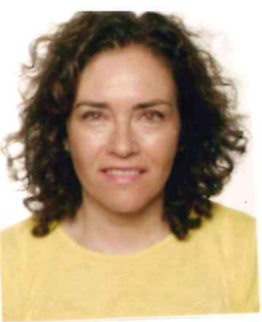
Belén de Andrés Muguruza
Research Scientist
ORCID code: 0000-0002-7391-2823
Graduated in Biology in 1987 and PhD in 1992 from the Autonomous University of Madrid. He completed his doctoral thesis in the laboratory of Dr. Carlos Lahoz in the Immunology department of the Jiménez Díaz Foundation with a pre-doctoral stay at the Institute Curie in Paris, in the laboratory of Dr. Wolf H. Fridman. Subsequently, he completed a two-year postdoctoral stay in the Department of Pathology of the College of Medicine at the University of Iowa, USA, in the laboratory of Dr. Richard G. Lynch. After a year as an Adjunct in the Immunology department of the Jiménez Diaz Foundation, she worked for 2 years with a reinstatement contract from the Ministry of Science in the Immunobiology department of the CNM/ISCIII in the laboratory of Dr. Mª Luisa Gaspar and later with a Ramón y Cajal contract. In 2006 she obtained a position as Staff Senior Scientist.
-
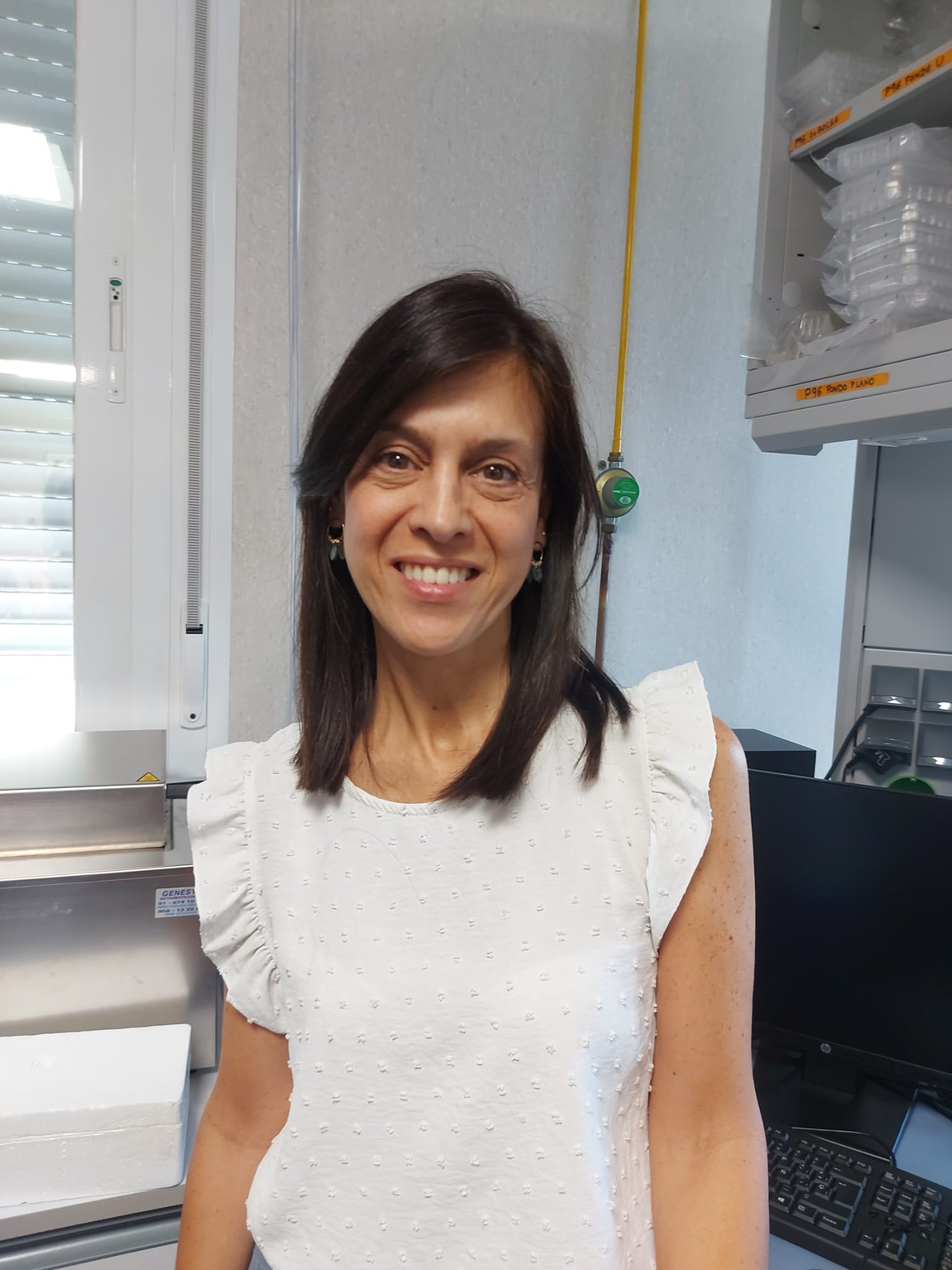
Isabel Cortegano Jimeno
Research Scientist
ORCID code: 0000-0002-6504-6347
Graduated in Biology in 1995 (Specialty in Biochemistry and Molecular Biology) and PhD in 1999 from the Autonomous University of Madrid. He completed his doctoral thesis at the Jiménez Díaz Foundation in the Immunology laboratory directed by Dr. Carlos Lahoz. Later he obtained a postdoctoral fellowship in the Immunobiology laboratory of Dr. Mª Luisa Gaspar at the National Center of Microbiology (CNM) of the Carlos IIII Health Institute (ISCIII) (2002-2006). He then enjoyed an I3P contract from the CSIC in the laboratory of Professor Miguel Ángel Rodríguez-Marcos (2007-2009). She has been a researcher associated with research projects in the ISCIII Immunobiology laboratory during the years 2010-2018. Since 2018 she has been an associate professor in the Department of Cell Biology of the UCM Faculty of Medicine. He coordinates the scientific dissemination group of the Spanish Society of Immunology (GESEI), is part of the editorial committee of the SEI magazine and is a member of the board of the CAM Immunology Society. She is a Senior Scientist of the ISCIII at the National Center for Microbiology since 2020.
-

Carolina Ruiz Sánchez
Specialized Technician
ORCID code: 0000-0002-2177-8132
Graduated in Chemical Sciences (biochemistry specialty) in 1998 and PhD in 2022 from the Complutense University of Madrid. In 2008 he joined the OPIS Assistant in the Immunobiology laboratory of the National Center for Microbiology of the ISCIII, specializing in flow cytometry the first year and subsequently becoming part of the laboratory's technical team. In 2012 he was promoted to Intermediate Level Technician and in 2018 to Higher Specialized Technician of the OPIS, currently occupying this position in the same laboratory.
-

Mercedes Rodríguez García
Specialized Higher Technician
Graduated in Biology from the Complutense University of Madrid in 2003, she began her doctoral studies in the Bone Metabolism laboratory of the La Paz University Hospital.
In 2007 he joined as a Research Assistant at the Carlos III Health Institute, at the CNM, in the Transplant Immunology laboratory. After 5 years, he began working in the Immunobilology laboratory where he was promoted in 2018 to Specialized Technician, in 2024 to Senior Specialized Technician and where he currently continues to develop his professional career. -
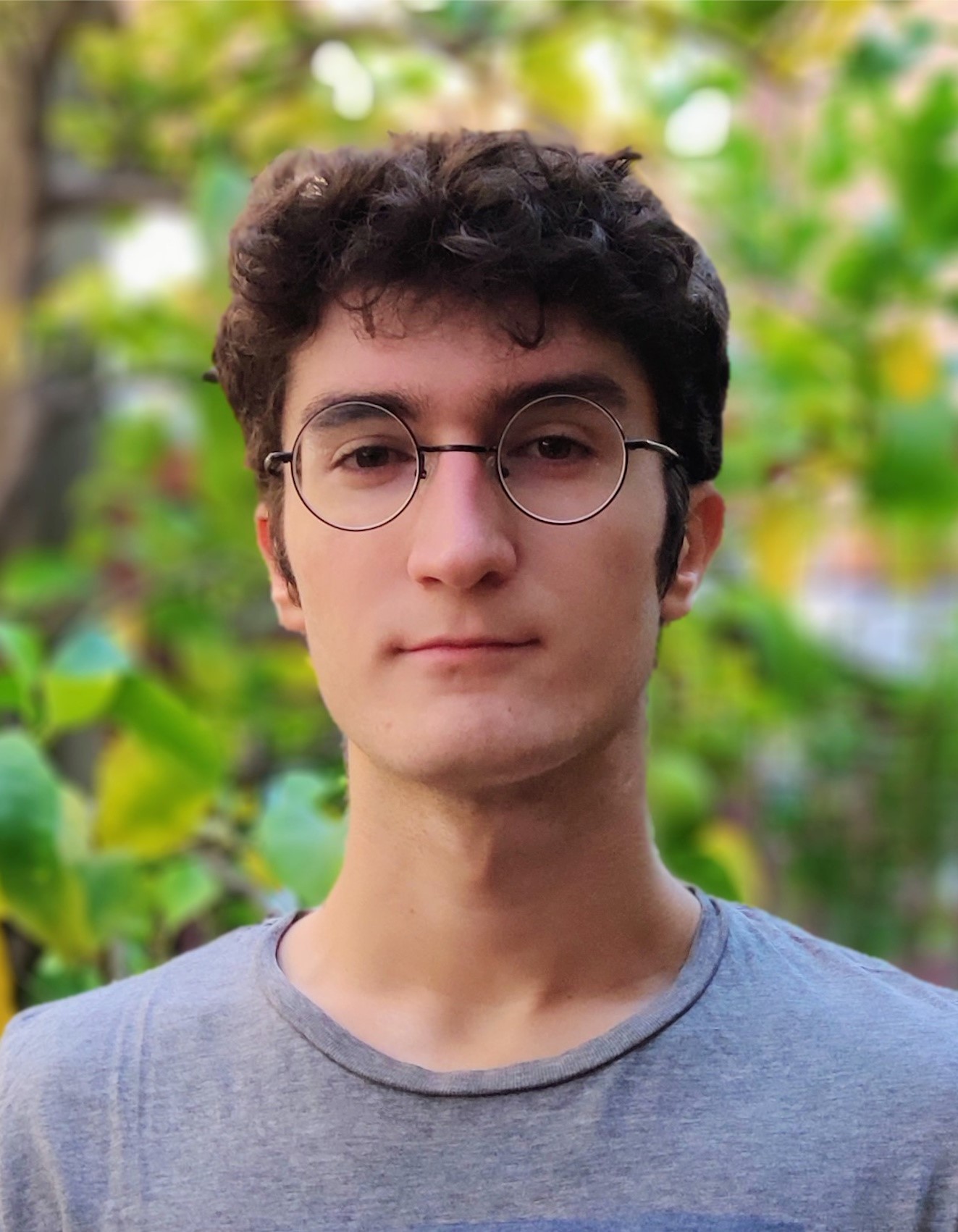
Alejandro Arrabal Sierra
Predoctoral Contract (Industrial Doctorate from CAM / Inmunotek).
ORCID code: 0000-0002-9354-9224
Graduated in Biotechnology in 2021 from the Polytechnic University of Madrid, carrying out his final degree project in the Immunobiology laboratory of the National Microbiology Center of the ISCIII. In 2021, he completed a Master's Degree in Research in Immunology at the Complutense University of Madrid and completed his master's thesis in the same CNM laboratory. Subsequently, he worked for a year as a Research Assistant in the laboratory of Dr. Elena Fernández Ruiz at the Hospital Universitario de la Princesa. Since the end of 2023, he has been a predoctoral fellow in the CNM Immunobiology laboratory with an Industrial Doctorate scholarship from the Community of Madrid in collaboration with the company Inmunotek.



List of staff
Additional Information
The AIDS Immunopathology Unit has been coordinated since 2000 by Dr. José Alcamí, bringing together during its history more than 20 independent researchers who collaboratively study different aspects of HIV infection. During this years, more than 30 visiting researchers and more than 50 national and international students have passed through the unit. From the beginning of the year 2025, Javier García Pérez and Francisco Díez Fuertes assumed the coordination of the AIDS Immunopathology Unit, with the aim of projecting its scientific competitiveness following multidisciplinary approaches and through the maintenance of the current close collaborations, as well as the promotion of participation in new national and international research networks.
Historically, the current members of the unit have focused on different lines of basic research that include the study of antibodies and the development of vaccines against HIV-1, the study of viral entry and tropism of the virus or the study of the host through the genomic characterization of populations with an extreme phenotype. Currently, the activity of our unit in the field of HIV-1 is focused on three main lines:
1. Mecanismos moleculares asociados a la protección de la infección por VIH-1 en pacientes con distrofia muscular de cinturas dominante D2 (LGMDD2).
2. Generación de anticuerpos neutralizantes de uso terapéutico basados en la respuesta neutralizante de amplio espectro frente a virus fundadores.
3. Cribado y caracterización de nuevos fármacos anti-latencia frente al VIH-1.
A partir del año 2020, nuestra unidad se vuelca con la investigación sobre COVID-19, participando y liderando diferentes proyectos de investigación aplicada y clínica. Fruto de esta fuerte implicación en el campo, en la actualidad se mantienen diferentes estudios sobre la caracterización de la respuesta inmune frente a SARS-CoV-2, integrando diferentes técnicas de virología molecular, estrategias de inteligencia epidemiológica y tecnologías de célula única.
We also participate in different research consortiums and networks, such as the Spanish AIDS Research Network or the Center for Biomedical Research in Infectious Diseases Network (CIBER-INFEC), in which we participate as researchers in different lines and work packages within the research programs “Global Health, emerging and re-emerging infections” as well as “HIV/AIDS and sexually transmitted infections”.
Supervised doctoral theses
1. GENOMIC AND FUNCTIONAL ANALYSIS OF HIV-1 PROTECTION PARAMETERS IN PATIENTS WITH SLOW PROGRESSION OF INFECTION.
Student: Erick de la Torre Tarazona.
Supervisors: José Alcamí and Francisco Díez Fuertes.
Academic entity: Universidad Autónoma de Madrid.
Defense date: July 14th, 2020.
2. ANALYSIS OF MIARN EXPRESSION PROFILES AND FUNCTIONAL CHARACTERIZATION IN HIV-POSITIVE INDIVIDUALS WITH DIFFERENT PROGRESSION TO AIDS.
Student: Rubén Ayala Suárez.
Supervisors: José Alcamí and Francisco Díez Fuertes.
Academic entity: Universidad de Alcalá.
Defense date: June 12nd, 2023.
The AIDS Immunopathology Unit has been coordinated since 2000 by Dr. José Alcamí, bringing together during its history more than 20 independent researchers who collaboratively study different aspects of HIV infection. During this years, more than 30 visiting researchers and more than 50 national and international students have passed through the unit. From the beginning of the year 2025, Javier García Pérez and Francisco Díez Fuertes assumed the coordination of the AIDS Immunopathology Unit, with the aim of projecting its scientific competitiveness following multidisciplinary approaches and through the maintenance of the current close collaborations, as well as the promotion of participation in new national and international research networks.
Historically, the current members of the unit have focused on different lines of basic research that include the study of antibodies and the development of vaccines against HIV-1, the study of viral entry and tropism of the virus or the study of the host through the genomic characterization of populations with an extreme phenotype. Currently, the activity of our unit in the field of HIV-1 is focused on three main lines:
1. Mecanismos moleculares asociados a la protección de la infección por VIH-1 en pacientes con distrofia muscular de cinturas dominante D2 (LGMDD2).
2. Generación de anticuerpos neutralizantes de uso terapéutico basados en la respuesta neutralizante de amplio espectro frente a virus fundadores.
3. Cribado y caracterización de nuevos fármacos anti-latencia frente al VIH-1.
A partir del año 2020, nuestra unidad se vuelca con la investigación sobre COVID-19, participando y liderando diferentes proyectos de investigación aplicada y clínica. Fruto de esta fuerte implicación en el campo, en la actualidad se mantienen diferentes estudios sobre la caracterización de la respuesta inmune frente a SARS-CoV-2, integrando diferentes técnicas de virología molecular, estrategias de inteligencia epidemiológica y tecnologías de célula única.
We also participate in different research consortiums and networks, such as the Spanish AIDS Research Network or the Center for Biomedical Research in Infectious Diseases Network (CIBER-INFEC), in which we participate as researchers in different lines and work packages within the research programs “Global Health, emerging and re-emerging infections” as well as “HIV/AIDS and sexually transmitted infections”.
Supervised doctoral theses
1. GENOMIC AND FUNCTIONAL ANALYSIS OF HIV-1 PROTECTION PARAMETERS IN PATIENTS WITH SLOW PROGRESSION OF INFECTION.
Student: Erick de la Torre Tarazona.
Supervisors: José Alcamí and Francisco Díez Fuertes.
Academic entity: Universidad Autónoma de Madrid.
Defense date: July 14th, 2020.
2. ANALYSIS OF MIARN EXPRESSION PROFILES AND FUNCTIONAL CHARACTERIZATION IN HIV-POSITIVE INDIVIDUALS WITH DIFFERENT PROGRESSION TO AIDS.
Student: Rubén Ayala Suárez.
Supervisors: José Alcamí and Francisco Díez Fuertes.
Academic entity: Universidad de Alcalá.
Defense date: June 12nd, 2023.