



We protect your health through science
Investigation
Microbial Immunology and Immunogenetics
Research Lines
Content with Investigacion .
Serología
El laboratorio de Arbovirus y Enfermedades Víricas Importadas (AEVI) del CNM desarrolla su trabajo dentro de la línea de investigación “Virus emergentes transmitidos por vector y/o reservorio, de importancia en salud pública”, que se sustenta en las áreas de epidemiología molecular, desarrollo metodológico, detección en vectores y reservorios y, otros aspectos relacionados con estas zoonosis con una aplicación clara hacia la investigación, prevención, preparación, control y respuesta a las amenazas o brotes causados por estos virus.
Arbovirus como Dengue, Chikungunya o Zika son virus endémicos en todo el cordón tropical/sub-tropical del planeta en continua expansión a latitudes más lejanas debido al calentamiento global y a la dispersión y colonización de nuevos hábitats llevada a cabo por sus vectores artrópodos y son transportados a otras zonas del planeta a través de pacientes virémicos por lo que si, como ocurre en España, se cuenta con vectores transmisores establecidos, se puede propiciar el establecimiento de circulación autóctona. Además de estos virus exóticos, en España circulan endémicamente los arbovirus Toscana, West Nile y el virus de la Fiebre hemorrágica de Crimea-Congo, entre otros.
La OMS elaboró un listado en 2019 con las 10 amenazas para la Salud Global que consideraron más importantes, entre las que se encuentran los virus Dengue, Ébola y Zika. El principal temor es que la falta de preparación cause una epidemia. Además, algunos de estos virus como Dengue y Chikungunya son considerados también “Enfermedades Tropicales Desatendidas” que ponen en peligro la salud de muchas personas en países empobrecidos sin que se estudien con los recursos necesarios.
La importancia para la salud pública de estos patógenos, y la necesidad de prepararse frente a ellos, se refleja también en la lista de actividades prioritarias de investigación y desarrollo de la OMS que actualmente incluye, entre otros, el Ébola, el virus de la Fiebre Hemorrágica de Crimea Congo, el virus de Zika y la enfermedad por el virus de Nipah, debido a la amenaza que suponen para la Salud Pública por su potencial epidémico o porque no hay medidas de control suficientes. Además del peligro real que representan en zonas endémicas, algunos de los virus mencionados (Ébola, Zika, West Nile, Crimea-Congo y Dengue) han supuesto, y continúan siendo, una amenaza para nuestro país habiendo producido casos esporádicos o brotes localizados de infección autóctona. El riesgo para España de las enfermedades transmitidas por vectores está aumentando de manera muy clara como se ha podido observar en los últimos años, y la previsión es que siga aumentando.
Todos estos virus son virus zoonóticos emergentes y nuestro grupo de investigación lleva décadas trabajando en diferentes aspectos en relación con estos patógenos. El riesgo de emergencia y expansión de estos virus se basa de sus ciclos complejos de transmisión, por lo que nuestros estudios se basan tanto en el ser humano, como en los reservorios y los vectores que los transmiten. De esta base, parten transversalmente las líneas de actuación que van enfocadas a estudios de epidemiología molecular, desarrollo metodológico, detección de virus en vectores y hospedadores, caracterización de los mismos y estudios de competencia vectorial, con una aplicación dirigida hacia la investigación, prevención y respuesta a las amenazas o brotes causados por estos virus. El trabajo que desarrollamos se articula en torno a 3 objetivos principales:
Objetivo 1. Búsqueda y caracterización de virus emergentes en vectores y/o reservorios. Se lleva a cabo mediante herramientas moleculares incluyendo las nuevas estrategias de NGS, de virus emergentes en vectores y reservorios. De los virus detectados se realiza una caracterización molecular y serológica, llevando a cabo estudios de epidemiología molecular y de relaciones genéticas y antigénicas con virus relacionados.
Objetivo 2. Desarrollo metodológico para detección, identificación y caracterización de virus emergentes. Los métodos desarrollados pueden transferirse al SNS, explotarse comercialmente y/o utilizarse en la Cartera de Servicios del CNM. Estos desarrollos moleculares, y/o serológicos, refuerzan al CNM en su papel como Laboratorio Nacional de Referencia de Zoonosis, con un aporte de herramientas útiles y necesarias para la detección y caracterización de estos agentes. De igual forma, el desarrollo de herramientas tipo flujo lateral, las denominadas “Point Of Care” es una de las necesidades que pretendemos dar solución.
Objetivo 3. Eco-epidemiología de viriasis emergentes. Debido a los complejos ciclos biológicos de los arbovirus, el estudio de las especies de vectores implicados en nuestro país, así como el origen y evolución de los agentes circulantes, es crucial a la hora de entenderlos y responder a las amenazas que generan. Para ello estudiamos la presencia de estos virus tanto en muestras humanas como de vectores y posibles hospedadores, lo que nos permite, con un enfoque de “Una Salud”, entender los mecanismos que controlan su circulación y que puedan estar implicados en su patogenicidad.
Research projects
Content with Investigacion .
Proyectos en los que el Laboratorio ha participado como IP en los últimos años
- "La Coordinación de actividades de investigación en el CNM para realizar una respuesta integradora frente a la pandemia por SARS-CoV2 en España"
- “Estudio ENE_COVID_SENIOR: Prospective study to establish the immune status in the elderly after receiving a full course of vaccination”
- “Respuesta inmune frente a la infección por SARS-CoV-2: efecto en vacunados naive y en seropositivos frente a las variantes más transmisibles y relevancia de la genética del hospedador”.
- “Estudio de Seroprevalencia de Crimea-Congo”
Proyectos como colaboradores científicos
- “Multi-center, Adaptive, Randomized Clinical Trial of Convalescent Plasma Therapy Versus Standard of Care for the Treatment of COVID-19 in Hospitalized Patients”
- “Investigación y vigilancia integrada de los arbovirus emergentes West nile, toscana y dengue en algunas zonas de España”
- “Análisis epidemiológico y virológico de los agentes virales incluidos en la vacuna triple vírica: nuevos retos”
- “Estudio de Seroprevalencia de Crimea-Congo en poblaciones de riesgo”
- “Estudio ENE_COVID_SENIOR II: Prospective study to establish the immune status in the elderly after receiving a full course of vaccination”
Estudios relevantes
- “2º estudio de seroprevalencia en España”
- “Estudio Nacional de sero-epidemiología de la infección por SARS-Cov-2 en España, Estudio ENE-COVID”
- “A Phase 2, Comparative, Randomised, Adaptive Trial to Evaluate the immunogenicity against SARS-Cov2 and safety of boosted vaccination with COMIRNATY in subjects having received prime vaccination with VAXZERIA”. Estudio CombiVacs.
- “Estudio de respuesta de inmunogenicidad de las vacunas autorizadas contra la COVID-19 en sujetos que han recibido previamente una vacuna experimental”
- “Prospective study to establish the immune status in the elderly after receiving a full course of vaccination. ENE-COVID SENIOR I y II”
- “Estudio de Seroprevalencia de Crimea-Congo en grupos de riesgo”
Convenios y contratos de los últimos años
-“Estudio de sensibilidad y la especificidad clínica del ensayo Access SARS-CoV-2 IgG en el instrumento access2 de Beckman Coulter”
“Evaluación de ensayos de serología mediante la técnica de quimioluminiscencia flash con el analizador liaison XL”
“ENE-COVID SENIOR II Prospective study to establish the immune status in the elderly after receiving a full course of vaccination.”
Publications
Evolution of broadly cross-reactive HIV-1-neutralizing activity: therapy-associated decline, positive association with detectable viremia, and partial restoration of B-cell subpopulations
Ferreira CB, Merino-Mansilla A, Llano A, Perez I, Crespo I, Llinas L, Garcia F, Gatell JM, Yuste E, Sanchez-Merino V; J Virol. 2013 Nov;87(22):12227-36
PUBMED DOIDefinition of the viral targets of protective HIV-1-specific T cell responses
Mothe B, Llano A, Ibarrondo J, Daniels M, Miranda C, Zamarreno J, Bach V, Zuniga R, Perez-Alvarez S, Berger CT, Puertas MC, Martinez-Picado J, Rolland M, Farfan M, Szinger JJ, Hildebrand WH, Yang OO, Sanchez-Merino V, Brumme CJ, Brumme ZL, Heckerman D, Allen TM, Mullins JI, Gomez G, Goulder PJ, Walker BD, Gatell JM, Clotet B, Korber BT, Sanchez J, Brander C; J Transl Med. 2011 Dec 7;9:208
PUBMED DOIBroadly cross-neutralizing antibodies in HIV-1 patients with undetectable viremia
Medina-Ramirez M, Sanchez-Merino V, Sanchez-Palomino S, Merino-Mansilla A, Ferreira CB, Perez I, Gonzalez N, Alvarez A, Alcocer-Gonzalez JM, Garcia F, Gatell JM, Alcami J, Yuste E; J Virol. 2011 Jun;85(12):5804-13.
PUBMED DOISimian immunodeficiency virus engrafted with human immunodeficiency virus type 1 (HIV-1)-specific epitopes: replication, neutralization, and survey of HIV-1-positive plasma
Yuste E, Sanford HB, Carmody J, Bixby J, Little S, Zwick MB, Greenough T, Burton DR, Richman DD, Desrosiers RC, Johnson WE*. 2006. J Virol 80:3030-41.
PUBMED DOIHigh-Resolution Melting Assay to Detect the Mutations That Cause the Y132F and G458S Substitutions at the ERG11 Gene Involved in Azole Resistance in Candida parapsilosis
Nuria Trevijano-Contador, Elena López-Peralta, Jorge López-López, Alejandra Roldán, Cristina de Armentia, Óscar Zaragoza. Mycoses 2024 Nov;67(11):e13811
PUBMED DOIBroad Protection against Invasive Fungal Disease from a Nanobody Targeting the Active Site of Fungal β-1,3-Glucanosyltransferases
Redrado-Hernández S, Macías-León J, Castro-López J, Belén Sanz A, Dolader E, Arias M, González-Ramírez AM, Sánchez-Navarro D, Petryk Y, Farkaš V, Vincke C, Muyldermans S, García-Barbazán I, Del Agua C, Zaragoza O, Arroyo J, Pardo J, Gálvez EM, Hurtado-Guerrero R. Angew Chem Int Ed Engl. 2024 Aug 19;63(34):e202405823.
PUBMED DOIFungal burden assessment in hospital zones with different protection degrees
García-Gutiérrez L, Baena Rojas B, Ruiz M, Hernández Egido S, Ruiz-Gaitán AC, Laiz L, Pemán J, Cuétara-García MS, Mellado E & Martin-Sanchez PM. Build Environ, Volume 269, 1 February 2025, 112454
DOIDistribution of Aspergillus Species and Prevalence of Azole Resistance in clinical and environmental Samples from a Spanish Hospital during a three-year study period
Lucio J, Alcazar-Fuoli L, Gil H, Cano-Pascual S, Hernandez-Egido S, Cuetara MS and Mellado E. Mycoses. 2024 Apr;67(4):e13719.
PUBMED DOIContent with Investigacion .
-

María Luisa Gaspar Alonso-Vega
Research Professor
ORCID code: 0000-0001-9858-3862
Dr. María Luis Gaspar Alons-Vega graduated in 1980 and obtained her PhD in 1985 in Medicine and Surgery from the Autonomous University of Madrid. She completed the specialty of Immunology (1981-1985), and her doctoral thesis under the direction of Dr. Carmen Gutierrez, in the Immunology laboratory of the Puerta de Hierro Clinic directed by Dr. Miguel Kreisler. She completed a predoctoral stay in the Cytogenetics Laboratory of the National Institute of Autoimmune, Diabetes, Digestive and Kidney Diseases (NIDDK, NIH), under the supervision of Dr. JH Tjio and Dr. E. Raveché. She joined the Immunology Service of the National Center for Health Microbiology, Virology and Immunology (CNMVIS, AISNA and later ISCIII) as a Physician-Specialist in 1986, in the Immunology Laboratory directed by Dr. Alfredo Toraño. She completed a postdoctoral stay (1989-1991) at the Immunogenetics Unit of the Pasteur Institute (Paris) directed by Dr. T. Meo. From 1991 to 2006 she was Head of the Immunology Section successively at the CNMVIS, at the National Center for Fundamental Biology (CNBF-ISCIII) and at the National Center for Microbiology (CNM-ISCIII). From 2006 to 2016 she has been a Senior Researcher and Senior Scientist of OPIs, in the Immunobiology laboratory of the CNM-ISCIII. From 2016 to 2018 she was a Scientific Researcher at OPIs and since 2018, she is a Research Professor at OPIs at the CNM.
-
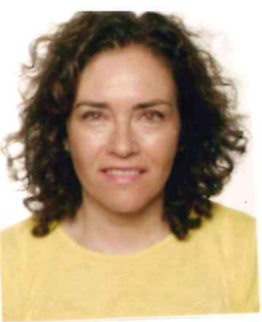
Belén de Andrés Muguruza
Research Scientist
ORCID code: 0000-0002-7391-2823
Graduated in Biology in 1987 and PhD in 1992 from the Autonomous University of Madrid. He completed his doctoral thesis in the laboratory of Dr. Carlos Lahoz in the Immunology department of the Jiménez Díaz Foundation with a pre-doctoral stay at the Institute Curie in Paris, in the laboratory of Dr. Wolf H. Fridman. Subsequently, he completed a two-year postdoctoral stay in the Department of Pathology of the College of Medicine at the University of Iowa, USA, in the laboratory of Dr. Richard G. Lynch. After a year as an Adjunct in the Immunology department of the Jiménez Diaz Foundation, she worked for 2 years with a reinstatement contract from the Ministry of Science in the Immunobiology department of the CNM/ISCIII in the laboratory of Dr. Mª Luisa Gaspar and later with a Ramón y Cajal contract. In 2006 she obtained a position as Staff Senior Scientist.
-
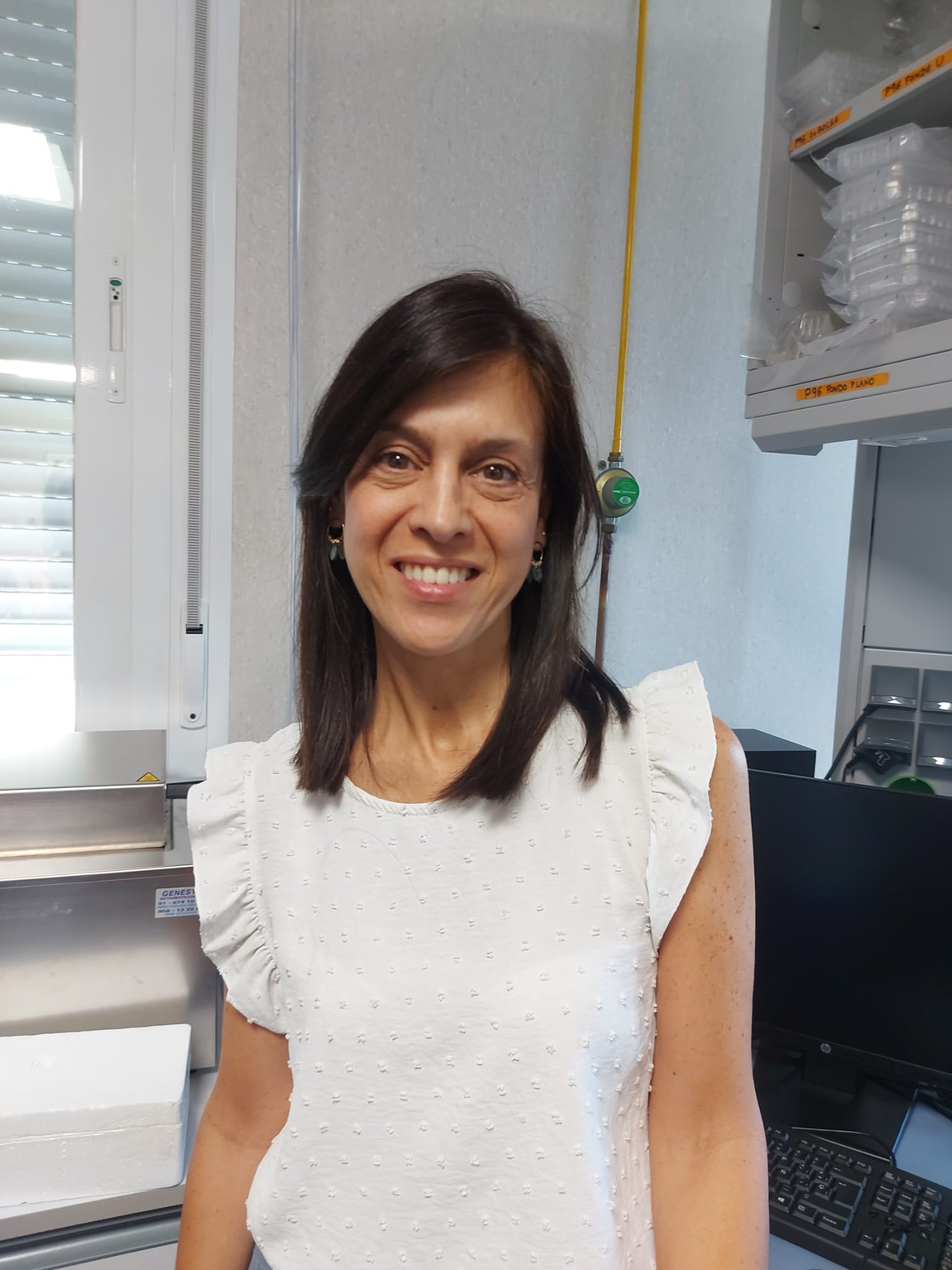
Isabel Cortegano Jimeno
Research Scientist
ORCID code: 0000-0002-6504-6347
Graduated in Biology in 1995 (Specialty in Biochemistry and Molecular Biology) and PhD in 1999 from the Autonomous University of Madrid. He completed his doctoral thesis at the Jiménez Díaz Foundation in the Immunology laboratory directed by Dr. Carlos Lahoz. Later he obtained a postdoctoral fellowship in the Immunobiology laboratory of Dr. Mª Luisa Gaspar at the National Center of Microbiology (CNM) of the Carlos IIII Health Institute (ISCIII) (2002-2006). He then enjoyed an I3P contract from the CSIC in the laboratory of Professor Miguel Ángel Rodríguez-Marcos (2007-2009). She has been a researcher associated with research projects in the ISCIII Immunobiology laboratory during the years 2010-2018. Since 2018 she has been an associate professor in the Department of Cell Biology of the UCM Faculty of Medicine. He coordinates the scientific dissemination group of the Spanish Society of Immunology (GESEI), is part of the editorial committee of the SEI magazine and is a member of the board of the CAM Immunology Society. She is a Senior Scientist of the ISCIII at the National Center for Microbiology since 2020.
-

Carolina Ruiz Sánchez
Specialized Technician
ORCID code: 0000-0002-2177-8132
Graduated in Chemical Sciences (biochemistry specialty) in 1998 and PhD in 2022 from the Complutense University of Madrid. In 2008 he joined the OPIS Assistant in the Immunobiology laboratory of the National Center for Microbiology of the ISCIII, specializing in flow cytometry the first year and subsequently becoming part of the laboratory's technical team. In 2012 he was promoted to Intermediate Level Technician and in 2018 to Higher Specialized Technician of the OPIS, currently occupying this position in the same laboratory.
-

Mercedes Rodríguez García
Specialized Higher Technician
Graduated in Biology from the Complutense University of Madrid in 2003, she began her doctoral studies in the Bone Metabolism laboratory of the La Paz University Hospital.
In 2007 he joined as a Research Assistant at the Carlos III Health Institute, at the CNM, in the Transplant Immunology laboratory. After 5 years, he began working in the Immunobilology laboratory where he was promoted in 2018 to Specialized Technician, in 2024 to Senior Specialized Technician and where he currently continues to develop his professional career. -

Alejandro Arrabal Sierra
Predoctoral Contract (Industrial Doctorate from CAM / Inmunotek).
ORCID code: 0000-0002-9354-9224
Graduated in Biotechnology in 2021 from the Polytechnic University of Madrid, carrying out his final degree project in the Immunobiology laboratory of the National Microbiology Center of the ISCIII. In 2021, he completed a Master's Degree in Research in Immunology at the Complutense University of Madrid and completed his master's thesis in the same CNM laboratory. Subsequently, he worked for a year as a Research Assistant in the laboratory of Dr. Elena Fernández Ruiz at the Hospital Universitario de la Princesa. Since the end of 2023, he has been a predoctoral fellow in the CNM Immunobiology laboratory with an Industrial Doctorate scholarship from the Community of Madrid in collaboration with the company Inmunotek.



List of staff