



We protect your health through science
Investigation
Immunobiology
Publications
Toll-like receptor signaling-deficient cells enhance antitumor activity of cell-based immunotherapy by increasing tumor homing
A. Morales-Molina, M.A. Rodríguez-Milla, S,. Gambera, T. Cejalvo, B. de Andrés M.L. Gaspar, J. Garcia-Castro. Cancer Res Commun 2023 Mar 1;3(3):347-360. eCollection 2023 Mar
PUBMED DOIImmune stress suppresses innate immune signaling in preleukemic precursor B-cells to provoke leukemia in predisposed mice
Isidro-Hernández M, Casado-García A, Oak N, Alemán-Arteaga S, Ruiz-Corzo B, Martínez-Cano J, Mayado A, G. Sánchez E, Blanco O, Gaspar ML, Orfao A, Alonso-López D, De las Rivas J, Riesco S, Prieto-Matos P, González-Murilo A, García Criado FJ, García Cenador MB, Ramírez-Orellana M, De Andrés B, Vicente-Dueñas C, Cobaleda C, Nichols KE, Sánchez-García I. Nat Commun 2023 Aug 24;14(1):5159.
PUBMED DOIRole of Toll-like receptor 4 in intravascular hemolisis-mediated injury
Vázquez-Carballo C, Herencia C, Guerrero-Hue M, García-Caballero C, Rayego-Mateos S, Morgado-Pascual JL, Opazo-Rios L, González-Guerrero C, Vallejo-Mudarra M, Cortegano I, Gaspar ML, de Andrés B, Egido J, Moreno JA. J Pathol. 2022 Nov; 258(3): 236–249.
PUBMED DOIAge-dependent nasal immune responses in non-hospitalized bronchiolitis children
Cortegano I, Rodríguez M, Hernángómez S, Arrabal A, Garcia-Vao C, Rodríguez J, Sandra Fernández S, Díaz J, de la Rosa B, Solís B, Arribas C, Garrido F, Zaballos A, Roa S, López V, Gaspar ML, de Andrés B. Front Immunol 2022 Dec 6:13:1011607.
PUBMED DOIToll-like receptors in acute kidney injury
Vázquez-Carballo C, Guerrero-Hue M, García Caballero C, Rayego-Mateos S, Opazo-Rios L, Morgado-Pascual JL, Herencia-Bellido C, Vallejo-Mudarra M, Cortegano I, Gaspar ML, de Andrés B, Egido J, Moreno-Gutiérrez JA. Int J Mol Sci. 2021 Jan; 22(2): 816.
PUBMED DOIThe TLR4-MyD88 Signaling Regulates Lung Monocyte Differentiation Pathways in Response to Streptococcus pneumoniae
Sánchez-Tarjuelo R, Cortegano I, Manosalva J, Rodríguez M, Ruiz C, Alía M, Prado MC, Cano EM, Ferrándiz MJ, de la Campa A, Gaspar ML, de Andrés B. Front Immunol 2020 Sep 16:11:2120.
PUBMED DOINrf2 plays a protective role against intravascular hemolysis-mediated acute kidney injury.
Rubio-Navarro A, Vázquez-Carballo C, Guerrero-Hue M, García-Caballero C, Herencia C, Gutierrez E, Yuste C, Sevillano A, Praga M, Egea J, Cannata P, Cortegano I, de Andrés B, Gaspar ML, Cadenas S, Michalska P, León R, Ortiz, A, Egido J, Moreno JA. Front Pharmacol. 2019; 10: 740.
PUBMED DOIPodocytes as new cellular targets of hemoglobin toxicity in massive intravascular hemolysis.
Rubio-Navarro A, Sanchez-Niño MD, Guerrero-Hue M, García-Caballero C, Gutiérrez E, Yuste C, Sevillano A, Praga M, Egea J, Román E, Cannata P, Ortega R, Cortegano I, de Andrés B, Gaspar ML, Cadenas S, Ortiz A, Egido J, Moreno JA. Podocytes as new cellular targets of hemoglobin toxicity in massive intravascular hemolysis. 2018. J.Pathol. 244(3):296-310.
PUBMED DOISpatially-restricted JAG1-Notch signaling in the human thymus provides permissive microenvironments for dendritic cell development.
Martín Gayo, E., González-García, S., García-León, M., Murcia-Ceballos, A., Alcain, J., García-Peydró, M., Allende, L., de Andrés, B., Gaspar, ML. and Toribio, ML. J.Exp.Med. (2017) 214:3361-3379
PUBMED DOIThe formation of titan cells in Cryptococcus neoformans depends on the mouse strain and correlates with induction of Th2-type responses
García-Barbazán, I., Trevijano-Contador, N., Rueda, C., de Andrés, B., Pérez-Tavárez, R., Herrero-Fernández, I., Gaspar ML., and Zaragoza, O. Cellular Microbiology (2015) 18:111-124
PUBMED DOIContent with Investigacion .
-
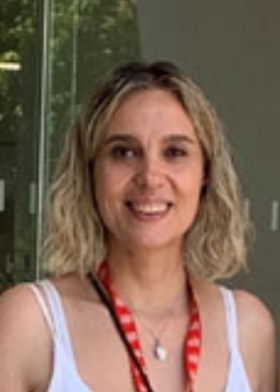
Almudena Cascajero Díaz
Técnico de laboratorio
ORCID code: 0000-0002-9654-3100
Técnico Superior de Actividades Técnicas y Profesionales (Unidades de Inmunopatología del SIDA y Legionella, Centro Nacional de Microbiología). Clinical Diagnostic Laboratory Technician by IES Renacimiento de Madrid.
Experience in cloning techniques and characterization of neutralizing antibodies and participation in different projects on the pathogenesis of HIV by studying the viral envelope and the mechanisms of resistance to antiretroviral drugs. This experience has subsequently allowed me to participate in 5 multicenter clinical studies studying the immune response against different variants of SARS-CoV-2.
Since 2021, I also participate as a laboratory technician in the Legionella Unit as a support to the Spanish National Health System through the microbiological surveillance of the disease to contribute to the prevention and control of legionellosis.
-

Laura del Estal Gómez
Ayudante de investigación
ORCID code: 0009-0000-2773-8986
Graduada en Biología Sanitaria por la Universidad de Alcalá. Máster Universitario en Microbiología Aplicada a la Salud Pública e Investigación en Enfermedades Infecciosas.
-

Caroline Stephanie Crisóstomo Vergara
Técnico de Laboratorio
ORCID code: 0009-0008-0525-1737
Técnico de Laboratorio. Técnico superior de Laboratorio Clínico y Biomédico por la Escuela Técnica de Enseñanzas Especializadas de Madrid. Máster en Microbiología Clínica por el Instituto Europeo de Química, Física y Biología de Madrid.
-

Fernando González Camacho
Científico Titular
ORCID code: 0000-0003-3175-9004
Licenciado en Ciencias Biológicas por la Universidad de Salamanca y Doctor por la Universidad Autónoma de Madrid. Actualmente, es Científico Titular de plantilla en el Centro Nacional de Microbiología (CNM) del Instituto de Salud Carlos III (ISCIII). Responsable de la Unidad de Legionella del Laboratorio de Referencia e Investigación en Enfermedades Bacterianas transmitidas por agua y alimentos.
A nivel europeo es sustituto (Alternate) al National Focal Point para la enfermedad del legionario en el ECDC y es OCP (Operational Contact Point) en microbiología para la legionelosis en la European Legionnaires' Disease Surveillance Network (ELDSNet).
Coordina las líneas de investigación del laboratorio que se desarrollan en tres perspectivas diferentes: en las instalaciones colonizadas, estudios sobre la resistencia a los tratamientos y su persistencia; en la clínica, sobre factores de virulencia y su interacción con el sistema inmune; y en la vigilancia microbiológica, sobre la mejorar de los métodos de caracterización del microorganismo.
Es Investigador Principal en el proyecto “Búsqueda de biomarcadores de patogenicidad en Legionella spp con interés predictivo de riesgo de infección".
Es miembro de distintas sociedades científicas como son la Sociedad Española de Salud Ambiental (SESA), Sociedad Española de Enfermedades Infecciosas y Microbiología Clínica (SEIMC) y la European Society of Clinical Microbiology and Infectious Diseases (ESCMID).
-

Juana María González Rubio
Científica Titular
ORCID code: 0000-0001-6979-2964
La Dra. Juana María González Rubio es Licenciada en Bioquímica por la Universidad de Salamanca y Doctora por la Facultad de Medicina de la Universidad Autónoma de Madrid. Actualmente, es Científico Titular de plantilla en el Centro Nacional de Microbiología del Instituto de Salud Carlos III (ISCIII), donde trabaja en la Unidad de Legionella del Laboratorio de Referencia e Investigación en Enfermedades Bacterianas transmitidas por agua y alimentos.
Dentro del laboratorio, realiza las actividades propias del Programa de Vigilancia Microbiológica de Legionella, y lleva las líneas de investigación del laboratorio sobre la caracterización de biofilms y la puesta a punto de nuevas técnicas para la caracterización de Legionella. También forma parte del equipo investigador del proyecto “Búsqueda de marcadores de patogenicidad para el análisis de riesgos en las instalaciones".
Anteriormente, ha trabajado en la Unidad de Biomonitorización humana del Centro Nacional de Sanidad Ambiental (ISCIII) participando en diferentes proyectos de investigación relacionados con la Sanidad Ambiental, siendo el último más destacado el proyecto “HBM4EU" en el que ha trabajado hasta junio de 2023.


List of staff
Additional Information
Doctoral theses
“Expression and functionality of tlr2 and tlr4 in lymphomyeloid populations present in the lung and lymphoid organs during embryonic and neonatal life in mouse models.” Carolina Ruiz Sánchez. Complutense University of Madrid, 2022
Master's thesis
Detection and characterization of extracellular vesicles of platelet origin in lung supernatants from SPN-infected animals. Marta Paris, Alcalá University, 2024
Study of TLR-dependent activation in the RAW 264.7 macrophage line. Iñigo Merino de Saracho, Alcalá University, 2023
Study of the functionality of TLR receptors in the lung and other lymphoid organs in B cell populations using the neonatal mouse model. Yolanda Campanero, Alcalá University, 2023
Exploratory study of T lymphoid progenitors in the neonatal mouse lung. Alejandro Arrabal, Complutense University of Madrid, 2022
Study of B lymphoid differentiation in mice deficient for CD5 and CD6 molecules. Cristina Martín, Alcalá University, 2022
Role of platelets and their progenitor cells in two animal models of infection: SPN and RSV. Ana de Lucas Rius, Alcalá University, 2020
Pilot study of RSV infection in the mouse model: cellular phenotype of myeloid and lymphoid populations in the lung in two animal models of infection: SPN and RSV. Juan Antonio Martín Quesada, Alcalá University, 2020
B cell response during Streptococcus pneumoniae infection. Eva Castro, 2020
Study of the hematopoietic potential of neonatal lung cells in the mouse model. Ana Cogollo García, Alcalá University, 2018
Innate immune response to S. pneumoniae in the lung. Rodrigo Sánchez, Complutense University of Madrid, 2018
Neonatal immunity in the mouse model: localization and function of the innate and adaptive response. Alba Ezequiel Fernández, Alcalá University, 2017
Characterization of immunoglobulin gene diversity in the mouse model of TLR4 homeostasis and activation by bacterial lipopolysaccharide. Cristina García Caballero, Alcalá University, 2017
Altered lymphopoiesis and splenic B cell subsets on Telomerase Activity Deficient Mice (TERC-/-). Juliana Manosalva, Complutense University of Madrid, 2017
Study of the Immune Response in Nasopharyngeal Washings of Infants with Bronchiolitis. Isabel Martín Barrios, Complutense University of Madrid, 2016
Dynamics of B1-REL lymphocytes in the in vivo immunization model with DNP-LPS. Inmaculada Sanz Ramos University Alcalá, 2015
Megakaryocyte differentiation pathways in the mouse model. Marta Cobos Briz, Alcalá University, 2015
Role of megakaryocytes in infectious processes. Melania Guerrero Hue, Complutense University of Madrid, 2015
Final degree projects
Study of new bacterial vaccines in the mouse (Mus musculus) infection model due to Streptococcus pneumoniae. Alejandro Arrabal, Polytechnic University of Madrid, 2021
Megakaryocytes and platelets in SPN respiratory infection: Role of TLR4. Óscar González Hervás, Complutense University of Madrid, 2021
Study of the immune response mediated by pseudo-innate B lymphocytes against TLR4-dependent immunization models. Rodrigo Sánchez, Complutense University of Madrid, 2017.
Study of the diversity in the immunoglobulin repertoire in healthy individuals. Isabel Martín, Francisco de Vitoria University, 2015.
Dynamics of hematopoietic populations in the perinatal spleen. Inmaculada Sanz, Alcalá University, 2014
Teaching in training courses
Training course: Introduction to Flow Cytometry (from 2015 to present)
Training Course: Flow Cytometry Data Analysis (2018 to present)
Outreach / Citizen Science
• Collaboration in the 4th+Company CAM program.
• Collaboration with the ISCIII Scientific Culture Unit in Science Week at the ISCIII
• Scientific Dissemination Project "Talking about Science", carried out in Majadahonda primary, secondary and high school schools, since 2015 in collaboration with the Department of Education and Youth of the Majadahonda City Council: “How your Immune System works and healthy lifestyle habits to take care of it”
Doctoral theses
“Expression and functionality of tlr2 and tlr4 in lymphomyeloid populations present in the lung and lymphoid organs during embryonic and neonatal life in mouse models.” Carolina Ruiz Sánchez. Complutense University of Madrid, 2022
Master's thesis
Detection and characterization of extracellular vesicles of platelet origin in lung supernatants from SPN-infected animals. Marta Paris, Alcalá University, 2024
Study of TLR-dependent activation in the RAW 264.7 macrophage line. Iñigo Merino de Saracho, Alcalá University, 2023
Study of the functionality of TLR receptors in the lung and other lymphoid organs in B cell populations using the neonatal mouse model. Yolanda Campanero, Alcalá University, 2023
Exploratory study of T lymphoid progenitors in the neonatal mouse lung. Alejandro Arrabal, Complutense University of Madrid, 2022
Study of B lymphoid differentiation in mice deficient for CD5 and CD6 molecules. Cristina Martín, Alcalá University, 2022
Role of platelets and their progenitor cells in two animal models of infection: SPN and RSV. Ana de Lucas Rius, Alcalá University, 2020
Pilot study of RSV infection in the mouse model: cellular phenotype of myeloid and lymphoid populations in the lung in two animal models of infection: SPN and RSV. Juan Antonio Martín Quesada, Alcalá University, 2020
B cell response during Streptococcus pneumoniae infection. Eva Castro, 2020
Study of the hematopoietic potential of neonatal lung cells in the mouse model. Ana Cogollo García, Alcalá University, 2018
Innate immune response to S. pneumoniae in the lung. Rodrigo Sánchez, Complutense University of Madrid, 2018
Neonatal immunity in the mouse model: localization and function of the innate and adaptive response. Alba Ezequiel Fernández, Alcalá University, 2017
Characterization of immunoglobulin gene diversity in the mouse model of TLR4 homeostasis and activation by bacterial lipopolysaccharide. Cristina García Caballero, Alcalá University, 2017
Altered lymphopoiesis and splenic B cell subsets on Telomerase Activity Deficient Mice (TERC-/-). Juliana Manosalva, Complutense University of Madrid, 2017
Study of the Immune Response in Nasopharyngeal Washings of Infants with Bronchiolitis. Isabel Martín Barrios, Complutense University of Madrid, 2016
Dynamics of B1-REL lymphocytes in the in vivo immunization model with DNP-LPS. Inmaculada Sanz Ramos University Alcalá, 2015
Megakaryocyte differentiation pathways in the mouse model. Marta Cobos Briz, Alcalá University, 2015
Role of megakaryocytes in infectious processes. Melania Guerrero Hue, Complutense University of Madrid, 2015
Final degree projects
Study of new bacterial vaccines in the mouse (Mus musculus) infection model due to Streptococcus pneumoniae. Alejandro Arrabal, Polytechnic University of Madrid, 2021
Megakaryocytes and platelets in SPN respiratory infection: Role of TLR4. Óscar González Hervás, Complutense University of Madrid, 2021
Study of the immune response mediated by pseudo-innate B lymphocytes against TLR4-dependent immunization models. Rodrigo Sánchez, Complutense University of Madrid, 2017.
Study of the diversity in the immunoglobulin repertoire in healthy individuals. Isabel Martín, Francisco de Vitoria University, 2015.
Dynamics of hematopoietic populations in the perinatal spleen. Inmaculada Sanz, Alcalá University, 2014
Teaching in training courses
Training course: Introduction to Flow Cytometry (from 2015 to present)
Training Course: Flow Cytometry Data Analysis (2018 to present)
Outreach / Citizen Science
• Collaboration in the 4th+Company CAM program.
• Collaboration with the ISCIII Scientific Culture Unit in Science Week at the ISCIII
• Scientific Dissemination Project "Talking about Science", carried out in Majadahonda primary, secondary and high school schools, since 2015 in collaboration with the Department of Education and Youth of the Majadahonda City Council: “How your Immune System works and healthy lifestyle habits to take care of it”