



We protect your health through science
Investigation
Immunobiology
Research Lines
Content with Investigacion .
Bacterial Genetics

Our group has been studying for more than 30 years the mechanisms of antibiotic resistance in Streptococcus pneumoniae (Spn). Our objectives are to understand the molecular basis of antimicrobial action, to search for new targets of action and new compounds. Seconeolitsine (SCN) is one of these new compounds targeting topoisomerase I (Topo I). As for the search for new targets, our research has focused in recent years on the factors that organize the topology of the chromosome, allowing optimal compaction (about 1000-fold) to harmonize its replication, chromosome segregation and gene expression. This compaction is mediated both by the level of DNA supercoiling (Sc) and by association with nucleoid-binding proteins (NAPs). The level of Sc depends mainly on the enzymatic activities of their DNA topoisomerases, reaching a homeostatic equilibrium by the opposite activities of the topoisomerases that relax DNA (Topo I and Topo IV), and of gyrase, which introduces negative Sc. Our group has characterized the three Spn topoisomerases and two NAPs: HU and SatR. In addition, the availability of antimicrobials that inhibit each of the Spn topoisomerases has allowed us to analyze their transcriptome under conditions of local or global change of the Sc level and to define gene domains of coordinated transcription and similar functions. Fluoroquinolones, which inhibit Topo IV and gyrase, produce local changes in Sc that induce alterations in 6% of the transcriptome, altering metabolic pathways that originate an increase in reactive oxygen species (ROS) that contribute to lethality, in accordance with the general mechanism of bactericidal antibiotics. On the other hand, the induction of global changes in Sc by novobiocin (NOV, gyrase inhibitor), or by SCN (Topo I inhibitor), has allowed us to define topological domains. Global changes in Sc include the regulation of topoisomerase genes: its decrease activates the transcription of gyrase genes (gyrA, gyrB) and inhibits those of Topo IV (parEC) and Topo I (topA); the increase in Sc regulates the expression of topA. Decreased Sc affects 37% of the genome, with >68% of genes clustered in 15 domains. Increased Sc affects 10% of the genome, with 25% of the genes clustered in 12 domains. The AT content in the genome correlates with the domains, being higher in UP domains than in DOWN domains. The genes in the different domains have common functional characteristics, indicating that they have been subjected to topological selective pressure to determine the location of genes involved in metabolism, virulence and competition.
The current objectives of the group are:
1. Identification of factors that stabilize chromosome topology: NAPs, ncRNAs, intra-chromosomal interactions.
2. Regulation of transcription in response to topological stress: in vivo localization of DNA topoisomerases, RNA polymerase and NAPs.
3. Topo I as a new antimicrobial target and action of SCN.
4. Design of antisense RNAs and use of the CRISPR system as new antibacterial agents.
Research projects
Content with Investigacion .
1) Project Title: Interaction Between DNA Supercoiling and Transcription in the Human Pathogen Streptococcus pneumoniae.
Principal Investigator: Adela González de la Campa
Funding Entity: Ministry of Science and Innovation, State Research Agency (Call for "R&D&I Projects" 2020 – "Research Challenges" and "Knowledge Generation" Modalities).
Reference: PID2021-124738OB-100.
Duration: 2022-2025.
Funding Amount: €108,900.

2) Project Title: Study of the Factors Organizing the Chromosome of Streptococcus pneumoniae: New Antibiotic Targets and Resistance Mechanisms.
Principal Investigator: Adela González de la Campa
Funding Entity: Ministry of Economy, Industry, and Competitiveness. State Research Agency.
Reference: BIO2017-82951-R.
Duration: 2018-2020.
Funding Amount: €169,400.
3) Project Title: Role of DNA Topoisomerases and Nucleoid-Associated Proteins in the Chromosome Organization of Streptococcus pneumoniae: Response to Antibiotics and Virulence.
Principal Investigator: Adela González de la Campa
Funding Entity: Ministry of Economy and Competitiveness. Secretariat of State for Research, Development, and Innovation.
Reference: BIO2014-55462.
Duration: 2015-2017.
Funding Amount: €193,600.
4) Project Title: The Control of Supercoiling Level in Streptococcus pneumoniae as an Antimicrobial Target.
Principal Investigator: Adela González de la Campa
Funding Entity: Ministry of Economy and Competitiveness. Secretariat of State for Research, Development, and Innovation.
Reference: BIO2011-25343.
Duration: 2012-2015.
Funding Amount: €209,000.
5) Project Title: Role of Small Non-Coding RNAs in the Pathogenicity of Streptococcus pneumoniae.
Principal Investigator: Mónica Amblar Esteban
Funding Entity: Ministry of Economy and Competitiveness. Strategic Health Action (AES).
Reference: PI11/00656.
Duration: 2012-2015.
Funding Amount: €198,714.
Publications
Characterizing carbapenemase-producing Escherichia coli isolates from Spain: high genetic heterogeneity and wide geographical spread.
1. Characterizing carbapenemase-producing Escherichia coli isolates from Spain: high genetic heterogeneity and wide geographical spread. Dahdouh E, Gómez-Marcos L, Cañada-García JE, de Arellano ER, Sánchez-García A, Sánchez-Romero I, López-Urrutia L, de la Iglesia P, Gonzalez-Praetorius A, Sotelo J, Valle-Millares D, Alonso-González I, Bautista V, Lara N, García-Cobos S, Cercenado E, Aracil B, Oteo-Iglesias J, Pérez-Vázquez M; Spanish Eco-Carba Study Group. Revista: Front Cell Infect Microbiol 2024 May 16;14:1390966.
PUBMED DOIThe sulfur-related metabolic status of Aspergillus fumigatus during infection reveals cytosolic serine hydroxymethyltransferase as a promising antifungal target
Alharthi R, Sueiro-Olivares M, Storer I, Bin Shuraym H, Scott J, Al-Shidhani R, Fortune-Grant R, Bignell E, Tabernero L, Bromley M and Amich J. 2025. Virulence, 16(1):2449075
PUBMED DOIThe importance of microbiology reference laboratories and adequate funding for infectious disease surveillance
Shaw D, Torreblanca RA, Amin-Chowdhury Z, Bautista A, Bennett D, Broughton K, Casanova C, Choi EH, Claus H, Corcoran M, Cottrell S, Cunney R, Cuypers L, Dalby T, Davies H, de Gouveia L, Deghmane AE, Desmet S, Domenech M, Drew R, Plessis MD, Duarte C, Fuursted K, Golden A, Almeida SCG, Henares D, Henriques-Normark B, Hilty M, Hoffmann S, Humphreys H, Jacobsson S, Johnson C, Jolley KA, Kawabata A, Kozakova J, Kristinsson KG, Krizova P, Kuch A, Ladhani S, Lâm TT, Ayala MEL, Lindholm L, Litt D, Maiden MCJ, Martin I, Martiny D, Mattheus W, McCarthy ND, Meehan M, Meiring S, Mölling P, Morfeldt E, Morgan J, Mulhall R, Muñoz-Almagro C, Murdoch D, Musilek M, Novakova L, Oftadeh S, Perez-Arguello A, Pérez-Vázquez MD, Perrin M, Prevost B, Roberts M, Rokney A, Ron M, Sanabria OM, Scott KJ, Sempere J, Siira L, de Lemos APS, Sintchenko V, Skoczyńska A, Slotved HC, Smith AJ, Taha MK, Toropainen M, Tzanakaki G, Vainio A, van der Linden MPG, van Sorge NM, Varon E, Moreno JV, Vohrnova S, von Gottberg A, Yuste J, Brueggemann AB. Lancet Digit Health. 2025 Apr;7(4):e275-e281.
PUBMED DOIContent with Investigacion .
-
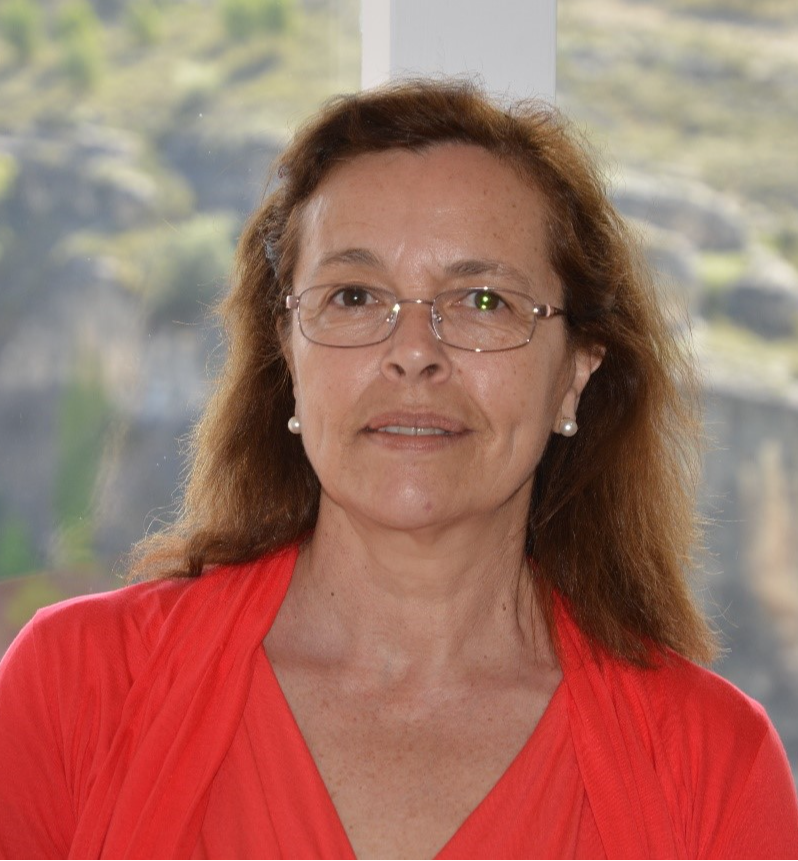
Adela González de la Campa
Scientific Investigator
ORCID code: 0000-0002-3598-2548
Dr. Adela González de la Campa obtained her degree in Biology in 1981 and her PhD in 1985 from the Complutense University of Madrid. She did her doctoral thesis in the laboratory of Dr. Miguel Vicente at the Centro de Investigaciones Biológicas of CSIC. Subsequently she worked for 2 years at Brookhaven National Laboratory, Upton, New York, USA in the laboratory of Sandford Lacks. After this postdoctoral stage in the USA, she worked for 3 years as a Reincorporation Fellow at the Centro de Investigaciones Biológicas of CSIC in the laboratory of Dr. Manuel Espinosa. He is a CSIC Senior Scientist since 1990 and Research Scientist since 2007. He participated as group leader of the CIBER of Respiratory Diseases (CIBERES) from 2007 to 2015. Since 1990, she has been the principal investigator of the Bacterial Genetics Unit at the National Centre for Microbiology.
-

María José Ferrándiz Avellano
Research Scientist
ORCID code: 0000-0003-1428-9506
Dr. María José Ferrández obtained her degree in Biology in 1990 and her PhD in 1997 from the Complutense University of Madrid. She completed her doctoral thesis at the Centro de Investigaciones Biológicas of CSIC in the laboratory of Dr. Miguel Vicente. She completed her postdoctoral training at the Centro Nacional de Microbiología of Instituto de Salud Carlos III (1998-2001 and 2003-2006) and at the Institute of Infection and Immunity (University of Nottingham) from 2001- 2003. From 2007 to 2015, she participated as a researcher of the CIBER of Respiratory Diseases (CIBERES). Since 2006, she is a Full Scientist at the National Microbiology Center of the ISCIII.
-
Mónica Amblar Esteban
Research Scientist
ORCID code: 0000-0003-3530-615X
Dr. Mónica Amblar obtained her degree in Biology in 1993 and her PhD in 2000 from the Complutense University of Madrid. She did her doctoral thesis in the laboratory of Dr. Paloma López at the Centro de Investigaciones Biológicas of CSIC. Subsequently, she worked for 5 and half years at the Instituto de Tecnología Química e Biológica/Universidade Nova de Lisboa, Oeiras (Portugal) in the laboratory of Prof. Cecilia M. Arraiano. After this postdoctoral stage he rejoined the Centro de Investigaciones Biológicas del CSIC where he worked for 2 years as a Postdoctoral Researcher in the laboratory of Dr. Paloma López. Subsequently, he joined the National Microbiology Center of the ISCIII with a Ramón y Cajal contract and in 2010 he obtained a position as a Full Scientist at the same center.
-
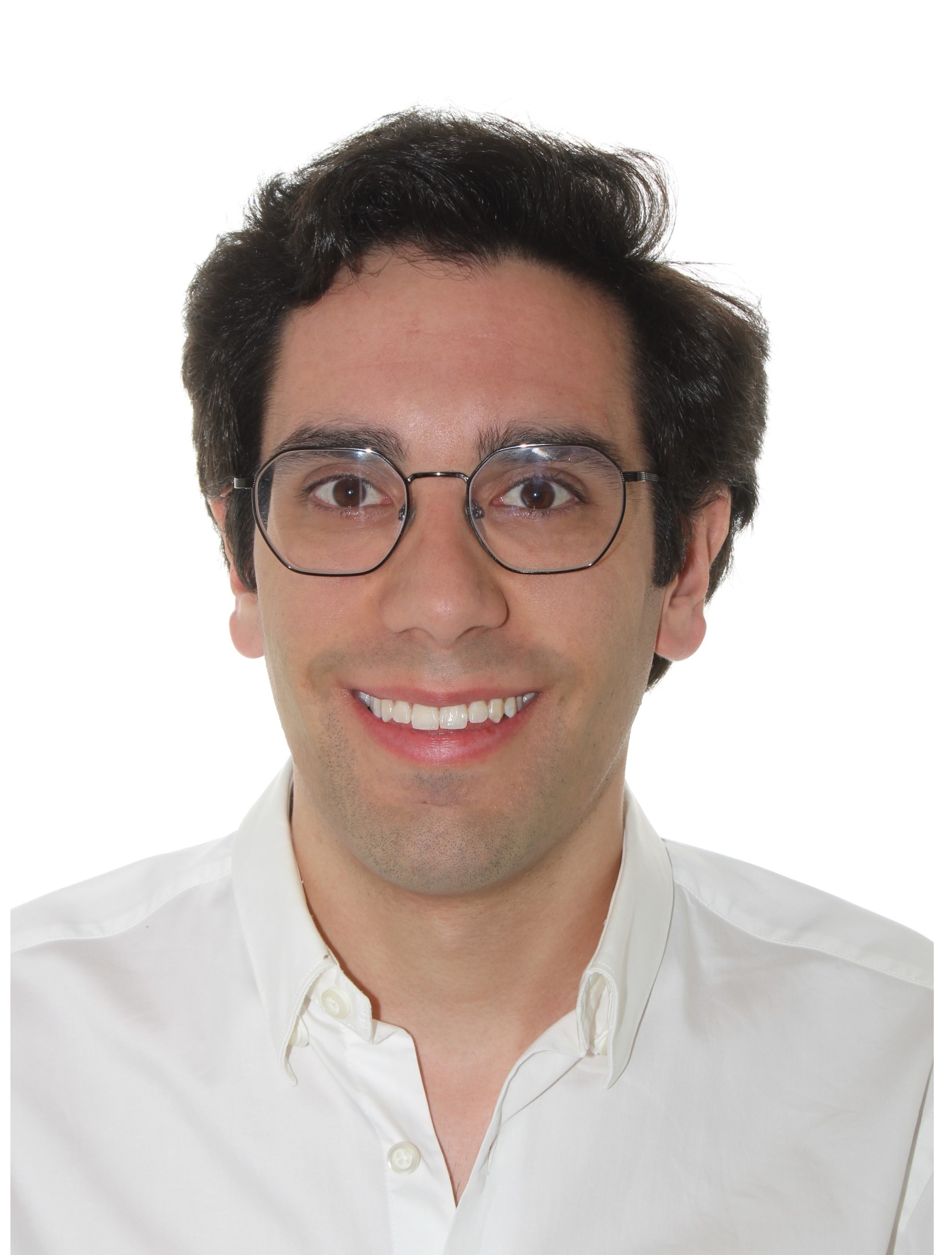
Pablo Herrera Marcelino
Research Assistant
ORCID code: 0009-0003-5137-3712
Graduated in Biochemistry in 2022 from the University of Malaga, and in Master's degrees in Microbiology and Parasitology (2024) and Virology (2025) from the Complutense University of Madrid. He also holds degrees in Clinical Laboratory Science (2023) from the same university and in Biotechnology Applied to Health (2023) from the UNED. He currently has a research assistant contract focusing on the study of pneumococcal proteins involved in RNA interaction.
-

Laura Alfonso Alarcón
PhD student
ORCID code: 0000-0003-1560-1100
Degree in Biochemistry in 2020 from National University of Asunción (Paraguay). Master in Microbiology and Health in 2024 from Pais Vasco University (Spain). Stays in Paraguay in Instituto de Investigaciones en Ciencias de la Salud; Facultad de Ciencias Químicas and Hospital Nacional de Itaugua. She is actually a predoctoral student of the Microbiología y Parasitología program of Complutense University of Madrid, with a “Don Carlos Antonio López” (BECAL) fellowship from Paraguay Goverment.
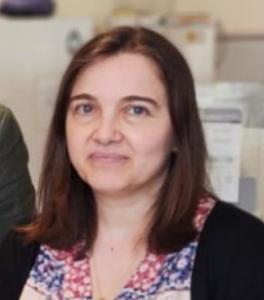


List of staff
Additional Information
Doctoral theses
“Expression and functionality of tlr2 and tlr4 in lymphomyeloid populations present in the lung and lymphoid organs during embryonic and neonatal life in mouse models.” Carolina Ruiz Sánchez. Complutense University of Madrid, 2022
Master's thesis
Detection and characterization of extracellular vesicles of platelet origin in lung supernatants from SPN-infected animals. Marta Paris, Alcalá University, 2024
Study of TLR-dependent activation in the RAW 264.7 macrophage line. Iñigo Merino de Saracho, Alcalá University, 2023
Study of the functionality of TLR receptors in the lung and other lymphoid organs in B cell populations using the neonatal mouse model. Yolanda Campanero, Alcalá University, 2023
Exploratory study of T lymphoid progenitors in the neonatal mouse lung. Alejandro Arrabal, Complutense University of Madrid, 2022
Study of B lymphoid differentiation in mice deficient for CD5 and CD6 molecules. Cristina Martín, Alcalá University, 2022
Role of platelets and their progenitor cells in two animal models of infection: SPN and RSV. Ana de Lucas Rius, Alcalá University, 2020
Pilot study of RSV infection in the mouse model: cellular phenotype of myeloid and lymphoid populations in the lung in two animal models of infection: SPN and RSV. Juan Antonio Martín Quesada, Alcalá University, 2020
B cell response during Streptococcus pneumoniae infection. Eva Castro, 2020
Study of the hematopoietic potential of neonatal lung cells in the mouse model. Ana Cogollo García, Alcalá University, 2018
Innate immune response to S. pneumoniae in the lung. Rodrigo Sánchez, Complutense University of Madrid, 2018
Neonatal immunity in the mouse model: localization and function of the innate and adaptive response. Alba Ezequiel Fernández, Alcalá University, 2017
Characterization of immunoglobulin gene diversity in the mouse model of TLR4 homeostasis and activation by bacterial lipopolysaccharide. Cristina García Caballero, Alcalá University, 2017
Altered lymphopoiesis and splenic B cell subsets on Telomerase Activity Deficient Mice (TERC-/-). Juliana Manosalva, Complutense University of Madrid, 2017
Study of the Immune Response in Nasopharyngeal Washings of Infants with Bronchiolitis. Isabel Martín Barrios, Complutense University of Madrid, 2016
Dynamics of B1-REL lymphocytes in the in vivo immunization model with DNP-LPS. Inmaculada Sanz Ramos University Alcalá, 2015
Megakaryocyte differentiation pathways in the mouse model. Marta Cobos Briz, Alcalá University, 2015
Role of megakaryocytes in infectious processes. Melania Guerrero Hue, Complutense University of Madrid, 2015
Final degree projects
Study of new bacterial vaccines in the mouse (Mus musculus) infection model due to Streptococcus pneumoniae. Alejandro Arrabal, Polytechnic University of Madrid, 2021
Megakaryocytes and platelets in SPN respiratory infection: Role of TLR4. Óscar González Hervás, Complutense University of Madrid, 2021
Study of the immune response mediated by pseudo-innate B lymphocytes against TLR4-dependent immunization models. Rodrigo Sánchez, Complutense University of Madrid, 2017.
Study of the diversity in the immunoglobulin repertoire in healthy individuals. Isabel Martín, Francisco de Vitoria University, 2015.
Dynamics of hematopoietic populations in the perinatal spleen. Inmaculada Sanz, Alcalá University, 2014
Teaching in training courses
Training course: Introduction to Flow Cytometry (from 2015 to present)
Training Course: Flow Cytometry Data Analysis (2018 to present)
Outreach / Citizen Science
• Collaboration in the 4th+Company CAM program.
• Collaboration with the ISCIII Scientific Culture Unit in Science Week at the ISCIII
• Scientific Dissemination Project "Talking about Science", carried out in Majadahonda primary, secondary and high school schools, since 2015 in collaboration with the Department of Education and Youth of the Majadahonda City Council: “How your Immune System works and healthy lifestyle habits to take care of it”
Doctoral theses
“Expression and functionality of tlr2 and tlr4 in lymphomyeloid populations present in the lung and lymphoid organs during embryonic and neonatal life in mouse models.” Carolina Ruiz Sánchez. Complutense University of Madrid, 2022
Master's thesis
Detection and characterization of extracellular vesicles of platelet origin in lung supernatants from SPN-infected animals. Marta Paris, Alcalá University, 2024
Study of TLR-dependent activation in the RAW 264.7 macrophage line. Iñigo Merino de Saracho, Alcalá University, 2023
Study of the functionality of TLR receptors in the lung and other lymphoid organs in B cell populations using the neonatal mouse model. Yolanda Campanero, Alcalá University, 2023
Exploratory study of T lymphoid progenitors in the neonatal mouse lung. Alejandro Arrabal, Complutense University of Madrid, 2022
Study of B lymphoid differentiation in mice deficient for CD5 and CD6 molecules. Cristina Martín, Alcalá University, 2022
Role of platelets and their progenitor cells in two animal models of infection: SPN and RSV. Ana de Lucas Rius, Alcalá University, 2020
Pilot study of RSV infection in the mouse model: cellular phenotype of myeloid and lymphoid populations in the lung in two animal models of infection: SPN and RSV. Juan Antonio Martín Quesada, Alcalá University, 2020
B cell response during Streptococcus pneumoniae infection. Eva Castro, 2020
Study of the hematopoietic potential of neonatal lung cells in the mouse model. Ana Cogollo García, Alcalá University, 2018
Innate immune response to S. pneumoniae in the lung. Rodrigo Sánchez, Complutense University of Madrid, 2018
Neonatal immunity in the mouse model: localization and function of the innate and adaptive response. Alba Ezequiel Fernández, Alcalá University, 2017
Characterization of immunoglobulin gene diversity in the mouse model of TLR4 homeostasis and activation by bacterial lipopolysaccharide. Cristina García Caballero, Alcalá University, 2017
Altered lymphopoiesis and splenic B cell subsets on Telomerase Activity Deficient Mice (TERC-/-). Juliana Manosalva, Complutense University of Madrid, 2017
Study of the Immune Response in Nasopharyngeal Washings of Infants with Bronchiolitis. Isabel Martín Barrios, Complutense University of Madrid, 2016
Dynamics of B1-REL lymphocytes in the in vivo immunization model with DNP-LPS. Inmaculada Sanz Ramos University Alcalá, 2015
Megakaryocyte differentiation pathways in the mouse model. Marta Cobos Briz, Alcalá University, 2015
Role of megakaryocytes in infectious processes. Melania Guerrero Hue, Complutense University of Madrid, 2015
Final degree projects
Study of new bacterial vaccines in the mouse (Mus musculus) infection model due to Streptococcus pneumoniae. Alejandro Arrabal, Polytechnic University of Madrid, 2021
Megakaryocytes and platelets in SPN respiratory infection: Role of TLR4. Óscar González Hervás, Complutense University of Madrid, 2021
Study of the immune response mediated by pseudo-innate B lymphocytes against TLR4-dependent immunization models. Rodrigo Sánchez, Complutense University of Madrid, 2017.
Study of the diversity in the immunoglobulin repertoire in healthy individuals. Isabel Martín, Francisco de Vitoria University, 2015.
Dynamics of hematopoietic populations in the perinatal spleen. Inmaculada Sanz, Alcalá University, 2014
Teaching in training courses
Training course: Introduction to Flow Cytometry (from 2015 to present)
Training Course: Flow Cytometry Data Analysis (2018 to present)
Outreach / Citizen Science
• Collaboration in the 4th+Company CAM program.
• Collaboration with the ISCIII Scientific Culture Unit in Science Week at the ISCIII
• Scientific Dissemination Project "Talking about Science", carried out in Majadahonda primary, secondary and high school schools, since 2015 in collaboration with the Department of Education and Youth of the Majadahonda City Council: “How your Immune System works and healthy lifestyle habits to take care of it”