



We protect your health through science
Investigation
Immunobiology
Research Lines
Content with Investigacion .
Neumococos
Vigilancia epidemiológica de los serotipos y genotipos que causan enfermedad neumocócica invasiva (ENI) en España. Caracterización molecular de factores de virulencia de neumococo. Identificación y caracterización de proteínas de neumococo candidatas a vacuna. Evaluación de mecanismos de evasión de la respuesta inmune en Streptococcus pneumoniae. Impacto de los biofilms bacterianos en la persistencia del tracto respiratorio. Mecanismos de cronicidad de aislados clínicos de neumococo en pacientes con enfermedad pulmonar obstructiva crónica.
Research projects
Content with Investigacion .
1: Título del proyecto: Desarrollo de enzibióticos para combatir infecciones en pacientes con fibrosis quística provocadas por los patógenos Pseudomonas aeruginosa y Staphylococcus aureus: CF-TREAT
Referencia: CPP2022-009574 / MPY 375/23
Agencia Financiadora: Agencia Estatal de Investigación. MICINN.

Fecha Inicio: 01/12/2023
Fecha Fin: 30/11/2026
Financiación: 238.938 Euros
Investigadores principales: Roberto Díez Martínez, José E. Yuste Lobo y Pilar García Suárez
2: Título del proyecto: Desarrollo de enzibióticos para combatir infecciones humanas producidas por Enterococcus faecium resistente a vancomicina (ANTI‐VRE).
Proyecto CPP2021-009054 financiado por MICIU/AEI /10.13039/501100011033 y por la Unión Europea NextGenerationEU/ PRTR

Investigadores principales: Roberto Díez Martínez, Jose Yuste Lobo y Mirian Domenech
Periodo: 18/11/2022 - 17/11/2025
Cuantía total: 231.455 €
3: Título del proyecto: Mecanismos de virulencia en patógenos respiratorios.
Entidad financiadora: Ministerio de Ciencia e Innovación, Agencia Estatal de Investigación (Convocatoria «Proyectos I+D+I» 2020 - Modalidades «Retos Investigación» y «Generación de Conocimiento»). Referencia: PID2020-119298RB-I00

Investigador principal: Jose Yuste Lobo
Periodo: 01/09/2021 - 30/08/2024
Cuantía total: 121.000 €
4: Título del proyecto: Efectividad de la vacuna antineumocócica conjugada 13-valente frente a la hospitalización por neumonía adquirida en la comunidad en adultos de 60 años o mayores, mediante un estudio de casos y controles modificado. Estudio CIBELES.
Investigadores principales: Jose Yuste Lobo y Ángel Gil de Miguel
Entidad financiadora: PFIZER. Referencia: MVP 249/20
Periodo: 23/02/2021 - 22/02/2025
Cuantía total: 168.000 €
5: Título del proyecto: Evolution of Invasive Pneumococcal Disease in Spain with special focus on the pathogenesis of serotypes 3, 8, 11A, 19A, 22F and 33F. Investigadores principales: Jose Yuste Lobo y Mirian Domenech.
Entidad financiadora: Merck Sharp & Dohme USA. Referencia: MVP 132/21
Período: 16/06/2021 - 15/12/2023
Cuantía total: 157.448€
6: Título del proyecto: Mecanismos de patogenicidad y protección en bacterias Gram-positivas causantes de enfermedad respiratoria y bacteriemia
Investigador principal: Jose Yuste Lobo
Entidad financiadora: MINECO. Referencia: SAF2017-83388-R
Periodo: 31/12/2017 - 30/06/2021
Cuantía total: 145.200 €
7: Título del proyecto: Characterization of susceptibility to cefditoren investigating penicillin resistant clinical isolates of Streptococcus pneumoniae.
Investigadores: Jose Yuste Lobo y Mirian Domenech Lucas
Entidad financiadora: Tedec Meiji Farma, S.A. Referencia: MVP 119/20
Periodo: 11/07/2020 – 10-07-2022
Cuantía total: 76.517 €
8: Título del proyecto: Impact of clinical isolates of serotypes 22F and 33F in the epidemiology and pathogenesis of Streptococcus pneumoniae.
Investigador principal: Jose Yuste Lobo
Entidad financiadora: Merck Sharp & Dohme España, S.A. Referencia: MVE 213/18
Periodo: 10/05/2018 - 30/05/2021
Cuantía total: 157.604 €
Publications
Low anti-SARS-CoV-2 S antibody levels predict increased mortality and dissemination of viral components in the blood of critical COVID-19 patients.
12. Martin-Vicente M#, Almansa R#, Martínez I#, Tedim AP, Bustamante E, Tamayo L, Aldecoa C, Gómez JM, Renedo G, Berezo JÁ, Cedeño JA, Mamolar N, García Olivares P, Herrán-Monge R, Cicuendez R, Enríquez P, Ortega A, Jorge N, Doncel C, de la Fuente A, Bustamante-Munguira J, Muñoz-Gómez MJ, González-Rivera M, Puertas C, Más V, Vázquez M, Pérez-García F, Rico-Feijoo J, Martín S, Motos A, Fernandez-Barat L, Eiros JM, Dominguez-Gil M, Ferrer R, Barbé F, Trapiello W, Kelvin DJ, Bermejo-Martin JF, Resino S, Torres A. Low anti-SARS-CoV-2 S antibody levels predict increased mortality and dissemination of viral components in the blood of critical COVID-19 patients. J Intern Med. 2022 Feb; 291(2):232-240. doi: 10.1111/joim.13386. PMID: 34611927 (A; FI= 13.068; D1 Medicine, General & Internal; JCR 2021).
PUBMEDStrategies Targeting the Innate Immune Response for the Treatment of Hepatitis C Virus-Associated Liver Fibrosis.
13. Sepulveda-Crespo D, Resino S*, Martinez I*. Strategies Targeting the Innate Immune Response for the Treatment of Hepatitis C Virus-Associated Liver Fibrosis. Drugs. 2021 Drugs. 2021 Mar; 81(4):419-443. doi: 10.1007/s40265-020-01458-x. PMID: 33400242. (R; FI= 11.431; D1 Pharmacology & Pharmacy; JCR 2021).
PUBMEDMetabolic Profiling at COVID-19 Onset Shows Disease Severity and Sex-Specific Dysregulation FRONTIERS IN IMMUNOLOGY.
3 Ceballos, Francisco C.; Virseda-Berdices, Ana; Resino, Salvador; et al; Jimenez-Sousa, Maria Angeles. (19/19). 2022. Metabolic Profiling at COVID-19 Onset Shows Disease Severity and Sex-Specific Dysregulation FRONTIERS IN IMMUNOLOGY. ISSN 1664-3224.
Metabolomic changes after DAAs therapy are related to the improvement of cirrhosis and inflammation in HIV/HCV-coinfected patients.
4 Virseda-Berdices, Ana; Rojo, David; Martinez, Isidoro; et al; Jimenez-Sousa, Maria Angeles. (14/14). 2022. Metabolomic changes after DAAs therapy are related to the improvement of cirrhosis and inflammation in HIV/HCV-coinfected patients. BIOMEDICINE & PHARMACOTHERAPY. 147:112623. ISSN 1950-6007.
HCV Cure With Direct-Acting Antivirals Improves Liver and Immunological Markers in HIV/HCV-Coinfected Patients FRONTIERS IN IMMUNOLOGY.
7 Brochado-Kith, Oscar; Martinez, Isidoro; Berenguer, Juan; et al; Jiménez-Sousa, Maria Angeles (‡, AC); Resino, Salvador (‡, AC). (13/13). 2021. HCV Cure With Direct-Acting Antivirals Improves Liver and Immunological Markers in HIV/HCV-Coinfected Patients FRONTIERS IN IMMUNOLOGY. 12:723196. ISSN 1664-3224.
Plasma miRNA profile at COVID-19 onset predicts severity status and mortality
3. Fernández-Pato A; Virseda-Berdices A; Resino S; et al; Fernández-Rodríguez A (AC). (20/20). 2022. Plasma miRNA profile at COVID-19 onset predicts severity status and mortality Emerging Microbes and Infections. Taylor & Francis Online. ISSN 2222-1751.
DOIDiagnostic Performance of the HCV Core Antigen Test To Identify Hepatitis C in HIV-Infected Patients: a Systematic Review and Meta-Analysis
4. Sepúlveda-Crespo D; Treviño-Nakoura A; Bellon JM; Jiménez-Sousa MA; Ryan P; Martínez I; Fernández-Rodríguez A (AC); Resino S. (7/8). 2022. Diagnostic Performance of the HCV Core Antigen Test To Identify Hepatitis C in HIV-Infected Patients: a Systematic Review and Meta-Analysis.Journal of clinical microbiology. pp.e0133122. ISSN 0095-1137.
DOIMetabolic Profiling at COVID-19 Onset Shows Disease Severity and Sex-Specific Dysregulation
6. Ceballos FC; Virseda-Berdices A; Resino S; et al; Jiménez-Sousa MÁ (AC). (19/19). 2022. Metabolic Profiling at COVID-19 Onset Shows Disease Severity and Sex-Specific Dysregulation.Frontiers in immunology. 13, pp.925558. WOS (78)
DOINovel genes and sex differences in COVID-19 severity
7. Cruz R; Almeida SD; Heredia ML; et al; Fernández-Rodríguez A; Carracedo Á. (51/168). 2022. Novel genes and sex differences in COVID-19 severity. Human molecular genetics. ISSN 0964-6906.
DOIDifferent HCV Exposure Drives Specific miRNA Profile in PBMCs of HIV Patients
8. Valle-Millares D; Brochado-Kith O; Martín-Carbonero L; et al; Fernández-Rodríguez A (AC). (22/22). 2021. Different HCV exposure drives specific miRNA profile in PBMCs of HIV patients Biomedicines. MDPI. 9-11, pp.1627.
DOIAre Reduced Levels of Coagulation Proteins Upon Admission Linked to COVID-19 Severity and Mortality?
9. Ceballos F; Ryan P; Blancas R; et al; Fernández-Rodríguez A (AC); Jiménez-Sousa MA. (19/20). 2021. Are Reduced Levels of Coagulation Proteins Upon Admission Linked to COVID-19 Severity and Mortality? Frontiers in Medicine. Frontiers. 8-718053.
DOITelomere Length Increase in HIV/HCV-Coinfected Patients with Cirrhosis after HCV Eradication with Direct-Acting Antivirals
12 . Molina-Carrión S; Brochado-Kith, Oscar; González-García J; et al; Angeles Jimenez-Sousa, Maria. (16/16). 2020. Telomere length increase in HIV/HCV-coinfected patients with cirrhosis after HCV eradication with direct acting antivirals. JOURNAL OF CLINICAL MEDICINE. MDPI. ISSN 2077-0383.
DOIMicroRNA Profile of HCV Spontaneous Clarified Individuals, Denotes Previous HCV Infection
15. Brochado-Kith, Oscar; Gomez-Sanz, Alicia; Real LM; et al; Fernandez-Rodriguez, Amanda (AC). (16/16). 2019. MicroRNA Profile of HCV Spontaneous Clarified Individuals, Denotes Previous HCV Infection JOURNAL OF CLINICAL MEDICINE. MDPI. 7. ISSN 2077-0383.
DOIPersistent Immunity against SARS-CoV-2 in Individuals with Oncohematological Diseases Who Underwent Autologous or Allogeneic Stem Cell Transplantation after Vaccination
Persistent Immunity against SARS-CoV-2 in Individuals with Oncohematological Diseases Who Underwent Autologous or Allogeneic Stem Cell Transplantation after Vaccination. Rodríguez-Mora S, Pérez-Lamas L, Solera Sainero M, Torres M, Sánchez-Menéndez C, Corona M, Mateos E, Casado-Fernández G, Alcamí J, García-Pérez J, Pérez-Olmeda M, Murciano-Antón A, López-Jiménez J, García-Gutiérrez V, Coiras M (AC). Cancers 2023, 15(8), 2344. doi: 10.3390/cancers15082344. PMID: 37190272.
PUBMED DOISustained Cytotoxic Response of Peripheral Blood Mononuclear Cells from Unvaccinated Individuals Admitted to the ICU Due to Critical COVID-19 Is Essential to Avoid a Fatal Outcome
Sustained Cytotoxic Response of Peripheral Blood Mononuclear Cells from Unvaccinated Individuals Admitted to the ICU Due to Critical COVID-19 Is Essential to Avoid a Fatal Outcome. Casado-Fernández G, Corona M, Torres M, Saez AJ, Ramos-Martín F, Manzanares M, Vigón L, Mateos E, Pozo F, Casas I, García-Gutierrez V, Rodríguez-Mora S, Coiras M (AC). Int J Environ Res Public Health. 2023 Jan20;20(3):1947. doi: 10.3390/ijerph20031947. PMID: 36767310.
PUBMED DOIDasatinib: effects on the macrophage phospho proteome with a focus on SAMHD1 and HIV-1 infection
Dasatinib: effects on the macrophage phospho proteome with a focus on SAMHD1 and HIV-1 infection. Williams ESCP, Szaniawski MA, Martins LJ, Innis EA, Alcamí J, Hanley TM, Spivak AM, Coiras M, Planelles V. Clin Res HIV AIDS.2022;8(1):1053. https://pubmed.ncbi.nlm.nih.gov/36589263/. PMID: 36589263.
PUBMEDEarly Cellular and Humoral Responses Developed in Oncohematological Patients after Vaccination with One Dose against COVID-19
Early Cellular and Humoral Responses Developed in Oncohematological Patients after Vaccination with One Dose against COVID-19. Rodríguez-Mora S, Corona M, Torres M, Casado-Fernández G, García-Pérez J, Ramos-Martín F, Vigón L, Manzanares M, Mateos E, Martín-Moro F, Zurdo-Castronuño A, Murciano-Antón MA, Alcamí J, Pérez-Olmeda M, López-Jiménez J, García-Gutiérrez V, Coiras M (AC). J Clin Med. 2022 May 16;11(10):2803. doi: 10.3390/jcm11102803. PMID: 35628927.
PUBMED DOIChanges in the immune response against SARS-CoV-2 in individuals with severe COVID-19 treated with high dose of vitamin D
Changes in the immune response against SARS-CoV-2 in individuals with severe COVID-19 treated with high dose of vitamin D. Torres M, Casado G, Vigón L, Rodríguez-Mora S, Mateos E, Ramos-Martín F, López-Wolf D, Sanz-Moreno J, Ryan-Murua P, Taboada-Martínez ML, López-Huertas MR, Cervero M, Coiras M (AC). Biomed Pharmacother. 2022 Apr 14;150:112965. doi: 10.1016/j.biopha.2022.112965. PMID: 35468580.
PUBMED DOIStrong Cellular Immune Response, but Not Humoral, against SARS-CoV-2 in Oncohematological Patients with Autologous Stem Cell Transplantation after Natural Infection.
Strong Cellular Immune Response, but Not Humoral, against SARS-CoV-2 in Oncohematological Patients with Autologous Stem Cell Transplantation after Natural Infection. Vigón L, Sánchez-Tornero A, Rodríguez-Mora S, García-Pérez J, Corona de Lapuerta M, Pérez-Lamas L, Casado-Fernández G, Moreno G, Torres M, Mateos E, Murciano-Antón MA, Alcamí J, Pérez-Olmeda M, López-Jiménez J, García-Gutiérrez V, Coiras M (AC). J Clin Med. 2022 Apr 11;11(8):2137. doi: 10.3390/jcm11082137. PMID: 35456230.
PUBMED DOIPersistent overactive cytotoxic immune response in a Spanish cohort of individuals with Long-COVID: Identification of diagnostic biomarkers
Persistent overactive cytotoxic immune response in a Spanish cohort of individuals with Long-COVID: Identification of diagnostic biomarkers. Galán M, Vigón L, Fuertes D, Murciano-Antón MA, Casado-Fernández G, Domínguez-Mateos S, Mateos E, Ramos-Martín F, Planelles V, Torres M, Rodríguez-Mora S, López-Huertas MR, Coiras M (CA). Front Immunol. 2022 Mar 25;13:848886. doi: 10.3389/fimmu.2022.848886. PMID: 35401523
PUBMED DOIContent with Investigacion .
-
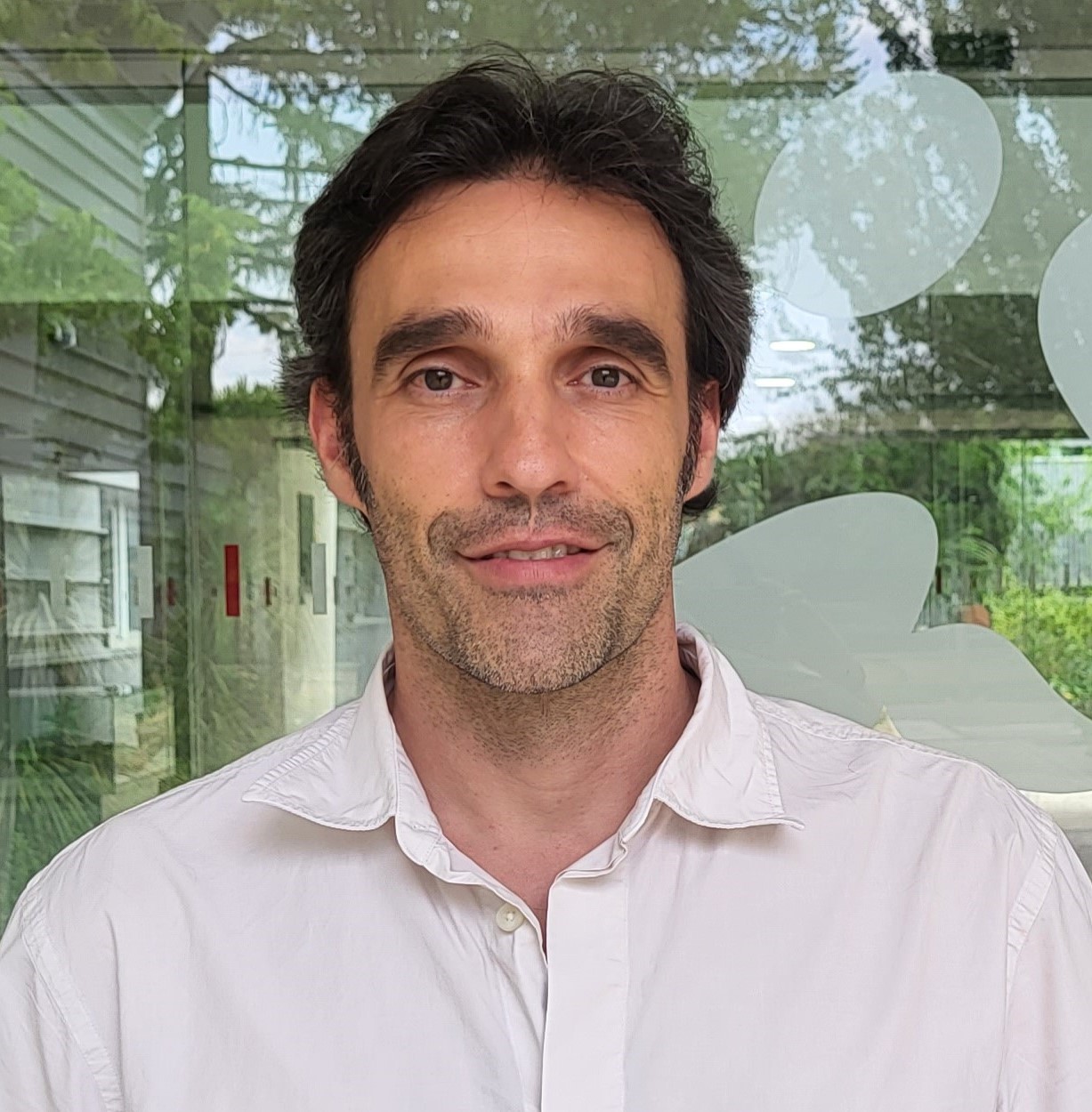
Javier García Pérez
Investigador Doctor
ORCID code: 0000-0001-7551-7803
Graduated in Biochemistry (1999) and Molecular Biology (2000) from the Autonomous University of Madrid (UAM), he obtained a predoctoral fellowship “ISCIII” in the AIDS Immunopathology laboratory, where he developed new techniques based on recombinant viruses. His doctoral thesis focused on the application of this technological development to the study of the replicative capacity of HIV-1 and its resistance to antiretroviral drugs, obtaining the degree of Doctor of Science from the UAM in 2007.
Thanks to a short postdoc in 2008 and several stays between 2009 and 2015 at the Viral Pathogenesis Unit of the Institut Pasteur in Paris he extended his training in the study of HIV-1 envelope and tropism. Between 2015 and 2019 he rejoins the AIDS Immunopathology Unit at ISCIII, focusing his work on the study of the functional capacity of founder viruses, as well as variants of the virus with interest in Public Health due to its recent expansion in our country. He is currently leading a project on the study of a mutation in transportin 3 observed in patients with a very rare muscular dystrophy (LGMDD2) that confers protection against HIV-1 infection.
During the last 5 years he combines this activity in HIV-1 with the participation and leadership of different clinical trials and studies investigating the immunity generated in people vaccinated against SARS-CoV-2 infection.
Since 2024 he is a “Investigador Doctor fuera de Convenio” at the Spanish National Centre of Microbiology and he currently coordinates together with Dr. Francisco Díez Fuertes the AIDS Immunopathology Unit.
-
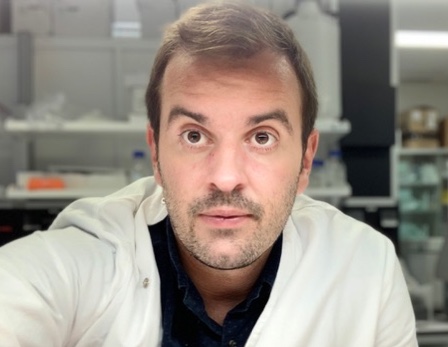
Francisco Díez Fuertes
Investigador Doctor Indefinido
ORCID code: 0000-0003-2413-9229
Degree in Biology from the University of León, PhD specialized in molecular virology from the Complutense University of Madrid in 2010 and master's degree in bioinformatics and computational biology from the same university in 2012. He has done research stays at University of Illinois at Urbana Champaign (USA) in 2010, Nebraska Center for Virology (USA) in 2011, Institut Pasteur (France) in 2013 and J. Craig Venter Institute (USA) in 2015-2016.
He joined the AIDS Immunopathology Unit in 2013 with a contract from the “Sara Borrell” postdoctoral program. After a period at the August Pi i Sunyer Biomedical Research Institute in Barcelona he rejoins the AIDS Immunopathology Unit in 2020 as a PhD researcher.
His lines of research have focused on the genomic and transcriptomic characterization of extreme phenotypes in HIV-1 infection, including long-term non-progressors and elite controllers. He collaborates with other laboratories of the center in the analysis of outbreaks caused by viruses with interest in Public Health, as well as in evolutionary studies on genomic epidemiology. Since 2020 he has led different clinical studies on COVID-19. Currently, he combines omics sciences with different bioinformatics tools to answer different scientific questions in the field of virology, especially in HIV-1 and SARS-CoV-2 research. He currently coordinates together with Dr. Javier García Pérez the AIDS Immunopathology Unit.
-

Nuria González Fernández
Investigadora Contratada indefinida
ORCID code: 0000-0002-0087-5144
She completed her PhD in 2007 (Universidad Autónoma de Madrid), focused on the development of an envelope recombinant virus system to characterize HIV-1 tropism, as well as on the study of the role of the chemokine CXCL12 in virus propagation at the infectious synapse. Part of this work was carried out in the laboratory of Dr. Quentin Sattentau at the University of Oxford.
During her postdoctoral period, she expanded her research on the mechanisms of HIV entry and specialized in the study of the neutralizing response. She developed a system to measure neutralizing activity, which has been used in clinical trials of HIV vaccine candidates. During a stay at the Vaccine Research Center, NIH (USA), she acquired experience in various techniques for the characterization of broadly neutralizing antibodies, leading to new collaborations and research projects, which she is currently developing in the AIDS Immunopathology Unit of the Carlos III Health Institute.
She has participated in research networks such as EAVI2020 (co-PI), CIBERINFEC, RIS and EUROPRISE (EU). Since 2014 she is a professor of the Master in Microbiology applied to Public Health and Infectious Diseases Research at the University of the University of Alcalá and, since 2023, of the Master in Human Immunodeficiency Virus Infection at the University Rey Juan Carlos.
-
Mercedes Bermejo Herrero
Investigadora post-doctoral contratada
ORCID code: 0000-0001-9909-8578
Degree and PhD in Biological Sciences (Biochemistry and Molecular Biology) from the Autonoma University of Madrid. Her doctoral thesis studied the expression of CXCR4 and SDF-1/CXCL12 in lymphocytes and dendritic cells and their implications in HIV-1 infection.
She has completed internships in various laboratories: the Immunology Department of the Gregorio Marañón University Hospital in Madrid, the Research Center of the 12 de Octubre University Hospital in Madrid (where she was head of the flow cytometry service) and is currently at the CNM (National Research Center) of the Carlos III Health Institute.
Her research interests have focused on the study of HIV biology and its interaction with the immune system. She has currently participated in clinical trials, CombiVacs and ENE-Covid Senior, and in collaboration with Hipra.
-

Rubén Ayala Suárez
Técnico Superior Especializado OPI
ORCID code: 0000-0002-1271-646.
Graduated in Biotechnology from the University of Cadiz (2015), Master in Microbiology of Infectious Diseases (2016) and PhD in Functional Biology from the University of Alcalá (2023). He carried out his PhD Thesis at the AIDS Immunopathology laboratory (CNM) on post-translational epigenetic mechanisms of natural control of HIV infection. In the same period, he completed a Diploma in Bioinformatics at Pablo de Olavide University (2021).
In 2023 he joined as a postdoctoral researcher in the HIV and AIDS research group at the August Pi i Sunyer Biomedical Research Institute (Barcelona), where he worked on the relationship of HIV and senescence until his incorporation as a Técnico Superior Especializado in the AIDS Immunopathology unit of the Spanish National Center of Microbiology (ISCIII) in 2025.
The main research projects in which he participates focus on resistance and natural control to HIV infection, as well as the evaluation of the immune response in vaccine trials, using mainly bioinformatics techniques focused on massive sequencing (RNA-Seq, single-cell, genome sequencing), the application of biostatistics and machine learning in data management.
-
-

Almudena Cascajero Díaz
Técnico de laboratorio
ORCID code: 0000-0002-9654-3100
Técnico Superior de Actividades Técnicas y Profesionales (Unidades de Inmunopatología del SIDA y Legionella, Centro Nacional de Microbiología). Clinical Diagnostic Laboratory Technician by IES Renacimiento de Madrid.
Experience in cloning techniques and characterization of neutralizing antibodies and participation in different projects on the pathogenesis of HIV by studying the viral envelope and the mechanisms of resistance to antiretroviral drugs. This experience has subsequently allowed me to participate in 5 multicenter clinical studies studying the immune response against different variants of SARS-CoV-2.
Since 2021, I also participate as a laboratory technician in the Legionella Unit as a support to the Spanish National Health System through the microbiological surveillance of the disease to contribute to the prevention and control of legionellosis.
-

Manuela Beltrán Vicente
Técnico de Laboratorio Indefinido
ORCID code: 0000-0001-6185-2280
Senior Technician of Technical and Professional Activities (AIDS Immunopathology Unit, Spanish National Center of Microbiology).
Clinical Analysis Laboratory Specialist Technician by IES Las Musas (Madrid, 1996). Demonstrated experience in the development of strategies against HIV, focused on the screening of compounds of both natural and synthetic origin with antiviral activity and identification and evaluation of potential therapeutic agents, as well as the screening of serological samples for the study of immunity for the identification of possible strategies for the development of vaccines against HIV. -

Silvia Jara Herrera
Técnico de Laboratorio Contratado CIBERINFEC
ORCID code: 0009-0001-2842-2040
Clinical and Biomedical Diagnostic Laboratory Technician.
She is currently working in the AIDS Immunopathology Unit of the Spanish National Center of Microbiology (ISCIII) with a contract through the Spanish Biomedical Research Networking Centre in Infectious Diseases (CIBER-INFEC).
She worked from March 2020 to September 2024 at the Department of Animal Health (Faculty of Veterinary Medicine) of the Universidad Complutense de Madrid.
She has experience in serological techniques (ELISA, Western Blot and IFA), cell culture and molecular biology.
-

Irene Díaz Marín
Técnico de laboratorio contratado
Clinical and Biomedical Diagnostics laboratory technician by CIFP Politécnico de Murcia-CESUR and graduated in Journalism from the Complutense University of Madrid.
She is currently at the AIDS Immunopathology Unit of the Spanish National Center of Microbiology with a contract of the “Garantía Juvenil” program (Community of Madrid), where she performs technical tasks in several research projects about HIV-1 and COVID-19.
-
Laura Capa Muñoz
Investigadora post-doctoral contratada
ORCID code: 0000-0002-0234-331X
Degree in Biological Sciences from the Universidad Autónoma de Madrid and PhD from the Universidad Complutense de Madrid, she has a master's degree in AIDS (Universidad Complutense de Madrid) and a master's degree in HIV infection (Universidad Rey Juan Carlos de Madrid).
Professional activity developed mainly in the study of infectious diseases, both in the field of basic research in public research centers and in the pharmaceutical industry, as well as in the field of public health and scientific management. She has worked in the international response to the HIV pandemic, representing the Ministry of Health as an expert in meetings of the European Commission and collaborated with the WHO. At the Instituto de Salud Carlos III, she has led the scientific management of national and European projects in the AIDS Immunopathology Unit and has been part of the Institute's Data Protection Working Group. Currently, she continues to coordinate the Cohort of Long-Term Non-Progressing Patients created by the Spanish AIDS Research Network (RIS), is part of the coordination team of the PhD Program in Biomedical Sciences and Public Health IMIENS-UNED-ISCIII and of the Institute's Working Group on Equality.
-
José Alcamí Pertejo
Profesor de Investigación
ORCID code: 0000-0003-0023-7377
Degree in Medicine from the Universidad Autónoma and Doctor of Medicine from the Universidad Complutense de Madrid. Specialist in Internal Medicine at Hospital 12 de Octubre (1982-1986). Training in immunology by means of a Research Staff grant (1986-1988). Research associate at the Viral Immunology Unit of the Pasteur Institute in Paris (1988-1992) where he obtained a Master in Immunopathology from the Institute. Research Professor since 2015, he directed the AIDS Immunopathology Unit at the National Microbiology Center since 2000. Coordinator since 2003 of the Spanish AIDS Research Network, he participates as group leader in European networks of excellence whose objective is the development of new vaccines, drugs and microbicides against HIV/AIDS: EUROPRISE, AIM-HIV, CHAARM and EAVI2020. Since 2019 he has been the Scientific Director of the HIV Unit at the Hospital Clinic of Barcelona. He has been Professor of Immunology and Virology at the European University of Madrid between 2012 and 2014 and Director of the Master in Public Health and Research in Infectious Diseases at the University of Alcalá de Henares from 2014 to 2023.
Author of more than 200 scientific articles in high impact journals such as Nature, Nature Reviews in Microbiology, Nature Medicine, Lancet and Journal of Clinical Investigation and more than 80 chapters in books. Scientific disseminator through his YouTube channel and on the X platform. He has been principal investigator of more than 50 research projects, including European projects and an American NIH project.
Consultant for FIS and ANEP since 1992, member of the scientific council of the French Evaluation Agency in AIDS between 2008 and 2014, evaluator of EU FP6, FP7 and H2020 programs, member of the external scientific council of the Global Health Institute (Hospital Ramón y Cajal), scientific collaborator of the EMA and AEMPS where he has been part of the biotechnology, antivirals and vaccines committees. Scientific member of the EU Vaccelerate consortium and associate editor of the Journal of Virology, Frontiers in Cellular and Infection Microbiology and HIV medicine.
-
Paloma Jiménez Santana
Técnico de laboratorio contratado


List of staff
Additional Information
Doctoral theses
“Expression and functionality of tlr2 and tlr4 in lymphomyeloid populations present in the lung and lymphoid organs during embryonic and neonatal life in mouse models.” Carolina Ruiz Sánchez. Complutense University of Madrid, 2022
Master's thesis
Detection and characterization of extracellular vesicles of platelet origin in lung supernatants from SPN-infected animals. Marta Paris, Alcalá University, 2024
Study of TLR-dependent activation in the RAW 264.7 macrophage line. Iñigo Merino de Saracho, Alcalá University, 2023
Study of the functionality of TLR receptors in the lung and other lymphoid organs in B cell populations using the neonatal mouse model. Yolanda Campanero, Alcalá University, 2023
Exploratory study of T lymphoid progenitors in the neonatal mouse lung. Alejandro Arrabal, Complutense University of Madrid, 2022
Study of B lymphoid differentiation in mice deficient for CD5 and CD6 molecules. Cristina Martín, Alcalá University, 2022
Role of platelets and their progenitor cells in two animal models of infection: SPN and RSV. Ana de Lucas Rius, Alcalá University, 2020
Pilot study of RSV infection in the mouse model: cellular phenotype of myeloid and lymphoid populations in the lung in two animal models of infection: SPN and RSV. Juan Antonio Martín Quesada, Alcalá University, 2020
B cell response during Streptococcus pneumoniae infection. Eva Castro, 2020
Study of the hematopoietic potential of neonatal lung cells in the mouse model. Ana Cogollo García, Alcalá University, 2018
Innate immune response to S. pneumoniae in the lung. Rodrigo Sánchez, Complutense University of Madrid, 2018
Neonatal immunity in the mouse model: localization and function of the innate and adaptive response. Alba Ezequiel Fernández, Alcalá University, 2017
Characterization of immunoglobulin gene diversity in the mouse model of TLR4 homeostasis and activation by bacterial lipopolysaccharide. Cristina García Caballero, Alcalá University, 2017
Altered lymphopoiesis and splenic B cell subsets on Telomerase Activity Deficient Mice (TERC-/-). Juliana Manosalva, Complutense University of Madrid, 2017
Study of the Immune Response in Nasopharyngeal Washings of Infants with Bronchiolitis. Isabel Martín Barrios, Complutense University of Madrid, 2016
Dynamics of B1-REL lymphocytes in the in vivo immunization model with DNP-LPS. Inmaculada Sanz Ramos University Alcalá, 2015
Megakaryocyte differentiation pathways in the mouse model. Marta Cobos Briz, Alcalá University, 2015
Role of megakaryocytes in infectious processes. Melania Guerrero Hue, Complutense University of Madrid, 2015
Final degree projects
Study of new bacterial vaccines in the mouse (Mus musculus) infection model due to Streptococcus pneumoniae. Alejandro Arrabal, Polytechnic University of Madrid, 2021
Megakaryocytes and platelets in SPN respiratory infection: Role of TLR4. Óscar González Hervás, Complutense University of Madrid, 2021
Study of the immune response mediated by pseudo-innate B lymphocytes against TLR4-dependent immunization models. Rodrigo Sánchez, Complutense University of Madrid, 2017.
Study of the diversity in the immunoglobulin repertoire in healthy individuals. Isabel Martín, Francisco de Vitoria University, 2015.
Dynamics of hematopoietic populations in the perinatal spleen. Inmaculada Sanz, Alcalá University, 2014
Teaching in training courses
Training course: Introduction to Flow Cytometry (from 2015 to present)
Training Course: Flow Cytometry Data Analysis (2018 to present)
Outreach / Citizen Science
• Collaboration in the 4th+Company CAM program.
• Collaboration with the ISCIII Scientific Culture Unit in Science Week at the ISCIII
• Scientific Dissemination Project "Talking about Science", carried out in Majadahonda primary, secondary and high school schools, since 2015 in collaboration with the Department of Education and Youth of the Majadahonda City Council: “How your Immune System works and healthy lifestyle habits to take care of it”
Doctoral theses
“Expression and functionality of tlr2 and tlr4 in lymphomyeloid populations present in the lung and lymphoid organs during embryonic and neonatal life in mouse models.” Carolina Ruiz Sánchez. Complutense University of Madrid, 2022
Master's thesis
Detection and characterization of extracellular vesicles of platelet origin in lung supernatants from SPN-infected animals. Marta Paris, Alcalá University, 2024
Study of TLR-dependent activation in the RAW 264.7 macrophage line. Iñigo Merino de Saracho, Alcalá University, 2023
Study of the functionality of TLR receptors in the lung and other lymphoid organs in B cell populations using the neonatal mouse model. Yolanda Campanero, Alcalá University, 2023
Exploratory study of T lymphoid progenitors in the neonatal mouse lung. Alejandro Arrabal, Complutense University of Madrid, 2022
Study of B lymphoid differentiation in mice deficient for CD5 and CD6 molecules. Cristina Martín, Alcalá University, 2022
Role of platelets and their progenitor cells in two animal models of infection: SPN and RSV. Ana de Lucas Rius, Alcalá University, 2020
Pilot study of RSV infection in the mouse model: cellular phenotype of myeloid and lymphoid populations in the lung in two animal models of infection: SPN and RSV. Juan Antonio Martín Quesada, Alcalá University, 2020
B cell response during Streptococcus pneumoniae infection. Eva Castro, 2020
Study of the hematopoietic potential of neonatal lung cells in the mouse model. Ana Cogollo García, Alcalá University, 2018
Innate immune response to S. pneumoniae in the lung. Rodrigo Sánchez, Complutense University of Madrid, 2018
Neonatal immunity in the mouse model: localization and function of the innate and adaptive response. Alba Ezequiel Fernández, Alcalá University, 2017
Characterization of immunoglobulin gene diversity in the mouse model of TLR4 homeostasis and activation by bacterial lipopolysaccharide. Cristina García Caballero, Alcalá University, 2017
Altered lymphopoiesis and splenic B cell subsets on Telomerase Activity Deficient Mice (TERC-/-). Juliana Manosalva, Complutense University of Madrid, 2017
Study of the Immune Response in Nasopharyngeal Washings of Infants with Bronchiolitis. Isabel Martín Barrios, Complutense University of Madrid, 2016
Dynamics of B1-REL lymphocytes in the in vivo immunization model with DNP-LPS. Inmaculada Sanz Ramos University Alcalá, 2015
Megakaryocyte differentiation pathways in the mouse model. Marta Cobos Briz, Alcalá University, 2015
Role of megakaryocytes in infectious processes. Melania Guerrero Hue, Complutense University of Madrid, 2015
Final degree projects
Study of new bacterial vaccines in the mouse (Mus musculus) infection model due to Streptococcus pneumoniae. Alejandro Arrabal, Polytechnic University of Madrid, 2021
Megakaryocytes and platelets in SPN respiratory infection: Role of TLR4. Óscar González Hervás, Complutense University of Madrid, 2021
Study of the immune response mediated by pseudo-innate B lymphocytes against TLR4-dependent immunization models. Rodrigo Sánchez, Complutense University of Madrid, 2017.
Study of the diversity in the immunoglobulin repertoire in healthy individuals. Isabel Martín, Francisco de Vitoria University, 2015.
Dynamics of hematopoietic populations in the perinatal spleen. Inmaculada Sanz, Alcalá University, 2014
Teaching in training courses
Training course: Introduction to Flow Cytometry (from 2015 to present)
Training Course: Flow Cytometry Data Analysis (2018 to present)
Outreach / Citizen Science
• Collaboration in the 4th+Company CAM program.
• Collaboration with the ISCIII Scientific Culture Unit in Science Week at the ISCIII
• Scientific Dissemination Project "Talking about Science", carried out in Majadahonda primary, secondary and high school schools, since 2015 in collaboration with the Department of Education and Youth of the Majadahonda City Council: “How your Immune System works and healthy lifestyle habits to take care of it”
The current director of CNM is Dr. José Miguel Rubio Muñoz.
Dr. José Miguel Rubio has a degree in Biological Sciences from the Universidad Autónoma de Madrid (1986) and a PhD in Biological Sciences from the same university (1992). He carried out his doctoral thesis at the Department of Genetics of the Universidad Autónoma de Madrid, as Associate Professor (1988-1989), and at the School of Biology of the University of East Anglia in Norwich, UK, as Senior Research Assistant (1989-1992).
During his postdoctoral period he obtained a grant from the European Commission within the Human Capital and Mobility Program to be carried out at the University of “La Sapienza” in Rome, Italy and the Institute of Molecular Biology and Biotechnology in Crete, Greece (1993-1994). Subsequently, he made a further stay funded by the WHO and the university itself at the Department of Entomology, Wageningen University, The Netherlands (1994-1996).
Since 1997 he has been a member of the Instituto de Salud Carlos III (ISCIII), where he joined the Department of Parasitology of the National Center of Microbiology, as an EU-INCO postdoctoral fellow and later with a grant from the Autonomous Community of Madrid (CAM). She was part of the founding group of the National Center for Tropical Medicine (2003-2006) and of the 24/7 Alerts and Emergencies Unit (2006-2018) and is currently Head of the Malaria and Emerging Parasitosis Unit of the National Microbiology Center and is part, as research staff, of the Center for Biomedical Research Network on Infectious Diseases (CIBERINFEC/ISCIII).
During his scientific career he has been Visiting Scientist at the Leonidas e Marie Dean Center (FIOCRUZ-AMAZONAS, Manaus, Brazil) and is an External Consultant of the Parasitology Departments of Cairo University (Egypt) and the Medical Research Center (MRC) of Kuala Lumpur (Malaysia). He also belongs or has belonged to different national and international committees: Member of the expert group for malaria control of the European Centre for Disease Control (ECDC) since 2011; Expert-Evaluator for health programs of the European Commission since 2004; Spanish Representative (commissioned by ISCIII and MSC) in the Technical Scientific Committee of the TDR (WHO) 2007-2008; Spanish Deputy Focal Point for microbiology at the European Centre for Disease Control (ECDC) from 2012 to 2020; and, member of the Research Ethics Committee of ISCIII until 2019.
In this period he has published more than 100 articles in international indexed journals, 10 book chapters and has been co-editor of two books in the area of malaria, tropical medicine and neglected diseases. He has participated in 58 competitively funded research projects, 20 of them international, having been the principal investigator in 8 national and 11 international projects as PI of the project or WP leader. In addition, he has led five agreements with companies. Currently he has been awarded four sexenios of research, being presented this year 2025 to the fifth. In the teaching field, he participates in different postgraduate programs in the areas of microbiology and parasitology, having directed seven doctoral theses and more than 20 Master's or Degree final projects, both nationally and internationally.
El laboratorio de Referencia e Investigación en Resistencia a Antibióticos ofrece una amplia cartera de servicios al Sistema Nacional de Salud, las cuales pueden solicitarse en cnm-laboratorios.isciii.es. Jefe del Laboratorio: Jesús Oteo Iglesias (Punto focal Nacional de Resistencia antibiótica).
Dispone de dos programas de Vigilancia oficiales y gratuitos que engloban los ensayos ofertados ya sea como aislamientos individuales o mediante estudio de brotes. El Laboratorio utiliza asimismo técnicas de PCR en tiempo real para la detección de genes de resistencia, estas técnicas se han adaptado a un formato multiplex que permite detectar varios genes en la misma reacción. En los últimos años se han incluido metodologías basadas en la secuenciación de genomas completos para el análisis de bacterias multiresistentes (WGS).
Programa de vigilancia de Haemophilus influenzae. Responsables: María Pérez Vázquez (Punto focal Nacional de Haemophilus influenzae) y Belén Aracil. Laboratorio encargado de la identificación, estudio de sensibilidad y análisis genotípico de aislados de Haemophilus influenzae, centrándose esencialmente en la patología invasiva debida este patógeno.
Programa de vigilancia de Resistencia a Antibióticos. Responsables: María Pérez Vázquez y Belén Aracil (Punto focal Nacional de Resistencia antibiótica). Laboratorio encargado de la identificación, el estudio de sensibilidad antibiótica, y el diagnóstico fenotípico y genotípico de los diferentes mecanismos de resistencia a antibióticos fundamentalmente en enterobacterias y gram-negativos no fermentadores y Enterococcus spp.
Estudio de brotes. Responsables: Belén Aracil y María Pérez Vázquez. El programa incluye la caracterización de brotes nosocomiales y clones emergentes de alto riesgo mediante diferentes técnicas moleculares (tabla resumen). Éstas, nos permiten realizar estudios filogenéticos con el fin de obtener una información detallada acerca la relación entre los diferentes aislados y su trazabilidad. El objetivo final es generar datos que se transfieren a los hospitales como ayuda para la prevención o control de la propagación del brote.
Acreditación y Calidad. Responsable: Belén Aracil. El laboratorio Referencia e Investigación en Resistencia a Antibióticos ha sido de los primeros en el ISCIII en la utilización de técnicas acreditadas por la Entidad Nacional de Acreditaciones (ENAC). Este laboratorio consiguió la primera acreditación homologada de técnicas diagnósticas en 2012, programa que ha sido ampliado, de manera que en la actualidad más de la mitad de las técnicas ofrecidas al Sistema Nacional de Salud están debidamente acreditadas por ENAC.
Técnicos responsables de las técnicas realizadas en el Laboratorio: Noelia Lara Fuella y Verónica Bautista Sánchez.
En la siguiente imagen se resumen las técnicas ofrecidas al Sistema Nacional de Salud.
| PROGRAMAS | NOMBRE CARTERA SERVICIO | PATÓGENO | DETERMINACIÓN, DETECCIÓN, ANÁLISIS | MÉTODOS |
|
Programa de vigilancia de Haemophilus Programa de vigilancia de resistencia a antibióticos. |
Identificación bacteriana |
Haemophilus sp. Enterobacterias, gram-negativos no fermentadores, Enterococcus spp |
Identificación bacteriana |
Bioquímicos MALDI TOF Secuenciación de RNAr |
| | Identificación capsular |
Haemophilus influenzae
|
Identificación capsular fenotípica y genotípica |
Aglutinación serológica en latex PCR ind/multiplex |
| | Determinación de Sensibilidad |
Haemophilus sp. Enterobacterias, gram-negativos no fermentadores, Enterococcus
|
Determinación de Sensibilidad |
Microdilución Tiras epsilon Kirby Bauer |
| | Métodos fenotípicos de detección de mecanismos de resistencia |
Enterobacterias, gram-negativos no fermentadores,
|
Métodos fenotípicos de detección de mecanismos de resistencia |
Discos y tabletas combinados con inhibidores Tiras combinadas Test de Hodge modificado CabaNP Inmunocromatografía CBP |
| | Métodos genotípicos de detección de mecanismos de resistencia |
Haemophilus sp. Enterobacterias, gram-negativos no fermentadores, Enterococcus
|
ADN, PCR y secuenciación |
PCR ind/multiplex Análisis comparativo de las secuencias |
| | Tipificación molecular/análisis filogenéticos |
Haemophilus sp. Enterobacterias, gram-negativos no fermentadores, Enterococcus
|
Corte enzimas de restricción, electroforesis ADN, PCR y secuenciación Preparación de librerías y secuenciación y análisis de genomas completos |
PFGE
MLST
WGS |