



We protect your health through science

Investigación
Hepatitis
Líneas de investigación
Arbovirus y Enfermedades víricas importadas
El laboratorio de Arbovirus y Enfermedades Víricas Importadas (AEVI) del CNM desarrolla su trabajo dentro de la línea de investigación “Virus emergentes transmitidos por vector y/o reservorio, de importancia en salud pública”, que se sustenta en las áreas de epidemiología molecular, desarrollo metodológico, detección en vectores y reservorios y, otros aspectos relacionados con estas zoonosis con una aplicación clara hacia la investigación, prevención, preparación, control y respuesta a las amenazas o brotes causados por estos virus.
Arbovirus como Dengue, Chikungunya o Zika son virus endémicos en todo el cordón tropical/sub-tropical del planeta en continua expansión a latitudes más lejanas debido al calentamiento global y a la dispersión y colonización de nuevos hábitats llevada a cabo por sus vectores artrópodos y son transportados a otras zonas del planeta a través de pacientes virémicos por lo que si, como ocurre en España, se cuenta con vectores transmisores establecidos, se puede propiciar el establecimiento de circulación autóctona. Además de estos virus exóticos, en España circulan endémicamente los arbovirus Toscana, West Nile y el virus de la Fiebre hemorrágica de Crimea-Congo, entre otros.
La OMS elaboró un listado en 2019 con las 10 amenazas para la Salud Global que consideraron más importantes, entre las que se encuentran los virus Dengue, Ébola y Zika. El principal temor es que la falta de preparación cause una epidemia. Además, algunos de estos virus como Dengue y Chikungunya son considerados también “Enfermedades Tropicales Desatendidas” que ponen en peligro la salud de muchas personas en países empobrecidos sin que se estudien con los recursos necesarios.
La importancia para la salud pública de estos patógenos, y la necesidad de prepararse frente a ellos, se refleja también en la lista de actividades prioritarias de investigación y desarrollo de la OMS que actualmente incluye, entre otros, el Ébola, el virus de la Fiebre Hemorrágica de Crimea Congo, el virus de Zika y la enfermedad por el virus de Nipah, debido a la amenaza que suponen para la Salud Pública por su potencial epidémico o porque no hay medidas de control suficientes. Además del peligro real que representan en zonas endémicas, algunos de los virus mencionados (Ébola, Zika, West Nile, Crimea-Congo y Dengue) han supuesto, y continúan siendo, una amenaza para nuestro país habiendo producido casos esporádicos o brotes localizados de infección autóctona. El riesgo para España de las enfermedades transmitidas por vectores está aumentando de manera muy clara como se ha podido observar en los últimos años, y la previsión es que siga aumentando.
Todos estos virus son virus zoonóticos emergentes y nuestro grupo de investigación lleva décadas trabajando en diferentes aspectos en relación con estos patógenos. El riesgo de emergencia y expansión de estos virus se basa de sus ciclos complejos de transmisión, por lo que nuestros estudios se basan tanto en el ser humano, como en los reservorios y los vectores que los transmiten. De esta base, parten transversalmente las líneas de actuación que van enfocadas a estudios de epidemiología molecular, desarrollo metodológico, detección de virus en vectores y hospedadores, caracterización de los mismos y estudios de competencia vectorial, con una aplicación dirigida hacia la investigación, prevención y respuesta a las amenazas o brotes causados por estos virus. El trabajo que desarrollamos se articula en torno a 3 objetivos principales:
Objetivo 1. Búsqueda y caracterización de virus emergentes en vectores y/o reservorios. Se lleva a cabo mediante herramientas moleculares incluyendo las nuevas estrategias de NGS, de virus emergentes en vectores y reservorios. De los virus detectados se realiza una caracterización molecular y serológica, llevando a cabo estudios de epidemiología molecular y de relaciones genéticas y antigénicas con virus relacionados.
Objetivo 2. Desarrollo metodológico para detección, identificación y caracterización de virus emergentes. Los métodos desarrollados pueden transferirse al SNS, explotarse comercialmente y/o utilizarse en la Cartera de Servicios del CNM. Estos desarrollos moleculares, y/o serológicos, refuerzan al CNM en su papel como Laboratorio Nacional de Referencia de Zoonosis, con un aporte de herramientas útiles y necesarias para la detección y caracterización de estos agentes. De igual forma, el desarrollo de herramientas tipo flujo lateral, las denominadas “Point Of Care” es una de las necesidades que pretendemos dar solución.
Objetivo 3. Eco-epidemiología de viriasis emergentes. Debido a los complejos ciclos biológicos de los arbovirus, el estudio de las especies de vectores implicados en nuestro país, así como el origen y evolución de los agentes circulantes, es crucial a la hora de entenderlos y responder a las amenazas que generan. Para ello estudiamos la presencia de estos virus tanto en muestras humanas como de vectores y posibles hospedadores, lo que nos permite, con un enfoque de “Una Salud”, entender los mecanismos que controlan su circulación y que puedan estar implicados en su patogenicidad.
Babesiosis
null
Bacterial Genetics

Our group has been studying for more than 30 years the mechanisms of antibiotic resistance in Streptococcus pneumoniae (Spn). Our objectives are to understand the molecular basis of antimicrobial action, to search for new targets of action and new compounds. Seconeolitsine (SCN) is one of these new compounds targeting topoisomerase I (Topo I). As for the search for new targets, our research has focused in recent years on the factors that organize the topology of the chromosome, allowing optimal compaction (about 1000-fold) to harmonize its replication, chromosome segregation and gene expression. This compaction is mediated both by the level of DNA supercoiling (Sc) and by association with nucleoid-binding proteins (NAPs). The level of Sc depends mainly on the enzymatic activities of their DNA topoisomerases, reaching a homeostatic equilibrium by the opposite activities of the topoisomerases that relax DNA (Topo I and Topo IV), and of gyrase, which introduces negative Sc. Our group has characterized the three Spn topoisomerases and two NAPs: HU and SatR. In addition, the availability of antimicrobials that inhibit each of the Spn topoisomerases has allowed us to analyze their transcriptome under conditions of local or global change of the Sc level and to define gene domains of coordinated transcription and similar functions. Fluoroquinolones, which inhibit Topo IV and gyrase, produce local changes in Sc that induce alterations in 6% of the transcriptome, altering metabolic pathways that originate an increase in reactive oxygen species (ROS) that contribute to lethality, in accordance with the general mechanism of bactericidal antibiotics. On the other hand, the induction of global changes in Sc by novobiocin (NOV, gyrase inhibitor), or by SCN (Topo I inhibitor), has allowed us to define topological domains. Global changes in Sc include the regulation of topoisomerase genes: its decrease activates the transcription of gyrase genes (gyrA, gyrB) and inhibits those of Topo IV (parEC) and Topo I (topA); the increase in Sc regulates the expression of topA. Decreased Sc affects 37% of the genome, with >68% of genes clustered in 15 domains. Increased Sc affects 10% of the genome, with 25% of the genes clustered in 12 domains. The AT content in the genome correlates with the domains, being higher in UP domains than in DOWN domains. The genes in the different domains have common functional characteristics, indicating that they have been subjected to topological selective pressure to determine the location of genes involved in metabolism, virulence and competition.
The current objectives of the group are:
1. Identification of factors that stabilize chromosome topology: NAPs, ncRNAs, intra-chromosomal interactions.
2. Regulation of transcription in response to topological stress: in vivo localization of DNA topoisomerases, RNA polymerase and NAPs.
3. Topo I as a new antimicrobial target and action of SCN.
4. Design of antisense RNAs and use of the CRISPR system as new antibacterial agents.
Biología y Variabilidad del VIH
null
Enfermedades bacterianas transmitidas por agua y alimentos
null
Genomica y Bioinformática
null
Hepatitis
- Diseño de métodos diagnósticos para el estudio de los virus de las hepatitis (VH) A, B, C, D, E: Diseñamos sistemas de PCR para su detección y caracterización.
- Evaluación de métodos diagnósticos de los VH. Colaboramos con empresas para estudios de sensibilidad y especificidad de equipos diagnósticos.
- Estudios de Seroprevalencia de los virus de las hepatitis.
- Epidemiología genómica de genomas completos de VHA, VHB, VHC, VHD y VHE en colaboración con el ECDC. Estudios de trazabilidad del VHE.
- Caracterización molecular de virus de las hepatitis mediante secuenciación masiva: a) VHB: mutantes de escape HBsAg (prevalencia y efectos en la detección del HBsAg). Estudio de mutaciones en epítopos de estimulación inmune y mutaciones asociadas a evolución clínica desfavorable.
- b) VHC: resistencias a los antivirales de acción directa. Análisis molecular de subtipos poco frecuentes.
c) Estudios filogenéticos del VHD.
d) Análisis genómico del VHE.
e) Investigación etiológica de hepatitis no filiadas mediante estudios de metagenómica.
- b) VHC: resistencias a los antivirales de acción directa. Análisis molecular de subtipos poco frecuentes.
Infección Viral e Inmunidad
null
Infecciones relacionadas con la Asistencia Sanitaria
null
Infecciones Víricas e Inmunidad en Enfermos Inmunodeprimidos
Nuestras líneas de investigación se centran en distintas áreas del conocimiento relacionadas con hepatitis virales crónicas (Hepatitis B, C y D), VIH, y SARS-CoV-2:
- Inmunopatogenia de las infecciones virales y su relación con eventos clínicos.
- Impacto en el organismo del control o eliminación de la infección viral.
- Biopsia líquida y ómicas: biomarcadores de enfermedad en infección viral.
- Resistencia a la infección viral y aclaramiento espontáneo.
- Cribado de infección viral y epidemiología molecular de los virus.
- Desarrollo de kits de diagnóstico rápido.
- Respuesta inmune a vacunas.
Infección por CMV en pacientes trasplantados
En los últimos años en nuestro grupo hemos estudiado la cinética de infección por CMV y el desarrollo de la respuesta inmune protectora específica frente a CMV. Como resultados de estos estudios hemos sido capaces de caracterizar la cinética y magnitud de la adquisición de la respuesta inmune frente a CMV y establecer puntos de corte de inmunidad específica que se relacionan con la protección frente a la infección.
El objetivo de esta línea de investigación en los últimos años ha sido definir parámetros relacionados con la respuesta inmune específica frente a CMV y con factores genéticos que puedan estar relacionados con el control de la infección y enfermedad por CMV. El estudio de estas variables de forma conjunta como marcadores de predicción del riesgo de desarrollo de infección/enfermedad y de la evolución de la infección tras el trasplante permitirían establecer un algoritmo para el manejo de los pacientes. Además, permitirían definir niveles mínimos de protección que sirvan de endpoints para el desarrollo de una vacuna. Esta línea de investigación se enmarca dentro del programa de Infecciones en Transplantes de la Red Española de Investigación en Patologías Infecciosas (REIPI), como parte del WP2 denominado Optimización de la prevención de la enfermedad por CMV.
Desarrollo preclínico de vacunas protectoras frente a CMV
La vacuna ideal frente a CMV debería estar compuesta por múltiples antígenos y ser capaz de imitar el efecto producido por la infección natural, y estimular una respuesta inmune específica combinada tanto de células T como de anticuerpos neutralizantes. Sin embargo, a pesar de los esfuerzos realizados y los progresos de los últimos años, los resultados obtenidos en el desarrollo de una vacuna frente a CMV no han mostrado resultados definitivos.
Por tanto, el objetivo de esta línea de investigación es promover aproximaciones innovadoras para el diseño y desarrollo de una vacuna frente a la infección por CMV. Para ello se ha puesto en marcha una aproximación a través de la construcción de un plásmido optimizado para generar una respuesta inmune combinada y amplia específica frente a CMV y la búsqueda de los antígenos candidatos, a través del estudio de la inmunogenicidad in vivo del proteoma completo de CMV.
Desarrollo preclínico de alternativas terapéuticas frente a CMV basadas en la inmunoterapia
La inmunidad mediada por células T constituye una respuesta adaptativa fundamental y representa el mecanismo de defensa más importante frente a la infección viral. Por otra parte, la presencia en suero de anticuerpos neutralizantes se han asociado con tasas más bajas de transmisión del CMV de la madre al feto y en los receptores de trasplante de órgano sólido.
El presente proyecto propone un enfoque novedoso a través de la identificación y caracterización de la respuesta inmune tanto celular como de anticuerpos en pacientes que han sido inmunizados de forma natural y están protegidos frente a la infección por CMV, para abordar el desarrollo preclínico de alternativas terapéuticas basadas en la transferencia adoptiva de células T CD8+ citotóxicas y de anticuerpos monoclonales específicos de CMV con el objetivo de desarrollar una nueva estrategia terapéutica para el tratamiento frente a la infección por este patógeno.
Estudio del desarrollo de inmunidad frente a SARS-CoV-2
Dada la situación producida como consecuencia de la propagación del SARS-CoV-2 urge la realización de estudios serológicos que nos ayuden a determinar el alcance y la duración de la inmunidad adquirida por la población infectada por SARS-CoV-2 que ha superado la enfermedad. En este sentido el estudio de los anticuerpos neutralizantes, que son aquellos que reconocen las proteínas del virus implicadas en el reconocimiento del receptor celular bloqueando su capacidad infectiva, en pacientes recuperados de la infección por SARS-CoV-2 podrían ser clave para explicar el pronóstico de la enfermedad en estos pacientes. Además son necesarios estudios que estudien la cinética de la inmunidad de anticuerpos específicos frente a coronavirus y su relación con la evolución de la enfermedad que nos permitan establecer estrategias de manejo de los pacientes en base a su patrón inmunológico.
También participamos en el desarrollo de un prototipo de vacuna basado en ADN plasmídico que expresa antígenos de SARS-CoV-2 y la caracterización de la respuesta inmune inducida por esta vacuna en un modelo murino de inmunización.
Inmunología Celular
null
Inmunología Microbiana e Inmunogenética
1. Análisis de la respuesta innata de mamíferos en la infección por Leishmania.
2. Caracterización inmunoproteómica en :
a. Streptococcus suis
b. Lactococcus garviae
c. Mycobacterium spp
3. Desarrollo de inmunoensayos analíticos basados en anticuerpos monoclonales (AcM) para detectar y cuantificar antígenos de origen animal, vegetal y microbiano.
4. Desarrollo y caracterización de AcM frente a los componentes del sistema del Complemento. Aplicación diagnóstica.
5. Desarrollo de reactivos de referencia y diseño de inmunoensayos para la evaluación cualitativa y cuantitativa de toxinas clostridiales.
6. Oferta tecnológica de producción de AcM y policlonales frente a substancias de interés industrial y biomédico.
El grupo está interesado en el estudio de la respuesta inmune desde una perspectiva multidisciplinar que incluye aproximaciones bioquímicas, biotecnológicas, genómicas, inmunoinformáticas y proteómicas, que junto con el uso adicional de modelos in vivo se encaminan al diseño de estrategias terapéuticas frente a diversas enfermedades crónicas, infecciosas y raras que poseen un claro componente inmunológico en su etiología.
Las principales líneas de investigación que está desarrollando el grupo en la actualidad son:
- * Análisis de las respuestas inmunes celulares frente a patógenos virales y bacterianos, mediante técnicas inmunoproteómicas, modelos in vivo con animales transgénicos y muestras humanas.
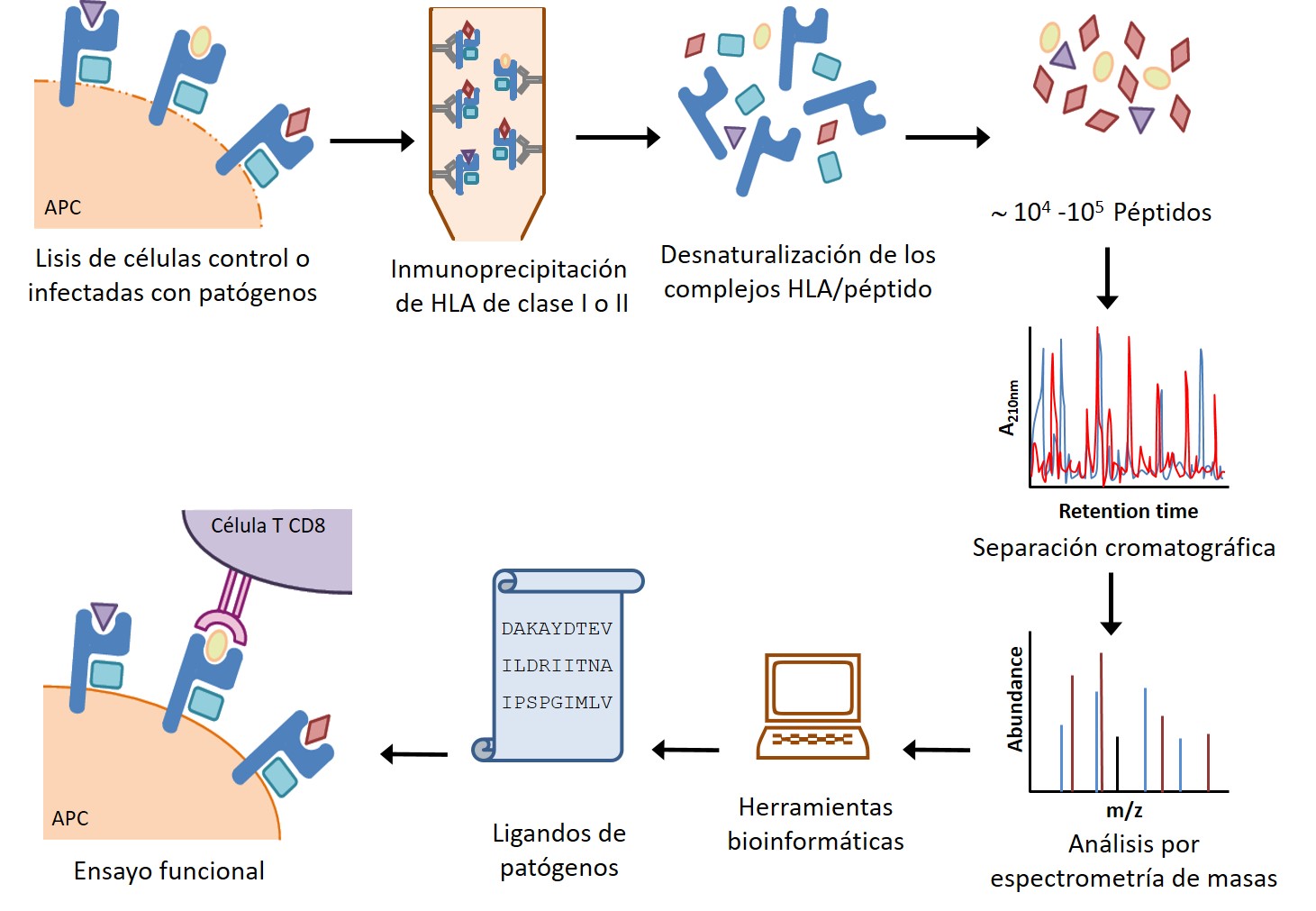
- * Caracterización de CD69: regulación génica, función reguladora inmune en homeostasis e infección y su uso como diana terapéutica, edición génica por CRISPR en modelos animales y celulares, etc.

* Desarrollo de herramientas inmunoinformáticas que permitan analizar la respuesta inmune celular frente a diversos virus de interés sanitario y determinar la eficacia de sus vacunas a nivel de población mundial.

* Estudio de las respuestas inmunes celulares frente a enfermedades raras (artritis reactiva y síndrome del linfocito desnudo) y crónicas (espondiloartropatías).
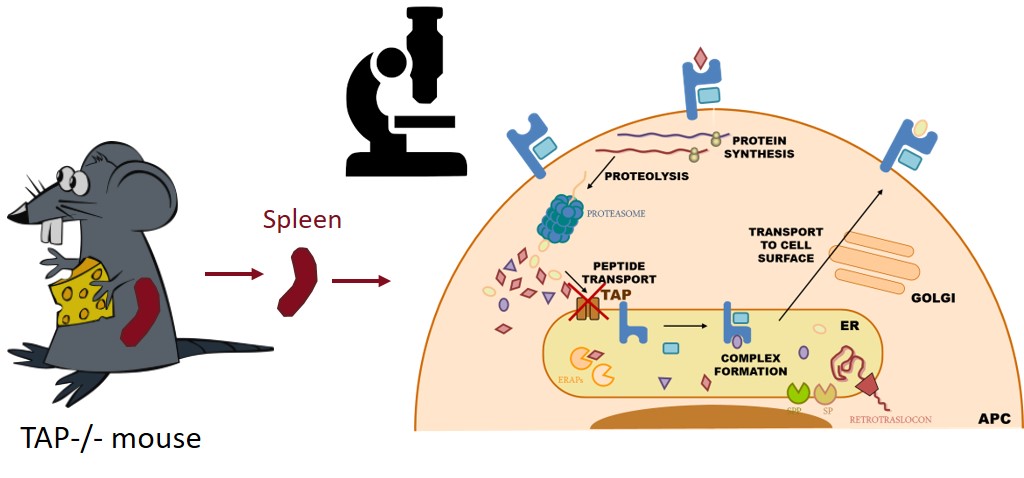
* Inclusión de componentes del sistema inmune en la fabricación de tejidos humanos, especialmente piel, para uso clínico, farmacéutico y cosmético.
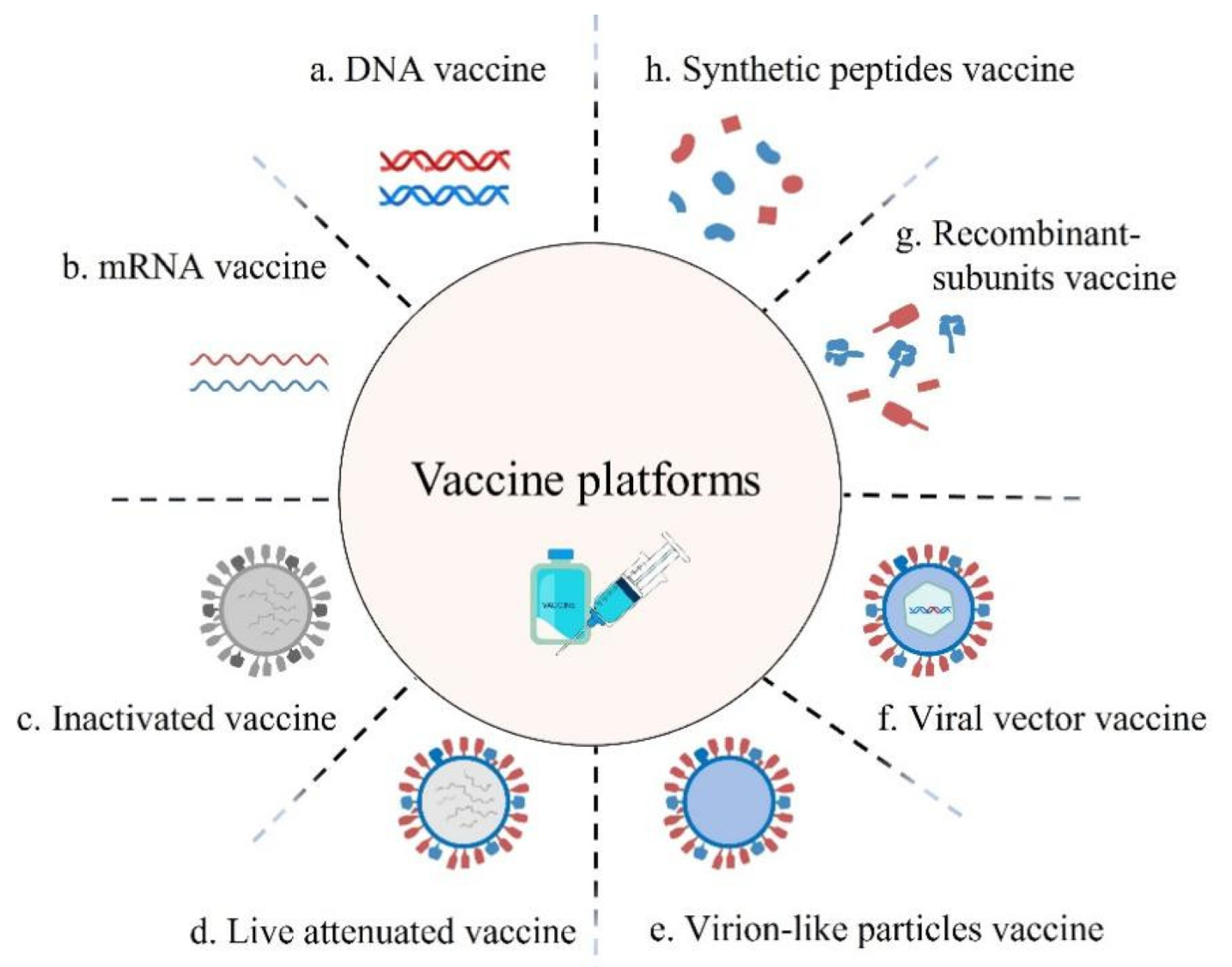
- * Generación de virus recombinantes como vectores vacunales.
Leishmaniasis y Enfermedad de Chagas
null
Malaria y Parasitosis Emergentes
null
Micobacterias
• Estudio taxonómico.
• Estudio de la sensibilidad fenotípica a nuevos fármacos antituberculosos.
• Análisis de las bases moleculares de la resistencia a fármacos antituberculosos.
• Epidemiología molecular de la tuberculosis. • Desarrollo de nuevos métodos de identificación y detección de resistencias en micobacterias.
La tuberculosis (TB) es una enfermedad infecciosa, provocada por un grupo de micobacterias incluidas en el grupo Mycobacterium tuberculosis complex, que puede afectar tanto al hombre como a los animales. Se caracteriza por la formación de tubérculos o nódulos en los tejidos infectados. Su trasmisión es por vía aérea, pero puede afectar a diferentes órganos del cuerpo.
La TB fue declarada emergencia sanitaria mundial por la Asamblea de la Organización Mundial de la Salud (OMS) en el año 1991 y continúa siendo una de las enfermedades infecciosas con mayor incidencia y tasa de mortalidad. Un tercio de la población mundial está infectada, constituyendo el reservorio de la enfermedad. En el año 2019 se estimó que 10 millones de personas contrajeron la enfermedad con 1,2 millones de fallecimientos. En España, el Plan Nacional para la Prevención y Control de la TB fue aprobado en 2019. Recoge los desafíos actuales que giran en torno a la detección precoz de la enfermedad, la realización de estudios de sensibilidad a todas las cepas aisladas, la mejora en el cumplimiento del tratamiento, la realización de estudios de contactos y la aplicación de marcadores epidemiológicos para la detección de brotes.
La aparición de cepas resistentes representa una amenaza para los planes de control y erradicación propuestos por la OMS. La TB multirresistente (MDR) causada por cepas resistentes al menos a Isoniacida y Rifampicina (los fármacos más activos frente a M. tuberculosis complex), requieren para su tratamiento drogas alternativas menos eficaces y peor toleradas, implicando regímenes terapéuticos más prolongados, aumentando la toxicidad y reduciendo las probabilidades de curación. En 2019 se estimó que más de medio millón de personas desarrollaron una TB causada por cepas MDR-TB. La OMS los términos pre-XDR para la TB pre-extemadamente resistente (causada por cepas MDR-TB que además son resistentes a Quinolonas), y XDR (cepas MDR-TB que son resistentes a cualquier Quinolona y al menos a Linezolid o Bedaquilina). Estas cepas producen una TB de muy difícil tratamiento, con escasa probabilidad de curación y terapias muy costosas que agravan el problema de la TB.
Las micobacterias no tuberculosas (MNT) son bacterias ubicuas que se encuentran en el medio ambiente siendo éste su reservorio y la fuente de infección. Taxonómicamente las MNT forman un grupo de especial complejidad por el gran número de especies y por la diversidad biológica entre ellas, que se traduce en una elevada heterogeneidad intraespecífica tanto fenotípica como genotípica, lo que hace que por economía, rentabilidad y organización el Centro Europeo de Control de Enfermedades (ECDC) recomiende la centralización de las labores de identificación y estudios de sensibilidad en laboratorios con un alto grado de especialización y que dispongan de las medidas de bioseguridad adecuadas para el manejo de estas cepas.
El número de casos causado por estas micobacterias, ha sufrido un aumento muy importante en la última década, al utilizar medios de cultivo mejor diseñados para su aislamiento, al uso de técnicas quirúrgicas más agresivas que favorecen la infección por bacterias oportunistas, la utilización de fármacos inmunosupresores, la mayor supervivencia de los pacientes con inmunodeficiencias y, sobre todo a la aparición del VIH.
Micología
null
Microbiología Estructural
null
Neisseria, Listeria y Bordetella
• Invasive Meningococcal Disease.
o Laboratory surveillance based on whole-genome sequencing and its application in Public Health.
o Study and characterization of antimicrobial resistance mechanisms.
o Study and evaluation of conventional (polysaccharide) and new-generation (protein) vaccines.
• Gonococcal Infection (Gonorrhea).
o Laboratory surveillance based on whole-genome sequencing and its application in Public Health.
o Study and characterization of antimicrobial resistance mechanisms.
• Listeriosis.
o Laboratory surveillance based on whole-genome sequencing and its application in Public Health.
• Pertussis.
o Development and application of molecular techniques for the diagnosis and characterization of Bordetella pertussis, B. parapertussis, B. holmessi, and B. bronchiseptica.
Neumococos
Vigilancia epidemiológica de los serotipos y genotipos que causan enfermedad neumocócica invasiva (ENI) en España. Caracterización molecular de factores de virulencia de neumococo. Identificación y caracterización de proteínas de neumococo candidatas a vacuna. Evaluación de mecanismos de evasión de la respuesta inmune en Streptococcus pneumoniae. Impacto de los biofilms bacterianos en la persistencia del tracto respiratorio. Mecanismos de cronicidad de aislados clínicos de neumococo en pacientes con enfermedad pulmonar obstructiva crónica.
Patogénesis e inmunidad viral
A) Desarrollo de metodología point of care frente a hepatitis virales en el reservorio del VIH
El tratamiento precoz de las hepatitis virales reduce el deterioro progresivo del hígado y evita el trasplante hepático. Resulta esencial disponer de métodos diagnóstico rápido, sencillos y coste-efectivos, para el cribado, en la vigilancia epidemiológica y el diagnóstico virológico temprano de enfermedades virales hepáticas. Línea de investigación llevada a cabo en colaboración con el Dr. Ricardo Madrid (BioAssays S.L).
B) Impacto de la coinfección y eliminación de las hepatitis virales en el reservorio del VIH
La coinfección por el VHC impacta en el reservorio del VIH, principal obstáculo para eliminar esta infección. Se realizan distintos abordajes del estudio del reservorio del VIH en pacientes VIH+ con distinta exposición al VHC, y tras su eliminación espontánea o con antivirales de acción directa, con el objetivo de identificar y proponer nuevas estrategias de eliminación/curación del VIH. Esta línea de Investigación se desarrolla en el seno del Grupo Multidisciplinar COVIHEP (COinfección por VIH y HEPatitis).
C) Identificación de marcadores de senescencia inducida por virus y estrategias paliativas
Las infecciones virales inducen una senescencia acelerada cuyo impacto afecta a la evolución de la enfermedad y a posibles comorbilidades. Nuestro objetivo es profundizar en los mecanismos que desencadenan la inmunosenescencia y estrés oxidativo asociado a infecciones virales e identificar nuevas estrategias terapéuticas que palien el envejecimiento prematuro en estos pacientes.
D) Impacto de SARS-CoV-2 en la infección por el VIH y hepatitis virales
Se desconocen las complicaciones a largo plazo de la infección por SARS-CoV-2 en personas que viven con VIH y/o hepatitis virales que podrían experimentar un desarrollo clínico de la enfermedad más desfavorable. La identificación de biomarcadores de gravedad no invasivos (como en sangre/plasma) resulta de especial interés en estos pacientes.
E) Origen y Epidemiología de la enfermedad hepática
Estudio del origen y la dinámica de transmisión espacio-temporal de los virus hepáticos, clave para el entendimiento de su evolución y propagación, así como en el análisis de la carga global de las enfermedades, lo que podría ayudar a desarrollar programas de Salud Pública encaminados a prevenir y frenar su transmisión.
F) Impacto de la viremia de bajo grado del VIH
Se desconoce tanto el origen como los mecanismos de la viremia de bajo grado, presente entre el 3 y 16% que las personas que viven con VIH. Su presencia podría desembocar en un mayor riesgo de sufrir comorbilidades relacionadas con enfermedades cardiovasculares, cáncer y trastornos metabólicos.
G) Calidad del aire y su impacto en poblaciones vulnerables
La contaminación del aire agrava las patologías infecciosas y la salud cardiovascular y respiratoria. La evolución de la enfermedad en personas con enfermedades crónicas con VIH y hepatitis puede verse agravada tras la inhalación continua de contaminantes ambientales. Línea de investigación llevada a cabo en colaboración con el CNSA y el CNE del ISCIII.
H) Coinfección por VHE y protistas entéricos en el reservorio humano y animal: vigilancia e investigación
La coinfección entre virus y protistas entéricos podría influir en la cotransmisión y patogenicidad de dichas especies. Línea de investigación, bajo el concepto “One Health” que se centra en la vigilancia y estudio de la coinfección del VHE y protistas entéricos. Colaboración con el grupo multidisciplinar COHEPROEN (COinfección HEpatitis y PROtistas ENtéricos).
Publicaciones destacadas
Outbreak of brainstem encephalitis associated with enterovirus-A71 in Catalonia, Spain (2016): a clinical observational study in a children’s reference centre in Catalonia
6. D Casas-Alba, M de Sevilla, A Valero-Rello, C Fortuny, JJ Garcia, C Ortez, J Muchart, T Armangue, I Jordan, C Luaces-Cubells, I Barrabeig, R González-Sanz, M Cabrerizo, C Munoz-Almagro, C Launes. Outbreak of brainstem encephalitis associated with enterovirus-A71 in Catalonia, Spain (2016): a clinical observational study in a children’s reference centre in Catalonia. Clin Microbiol Infect 23: 874-881 (2017)
PUBMED DOIMolecular epidemiology of enterovirus and parechovirus infections according to patient age over a 4-year period in Spain.
7. M Cabrerizo*, M Díaz-Cerio, C Muñoz-Almagro, N Rabella, D Tarragó, MP Romero, MJ Pena, C Calvo, S Rey-Cao, A Moreno-Docón, I Martínez-Rienda, A Otero, G Trallero. Molecular epidemiology of enterovirus and parechovirus infections according to patient age over a 4-year period in Spain. J Med Virol 89: 435-442 (2017).
PUBMED DOIMolecular epidemiology of enterovirus 71, coxsackievirus A16 and A6 associated with hand, foot and mouth disease in Spain
9. M Cabrerizo*, D Tarragó, C Muñóz-Almagro, E del Amo, M Domínguez-Gil, JM Eiros, I López-Miragaya, C Pérez, J Reina, A Otero, I González, JE Echevarría, G Trallero. Molecular epidemiology of enterovirus 71, coxsackievirus A16 and A6 associated with hand, foot and mouth diease in Spain. Clin Microbiol Infect; 20: O150–O156 (2014).
PUBMED DOIImpact of pretransplant CMV-specific T-cell immune response in the control of CMV infection after solid organ transplantation: a prospective cohort study. Clin Microbiol Infect.
Molina-Ortega A, Martín-Gandul C, Mena-Romo JD, Rodríguez-Hernández MJ, Suñer M, Bernal C, Sánchez M, Sánchez-Céspedes J, Pérez Romero P*, Cordero E. Impact of pretransplant CMV-specific T-cell immune response in the control of CMV infection after solid organ transplantation: a prospective cohort study. Clin Microbiol Infect. 2019 Jun;25(6):753-758.
PUBMED DOIKinetic of the CMV-specific T-cell immune response and CMV infection in CMV-seropositive kidney transplant recipients receiving rabbit anti-thymocyte globulin induction therapy: A pilot study.
Martín-Gandul C, Pérez-Romero P*, Mena-Romo D, Molina-Ortega A, González-Roncero FM, Suñer M, Bernal G, Cordero E; Spanish Network for Research in Infectious Diseases (REIPI). Kinetic of the CMV-specific T-cell immune response and CMV infection in CMV-seropositive kidney transplant recipients receiving rabbit anti-thymocyte globulin induction therapy: A pilot study. Transpl Infect Dis. 2018 Jun;20(3):e12883.
PUBMED DOICMV-specific T-cell immunity in solid organ transplant recipients at low risk of CMV infection. Chronology and applicability in preemptive therapy.
Mena-Romo JD, Pérez Romero P*, Martín-Gandul C, Gentil MÁ, Suárez-Artacho G, Lage E, Sánchez M, Cordero E. CMV-specific T-cell immunity in solid organ transplant recipients at low risk of CMV infection. Chronology and applicability in preemptive therapy. J Infect. 2017 Oct;75(4):336-345.
PUBMED DOITwo Doses of Inactivated Influenza Vaccine Improve Immune Response in Solid Organ Transplant Recipients: Results of TRANSGRIPE 1-2, a Randomized Controlled Clinical Trial.
Cordero E, Roca-Oporto C, Bulnes-Ramos A, Aydillo T, Gavaldà J, Moreno A, Torre-Cisneros J, Montejo JM, Fortun J, Muñoz P, Sabé N, Fariñas MC, Blanes-Julia M, López-Medrano F, Suárez-Benjumea A, Martinez-Atienza J, Rosso-Fernández C, Pérez-Romero P*. Two Doses of Inactivated Influenza Vaccine Improve Immune Response in Solid Organ Transplant Recipients: Results of TRANSGRIPE 1-2, a Randomized Controlled Clinical Trial. Clin Infect Dis. 2017 Apr 1;64(7):829-838.
PUBMED DOIApplying lessons learned from cytomegalovirus infection in transplant patients to vaccine design.
Blanco-Lobo P, Bulnes-Ramos Á, McConnell MJ, Navarro D, Pérez-Romero P*. Applying lessons learned from cytomegalovirus infection in transplant patients to vaccine design. Drug Discov Today. 2016 Apr;21(4):674-81.
PUBMED DOIUse of antibodies neutralizing epithelial cell infection to diagnose patients at risk for CMV Disease after transplantation.
Blanco-Lobo P, Cordero E, Martín-Gandul C, Gentil MA, Suárez-Artacho G, Sobrino M, Aznar J, Pérez-Romero P*. Use of antibodies neutralizing epithelial cell infection to diagnose patients at risk for CMV Disease after transplantation. J Infect. 2016 May;72(5):597-607.
PUBMED DOITiming of CMV-specific effector memory T cells predicts viral replication and survival after allogeneic hematopoietic stem cell transplantation.
Espigado I, de la Cruz-Vicente F, BenMarzouk-Hidalgo OJ, Gracia-Ahufinger I, Garcia-Lozano JR, Aguilar-Guisado M, Cisneros JM, Urbano-Ispizua A, Perez-Romero P*. Timing of CMV-specific effector memory T cells predicts viral replication and survival after allogeneic hematopoietic stem cell transplantation. Transpl Int. 2014 Dec;27(12):1253-62.
PUBMED DOIClinical impact of neutropenia related with the preemptive therapy of CMV infection in solid organ transplant recipients.
Martín-Gandul C, Pérez-Romero P*, González-Roncero FM, Berdaguer S, Gómez MA, Lage E, Sánchez M, Cisneros JM, Cordero E; Spanish Network for Research in Infectious Diseases REIPI. Clinical impact of neutropenia related with the preemptive therapy of CMV infection in solid organ transplant recipients. J Infect. 2014 Nov;69(5):500-6.
PUBMED DOIViral load, CMV-specific T-cell immune response and cytomegalovirus disease in solid organ transplant recipients at higher risk for cytomegalovirus infection during preemptive therapy.
Martín-Gandul C, Pérez-Romero P*, Blanco-Lobo P, Benmarzouk-Hidalgo OJ, Sánchez M, Gentil MA, Bernal C, Sobrino JM, Rodríguez-Hernández MJ, Cordero E; Spanish Network for Research in Infectious Diseases (REIPI). Viral load, CMV-specific T-cell immune response and cytomegalovirus disease in solid organ transplant recipients at higher risk for cytomegalovirus infection during preemptive therapy. Transpl Int. 2014 Oct;27(10):1060-8.
PUBMED DOIHCV eradication with IFN-based therapy does not completely restore gene expression in PBMCs from HIV/HCV-coinfected patients.
9. Brochado O, Martínez I (*), Berenguer J, Medrano L, González-García J, Jiménez-Sousa MA, Carrero A, Hontañón V, Navarro J, Guardiola JM, Pérez-Latorre L, Micán R, Fernández-Rodríguez A (‡), Resino S (* ‡). HCV eradication with IFN-based therapy does not completely restore gene expression in PBMCs from HIV/HCV-coinfected patients. J Biomed Sci 2021; 28:23 (A; FI= 12.77; D1, Medicine, Research & Experimental; JCR 2021).
PUBMED DOIDynamics of HIV Reservoir and HIV-1 Viral Splicing in HCV-Exposed Individuals after Elimination with DAAs or Spontaneous Clearance.
Martínez-Román P, Crespo-Bermejo C, Valle-Millares D, Lara-Aguilar V, Arca-Lafuente S, Martín-Carbonero, Ryan P, De los Santos I, López-Huertas MR, Palladino C, Muñoz-Muñoz M, Fernández-Rodríguez A*, Coiras M, Briz V, on behalf of COVIHEP network. Dynamics of HIV Reservoir and HIV-1 Viral Splicing in HCV-Exposed Individuals after Elimination with DAAs or Spontaneous Clearance. Journal of Clinical Medicine 2022, 11: 3579.
PUBMED DOIProtein Saver® cards: the best alternative for DBS storage at room temperature for HCV RNA.
Arca-Lafuente S, Casanueva-Benítez C, Crespo-Bermejo C, Lara-Aguilar V, Martín-Carbonero L, De los Santos I, Madrid R, Briz V*. Protein Saver® cards: the best alternative for DBS storage at room temperature for HCV RNA. 903 Scientific Report 2022, 12: 10124.
PUBMED DOIDiarrhoea-causing enteric protist species in intensively and extensively raised pigs (Sus scrofa domesticus) in Southern Spain. Part II: Association with Hepatitis E virus susceptibility.
Rivero-Juarez A, Dashti A, Santín M, George, Köster PC, Lopez-Lopez P, Risalde MA, García-Bocanegra I, Gomez-Villamandos JC, Caballero-Gómez J, Frías M, Bailo B, Ortega S, Muadica AS, Calero-Bernal R, González-Barrio D, Rivero A, Briz V*, Carmena D. Diarrhoea-causing enteric protist species in intensively and extensively raised pigs (Sus scrofa domesticus) in Southern Spain. Part II: Association with Hepatitis E virus susceptibility. Transboundary and Emerging Diseases 2021, 69: e1172-e1178.
PUBMED DOIHepatitis C virus influences HIV-1 viral splicing in coinfected patients.
Martínez-Román P, López-Huertas MR, Crespo-Bermejo C, Arca-Lafuente S, Cortegano I, Valle-Millares D, Gaspar ML, Martín-Carbonero, Domínguez-Domínguez L, Ryan P, De los Santos I, De la Fuente Moral S, Fernández-Rodríguez A, Coiras M, Briz V, on behalf of COVIHEP. Hepatitis C virus influences HIV-1 viral splicing in coinfected patients. J Clin Med 2020, 9 (7): 2091.
PUBMED DOIrotist enteroparasites in wild boar (Sus scrofa ferus) and black Iberian pig (Sus scrofa domesticus) in southern Spain: a protective effect on hepatitis E acquisition?
Rivero-Juárez A, Dashti A, López-López P, Salimo Muadica A, Risalde MA, Köster PC, Machuca I, Bailo B, Hernández de Mingo M, Dacal E, García-Bocanegra I, Saugar JM, Calero-Bernal R, González-Barrio D, Rivero A, Briz V, Carmena D. Protist enteroparasites in wild boar (Sus scrofa ferus) and black Iberian pig (Sus scrofa domesticus) in southern Spain: a protective effect on hepatitis E acquisition? Parasites & Vectors 2020, 13: 281
PUBMED DOIEpidemiological trend of hepatitis C-related liver events in Spain (2000-2015): A nationwide population-based study.
7. Rivero-Juárez A, Dashti A, López-López P, Salimo Muadica A, Risalde MA, Köster PC, Machuca I, Bailo B, Hernández de Mingo M, Dacal E, García-Bocanegra I, Saugar JM, Calero-Bernal R, González-Barrio D, Rivero A, Briz V, Carmena D. Protist enteroparasites in wild boar (Sus scrofa ferus) and black Iberian pig (Sus scrofa domesticus) in southern Spain: a protective effect on hepatitis E acquisition? Parasites & Vectors 2020, 13: 281
PUBMED DOIMultidisciplinary Group of viral coinfection HIV/Hepatitis (COVIHEP). HCV-coinfection is related to an increased HIV-1 reservoir size in cART-treated HIV patients: a cross-sectional study.
López-Huertas MR, Palladino C, Garrido-Arquero M, Esteban-Cartelle B, Sánchez-Carrillo M, Martínez-Román P, Martín-Carbonero L, Ryan P, Domínguez-Domínguez L, Santos ID, Moral SDLF, Benito JM, Rallón N, Alcamí J, Resino S, Fernández-Rodríguez A, Coiras M, Briz V*, on behalf of the Multidisciplinary Group of viral coinfection HIV/Hepatitis (COVIHEP). HCV-coinfection is related to an increased HIV-1 reservoir size in cART-treated HIV patients: a cross-sectional study. Sci Rep 2019: 9 (1); 5606.
PUBMED DOIPersistent Low-Level Viremia in treatment HIV infection: An unresolved status.
3. Crespo-Bermejo C, Ramírez de Arellano E, Lara-Aguilar V, Martínez-Román P, Arca Lafuente S, Gómez-Lus ML, Martín-Carbonero L, Briz V. Persistent Low-Level Viremia in treatment HIV infection: An unresolved status. Virulencia 2021, 12: 2919-2931.
PUBMED DOIFull coding hepatitis E virus genotype 3 genome amplification method.
Muñoz-Chimeno M, Forero JE, Echevarría JM, Muñoz-Bellido JL, Vázquez-López L, Morago L, García-Galera MC, Avellón A. Full coding hepatitis E virus genotype 3 genome amplification method. J Virol Methods. 2016 Apr;230:18-23.
PUBMED DOIComparative sensitivity of commercial tests for hepatitis E genotype 3 virus antibody detection.
• Avellón A, Morago L, García-Galera del Carmen M, Muñoz M, Jose-Manuel Echevarría JM. Comparative sensitivity of commercial tests for hepatitis E genotype 3 virus antibody detection. J Med Virol. 2015 Nov;87(11):1934-9.
PUBMED DOIEpidemiology and predictive factors for early and late mortality in Candida bloodstream infections: a population-based surveillance in Spain
11: Puig-Asensio M, Padilla B, Garnacho-Montero J, Zaragoza O, Aguado JM, Zaragoza R, Montejo M, Muñoz P, Ruiz-Camps I, Cuenca-Estrella M, Almirante B; CANDIPOP Project; GEIH-GEMICOMED (SEIMC); REIPI. Epidemiology and predictive factors for early and late mortality in Candida bloodstream infections: a population-based surveillance in Spain. Clin Microbiol Infect. 2014 Apr;20(4):O245-54.
PUBMED DOIB Pérez de Val, B Romero, MT Tórtola, L Herrera-León, P Pozo, I Mercader, JL Sáez, M Domingo, E Vidal. Poly-resistant Mycobacterium bovis infection in a human and sympatric sheep, Spain, 2017-2018
B Pérez de Val, B Romero, MT Tórtola, L Herrera-León, P Pozo, I Mercader, JL Sáez, M Domingo, E Vidal. Poly-resistant Mycobacterium bovis infection in a human and sympatric sheep, Spain, 2017-2018. Emerg Infect Dis. 2021 Apr;27(4):1241-1243. doi: 10.3201/eid2704.204467. PMID: 33755008.
DOIL Bernal-Martínez; L Herrera-Leon; C Valero; P de la Cruz; L Ghimpu; AC Mesa-Arango; G Santoni; L Goterris; R Millán; MJ Buitrago. Differential Diagnosis of Fungal Pneumonias vs.Tuberculosis in AIDS Patients by Using Two New Molecular Methods.
L Bernal-Martínez; L Herrera-Leon; C Valero; P de la Cruz; L Ghimpu; AC Mesa-Arango; G Santoni; L Goterris; R Millán; MJ Buitrago. Differential Diagnosis of Fungal Pneumonias vs.Tuberculosis in AIDS Patients by Using Two New Molecular Methods. J. Fungi 2021, 7, 336. doi.org: 10.3390/jof7050336. PMID: 33925404.
DOIE Tagliani, RAnthony, TA Kohl, A de Neeling, V Nikolayevskyy, C Ködmön, FP Maurer, S Niemann, D van Soolingen, MJ van der Werf, D Cirillo, ECDC molecular surveillance project participants. Use of a whole genome sequencing-based approach for Mycobacterium tuberculosis surveillance in Europe in 2017-2019: an ECDC pilot study
E Tagliani, RAnthony, TA Kohl, A de Neeling, V Nikolayevskyy, C Ködmön, FP Maurer, S Niemann, D van Soolingen, MJ van der Werf, D Cirillo, ECDC molecular surveillance project participants. Use of a whole genome sequencing-based approach for Mycobacterium tuberculosis surveillance in Europe in 2017-2019: an ECDC pilot study. Eur Respir J. 2021 Jan 5;57(1):2002272. doi: 10.1183/13993003.02272-2020. Print 2021 Jan. PMID: 32732329.
DOIMJ Iglesias, D Ibarz, A Cebollada, J Comín, MS Jiménez, MC Vázquez, S Samper, Spanish Working Group on MDRTB. The value of the continuous genotyping of multidrug resistant tuberculosis over 20 years in Spain.
MJ Iglesias, D Ibarz, A Cebollada, J Comín, MS Jiménez, MC Vázquez, S Samper, Spanish Working Group on MDRTB. The value of the continuous genotyping of multidrug resistant tuberculosis over 20 years in Spain. Sci Rep. 2020 Nov 24;10(1):20433. doi: 10.1038/s41598-020-77249-x. PMID: 33235225.
DOIS Campos-Gutierrez, MJ Ramos-Real, R Abreu, MS Jimenez, M Lecuona. Pseudo-ourbreak of Mycobacterium fortuitum, in a hospital bronchoscopy unit.
S Campos-Gutierrez, MJ Ramos-Real, R Abreu, MS Jimenez, M Lecuona. Pseudo-ourbreak of Mycobacterium fortuitum, in a hospital bronchoscopy unit. Am J Infect Control. 2020 Jul;48(7):765-769. doi: 10.1016/j.ajic.2019.11.019. Epub 2019 Dec 24. PMID: 31882175.
DOIGascha , Y Meijeb, M Espasac, B Fonta, MS Jiménez, N Fernández-Hidalgo. Disseminated Infection Due to Mycobacterium chimaera After Aortic Valve Replacement.
Gascha , Y Meijeb, M Espasac, B Fonta, MS Jiménez, N Fernández-Hidalgo. Disseminated Infection Due to Mycobacterium chimaera After Aortic Valve Replacement. Revista Española de cardiología. 2019. Vol 72 (6):502-503. DOI: 10.1016/j.rec.2018.06.026. PMID: 30029979
DOIPBMCs gene expression signature of advanced cirrhosis with high risk for clinically significant portal hypertension in HIV/HCV coinfected patients: A cross-control study
2. Salgüero S, Brochado-Kith O, Virseda Verdices A, Berenguer J, González-García J, Martínez I, Díez C, Hontañón V, Pérez-Latorre L, Fernández-Rodríguez A (‡), Jiménez-Sousa MA (‡,*), and Resino S (‡, *). PBMCs gene expression signature of advanced cirrhosis with high risk for clinically significant portal hypertension in HIV/HCV coinfected patients: A cross-control study. Biomed Pharmacother 2023, 159:114220. (A; FI= 7.42; D1, Pharmacology & Pharmacy; JCR 2021). PMID: 36628818. DOI: 10.1016/j.biopha.2023.114220.
PUBMEDLow anti-SARS-CoV-2 S antibody levels predict increased mortality and dissemination of viral components in the blood of critical COVID-19 patients
4. Martin-Vicente M, Almansa R, Martínez I, Tedim AP, Bustamante E, Tamayo L, Aldecoa C, Gómez JM, Renedo G, Berezo JA, Cedeño JA, Mamolar N, García Olivares P, Herrán-Monge R, Cicuendez R, Enríquez P, Ortega A, Jorge N, Doncel C, Fuente A, Bustamante-Munguira J, Muñoz-Gómez MJ, González-Rivera M, Puertas C, Más V, Vázquez M, Pérez-García F, Rico-Feijoo J, Martín S, Motos A, Fernandez-Barat L, Eiros JM, Domínguez-Gil M, Ferrer R, Barbé F, Trapiello W, Kelvin DJ (¥), Bermejo-Martin JF (* ¥), Resino S (¥), Torres A (* ¥). Low anti-SARS-CoV-2 S antibody levels predict increased mortality and dissemination of viral components in the blood of critical COVID-19 patients. J Intern Med. 2022, 291(2):232–240. (A; FI= 13.07; D1, Medicine, General & Internal; JCR 2021). PMID: 34611927. DOI: 10.1111/joim.13386.
PUBMEDPrevalence and factors associated with SARS-CoV-2 seropositivity in the Spanish HIV Research Network Cohort
5. Berenguer J (*), Díez C, Martín-Vicente M, Mican R, Pérez-Elías MJ, García-Fraile LJ, Vidal F, Suárez-García I, Podzamcer D, Del Romero J, Pulido F, Iribarren JA, Gutiérrez F, Poveda E, Galera C, Izquierdo R, Asensi V, Portilla J, López JC, Arribas JR, Moreno S, González-García J, Resino S (‡), Jarrín I (‡). Prevalence and factors associated with SARS-CoV-2 seropositivity in the Spanish HIV Research Network Cohort. Clin Microbiol Infect. 2021, 27(11):1678-1684. (A; FI= 13.31; D1, Microbiology; JCR 2021). PMID: 34186209 DOI: 10.1016/j.cmi.2021.06.023.
PUBMEDEnvironmental factors linked to hospital admissions in young children due to acute viral lower respiratory infections: A bidirectional case-crossover study
6. Álvaro-Meca A, Goez MC, Resino R, Matías V, Sepúlveda-Crespo D; Martínez I, Resino S (*). Environmental factors linked to hospital admissions in young children due to acute viral lower respiratory infections: a bidirectional case-crossover study. Environ Res. 2022. 212(Pt B), 113319. (A; FI= 8.43; D1, Public, Environmental & Occupational Health; JCR 2021). PMID: 35447151. DOI: 10.1016/j.envres.2022.113319.
PUBMEDDetection of active hepatitis C in a single visit and linkage to care among marginalized people using a mobile unit in Madrid, Spain
7. Ryan P, Valencia J, Cuevas G, Torres-Macho J, Troya J, Pueyo A, Muñoz-Gómez MJ, Muñoz-Rivas N, Vázquez-Morón S, Martínez, I, Lazarus JV, Resino S (*). Detection of active hepatitis C in a single visit and link-to-care among excluded people using a mobile unit in Madrid, Spain. Int J Drug Policy. 2021, 96:103424. (A; FI= 5.93; Q1, Substance Abuse; JCR 2021). PMID: 34429222 DOI: 10.1016/j.drugpo.2021.103424.
PUBMEDMaría José Ruiz-Lopéz, Milagros Muñoz-Chimeno, Jordi Figuerola, Ana M. Gavilán, Sarai Varona, Isabel Cuesta, Josué Martínez-de la Puente, Angel Zaballos, Francisca Molero, Ramón C. Soriguer, Mª Paz Sánchez-Seco, Santiago Ruiz, Ana Vázquez. Genomic analysis of West Nile virus lineage 1 isolated from mosquitoes
María José Ruiz-Lopéz, Milagros Muñoz-Chimeno, Jordi Figuerola, Ana M. Gavilán, Sarai Varona, Isabel Cuesta, Josué Martínez-de la Puente, Angel Zaballos, Francisca Molero, Ramón C. Soriguer, Mª Paz Sánchez-Seco, Santiago Ruiz, Ana Vázquez. Genomic analysis of West Nile virus lineage 1 isolated from mosquitoes from 2020-2021 outbreak occurred in Andalusia, Spain. Viruses 2023, 15, 266. https://doi.org/10.3390/v15020266
DOIJordi Figuerola, Miguel Ángel Jiménez-Clavero, María José Ruíz-López, Francisco Llorente, Santiago Ruiz, Andreas Hoefer, Pilar Aguilera-Sepúlveda, Jéssica Jiménez Peñuela1, Olaya García-Ruiz, Laura Herrero, Ramón C. Soriguer, Raúl Fernández Delgado, Mari Paz Sánchez-Seco, Josué Martínez-de la Puente, Ana Vázquez. A One Health view of the West Nile virus outbreak in Andalusía (Spain) in 2020
Jordi Figuerola, Miguel Ángel Jiménez-Clavero, María José Ruíz-López, Francisco Llorente, Santiago Ruiz, Andreas Hoefer, Pilar Aguilera-Sepúlveda, Jéssica Jiménez Peñuela1, Olaya García-Ruiz, Laura Herrero, Ramón C. Soriguer, Raúl Fernández Delgado, Mari Paz Sánchez-Seco, Josué Martínez-de la Puente, Ana Vázquez. A One Health view of the West Nile virus outbreak in Andalusía (Spain) in 2020. Emerg Microbes Infect. 2022 Dec;11(1):2570-2578. doi: 10.1080/22221751.2022.2134055.
DOIHCV eradication with IFN-based therapy does not completely restore gene expression in PBMCs from HIV/HCV-coinfected patients.
10.1186/s40249-021-00894-5. 9. Brochado O, Martínez I (*), Berenguer J, Medrano L, González-García J, Jiménez-Sousa MA, Carrero A, Hontañón V, Navarro J, Guardiola JM, Pérez-Latorre L, Micán R, Fernández-Rodríguez A (‡), Resino S (* ‡). HCV eradication with IFN-based therapy does not completely restore gene expression in PBMCs from HIV/HCV-coinfected patients. J Biomed Sci 2021; 28:23 (A; FI= 12.77; D1, Medicine, Research & Experimental; JCR 2021). PMID: 33785040. DOI: 10.1186/s12929-021-00718-6.
PUBMEDRelationship of vitamin D status with advanced liver fibrosis and response to hepatitis C virus therapy: A meta-analysis.
12. García-Álvarez M, Pineda-Tenor D, Jiménez-Sousa Ma, Fernández-Rodríguez A, Guzmán-Fulgencio M; Resino S (*). Relationship of vitamin D status with advanced liver fibrosis and response to hepatitis C virus therapy: A meta-analysis. Hepatology. 2014, 6(5):1541-1550. (A; FI= 11.05; D1, Gastroenterology & Hepatology; JCR 2014). PMID: 24975775. DOI: 10.1002/hep.27281.
PUBMEDFTO rs9939609 polymorphism is associated with metabolic disturbances and response to HCV therapy in HIV/HCV-coinfected patients.
13. Pineda-Tenor D, Berenguer J, Jiménez-Sousa MA, García-Álvarez M, Aldamiz-Echevarría T, Carrero A, Vázquez-Morón S, García-Broncano P, Diez C, Tejerina F, Guzmán-Fulgencio M, Resino S (*). FTO rs9939609 polymorphism is associated with metabolic disturbances and response to HCV therapy in HIV/HCV-coinfected patients. BMC Med. 2014, 12:198. (A; FI= 7.34; D1, Medicine, General & Internal; JCR 2014). PMID: 25367448. DOI: 10.1186/s12916-014-0198-y.
PUBMEDHLA-E variants are associated with sustained virological response in HIV/hepatitis C virus-coinfected patients on hepatitis C virus therapy.
14. Guzmán-Fulgencio M, Berenguer J; Rallón N, Fernández-Rodríguez A, Miralles P, Soriano V, Jiménez-Sousa MA, Cosin J, Medrano J, García-Álvarez M, López JC, Benito JM, Resino S (*). HLA-E variants are associated with sustained virological response in HIV/hepatitis C virus-coinfected patients on hepatitis C virus therapy. AIDS 2013; 27(8):1231-1238. (A; FI= 6.55; D1, Infectious Diseases; JCR 2013). PMID: 23811951. DOI: 10.1097/QAD.0b013e32835f5b9c.
PUBMEDEva Orviz, Anabel Negredo, Oskar Ayerdi, Ana Vázquez, Ana Muñoz-Gomez, Sara Monzón, Petunia Clavo, Angel Zaballos, Mar Vera, Patricia Sánchez, Noemi Cabello, Pilar Jiménez, Jorge A Pérez-García, Sarai Varona, Jorge Del Romero, Isabel Cuesta, Alberto Delgado-Iribarren, Montse Torres, Iñigo Sagastagoitia, Gustavo Palacios, Vicente Estrada, Maria Paz Sánchez-Seco, Grupo Viruela del Simio Madrid CNM/ISCIII/HCSC/Sandoval.
Eva Orviz, Anabel Negredo, Oskar Ayerdi, Ana Vázquez, Ana Muñoz-Gomez, Sara Monzón, Petunia Clavo, Angel Zaballos, Mar Vera, Patricia Sánchez, Noemi Cabello, Pilar Jiménez, Jorge A Pérez-García, Sarai Varona, Jorge Del Romero, Isabel Cuesta, Alberto Delgado-Iribarren, Montse Torres, Iñigo Sagastagoitia, Gustavo Palacios, Vicente Estrada, Maria Paz Sánchez-Seco, Grupo Viruela del Simio Madrid CNM/ISCIII/HCSC/Sandoval. Monkeypox outbreak in Madrid (Spain): Clinical and virological aspects. J Infect. 2022 Jul 10;S0163-4453(22)00415-7. doi: 10.1016/j.jinf.2022.07.005.
DOIEuropean mitochondrial haplogroups are associated with CD4+ T-cell recovery in HIV-infected patients on combination antiretroviral therapy.
15. Guzmán-Fulgencio M; Berenguer J, Micheloud D, Fernández-Rodríguez A; García–Álvarez M, Jiménez-Sousa MA, Bellón JM, Campos Y, Cosin J, Aldámiz-Echevarría T, Catalán P, López JC, Resino S (*). European mitochondrial haplogroups are associated with CD4+ T-cell recovery in HIV-infected patients on combination antiretroviral therapy. J Antimicrob Chemoth 2013; 68 (10): 2349–2357 (A; FI= 5.44; D1, Infectious Diseases; JCR 2013). PMID: 23749950. DOI: 10.1093/jac/dkt206.
PUBMEDMaría Paz Sánchez-Seco, María José Sierra, Agustín Estrada-Peña, Félix Valcárcel, Ricardo Molina, Eva Ramírez de Arellano, Angeles Sonia Olmeda, Lucía García San Miguel, Maribel Jiménez, Luis J Romero, Anabel Negredo; Group for CCHFv Research. Widespread Detection of Multiple Strains of Crimean-Congo Hemorrhagic Fever Virus in Ticks, Spain.
María Paz Sánchez-Seco, María José Sierra, Agustín Estrada-Peña, Félix Valcárcel, Ricardo Molina, Eva Ramírez de Arellano, Angeles Sonia Olmeda, Lucía García San Miguel, Maribel Jiménez, Luis J Romero, Anabel Negredo; Group for CCHFv Research. Widespread Detection of Multiple Strains of Crimean-Congo Hemorrhagic Fever Virus in Ticks, Spain. Emerg Infect Dis. 2022 Feb;28(2):394-402. doi: 10.3201/eid2802.211308.
DOINegredo A, Sánchez-Ledesma M, Llorente F, Pérez-Olmeda M, Belhassen-García M, González-Calle D, Sánchez-Seco MP, Jiménez-Clavero MÁ. Retrospective Identification of Early Autochthonous Case of Crimean-Congo Hemorrhagic Fever, Spain, 2013
Negredo A, Sánchez-Ledesma M, Llorente F, Pérez-Olmeda M, Belhassen-García M, González-Calle D, Sánchez-Seco MP, Jiménez-Clavero MÁ. Retrospective Identification of Early Autochthonous Case of Crimean-Congo Hemorrhagic Fever, Spain, 2013. Emerg Infect Dis. 2021 Jun;27(6):1754-1756. doi: 10.3201/eid2706.204643.
DOINegredo A, Sánchez-Arroyo R, Díez-Fuertes F, de Ory F, Budiño MA, Vázquez A, Garcinuño Á, Hernández L, la Hoz González C, Gutiérrez-Arroyo A, Grande C, Sánchez-Seco P. Fatal Case of Crimean-Congo Hemorrhagic Fever Caused by Reassortant Virus, Spain, 2018.
Negredo A, Sánchez-Arroyo R, Díez-Fuertes F, de Ory F, Budiño MA, Vázquez A, Garcinuño Á, Hernández L, la Hoz González C, Gutiérrez-Arroyo A, Grande C, Sánchez-Seco P. Fatal Case of Crimean-Congo Hemorrhagic Fever Caused by Reassortant Virus, Spain, 2018. Emerg Infect Dis. 2021 Apr;27(4):1211-1215. doi: 10.3201/eid2704.203462.
DOILaura Davó, Laura Herrero, Maria Paz Sánchez-Seco, Nuria Labiod, David Roiz, Elena Gómez-Díaz, Lourdes Hernandez, Jordi Figuerola and Ana Vázquez. Real-time PCR assay to detect Granada virus and the related Massilia and Arrabida phleboviruses
Laura Davó, Laura Herrero, Maria Paz Sánchez-Seco, Nuria Labiod, David Roiz, Elena Gómez-Díaz, Lourdes Hernandez, Jordi Figuerola and Ana Vázquez. Real-time PCR assay to detect Granada virus and the related Massilia and Arrabida phleboviruses. Davó et al. Parasit Vectors. 2020 May 29;13(1):270. doi: 10.1186/s13071-020-04110-5.
DOIMaría Velasco, María Paz Sánchez-Seco, Carolina Campelo, Fernando de Ory, Oriol Martin, Laura Herrero, Octavio J. Salmerón Béliz, Teodora Minguito, Mª Carmen Campos, Francisca Molero, Alejandro Algora and Ana Vázquez. Imported Human West Nile Virus Lineage 2 Infection in Spain
María Velasco, María Paz Sánchez-Seco, Carolina Campelo, Fernando de Ory, Oriol Martin, Laura Herrero, Octavio J. Salmerón Béliz, Teodora Minguito, Mª Carmen Campos, Francisca Molero, Alejandro Algora and Ana Vázquez. Imported Human West Nile Virus Lineage 2 Infection in Spain: Neurological and Gastrointestinal Complications. Viruses 2020 Jan 29;12(2):156. doi: 10.3390/v12020156.
DOINegredo A, Habela MÁ, Ramírez de Arellano E, Diez F, Lasala F, López P, Sarriá A, Labiod N, Calero-Bernal R, Arenas M, Tenorio A, Estrada-Peña A, Sánchez-Seco MP. Survey of Crimean-Congo Hemorrhagic Fever Enzootic Focus, Spain, 2011-2015
Negredo A, Habela MÁ, Ramírez de Arellano E, Diez F, Lasala F, López P, Sarriá A, Labiod N, Calero-Bernal R, Arenas M, Tenorio A, Estrada-Peña A, Sánchez-Seco MP. Survey of Crimean-Congo Hemorrhagic Fever Enzootic Focus, Spain, 2011-2015. Emerg Infect Dis. 2019 Jun;25(6):1177-1184. doi: 10.3201/eid2506.180877.
DOIRamírez de Arellano E, Sanchez-Lockhart M, Perteguer MJ, Bartlett M, Ortiz M, Campioli P, Hernández A, Gonzalez J, Garcia K, Ramos M, Jiménez-Clavero MÁ, Tenorio A, Sánchez-Seco MP, González F, Echevarría JE, Palacios G, Negredo A. First Evidence of Antibodies Against Lloviu Virus in Schreiber's Bent-Winged Insectivorous Bats Demonstrate a Wide Circulation of the Virus in Spain
Ramírez de Arellano E, Sanchez-Lockhart M, Perteguer MJ, Bartlett M, Ortiz M, Campioli P, Hernández A, Gonzalez J, Garcia K, Ramos M, Jiménez-Clavero MÁ, Tenorio A, Sánchez-Seco MP, González F, Echevarría JE, Palacios G, Negredo A. First Evidence of Antibodies Against Lloviu Virus in Schreiber's Bent-Winged Insectivorous Bats Demonstrate a Wide Circulation of the Virus in Spain. Viruses. 2019 Apr 19;11(4):360. doi: 10.3390/v11040360.
DOIMeta-analysis: diagnostic accuracy of hepatitis C core antigen detection during therapy with direct-acting antivirals.
3. Sepúlveda-Crespo D, Treviño-Nakoura A, Bellon JM, Ardizone Jiménez B, Jiménez‑Sousa MA, Fernández-Rodríguez A, Martínez I (‡), Resino S (*‡). Meta-analysis: diagnostic accuracy of hepatitis C core antigen detection during therapy with direct-acting antivirals. Aliment Pharmacol Ther 2022; 56 (8): 1224-1234 (A; FI= 9.52; D1, Pharmacology & Pharmacy; JCR 2021).
PUBMED DOIAntibody levels to SARS-CoV-2 spike protein in mothers and children from delivery to six months later.
4. Martin-Vicente M, Carrasco I, Muñoz-Gomez MJ, Lobo AH, Mas V, Vigil-Vázquez S, Vázquez M, Manzanares A, Cano O, Alonso R, Sepúlveda-Crespo D, Tarancón-Díez L, Muñoz-Fernández MÁ, Muñoz-Chapuli M, Resino S#*, Navarro ML#, Martinez I#*. Antibody levels to SARS-CoV-2 spike protein in mothers and children from delivery to six months later. Birth. 2022 Jul 8:10.1111/birt.12667. doi: 10.1111/birt.12667. Online ahead of print. PMID: 35802776.
PUBMEDHepatitis E virus seroprevalence is associated with neurodegenerative disorders in older people with dementia: a case-control study.
5. Pérez-García F, Vázquez-Morón S, Burgueño-García I, José Muñoz-Gómez M, Zea-Sevilla MA, Calero M, Martínez I#, Rábano A#, Resino S#. Hepatitis E virus seroprevalence is associated with neurodegenerative disorders in older people with dementia: a case-control study. J Infect Dis. 2022 Jun 27:jiac268. doi: 10.1093/infdis/jiac268. Online ahead of print. PMID: 35759220 (A; FI= 7.759; Q1 Microbiology; JCR 2021).
PUBMEDNegative impact of HIV infection on broad-spectrum anti-HCV neutralizing antibody titers in HCV-infected patients with advanced HCV-related cirrhosis.
6. Sepúlveda-Crespo D, Yélamos MB, Díez C, Gómez J, Hontañón V, Torresano-Felipe F, Berenguer J, González-García J, Ibañez-Samaniego L, Llop E, Olveira A, Martínez J, Resino S (‡ *), Martínez I (‡ *). Negative impact of HIV infection on broad-spectrum anti-HCV neutralizing antibody titers in HCV-infected patients with advanced HCV-related cirrhosis. Biomed Pharmacother 2022, 150: 113024. (A; FI= 7.42; D1, Pharmacology & Pharmacy; JCR 2021).
PUBMED DOI. Environmental factors linked to hospital admissions in young children due to acute viral lower respiratory infections: A bidirectional case-crossover study.
7. Álvaro-Meca A, Goez MDC, Resino R, Matías V, Sepúlveda-Crespo D, Martínez I#, Resino S#. Environmental factors linked to hospital admissions in young children due to acute viral lower respiratory infections: A bidirectional case-crossover study. Environ Res. 2022 Sep; 212(Pt B):113319. doi: 10.1016/j.envres.2022.113319. PMID: 35447151. (A; FI= 8.431; D1 Public, Environmental & Occupational Health; JCR 2021).
PUBMEDMisdiagnosis rate of among negative COVID-19 patients in real-life with Panbio COVID-19 Antigen Rapid Test during 2021.
8. Ryan P, Pérez-García F, Torres-Macho J, Bibiano C, Ignacio Lazo J, Castaño-Ochoa G, Vidal-Alcántara EJ, Muñoz-Gómez MJ, Martínez I#, Resino S#. Misdiagnosis rate of among negative COVID-19 patients in real-life with Panbio COVID-19 Antigen Rapid Test during 2021. J Infect. 2022 May; 84(5):e42-e44. doi: 10.1016/j.jinf.2022.03.013. PMID: 35306106 (L; FI= 38.637; D1 Infectious Diseases; JCR 2021).
PUBMEDSimilar humoral immune responses against the SARS-CoV-2 spike protein in HIV and non-HIV individuals after COVID-19.
11. Martín-Vicente M, Berenguer J, Muñoz-Gómez MJ, Díez C, Micán R, Pérez-Elías MJ, García-Fraile LJ, Peraire J, Suárez-García I, Jiménez-Sousa MÁ, Fernández-Rodríguez A, Vázquez M, Ryan P, González-García J, Jarrín I, Mas V, Martínez I#, Resino S#. Similar humoral immune responses against the SARS-CoV-2 spike protein in HIV and non-HIV individuals after COVID-19. J Infect. 2022 Mar;84(3):418-467. doi: 10.1016/j.jinf.2021.11.002. PMID: 34752819 (L; FI= 38.637; D1 Infectious Diseases; JCR 2021).
PUBMEDContent with Investigacion .
-
-
Jorge Amich Elías
Tenure Scientist
ORCID code: 0000-0002-8987-5115
Doctor en Microbiología y Genética Molecular, realizó su tesis doctoral (2010) en la Universidad de Salamanca bajo la dirección del Dr. José Antonio Calera Abad. Realizó estancias postdoctorales en la Universidad de Würzburg (Alemania) bajo la supervisión del Prof. Sven Krappmann (2011-2012) y en el Hospital Clínico de Würzbug bajo la supervisión del Prof. Andreas Beilhack (2013-2015). Entre 2016 y 2021 fue Investigador Principal en el Manchester Fungal Infection Group (MFIG, Universidad de Manchester, Reino Unido) financiado con un MRC Career Development Award. En 2022 me he incorporado al Centro Nacional de Microbiología del ISCIII gracias a un contrato de Atracción de Talento de la Comunidad de Madrid. En 2024, pasó a ser Científico Titular de los OPIs en el CNM.
-
Victor Arribas Antón
Contratado posdoctoral
ORCID code: 0000-0002-6079-8988
PhD in Functional Biology and Genomics from the University of Salamanca (2019) under the supervision of Dr. Pilar Pérez and Dr. Pedro Coll. He completed a short-term predoctoral fellowship at the University of Glasgow in Glasgow Polyomics (United Kingdom). In 2020, he obtained a Torres Quevedo postdoctoral fellowship to support the hiring of early-career PhD researchers in industry, focusing on the production of recombinant antibodies with therapeutic applications. In 2022, he received a Margarita Salas postdoctoral fellowship to carry out a long-term research stay at the Complutense University of Madrid, where he worked on identifying novel antifungal targets for C. albicans using proteomics. In 2025, he joined ISCIII at National Center for Microbiology under a contract funded by a European project.
-
-

Laura Alcázar Fuoli
Research Scientist
Graduated in Biochemistry from the Autonomous University of Madrid and PhD in Biology from the Complutense University of Madrid in 2006. She completed her doctoral thesis at the National Center of Microbiology (CNM) under the direction of Dr. Emilia Mellado, in the study of the synthesis of Ergosterol in Aspergillus fumigatus. In 2012 Laura joined the reference laboratory in mycology with a researcher contract for the “Miguel Servet” program after having worked for three years as an associate researcher at Imperial College London. During that period his research focused on host adaptation mechanisms and virulence factors of A. fumigatus. In 2014 he obtained the position of Senior Scientist of Public Research Organizations carrying out his research work at the CNM.
-

Ana Alastruey Izquierdo
Research Scientist
ORCID code: 0000-0001-8651-4405
Doctor in microbiology from the Complutense University of Madrid and Master in Bioinformatics and computational biology from the same university. He completed his doctoral thesis at the ISCIII under the supervision of Dr. Juan Luis Rodríguez Tudela in molecular identification of human pathogenic fungi. He carried out research stays in Holland (Fungal Biodiversity Center, CBS-Knaw, Utrecht) and Austria (Austrian Institute of Technology). In 2010-2011 he joined Dr. David Perlin's group as a postdoctoral fellow at the Public Health Research Institute of Rutgers University in the United States working on antifungal resistance. In 2012 and 2013 he carried out research stays at the European Bioinformatics Institute (EMBL-EBI). Since 2014 he has been a Senior Scientist at the ISCIII.
-
Khalil Ashraph
Predoctoral
-
Óscar Zaragoza Hernández
Research Professor
ORCID code: 0000-0002-1581-0845
Dr. Oscar Zaragoza graduated in Biology from the Complutense University of Madrid in 1995 and obtained his PhD from the Autonomous University of Madrid. He completed his doctoral thesis (2000) at the CSIC under the direction of Dr. Juana María Gancedo on the topic of glucose catabolite repression in Saccharomyces cerevisiae. During this period, he was also tutored by Dr. Carlos Gancedo in collaborative projects, that allowed him to start working with the pathogenic yeast Candida albicans.
After a brief postdoctoral stay in the same laboratory, in 2001, he joined the laboratory of Dr. Arturo Casadevall (Albert Einstein College of Medicine, New York), where he specialized in research into virulence mechanisms of pathogenic fungi, mainly Cryptococcus neoformans. In 2006 he joined the National Center for Microbiology of the ISCIII thanks to a “Ramón y Cajal” contract and he became staff scientist in 2009. Currently, he occupies the rank of Research Professor of the OPIs.
During his career, he has published more than 140 articles, 4 book chapters and a popular book ("Microscopic fungi: Friends or Enemies?"). He has obtained public and private projects, and participates as CoIP of a CIBERINFEC group. He has supervised seven doctoral theses, and numerous master's thesis projects.
-
-
Laura Alguacil Cuéllar
PhD student (pFIS)
ORCID code: 0000-0002-7362-0214
Graduated in Biology from the Rey Juan Carlos University, she completed the Master's Degree in Microbiology and Parasitology: Research and Development from the Complutense University of Madrid (UCM) and is an expert in Research Methodology and Evidence-Based Clinical Practice from the Miguel de Cervantes European University. For two years he was a research assistant in the Microbiology department of the Faculty of Pharmacy at the UCM thanks to a CM Young Employment Scholarship. In 2023 he joined ISCIII with a pFIS predoctoral contract under the direction of Dr. Ana Alastruey Izquierdo.
-
Alejandra Lora Plaza
PhD student (FPI contract)
ORCID code: 0009-0004-4344-1583
Alejandra Lora Plaza graduated in Health Biology and completed the Master in Applied Microbiology in Public Health and Infectious Diseases Research (2021) at the University of Alcalá in both cases. She joined the Department of Microbiology of the Faculty of Biology of the University of Barcelona to carry out her internship and her final degree work. Subsequently, she did her Master's thesis at the Microbiology Laboratory of the Hospital Universitario Príncipe de Asturias. In 2022 she joined the Public Health and Epidemiology group at the Marqués de Valdecilla Research Institute (IDIVAL), Santander, as a research support technician. In 2024 he joined Dr. Concha Gil's group in the Department of Microbiology and Parasitology at the Faculty of Pharmacy of the Complutense University of Madrid focusing on yeasts.
In 2025 she joined ISCIII with a predoctoral FPI fellowship under the direction of Dr. Óscar Zaragoza. -
Alba Torres Cano
PhD student (FPI contract)
ORCID code: 0009-0008-3151-1803
Alba Torres Cano has a degree in Health Biology from the University of Alcalá de Henares (UAH), and completed the master's degree "Microbiology Applied to Public Health and Infectious Diseases" from the UAH. He completed his master's thesis at the CNM under the direction of Dr. Zaragoza in 2022, focusing on pathogenic yeasts. In that year, he joined the ISCIII with an FPI predoctoral contract under the direction of Dr. Óscar Zaragoza.
-
Alicia Gómez López
Research Scientist
ORCID code: 0000-0003-2780-5039
Doctor of Pharmacy from the Complutense University of Madrid and specialist in Microbiology and Parasitology via FIR (La Paz Hospital, Madrid). He completed his doctoral thesis at the Reference and Research Laboratory in Mycology under the supervision of Manuel Cuenca-Estrella. Currently a career civil servant in the Scientific Scale of O.P.I. at the Reference and Research Laboratory in Mycology.
Since 2010, he has been leading a line of research that seeks to advance clinical resistance in fungal infection through the study of dose/response relationships, the evaluation of PK/PD parameters of antifungals and their role in efficacy, as well as the study of biofilms as strategies that favour the resistance of fungal cells to the action of antifungals and immune cells. This line of research has resulted in the development and application of chromatographic methods (UPLC-UV) for antifungal monitoring and the characterisation of fungal biomolecules indicative of infection progression, which are useful for evaluating treatment response and diagnosis. Some of these methodologies have been validated according to protocols defined by the EMA and have been recognised by ENAC as valid methods for monitoring azoles in clinical samples. They are currently part of LRIM's portfolio of services and are in high demand as this methodology is not always available in clinical laboratories.
This line of research has been active since 2009, with continuous funding through various competitive calls from the AES as well as other collaborative private funding projects (9 Research Projects as IP in the period 2010-2025, Strategic Action in Health, AES FIS-ISCIII, calls for proposals 2009, 2013, 2016, 2021 and 2025; 22 research projects leading/collaborating in experimental or technological developments in the period 2000-2025).
-
Beatriz Bellido Samaniego
Senior Technician Facultative Specialist
Ms. Bellido-Samaniego holds a Degree in Pharmacy from the Complutense University of Madrid (1995) and a Master’s Degree in Microbiology and Parasitology (Complutense University of Madrid, 2016). She joined the Mycology Reference and Research Laboratory (LRIM) in January 2024. She has developed a broad multidisciplinary professional career within the field of microbiology. Since 1997, she has been affiliated with the Carlos III Health Institute (ISCIII), initially as a Research Trainee (1997–2000) and subsequently as Head of the Legionella Laboratory at the National Microbiology Center (2000–2023), where she carried out national reference activities.
She currently serves as Quality Management System Coordinator at the Mycology Reference and Research Laboratory, overseeing accredited reference analyses under ENAC standards. She has co-authored one scientific publication and one book chapter and has participated in three national and international scientific conferences. -
Leticia Bernal Martínez
Staff Scientist
ORCID code: 0000-0002-1694-5522
Dr. Bernal-Martínez obtained her degree in Biochemistry from the University of Zaragoza in 2005. She joined the Mycology Reference and Research Laboratory (LRIM) in 2006 under a trainee contract and completed her PhD within the Official Doctoral Program in Microbiology and Parasitology at the Complutense University of Madrid, defending her thesis in 2010 with highest honors (Cum Laude). In 2007, she continued her research activity at LRIM within the framework of the Spanish Network for Research in Infectious Diseases (REIPI). In 2016, she completed a Postgraduate Diploma in Promotion and Management of International Projects (Technical University of Madrid) and undertook a research stay at the Microbiology and Infection Research Domain, Life and Health Sciences Research Institute (ICVS), School of Health Sciences, University of Minho (Braga, Portugal). She was subsequently appointed as a PhD researcher within the Biomedical Research Networking Center in Infectious Diseases (CIBERINFEC). Since 2024, she serves as Specialist Scientist at the Carlos III Health Institute (ISCIII) and is responsible for the Diagnostic and Serology Section for Endemic Fungi at the Mycology Reference and Research Laboratory.
Dr. Bernal-Martínez has authored more than 30 peer-reviewed scientific publications and two book chapters. She has actively participated in over 12 research projects and has presented her work at numerous national and international scientific conferences. Her research has focused on human fungal infections, antifungal resistance, therapeutic drug monitoring, genetic variants associated with antifungal metabolism, and the identification of predictive biomarkers of invasive fungal infections. However, her primary expertise lies in the diagnostic field, particularly in the design, optimization, and validation of real-time PCR–based methodologies.
She is currently Principal Investigator of a research project aimed at improving current diagnostic techniques for invasive fungal infections, evaluating emerging diagnostic technologies, and studying primary fungal pathogens. A substantial part of her work has been transferred to the Spanish National Health System and to research centers in Latin America. Many of the diagnostic methodologies developed have been incorporated into the official service portfolio of ISCIII. She has collaborated with multiple hospitals through research projects and clinical trials applying these technologies, as well as with the ISCIII spin-off company Micomol S.L.
Dr. Bernal-Martínez has supervised several Master’s and Undergraduate Final Degree Projects from students at the Complutense University of Madrid and the University of Alcalá. She is a member of the teaching staff of the UNED-ISCIII PhD Program in Biomedical Sciences and Public Health and serves as lecturer in the Master’s Program in Public Health and Research in Infectious Diseases at the University of Alcalá.


List of staff
Información adicional
The activity of the Hepatitis Unit is based on:
Diagnosis and Reference: The Hepatitis Unit offers Diagnosis/Referral services for viral hepatitis (tests offered at https://cnm-laboratorios.isciii.es/). For other tests, please contact the laboratory. The Hepatitis Unit is accredited by ENAC (2018) and participates in the WHO-European Laboratory Initiative (ELI) on TB, HIV and viral Hepatitis Core-Group.
Surveillance: The Hepatitis Unit, in close contact with the CNE and ECDC studies outbreaks of hepatitis A, B and C by participating in multicentre epidemiological studies at international level.
Research: Methodological development is carried out in the Unit to support the aforementioned activities (almost all of the molecular techniques used are self-developed). From 2022 onwards, the Unit will focus on massive sequencing and metagenomics studies.