



We protect your health through science

Investigación
HIV Biology and Variability
Líneas de investigación
Content with Investigacion .
The Immunobiology group has been working for years on the following lines of research:
1) The mechanisms of haematopoietic cell generation throughout ontogeny and the influence that the first haematopoietic cells exert on the innate and adaptive immune system present in the adults. We have identified and characterised a new population of B lymphocytes called B1-Rel (B220lo), which produce high levels of natural IgG/IgA antibodies. We sought to understand their role in the immune response in animal models of infection, analysing their impact on immune cell populations and on the production of soluble mediators (cytokines and immunoglobulins). In this regard, we have evaluated the generation of embryonic megakaryocytes (and their differentiation niches), their functionality and that of platelets, and their influence on haematopoietic development. For lymphoid populations, we have carried out extensive characterisation by flow cytometry and single cell RNA sequencing (scRNAseq) methodology. To carry out these cellomic studies, we have designed complex panels for use in multiparametric phenotypic analysis, and single cell cytometry and RNAseq omics technologies on purified cell populations.

In parallel, we are interested in understanding local immune responses in respiratory infections at times of particular susceptibility due to the fragility of the immune system (childhood and old age), both in mouse animal models, which allow their manipulation, and in humans.
2) Mouse models studied during neonatal life, in which we evaluated the effect of antibiotic (AB) treatment and addressed the role of TLR receptors in innate, pseudo-innate and adaptive immune cell populations. In these models, we observed that AB administration was able to modulate B-lymphoid populations, as well as their ability to secrete proinflammatory cytokines in culture and their differentiation into plasma cells, with differentiated immunoglobulin repertoires. Furthermore. These effects were mediated through the Toll-like receptor-2 (TLR2).

3) Mouse models with accelerated senescence (SAMP8) and senescent animals (over 20 months of age) to map lymphoid populations and soluble mediators of the immune response (immunoglobulins and cytokines). In these models, the B lymphoid populations (B1Rel and marginal zone B lymphocytes) are observed to be altered, accompanied by an increase in IgG1 with great restriction of their VDJ repertoires.

4) Role of the B1Rel population in animal models of local or systemic infection. We analysed the response to Streptoccoccus pneumoniae (SPN) locally in the lung and systemically in the spleen, as well as the role of TLR4 in these responses.

5) In humans, we are studying immune responses in children with respiratory syncytial virus (RSV) viral primo-infection. In this case we studied the immune response that occurs locally in the nasal mucosa (by analysis of nasal washings, NW) in a cohort of infected children versus healthy controls, stratified by age. We found that lymphomyeloid cells accumulate in these nasal washings in patients with diverse lymphocyte populations, as well as cytokines and immunoglobulins.

6) Analysis and characterisation of extracellular vesicles produced during respiratory infection both in lung supernatants from models of SPN infection and in LN in the case of children with RSV infection.

7) In parallel, we carry out studies of the genetic rearrangements of immunoglobulins and their use in the generation of chimeric receptors for possible use in immunotherapy.
Publicaciones destacadas
Low anti-SARS-CoV-2 S antibody levels predict increased mortality and dissemination of viral components in the blood of critical COVID-19 patients.
12. Martin-Vicente M#, Almansa R#, Martínez I#, Tedim AP, Bustamante E, Tamayo L, Aldecoa C, Gómez JM, Renedo G, Berezo JÁ, Cedeño JA, Mamolar N, García Olivares P, Herrán-Monge R, Cicuendez R, Enríquez P, Ortega A, Jorge N, Doncel C, de la Fuente A, Bustamante-Munguira J, Muñoz-Gómez MJ, González-Rivera M, Puertas C, Más V, Vázquez M, Pérez-García F, Rico-Feijoo J, Martín S, Motos A, Fernandez-Barat L, Eiros JM, Dominguez-Gil M, Ferrer R, Barbé F, Trapiello W, Kelvin DJ, Bermejo-Martin JF, Resino S, Torres A. Low anti-SARS-CoV-2 S antibody levels predict increased mortality and dissemination of viral components in the blood of critical COVID-19 patients. J Intern Med. 2022 Feb; 291(2):232-240. doi: 10.1111/joim.13386. PMID: 34611927 (A; FI= 13.068; D1 Medicine, General & Internal; JCR 2021).
PUBMEDStrategies Targeting the Innate Immune Response for the Treatment of Hepatitis C Virus-Associated Liver Fibrosis.
13. Sepulveda-Crespo D, Resino S*, Martinez I*. Strategies Targeting the Innate Immune Response for the Treatment of Hepatitis C Virus-Associated Liver Fibrosis. Drugs. 2021 Drugs. 2021 Mar; 81(4):419-443. doi: 10.1007/s40265-020-01458-x. PMID: 33400242. (R; FI= 11.431; D1 Pharmacology & Pharmacy; JCR 2021).
PUBMEDMetabolic Profiling at COVID-19 Onset Shows Disease Severity and Sex-Specific Dysregulation FRONTIERS IN IMMUNOLOGY.
3 Ceballos, Francisco C.; Virseda-Berdices, Ana; Resino, Salvador; et al; Jimenez-Sousa, Maria Angeles. (19/19). 2022. Metabolic Profiling at COVID-19 Onset Shows Disease Severity and Sex-Specific Dysregulation FRONTIERS IN IMMUNOLOGY. ISSN 1664-3224.
Metabolomic changes after DAAs therapy are related to the improvement of cirrhosis and inflammation in HIV/HCV-coinfected patients.
4 Virseda-Berdices, Ana; Rojo, David; Martinez, Isidoro; et al; Jimenez-Sousa, Maria Angeles. (14/14). 2022. Metabolomic changes after DAAs therapy are related to the improvement of cirrhosis and inflammation in HIV/HCV-coinfected patients. BIOMEDICINE & PHARMACOTHERAPY. 147:112623. ISSN 1950-6007.
HCV Cure With Direct-Acting Antivirals Improves Liver and Immunological Markers in HIV/HCV-Coinfected Patients FRONTIERS IN IMMUNOLOGY.
7 Brochado-Kith, Oscar; Martinez, Isidoro; Berenguer, Juan; et al; Jiménez-Sousa, Maria Angeles (‡, AC); Resino, Salvador (‡, AC). (13/13). 2021. HCV Cure With Direct-Acting Antivirals Improves Liver and Immunological Markers in HIV/HCV-Coinfected Patients FRONTIERS IN IMMUNOLOGY. 12:723196. ISSN 1664-3224.
Plasma miRNA profile at COVID-19 onset predicts severity status and mortality
3. Fernández-Pato A; Virseda-Berdices A; Resino S; et al; Fernández-Rodríguez A (AC). (20/20). 2022. Plasma miRNA profile at COVID-19 onset predicts severity status and mortality Emerging Microbes and Infections. Taylor & Francis Online. ISSN 2222-1751.
DOIDiagnostic Performance of the HCV Core Antigen Test To Identify Hepatitis C in HIV-Infected Patients: a Systematic Review and Meta-Analysis
4. Sepúlveda-Crespo D; Treviño-Nakoura A; Bellon JM; Jiménez-Sousa MA; Ryan P; Martínez I; Fernández-Rodríguez A (AC); Resino S. (7/8). 2022. Diagnostic Performance of the HCV Core Antigen Test To Identify Hepatitis C in HIV-Infected Patients: a Systematic Review and Meta-Analysis.Journal of clinical microbiology. pp.e0133122. ISSN 0095-1137.
DOIMetabolic Profiling at COVID-19 Onset Shows Disease Severity and Sex-Specific Dysregulation
6. Ceballos FC; Virseda-Berdices A; Resino S; et al; Jiménez-Sousa MÁ (AC). (19/19). 2022. Metabolic Profiling at COVID-19 Onset Shows Disease Severity and Sex-Specific Dysregulation.Frontiers in immunology. 13, pp.925558. WOS (78)
DOINovel genes and sex differences in COVID-19 severity
7. Cruz R; Almeida SD; Heredia ML; et al; Fernández-Rodríguez A; Carracedo Á. (51/168). 2022. Novel genes and sex differences in COVID-19 severity. Human molecular genetics. ISSN 0964-6906.
DOIDifferent HCV Exposure Drives Specific miRNA Profile in PBMCs of HIV Patients
8. Valle-Millares D; Brochado-Kith O; Martín-Carbonero L; et al; Fernández-Rodríguez A (AC). (22/22). 2021. Different HCV exposure drives specific miRNA profile in PBMCs of HIV patients Biomedicines. MDPI. 9-11, pp.1627.
DOIAre Reduced Levels of Coagulation Proteins Upon Admission Linked to COVID-19 Severity and Mortality?
9. Ceballos F; Ryan P; Blancas R; et al; Fernández-Rodríguez A (AC); Jiménez-Sousa MA. (19/20). 2021. Are Reduced Levels of Coagulation Proteins Upon Admission Linked to COVID-19 Severity and Mortality? Frontiers in Medicine. Frontiers. 8-718053.
DOITelomere Length Increase in HIV/HCV-Coinfected Patients with Cirrhosis after HCV Eradication with Direct-Acting Antivirals
12 . Molina-Carrión S; Brochado-Kith, Oscar; González-García J; et al; Angeles Jimenez-Sousa, Maria. (16/16). 2020. Telomere length increase in HIV/HCV-coinfected patients with cirrhosis after HCV eradication with direct acting antivirals. JOURNAL OF CLINICAL MEDICINE. MDPI. ISSN 2077-0383.
DOIMicroRNA Profile of HCV Spontaneous Clarified Individuals, Denotes Previous HCV Infection
15. Brochado-Kith, Oscar; Gomez-Sanz, Alicia; Real LM; et al; Fernandez-Rodriguez, Amanda (AC). (16/16). 2019. MicroRNA Profile of HCV Spontaneous Clarified Individuals, Denotes Previous HCV Infection JOURNAL OF CLINICAL MEDICINE. MDPI. 7. ISSN 2077-0383.
DOIPersistent Immunity against SARS-CoV-2 in Individuals with Oncohematological Diseases Who Underwent Autologous or Allogeneic Stem Cell Transplantation after Vaccination
Persistent Immunity against SARS-CoV-2 in Individuals with Oncohematological Diseases Who Underwent Autologous or Allogeneic Stem Cell Transplantation after Vaccination. Rodríguez-Mora S, Pérez-Lamas L, Solera Sainero M, Torres M, Sánchez-Menéndez C, Corona M, Mateos E, Casado-Fernández G, Alcamí J, García-Pérez J, Pérez-Olmeda M, Murciano-Antón A, López-Jiménez J, García-Gutiérrez V, Coiras M (AC). Cancers 2023, 15(8), 2344. doi: 10.3390/cancers15082344. PMID: 37190272.
PUBMED DOISustained Cytotoxic Response of Peripheral Blood Mononuclear Cells from Unvaccinated Individuals Admitted to the ICU Due to Critical COVID-19 Is Essential to Avoid a Fatal Outcome
Sustained Cytotoxic Response of Peripheral Blood Mononuclear Cells from Unvaccinated Individuals Admitted to the ICU Due to Critical COVID-19 Is Essential to Avoid a Fatal Outcome. Casado-Fernández G, Corona M, Torres M, Saez AJ, Ramos-Martín F, Manzanares M, Vigón L, Mateos E, Pozo F, Casas I, García-Gutierrez V, Rodríguez-Mora S, Coiras M (AC). Int J Environ Res Public Health. 2023 Jan20;20(3):1947. doi: 10.3390/ijerph20031947. PMID: 36767310.
PUBMED DOIDasatinib: effects on the macrophage phospho proteome with a focus on SAMHD1 and HIV-1 infection
Dasatinib: effects on the macrophage phospho proteome with a focus on SAMHD1 and HIV-1 infection. Williams ESCP, Szaniawski MA, Martins LJ, Innis EA, Alcamí J, Hanley TM, Spivak AM, Coiras M, Planelles V. Clin Res HIV AIDS.2022;8(1):1053. https://pubmed.ncbi.nlm.nih.gov/36589263/. PMID: 36589263.
PUBMEDEarly Cellular and Humoral Responses Developed in Oncohematological Patients after Vaccination with One Dose against COVID-19
Early Cellular and Humoral Responses Developed in Oncohematological Patients after Vaccination with One Dose against COVID-19. Rodríguez-Mora S, Corona M, Torres M, Casado-Fernández G, García-Pérez J, Ramos-Martín F, Vigón L, Manzanares M, Mateos E, Martín-Moro F, Zurdo-Castronuño A, Murciano-Antón MA, Alcamí J, Pérez-Olmeda M, López-Jiménez J, García-Gutiérrez V, Coiras M (AC). J Clin Med. 2022 May 16;11(10):2803. doi: 10.3390/jcm11102803. PMID: 35628927.
PUBMED DOIChanges in the immune response against SARS-CoV-2 in individuals with severe COVID-19 treated with high dose of vitamin D
Changes in the immune response against SARS-CoV-2 in individuals with severe COVID-19 treated with high dose of vitamin D. Torres M, Casado G, Vigón L, Rodríguez-Mora S, Mateos E, Ramos-Martín F, López-Wolf D, Sanz-Moreno J, Ryan-Murua P, Taboada-Martínez ML, López-Huertas MR, Cervero M, Coiras M (AC). Biomed Pharmacother. 2022 Apr 14;150:112965. doi: 10.1016/j.biopha.2022.112965. PMID: 35468580.
PUBMED DOIStrong Cellular Immune Response, but Not Humoral, against SARS-CoV-2 in Oncohematological Patients with Autologous Stem Cell Transplantation after Natural Infection.
Strong Cellular Immune Response, but Not Humoral, against SARS-CoV-2 in Oncohematological Patients with Autologous Stem Cell Transplantation after Natural Infection. Vigón L, Sánchez-Tornero A, Rodríguez-Mora S, García-Pérez J, Corona de Lapuerta M, Pérez-Lamas L, Casado-Fernández G, Moreno G, Torres M, Mateos E, Murciano-Antón MA, Alcamí J, Pérez-Olmeda M, López-Jiménez J, García-Gutiérrez V, Coiras M (AC). J Clin Med. 2022 Apr 11;11(8):2137. doi: 10.3390/jcm11082137. PMID: 35456230.
PUBMED DOIPersistent overactive cytotoxic immune response in a Spanish cohort of individuals with Long-COVID: Identification of diagnostic biomarkers
Persistent overactive cytotoxic immune response in a Spanish cohort of individuals with Long-COVID: Identification of diagnostic biomarkers. Galán M, Vigón L, Fuertes D, Murciano-Antón MA, Casado-Fernández G, Domínguez-Mateos S, Mateos E, Ramos-Martín F, Planelles V, Torres M, Rodríguez-Mora S, López-Huertas MR, Coiras M (CA). Front Immunol. 2022 Mar 25;13:848886. doi: 10.3389/fimmu.2022.848886. PMID: 35401523
PUBMED DOIPharmacologic control of homeostatic and antigen-driven proliferation to target HIV-1 persistence
Pharmacologic control of homeostatic and antigen-driven proliferation to target HIV-1 persistence. Innis EA, Levinger C, Szaniawski MA, Williams ESCP, Alcamí J, Bosque A, Schiffer JT, Coiras M, Spivak AM, Planelles V. Biochem Pharmacol. 2021 Oct 26:114816. doi: 10.1016/j.bcp.2021.114816. PMID: 34715067.
PUBMED DOIImpaired Antibody-Dependent Cellular Cytotoxicity in a Spanish Cohort of Patients With COVID-19 Admitted to the ICU.
Impaired Antibody-Dependent Cellular Cytotoxicity in a Spanish Cohort of Patients With COVID-19 Admitted to the ICU. Vigón L, García-Pérez J, Rodríguez-Mora S, Torres M, Mateos E, Castillo de la Osa M, Cervero M, Malo De Molina R, Navarro C, Murciano-Antón MA, García-Gutiérrez V, Planelles V, Alcamí J, Pérez-Olmeda M, López-Huertas MR, Coiras M (AC). Front Immunol. 2021 Sep 20;12:742631. doi: 10.3389/fimmu.2021.742631. eCollection 2021. PMID: 34616404.
PUBMED DOIProvirus reactivation is impaired in HIV-1 infected individuals on treatment with dasatinib and antiretroviral therapy.
Provirus reactivation is impaired in HIV-1 infected individuals on treatment with dasatinib and antiretroviral therapy. Vigón L, Martínez-Román P, Rodríguez-Mora S, Torres M, Puertas MC, Mateos E, Salgado M, Navarro A, Sánchez-Conde M, Ambrosioni J, Cervero M, Wyen C, Hoffmann C, Miró JM, Alcamí J, Podzamczer D, García-Gutiérrez V, Martínez-Picado J, Briz V, Rosa López-Huertas M, Planelles V, Coiras M (AC). Biochem Pharmacol. 2021 Oct;192:114666. doi: 10.1016/j.bcp.2021.114666. PMID: 34186065.
PUBMED DOIKinetics of the invasion and egress processes of Babesia divergens, observed by time-lapse video microscopy.
Sevilla E; González LM; Luque D; Gray J; Montero E. 2018. Kinetics of the invasion and egress processes of Babesia divergens, observed by time-lapse video microscopy. Scientific Reports. 8:14116.DOI: 10.1038/s41598-018-32349-7
PUBMED DOIMisdiagnosis of Babesiosis as Malaria, Equatorial Guinea, 2014.
2. Arsuaga M; González LM; Salvador Padial E; Woubshet Dinkessa A; Sevilla E; Trigo E; Puente S; Gray J; Montero E. 2018. Misdiagnosis of Babesiosis as Malaria, Equatorial Guinea, 2014. Emerging Infectious Diseases.24-8, pp.1588-1589.
PUBMED DOIA fatal case of Babesia divergens infection in Northwestern Spain
3. Asensi V; González LM; Fernández-Suárez J; Sevilla E; Navascués RÁ; Suárez ML; Lauret ME; Bernardo A; Carton JA; Montero E. 2018. A fatal case of Babesia divergens infection in Northwestern Spain. Ticks Tick Borne Dis.9-3, pp.730-734.
PUBMED DOIFirst report of Babesia microti-caused babesiosis in Spain.
Arsuaga M*; Gonzalez LM*; Lobo CA; Calle F; Bautista JM; Azcárate IG; Puente S; Montero E. 2016. First report of Babesia microti-caused babesiosis in Spain. Vector Borne Zoonotic Dis.16-10, pp.677-679. (*)= contribuyeron igualmente en este trabajo.
PUBMED DOIThe efficacy of the ultraviolet C pathogen inactivation system in the reduction of Babesia divergens in pooled buffy coat platelets
Castro E, González LM, Rubio JM, Ramiro R, Gironés N, Montero E. 2014. The efficacy of the ultraviolet C pathogen inactivation system in the reduction of Babesia divergens in pooled buffy coat platelets. Transfusion. 54(9): 2207-2216.
PUBMED DOIClinical, microbiological, and molecular characterization of pediatric invasive infections by Streptococcus pyogenes in Spain in a context of global outbreak
Ramírez de Arellano E, Saavedra-Lozano J, Villalón P, Jové-Blanco A, Grandioso D, Sotelo J, Gamell A, González-López JJ, Cervantes E, Gónzalez MJ, Rello-Saltor V, Esteva C, Sanz-Santaeufemia F, Yagüe G, Manzanares Á, Brañas P, Ruiz de Gopegui E, Carrasco-Colom J, García F, Cercenado E, Mellado I, Del Castillo E, Pérez-Vazquez M, Oteo-Iglesias J, Calvo C; Spanish PedGAS-Net/CIBERINFEC GAS Study Group. Clinical, microbiological, and molecular characterization of pediatric invasive infections by Streptococcus pyogenes in Spain in a context of global outbreak. mSphere. 2024 Mar 26;9(3):e0072923
PUBMED DOIAn alternative host model of a mixed fungal infection by azole susceptible and resistant Aspergillus spp strains
15. Alcazar-Fuoli L, Buitrago M, Gomez-Lopez A, Mellado E. An alternative host model of a mixed fungal infection by azole susceptible and resistant Aspergillus spp strains. Virulence. 2015;6(4):376-84. doi: 10.1080/21505594.2015.1025192. PMID: 26065322.
PUBMED DOIEffect of pneumococcal conjugate vaccines and SARS-CoV-2 on antimicrobial resistance and the emergence of Streptococcus pneumoniae serotypes with reduced susceptibility in Spain, 2004-20: a national surveillance study
Sempere J, Llamosí M, López Ruiz B, Del Río I, Pérez-García C, Lago D, Gimeno M, Coronel P, González-Camacho F, Domenech M, Yuste J. Effect of pneumococcal conjugate vaccines and SARS-CoV-2 on antimicrobial resistance and the emergence of Streptococcus pneumoniae serotypes with reduced susceptibility in Spain, 2004-20: a national surveillance study. Lancet Microbe. 2022 Oct;3(10):e744-e752.
PUBMED DOISeconeolitsine, the Novel Inhibitor of DNA Topoisomerase I, Protects against Invasive Pneumococcal Disease Caused by Fluoroquinolone-Resistant Strains
Tirado-Vélez JM, Carreño D, Sevillano D, Alou L, Yuste J, de la Campa AG. Seconeolitsine, the Novel Inhibitor of DNA Topoisomerase I, Protects against Invasive Pneumococcal Disease Caused by Fluoroquinolone-Resistant Strains. Antibiotics. 2021 May 13;10(5):573.
PUBMED DOIMinilungs from Human Embryonic Stem Cells to Study the Interaction of Streptococcus pneumoniae with the Respiratory Tract
Sempere J, Rossi SA, Chamorro-Herrero I, González-Camacho F, de Lucas MP, Rojas-Cabañeros JM, Taborda CP, Zaragoza Ó, Yuste J, Zambrano A. Minilungs from Human Embryonic Stem Cells to Study the Interaction of Streptococcus pneumoniae with the Respiratory Tract. Microbiol Spectr. 2022 Jun 29;10(3):e0045322
PUBMED DOIA national longitudinal study evaluating the activity of cefditoren and other antibiotics against non-susceptible Streptococcus pneumoniae strains during the period 2004-20 in Spain
Sempere J, González-Camacho F, Domenech M, Llamosí M, Del Río I, López-Ruiz B, Gimeno M, Coronel P, Yuste J. A national longitudinal study evaluating the activity of cefditoren and other antibiotics against non-susceptible Streptococcus pneumoniae strains during the period 2004-20 in Spain. J Antimicrob Chemother. 2022 Mar 31;77(4):1045-1051.
PUBMED DOINationwide Trends of Invasive Pneumococcal Disease in Spain From 2009 Through 2019 in Children and Adults During the Pneumococcal Conjugate Vaccine Era
de Miguel S, Domenech M, González-Camacho F, Sempere J, Vicioso D, Sanz JC, Comas LG, Ardanuy C, Fenoll A, Yuste J. Nationwide Trends of Invasive Pneumococcal Disease in Spain From 2009 Through 2019 in Children and Adults During the Pneumococcal Conjugate Vaccine Era. Clin Infect Dis. 2021 Dec 6;73(11):e3778-e3787
PUBMED DOIPulmonary BCG induces lung-resident macrophage activation and confers long-term protection against tuberculosis
7. Mata E, Tarancón R, Guerrero C, Moreo E, Moreau F, Uranga S, Gomez AB, Marinova D, Domenech M, Gonzalez-Camacho F, Monzon M, Badiola J, Dominguez-Andres J, Yuste J, Anel A, Peixoto A, Martin C, Aguilo N. Pulmonary BCG induces lung-resident macrophage activation and confers long-term protection against tuberculosis. Sci Immunol. 2021 Sep 24;6(63):eabc2934
PUBMED DOIVaccination with LytA, LytC, or Pce of Streptococcus pneumoniae Protects against Sepsis by Inducing IgGs That Activate the Complement System
Corsini B, Aguinagalde L, Ruiz S, Domenech M, Yuste J. Vaccination with LytA, LytC, or Pce of Streptococcus pneumoniae Protects against Sepsis by Inducing IgGs That Activate the Complement System. Vaccines. 2021 Feb 23;9(2):186.
PUBMED DOITyrosine kinase 2 modulates splenic B cells through type I IFN and TLR7 signaling.
Bodega-Mayor I, Delgado-Wicke P, Arrabal A, Alegría-Carrasco E, Nicolao-Gómez A, Jaén-Castaño M, Espadas C, Dopazo A, Martín-Gayo E, Gaspar ML, de Andrés B, Fernández-Ruiz E. Cell Mol Life Sci. 2024 Apr 29;81(1):199.
PUBMED DOIRoles of the multiplex real-time PCR assay and β-D-glucan in a high-risk population for intra-abdominal candidiasis (IAC)
Fortún J, Buitrago MJ, Gioia F, Gómez-Gª de la Pedrosa E, Alvarez ME, Martín-Dávila P, Pintado V, Cobeta P, Martinez-Castro N, Soriano C, Moreno I, Corral S, Muñoz P, Moreno-Jimenez G, Cuenca-Estrella M, Moreno-Guillen S. Med Mycol. 2020 Aug 1;58(6):789-796.
PUBMED DOIEuropean collaborative evaluation of the Enzygnost HBsAg 6.0 assay: performance on hepatitis B virus surface antigen variants
• Avellón A, Echevarría JM, Weber B, Weik M, Schobel U, Willems WR, Gerlich WH. European collaborative evaluation of the Enzygnost HBsAg 6.0 assay: performance on hepatitis B virus surface antigen variants. J Med Virol. 2011 Jan;83(1):95-100.
PUBMED DOIPrevalence of pSCFS7-like vectors among cfr-positive staphylococcal population in Spain.
Prevalence of pSCFS7-like vectors among cfr-positive staphylococcal population in Spain. Nguyen LTT*, Román F*, Morikawa K, Trincado P, Marcos C, Rojo-Martín MD, Cafini F. Int J Antimicrob Agents. 2018 Aug;52(2):305-306.
PUBMED DOIZoonotic pathogens in fluctuating common vole (Microtus arvalis) populations: occurrence and dynamics
Rodriguez-Pastor, Ruth; Escudero, Raquel; Lambin, Xavier; Vidal, M Dolors; Gil, Horacio; Jado, Isabel; Rodriguez-Vargas, Manuela; Luque-Larena, Juan Jose; Mougeot, Francois. Zoonotic pathogens in fluctuating common vole (Microtus arvalis) populations: occurrence and dynamics. Parasitology. pp. 1 - 10. 24/09/2018.
PUBMED DOILong-range dispersal moved Francisella tularensis into Western Europe from the East
Dwibedi, Chinmay; Birdsell, Dawn; Larkeryd, Adrian; Myrtennas, Kerstin; Ohrman, Caroline; Nilsson, Elin; Karlsson, Edvin; Hochhalter, Christian; Rivera, Andrew; Maltinsky, Sara; Bayer, Brittany; Keim, Paul; Scholz, Holger C; Tomaso, Herbert; Wittwer, Matthias; Beuret, Christian; Schuerch, Nadia; Pilo, Paola; Hernandez Perez, Marta; Rodriguez-Lazaro, David; Escudero, Raquel; Anda, Pedro; Forsman, Mats; Wagner, David M; Larsson, Par; Johansson, Anders. Long-range dispersal moved Francisella tularensis into Western Europe from the East. Microbial genomics. 2 - 12, pp. e000100. 01/01/2016.
PUBMED DOIFrancisella species in ticks and animals, Iberian Peninsula
Lopes de Carvalho, I.; Toledo, A.; Carvalho, C. L.; Barandika, J. F.; Respicio-Kingry, L. B.; Garcia-Amil, C.; Garcia-Perez, A. L.; Olmeda, A. S.; Ze-Ze, L.; Petersen, J. M.; Anda, P.; Nuncio, M. S.; Escudero, R. Francisella species in ticks and animals, Iberian Peninsula. Ticks and Tick-Borne Diseases. 7 - 1, pp. 159 - 165. Elsevier GMBH, Urban & Fischer Verlag, 01/01/2016.
PUBMED DOIStable levels of Coxiella burnetii prevalence in dairy sheep flocks but changes in genotype distribution after a 10-year period in northern Spain
Álvarez-Alonso R, Barandika JF, Ruiz-Fons F, Ortega-Araiztegi I, Jado I, Hurtado A, García-Pérez AL. Stable levels of Coxiella burnetii prevalence in dairy sheep flocks but changes in genotype distribution after a 10-year period in northern Spain. Acta Vet Scand. 2018 Nov 20;60(1):75.
PUBMED DOIEvidence for Suppression of Onchocerciasis Transmission in Bioko Island, Equatorial Guinea
Moya L, Herrador Z, Ta-Tang TH, Rubio JM, Perteguer MJ, Hernandez-González A, García B, Nguema R, Nguema J, Ncog P, Garate T, Benito A, Sima A and Aparicio P. Evidence for Suppression of Onchocerciasis Transmission in Bioko Island, Equatorial Guinea.PLoS Negl Trop Dis, 2016; 10(7): e0004829.
PUBMED DOILAMP kit for diagnosis of non-falciparum malaria in Plasmodium ovale infected patients
Cuadros J, Martin Ramírez A, González IJ, Ding XC, Perez Tanoira R, Rojo-Marcos G, Gómez-Herruz P, Rubio JM. LAMP kit for diagnosis of non-falciparum malaria in Plasmodium ovale infected patients. Malar J. 2017 Jan 7;16(1):20.
PUBMED DOIPlasmodium species differentiation by non-expert on-line volunteers for remote malaria field diagnosis
Ortiz-Ruiz A, Postigo M, Gil-Casanova S, Cuadrado D, Bautista JM, Rubio JM, Luengo-Oroz M, Linares M. Plasmodium species differentiation by non-expert on-line volunteers for remote malaria field diagnosis. Malar J. 2018 Jan 30;17(1):54.
PUBMED DOIStudy of the diagnostic accuracy of microbiological techniques in the diagnosis of malaria in the immigrant population in Madrid
Martín-Díaz A, Rubio JM, Herrero-Martínez JM, Lizasoain M, Ruiz-Giardin JM, Jaqueti J, Cuadros J, Rojo-Marcos G, Martín-Rabadán P, Calderón M, Campelo C, Velasco M, Pérez-Ayala A. Study of the diagnostic accuracy of microbiological techniques in the diagnosis of malaria in the immigrant population in Madrid. Malar J. 2018 Aug 29;17(1):314.
PUBMED DOI-

Laura Alfonso Alarcón
PhD student
ORCID code: 0000-0003-1560-1100
Degree in Biochemistry in 2020 from National University of Asunción (Paraguay). Master in Microbiology and Health in 2024 from Pais Vasco University (Spain). Stays in Paraguay in Instituto de Investigaciones en Ciencias de la Salud; Facultad de Ciencias Químicas and Hospital Nacional de Itaugua. She is actually a predoctoral student of the Microbiología y Parasitología program of Complutense University of Madrid, with a “Don Carlos Antonio López” (BECAL) fellowship from Paraguay Goverment.
-
-

Caroline Stephanie Crisóstomo Vergara
Técnico de Laboratorio
ORCID code: 0009-0008-0525-1737
Técnico de Laboratorio. Técnico superior de Laboratorio Clínico y Biomédico por la Escuela Técnica de Enseñanzas Especializadas de Madrid. Máster en Microbiología Clínica por el Instituto Europeo de Química, Física y Biología de Madrid.
-

Pablo Herrera Marcelino
Research Assistant
ORCID code: 0009-0003-5137-3712
Graduated in Biochemistry in 2022 from the University of Malaga, and in Master's degrees in Microbiology and Parasitology (2024) and Virology (2025) from the Complutense University of Madrid. He also holds degrees in Clinical Laboratory Science (2023) from the same university and in Biotechnology Applied to Health (2023) from the UNED. He currently has a research assistant contract focusing on the study of pneumococcal proteins involved in RNA interaction.
-
Jorge Amich Elías
Tenure Scientist
ORCID code: 0000-0002-8987-5115
Doctor en Microbiología y Genética Molecular, realizó su tesis doctoral (2010) en la Universidad de Salamanca bajo la dirección del Dr. José Antonio Calera Abad. Realizó estancias postdoctorales en la Universidad de Würzburg (Alemania) bajo la supervisión del Prof. Sven Krappmann (2011-2012) y en el Hospital Clínico de Würzbug bajo la supervisión del Prof. Andreas Beilhack (2013-2015). Entre 2016 y 2021 fue Investigador Principal en el Manchester Fungal Infection Group (MFIG, Universidad de Manchester, Reino Unido) financiado con un MRC Career Development Award. En 2022 me he incorporado al Centro Nacional de Microbiología del ISCIII gracias a un contrato de Atracción de Talento de la Comunidad de Madrid. En 2024, pasó a ser Científico Titular de los OPIs en el CNM.
-
Mª Cruz Sánchez Martínez
Técnico
-

Laura del Estal Gómez
Ayudante de investigación
ORCID code: 0009-0000-2773-8986
Graduada en Biología Sanitaria por la Universidad de Alcalá. Máster Universitario en Microbiología Aplicada a la Salud Pública e Investigación en Enfermedades Infecciosas.
-
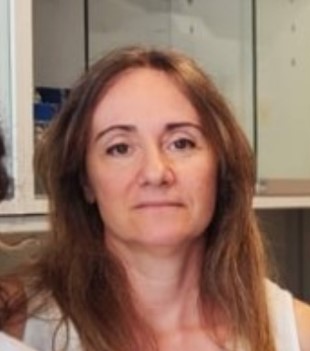
Mónica Amblar Esteban
Research Scientist
ORCID code: 0000-0003-3530-615X
Dr. Mónica Amblar obtained her degree in Biology in 1993 and her PhD in 2000 from the Complutense University of Madrid. She did her doctoral thesis in the laboratory of Dr. Paloma López at the Centro de Investigaciones Biológicas of CSIC. Subsequently, she worked for 5 and half years at the Instituto de Tecnología Química e Biológica/Universidade Nova de Lisboa, Oeiras (Portugal) in the laboratory of Prof. Cecilia M. Arraiano. After this postdoctoral stage he rejoined the Centro de Investigaciones Biológicas del CSIC where he worked for 2 years as a Postdoctoral Researcher in the laboratory of Dr. Paloma López. Subsequently, he joined the National Microbiology Center of the ISCIII with a Ramón y Cajal contract and in 2010 he obtained a position as a Full Scientist at the same center.
-
Victor Arribas Antón
Contratado posdoctoral
ORCID code: 0000-0002-6079-8988
PhD in Functional Biology and Genomics from the University of Salamanca (2019) under the supervision of Dr. Pilar Pérez and Dr. Pedro Coll. He completed a short-term predoctoral fellowship at the University of Glasgow in Glasgow Polyomics (United Kingdom). In 2020, he obtained a Torres Quevedo postdoctoral fellowship to support the hiring of early-career PhD researchers in industry, focusing on the production of recombinant antibodies with therapeutic applications. In 2022, he received a Margarita Salas postdoctoral fellowship to carry out a long-term research stay at the Complutense University of Madrid, where he worked on identifying novel antifungal targets for C. albicans using proteomics. In 2025, he joined ISCIII at National Center for Microbiology under a contract funded by a European project.
-
Elena García Bodas
Ayudante de investigación
-

Almudena Cascajero Díaz
Técnico de laboratorio
ORCID code: 0000-0002-9654-3100
Técnico Superior de Actividades Técnicas y Profesionales (Unidades de Inmunopatología del SIDA y Legionella, Centro Nacional de Microbiología). Clinical Diagnostic Laboratory Technician by IES Renacimiento de Madrid.
Experience in cloning techniques and characterization of neutralizing antibodies and participation in different projects on the pathogenesis of HIV by studying the viral envelope and the mechanisms of resistance to antiretroviral drugs. This experience has subsequently allowed me to participate in 5 multicenter clinical studies studying the immune response against different variants of SARS-CoV-2.
Since 2021, I also participate as a laboratory technician in the Legionella Unit as a support to the Spanish National Health System through the microbiological surveillance of the disease to contribute to the prevention and control of legionellosis.
-

María José Ferrándiz Avellano
Research Scientist
ORCID code: 0000-0003-1428-9506
Dr. María José Ferrández obtained her degree in Biology in 1990 and her PhD in 1997 from the Complutense University of Madrid. She completed her doctoral thesis at the Centro de Investigaciones Biológicas of CSIC in the laboratory of Dr. Miguel Vicente. She completed her postdoctoral training at the Centro Nacional de Microbiología of Instituto de Salud Carlos III (1998-2001 and 2003-2006) and at the Institute of Infection and Immunity (University of Nottingham) from 2001- 2003. From 2007 to 2015, she participated as a researcher of the CIBER of Respiratory Diseases (CIBERES). Since 2006, she is a Full Scientist at the National Microbiology Center of the ISCIII.
-
-
Ramón Luis Díaz-Regañón Fernández
Facultativo
Licenciado en Veterinaria.
-
-
-

Juana María González Rubio
Científica Titular
ORCID code: 0000-0001-6979-2964
La Dra. Juana María González Rubio es Licenciada en Bioquímica por la Universidad de Salamanca y Doctora por la Facultad de Medicina de la Universidad Autónoma de Madrid. Actualmente, es Científico Titular de plantilla en el Centro Nacional de Microbiología del Instituto de Salud Carlos III (ISCIII), donde trabaja en la Unidad de Legionella del Laboratorio de Referencia e Investigación en Enfermedades Bacterianas transmitidas por agua y alimentos.
Dentro del laboratorio, realiza las actividades propias del Programa de Vigilancia Microbiológica de Legionella, y lleva las líneas de investigación del laboratorio sobre la caracterización de biofilms y la puesta a punto de nuevas técnicas para la caracterización de Legionella. También forma parte del equipo investigador del proyecto “Búsqueda de marcadores de patogenicidad para el análisis de riesgos en las instalaciones".
Anteriormente, ha trabajado en la Unidad de Biomonitorización humana del Centro Nacional de Sanidad Ambiental (ISCIII) participando en diferentes proyectos de investigación relacionados con la Sanidad Ambiental, siendo el último más destacado el proyecto “HBM4EU" en el que ha trabajado hasta junio de 2023.
-
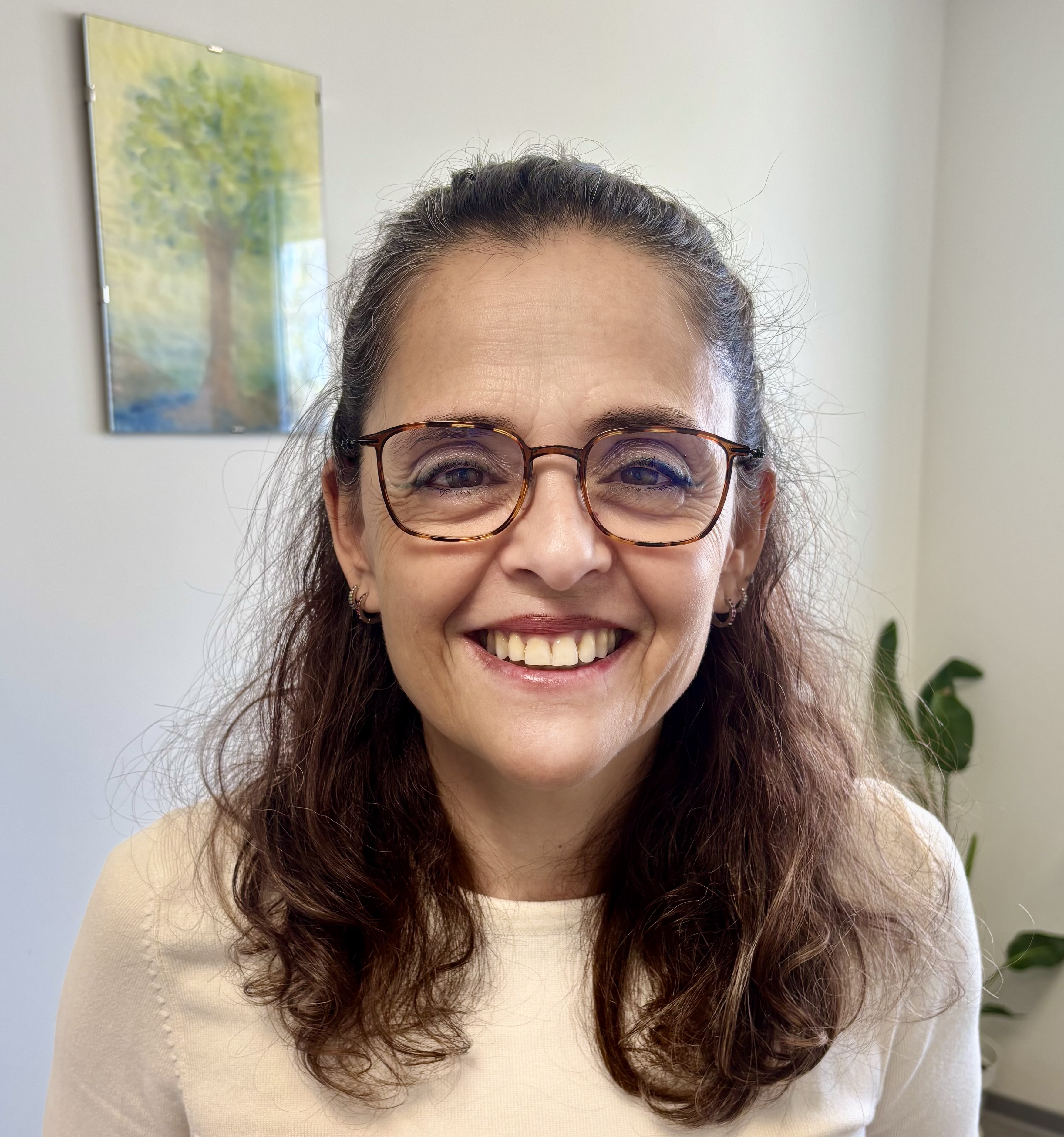
María Dolores Pérez Vázquez
Científica Titular OPI
Licenciada y doctora en Farmacia (Universidad de Santiago de Compostela, Universidad Complutense de Madrid). Especialista en Microbiología y Parasitología clínicas (F.I.R.). Mi trayectoria investigadora se ha centrado en la resistencia a los antibióticos y la epidemiología de patógenos resistentes, desarrollándose principalmente en el Centro Nacional de Microbiología (ISCIII), así como en el ámbito hospitalario (HU Ramón y Cajal) y en el Wellcome Sanger Institute (Cambridge). Desde 2012, tras mi formación en bioinformática, he consolidado una línea de investigación basada en la secuenciación masiva (WGS) aplicada a la vigilancia microbiológica, promoviendo la creación de la RedLabRA para la vigilancia nacional de bacterias multirresistentes. Mi producción científica alcanza 111 publicaciones (7056 citas; h-index 39/36) y he destacado por integrar investigación, vigilancia y transferencia al Sistema Nacional de Salud, junto con una sólida actividad docente y formadora.
-
Maria Jesús Perteguer Prieto
Investigadora Titular, Jefa de grupo
-





List of staff
Información adicional
The activities of the HIV viral and biology unit (UBVVIH) include research, service to the National Health System (NHS) and the administration of Justice and teaching. Its main lines of research are molecular epidemiology and HIV-1 phylogeny, in which the UBVVIH has carried out numerous national and international collaborations, focusing on the identification of viral genetic forms and the study of their correlations with epidemiological variables. Related lines are phylodynamics and phylogeography, which study the origin and dynamics of growth and spread of HIV-1 variants. Such studies can be used to better understand the evolution of the epidemic and to plan public health actions.
The UBVHIV also produces and characterises primary isolates and functional clones of the envelope of various genetic forms of HIV-1, which are deposited in repositories and used by numerous international groups. Other lines of research are described in the corresponding section. In terms of service to the NHS, the UBVVIH carries out antiretroviral resistance tests and prediction of tropism as a therapeutic guide in HIV-1 infected patients. As for its collaboration with the Justice Administration, the UBVVIH carries out expert opinions through phylogenetic studies of sequences for legal cases of possible HIV transmissions.
The current director of CNM is Dr. José Miguel Rubio Muñoz.
Dr. José Miguel Rubio has a degree in Biological Sciences from the Universidad Autónoma de Madrid (1986) and a PhD in Biological Sciences from the same university (1992). He carried out his doctoral thesis at the Department of Genetics of the Universidad Autónoma de Madrid, as Associate Professor (1988-1989), and at the School of Biology of the University of East Anglia in Norwich, UK, as Senior Research Assistant (1989-1992).
During his postdoctoral period he obtained a grant from the European Commission within the Human Capital and Mobility Program to be carried out at the University of “La Sapienza” in Rome, Italy and the Institute of Molecular Biology and Biotechnology in Crete, Greece (1993-1994). Subsequently, he made a further stay funded by the WHO and the university itself at the Department of Entomology, Wageningen University, The Netherlands (1994-1996).
Since 1997 he has been a member of the Instituto de Salud Carlos III (ISCIII), where he joined the Department of Parasitology of the National Center of Microbiology, as an EU-INCO postdoctoral fellow and later with a grant from the Autonomous Community of Madrid (CAM). She was part of the founding group of the National Center for Tropical Medicine (2003-2006) and of the 24/7 Alerts and Emergencies Unit (2006-2018) and is currently Head of the Malaria and Emerging Parasitosis Unit of the National Microbiology Center and is part, as research staff, of the Center for Biomedical Research Network on Infectious Diseases (CIBERINFEC/ISCIII).
During his scientific career he has been Visiting Scientist at the Leonidas e Marie Dean Center (FIOCRUZ-AMAZONAS, Manaus, Brazil) and is an External Consultant of the Parasitology Departments of Cairo University (Egypt) and the Medical Research Center (MRC) of Kuala Lumpur (Malaysia). He also belongs or has belonged to different national and international committees: Member of the expert group for malaria control of the European Centre for Disease Control (ECDC) since 2011; Expert-Evaluator for health programs of the European Commission since 2004; Spanish Representative (commissioned by ISCIII and MSC) in the Technical Scientific Committee of the TDR (WHO) 2007-2008; Spanish Deputy Focal Point for microbiology at the European Centre for Disease Control (ECDC) from 2012 to 2020; and, member of the Research Ethics Committee of ISCIII until 2019.
In this period he has published more than 100 articles in international indexed journals, 10 book chapters and has been co-editor of two books in the area of malaria, tropical medicine and neglected diseases. He has participated in 58 competitively funded research projects, 20 of them international, having been the principal investigator in 8 national and 11 international projects as PI of the project or WP leader. In addition, he has led five agreements with companies. Currently he has been awarded four sexenios of research, being presented this year 2025 to the fifth. In the teaching field, he participates in different postgraduate programs in the areas of microbiology and parasitology, having directed seven doctoral theses and more than 20 Master's or Degree final projects, both nationally and internationally.
El laboratorio de Referencia e Investigación en Resistencia a Antibióticos ofrece una amplia cartera de servicios al Sistema Nacional de Salud, las cuales pueden solicitarse en cnm-laboratorios.isciii.es. Jefe del Laboratorio: Jesús Oteo Iglesias (Punto focal Nacional de Resistencia antibiótica).
Dispone de dos programas de Vigilancia oficiales y gratuitos que engloban los ensayos ofertados ya sea como aislamientos individuales o mediante estudio de brotes. El Laboratorio utiliza asimismo técnicas de PCR en tiempo real para la detección de genes de resistencia, estas técnicas se han adaptado a un formato multiplex que permite detectar varios genes en la misma reacción. En los últimos años se han incluido metodologías basadas en la secuenciación de genomas completos para el análisis de bacterias multiresistentes (WGS).
Programa de vigilancia de Haemophilus influenzae. Responsables: María Pérez Vázquez (Punto focal Nacional de Haemophilus influenzae) y Belén Aracil. Laboratorio encargado de la identificación, estudio de sensibilidad y análisis genotípico de aislados de Haemophilus influenzae, centrándose esencialmente en la patología invasiva debida este patógeno.
Programa de vigilancia de Resistencia a Antibióticos. Responsables: María Pérez Vázquez y Belén Aracil (Punto focal Nacional de Resistencia antibiótica). Laboratorio encargado de la identificación, el estudio de sensibilidad antibiótica, y el diagnóstico fenotípico y genotípico de los diferentes mecanismos de resistencia a antibióticos fundamentalmente en enterobacterias y gram-negativos no fermentadores y Enterococcus spp.
Estudio de brotes. Responsables: Belén Aracil y María Pérez Vázquez. El programa incluye la caracterización de brotes nosocomiales y clones emergentes de alto riesgo mediante diferentes técnicas moleculares (tabla resumen). Éstas, nos permiten realizar estudios filogenéticos con el fin de obtener una información detallada acerca la relación entre los diferentes aislados y su trazabilidad. El objetivo final es generar datos que se transfieren a los hospitales como ayuda para la prevención o control de la propagación del brote.
Acreditación y Calidad. Responsable: Belén Aracil. El laboratorio Referencia e Investigación en Resistencia a Antibióticos ha sido de los primeros en el ISCIII en la utilización de técnicas acreditadas por la Entidad Nacional de Acreditaciones (ENAC). Este laboratorio consiguió la primera acreditación homologada de técnicas diagnósticas en 2012, programa que ha sido ampliado, de manera que en la actualidad más de la mitad de las técnicas ofrecidas al Sistema Nacional de Salud están debidamente acreditadas por ENAC.
Técnicos responsables de las técnicas realizadas en el Laboratorio: Noelia Lara Fuella y Verónica Bautista Sánchez.
En la siguiente imagen se resumen las técnicas ofrecidas al Sistema Nacional de Salud.
| PROGRAMAS | NOMBRE CARTERA SERVICIO | PATÓGENO | DETERMINACIÓN, DETECCIÓN, ANÁLISIS | MÉTODOS |
|
Programa de vigilancia de Haemophilus Programa de vigilancia de resistencia a antibióticos. |
Identificación bacteriana |
Haemophilus sp. Enterobacterias, gram-negativos no fermentadores, Enterococcus spp |
Identificación bacteriana |
Bioquímicos MALDI TOF Secuenciación de RNAr |
| | Identificación capsular |
Haemophilus influenzae
|
Identificación capsular fenotípica y genotípica |
Aglutinación serológica en latex PCR ind/multiplex |
| | Determinación de Sensibilidad |
Haemophilus sp. Enterobacterias, gram-negativos no fermentadores, Enterococcus
|
Determinación de Sensibilidad |
Microdilución Tiras epsilon Kirby Bauer |
| | Métodos fenotípicos de detección de mecanismos de resistencia |
Enterobacterias, gram-negativos no fermentadores,
|
Métodos fenotípicos de detección de mecanismos de resistencia |
Discos y tabletas combinados con inhibidores Tiras combinadas Test de Hodge modificado CabaNP Inmunocromatografía CBP |
| | Métodos genotípicos de detección de mecanismos de resistencia |
Haemophilus sp. Enterobacterias, gram-negativos no fermentadores, Enterococcus
|
ADN, PCR y secuenciación |
PCR ind/multiplex Análisis comparativo de las secuencias |
| | Tipificación molecular/análisis filogenéticos |
Haemophilus sp. Enterobacterias, gram-negativos no fermentadores, Enterococcus
|
Corte enzimas de restricción, electroforesis ADN, PCR y secuenciación Preparación de librerías y secuenciación y análisis de genomas completos |
PFGE
MLST
WGS |