



We protect your health through science

Investigación
HIV Biology and Variability
Líneas de investigación
Content with Investigacion .
The Immunobiology group has been working for years on the following lines of research:
1) The mechanisms of haematopoietic cell generation throughout ontogeny and the influence that the first haematopoietic cells exert on the innate and adaptive immune system present in the adults. We have identified and characterised a new population of B lymphocytes called B1-Rel (B220lo), which produce high levels of natural IgG/IgA antibodies. We sought to understand their role in the immune response in animal models of infection, analysing their impact on immune cell populations and on the production of soluble mediators (cytokines and immunoglobulins). In this regard, we have evaluated the generation of embryonic megakaryocytes (and their differentiation niches), their functionality and that of platelets, and their influence on haematopoietic development. For lymphoid populations, we have carried out extensive characterisation by flow cytometry and single cell RNA sequencing (scRNAseq) methodology. To carry out these cellomic studies, we have designed complex panels for use in multiparametric phenotypic analysis, and single cell cytometry and RNAseq omics technologies on purified cell populations.

In parallel, we are interested in understanding local immune responses in respiratory infections at times of particular susceptibility due to the fragility of the immune system (childhood and old age), both in mouse animal models, which allow their manipulation, and in humans.
2) Mouse models studied during neonatal life, in which we evaluated the effect of antibiotic (AB) treatment and addressed the role of TLR receptors in innate, pseudo-innate and adaptive immune cell populations. In these models, we observed that AB administration was able to modulate B-lymphoid populations, as well as their ability to secrete proinflammatory cytokines in culture and their differentiation into plasma cells, with differentiated immunoglobulin repertoires. Furthermore. These effects were mediated through the Toll-like receptor-2 (TLR2).

3) Mouse models with accelerated senescence (SAMP8) and senescent animals (over 20 months of age) to map lymphoid populations and soluble mediators of the immune response (immunoglobulins and cytokines). In these models, the B lymphoid populations (B1Rel and marginal zone B lymphocytes) are observed to be altered, accompanied by an increase in IgG1 with great restriction of their VDJ repertoires.

4) Role of the B1Rel population in animal models of local or systemic infection. We analysed the response to Streptoccoccus pneumoniae (SPN) locally in the lung and systemically in the spleen, as well as the role of TLR4 in these responses.

5) In humans, we are studying immune responses in children with respiratory syncytial virus (RSV) viral primo-infection. In this case we studied the immune response that occurs locally in the nasal mucosa (by analysis of nasal washings, NW) in a cohort of infected children versus healthy controls, stratified by age. We found that lymphomyeloid cells accumulate in these nasal washings in patients with diverse lymphocyte populations, as well as cytokines and immunoglobulins.

6) Analysis and characterisation of extracellular vesicles produced during respiratory infection both in lung supernatants from models of SPN infection and in LN in the case of children with RSV infection.

7) In parallel, we carry out studies of the genetic rearrangements of immunoglobulins and their use in the generation of chimeric receptors for possible use in immunotherapy.
Publicaciones destacadas
Invasive Streptococcus pyogenes disease in Spain: a microbiological and epidemiological study covering the period 2007-2019
Villalón P, Sáez-Nieto JA, Rubio-López V, Medina-Pascual MJ, Garrido N, Carrasco G, Pino-Rosa S, Valdezate S. (2021). Invasive Streptococcus pyogenes disease in Spain: a microbiological and epidemiological study covering the period 2007-2019. Eur J Clin Microbiol Infect Dis. 2021 Nov;40(11):2295-2303
PUBMED DOICharacterization of Trichuris muris secreted proteins and extracellular vesicles provides new insights into host-parasite communication.
Eichenberger RM, Talukder MH, Field MA, Wangchuk P, Giacomin P, Loukas A, Sotillo J. Characterization of Trichuris muris secreted proteins and extracellular vesicles provides new insights into host-parasite communication. J Extracell Vesicles. 2018 Jan 21;7(1):1428004.
PUBMED DOIGuiding the humoral response against HIV-1 toward a MPER adjacent region by immunization with a VLP-formulated antibody-selected envelope variant
Beltran-Pavez C, Ferreira CB, Merino-Mansilla A, Fabra-Garcia A, Casadella M, Noguera-Julian M, Paredes R, Olvera A, Haro I, Brander C, Garcia F, Gatell JM, Yuste E, Sanchez-Merino V; PLoS One. 2018 Dec 19;13(12):e0208345
PUBMED DOIGlobal Meningococcal Initiative: Insights on antibiotic resistance, control strategies and advocacy efforts in Western Europe
Borrow R, Campbell H, Caugant DA, Cherkaoui A, Claus H, Deghmane AE, Dinleyici EC, Harrison LH, Hausdorff WP, Bajanca-Lavado P, Levy C, Mattheus W, Mikula-Pratschke C, Mölling P, Sáfadi MA, Smith V, van Sorge NM, Stefanelli P, Taha MK, Toropainen M, Tzanakaki G, Vázquez J. . J Infect. 2024; 89(6): 106335
PUBMED DOIDissociation of actin polymerization and lipid raft accumulation by ligation of the Inducible Costimulator (ICOS, CD278)
6. Y. Acosta, G. Ojeda, M. P. Zafra, I. Seren-Bernardone, A. Sánchez, U. Dianzani, P. Portolés y J. M. Rojo. Dissociation of actin polymerization and lipid raft accumulation by ligation of the Inducible Costimulator (ICOS, CD278). Inmunología, 2012, 31 (1): 4-12.
DOIGenetic Characterization of Brucella spp.: Whole Genome Sequencing-Based Approach for the Determination of Multiple Locus Variable Number Tandem Repeat Profiles
Pelerito A, Nunes A, Grilo T, Isidro J, Silva C, Ferreira AC, Valdezate S, Núncio MS, Georgi E, Gomes JP. (2021) Genetic Characterization of Brucella spp.: Whole Genome Sequencing-Based Approach for the Determination of Multiple Locus Variable Number Tandem Repeat Profiles. 2021. Front Microbiol. 12;12:740068
PUBMED DOIEvaluation of onchocerciasis seroprevalence in Bioko Island (Equatorial Guinea) after years of disease control programmes.
Hernández-González A, Moya L, Perteguer MJ, Herrador Z, Nguema R, Nguema J, Aparicio P, Benito A, Gárate T. Evaluation of onchocerciasis seroprevalence in Bioko Island (Equatorial Guinea) after years of disease control programmes. Parasit Vectors. 2016 Sep 20;9(1):509.
PUBMED DOIToll-like receptors in acute kidney injury
Vázquez-Carballo C, Guerrero-Hue M, García Caballero C, Rayego-Mateos S, Opazo-Rios L, Morgado-Pascual JL, Herencia-Bellido C, Vallejo-Mudarra M, Cortegano I, Gaspar ML, de Andrés B, Egido J, Moreno-Gutiérrez JA. Int J Mol Sci. 2021 Jan; 22(2): 816.
PUBMED DOICARB-ES-19 Multicenter Study of Carbapenemase-Producing Klebsiella pneumoniae and Escherichia coli From All Spanish Provinces Reveals Interregional Spread of High-Risk Clones Such as ST307/OXA-48 and ST512/KPC-3.
6. CARB-ES-19 Multicenter Study of Carbapenemase-Producing Klebsiella pneumoniae and Escherichia coli From All Spanish Provinces Reveals Interregional Spread of High-Risk Clones Such as ST307/OXA-48 and ST512/KPC-3. Autores: Cañada-García JE, Moure Z, Sola-Campoy PJ, Delgado-Valverde M, Cano ME, Gijón D, González M, Gracia-Ahufinger I, Larrosa N, Mulet X, Pitart C, Rivera A, Bou G, Calvo J, Cantón R, González-López JJ, Martínez-Martínez L, Navarro F, Oliver A, Palacios-Baena ZR, Pascual Á, Ruiz-Carrascoso G, Vila J, Aracil B, Pérez-Vázquez M, Oteo-Iglesias J; GEMARA/GEIRAS-SEIMC/REIPI CARB-ES-19 Study Group. Revista: Front Microbiol. 2022 Jun 30;13:918362.
DOIDetection of Broadly Neutralizing Activity within the First Months of HIV-1 Infection
Sanchez-Merino V, Fabra-Garcia A, Gonzalez N, Nicolas D, Merino-Mansilla A, Manzardo C, Ambrosioni J, Schultz A, Meyerhans A, Mascola JR, Gatell JM, Alcami J, Miro JM, Yuste E; J Virol. 2016 May 12;90(11):5231-5245
PUBMED DOIPotential implication of azole persistence in the treatment failure of two haematological patients infected with Aspergillus fumigatus
Peláez-García de la Rasilla T, Mato-López A, Pablos-Puertas CE, González-Huerta AJ, Gómez-López A, Mellado E, Amich J. Journal of Fungi, 2023 Jul 30;9(8):805.
PUBMED DOIMeningococcal disease in the Middle East: A report from the Global Meningococcal Initiative
Al-Abri SS, Abuhasan MY, Albayat SSA, Bai X, Bastaki H, Borrow R, Caugant DA, Dbaibo G, Deghmane AE, Dinleyici EC, Ghuneim N, Sheek-Hussein M, Lucidarme J, Leng S, Koliou MG, Sáfadi MAP, Salman JA, Al-Sanouri T, Smith V, Taha MK, Vázquez J, Wright C, Yezli S. J Infect. 2024; 88(2):71-76.
PUBMED DOIComplement regulatory protein Crry/p65 costimulation expands natural Treg cells with enhanced suppressive properties in proteoglycan-induced arthritis.
7. Ojeda G., Pini E., Eguiluz C., Montes-Casado M., Broere F., van Eden W., Rojo J.M., and Portolés P. Complement regulatory protein Crry/p65 costimulation expands natural Treg cells with enhanced suppressive properties in proteoglycan-induced arthritis. Arthritis Rheum. 2011 Jun;63(6):1562-72.
PUBMED DOISaezia sanguinis gen. nov., sp. nov., a Betaproteobacteria member of order Burkholderiales, isolated from human blood
Medina-Pascual MJ, Monzón S, Villalón P, Cuesta I, González-Romo F, Valdezate S. (2020). Saezia sanguinis gen. nov., sp. nov., a Betaproteobacteria member of order Burkholderiales, isolated from human blood. Int J Syst Evol Microbiol.70:2016-25.
PUBMED DOIChanges in protein expression after treatment with Ancylostoma caninum excretory/secretory products in a mouse model of colitis.
Sotillo J, Ferreira I, Potriquet J, Laha T, Navarro S, Loukas A, Mulvenna J. Changes in protein expression after treatment with Ancylostoma caninum excretory/secretory products in a mouse model of colitis. Sci Rep. 2017 Feb 13;7:41883.
PUBMED DOIContent with Investigacion .
-
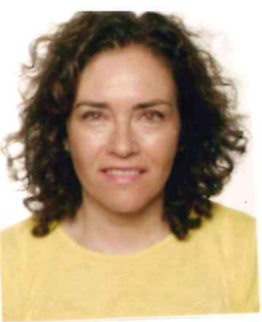
Belén de Andrés Muguruza
Research Scientist
ORCID code: 0000-0002-7391-2823
Graduated in Biology in 1987 and PhD in 1992 from the Autonomous University of Madrid. He completed his doctoral thesis in the laboratory of Dr. Carlos Lahoz in the Immunology department of the Jiménez Díaz Foundation with a pre-doctoral stay at the Institute Curie in Paris, in the laboratory of Dr. Wolf H. Fridman. Subsequently, he completed a two-year postdoctoral stay in the Department of Pathology of the College of Medicine at the University of Iowa, USA, in the laboratory of Dr. Richard G. Lynch. After a year as an Adjunct in the Immunology department of the Jiménez Diaz Foundation, she worked for 2 years with a reinstatement contract from the Ministry of Science in the Immunobiology department of the CNM/ISCIII in the laboratory of Dr. Mª Luisa Gaspar and later with a Ramón y Cajal contract. In 2006 she obtained a position as Staff Senior Scientist.
-
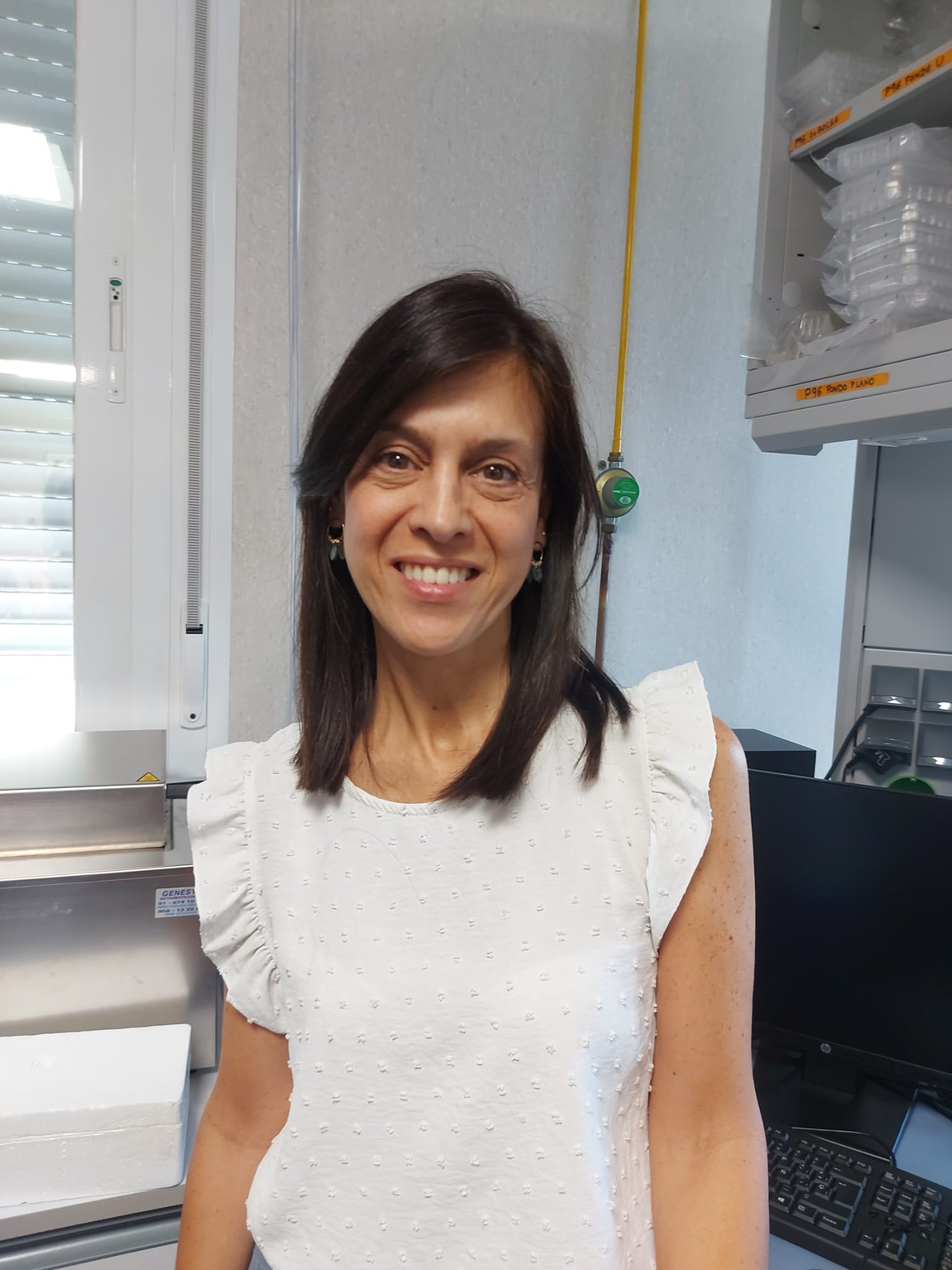
Isabel Cortegano Jimeno
Research Scientist
ORCID code: 0000-0002-6504-6347
Graduated in Biology in 1995 (Specialty in Biochemistry and Molecular Biology) and PhD in 1999 from the Autonomous University of Madrid. He completed his doctoral thesis at the Jiménez Díaz Foundation in the Immunology laboratory directed by Dr. Carlos Lahoz. Later he obtained a postdoctoral fellowship in the Immunobiology laboratory of Dr. Mª Luisa Gaspar at the National Center of Microbiology (CNM) of the Carlos IIII Health Institute (ISCIII) (2002-2006). He then enjoyed an I3P contract from the CSIC in the laboratory of Professor Miguel Ángel Rodríguez-Marcos (2007-2009). She has been a researcher associated with research projects in the ISCIII Immunobiology laboratory during the years 2010-2018. Since 2018 she has been an associate professor in the Department of Cell Biology of the UCM Faculty of Medicine. He coordinates the scientific dissemination group of the Spanish Society of Immunology (GESEI), is part of the editorial committee of the SEI magazine and is a member of the board of the CAM Immunology Society. She is a Senior Scientist of the ISCIII at the National Center for Microbiology since 2020.
-

María Luisa Gaspar Alonso-Vega
Research Professor
ORCID code: 0000-0001-9858-3862
Dr. María Luis Gaspar Alons-Vega graduated in 1980 and obtained her PhD in 1985 in Medicine and Surgery from the Autonomous University of Madrid. She completed the specialty of Immunology (1981-1985), and her doctoral thesis under the direction of Dr. Carmen Gutierrez, in the Immunology laboratory of the Puerta de Hierro Clinic directed by Dr. Miguel Kreisler. She completed a predoctoral stay in the Cytogenetics Laboratory of the National Institute of Autoimmune, Diabetes, Digestive and Kidney Diseases (NIDDK, NIH), under the supervision of Dr. JH Tjio and Dr. E. Raveché. She joined the Immunology Service of the National Center for Health Microbiology, Virology and Immunology (CNMVIS, AISNA and later ISCIII) as a Physician-Specialist in 1986, in the Immunology Laboratory directed by Dr. Alfredo Toraño. She completed a postdoctoral stay (1989-1991) at the Immunogenetics Unit of the Pasteur Institute (Paris) directed by Dr. T. Meo. From 1991 to 2006 she was Head of the Immunology Section successively at the CNMVIS, at the National Center for Fundamental Biology (CNBF-ISCIII) and at the National Center for Microbiology (CNM-ISCIII). From 2006 to 2016 she has been a Senior Researcher and Senior Scientist of OPIs, in the Immunobiology laboratory of the CNM-ISCIII. From 2016 to 2018 she was a Scientific Researcher at OPIs and since 2018, she is a Research Professor at OPIs at the CNM.
-

Carolina Ruiz Sánchez
Specialized Technician
ORCID code: 0000-0002-2177-8132
Graduated in Chemical Sciences (biochemistry specialty) in 1998 and PhD in 2022 from the Complutense University of Madrid. In 2008 he joined the OPIS Assistant in the Immunobiology laboratory of the National Center for Microbiology of the ISCIII, specializing in flow cytometry the first year and subsequently becoming part of the laboratory's technical team. In 2012 he was promoted to Intermediate Level Technician and in 2018 to Higher Specialized Technician of the OPIS, currently occupying this position in the same laboratory.
-
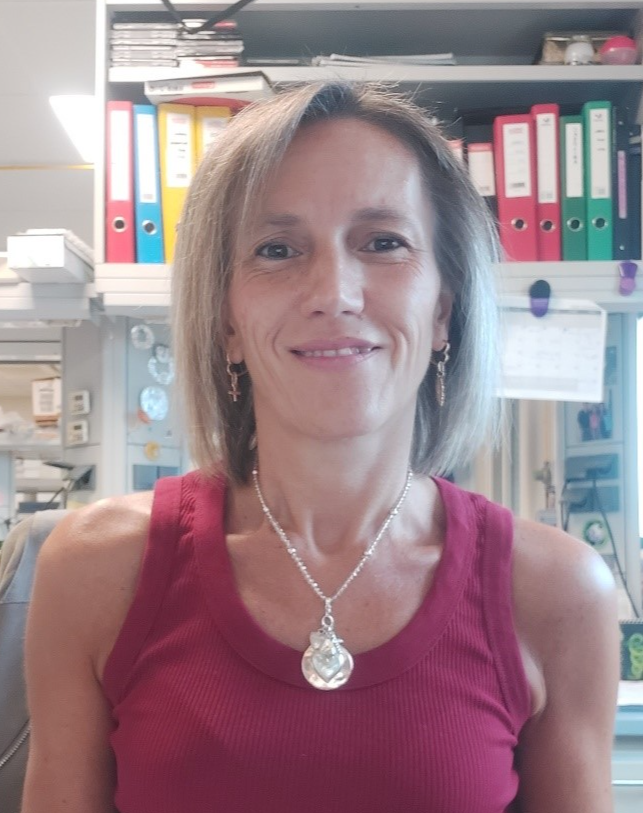
Mercedes Rodríguez García
Specialized Higher Technician
Graduated in Biology from the Complutense University of Madrid in 2003, she began her doctoral studies in the Bone Metabolism laboratory of the La Paz University Hospital.
In 2007 he joined as a Research Assistant at the Carlos III Health Institute, at the CNM, in the Transplant Immunology laboratory. After 5 years, he began working in the Immunobilology laboratory where he was promoted in 2018 to Specialized Technician, in 2024 to Senior Specialized Technician and where he currently continues to develop his professional career. -
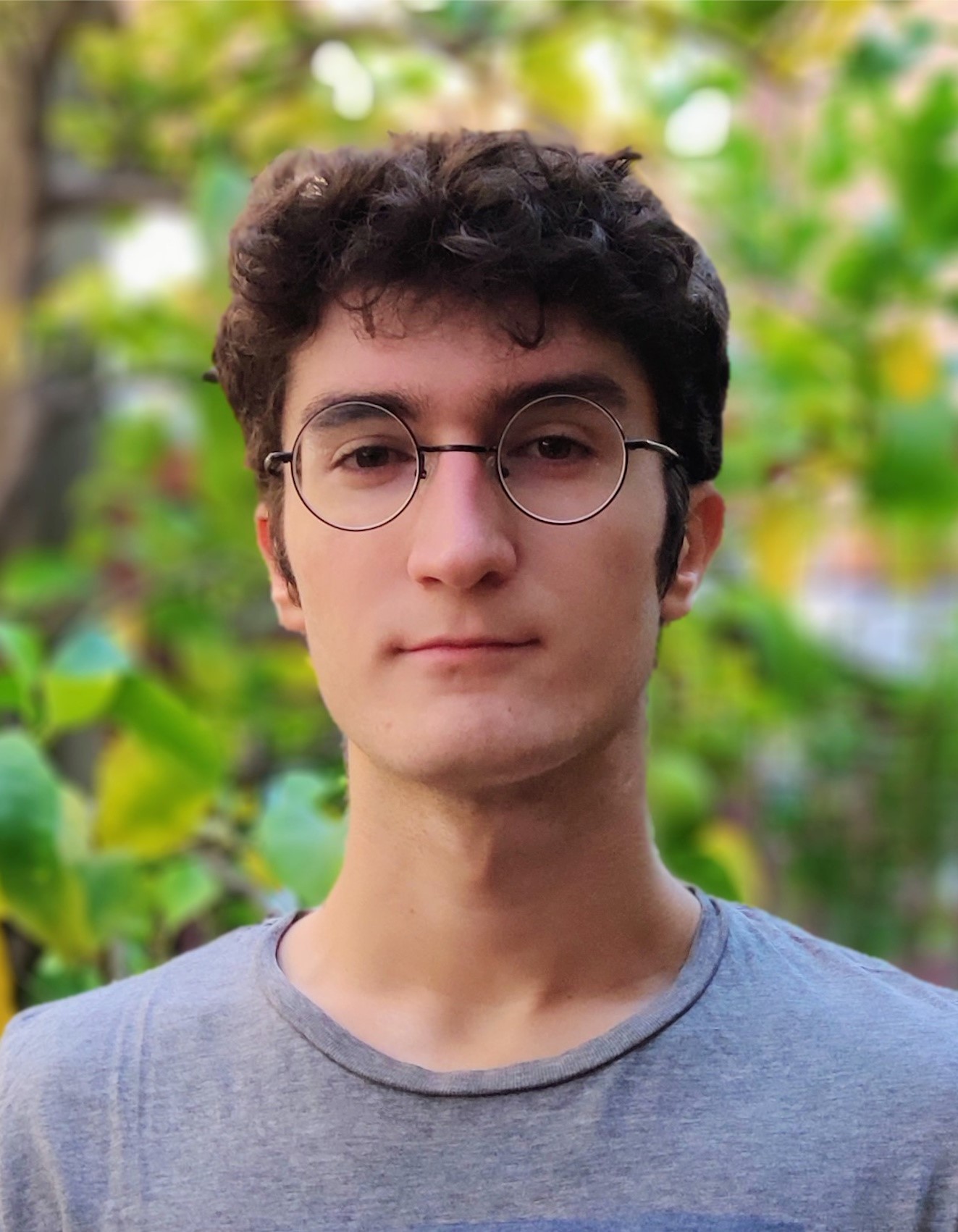
Alejandro Arrabal Sierra
Predoctoral Contract (Industrial Doctorate from CAM / Inmunotek).
ORCID code: 0000-0002-9354-9224
Graduated in Biotechnology in 2021 from the Polytechnic University of Madrid, carrying out his final degree project in the Immunobiology laboratory of the National Microbiology Center of the ISCIII. In 2021, he completed a Master's Degree in Research in Immunology at the Complutense University of Madrid and completed his master's thesis in the same CNM laboratory. Subsequently, he worked for a year as a Research Assistant in the laboratory of Dr. Elena Fernández Ruiz at the Hospital Universitario de la Princesa. Since the end of 2023, he has been a predoctoral fellow in the CNM Immunobiology laboratory with an Industrial Doctorate scholarship from the Community of Madrid in collaboration with the company Inmunotek.




List of staff
Información adicional
The activities of the HIV viral and biology unit (UBVVIH) include research, service to the National Health System (NHS) and the administration of Justice and teaching. Its main lines of research are molecular epidemiology and HIV-1 phylogeny, in which the UBVVIH has carried out numerous national and international collaborations, focusing on the identification of viral genetic forms and the study of their correlations with epidemiological variables. Related lines are phylodynamics and phylogeography, which study the origin and dynamics of growth and spread of HIV-1 variants. Such studies can be used to better understand the evolution of the epidemic and to plan public health actions.
The UBVHIV also produces and characterises primary isolates and functional clones of the envelope of various genetic forms of HIV-1, which are deposited in repositories and used by numerous international groups. Other lines of research are described in the corresponding section. In terms of service to the NHS, the UBVVIH carries out antiretroviral resistance tests and prediction of tropism as a therapeutic guide in HIV-1 infected patients. As for its collaboration with the Justice Administration, the UBVVIH carries out expert opinions through phylogenetic studies of sequences for legal cases of possible HIV transmissions.