



We protect your health through science

Investigación
HIV Biology and Variability
Publicaciones destacadas
Predicted HLA Class I and Class II Epitopes From Licensed Vaccines Are Largely Conserved in New SARS-CoV-2 Omicron Variant of Concern.
López, D. 2022. Predicted HLA Class I and Class II Epitopes From Licensed Vaccines Are Largely Conserved in New SARS-CoV-2 Omicron Variant of Concern. Front Immunol. 13:832889.
PUBMEDGarcia-Arriaza, J., M. Esteban, and D. López. 2021
Garcia-Arriaza, J., M. Esteban, and D. López. 2021. Modified Vaccinia Virus Ankara as a Viral Vector for Vaccine Candidates against Chikungunya Virus. Biomedicines. 9.
PUBMEDCross-Recognition of SARS-CoV-2 B-Cell Epitopes with Other Betacoronavirus Nucleoproteins
Tajuelo, A., M. López-Siles, V. Mas, P. Perez-Romero, J. M. Aguado, V. Briz, M. J. McConnell, A. J. Martín-Galiano, and D. López. 2022. Cross-Recognition of SARS-CoV-2 B-Cell Epitopes with Other Betacoronavirus Nucleoproteins. Int.J.Mol.Sci. 23.
PUBMEDAbundance, Betweenness Centrality, Hydrophobicity, and Isoelectric Points Are Relevant Factors in the Processing of Parental Proteins of the HLA Class II Ligandome.
Lorente, E., A. J. Martín-Galiano, D. M. Kadosh, A. Barriga, J. Garcia-Arriaza, C. Mir, M. Esteban, A. Admon, and D. López. 2022. Abundance, Betweenness Centrality, Hydrophobicity, and Isoelectric Points Are Relevant Factors in the Processing of Parental Proteins of the HLA Class II Ligandome. J.Proteome.Res. 21:164-171.
DOIPrediction of Conserved HLA Class I and Class II Epitopes from SARS-CoV-2 Licensed Vaccines Supports T-Cell Cross-Protection against SARS-CoV-1.
López, D. 2022. Prediction of Conserved HLA Class I and Class II Epitopes from SARS-CoV-2 Licensed Vaccines Supports T-Cell Cross-Protection against SARS-CoV-1. Biomedicines. 10.
PUBMED DOIPredicted Epitope Abundance Supports Vaccine-Induced Cytotoxic Protection Against SARS-CoV-2 Variants of Concern.
Martín-Galiano, A. J., F. Diez-Fuertes, M. J. McConnell, and D. López. 2021. Predicted Epitope Abundance Supports Vaccine-Induced Cytotoxic Protection Against SARS-CoV-2 Variants of Concern. Front Immunol. 12:732693.
PUBMED DOIde la Sota, P. G., E. Lorente, L. Notario, C. Mir, O. Zaragoza, and D. López. 2021. Mitoxantrone Shows In Vitro, but Not In Vivo Antiviral Activity against Human Respiratory Syncytial Virus. Biomedicines. 9.
de la Sota, P. G., E. Lorente, L. Notario, C. Mir, O. Zaragoza, and D. López. 2021. Mitoxantrone Shows In Vitro, but Not In Vivo Antiviral Activity against Human Respiratory Syncytial Virus. Biomedicines. 9.
PUBMED DOILorente, E., M. Marcilla, P. G. de la Sota, A. Quijada-Freire, C. Mir, and D. López. 2021. Acid Stripping after Infection Improves the Detection of Viral HLA Class I Natural Ligands Identified by Mass Spectrometry. Int.J.Mol.Sci. 22.
Lorente, E., M. Marcilla, P. G. de la Sota, A. Quijada-Freire, C. Mir, and D. López. 2021. Acid Stripping after Infection Improves the Detection of Viral HLA Class I Natural Ligands Identified by Mass Spectrometry. Int.J.Mol.Sci. 22.
PUBMED DOIRedondo-Anton, J., M. G. Fontela, L. Notario, R. Torres-Ruiz, S. Rodriguez-Perales, E. Lorente, and P. Lauzurica. 2020. Functional Characterization of a Dual Enhancer/Promoter Regulatory Element Leading Human CD69 Expression. Front Genet. 11:552949.
Redondo-Anton, J., M. G. Fontela, L. Notario, R. Torres-Ruiz, S. Rodriguez-Perales, E. Lorente, and P. Lauzurica. 2020. Functional Characterization of a Dual Enhancer/Promoter Regulatory Element Leading Human CD69 Expression. Front Genet. 11:552949.
PUBMED DOILorente, E., E. Barnea, C. Mir, A. Admon, and D. López. 2020. The HLA-DP peptide repertoire from human respiratory syncytial virus is focused on major structural proteins with the exception of the viral polymerase. J Proteomics. 221:103759.
Lorente, E., E. Barnea, C. Mir, A. Admon, and D. López. 2020. The HLA-DP peptide repertoire from human respiratory syncytial virus is focused on major structural proteins with the exception of the viral polymerase. J Proteomics. 221:103759.
PUBMED DOILorente, E., M. G. Fontela, E. Barnea, A. J. Martín-Galiano, C. Mir, B. Galocha, A. Admon, P. Lauzurica, and D. López. 2020. Modulation of Natural HLA-B*27:05 Ligandome by Ankylosing Spondylitis-associated Endoplasmic Reticulum Aminopeptidase 2 (ERAP2). Mol.Cell Proteomics. 19:994-1004.
Lorente, E., M. G. Fontela, E. Barnea, A. J. Martín-Galiano, C. Mir, B. Galocha, A. Admon, P. Lauzurica, and D. López. 2020. Modulation of Natural HLA-B*27:05 Ligandome by Ankylosing Spondylitis-associated Endoplasmic Reticulum Aminopeptidase 2 (ERAP2). Mol.Cell Proteomics. 19:994-1004.
PUBMED DOIMarquez, A., M. Gomez-Fontela, S. Lauzurica, R. Candorcio-Simon, D. Munoz-Martín, M. Morales, M. Ubago, C. Toledo, P. Lauzurica, and C. Molpeceres. 2020. Fluorescence enhanced BA-LIFT for single cell detection and isolation. Biofabrication. 12:025019.
Marquez, A., M. Gomez-Fontela, S. Lauzurica, R. Candorcio-Simon, D. Munoz-Martín, M. Morales, M. Ubago, C. Toledo, P. Lauzurica, and C. Molpeceres. 2020. Fluorescence enhanced BA-LIFT for single cell detection and isolation. Biofabrication. 12:025019.
PUBMED DOILorente, E., C. Palomo, E. Barnea, C. Mir, V. M. Del, A. Admon, and D. López. 2019a. Natural Spleen Cell Ligandome in Transporter Antigen Processing-Deficient Mice. J.Proteome.Res. 18:3512-3520.
Lorente, E., C. Palomo, E. Barnea, C. Mir, V. M. Del, A. Admon, and D. López. 2019a. Natural Spleen Cell Ligandome in Transporter Antigen Processing-Deficient Mice. J.Proteome.Res. 18:3512-3520.
PUBMEDLorente, E., J. Redondo-Anton, A. Martín-Esteban, P. Guasp, E. Barnea, P. Lauzurica, A. Admon, and J. A. López de Castro. 2019. Substantial Influence of ERAP2 on the HLA-B*40:02 Peptidome: Implications for HLA-B*27-Negative Ankylosing Spondylitis. Mol.Cell Proteomics. 18:2298-2309.
Lorente, E., J. Redondo-Anton, A. Martín-Esteban, P. Guasp, E. Barnea, P. Lauzurica, A. Admon, and J. A. López de Castro. 2019. Substantial Influence of ERAP2 on the HLA-B*40:02 Peptidome: Implications for HLA-B*27-Negative Ankylosing Spondylitis. Mol.Cell Proteomics. 18:2298-2309.
PUBMED DOIBrait, V. H., F. Miro-Mur, I. Perez-de-Puig, L. Notario, B. Hurtado, J. Pedragosa, M. Gallizioli, F. Jimenez-Altayo, M. Arbaizar-Rovirosa, A. Otxoa-de-Amezaga, J. Monteagudo, M. Ferrer-Ferrer, l. R. de, X, E. Bonfill-Teixidor, A. Salas-Perdomo, A. Hernandez-Vidal, P. Garcia-de-Frutos, P. Lauzurica, and A. M. Planas. 2019. CD69 Plays a Beneficial Role in Ischemic Stroke by Dampening Endothelial Activation. Circ.Res. 124:279-291.
Brait, V. H., F. Miro-Mur, I. Perez-de-Puig, L. Notario, B. Hurtado, J. Pedragosa, M. Gallizioli, F. Jimenez-Altayo, M. Arbaizar-Rovirosa, A. Otxoa-de-Amezaga, J. Monteagudo, M. Ferrer-Ferrer, l. R. de, X, E. Bonfill-Teixidor, A. Salas-Perdomo, A. Hernandez-Vidal, P. Garcia-de-Frutos, P. Lauzurica, and A. M. Planas. 2019. CD69 Plays a Beneficial Role in Ischemic Stroke by Dampening Endothelial Activation. Circ.Res. 124:279-291.
DOILópez, D., A. Barriga, E. Lorente, and C. Mir. 2019. Immunoproteomic Lessons for Human Respiratory Syncytial Virus Vaccine Design. J.Clin.Med. 8.
López, D., A. Barriga, E. Lorente, and C. Mir. 2019. Immunoproteomic Lessons for Human Respiratory Syncytial Virus Vaccine Design. J.Clin.Med. 8.
PUBMED DOILorente, E., A. Barriga, E. Barnea, C. Palomo, J. Garcia-Arriaza, C. Mir, M. Esteban, A. Admon, and D. López. 2019. Immunoproteomic analysis of a Chikungunya poxvirus-based vaccine reveals high HLA class II immunoprevalence. PLoS.Negl.Trop.Dis. 13:e0007547.
Lorente, E., A. Barriga, E. Barnea, C. Palomo, J. Garcia-Arriaza, C. Mir, M. Esteban, A. Admon, and D. López. 2019. Immunoproteomic analysis of a Chikungunya poxvirus-based vaccine reveals high HLA class II immunoprevalence. PLoS.Negl.Trop.Dis. 13:e0007547.
PUBMED DOIComputational characterization of the peptidome in transporter associated with antigen processing (TAP)-deficient cells.
Martin-Galiano, A. J. and Lopez, D. (2019) Computational characterization of the peptidome in transporter associated with antigen processing (TAP)-deficient cells. PLoS.ONE. 14, e0210583.
PUBMED DOIProteomics analysis reveals that structural proteins of the virion core and involved in gene expression are the main source for HLA class II ligands in vaccinia virus-infected cells.
Lorente, E., Martin-Galiano, A. J., Barnea, E., Barriga, A., Palomo, C., Garcia-Arriaza, J., Mir, C., Lauzurica, P., Esteban, M., Admon, A., and Lopez, D. (2019) Proteomics analysis reveals that structural proteins of the virion core and involved in gene expression are the main source for HLA class II ligands in vaccinia virus-infected cells. J.Proteome.Res. 18(9):3512-3520
PUBMED DOIContent with Investigacion .
-
Maria Jesús Perteguer Prieto
Investigadora Titular, Jefa de grupo
-

Sara Vázquez Ávila
Técnico de Laboratorio
Obtuve mi título como Técnico de Laboratorio Clínico y Biomédico en el año 2020 y en el 2021obtuve el Grado Superior de Anatomía Patológica y Citodiagnóstico. Trabajé en el Centro Andaluz de Biología Molecular y Medicina Regenerativa (Sevilla) y en el Departamento de Farmacología de la Facultad de Medicina (Universidad Complutense de Madrid). Actualmente soy Técnico de Laboratorio en el Laboratorio de Helmintos del CNM (ISCIII).
-

Javier Sotillo Gallego
Científico Titular
ORCID code: 0000-0002-1443-7233
En el año 2011 obtuve mi título de doctor “cum laude” por la Universidad de Valencia. Durante mi etapa postdoctoral en la James Cook University en Australia (2012-2019) me especialicé en estudiar las interacciones parásito-hospedador usando diferentes técnicas ómicas. En 2019 volví España y comencé a trabajar en el Laboratorio de Helmintos del CNM (ISCIII) primero como Investigador Miguel Servet y más adelante como Investigador Ramón y Cajal. Actualmente soy Científico Titular en el mismo laboratorio.
-

Ana Hernández González
Laboral Fijo Doctor
ORCID code: 0000-0001-6762-8175
Licenciada en Biología y doctora en Enfermedades Tropicales por la Universidad de Salamanca. Puestos ocupados con anterioridad: investigadora predoctoral en el IRNASA-CSIC (contrato JAE predoc), investigadora postdoctoral en el CNM (contrato Sara Borrell) e investigadora contratada como técnico superior en el CNM (RICET). Actualmente, personal Laboral Fijo Doctor en el laboratorio de Helmintos del CNM.
-
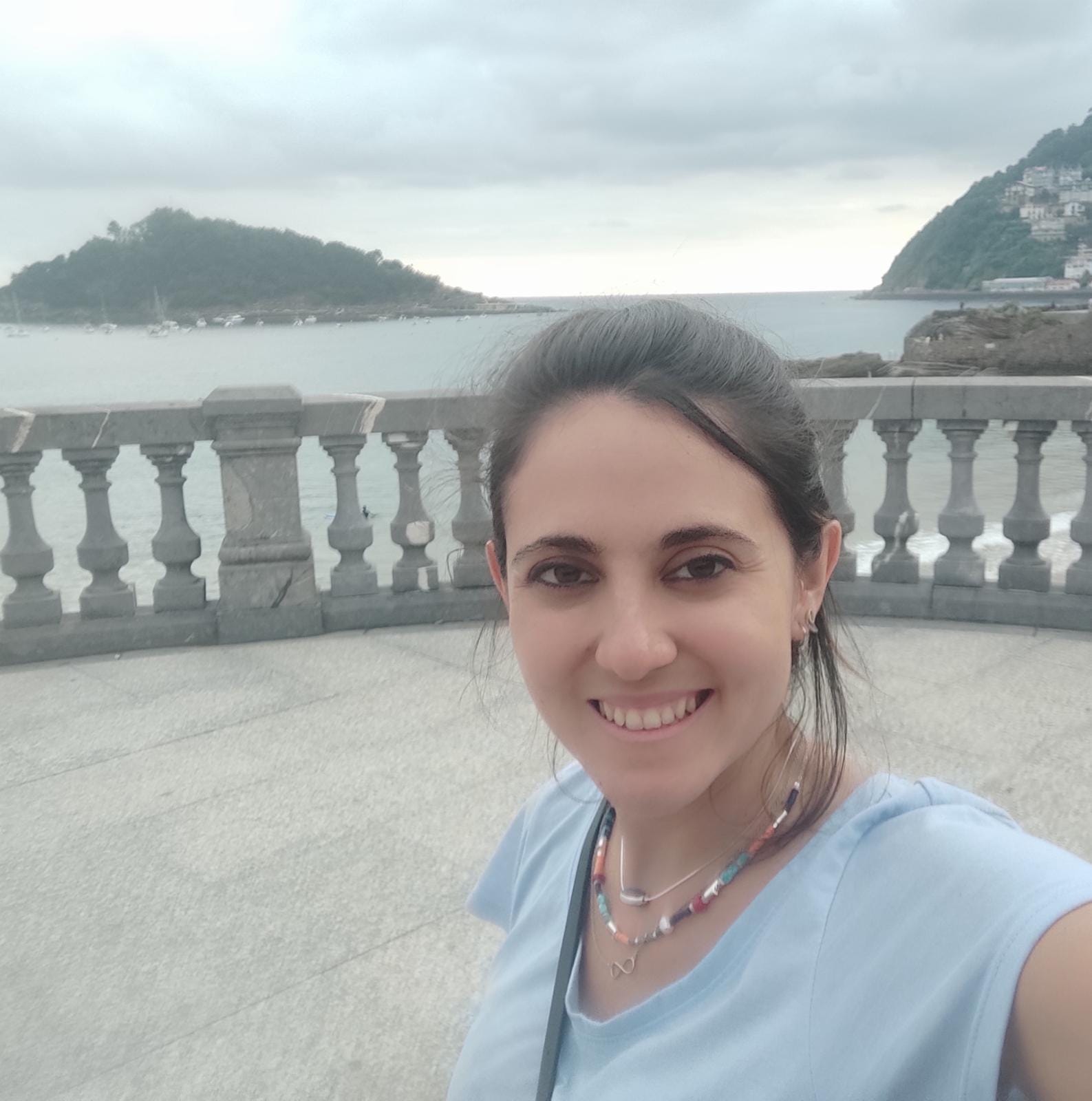
Esther Rodríguez Pérez
Técnico de Laboratorio
ORCID code: 0000-0002-3680-7733
Obtuve mi título como Graduada en Biología Sanitaria en el año 2015 y en el año 2019 obtuve el Grado Superior de Laboratorio de Diagnóstico Clínico. De 2019 a 2022 trabajé en el Museo Nacional de Ciencias Naturales (MNCN-CSIC), en el Departamento de Biogeoquímica y Ecología Microbiana. Actualmente trabajo como Técnico de Laboratorio en el Laboratorio de Helmintos del CNM (ISCIII).
-
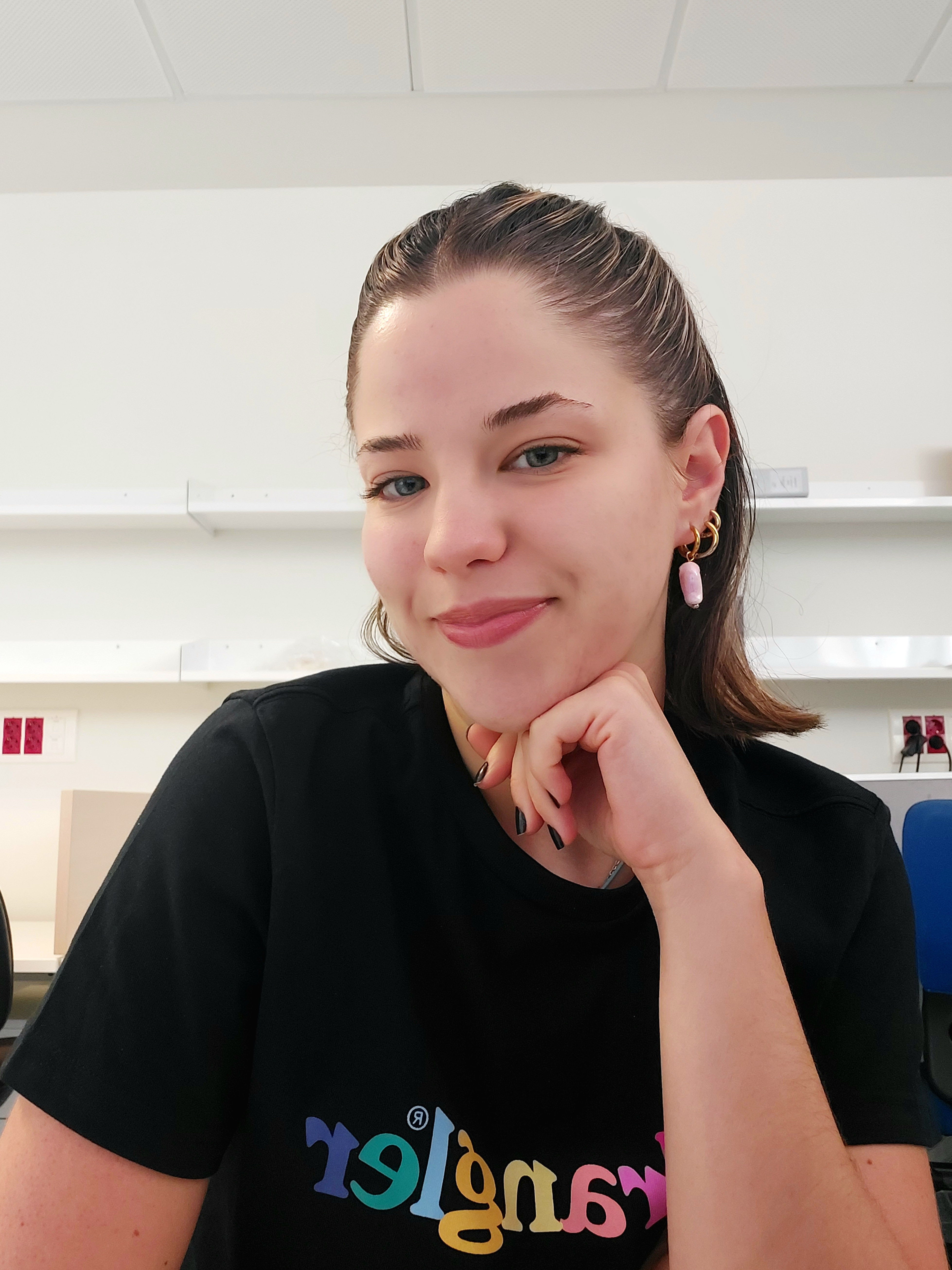
Lourdes Castro Companioni
Ayudante de Investigación
ORCID code: 0009-0003-2746-4067
Bióloga sanitaria graduada en la Universidad de Alcalá de Henares (UAH), con master de Microbiología y Salud pública en la UAH en colaboración con el ISCIII.


List of staff
Información adicional
The activities of the HIV viral and biology unit (UBVVIH) include research, service to the National Health System (NHS) and the administration of Justice and teaching. Its main lines of research are molecular epidemiology and HIV-1 phylogeny, in which the UBVVIH has carried out numerous national and international collaborations, focusing on the identification of viral genetic forms and the study of their correlations with epidemiological variables. Related lines are phylodynamics and phylogeography, which study the origin and dynamics of growth and spread of HIV-1 variants. Such studies can be used to better understand the evolution of the epidemic and to plan public health actions.
The UBVHIV also produces and characterises primary isolates and functional clones of the envelope of various genetic forms of HIV-1, which are deposited in repositories and used by numerous international groups. Other lines of research are described in the corresponding section. In terms of service to the NHS, the UBVVIH carries out antiretroviral resistance tests and prediction of tropism as a therapeutic guide in HIV-1 infected patients. As for its collaboration with the Justice Administration, the UBVVIH carries out expert opinions through phylogenetic studies of sequences for legal cases of possible HIV transmissions.