



We protect your health through science
Investigation
Viral Biology
Research Lines
Content with Investigacion .
Inmunología Microbiana e Inmunogenética
1. Análisis de la respuesta innata de mamíferos en la infección por Leishmania.
2. Caracterización inmunoproteómica en :
a. Streptococcus suis
b. Lactococcus garviae
c. Mycobacterium spp
3. Desarrollo de inmunoensayos analíticos basados en anticuerpos monoclonales (AcM) para detectar y cuantificar antígenos de origen animal, vegetal y microbiano.
4. Desarrollo y caracterización de AcM frente a los componentes del sistema del Complemento. Aplicación diagnóstica.
5. Desarrollo de reactivos de referencia y diseño de inmunoensayos para la evaluación cualitativa y cuantitativa de toxinas clostridiales.
6. Oferta tecnológica de producción de AcM y policlonales frente a substancias de interés industrial y biomédico.
El grupo está interesado en el estudio de la respuesta inmune desde una perspectiva multidisciplinar que incluye aproximaciones bioquímicas, biotecnológicas, genómicas, inmunoinformáticas y proteómicas, que junto con el uso adicional de modelos in vivo se encaminan al diseño de estrategias terapéuticas frente a diversas enfermedades crónicas, infecciosas y raras que poseen un claro componente inmunológico en su etiología.
Las principales líneas de investigación que está desarrollando el grupo en la actualidad son:
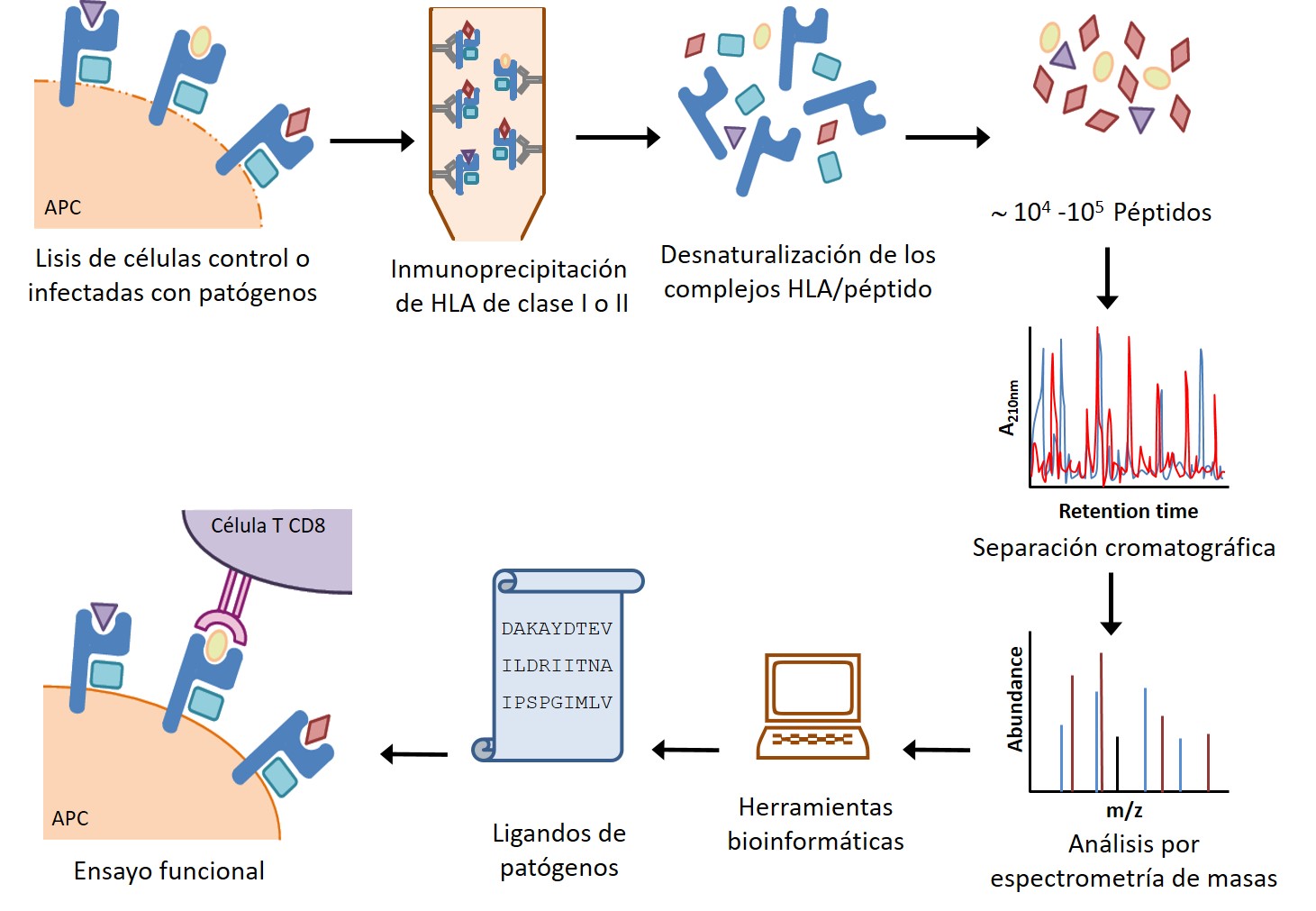
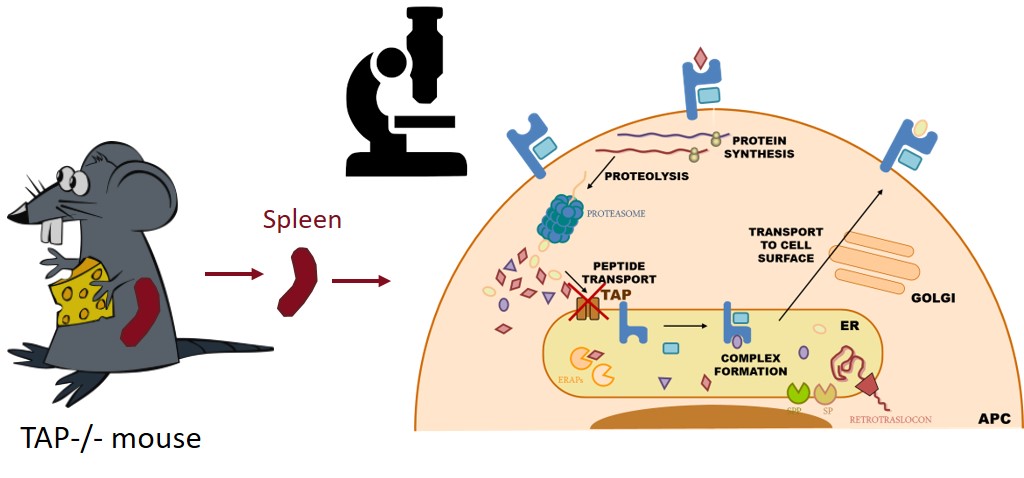
- * Análisis de las respuestas inmunes celulares frente a patógenos virales y bacterianos, mediante técnicas inmunoproteómicas, modelos in vivo con animales transgénicos y muestras humanas.
- * Caracterización de CD69: regulación génica, función reguladora inmune en homeostasis e infección y su uso como diana terapéutica, edición génica por CRISPR en modelos animales y celulares, etc.

* Desarrollo de herramientas inmunoinformáticas que permitan analizar la respuesta inmune celular frente a diversos virus de interés sanitario y determinar la eficacia de sus vacunas a nivel de población mundial.

* Estudio de las respuestas inmunes celulares frente a enfermedades raras (artritis reactiva y síndrome del linfocito desnudo) y crónicas (espondiloartropatías).
* Inclusión de componentes del sistema inmune en la fabricación de tejidos humanos, especialmente piel, para uso clínico, farmacéutico y cosmético.
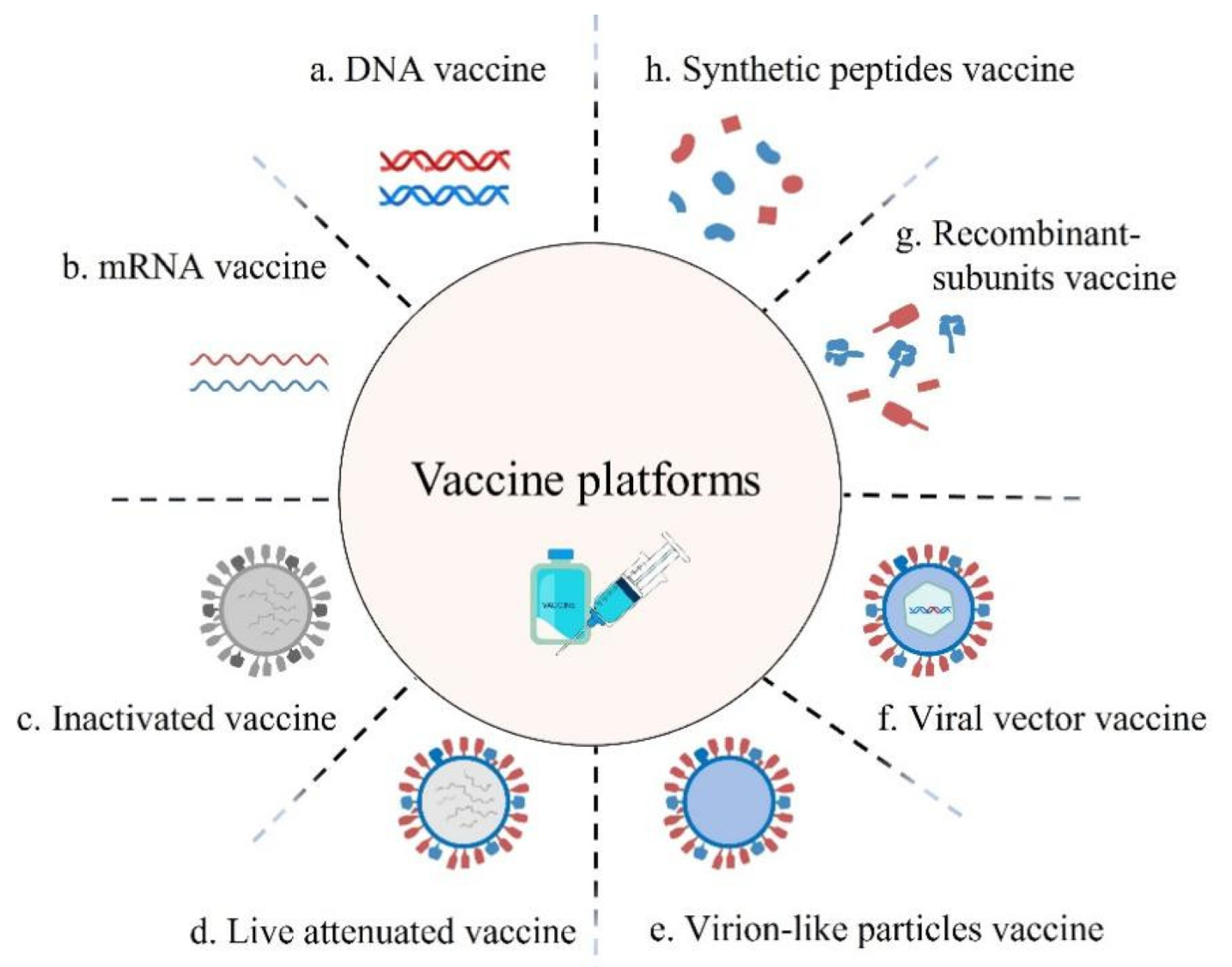
- * Generación de virus recombinantes como vectores vacunales.
Research projects
Content with Investigacion .
Los proyectos del grupo de los últimos años son los siguientes:
Proyecto “La interrelación de CD69 y el procesamiento antigénico en enfermedades infecciosas y autoinmunes" financiado por la Acción Estratégica en Salud del Ministerio de Ciencia, Innovación y Universidades. Año: 2023-2025.
Proyecto “Interacciones génicas y proteicas de CD69 y sus regiones génicas reguladoras con moléculas" financiado por la AEI. Año: 2022-2024.

Proyecto “Nuevas tecnologías de fabricación y optimización de tejidos: la piel como sistema modelo” financiado por el Programa de Actividades de I+D entre grupos de investigación de la Comunidad de Madrid en tecnologías 2018. Año: 2020-2023. Proyecto Coordinado por el Dr. Pablo Acedo de la Universidad Carlos III.
Proyecto “Estudio de CD69 como diana para mejorar el tratamiento de la leucopania y la movilización de células T de memoria de médula ósea" financiado por la Acción Estratégica en Salud del Ministerio de Ciencia, Innovación y Universidades. Año:2020-2024.
Proyecto “Diseño racional de una vacuna contra el virus respiratorio sincitial humano” financiado por la Acción Estratégica en Salud del Ministerio de Ciencia, Innovación y Universidades. Año: 2019-2022
Proyecto “Función de CD69 y sus elementos reguladores" financiado por la Acción Estratégica en Salud del Ministerio de Ciencia, Innovación y Universidades. Año: 2017-2022.
Proyecto “Diseño de vacunas recombinantes poliepitópicas para generar respuestas CD8+ contra virus emergentes” financiado por el Plan Nacional de I+D+i del Ministerio de Economía y Competitividad. Año: 2015-2017.
Proyecto “Análisis de los efectos de CD69 dependientes de S1P1 en modelos de infección e inflamación y estudio de su regulación” financiado por el FIS. Año: 2014-2017.
Proyecto “ADELVAC: Adenovirus con delecciones epitópicas para vacunación” financiado por el programa INNPACTO del Ministerio de Economía y Competitividad. Centro Nacional de Microbiología, Instituto de Salud Carlos III. Año: 2012-2014. Proyecto Coordinado por el Dr. Manel Cascallo de VCN BIOSCIENCES SL.
Proyecto “Diseño de vacunas multiepitópicas recombinantes para aumentar la respuesta inmune celular contra el VRSH” financiado por el Plan Nacional de I+D+i del Ministerio de Ciencia e Innovación. Año: 2012-2014.
Publications
Protein Saver® cards: the best alternative for DBS storage at room temperature for HCV RNA.
Arca-Lafuente S, Casanueva-Benítez C, Crespo-Bermejo C, Lara-Aguilar V, Martín-Carbonero L, De los Santos I, Madrid R, Briz V*. Protein Saver® cards: the best alternative for DBS storage at room temperature for HCV RNA. 903 Scientific Report 2022, 12: 10124.
PUBMED DOIDiarrhoea-causing enteric protist species in intensively and extensively raised pigs (Sus scrofa domesticus) in Southern Spain. Part II: Association with Hepatitis E virus susceptibility.
Rivero-Juarez A, Dashti A, Santín M, George, Köster PC, Lopez-Lopez P, Risalde MA, García-Bocanegra I, Gomez-Villamandos JC, Caballero-Gómez J, Frías M, Bailo B, Ortega S, Muadica AS, Calero-Bernal R, González-Barrio D, Rivero A, Briz V*, Carmena D. Diarrhoea-causing enteric protist species in intensively and extensively raised pigs (Sus scrofa domesticus) in Southern Spain. Part II: Association with Hepatitis E virus susceptibility. Transboundary and Emerging Diseases 2021, 69: e1172-e1178.
PUBMED DOIHepatitis C virus influences HIV-1 viral splicing in coinfected patients.
Martínez-Román P, López-Huertas MR, Crespo-Bermejo C, Arca-Lafuente S, Cortegano I, Valle-Millares D, Gaspar ML, Martín-Carbonero, Domínguez-Domínguez L, Ryan P, De los Santos I, De la Fuente Moral S, Fernández-Rodríguez A, Coiras M, Briz V, on behalf of COVIHEP. Hepatitis C virus influences HIV-1 viral splicing in coinfected patients. J Clin Med 2020, 9 (7): 2091.
PUBMED DOIrotist enteroparasites in wild boar (Sus scrofa ferus) and black Iberian pig (Sus scrofa domesticus) in southern Spain: a protective effect on hepatitis E acquisition?
Rivero-Juárez A, Dashti A, López-López P, Salimo Muadica A, Risalde MA, Köster PC, Machuca I, Bailo B, Hernández de Mingo M, Dacal E, García-Bocanegra I, Saugar JM, Calero-Bernal R, González-Barrio D, Rivero A, Briz V, Carmena D. Protist enteroparasites in wild boar (Sus scrofa ferus) and black Iberian pig (Sus scrofa domesticus) in southern Spain: a protective effect on hepatitis E acquisition? Parasites & Vectors 2020, 13: 281
PUBMED DOIContent with Investigacion .
-

Horacio Gil Gil
Research Scientist
ORCID code: 0000-0002-7114-6686
Degree in Veterinary Medicine in 1995 and PhD in Veterinary Medicine in 2002 from the University of Zaragoza. He did his PhD thesis at NEIKER Tecknalia (Derio, Vizcaya) and the National Center for Microbiology of Instituto de Salud Carlos III (CNM-ISCIII, Majadahonda, Madrid) on the biological cycle of Lyme disease in the Basque Country. After that, he developed his postdoctoral training in different aspects of the pathogenesis of tularemia at the Center for Infectious Diseases, Stony Brook University, New York (USA) for 3 years. In December 2005, he joined the Reference and Research Laboratory in Special Pathogens of the CNM-ISCIII where he developed diagnostic, reference and research activities, in Bartonella, Leptospira and pathogens of interest in bioterrorism. Between 2014-2016 he participated in the European Program for the Training of Microbiologists in Public Health (EUPHEM), organized by the European Centre for Disease Prevention and Control. During this program, he participated in an international mission for the investigation of a cholera outbreak in Ghana, proposed by the Bernhard Nocht Institute for Tropical Diseases in Hamburg (Germany). In December 2016, he worked as a laboratory consultant for the World Health Organization at their office in Phnom Penh (Cambodia). Subsequently, he worked one year with Médecins Sans Frontières as director and quality manager of the TB laboratory in Nukus (Uzbekistan).
In 2019, he joined the HIV Variability and Biology Unit at CNM-ISCIII, where he developed different reference and research activities, including his contribution to the molecular epidemiological surveillance of HIV-1 in Spain and the study of HIV-1 antiretroviral resistance. Since September 2022 he has been leading the Human Papillomavirus Unit at the CNM-ISCIII. -
Alicia Inés García Señán
Predoctoral Student UNED
Degree in Pharmacy in 2013 from the Complutense University of Madrid. She completed specialized health training in Microbiology and Parasitology at the Complejo Asistencial Universitario de Salamanca (2014-2018). During this period he studied a master's degree in Tropical Diseases at the University of Salamanca (2016). She has developed her professional activity as a clinical microbiologist at the Hospital de Santa Bárbara (Soria) (2018), Hospital Universitario Vall d'Hebrón (Barcelona) (2019-2022), and Hospital Central de la Defensa (Gómez Ulla) C.S.V.E, since 2022. In September 2024 she has started PhD studies at the Human Papillomavirus Unit of the CNM-ISCIII.
-

Manuela Rodríguez Vargas
Técnico de Laboratorio


List of staff
Additional Information
The research activity of the Viral Biology group since its beginnings in the 1980s has focused on respiratory viruses, especially on the study of the mechanisms of virus entry into the cell, evolutionary aspects, antigenic properties and vaccine development.
Currently, the group's objectives are focused on the characterisation of the immune response and the development of vaccines against human pneumoviruses: human respiratory syncytial virus (hRSV) and human metapneumovirus (hMPV).
Both viruses are considered to be important respiratory pathogens of high clinical relevance, especially in the paediatric population.
Safe and effective vaccines against these viruses are currently not available. Soluble protein subunits based on the fusion protein (F-protein) of hRSV and hMPV are being developed in the laboratory by protein engineering for use as vaccines against human pneumoviruses.
On the other hand, and thanks to the characterisation of the type of humoral response induced by the F proteins of these viruses, the laboratory is also involved in the isolation of monoclonal antibodies and nanoantibodies for use as treatments against these viruses.
The research activity of the Viral Biology group since its beginnings in the 1980s has focused on respiratory viruses, especially on the study of the mechanisms of virus entry into the cell, evolutionary aspects, antigenic properties and vaccine development.
Currently, the group's objectives are focused on the characterisation of the immune response and the development of vaccines against human pneumoviruses: human respiratory syncytial virus (hRSV) and human metapneumovirus (hMPV).
Both viruses are considered to be important respiratory pathogens of high clinical relevance, especially in the paediatric population.
Safe and effective vaccines against these viruses are currently not available. Soluble protein subunits based on the fusion protein (F-protein) of hRSV and hMPV are being developed in the laboratory by protein engineering for use as vaccines against human pneumoviruses.
On the other hand, and thanks to the characterisation of the type of humoral response induced by the F proteins of these viruses, the laboratory is also involved in the isolation of monoclonal antibodies and nanoantibodies for use as treatments against these viruses.