



We protect your health through science
Investigation
Enteric viruses
Research Lines
Content with Investigacion .
Patogénesis e inmunidad viral
A) Desarrollo de metodología point of care frente a hepatitis virales en el reservorio del VIH
El tratamiento precoz de las hepatitis virales reduce el deterioro progresivo del hígado y evita el trasplante hepático. Resulta esencial disponer de métodos diagnóstico rápido, sencillos y coste-efectivos, para el cribado, en la vigilancia epidemiológica y el diagnóstico virológico temprano de enfermedades virales hepáticas. Línea de investigación llevada a cabo en colaboración con el Dr. Ricardo Madrid (BioAssays S.L).
B) Impacto de la coinfección y eliminación de las hepatitis virales en el reservorio del VIH
La coinfección por el VHC impacta en el reservorio del VIH, principal obstáculo para eliminar esta infección. Se realizan distintos abordajes del estudio del reservorio del VIH en pacientes VIH+ con distinta exposición al VHC, y tras su eliminación espontánea o con antivirales de acción directa, con el objetivo de identificar y proponer nuevas estrategias de eliminación/curación del VIH. Esta línea de Investigación se desarrolla en el seno del Grupo Multidisciplinar COVIHEP (COinfección por VIH y HEPatitis).
C) Identificación de marcadores de senescencia inducida por virus y estrategias paliativas
Las infecciones virales inducen una senescencia acelerada cuyo impacto afecta a la evolución de la enfermedad y a posibles comorbilidades. Nuestro objetivo es profundizar en los mecanismos que desencadenan la inmunosenescencia y estrés oxidativo asociado a infecciones virales e identificar nuevas estrategias terapéuticas que palien el envejecimiento prematuro en estos pacientes.
D) Impacto de SARS-CoV-2 en la infección por el VIH y hepatitis virales
Se desconocen las complicaciones a largo plazo de la infección por SARS-CoV-2 en personas que viven con VIH y/o hepatitis virales que podrían experimentar un desarrollo clínico de la enfermedad más desfavorable. La identificación de biomarcadores de gravedad no invasivos (como en sangre/plasma) resulta de especial interés en estos pacientes.
E) Origen y Epidemiología de la enfermedad hepática
Estudio del origen y la dinámica de transmisión espacio-temporal de los virus hepáticos, clave para el entendimiento de su evolución y propagación, así como en el análisis de la carga global de las enfermedades, lo que podría ayudar a desarrollar programas de Salud Pública encaminados a prevenir y frenar su transmisión.
F) Impacto de la viremia de bajo grado del VIH
Se desconoce tanto el origen como los mecanismos de la viremia de bajo grado, presente entre el 3 y 16% que las personas que viven con VIH. Su presencia podría desembocar en un mayor riesgo de sufrir comorbilidades relacionadas con enfermedades cardiovasculares, cáncer y trastornos metabólicos.
G) Calidad del aire y su impacto en poblaciones vulnerables
La contaminación del aire agrava las patologías infecciosas y la salud cardiovascular y respiratoria. La evolución de la enfermedad en personas con enfermedades crónicas con VIH y hepatitis puede verse agravada tras la inhalación continua de contaminantes ambientales. Línea de investigación llevada a cabo en colaboración con el CNSA y el CNE del ISCIII.
H) Coinfección por VHE y protistas entéricos en el reservorio humano y animal: vigilancia e investigación
La coinfección entre virus y protistas entéricos podría influir en la cotransmisión y patogenicidad de dichas especies. Línea de investigación, bajo el concepto “One Health” que se centra en la vigilancia y estudio de la coinfección del VHE y protistas entéricos. Colaboración con el grupo multidisciplinar COHEPROEN (COinfección HEpatitis y PROtistas ENtéricos).
Research projects
Content with Investigacion .
A) Proyectos de investigación financiados en los últimos 10 años
-
Como investigadora principal
1. Impact of long-tem HCV eradication on HIV infection: integration of Immune-virologic HIV markers, host transcriptome, and plasma microbiome data. Ministerio de Ciencia (Proyectos de Generación de Conocimiento 2021). Expediente: PID2021-126781OB-I00 financiado por por MICIU/AEI /10.13039/501100011033 y por FEDER, UE Septiembre 2022 - agosto 2025. 157.300€.

2. Identificación de biomarcadores inmunológicos asociados a las infecciones virales crónicas hepatitis C y VIH relacionados con la infección por SARS-COV-2 y su pronóstico. Consejo de Educación e Investigación. Comunidad de Madrid. Doctorados Industriales. Expediente: IND2020/BMD-17373. 2021-2024. 150.000€.
3. Impacto de la erradicación y aclaramiento del VHC con los nuevos antivirales de acción directa, en pacientes coinfectados VIH/VHC en el reservorio VIH en sangre periférica y sistema inmune. Organismo Financiador: Fondo de Investigación Sanitaria (ISCIII). Expediente: PI18CIII/00020. 2019-2021. 154.000€.
4. Desarrollo de un sistema de diagnóstico in vitro para la determinación del virus de la Hepatitis C mediante nanosondas. Organismo Financiador: Comunidad Autónoma de Madrid. Doctorados Industriales. Expediente: IND2017/BMD7683. 2018-2020. 128.000€.
5. Validación preclínica de un nuevo método de diagnóstico in vitro para la determinación de la infección por el virus de la hepatitis C en humanos. Organismo financiador: BioAssays SL. Expediente: MVP-325/19. 2019-2023. 193.400€.
6. Estudio del reservorio VIH en sangre periférica y su relación con la infección por VHC, sistema inmune y perfil de microARNs. Organismo Financiador: Fondo de Investigación Sanitaria (ISCIII). Expediente: PI15CIII/00031. 2016-2018. 154.000€.
7. Development of a cell-based assay to characterize resistance mutations and drug susceptibility to protease inhibitors against hepatitis C virus and evaluation in vivo as predictors of failure. Organismo Financiador: Fondo de Investigación Sanitaria (ISCIII). Expediente: CP13/00098. 2014-2016. 120.000€.
- Como investigadora asociada
1. URBANOME (Urban Observatory for Multi-participatory Enhancement of Health and Wellbeing). IP: Saúl García Dos Santos-Alves. Agencia Financiadora: Horizon 2020 H2020-SC1-BHC-2018-2020 / H2020-SC1-2020-Two-Stage-RTDework. Call topic: Innovative actions for improving urban health and wellbeing - addressing environment, climate and socioeconomic factors". Expediente: 945391. 01/04/2021 - 01/04/2025. 268.000 €.
2. Antibiotics, hormones, persistent and mobile organic contaminants and pathogens, the complex mixture in agriculture and livestock scenario. Risk to health or natural attenuation? (Nat4Health). IP: Ana de Santiago y Raffaella Meffe. Agencia Financiadora: Ministerio de ciencia e Innovación. Convocatoria: Proyectos I+D+i 2020. Modalidad: Retos Investigación. Expediente: PID2020-118521RB-I00. 01/09/2021 - 01/09/2025. 170.000 €.
3. Inmunopatogenía del VIH. Red Temática De Investigación Cooperativa (RIS). Expediente: RD16CIII/00025. IP: Salvador Resino. (Instituto de Salud Carlos III). 01/01/2017-06/03/2022. 250.000 €.
4. Efectos de la erradicación del VHC en pacientes con cirrosis avanzada por VHC. Una aproximación traslacional. Investigador principal: Salvador Resino García. Organismo Financiador: Fondo de Investigación Sanitaria (ISCIII). Expediente: PI14/CIII/00011. 2016-2018. 154.000 €.
5. Desarrollo y mecanismo de acción de dendrímeros como microbicidas para frenar la infección por el VIH por transmisión sexual (vaginal y anal): prueba de concepto. IP: Mª Angeles Muñoz Fernández. Organismo Financiador: Fondo de Investigación Sanitaria (ISCIII). Expediente: PI13/02016. 2014-2016. 180.000 €.
6. Peptides-associated dendrimers in dendritic cells for the development of new nano-HIV vaccines. DENPEPTHIV. EuroNanoMed. IP: Mª Angeles Muñoz Fernández. Organismo financiador: Instituto de Salud Carlos III. Proyectos al amparo del Espacio Europeo de Investigación dentro del VII Programa Europeo. FP7 Cooperation Work Programme: Health-2010. Expediente: PS09102669. 2010-2013. 220.000 €.
Publications
Molecular epidemiology of enterovirus 71, coxsackievirus A16 and A6 associated with hand, foot and mouth disease in Spain
9. M Cabrerizo*, D Tarragó, C Muñóz-Almagro, E del Amo, M Domínguez-Gil, JM Eiros, I López-Miragaya, C Pérez, J Reina, A Otero, I González, JE Echevarría, G Trallero. Molecular epidemiology of enterovirus 71, coxsackievirus A16 and A6 associated with hand, foot and mouth diease in Spain. Clin Microbiol Infect; 20: O150–O156 (2014).
PUBMED DOIImpact of pretransplant CMV-specific T-cell immune response in the control of CMV infection after solid organ transplantation: a prospective cohort study. Clin Microbiol Infect.
Molina-Ortega A, Martín-Gandul C, Mena-Romo JD, Rodríguez-Hernández MJ, Suñer M, Bernal C, Sánchez M, Sánchez-Céspedes J, Pérez Romero P*, Cordero E. Impact of pretransplant CMV-specific T-cell immune response in the control of CMV infection after solid organ transplantation: a prospective cohort study. Clin Microbiol Infect. 2019 Jun;25(6):753-758.
PUBMED DOIKinetic of the CMV-specific T-cell immune response and CMV infection in CMV-seropositive kidney transplant recipients receiving rabbit anti-thymocyte globulin induction therapy: A pilot study.
Martín-Gandul C, Pérez-Romero P*, Mena-Romo D, Molina-Ortega A, González-Roncero FM, Suñer M, Bernal G, Cordero E; Spanish Network for Research in Infectious Diseases (REIPI). Kinetic of the CMV-specific T-cell immune response and CMV infection in CMV-seropositive kidney transplant recipients receiving rabbit anti-thymocyte globulin induction therapy: A pilot study. Transpl Infect Dis. 2018 Jun;20(3):e12883.
PUBMED DOICMV-specific T-cell immunity in solid organ transplant recipients at low risk of CMV infection. Chronology and applicability in preemptive therapy.
Mena-Romo JD, Pérez Romero P*, Martín-Gandul C, Gentil MÁ, Suárez-Artacho G, Lage E, Sánchez M, Cordero E. CMV-specific T-cell immunity in solid organ transplant recipients at low risk of CMV infection. Chronology and applicability in preemptive therapy. J Infect. 2017 Oct;75(4):336-345.
PUBMED DOITwo Doses of Inactivated Influenza Vaccine Improve Immune Response in Solid Organ Transplant Recipients: Results of TRANSGRIPE 1-2, a Randomized Controlled Clinical Trial.
Cordero E, Roca-Oporto C, Bulnes-Ramos A, Aydillo T, Gavaldà J, Moreno A, Torre-Cisneros J, Montejo JM, Fortun J, Muñoz P, Sabé N, Fariñas MC, Blanes-Julia M, López-Medrano F, Suárez-Benjumea A, Martinez-Atienza J, Rosso-Fernández C, Pérez-Romero P*. Two Doses of Inactivated Influenza Vaccine Improve Immune Response in Solid Organ Transplant Recipients: Results of TRANSGRIPE 1-2, a Randomized Controlled Clinical Trial. Clin Infect Dis. 2017 Apr 1;64(7):829-838.
PUBMED DOIApplying lessons learned from cytomegalovirus infection in transplant patients to vaccine design.
Blanco-Lobo P, Bulnes-Ramos Á, McConnell MJ, Navarro D, Pérez-Romero P*. Applying lessons learned from cytomegalovirus infection in transplant patients to vaccine design. Drug Discov Today. 2016 Apr;21(4):674-81.
PUBMED DOIUse of antibodies neutralizing epithelial cell infection to diagnose patients at risk for CMV Disease after transplantation.
Blanco-Lobo P, Cordero E, Martín-Gandul C, Gentil MA, Suárez-Artacho G, Sobrino M, Aznar J, Pérez-Romero P*. Use of antibodies neutralizing epithelial cell infection to diagnose patients at risk for CMV Disease after transplantation. J Infect. 2016 May;72(5):597-607.
PUBMED DOITiming of CMV-specific effector memory T cells predicts viral replication and survival after allogeneic hematopoietic stem cell transplantation.
Espigado I, de la Cruz-Vicente F, BenMarzouk-Hidalgo OJ, Gracia-Ahufinger I, Garcia-Lozano JR, Aguilar-Guisado M, Cisneros JM, Urbano-Ispizua A, Perez-Romero P*. Timing of CMV-specific effector memory T cells predicts viral replication and survival after allogeneic hematopoietic stem cell transplantation. Transpl Int. 2014 Dec;27(12):1253-62.
PUBMED DOIClinical impact of neutropenia related with the preemptive therapy of CMV infection in solid organ transplant recipients.
Martín-Gandul C, Pérez-Romero P*, González-Roncero FM, Berdaguer S, Gómez MA, Lage E, Sánchez M, Cisneros JM, Cordero E; Spanish Network for Research in Infectious Diseases REIPI. Clinical impact of neutropenia related with the preemptive therapy of CMV infection in solid organ transplant recipients. J Infect. 2014 Nov;69(5):500-6.
PUBMED DOIViral load, CMV-specific T-cell immune response and cytomegalovirus disease in solid organ transplant recipients at higher risk for cytomegalovirus infection during preemptive therapy.
Martín-Gandul C, Pérez-Romero P*, Blanco-Lobo P, Benmarzouk-Hidalgo OJ, Sánchez M, Gentil MA, Bernal C, Sobrino JM, Rodríguez-Hernández MJ, Cordero E; Spanish Network for Research in Infectious Diseases (REIPI). Viral load, CMV-specific T-cell immune response and cytomegalovirus disease in solid organ transplant recipients at higher risk for cytomegalovirus infection during preemptive therapy. Transpl Int. 2014 Oct;27(10):1060-8.
PUBMED DOIHCV eradication with IFN-based therapy does not completely restore gene expression in PBMCs from HIV/HCV-coinfected patients.
9. Brochado O, Martínez I (*), Berenguer J, Medrano L, González-García J, Jiménez-Sousa MA, Carrero A, Hontañón V, Navarro J, Guardiola JM, Pérez-Latorre L, Micán R, Fernández-Rodríguez A (‡), Resino S (* ‡). HCV eradication with IFN-based therapy does not completely restore gene expression in PBMCs from HIV/HCV-coinfected patients. J Biomed Sci 2021; 28:23 (A; FI= 12.77; D1, Medicine, Research & Experimental; JCR 2021).
PUBMED DOIDynamics of HIV Reservoir and HIV-1 Viral Splicing in HCV-Exposed Individuals after Elimination with DAAs or Spontaneous Clearance.
Martínez-Román P, Crespo-Bermejo C, Valle-Millares D, Lara-Aguilar V, Arca-Lafuente S, Martín-Carbonero, Ryan P, De los Santos I, López-Huertas MR, Palladino C, Muñoz-Muñoz M, Fernández-Rodríguez A*, Coiras M, Briz V, on behalf of COVIHEP network. Dynamics of HIV Reservoir and HIV-1 Viral Splicing in HCV-Exposed Individuals after Elimination with DAAs or Spontaneous Clearance. Journal of Clinical Medicine 2022, 11: 3579.
PUBMED DOIProtein Saver® cards: the best alternative for DBS storage at room temperature for HCV RNA.
Arca-Lafuente S, Casanueva-Benítez C, Crespo-Bermejo C, Lara-Aguilar V, Martín-Carbonero L, De los Santos I, Madrid R, Briz V*. Protein Saver® cards: the best alternative for DBS storage at room temperature for HCV RNA. 903 Scientific Report 2022, 12: 10124.
PUBMED DOIDiarrhoea-causing enteric protist species in intensively and extensively raised pigs (Sus scrofa domesticus) in Southern Spain. Part II: Association with Hepatitis E virus susceptibility.
Rivero-Juarez A, Dashti A, Santín M, George, Köster PC, Lopez-Lopez P, Risalde MA, García-Bocanegra I, Gomez-Villamandos JC, Caballero-Gómez J, Frías M, Bailo B, Ortega S, Muadica AS, Calero-Bernal R, González-Barrio D, Rivero A, Briz V*, Carmena D. Diarrhoea-causing enteric protist species in intensively and extensively raised pigs (Sus scrofa domesticus) in Southern Spain. Part II: Association with Hepatitis E virus susceptibility. Transboundary and Emerging Diseases 2021, 69: e1172-e1178.
PUBMED DOIHepatitis C virus influences HIV-1 viral splicing in coinfected patients.
Martínez-Román P, López-Huertas MR, Crespo-Bermejo C, Arca-Lafuente S, Cortegano I, Valle-Millares D, Gaspar ML, Martín-Carbonero, Domínguez-Domínguez L, Ryan P, De los Santos I, De la Fuente Moral S, Fernández-Rodríguez A, Coiras M, Briz V, on behalf of COVIHEP. Hepatitis C virus influences HIV-1 viral splicing in coinfected patients. J Clin Med 2020, 9 (7): 2091.
PUBMED DOIrotist enteroparasites in wild boar (Sus scrofa ferus) and black Iberian pig (Sus scrofa domesticus) in southern Spain: a protective effect on hepatitis E acquisition?
Rivero-Juárez A, Dashti A, López-López P, Salimo Muadica A, Risalde MA, Köster PC, Machuca I, Bailo B, Hernández de Mingo M, Dacal E, García-Bocanegra I, Saugar JM, Calero-Bernal R, González-Barrio D, Rivero A, Briz V, Carmena D. Protist enteroparasites in wild boar (Sus scrofa ferus) and black Iberian pig (Sus scrofa domesticus) in southern Spain: a protective effect on hepatitis E acquisition? Parasites & Vectors 2020, 13: 281
PUBMED DOIEpidemiological trend of hepatitis C-related liver events in Spain (2000-2015): A nationwide population-based study.
7. Rivero-Juárez A, Dashti A, López-López P, Salimo Muadica A, Risalde MA, Köster PC, Machuca I, Bailo B, Hernández de Mingo M, Dacal E, García-Bocanegra I, Saugar JM, Calero-Bernal R, González-Barrio D, Rivero A, Briz V, Carmena D. Protist enteroparasites in wild boar (Sus scrofa ferus) and black Iberian pig (Sus scrofa domesticus) in southern Spain: a protective effect on hepatitis E acquisition? Parasites & Vectors 2020, 13: 281
PUBMED DOIContent with Investigacion .
-

María Luisa Gaspar Alonso-Vega
Research Professor
ORCID code: 0000-0001-9858-3862
Dr. María Luis Gaspar Alons-Vega graduated in 1980 and obtained her PhD in 1985 in Medicine and Surgery from the Autonomous University of Madrid. She completed the specialty of Immunology (1981-1985), and her doctoral thesis under the direction of Dr. Carmen Gutierrez, in the Immunology laboratory of the Puerta de Hierro Clinic directed by Dr. Miguel Kreisler. She completed a predoctoral stay in the Cytogenetics Laboratory of the National Institute of Autoimmune, Diabetes, Digestive and Kidney Diseases (NIDDK, NIH), under the supervision of Dr. JH Tjio and Dr. E. Raveché. She joined the Immunology Service of the National Center for Health Microbiology, Virology and Immunology (CNMVIS, AISNA and later ISCIII) as a Physician-Specialist in 1986, in the Immunology Laboratory directed by Dr. Alfredo Toraño. She completed a postdoctoral stay (1989-1991) at the Immunogenetics Unit of the Pasteur Institute (Paris) directed by Dr. T. Meo. From 1991 to 2006 she was Head of the Immunology Section successively at the CNMVIS, at the National Center for Fundamental Biology (CNBF-ISCIII) and at the National Center for Microbiology (CNM-ISCIII). From 2006 to 2016 she has been a Senior Researcher and Senior Scientist of OPIs, in the Immunobiology laboratory of the CNM-ISCIII. From 2016 to 2018 she was a Scientific Researcher at OPIs and since 2018, she is a Research Professor at OPIs at the CNM.
-
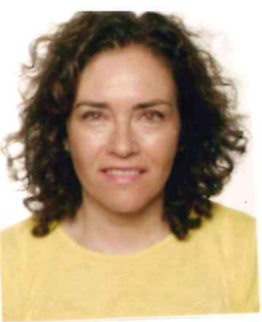
Belén de Andrés Muguruza
Research Scientist
ORCID code: 0000-0002-7391-2823
Graduated in Biology in 1987 and PhD in 1992 from the Autonomous University of Madrid. He completed his doctoral thesis in the laboratory of Dr. Carlos Lahoz in the Immunology department of the Jiménez Díaz Foundation with a pre-doctoral stay at the Institute Curie in Paris, in the laboratory of Dr. Wolf H. Fridman. Subsequently, he completed a two-year postdoctoral stay in the Department of Pathology of the College of Medicine at the University of Iowa, USA, in the laboratory of Dr. Richard G. Lynch. After a year as an Adjunct in the Immunology department of the Jiménez Diaz Foundation, she worked for 2 years with a reinstatement contract from the Ministry of Science in the Immunobiology department of the CNM/ISCIII in the laboratory of Dr. Mª Luisa Gaspar and later with a Ramón y Cajal contract. In 2006 she obtained a position as Staff Senior Scientist.
-
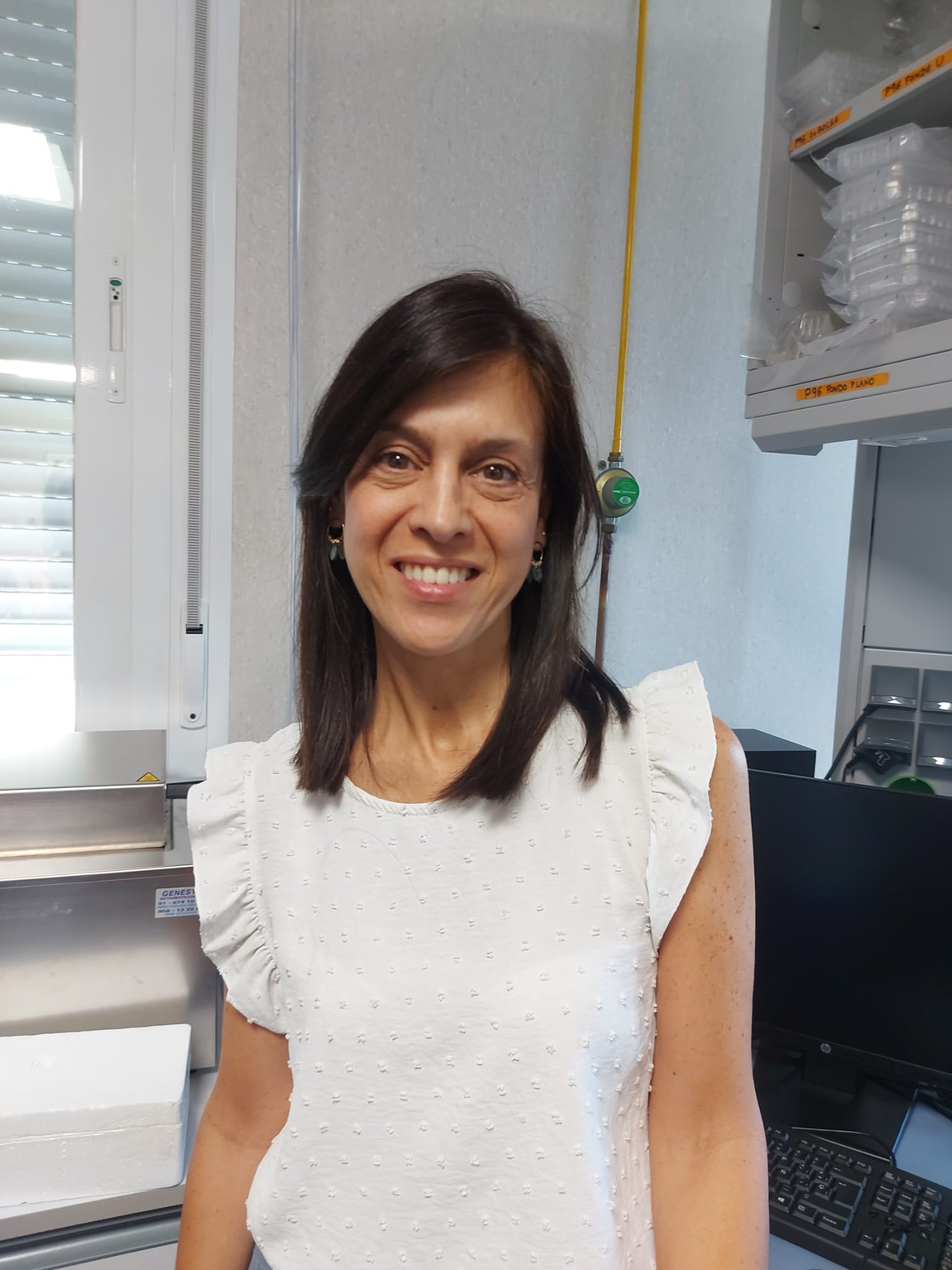
Isabel Cortegano Jimeno
Research Scientist
ORCID code: 0000-0002-6504-6347
Graduated in Biology in 1995 (Specialty in Biochemistry and Molecular Biology) and PhD in 1999 from the Autonomous University of Madrid. He completed his doctoral thesis at the Jiménez Díaz Foundation in the Immunology laboratory directed by Dr. Carlos Lahoz. Later he obtained a postdoctoral fellowship in the Immunobiology laboratory of Dr. Mª Luisa Gaspar at the National Center of Microbiology (CNM) of the Carlos IIII Health Institute (ISCIII) (2002-2006). He then enjoyed an I3P contract from the CSIC in the laboratory of Professor Miguel Ángel Rodríguez-Marcos (2007-2009). She has been a researcher associated with research projects in the ISCIII Immunobiology laboratory during the years 2010-2018. Since 2018 she has been an associate professor in the Department of Cell Biology of the UCM Faculty of Medicine. He coordinates the scientific dissemination group of the Spanish Society of Immunology (GESEI), is part of the editorial committee of the SEI magazine and is a member of the board of the CAM Immunology Society. She is a Senior Scientist of the ISCIII at the National Center for Microbiology since 2020.
-

Carolina Ruiz Sánchez
Specialized Technician
ORCID code: 0000-0002-2177-8132
Graduated in Chemical Sciences (biochemistry specialty) in 1998 and PhD in 2022 from the Complutense University of Madrid. In 2008 he joined the OPIS Assistant in the Immunobiology laboratory of the National Center for Microbiology of the ISCIII, specializing in flow cytometry the first year and subsequently becoming part of the laboratory's technical team. In 2012 he was promoted to Intermediate Level Technician and in 2018 to Higher Specialized Technician of the OPIS, currently occupying this position in the same laboratory.
-
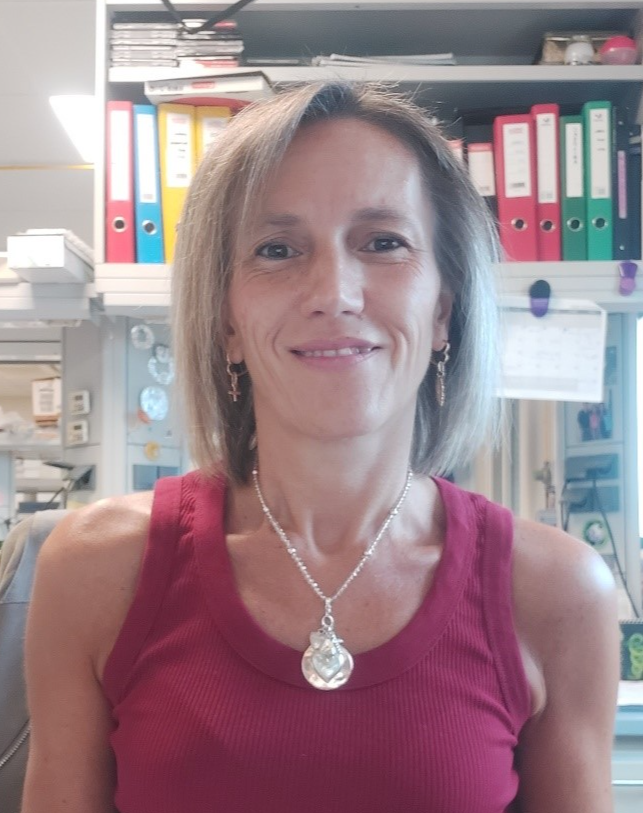
Mercedes Rodríguez García
Specialized Higher Technician
Graduated in Biology from the Complutense University of Madrid in 2003, she began her doctoral studies in the Bone Metabolism laboratory of the La Paz University Hospital.
In 2007 he joined as a Research Assistant at the Carlos III Health Institute, at the CNM, in the Transplant Immunology laboratory. After 5 years, he began working in the Immunobilology laboratory where he was promoted in 2018 to Specialized Technician, in 2024 to Senior Specialized Technician and where he currently continues to develop his professional career. -
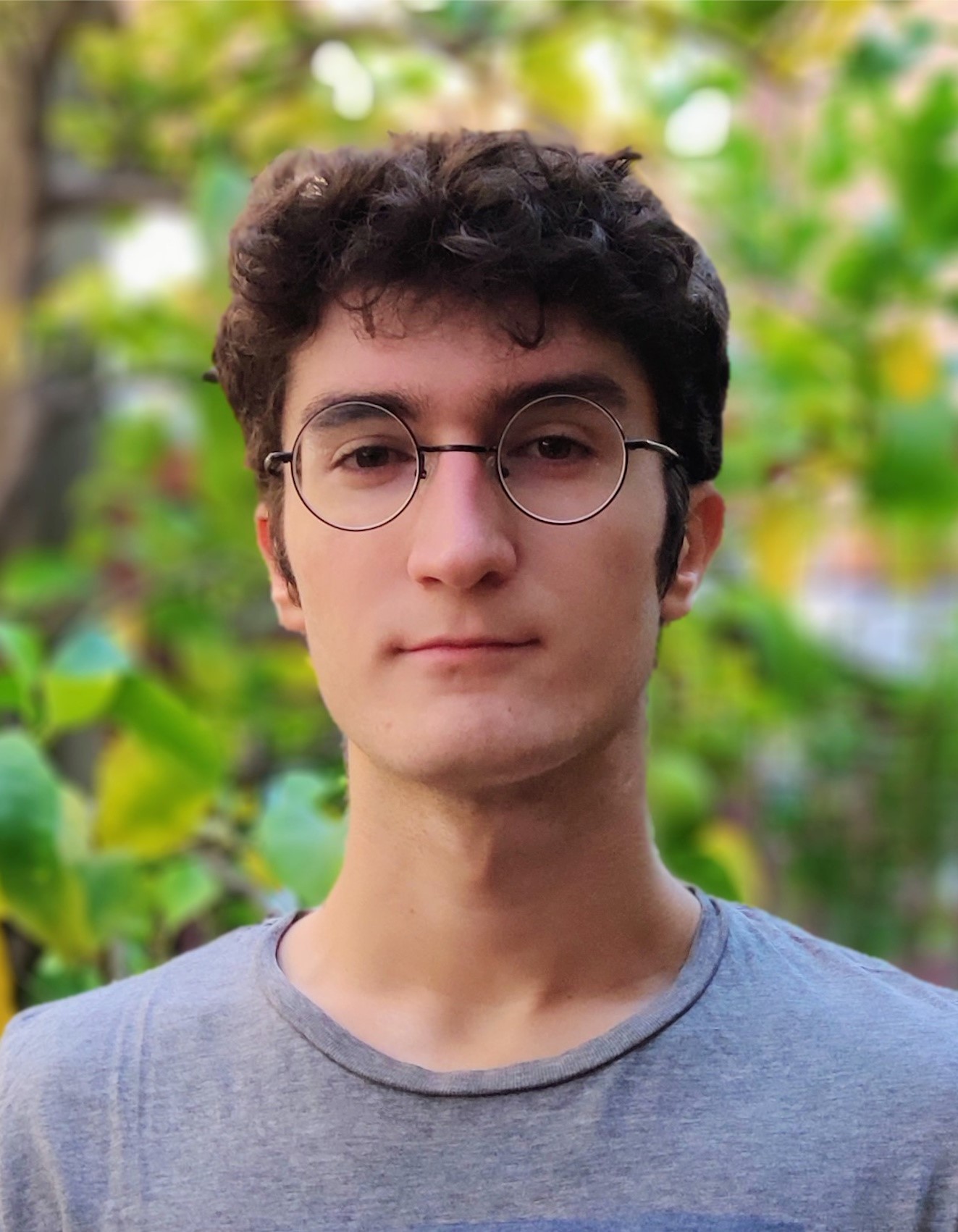
Alejandro Arrabal Sierra
Predoctoral Contract (Industrial Doctorate from CAM / Inmunotek).
ORCID code: 0000-0002-9354-9224
Graduated in Biotechnology in 2021 from the Polytechnic University of Madrid, carrying out his final degree project in the Immunobiology laboratory of the National Microbiology Center of the ISCIII. In 2021, he completed a Master's Degree in Research in Immunology at the Complutense University of Madrid and completed his master's thesis in the same CNM laboratory. Subsequently, he worked for a year as a Research Assistant in the laboratory of Dr. Elena Fernández Ruiz at the Hospital Universitario de la Princesa. Since the end of 2023, he has been a predoctoral fellow in the CNM Immunobiology laboratory with an Industrial Doctorate scholarship from the Community of Madrid in collaboration with the company Inmunotek.



List of staff
Additional Information
This group constitutes the National Poliovirus Laboratory (Polio Eradication Plan), integrated into the European network WHO/EURO Polio Laboratory Network and coordinating, in turn, the National Network of Laboratories for the study of paralysis cases in Research on enterovirus and parechovirus infections in the pediatric population has been funded since 2013 through research projects (PI PI12/00904; PI15CIII/00020; PI18CIII/00017), of which María Cabrerizo is PI and in which epidemiologists (CNE) and pediatricians and microbiologists from more than 20 SNS hospitals participate.
The PI belongs to the consolidated research group RITIP-IdiPaz and CIBERESP. Since 1999, the group has been carrying out the virological study of environmental samples (wastewater and treated water) from the CAM, through a contract with the CYII. Finally, the group is responsible for the diagnosis and characterization of gastrointestinal infections caused by viruses (norovirus, rotavirus and others) and for the investigation of outbreaks (CS of the CNM).
This group constitutes the National Poliovirus Laboratory (Polio Eradication Plan), integrated into the European network WHO/EURO Polio Laboratory Network and coordinating, in turn, the National Network of Laboratories for the study of paralysis cases in Research on enterovirus and parechovirus infections in the pediatric population has been funded since 2013 through research projects (PI PI12/00904; PI15CIII/00020; PI18CIII/00017), of which María Cabrerizo is PI and in which epidemiologists (CNE) and pediatricians and microbiologists from more than 20 SNS hospitals participate.
The PI belongs to the consolidated research group RITIP-IdiPaz and CIBERESP. Since 1999, the group has been carrying out the virological study of environmental samples (wastewater and treated water) from the CAM, through a contract with the CYII. Finally, the group is responsible for the diagnosis and characterization of gastrointestinal infections caused by viruses (norovirus, rotavirus and others) and for the investigation of outbreaks (CS of the CNM).