



We protect your health through science
Investigation
Research Lines
Content with Investigacion .
Classical viral vaccines rely on the induction of neutralizing antibodies. In the case of infection by the human immunodeficiency virus (HIV), the viral spike has evolved to evade recognition by these antibodies. Despite these obstacles, certain monoclonal antibodies capable of neutralizing the majority of primary HIV-1 isolates have been successfully isolated and have demonstrated efficacy both in controlling viremia and in providing protection against infection in animal models. These are known as broadly neutralizing antibodies (bNAbs).
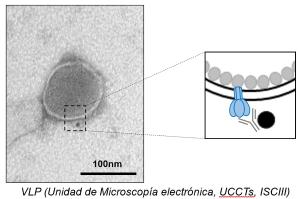
In order to identify the factors involved in the induction of these antibodies and to develop preventive strategies based on bNAb induction, we are pursuing the following research lines:
- Determination of factors associated with the induction of effective humoral responses in different scenarios: recent infection, chronic infection, co-infection with hepatitis C virus, reinfection, and pediatric infection, among others.
- Study of the effect of feminizing hormone therapy on the immune system of transgender women.
- Development of HIV-1 vaccine prototypes based on viral spike proteins incorporated into Virus-Like Particles (VLPs) from two sources:
a) Selected from a library of randomly mutated spikes to enhance the accessibility of epitopes recognized by bNAbs.
b) Derived from viruses present in individuals with broad neutralizing responses in recent infection. - Isolation and characterization of new bNAbs against HIV-1 from individual B cells of individuals with an efficient neutralizing response. These antibodies could be used in both preventive and therapeutic strategies.
- Isolation of new monoclonal antibodies against other human pathogenic viruses, adapting the technology developed for HIV-1 antibody isolation, in collaboration with researchers from the National Center for Microbiology.
- Use of gene therapy vectors (Recombinant Adeno-Associated Viruses; rAAVs) to incorporate bNAbs and apply them in prophylactic and therapeutic strategies.
Research projects
Content with Investigacion .
Research Projects as Principal Investigators
Effect of Feminizing Hormone Therapy on the Immune Response in Transgender Women
Principal Investigator: Víctor Sánchez-Merino
Funding Agency: Intramural Health Strategic Action
Funding: €117,000
Participating Institutions: ISCIII, IRSICAIXA, 7 Infectious diseases units (Hospital General Universitario Gregorio Marañón (HGUGM-INF), Hospital Universitario La Paz (HULP), Hospital Universitario Infanta Leonor (HUIL), Hospital Fundación Jiménez Díaz (FJD), Fundación Universitario la Princesa (HUP), Hospital Universitario Ramón y Cajal (HURyC) y Hospital Universitario Doce de Octubre (HU12O), Centro Sandoval, 1 Gender Identity Unit, Facultad de psicología (UAM), Facultad de Geografía e Historia (UCM) and three ONGs
Duration: 01/01/2025- 31/12/2027
Project Reference: PI24CIII/00031
Design of Vaccine Prototypes based on HIV-1 Envelope presented on Virus-Like Particles and Nanodiscs
Principal Investigator: Eloísa Yuste Herranz
Funding agency: Knowledge Generation Projects. State Plan for Scientific and Technical Research and Innovation.
Funding: €125,000
Participating Institutions: ISCIII and University of UNSW (Sydney, Australia)
Duration: 01/09/24–31/12/28
Reference: Project PID2023-148729OB-100 funded by MICIU/AEI/10.13039/501100011033 and by FEDER, UE.

Funding for Research Assistant Position. Project: New Approaches to Immunogen Design for the Induction of Anti-HIV-1 Broadly Neutralizing Antibodies (bNAbs) Based on Viral Envelope Proteins Presented on VLPs
Principal Investigator: Eloísa Yuste Herranz
Funding Agency: Youth Employment Plan (Community of Madrid)
Funding: Hiring of a senior graduate for 2 years
Participating Institutions: ISCIII
Duration: 01/04/2024 – 31/03/2026
Project Reference: SAL-GL-28125
Generation of an Adenovirus-Associated Vector for the Delivery of a Broadly Neutralizing Antibody (bNAb) Against HIV-1 That Does Not Induce Anti-Antibody Responses. Funding for Research Assistant Position.
Principal Investigator: Víctor Sánchez Merino
Funding Agency: FUAX-Santander
Funding: €90,000
Participating Institutions: Universidad Alfonso X El Sabio and ISCIII
Duration: 01/04/2022 – 01/04/2025
Project Reference: 1.013.008
New Approaches to Immunogen Design for the Induction of Anti-HIV-1 Broadly Neutralizing Antibodies (bNAbs) Based on Viral Envelope Proteins Presented on Virus-Like Particles (VLPs).
Principal Investigator: Eloísa Yuste Herranz
Funding Agency: Intramural Health Strategic Action
Funding: €77,000
Participating Institutions: Fraunhofer Institute (Germany) and ISCIII
Duration: 01/01/2021 – 30/06/2024
Project Reference: PI20CIII/00039
Development of Immunogens and Vaccination Strategies to Optimize the Induction of Broadly Neutralizing Antibodies (bNAbs) Against HIV-1.
Principal Investigator: Eloísa Yuste Herranz
Funding Agency: Intramural Health Strategic Action
Funding: €117,000
Participating Institutions: Fraunhofer Institute (Germany) and ISCIII
Duration: 01/01/2018 – 31/12/2021
Personnel Hiring: One postdoctoral researcher for 3 years
Project Reference: PI17/00049
Isolation and Characterization of Broadly Neutralizing Antibodies Against HIV-1 from Recently Infected Patients.
Principal Investigator: Eloísa Yuste Herranz
Funding Agency: Health Strategic Action (ISCIII)
Funding: €57,475
Participating Institutions: IDIBAPS, Fraunhofer Institute (Germany), and ISCIII
Duration: 01/01/2014 – 30/04/2017
Project Reference: PI13/01528
Development of an HIV Vaccine: Isolation and Characterization of New Broadly Neutralizing Antibodies.
Principal Investigator: Eloísa Yuste Herranz
Funding Agency: Health Research Fund (ISCIII)
Funding: €116,765
Participating Institutions: IDIBAPS and ISCIII
Duration: 01/01/2010 – 31/12/2012
Project Reference: PI09/1459
Optimization of the HIV-1 Envelope Protein as an Immunogen.
Principal Investigator: Eloísa Yuste Herranz
Funding Agency: Spanish Foundation for AIDS Research and Prevention (FIPSE)
Funding: €141,845
Participating Institutions: IDIBAPS
Duration: 30/10/2008 – 31/08/2012
Personnel Hiring: One senior graduate for 3 years
Project Reference: 36780/08
Optimization of the HIV-1 Envelope Protein as an Immunogen.
Principal Investigator: Eloísa Yuste Herranz
Funding Agency: Ramón y Cajal Program (Ministry of Education and Science)
Funding: 5-year Ramón y Cajal Researcher contract + 3 years as I3
Participating Institutions: IDIBAPS
Duration: 2008 – 2016
Project Reference: RYC-2007-00788
R&D projects as part of the research team
Determination of factors associated with protection against Human Immunodeficiency Virus type 1 Reinfection: Identification of protection correlates.
Principal Investigator: María Pernas Escario
Funding Agency: Gilead Sciences
Funding: €16,630
Participating Entities: Centro Sandoval and ISCIII
Duration: 01/01/2023 - 31/12/2023
Contract/Project File: GLD22/001144
EAVI2020: European AIDS Vaccine Initiative 2020
Principal Investigator: José Alcamí Pertejo
Funding Agency: Horizon 2020 (European Union; EU)
Funding: €403,829
Participating Entities: ISCIII and an EU consortium
Duration: 01/01/2015 - 30/04/2021
Contract/Project File: MPY1398/15
EHVA, European HIV Vaccine Alliance (EHVA): an EU platform for the discovery and evaluation of novel prophylactic and therapeutic vaccine candidates.
Principal Investigator: Felipe García Alcaide
Funding Agency: Horizon 2020 (European Union; EU)
Funding: €1,000,000
Participating Entities: IDIBAPS and an EU consortium
Duration: 01/01/2018 - 31/12/2020
Contract/Project File: 681032
Grup de Recerca VIH/SIDA
Principal Investigator: José María Gatell
Funding Agency: AGAUR_SGR14 (Generalitat de Catalunya-projects)
Funding: €63,000
Participating Entities: IDIBAPS
Duration: 01/01/2014 - 30/04/2017
Contract/Project File: 214_SGR_706
SIDA Vaccine Research Project (HIVACAT)
Principal Investigator: José María Gatell
Funding Agency: MINECO (INNPACTO Program)
Funding: €288,740
Participating Entities: IDIBAPS and Irsicaixa
Duration: 01/01/2013 - 31/03/2020
Contract/Project File: PT-2012-0325-010000
Design, synthesis, and anti-HIV-1 study of peptide domains of GB virus B
Principal Investigator: Isabel Haro
Funding Agency: Foundation for AIDS Research and Prevention (FIPSE)
Funding: €33,000
Participating Entities: IQAC-CSIC and IDIBAPS
Duration: 09/03/2010 - 30/11/2014
Contract/Project File: 36-0735-09
Publications
Pediatric drug-resistant tuberculosis in Madrid family matters
7. Santiago B, Baquero-Artiago F, Mejias A, Blázquez D, Jimenez MS, Mellado-Peña MJ, EREMITA Study group. Pediatric drug-resistant tuberculosis in Madrid: family matters. The Pediatric Infectious Disease Journal. 2014; 33:345-350.
PUBMED DOIMycobacterium kumamotonense, another Member of the Mycobacterium terrae Complex Unusually Carrying Two Copies of the Ribosomal RNA Operon
8. Menéndez MC, Jiménez MS, Yubero J, García MJ. Mycobacterium kumamotonense, another Member of the Mycobacterium terrae Complex Unusually Carrying Two Copies of the Ribosomal RNA Operon. Mycobac Dis; 2014; 4:176.
DOIMycobacterium mageritense meningitis in an immunocompetent patient with an intrathecal catheter.
9. Muñoz-Sanz A, Rodríguez Vidigal FF, Vera-Tome A, Jimenez MS. Mycobacterium mageritense meningitis in an immunocompetent patient with an intrathecal catheter. Enfer Infecc Microbiol Clin. 2013; 31:59-6
PUBMED DOIMeasles virus genotype D4 strains with non-standard length M-F non-coding region circulated during the major outbreaks of 2011-2012 in Spain.
2. Gil H, Fernández-García A*, Mosquera MM, Hübschen JM, Castellanos AM, de Ory F, Masa-Calles J, Echevarría JE.Measles virus genotype D4 strains with non-standard length M-F non-coding region circulated during the major outbreaks of 2011-2012 in Spain. PLoS One. 2018 Jul. 16;13(7):e0199975. * Corresponding author.
PUBMED DOIIsolation, antigenicity and immunogenicity of Lleida Bat Lyssavirus
3. Banyard AC, Selden D, Wu G; Thorne L, Jennings D, Marston D, Finke S, Freuling CM, Mueller T, Echevarria JE, Fooks AR. Isolation, antigenicity and immunogenicity of Lleida Bat Lyssavirus. Journal of General Virology, 2018. 99(12):1590-1599
PUBMED DOIShift within age-groups of mumps incidence, hospitalizations and severe complications in a highly vaccinated population
6. López-Perea N, Masa-Callesa J, Torres de Miera MV, Fernández-García A, Echevarría JE, de Ory F, Martínez de Aragón MV. Shift within age-groups of mumps incidence, hospitalizations and severe complications in a highly vaccinated population. Spain, 1998–2014. Vaccine, 2017, 35(34): 4339-4345.
PUBMED DOIThe Complexity of Antibody Responses Elicited against the Respiratory Syncytial Virus Glycoproteins in Hospitalized Children Younger than 2 Years
2. Trento A, Rodriguez-Fernandez R, Gonzalez-Sanchez MI, Gonzalez-Martinez F, Mas V, Vazquez M, et al. The Complexity of Antibody Responses Elicited against the Respiratory Syncytial Virus Glycoproteins in Hospitalized Children Younger than 2 Years. Front Microbiol. 2017;8:2301.
PUBMED DOIPotent single-domain antibodies that arrest respiratory syncytial virus fusion protein in its prefusion state.
3. Rossey I, Gilman MS, Kabeche SC, Sedeyn K, Wrapp D, Kanekiyo M, et al. Potent single-domain antibodies that arrest respiratory syncytial virus fusion protein in its prefusion state. Nat Commun. 2017;8:14158.
PUBMED DOIRapid profiling of RSV antibody repertoires from the memory B cells of naturally infected adult donors
6. Gilman MS, Castellanos CA, Chen M, Ngwuta JO, Goodwin E, Moin SM, et al. Rapid profiling of RSV antibody repertoires from the memory B cells of naturally infected adult donors. Sci Immunol. 2016;1(6).
PUBMED DOICharacterization of a Prefusion-Specific Antibody That Recognizes a Quaternary, Cleavage-Dependent Epitope on the RSV Fusion Glycoprotein.
8. Gilman MS, Moin SM, Mas V, Chen M, Patel NK, Kramer K, et al. Characterization of a Prefusion-Specific Antibody That Recognizes a Quaternary, Cleavage-Dependent Epitope on the RSV Fusion Glycoprotein. PLoS Pathog. 2015;11(7):e1005035.
PUBMED DOIPolyclonal and monoclonal antibodies specific for the six-helix bundle of the human respiratory syncytial virus fusion glycoprotein as probes of the protein post-fusion conformation.
9. Palomo C, Mas V, Vazquez M, Cano O, Luque D, Terron MC, et al. Polyclonal and monoclonal antibodies specific for the six-helix bundle of the human respiratory syncytial virus fusion glycoprotein as probes of the protein post-fusion conformation. Virology. 2014;460-461:119-27.
PUBMED DOIBiophysical properties of single rotavirus particles account for the functions of protein shells in a multilayered virus
Jiménez-Zaragoza M., Yubero M.L., Martín-Forero E., Castón J.R., Reguera D., Luque D.*, de Pablo P.J., Rodríguez J.M. 2018. Biophysical properties of single rotavirus particles account for the functions of protein shells in a multilayered virus. eLife 7: e37295. *Corresponding author.
PUBMED DOIAcquisition of functions on the outer capsid surface during evolution of double-stranded RNA fungal viruses
Mata C.P., Luque D., Gómez-Blanco J., Rodríguez J.M., González J.M., Suzuki N., Ghabrial S.A., Carrascosa J.L., Trus B.L., Castón J.R. 2017. Acquisition of functions on the outer capsid surface during evolution of double-stranded RNA fungal viruses. PLoS Pathog. 13(12):e1006755.
PUBMED DOIStructural Insights into the Assembly and Regulation of Distinct Viral Capsid Complexes
Sarker S., C. Terrón M., Khandokar Y., Aragão D., Hardy J.M., Radjainia M., Jiménez-Zaragoza M., de Pablo P.J., Coulibaly F., Luque D., Raidal D.R., Forwood J.K. 2016. Structural Insights into the Assembly and Regulation of Distinct Viral Capsid Complexes. Nat. Commun. 7:13014. IF: 12.124; D1.
PUBMED DOIHeterodimers as the structural unit of the T=1 capsid of the fungal dsRNA Rosellinia necatrix quadrivirus 1
Luque D., Mata C.P., González-Camacho F., González J.M., Gómez-Blanco J., Alfonso C., Rivas G., Havens W.M., Kanematsu S., Suzuki N., Ghabrial S.A., Trus B.L., Castón J.R. 2016. Heterodimers as the structural unit of the T=1 capsid of the fungal dsRNA Rosellinia necatrix quadrivirus 1. J Virol. 90(24):11220-11230. IF: 4.666, Q1.
PUBMED DOISelf-assembly and characterization of small and monodisperse dye nanospheres in a protein cage
Luque D., de la Escosura A., Snijder J., Brasch M., Burnley R.J, Koay M.S.T., Carrascosa J.L., Wuite G.J.L., Roos W.H., Heck A.J.R., J.J.L.M Cornelissen, Torres T., Castón J.R. 2014. Self-assembly and characterization of small and monodisperse dye nanospheres in a protein cage. Chem. Sci.,5, 575-581. IF: 9.211, D1.
DOIContent with Investigacion .
-

Eloisa Yuste Herranz
Staff Scientist
ORCID code: 0000-0002-9484-9974
She holds a Bachelor's and a Ph.D. in Biological Sciences from the Complutense University of Madrid. She completed her first postdoctoral stay (1998–2001) at the “Severo Ochoa” Molecular Biology Center (Madrid). In 2001, she undertook a second postdoctoral stay at Harvard Medical School (USA), where she was promoted to Associate Researcher in 2005.
In 2008, she joined the August Pi i Sunyer Biomedical Research Institute (Barcelona) as a Ramón y Cajal Researcher, later being promoted to I3 Researcher in 2011 at the same institution. In 2016, she joined the National Center for Microbiology at the Carlos III Health Institute (Madrid) as a Distinguished Researcher. In 2018, she was promoted to Tenured Scientist at the same institution.
Her research has focused on the study of humoral immunity against HIV-1 and the development of preventive HIV-1 vaccine prototypes. She is currently co-leading, alongside Dr. Víctor Sánchez Merino, the newly established Humoral Immunity and HIV Vaccines Unit.
-

Victor Sánchez Merino
Distinguished Scientist
ORCID code: 0000-0001-9400-427X
He holds a Bachelor's and a Ph.D. in Pharmacy from the Complutense University of Madrid, specializing in virology and molecular biology. His research has focused on the study of HIV and EBV. His doctoral thesis addressed the evolution of HIV-1 and the restoration of mutant HIV-1 reverse transcriptase function.
He completed a postdoctoral stay at Harvard University, investigating new viral interactions (2001–2003). At the University of Massachusetts, he explored CD8+ T lymphocyte responses in vertical HIV transmission (2003–2008).
In Spain, at the Hospital Clínico-IDIBAPS (Barcelona; 2008–2017) and the Carlos III Health Institute (Madrid; 2017–Present), he has led research on HIV-1 neutralizing antibodies and the design of preventive vaccines.He is currently co-leading, alongside Dr. Eloísa Yuste Herranz, the newly established Humoral Immunity and HIV Vaccines Unit. Additionally, he is a professor and principal investigator at Alfonso X el Sabio University (Madrid).
-

Almudena Rubio Perez
Research Assistant
ORCID code: 0009-0006-4687-7555
Graduated in Biochemistry from the University of Córdoba (Andalusia, Spain) with a master's degree in Biomedicine from the University of Cádiz (Andalusia, Spain). She is currently part of the Humoral Immunity and HIV Vaccines Unit (IHV) at the National Center for Microbiology (CNM) under a Youth Guarantee contract funded by the Community of Madrid and is pursuing a Ph.D. in the Microbiology and Parasitology program at the Complutense University of Madrid.
-

Lorena Vigón Hernandez
Tenured Specialized Technician from OPIs
ORCID code: 0000-0002-6405-4054
Graduate in Health Biology and PhD in Health Sciences from the University of Alcalá de Henares. In 2016, she joined the CNM-ISCIII under a Youth Guarantee contract funded by the Community of Madrid, and in 2018 she was awarded a pFIS fellowship, which enabled her to remain at the same institution. Subsequently, in 2022, she was appointed as a Tenured Specialized Technical Staff of the Spanish Public Research Organizations (OPIs).
Her research has primarily focused on elucidating the mechanism of action of tyrosine kinase inhibitors in HIV-1 infection (PMID: 32828803; PMID: 34186065), as well as on the identification of biomarkers that could predict COVID-19 severity (PMID: 34616404; PMID: 34122423; PMID: 35960731).
She is currently a member of the recently established Humoral Immunity and HIV Vaccines Unit, led by Dr. Eloisa Yuste and Dr. Victor Sanchez-Merino.
Actualmente forma parte de la recientemente creada Unidad de Inmunidad Humoral y Vacunas frente al VIH, liderada por la Dra. Eloísa Yuste Herranz y el Dr. Víctor Sánchez Merino.



List of staff
Additional Information
Participation in research networks
Network Biomedical Research Center in Infectious Diseases
Participation: Member of the research team (Víctor Sánchez Merino); Coordinator of the "Preventive Vaccines against HIV-1" working group, HIV Program (Eloísa Yuste Herranz)
Funding agency: ISCIII
Duration: 2023 - Present
Code: CIBERINFEC, group CB21/13/00015
AIDS Research Network
Participation: Member of the research team (Víctor Sánchez Merino); Head of the bNAbs Detection and Characterization Working Group, Vaccine Program (Eloísa Yuste Herranz)
Funding agency: ISCIII
Duration: 01/01/2017-12/31/2021
Code: RETICS; RD16CIII/0002/0001
AIDS Research Network
Participation: Member of the research team (Víctor Sánchez Merino); Head of the Vaccine Development Working Group, Immunopathogenesis Program (Eloísa Yuste Herranz)
Funding agency: ISCIII
Duration: 01/01/2013-12/31/2017
Code: RETICS; RD12/0017
AIDS Research Network
Participation: Members of the research team (Víctor Sánchez Merino and Eloísa Yuste Herranz)
Funding agency: ISCIII
Duration: 04/04/2008-12/31/2013
Code: RETICS; RD12/0017
Supervised doctoral theses
Development of immunogens and vaccination strategies to optimize the induction of broad-spectrum neutralizing antibodies against HIV-1. Student: Carolina Beltrán Pávez. Thesis co-director: Víctor Sánchez Merino; Eloísa Yuste Herranz. Implementation entity: IDIBAPS / ISCIII / Universitat de Barcelona. Defense date: 11/26/2018. Grade obtained: Excellent Cum Laude
Characterization of the neutralizing response of patients with recent HIV-1 infection and isolation of antibodies. Student: Amanda Fabra García. Thesis co-director: Víctor Sánchez Merino; Eloísa Yuste Herranz. Implementation entity: IDIBAPS / Universitat de Barcelona. Defense date: 07/20/2017. Grade obtained: Excellent Cum Laude
Broadly neutralizing antibody responses against HIV-1: Characterization and design of new immunogens. Student: Carolina Barbosa Ferreira. Thesis co-director: Víctor Sánchez Merino; Eloísa Yuste Herranz. Implementation entity: IDIBAPS / Universitat de Barcelona. Defense date: 02/25/2013. Qualification obtained: Excellent Cum Laude (European Doctorate)
Participation in research networks
Network Biomedical Research Center in Infectious Diseases
Participation: Member of the research team (Víctor Sánchez Merino); Coordinator of the "Preventive Vaccines against HIV-1" working group, HIV Program (Eloísa Yuste Herranz)
Funding agency: ISCIII
Duration: 2023 - Present
Code: CIBERINFEC, group CB21/13/00015
AIDS Research Network
Participation: Member of the research team (Víctor Sánchez Merino); Head of the bNAbs Detection and Characterization Working Group, Vaccine Program (Eloísa Yuste Herranz)
Funding agency: ISCIII
Duration: 01/01/2017-12/31/2021
Code: RETICS; RD16CIII/0002/0001
AIDS Research Network
Participation: Member of the research team (Víctor Sánchez Merino); Head of the Vaccine Development Working Group, Immunopathogenesis Program (Eloísa Yuste Herranz)
Funding agency: ISCIII
Duration: 01/01/2013-12/31/2017
Code: RETICS; RD12/0017
AIDS Research Network
Participation: Members of the research team (Víctor Sánchez Merino and Eloísa Yuste Herranz)
Funding agency: ISCIII
Duration: 04/04/2008-12/31/2013
Code: RETICS; RD12/0017
Supervised doctoral theses
Development of immunogens and vaccination strategies to optimize the induction of broad-spectrum neutralizing antibodies against HIV-1. Student: Carolina Beltrán Pávez. Thesis co-director: Víctor Sánchez Merino; Eloísa Yuste Herranz. Implementation entity: IDIBAPS / ISCIII / Universitat de Barcelona. Defense date: 11/26/2018. Grade obtained: Excellent Cum Laude
Characterization of the neutralizing response of patients with recent HIV-1 infection and isolation of antibodies. Student: Amanda Fabra García. Thesis co-director: Víctor Sánchez Merino; Eloísa Yuste Herranz. Implementation entity: IDIBAPS / Universitat de Barcelona. Defense date: 07/20/2017. Grade obtained: Excellent Cum Laude
Broadly neutralizing antibody responses against HIV-1: Characterization and design of new immunogens. Student: Carolina Barbosa Ferreira. Thesis co-director: Víctor Sánchez Merino; Eloísa Yuste Herranz. Implementation entity: IDIBAPS / Universitat de Barcelona. Defense date: 02/25/2013. Qualification obtained: Excellent Cum Laude (European Doctorate)
The current director of CNM is Dr. José Miguel Rubio Muñoz.
Dr. José Miguel Rubio has a degree in Biological Sciences from the Universidad Autónoma de Madrid (1986) and a PhD in Biological Sciences from the same university (1992). He carried out his doctoral thesis at the Department of Genetics of the Universidad Autónoma de Madrid, as Associate Professor (1988-1989), and at the School of Biology of the University of East Anglia in Norwich, UK, as Senior Research Assistant (1989-1992).
During his postdoctoral period he obtained a grant from the European Commission within the Human Capital and Mobility Program to be carried out at the University of “La Sapienza” in Rome, Italy and the Institute of Molecular Biology and Biotechnology in Crete, Greece (1993-1994). Subsequently, he made a further stay funded by the WHO and the university itself at the Department of Entomology, Wageningen University, The Netherlands (1994-1996).
Since 1997 he has been a member of the Instituto de Salud Carlos III (ISCIII), where he joined the Department of Parasitology of the National Center of Microbiology, as an EU-INCO postdoctoral fellow and later with a grant from the Autonomous Community of Madrid (CAM). She was part of the founding group of the National Center for Tropical Medicine (2003-2006) and of the 24/7 Alerts and Emergencies Unit (2006-2018) and is currently Head of the Malaria and Emerging Parasitosis Unit of the National Microbiology Center and is part, as research staff, of the Center for Biomedical Research Network on Infectious Diseases (CIBERINFEC/ISCIII).
During his scientific career he has been Visiting Scientist at the Leonidas e Marie Dean Center (FIOCRUZ-AMAZONAS, Manaus, Brazil) and is an External Consultant of the Parasitology Departments of Cairo University (Egypt) and the Medical Research Center (MRC) of Kuala Lumpur (Malaysia). He also belongs or has belonged to different national and international committees: Member of the expert group for malaria control of the European Centre for Disease Control (ECDC) since 2011; Expert-Evaluator for health programs of the European Commission since 2004; Spanish Representative (commissioned by ISCIII and MSC) in the Technical Scientific Committee of the TDR (WHO) 2007-2008; Spanish Deputy Focal Point for microbiology at the European Centre for Disease Control (ECDC) from 2012 to 2020; and, member of the Research Ethics Committee of ISCIII until 2019.
In this period he has published more than 100 articles in international indexed journals, 10 book chapters and has been co-editor of two books in the area of malaria, tropical medicine and neglected diseases. He has participated in 58 competitively funded research projects, 20 of them international, having been the principal investigator in 8 national and 11 international projects as PI of the project or WP leader. In addition, he has led five agreements with companies. Currently he has been awarded four sexenios of research, being presented this year 2025 to the fifth. In the teaching field, he participates in different postgraduate programs in the areas of microbiology and parasitology, having directed seven doctoral theses and more than 20 Master's or Degree final projects, both nationally and internationally.
El laboratorio de Referencia e Investigación en Resistencia a Antibióticos ofrece una amplia cartera de servicios al Sistema Nacional de Salud, las cuales pueden solicitarse en cnm-laboratorios.isciii.es. Jefe del Laboratorio: Jesús Oteo Iglesias (Punto focal Nacional de Resistencia antibiótica).
Dispone de dos programas de Vigilancia oficiales y gratuitos que engloban los ensayos ofertados ya sea como aislamientos individuales o mediante estudio de brotes. El Laboratorio utiliza asimismo técnicas de PCR en tiempo real para la detección de genes de resistencia, estas técnicas se han adaptado a un formato multiplex que permite detectar varios genes en la misma reacción. En los últimos años se han incluido metodologías basadas en la secuenciación de genomas completos para el análisis de bacterias multiresistentes (WGS).
Programa de vigilancia de Haemophilus influenzae. Responsables: María Pérez Vázquez (Punto focal Nacional de Haemophilus influenzae) y Belén Aracil. Laboratorio encargado de la identificación, estudio de sensibilidad y análisis genotípico de aislados de Haemophilus influenzae, centrándose esencialmente en la patología invasiva debida este patógeno.
Programa de vigilancia de Resistencia a Antibióticos. Responsables: María Pérez Vázquez y Belén Aracil (Punto focal Nacional de Resistencia antibiótica). Laboratorio encargado de la identificación, el estudio de sensibilidad antibiótica, y el diagnóstico fenotípico y genotípico de los diferentes mecanismos de resistencia a antibióticos fundamentalmente en enterobacterias y gram-negativos no fermentadores y Enterococcus spp.
Estudio de brotes. Responsables: Belén Aracil y María Pérez Vázquez. El programa incluye la caracterización de brotes nosocomiales y clones emergentes de alto riesgo mediante diferentes técnicas moleculares (tabla resumen). Éstas, nos permiten realizar estudios filogenéticos con el fin de obtener una información detallada acerca la relación entre los diferentes aislados y su trazabilidad. El objetivo final es generar datos que se transfieren a los hospitales como ayuda para la prevención o control de la propagación del brote.
Acreditación y Calidad. Responsable: Belén Aracil. El laboratorio Referencia e Investigación en Resistencia a Antibióticos ha sido de los primeros en el ISCIII en la utilización de técnicas acreditadas por la Entidad Nacional de Acreditaciones (ENAC). Este laboratorio consiguió la primera acreditación homologada de técnicas diagnósticas en 2012, programa que ha sido ampliado, de manera que en la actualidad más de la mitad de las técnicas ofrecidas al Sistema Nacional de Salud están debidamente acreditadas por ENAC.
Técnicos responsables de las técnicas realizadas en el Laboratorio: Noelia Lara Fuella y Verónica Bautista Sánchez.
En la siguiente imagen se resumen las técnicas ofrecidas al Sistema Nacional de Salud.
| PROGRAMAS | NOMBRE CARTERA SERVICIO | PATÓGENO | DETERMINACIÓN, DETECCIÓN, ANÁLISIS | MÉTODOS |
|
Programa de vigilancia de Haemophilus Programa de vigilancia de resistencia a antibióticos. |
Identificación bacteriana |
Haemophilus sp. Enterobacterias, gram-negativos no fermentadores, Enterococcus spp |
Identificación bacteriana |
Bioquímicos MALDI TOF Secuenciación de RNAr |
| | Identificación capsular |
Haemophilus influenzae
|
Identificación capsular fenotípica y genotípica |
Aglutinación serológica en latex PCR ind/multiplex |
| | Determinación de Sensibilidad |
Haemophilus sp. Enterobacterias, gram-negativos no fermentadores, Enterococcus
|
Determinación de Sensibilidad |
Microdilución Tiras epsilon Kirby Bauer |
| | Métodos fenotípicos de detección de mecanismos de resistencia |
Enterobacterias, gram-negativos no fermentadores,
|
Métodos fenotípicos de detección de mecanismos de resistencia |
Discos y tabletas combinados con inhibidores Tiras combinadas Test de Hodge modificado CabaNP Inmunocromatografía CBP |
| | Métodos genotípicos de detección de mecanismos de resistencia |
Haemophilus sp. Enterobacterias, gram-negativos no fermentadores, Enterococcus
|
ADN, PCR y secuenciación |
PCR ind/multiplex Análisis comparativo de las secuencias |
| | Tipificación molecular/análisis filogenéticos |
Haemophilus sp. Enterobacterias, gram-negativos no fermentadores, Enterococcus
|
Corte enzimas de restricción, electroforesis ADN, PCR y secuenciación Preparación de librerías y secuenciación y análisis de genomas completos |
PFGE
MLST
WGS |