



We protect your health through science
Investigation
Organ Transplant
Research Lines
Virus Respiratorios y Gripe
• Gripe humana y animal. Vigilancia de su circulación. Antigripales, resistencias virales. Vacunas
• Infecciones víricas respiratorias en pacientes pediátricos • Diagnóstico, referencia y Nuevos procedimientos basados en la metagenómica viral para el estudio de virus respiratorios.
• Epidemiologia de Virus respiratorios: Gripe, Virus Respiratorio Sincitial, Adenovirus, Metapneumovirus humano, Coronavirus (MERS, 229E, OC43, HKU1, NL63), Parainfluenzavirus, Rinovirus, Bocavirus humano
• Virus respiratorios emergentes • Biodefensa y virus
Virus humanos de la familia herpesviridae
• Infecciones neurológicas y/o sistémicas producidas por virus herpes simple, virus de la varicela zóster y enterovirus.
• Infecciones sistémicas producidas por virus Epstein-Barr, citomegalovirus, virus herpes 6, 7 y 8.
• Epidemiología molecular del virus de la varicela zóster: Estudio de clados y genotipos.
• Estudio molecular de casos de varicela y herpes zóster en pacientes vacunados.
• Investigación de mutaciones que confieren resistencia a antivirales en citomegalovirus.
• Infección congénita por citomegalovirus: Estudio de marcadores virológicos e inmunológicos.
• Aplicación de la tecnología de NGS para el estudio etiológico de la infección neurológica.
1. EPIDEMIOLOGÍA MOLECULAR DEL VIRUS DE LA VARICELA ZÓSTER: ESTUDIO DE CLADOS Y GENOTIPOS
Las políticas de vacunación deben basarse en la vigilancia epidemiológica, incluida la caracterización molecular de los virus circulantes que producen no solo la varicela, sino también el herpes zóster o la enfermedad neurológica, a fin de evaluar el impacto de los programas de vacunación en la incidencia y el patrón de circulación viral. Además, dado que los eventos de recombinación no son infrecuentes en VZV, su investigación resulta imprescindible para evaluar la aparición de nuevas cepas recombinantes entre la cepa de la vacuna y las de tipo salvaje o, entre las de tipo salvaje que pudieran dar lugar a cepas más virulentas que cambiaran el patrón de distribución de la enfermedad.
El objetivo principal de esta línea de investigación es la caracterización genética completa a través de secuenciación de Sanger y NGS de las cepas de VZV circulante en nuestro país con especial énfasis en la población pediátrica y aquella en la que se ha detectado fallo vacunal.
Proyectos asociados (en curso):
Estudio del fallo vacunal en enfermedades víricas inmunoprevenibles. AESI2019 Investigación en Salud. PI19CIII/00041 /MPY 513/19
Publicación asociada:
González; A. Molina-Ortega; P. Pérez-Romero; J.E. Echevarría; L. He; David Tarragó Asensio. Varicella-zoster virus clades circulating in Spain over two decades. Journal of Clinical Virology. 110, pp. 17 - 21. 2019. DOI: 10.1016/j.jcv.2018.11.008
2. DIAGNÓSTICO, REFERENCIA Y NUEVOS PROCEDIMIENTOS BASADOS EN LA METAGENÓMICA VIRAL PARA EL ESTUDIO ETIOLÓGICO DE LA INFECCIÓN NEUROLÓGICA
Los virus son la causa más frecuente de meningitis y encefalitis de origen infeccioso. Para identificar el agente etiológico de las infecciones del sistema nervioso central, los laboratorios utilizan ensayos basados en la PCR a partir de muestras de líquido cefalorraquídeo. El diagnóstico molecular ha mejorado sustancialmente con la introducción en nuestro laboratorio de la PCR a tiempo real multiplex, lo cual permite detectar muchos más patógenos con una alta sensibilidad y especificidad, al mismo tiempo que cuantificar la carga viral en la muestra del paciente. A pesar de estos avances, la etiología sigue siendo desconocida en aproximadamente un 40-60% de los casos con sospecha de meningitis/encefalitis viral, pudiendo llegar a ser de hasta el 81% según los diversos estudios. En España, un proyecto de 2012 destinado a determinar los virus causantes de infecciones del sistema nervioso central mediante pruebas convencionales, concluyó que un número significativo de casos (43% de meningitis, 60% de meningoencefalitis y 72% de encefalitis) permanecieron sin diagnóstico etiológico. Los datos actuales del Centro Nacional de Microbiología muestran que aproximadamente el 80% de los casos con sospecha clínica de infección viral del sistema nervioso central permanecen sin diagnosticar. Esto puede deberse principalmente a la amplia variedad de virus que pueden causar enfermedad neurológica, por falta de sensibilidad de los métodos diagnósticos o a una etiología por virus de especies conocidas que no se asociaban a enfermedad neurológica o bien a nuevas especies desconocidas. En esta línea de investigación se trata de identificar por secuenciación masiva el agente etiológico de infecciones del sistema nervioso central de sospecha vírica a las que no se ha llegado a un diagnóstico etiológico por métodos convencionales.
Proyectos asociados (en curso):
AESI2020 PI20CIII/00005. Diagnóstico virológico por secuenciación masiva de casos de meningitis y encefalitis sin filiación etiológica.
3. RESISTENCIA A ANTIVIRICOS EN CMV DE PACIENTES INMUNOCOMPROMETIDOS
Una de las principales preocupaciones actuales tras la realización de un trasplante es la infección por CMV resistente a los fármacos antivirales, altamente correlacionada con un aumento de morbilidad y mortandad. Para realizar una adecuada selección del tratamiento, es importante investigar todos los posibles mecanismos de resistencia que puedan darse. Actualmente, al identificarse las mutaciones de resistencia más habituales en la infección por CMV, los estudios genotípicos de secuenciación son el método de elección y suponen la base para la selección de un tratamiento alternativo. El análisis del genoma viral en busca de mutaciones de resistencia debe ir dirigido a zonas concretas del genoma viral, concretamente a mutaciones que afectan a los genes UL54 (codones 300-1000) y UL97 (codones 400-670). En general, más del 90% de las mutaciones más comunes descritas se localizan en el gen UL97, concretamente entre los codones 460-520, involucrados en la unión de ATP y del 590 al 607, implicados en el reconocimiento del sustrato.
Cuando las mutaciones afectan solamente al gen UL97, los virus presentan resistencia al ganciclovir, pero siguen siendo sensibles a otros antivirales, como foscarnet o cidofovir. Sin embargo, si estas aparecen simultáneamente en el gen UL54, el nivel de resistencia al ganciclovir aumenta y aparecen resistencias cruzadas con otros antivirales.
Recientemente, el Letermovir ha surgido como alternativa terapéutica ya que es activo frente a cepas resistentes al ganciclovir, foscarnet y cidofovir. Las mutaciones de resistencia asociadas al LET han sido mapeadas principalmente en el gen UL56, concretamente a la región codificante para los aminoácidos 229-369.
Esta línea de investigación tiene como objetivo determinar, estudiar y evaluar las mutaciones en UL97, UL54 y UL56 que pudieran asociarse a resistencia a los antivirales descritos.
4. INFECCIÓN CONGÉNITA POR CITOMEGALOVIRUS: ESTUDIO DE MARCADORES VIROLÓGICOS E INMUNOLÓGICOS
Tanto el haplotipo HLA-I A/C como el polimorfismo en gpUl40 de la cepa de CMV infectante puede afectar a la capacidad de los diferentes pacientes en su respuesta a CMV mediada por las células NK y los linfocitos CD8 citotóxicos y restringida por HLA-E. HLA-E presenta en la superficie de las células péptidos antigénicos propios provenientes del procesamiento de HLA-C y A. Polimorfismos en un nonámero de la secuencia líder de la gpUL40 del CMV generan distintos péptidos de unión a HLA-E de la misma forma que lo hacen los péptidos provenientes del HLA A y C. Por tanto, esta íntima asociación entre los antígenos del virus y los propios pudiera ser utilizada como biomarcador para poder predecir la morbilidad y mortalidad en los pacientes con infección congénita por CMV. El objetivo principal de esta línea de investigación es la completa caracterización del gen ul40 para estudiar polimorfismos que puedan relacionarse con la clínica en la infección congénita por CMV, así como en el pronóstico y evolución de sus secuelas.
Proyecto asociado:
MPY1372/12. Investigación genético molecular en virus de la familia herpesviridae.
Virus entéricos
1. Vigilancia microbiológica y epidemiológica a nivel nacional de las infecciones causadas por enterovirus y parechovirus y de los casos de parálisis flácida aguda en menores de 15 años. Caracterización, asociación clínica y epidemiología molecular.
2. Investigación de los enterovirus y parechovirus que causan infecciones neurológicas y sistémicas severas en población pediátrica. Estudio de los factores virológicos implicados en la patogenicidad.
3. Estudio virológico de muestras ambientales (aguas residuales y tratadas para consumo) de la CAM.
4. Estudio virológico (diagnóstico y caracterización) de las infecciones gastrointestinales causadas por virus (norovirus, rotavirus y otros). Epidemiología molecular y caracterización de brotes.
Investigación y vigilancia de los poliovirus y la poliomielitis
El Laboratorio de Enterovirus (actualmente de Virus Entéricos) del CNM fue designado Laboratorio Nacional de Poliovirus en 1998 y desde entonces es certificado anualmente por la OMS, como parte del Plan Global de Erradicación de la Poliomielitis. Es responsable, junto a 3 laboratorios primarios en 3 CCAA, de la vigilancia de la poliomielitis a nivel nacional, estudiando e investigando (clínica, epidemiológica y virológicamente) todos los casos compatibles, incluidos los de parálisis flácida aguda en menores de 15 años (enfermedad de notificación obligatoria) para descartar la presencia y circulación de poliovirus en España.
Además, desde 1999 (y gracias a un convenio con el CYII) posee toda la infraestructura y metodología necesaria para realizar vigilancia medioambiental en aguas, tanto para medir la calidad de las aguas potables de ETAP, como para monitorizar la excreción de virus por parte de la población con el estudio de la presencia de poliovirus y otros enterovirus en aguas residuales de EDAR. Esto ha permitido que, a partir de marzo de este año, se estén realizando, además, ensayos de presencia de SARS-CoV-2 en las muestras procedentes de diferentes EDAR situadas en la CAM.
Investigación y referencia en infecciones por enterovirus y parechovirus
El Laboratorio también es Laboratorio de Referencia para las infecciones por Enterovirus y Parechovirus realizando: 1) el diagnostico virológico en muestras clínicas; 2) la caracterización de todos los enterovirus y parechovirus detectados (Programa de Vigilancia Microbiológica del CNM); 3) el desarrollo, mantenimiento y transferencia de métodos de diagnóstico y tipado, tanto moleculares como de cultivo viral; y 4) la investigación para profundizar en el conocimiento de aquellos virus implicados en casos de excepcional importancia clínica o epidemiológica. La larga experiencia del grupo en la propagación de cultivos virales de enterovirus y en técnicas celulares y moleculares de caracterización, ha permitido que el CNM posea una amplia colección de cepas, muy valiosa para la investigación de estos virus.
Investigación y referencia en infecciones gastrointestinales causadas por virus
Desde 2016, el laboratorio realiza: 1) el diagnostico virológico de Norovirus, Rotavirus, Adenovirus 40/41, Astrovirus y otros virus productores de gastroenteritis aguda en muestras clínicas; 2) el genotipado de los virus detectados y la caracterización de brotes; 3) el desarrollo y mantenimiento de métodos de diagnóstico y genotipado; y 4) la investigación básica y epidemiológica de aquellos virus de mayor importancia clínica.
Viral Biology
1. Study of the membrane fusion mechanism induced by the surface proteins of human respiratory syncytial virus and human metapneumovirus.
2. Study and characterization of the immune response to respiratory viruses.
3. Development of vaccines against human pneumoviruses based on protein subunits of the membrane fusion protein, protein F.
Classical viral vaccines rely on the induction of neutralizing antibodies. In the case of infection by the human immunodeficiency virus (HIV), the viral spike has evolved to evade recognition by these antibodies. Despite these obstacles, certain monoclonal antibodies capable of neutralizing the majority of primary HIV-1 isolates have been successfully isolated and have demonstrated efficacy both in controlling viremia and in providing protection against infection in animal models. These are known as broadly neutralizing antibodies (bNAbs).
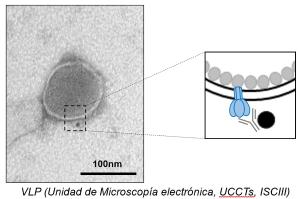
In order to identify the factors involved in the induction of these antibodies and to develop preventive strategies based on bNAb induction, we are pursuing the following research lines:
- Determination of factors associated with the induction of effective humoral responses in different scenarios: recent infection, chronic infection, co-infection with hepatitis C virus, reinfection, and pediatric infection, among others.
- Study of the effect of feminizing hormone therapy on the immune system of transgender women.
- Development of HIV-1 vaccine prototypes based on viral spike proteins incorporated into Virus-Like Particles (VLPs) from two sources:
a) Selected from a library of randomly mutated spikes to enhance the accessibility of epitopes recognized by bNAbs.
b) Derived from viruses present in individuals with broad neutralizing responses in recent infection. - Isolation and characterization of new bNAbs against HIV-1 from individual B cells of individuals with an efficient neutralizing response. These antibodies could be used in both preventive and therapeutic strategies.
- Isolation of new monoclonal antibodies against other human pathogenic viruses, adapting the technology developed for HIV-1 antibody isolation, in collaboration with researchers from the National Center for Microbiology.
- Use of gene therapy vectors (Recombinant Adeno-Associated Viruses; rAAVs) to incorporate bNAbs and apply them in prophylactic and therapeutic strategies.
Trasplante de órganos
null
Toxoplasmosis y Protozoos intestinales
null
Taxonomía Bacteriana
null
Susceptibilidad del huésped a las infecciones fúngicas invasoras
Se estima que más de un millón y medio de personas mueren al año en el mundo debido a una enfermedad fúngica invasora (EFI). Los tratamientos con inmunosupresores, terapias con corticoides, trasplantes de células hematopoyéticas y órgano sólido así como tratamientos quimioterapéuticos contra el cáncer han favorecido el aumento de estas infecciones fúngicas. El género Aspergillus es la principal causa de EFI por hongos filamentosos, siendo A. fumigatus la especie principalmente aislada en la mayoría de los casos y más frecuentemente asociada a Aspergilosis Invasora.
Muchas de estas infecciones están infra-diagnosticadas debido, tanto a la falta de sospecha clínica como a las limitaciones diagnósticas. Esta línea de investigación tiene como principal objetivo mejorar el pronóstico de la infecciones en pacientes con riesgo de desarrollar infecciones invasoras por hongos. Para ello se estudian marcadores del individuo (denominados biomarcadores del hospedador) que puedan ser detectados de forme temprana en muestras de pacientes en riesgo y que nos permita estratificar a los mismos en función de la susceptibilidad a desarrollar una infección invasora por hongos. Además, estudios realizados en los últimos años muestran que el fondo genético del hospedador está asociado con la predisposición al desarrollo de este tipo de enfermedades. En concreto se han identificado polimorfismos genéticos de nucleótido simple (“Single Nucleotide Polymorphism”- SNP) en genes que codifican para componentes celulares que interaccionan con estructuras fúngicas y/o que están involucradas en la respuesta inmune del huésped frente a agentes infecciosos como Aspergillus. En este sentido se han estandarizado y aplicado herramientas para la detección de SNPs en humanos de genes diana asociados concretamente con la susceptibilidad a la Aspergilosis Invasora.
Estudio de los mecanismos de virulencia en Aspergillus fumigatus
En paralelo al estudio de la respuesta del hospedador se sigue una línea cuyo objetivo es caracterizar mecanismos de virulencia en A. fumigatus. Uno de los principales mecanismos por los que A. fumigatus es capaz de causar enfermedad en humanos es su capacidad de adaptarse a las condiciones ambientales del hospedador. Entre las moléculas y los genes que se han relacionado con la virulencia de este hongo se encuentran componentes de la pared celular, genes y moléculas relacionadas con la evasión de la respuesta inmune, sistemas de detoxificación de los compuestos derivados del oxígeno, la producción de toxinas, la obtención de nutrientes como hierro, fósforo, nitrógeno y la adaptación a pH y temperatura del hospedador. Estos estudios permiten profundizar en el conocimiento sobre la patogenicidad de este hongo e identificar nuevas dianas terapéuticas
Serología
El laboratorio de Arbovirus y Enfermedades Víricas Importadas (AEVI) del CNM desarrolla su trabajo dentro de la línea de investigación “Virus emergentes transmitidos por vector y/o reservorio, de importancia en salud pública”, que se sustenta en las áreas de epidemiología molecular, desarrollo metodológico, detección en vectores y reservorios y, otros aspectos relacionados con estas zoonosis con una aplicación clara hacia la investigación, prevención, preparación, control y respuesta a las amenazas o brotes causados por estos virus.
Arbovirus como Dengue, Chikungunya o Zika son virus endémicos en todo el cordón tropical/sub-tropical del planeta en continua expansión a latitudes más lejanas debido al calentamiento global y a la dispersión y colonización de nuevos hábitats llevada a cabo por sus vectores artrópodos y son transportados a otras zonas del planeta a través de pacientes virémicos por lo que si, como ocurre en España, se cuenta con vectores transmisores establecidos, se puede propiciar el establecimiento de circulación autóctona. Además de estos virus exóticos, en España circulan endémicamente los arbovirus Toscana, West Nile y el virus de la Fiebre hemorrágica de Crimea-Congo, entre otros.
La OMS elaboró un listado en 2019 con las 10 amenazas para la Salud Global que consideraron más importantes, entre las que se encuentran los virus Dengue, Ébola y Zika. El principal temor es que la falta de preparación cause una epidemia. Además, algunos de estos virus como Dengue y Chikungunya son considerados también “Enfermedades Tropicales Desatendidas” que ponen en peligro la salud de muchas personas en países empobrecidos sin que se estudien con los recursos necesarios.
La importancia para la salud pública de estos patógenos, y la necesidad de prepararse frente a ellos, se refleja también en la lista de actividades prioritarias de investigación y desarrollo de la OMS que actualmente incluye, entre otros, el Ébola, el virus de la Fiebre Hemorrágica de Crimea Congo, el virus de Zika y la enfermedad por el virus de Nipah, debido a la amenaza que suponen para la Salud Pública por su potencial epidémico o porque no hay medidas de control suficientes. Además del peligro real que representan en zonas endémicas, algunos de los virus mencionados (Ébola, Zika, West Nile, Crimea-Congo y Dengue) han supuesto, y continúan siendo, una amenaza para nuestro país habiendo producido casos esporádicos o brotes localizados de infección autóctona. El riesgo para España de las enfermedades transmitidas por vectores está aumentando de manera muy clara como se ha podido observar en los últimos años, y la previsión es que siga aumentando.
Todos estos virus son virus zoonóticos emergentes y nuestro grupo de investigación lleva décadas trabajando en diferentes aspectos en relación con estos patógenos. El riesgo de emergencia y expansión de estos virus se basa de sus ciclos complejos de transmisión, por lo que nuestros estudios se basan tanto en el ser humano, como en los reservorios y los vectores que los transmiten. De esta base, parten transversalmente las líneas de actuación que van enfocadas a estudios de epidemiología molecular, desarrollo metodológico, detección de virus en vectores y hospedadores, caracterización de los mismos y estudios de competencia vectorial, con una aplicación dirigida hacia la investigación, prevención y respuesta a las amenazas o brotes causados por estos virus. El trabajo que desarrollamos se articula en torno a 3 objetivos principales:
Objetivo 1. Búsqueda y caracterización de virus emergentes en vectores y/o reservorios. Se lleva a cabo mediante herramientas moleculares incluyendo las nuevas estrategias de NGS, de virus emergentes en vectores y reservorios. De los virus detectados se realiza una caracterización molecular y serológica, llevando a cabo estudios de epidemiología molecular y de relaciones genéticas y antigénicas con virus relacionados.
Objetivo 2. Desarrollo metodológico para detección, identificación y caracterización de virus emergentes. Los métodos desarrollados pueden transferirse al SNS, explotarse comercialmente y/o utilizarse en la Cartera de Servicios del CNM. Estos desarrollos moleculares, y/o serológicos, refuerzan al CNM en su papel como Laboratorio Nacional de Referencia de Zoonosis, con un aporte de herramientas útiles y necesarias para la detección y caracterización de estos agentes. De igual forma, el desarrollo de herramientas tipo flujo lateral, las denominadas “Point Of Care” es una de las necesidades que pretendemos dar solución.
Objetivo 3. Eco-epidemiología de viriasis emergentes. Debido a los complejos ciclos biológicos de los arbovirus, el estudio de las especies de vectores implicados en nuestro país, así como el origen y evolución de los agentes circulantes, es crucial a la hora de entenderlos y responder a las amenazas que generan. Para ello estudiamos la presencia de estos virus tanto en muestras humanas como de vectores y posibles hospedadores, lo que nos permite, con un enfoque de “Una Salud”, entender los mecanismos que controlan su circulación y que puedan estar implicados en su patogenicidad.
Sarampión, rubeola, parotiditis, parvovirus B19 y rabia
null
Resistencia a Antibióticos
Nuestro objetivo general es aportar conocimiento precoz sobre cualquier mecanismo de resistencia a antibióticos emergente en nuestro país. Dicho aporte de conocimiento se fundamenta en unos objetivos transversales clave:
1) La capacidad de adaptar la investigación a los problemas de resistencia emergentes
2) La promoción de estudios de investigación cooperativos y multidisciplinares con diferentes centros españoles y extranjeros
3) La transferencia ágil de los resultados de la investigación a la práctica clínica del Sistema Nacional de Salud
4) El fomento de la interrelación de la investigación con la referencia, la asesoría, la formación y la divulgación.
Nuestros principales objetivos científicos son la caracterización de las bases moleculares de la resistencia a antibióticos en bacterias patógenas, el estudio de la epidemiología molecular y la estructura poblacional de las bacterias resistentes, la caracterización de los elementos genéticos móviles que portan los genes de resistencia, y el desarrollo de técnicas diagnósticas y alternativas terapéuticas frente a bacterias con resistencia extensa, basado en nuevas tecnologías como la secuenciación de genomas bacterianos. La investigación en las vías de diseminación de enterobacterias, Acinetobacter baumannii y Pseudomonas aeruginosa productores de carbapenemasas es uno de nuestros objetivos prioritarios.
Algunas iniciativas en las que participamos son la red europea de vigilancia de la resistencia a antibióticos (EARS-Net), el sistema de la OMS desarrollado para apoyar el plan de acción mundial sobre la resistencia a los antimicrobianos (GLASS), la red española de investigación en patología infecciosa (REIPI), el Plan nacional contra la resistencia a antibióticos (PRAN), el Comité Coordinador de la red de laboratorios para la vigilancia de microorganismos resistentes, y la coordinación nacional de los proyectos CARBA-ES-2019 (nacional) y CCRE-survey (ECDC).
Líneas de investigación
- Detección y caracterización de mecanismos de resistencia a antibióticos emergentes, sobre todo a antibióticos de última línea como los antibióticos carbapenémicos y la colistina.
- Caracterización y trazabilidad interregional, mediante el análisis de secuencias de genomas completos (WGS), de clones de alto riesgo con múltiple resistencia a antibióticos, y de plásmidos epidémicos portadores de genes de resistencia.
- Identificación mediante recursos bio-informáticos de posibles dianas para el desarrollo de nuevos productos o moléculas relacionadas con el control de la resistencia a antibióticos (vacunas, pruebas diagnósticas, atenuantes de virulencia y otros).
- Análisis de las tendencias evolutivas de la resistencia a antibióticos en patógenos bacterianos productores de bacteriemia; European Antimicrobial Resistance Surveillance Net (EARS-Net) del ECDC y Global Antimicrobial Resistance Surveillance System (GLASS) de la OMS.
- Análisis del microbioma y resistoma del tracto gastrointestinal humano y su relación con la colonización por bacterias multi-resistentes y desarrollo de infecciones (metagenómica).
Referencia e Investigación en Helmintos
null
Presentación y Regulación Inmunes
null
Patógenos Especiales
null
Líneas de investigación prioritarias

1. Estudio de los procesos de latencia y reactivación del VIH-1: principales mecanismos homeostáticos responsables de la latencia proviral y la generación de los reservorios virales que imposibilitan la erradicación de la enfermedad.
2. Estudio de dianas terapéuticas para impedir la replicación viral activa durante la infección aguda o primaria y para interferir con la renovación del reservorio viral: análisis de fármacos inhibidores de las kinasas de linfocitos PKC o kinasas de la familia Src como p56Lck.
3. Análisis de los mecanismos de transactivación responsables de la replicación viral activa en linfocitos T CD4+: mecanismos virales implicados en reactivación del provirus.
4. Estudio de mecanismos que impidan la infección y replicación viral eficaz en células del reservorio viral secundario como son los monocitos/macrófagos.
5. Análisis de la resistencia a la infección por VIH-1 en linfocitos T CD4+ aislados de pacientes con distrofia muscular de cintura escapulohumeral/pélvica 1F (LGMD1F), que portan un defecto en el gen de la transportina-3 (tnpo3).
6. Estudio de la sinergia NF-B/Tat para la identificación de nuevas dianas terapéuticas.
7. Estudio de cambios de expresión en el transcriptoma y modificaciones postraduccionales en el proteoma de linfocitos T CD4+ que expresan Tat intracelular y su impacto sobre la estructura del citoesqueleto celular: mecanismo potencial de supervivencia de los reservorios virales.
8. Análisis de los mecanismos de degradación de p65/RelA (NF-B) y su importancia en la infección por VIH-1.
9. Estudio de las modificaciones en el metabolismo del RNA inducidas por la expresión intracelular de Tat y su papel en los mecanismos de supervivencia celular y aumento de la replicación viral.
Otras líneas de investigación
1. Estudio de la respuesta humoral y celular desarrollada en pacientes con Long COVID o COVID persistente.
2. Análisis de biomarcadores predictivos de gravedad en pacientes con distintas presentaciones de COVID-19.
3. Estudio de la respuesta inmune frente a la infección natural por SARS-CoV-2 o por la vacunación frente al COVID-19 desarrollada por pacientes con enfermedades oncohematológicas en estado de inmunodeficiencia.
4. Definición de biomarcadores predictivos de recaída en pacientes con leucemia mieloide crónica que hayan interrumpido el tratamiento con inhibidores de tirosina kinasas.
Patogénesis e inmunidad viral
A) Desarrollo de metodología point of care frente a hepatitis virales en el reservorio del VIH
El tratamiento precoz de las hepatitis virales reduce el deterioro progresivo del hígado y evita el trasplante hepático. Resulta esencial disponer de métodos diagnóstico rápido, sencillos y coste-efectivos, para el cribado, en la vigilancia epidemiológica y el diagnóstico virológico temprano de enfermedades virales hepáticas. Línea de investigación llevada a cabo en colaboración con el Dr. Ricardo Madrid (BioAssays S.L).
B) Impacto de la coinfección y eliminación de las hepatitis virales en el reservorio del VIH
La coinfección por el VHC impacta en el reservorio del VIH, principal obstáculo para eliminar esta infección. Se realizan distintos abordajes del estudio del reservorio del VIH en pacientes VIH+ con distinta exposición al VHC, y tras su eliminación espontánea o con antivirales de acción directa, con el objetivo de identificar y proponer nuevas estrategias de eliminación/curación del VIH. Esta línea de Investigación se desarrolla en el seno del Grupo Multidisciplinar COVIHEP (COinfección por VIH y HEPatitis).
C) Identificación de marcadores de senescencia inducida por virus y estrategias paliativas
Las infecciones virales inducen una senescencia acelerada cuyo impacto afecta a la evolución de la enfermedad y a posibles comorbilidades. Nuestro objetivo es profundizar en los mecanismos que desencadenan la inmunosenescencia y estrés oxidativo asociado a infecciones virales e identificar nuevas estrategias terapéuticas que palien el envejecimiento prematuro en estos pacientes.
D) Impacto de SARS-CoV-2 en la infección por el VIH y hepatitis virales
Se desconocen las complicaciones a largo plazo de la infección por SARS-CoV-2 en personas que viven con VIH y/o hepatitis virales que podrían experimentar un desarrollo clínico de la enfermedad más desfavorable. La identificación de biomarcadores de gravedad no invasivos (como en sangre/plasma) resulta de especial interés en estos pacientes.
E) Origen y Epidemiología de la enfermedad hepática
Estudio del origen y la dinámica de transmisión espacio-temporal de los virus hepáticos, clave para el entendimiento de su evolución y propagación, así como en el análisis de la carga global de las enfermedades, lo que podría ayudar a desarrollar programas de Salud Pública encaminados a prevenir y frenar su transmisión.
F) Impacto de la viremia de bajo grado del VIH
Se desconoce tanto el origen como los mecanismos de la viremia de bajo grado, presente entre el 3 y 16% que las personas que viven con VIH. Su presencia podría desembocar en un mayor riesgo de sufrir comorbilidades relacionadas con enfermedades cardiovasculares, cáncer y trastornos metabólicos.
G) Calidad del aire y su impacto en poblaciones vulnerables
La contaminación del aire agrava las patologías infecciosas y la salud cardiovascular y respiratoria. La evolución de la enfermedad en personas con enfermedades crónicas con VIH y hepatitis puede verse agravada tras la inhalación continua de contaminantes ambientales. Línea de investigación llevada a cabo en colaboración con el CNSA y el CNE del ISCIII.
H) Coinfección por VHE y protistas entéricos en el reservorio humano y animal: vigilancia e investigación
La coinfección entre virus y protistas entéricos podría influir en la cotransmisión y patogenicidad de dichas especies. Línea de investigación, bajo el concepto “One Health” que se centra en la vigilancia y estudio de la coinfección del VHE y protistas entéricos. Colaboración con el grupo multidisciplinar COHEPROEN (COinfección HEpatitis y PROtistas ENtéricos).
Nuevos antifúngicos y aspergilosis crónicas.
Epidemiología, resistencia y actividad de nuevos antifúngicos
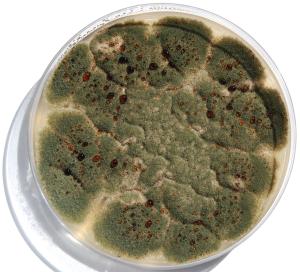
El conocimiento de la epidemiología y la tasa de resistencia a los antifúngicos es esencial para un manejo adecuado de los pacientes y una estrategia de detección y diagnostico apropiada. La resistencia a los antimicrobianos es hoy una de las mayores amenazas para la salud mundial siendo el desarrollo y comercialización de nuevos compuestos una de las prioridades del sector de la salud. Se han realizado en colaboración con centros del Sistema Nacional de Salud varios estudios poblacionales, con el fin de conocer la epidemiología de los hongos filamentosos en España y la tasa de resistencia a los antifúngicos. Se ha encontrado que más de un 10% de las infecciones por hongos filamentosos están producidas por especies crípticas que suelen ser más resistentes a los antifúngicos. En los últimos años han aparecido varios compuestos con capacidad antifúngica que están en diferentes fases de desarrollo, en nuestro grupo se ensayan estos nuevos compuestos frente a los principales géneros de especies patógenas, incluyendo las especies crípticas multiresistentes.
Aspergilosis Pulmonar Crónica y Aspergilosis Broncopulmonar alérgica
Estas enfermedades ocurren generalmente en personas inmunocompetentes. La incidencia de estas enfermedades es prácticamente desconocida. La ausencia de un diagnóstico apropiado y del tratamiento óptimo complica el manejo de estos pacientes. Varios estudios han documentado la presencia de cepas multiresistentes en estos pacientes, debido a tratamiento prolongados. En esta línea se está trabajando en mejorar el algoritmo diagnóstico de estas enfermedades, así como analizar la epidemiología de las especies aisladas en estas infecciones y la influencia de cambios en el micobioma pulmonar y ambiental.
Enfermedades fúngicas y Salud global
Muchos países de renta media y baja se encuentran en zonas de alta incidencia de hongos, sin embargo, tienen menos herramientas y capacidad diagnóstica para manejarlas. Con el fin de conocer la incidencia de las infecciones oportunistas por hongos y disminuir la muerte asociada a las mismas en pacientes que viven con VIH en Guatemala y en colaboración con el Fondo de acción Global para las infecciones fúngicas (GAFFI), se ha desarrollado una red de unidades de atención integral al sida e implementado un laboratorio central de diagnóstico, que hace de referencia para el diagnóstico en varias infecciones oportunistas. Se ha hecho un estudio de cohortes incluyendo a más de 2500 pacientes HIV+ con un seguimiento de un año. Se han tamizado las principales infecciones fúngicas en este grupo de pacientes permitiendo el acceso al diagnóstico y al tratamiento de las mismas en la mayor parte del país y consiguiendo una disminución de mortalidad en un año del 7%.
Neumococos
Vigilancia epidemiológica de los serotipos y genotipos que causan enfermedad neumocócica invasiva (ENI) en España. Caracterización molecular de factores de virulencia de neumococo. Identificación y caracterización de proteínas de neumococo candidatas a vacuna. Evaluación de mecanismos de evasión de la respuesta inmune en Streptococcus pneumoniae. Impacto de los biofilms bacterianos en la persistencia del tracto respiratorio. Mecanismos de cronicidad de aislados clínicos de neumococo en pacientes con enfermedad pulmonar obstructiva crónica.
Neisseria, Listeria y Bordetella
• Invasive Meningococcal Disease.
o Laboratory surveillance based on whole-genome sequencing and its application in Public Health.
o Study and characterization of antimicrobial resistance mechanisms.
o Study and evaluation of conventional (polysaccharide) and new-generation (protein) vaccines.
• Gonococcal Infection (Gonorrhea).
o Laboratory surveillance based on whole-genome sequencing and its application in Public Health.
o Study and characterization of antimicrobial resistance mechanisms.
• Listeriosis.
o Laboratory surveillance based on whole-genome sequencing and its application in Public Health.
• Pertussis.
o Development and application of molecular techniques for the diagnosis and characterization of Bordetella pertussis, B. parapertussis, B. holmessi, and B. bronchiseptica.
Research projects
1) Project Title: Compaction of the chromosome of Streptococcus pneumoniae: interactions and epigenetic marks.
Principal Investigator María José Ferrándiz Avellano y Adela González de la Campa.
Funding Entity: Ministry of Science, Innovation and University (Call for "R&D&I Projects" 2024 – "Research Challenges" and "Knowledge Generation" Modalities), State Research Agency 10.13039/501100011033 and FEDER.
Reference: PID2021-124738OB-100.
Duration: 2025-2028.
Funding Amount: €107,500€.

2) Project Title: Interaction Between DNA Supercoiling and Transcription in the Human Pathogen Streptococcus pneumoniae.
Principal Investigator: Adela González de la Campa
Funding Entity: Ministry of Science and Innovation, State Research Agency (Call for "R&D&I Projects" 2020 – "Research Challenges" and "Knowledge Generation" Modalities).
Reference: PID2021-124738OB-100.
Duration: 2022-2025.
Funding Amount: €108,900.

3) Project Title: Study of the Factors Organizing the Chromosome of Streptococcus pneumoniae: New Antibiotic Targets and Resistance Mechanisms.
Principal Investigator: Adela González de la Campa
Funding Entity: Ministry of Economy, Industry, and Competitiveness. State Research Agency.
Reference: BIO2017-82951-R.
Duration: 2018-2020.
Funding Amount: €169,400.
4) Project Title: Role of DNA Topoisomerases and Nucleoid-Associated Proteins in the Chromosome Organization of Streptococcus pneumoniae: Response to Antibiotics and Virulence.
Principal Investigator: Adela González de la Campa
Funding Entity: Ministry of Economy and Competitiveness. Secretariat of State for Research, Development, and Innovation.
Reference: BIO2014-55462.
Duration: 2015-2017.
Funding Amount: €193,600.
5) Project Title: The Control of Supercoiling Level in Streptococcus pneumoniae as an Antimicrobial Target.
Principal Investigator: Adela González de la Campa
Funding Entity: Ministry of Economy and Competitiveness. Secretariat of State for Research, Development, and Innovation.
Reference: BIO2011-25343.
Duration: 2012-2015.
Funding Amount: €209,000.
6) Project Title: Role of Small Non-Coding RNAs in the Pathogenicity of Streptococcus pneumoniae.
Principal Investigator: Mónica Amblar Esteban
Funding Entity: Ministry of Economy and Competitiveness. Strategic Health Action (AES).
Reference: PI11/00656.
Duration: 2012-2015.
Funding Amount: €198,714.
Title: Optimisation of SFRP1 neutralisation using monoclonal antibodies to slow the progression of Alzheimer’s disease (IMPACT-AD)
Reference: PDC2025-165053-I00
Funding body: State Research Agency: Proof of Concept
Duration: 2025–2027.
Funding: €157,300

Title: ISCIII Platform for Biomodels and Biobanks
Reference: PT23CIII/00006
Funding body: ISCIII
Duration: 2023–2025
Funding: €100,000
Title: Complementary Thematic Network
Reference: RED2022-134750-T
Funding body: State Research Agency
Duration: 2023–2025
Funding: €19,100

Title: The complement system in health and disease (COMPLEMENT CM III)
Reference: P2022/BMD-7278
Funding body: Autonomous Community of Madrid (CAM)
Duration: 2022–2025
Funding: €40,710
Title: Improving the diagnosis of tuberculosis in domestic ruminants through the use of new antigens and test platforms
Reference: PCI2023-143397
Funding body/bodies: State Research Agency: ERA-Net co-funded international collaboration projects ICRAD
Duration: 2023–2025
Funding: €100,430

A continuación se detallan los proyectos de investigación del grupo con vigencia en los últimos cinco años:
1. Título del proyecto: Terapias de RNA, Inmunoterapia y Diagnóstico Avanzado frente a las Resistencias Antimicrobianas. END-RAM (PLEC2024-011123).
Proyecto financiado por el CDTI y la Agencia Estatal de Investigación en la convocatoria Transmisiones de 2024 (vigencia 2025-2028). IP: María Pérez Vázquez
2. Título del proyecto: AMIR: Inmunoterapia avanzada basada en macrófagos para infecciones resistentes a antibióticos (CPP2024-011561)
Proyecto financiado por la Agencia Estatal de Investigación en la convocatoria Retos 2025 (vigencia 2026-2028). IP: Isabela Alonso González.
3. Título del proyecto: Desarrollo y Estandarización de un Banco de fagos para el tratamiento de Infecciones Pulmonares crónicas producidas por Bacterias Multirresistentes (DEBIPhage) (COOP24CIII/00021).
Proyecto financiado por el ISCIIII en la convocatoria COOPERA-ISCIII (AESi 2024) (vigencia 2025-2028). IP: María Pérez Vázquez.
4. Título del proyecto: Estudio comprehensivo del impacto de las bacterias multirresistentes productoras de metalocarbapenemasas a nivel nacional: Proyecto multicéntrico nacional CARB/MBL-ES-25 (PI24CIII/00044)
Proyecto financiado por el ISCIII en la convocatoria AESi 2024 (vigencia 2025-2027). IPs: María Pérez Vázquez y Jesús Oteo Iglesias; coordinadora: Eva Ramírez de Arellano.
5. Título del proyecto: Phage Therapy An-persister strategy (PHAGES-An-PERS) (JPIAMR-ACTION 2024)
Proyecto financiado por la JPIAMR-Action 2024 (vigencia 2025-2027) IP: María del Mar Tomás Carmona (H.U. A Coruña). IP del CNM: Jesús Oteo Iglesias.
6. Título del proyecto: Improving surveillance of antibiotic-resistant Pseudomonas aeruginosa in Europe (ISARPAE) (JPIAMR_NC_2022-021)
Proyecto financiado por la JPI-AMR 2022 (vigencia 2023-2024) IP: Antonio Oliver Palomo (H.U Son Espases de Palma de Mallorca). Investigador del grupo en el proyecto: Jesús Oteo Iglesias.
URL: https://www.jpiamr.eu/projects/isarpae/#network-partners
7. Título del proyecto: Bridging of Antimicrobial resistance Surveillance systems In Community Settings across Europe (BASICS) (JPIAMR_NC_2022-020).
Proyecto financiado por la JPI-AMR 2022 (vigencia 2023-2024). IP: Olivier Lemenand; investigador del grupo en el proyecto: Jesús Oteo Iglesias.
URL: https://www.jpiamr.eu/projects/basics/
8. Título del proyecto: La medicina de precisión contra la resistencia a antimicrobianos: Proyecto MePRAM (PMP22/00092)
Proyecto financiado por el ISCIII en la convocatoria de Medicina Personalizada y de Precisión 2022 (vigencia 2023-junio 2026). IP: Jesús Oteo Iglesias.
9. Título del proyecto: Impact of carbapenemase-producing Klebsiella pneumoniae in patients infected by SARS-CoV-2: Prevalence and genomic characterization (PI21CIII/00039)
Proyecto financiado por el ISCIII en la convocatoria AESi 2020 (vigencia 2022-2024, prorrogado hasta 2025). IPs: María Dolores Pérez Vázquez y Jesús Oteo Iglesias.
10. Título del proyecto: Impacto de la hospitalización en UCI en el microbioma y resistoma intestinal, estudio de cohorte observacional (2018-T1/BMD-11581)
Proyecto financiado por la Dirección General de Investigación e Innovación, Consejería de Educación e Investigación de la CAM (vigencia 2019-2023). IP: Silvia García Cobos.
11. Título del proyecto: Metatranscriptomics to investigate the functional gut microbiome and resistome in critically ill patients (2022-5A/BMD-24243)
Proyecto financiado por la Dirección General de Investigación e Innovación, Consejería de Educación e Investigación de la CAM (vigencia 2023-2024). IP: Silvia García Cobos.
12. Título del proyecto: PROTECT, Inhibidores de carbapenemasas: actividad frente a Enterobacterales productores de carbapenemasas, mecanismos e impacto en la evolución de la resistencia antimicrobiana (PI22/01212).
Proyecto financiado por el ISCIII en la convocatoria AES 2022 (vigencia 2023-2025). IP: Jorge Arca Suarez. Investigador colaborador del grupo: Maria Belén Aracil.
13. Título del proyecto: Incidencia y caracterización genómica de Klebsiella pneumoniae y Escherichia coli productores de carbapenemasas aislados en hospitales españoles: Proyecto multicéntrico nacional CARB-ES-2019 (PI18CIII/00030)
Proyecto financiado por el ISCIII en la convocatoria AESi 2018 (vigencia 2019-2021, prorrogado hasta diciembre de 2022). IP: Jesús Oteo Iglesias.
14. Título del proyecto: Desarrollo preclínico de vacunas basadas en ADN plasmídico para la prevención de infecciones por Klebsiella pneumoniae y Acinetobacter baumannii multirresistente (MPY 380/18)
Proyecto financiado por el ISCIII en la convocatoria AESi 2018 (vigencia 2019-2021, prorrogado hasta diciembre de 2022). IPs: María Pérez Vázquez y Michael McConnelly
15. Aunque no se trata de proyectos de investigación con financiación competitiva al uso, caben destacar los estudios de vigilancia mediante WGS que el ECDC a través de su red EURGen-Net está llevando a cabo en los últimos años, y que se estructuran a través de redes nacionales; la subred española está coordinada desde el CNM-ISCIII por nuestro grupo.
15.1. ECDC genomic-based survey of carbapenem-resistant Acinetobacter baumannii in Europe (CRAb). Inicio 2025. Coordinación española: Belén Aracil García y Jared Sotelo Tascón
15.2. ECDC genomic surveillance of carbapenem-resistant Enterobacterales 2025 (CRE25 survey). Inicio 2025. Coordinación española Belén Aracil García y Javier Cañada García.
- Towards a functional cure: Implications of early antiretroviral therapy and hormonal changes on the HIV reservoir in perinatally infected adolescents. Health Research Fund (FIS) – Carlos III Health Institute (01/01/2026 – 31/12/2028). €72,000. PI: María Pernas, Concepción Casado.
- Determination of factors associated with protection against Human Immunodeficiency Virus type 1 reinfection: Identification of correlates of protection. 9th Gilead Fellowship Program for Biomedical Research, Gilead Sciences, S.L. (01/07/2023 – 30/06/2025). €16,330. PI: María Pernas.
- Impact of the envelope on HIV viral replication: New avenues for vaccine development. Health Research Fund (FIS) – Carlos III Health Institute (01/01/2020 – 31/12/2023). €53,000. PI: María Pernas, Concepción Casado.
- Study of HIV-1 virulence in recently infected patients and its contribution, together with clinical and epidemiological factors, to disease progression. Ministry of Economy and Competitiveness. State Program for Scientific and Technical Research and Innovation (30/12/2016 – 30/06/2021). €145,000. PI: Concepción Casado, Cecilio López-Galíndez.
-Contribution of HIV-1 dual infection to virological and clinical evolution in homo/bisexual men. Health Research Fund (FIS) – Carlos III Health Institute (01/01/2014 – 31/01/2016). €74,410. PI: Cecilio López-Galíndez.
- Characterization of non-pathogenic HIV variants obtained “ex vivo” and “in vitro” for the study of disease pathogenesis. Ministry of Science and Innovation (01/01/2011 – 31/01/2014). €169,400. PI: Cecilio López-Galíndez.
- Spanish AIDS Research Network (RIS-RETIC). Carlos III Health Institute (02/01/2017 – 02/01/2022). €195,212. PI: Cecilio López-Galíndez, Concepción Casado.

- Título: Desvelando la genómica de las bacterias anaerobias procedentes de bacteriemias
Referencia Proyecto: PID202-1127477OB-I00-MPY 302/22.
Entidad financiador: Agencia Estatal de Investigación.
Fechas de ejecución: 2023-2026
Financiación 108.900 €.
Investigadora principal: Sylvia Valdezate

- Título: Plataformas MALDI-TOF/CMI SENSITITRETM Personal Técnico Apoyo
Referencia: PTA2019-016623-I.
Entidad Financiadora: Agencia Estatal de Investigación.
Fechas ejecución 12/2020-11/2023
Investigadora principal: Sylvia Valdezate
- Título: Elementos genéticos móviles protagonistas en la evolución de los serotipos pandémicos M1 y M89 de Streptococcus pyogenes en el síndrome del shock tóxico y otras infecciones invasivas
Referencia: (MPY 377/18).
Entidad financiadora: Instituto de Salud Carlos III. Agencia Estatal de Investigación en Salud Intramural (AESI).
Fechas de ejecución: 11/2018-12/2022.
Financiación: 40.000 €.
Investigadoras principales: Pilar Villalón. Co-IP Sylvia Valdezate.
- Título: Plataformas genéticas y su influencia en la resistencia a co-trimoxazol, macrólidos y tetraciclina en Nocardia spp.
Referencia: MPY 1278/15
Entidad financiadora: Instituto de Salud Carlos III. Agencia Estatal de Investigación en Salud Intramural (AESI).
Fechas de ejecución: 2015-2017.
Financiación: 88.141,8 €.
Investigadora principal: Sylvia Valdezate
- Título: Filogenia y caracterización de mecanismos moleculares de resistencia en Nocardia spp.
Referencia: MPY 1446/11
Entidad financiadora: Instituto de Salud Carlos III. Fondo de Investigación Sanitaria (AES). ()
Fechas de ejecución: 04/2012-10/2015
Financiación: 115.457 €.
Investigadora principal: Sylvia Valdezate.
- Título: Iberian network of laboratories of biological alert. Accreditation of methods for detection highly pathogenic agents (IB-BIOALERTNET).
Entidad financiadora: COMISIÓN EUROPEA HOME/2012/ISEC/AG/CBRN/4000003810. (Instituto de Salud Carlos III (VISAVET, IVIA, INSA, INIAV))
Referencia: SAFI 1132/13-7.
Fecha de ejecución: 2013-2015.
Financiación: 699.175 €.
Tipo de participación: Miembro del equipo investigador.
- Título: EQUATOX Project Establishment of Quality Assurances for theDetection of Biological Toxins of potential Bioterrorism risk.
Entidad financiadora y convocatoria: Seven Framework Programme for Research FP7-SECURITY. (Robert Koch-Institut Berlin Alemania).
Referencia: SEC-2011.5.4-1.
Fechas de ejecución: 2012-2014.
Funded Research Projects (Competitive Public Calls)
Projects as Principal Investigator
1.Title: Proteomic Analysis of Fungal Biofilms (Mono- and Multispecies): Importance of the Extracellular Matrix
Funding Agency: AESi 2025 (Grant No. PI25/00038)
Funding Amount: €117,500
Duration: 2026–2028
Principal Investigator: Alicia Gómez-López
2. Title: Study of Biomarkers Involved in the Development and Evolution of Fungal Biofilms
Funding Agency: AESi 2021 (Grant No. PI21CIII/00012; MPY 435/21)
Funding Amount: €40,450
Duration: 2022–2024 (extended to 2025)
Principal Investigator: Alicia Gómez-López
3. Title: Novel Strategies for Characterizing Progression and Response to Fungal Infection: Application of Advanced Chromatographic Techniques
Funding Agency: AESi FIS (Grant No. PI16CIII/00014; MPY 1347/16)
Funding Amount: €41,500
Duration: 2017–2021
Principal Investigator: Alicia Gómez-López
4. Title: Management and Maintenance of the Yeast and Filamentous Fungi Strain Collection of the National Reference Mycology Laboratory (CNM-ISCIII)
Project Reference: PEJ-2014-A-13436
Scientific Area: Technology Transfer
Duration: 2016–2018
Principal Investigator / Supervisor: Alicia Gómez-López
5. Title: Genetic Variants of Drug-Metabolizing Enzymes (CYP450) and Voriconazole Monitoring in Treated Patients: Implications for Clinical Decision-Making
Funding Agency: AES FIS 2013 (Grant No. PI13/01817; MPY 1367/13)
Funding Amount: €86,515
Duration: 2013–2016
Role: Principal Investigator
6. Title: Clinical Relevance of Azole Resistance in an Animal Model of Invasive Aspergillosis: Characterization of PK/PD Parameters
Funding Agency: ISCIII Emerging Groups Program (MPY 1354/10)
Funding Amount: €63,613 (Technical Contract – FP)
Duration: 2010–2012
Role: Principal Investigator
7. Title: Clinical Relevance of Azole Resistance in an Animal Model of Invasive Aspergillosis: Characterization of PK/PD Parameters
Funding Agency: AES FIS (Grant No. PI09/0624; MPY 1003/10)
Funding Amount: €50,820
Duration: 2010–2012
Role: Principal Investigator
Collaborating Researcher
Title: Pilot Project for the Development of a Molecular Surveillance Network for Antifungal Resistance Integrating Microbiological and Clinical Data (FunResNet)
Consortium: Biomedical Research Networking Center (CIBERINFEC), Infectious Diseases Area
Funding Agency: CIF: G85296226 (Grant No. IM23/INFEC/2)
Duration: 2024–2025
Principal Investigator: Ana Alastruey-Izquierdo
Collaborating Researcher: Alicia Gómez-López
Title: Biomarkers in Bronchoalveolar Lavage for the Diagnosis and Prognostic Assessment of Invasive Pulmonary Aspergillosis
Consortium: Biomedical Research Networking Center (CIBERINFEC), Infectious Diseases Area
Funding Agency: CIF: G85296226 (Grant No. IM23/INFEC/7)
Funding Amount: €63,000
Duration: 2024–2025
Principal Investigator: Laura Alcázar-Fuoli
Collaborating Researcher: Alicia Gómez-López
Title: Biomedical Research Networking Center (CIBER), Infectious Diseases Area
Funding Agency: CIF: G85296226 (Grant No. CB21/13/00105)
Funding Amount: €85,000 (first year)
Duration: 2022–2026
Role: Technological Development – Collaborating Researcher
Principal Investigator: Emilia Mellado-Terrado
Industry-Funded Research Projects
Title: Rezafungin: An Attempt to Optimize In Vitro Susceptibility Against a Collection of Clinical Yeasts
Funding Company/Institution: Mundipharma Research / Micología Molecular S.L.
Duration: 2025
Principal Investigator: Alicia Gómez-López
Title: Determination of Benznidazole Concentrations in Serum and Urine of Treated Rabbits
Funding Company/Institution: Micología Molecular S.L. / Fundación MundoSano
Duration: 2024
Principal Investigator: Javier Nieto
Role: Technological Development – Collaborating Researcher
Researcher: Alicia Gómez-López (Madrid, Spain)
Title: Phase IV, Single-Center, Multiple-Dose, Single-Arm Clinical Trial to Assess the Bronchopulmonary Penetration of Isavuconazole in Lung Transplant Recipients (EudraCT No. 2019-004240-30)
Duration: 2020–2021
Role: Collaborating Researcher
Principal Investigators: Piedad Ussetti-Gil; Belén Ruiz-Antorán (Hospital Puerta de Hierro, Madrid)
Title: Prospective, Randomized Pilot Study on the Feasibility of Nebulized Liposomal Amphotericin B (nL-AmB) as Adjunctive Therapy for Invasive Pulmonary Aspergillosis
Funding Company: Micología Molecular S.L.
Duration: 2019–2021
Principal Investigator: Jesús Fortún-Abete
Role: Collaborating Researcher
Title: Sequential Plasma Pharmacokinetic Study of Two Oral Posaconazole Formulations (Oral Suspension and Gastro-Resistant Tablets) in Hematology Patients at High Risk of Invasive Fungal Infections (Protocol Code POPK-1501)
Funding Company/Institution: MSD / Micología Molecular S.L.
Duration: 2017
Role: Collaborating Researcher
Title: Validation of Real-Time PCR in Blood and Peritoneal Fluid for the Diagnosis of Candida Peritonitis. Peritoneal Pharmacokinetics and Echinocandin Resistance Analysis
Duration: 2016–2018
Funding Company: Micología Molecular S.L.
Role: Collaborating Researcher
Title: In Vitro Activity of Cyanobacterial Extracts Against a Collection of Yeast and Filamentous Fungi
Duration: 2013
Funding Institution: Valoralia I+D+i
Role: Principal Investigator
Title: Arasertaconazole Nitrate: In Vitro Activity Against Candida spp. by Time–Kill Studies
Duration: 2010–2011
Funding Company: Grupo Ferrer
Role: Principal Investigator
Title: Arasertaconazole Nitrate: In Vitro Susceptibility Study Against Clinical Isolates of Candida
Duration: 2010–2011
Funding Company: Grupo Ferrer
Role: Principal Investigator
1. Project Title: Determination of the degree of identity of common antigens of N. meningitidis and N. gonorrhoeae using genomic and immunological tools.
Principal Investigator: Raquel Abad Torreblanca
Funding Entity: ISCIII. Program: Strategic Action in Intramural Health
Reference: PI23CIII/00040
Period: 2024-2026
Amount Awarded: €68,500
2. Project Title: Meningococcal Disease and Molecular Epidemiology (MEMORY).
Principal Investigator: Raquel Abad Torreblanca and Julio A. Vázquez Moreno
Funding Entity: Pfizer Inc.
Reference: MVP 352/21
Period: 2022-2024
Amount Awarded: €82,834.50
3. Project Title: Modelling Approaches to Guide Intelligent Surveillance for the Sustainable Introduction of Novel Antibiotics. MAGIcIAN.
Principal Investigator: Raquel Abad Torreblanca
Funding Entity: ISCIII / International Joint Action / Joint Programming Initiatives (JPI) Program
Reference: AC19CIII/00002
Period: 2020-2024
Amount Awarded: €46,000
4. Project Title: Epidemiological, Microbiological, and Clinical Analysis of the Listeriosis Outbreak in Andalusia. LISMOAN Study.
Principal Investigator: José Miguel Cisneros Herreros
Funding Entity: FISEVI (Andalusian Public Foundation for Health Research Management)/FPS2020 Call for Proposals
Reference: PI-0001-2020
Period: 2020-2023
Amount Awarded: €114,954
5. Project Title: Population Structure of Neisseria meningitidis Using Massive Sequencing: A Potential Tool for Estimating Vaccine Effectiveness?
Principal Investigator: Raquel Abad Torreblanca
Funding Entity: ISCIII / Strategic Action in Intramural Health
Reference: PI19CIII/00030
Period: 2020-2023
Amount Awarded: €67,153
6. Project Title: Management agreement between the Ministry of Health, Social Services and Equality (Directorate General of Public Health, Quality and Innovation) and the Carlos III Health Institute, for the laboratory determinations corresponding to the 2nd seroprevalence study in Spain.
Principal Investigator: Fernando de Ory and Julio A. Vázquez
Funding Entity: Directorate General of Public Health, Ministry of Health
Reference: MEG151/17
Period: 2018-2020
Amount Awarded: €565,663
7. Project Title: Effectiveness of the Meningococcal B Vaccine in Immunocompromised Children with Sickle Cell Disease
Principal Investigator: Raquel Abad Torreblanca
Funding Entity: Spanish Society of Pediatric Hematology and Oncology Foundation (SEHOP)
Reference: MVP 199/18
Period: 2018-2020
Amount Awarded: €18,285
8. Project Title: Application of Massive Sequencing and Immunological Approaches in the Expression Analysis of New Vaccine Antigens in Meningococcal Populations
Principal Investigator: Raquel Abad Torreblanca
Funding Entity: ISCIII / Strategic Action in Intramural Health
Reference: PI16CIII/00023
Period: 2017-2020
Amount Awarded: €115,084
9. Project Title: fHbp variability over time and potential coverage of the new meningococcal serogroup B vaccine (bivalent rLP2086/fHbp) in Spain.
Principal Investigators: Raquel Abad and Julio A. Vázquez
Funding Entity: Pfizer SLU
Reference: MVP 1273/16
Period: 2017-2020
Amount Awarded: €125,350
10. Project Title: Estimation of protection of a conjugate vaccine against meningococcus serogroup C based on a mathematical model.
Principal Investigator: Julio A. Vázquez and Javier Díez
Funding Entity: Higher Center for Research in Public Health (CSISP)
Reference: MVP 1116/11
Period: 2011-2017
Amount awarded: €143,750
Projects with public funding
TITLE: Virulence factors of pathogenic yeasts and their influence on the host.
FUNDING ENTITY: Ministry of Education and Science.
POSITION HELD: Principal Investigator, Contracted “Ramón y Cajal”.
START/FINISH: 2006-2007
AMOUNT: 15,000 EUROS
TITLE: Characterization of fungal giant cells and their role during infection in mammals.
FINANCING ENTITY: Instituto de Salud Carlos III
POSITION HELD: Principal Investigator, Contracted “Ramón y Cajal”.
START/FINISH: 2006-2007
AMOUNT: 55,000 EUROS
TITLE: Search and identification of genes involved in the resistance to antifungal agents in
Cryptococcus neoformans
FUNDING ENTITY: Ministry of Science and Innovation.
POSITION HELD: Principal Investigator, Contracted “Ramón y Cajal”.
START/FINISH: 2008-2010
AMOUNT: 25,000 EUROS
COLLABORATORS: Juan Luis Rodríguez Tudela (National Center of Microbiology, ISCIII. Madrid); Manuel Cuenca Estrella (National Center of Microbiology, ISCIII. Madrid); Maria Jose Gianinni (Faculdade de Ciências Farmacêuticas-UNESP). Brazil
TITLE: Role of morphological changes of the pathogenic yeast Cryptococcus neoformans during host infection.
FUNDING ENTITY: Ministry of Science and Innovation. National Plan Program “Non-oriented Fundamental Research”, area of Biomedicine, SAF2008-03761.
POSITION HELD: Principal Investigator, Contracted “Ramón y Cajal”.
START/END: 2009-2011
AMOUNT: 46,000 EUROS
PROJECT TITLE: Identification of the molecular mechanisms involved in the morphogenesis of Cryptococcus neoformans and study of their function during infection.
FUNDING ENTITY: Ministry of Science and Innovation, National Plan for Non-Oriented Fundamental Research, Biomedicine Area, Referencia: SAF2011-25140
DURATION FROM: January 2012 UNTIL: December 2014
PRINCIPAL INVESTIGATOR: Oscar Zaragoza Hernández
This project has an FPI grantee granted.
SUBSIDY: 90.000 euros
TITLE: Importance of morphogenesis in the virulence of pathogenic yeast Cryptococcus neoformans and improvement of amphotericin B-based cryptococcosis therapy. Reference: SAF2014-25140
FUNDING ENTITY: MINECO (Call for R+D+I Projects “RETOS INVESTIGACION)
POSITION HELD: Principal Investigator
START/FINISH: 2015-2017
Funding: 100.000 €.
TITLE: Study of the molecular basis and factors inducing morphological changes in Cryptococcus neoformans and characterization of new therapeutic strategies. Reference: SAF2017-86912-R
FUNDING ENTITY: MINECO (Call for R+D+I Projects “RETOS INVESTIGACION)
POSITION HELD: Principal Investigator
START/END: 2018-2020
Funding: 106.000 €.
TITLE: Mechanisms of adaptation of the pathogenic yeast Cryptococcus neoformans to the lung. Reference: PID2020-114546RB
FUNDING ENTITY: Ministry of Science and Innovation, State Research Agency (Call “Proyectos I+D+I” 2020 - Modalities “Research Challenges” and “Knowledge Generation”).
POSITION HELD: Principal Researcher
START/END: 01/09/2021-31/05/2025
Funding: 143,990 €.

TITLE: Precision medicine against antimicrobial resistance. MePRAM Project.
FUNDING ENTITY: Research Projects on Precision Personalized Medicine of the Strategic Action in Health 2021-2023, under the PERTE for Vanguard Health and charged to the European funds of the Recovery, Transformation and Resilience Plan.
POSITION: Collaborator (Principal Investigator: Jesús Oteo Iglesias)
START/FINISH: 2023-2025
Funding: 4.339.500 €.
TITLE: Centre for Biomedical Research in Network. Infectious Diseases Area (CIBERINFEC)
Funding Agency: Insituto de Salud Carlos III. Reference: CB21/13/00105
Dates: 2022-2026 Funding: 85.000 € (first year)
PI: Emilia Mellado Terrado / CoPI: Óscar Zaragoza Hernández

TITLE: Study of the genetic, metabolic and cellular determinants that influence titan cell formation in the fungal pathogen Cryptococcus neoformans and correlation with antifungal exposure.
CALL FOR PROJECTS: Knowledge Generation Projects.
FUNDING ENTITY. State Research Agency. Ministry of Science, Innovation and Universities.
REFERENCE: Project PID2023-148686OB-I00 Project funded by MICIU/AEI/10.13039/501100011033 and by FEDER, EU.
PRINCIPAL INVESTIGATOR: Oscar Zaragoza Hernández
START/END: 2024-2027
FUNDING: 180.000 €.

TITLE: Characterization of azole-resistant Candida parapsilosis isolates associated with hospital outbreaks: New strategies for their detection and treatment.
CALL: Strategic Action in Intramural Health.
FUNDING ENTITY. Carlos III Health Institute.
REFERENCE: AESI-2024 PI24CIII/00051
PRINCIPAL RESEARCHER: Oscar Zaragoza Hernández / Laura Alcázar Fuoli
START/FINISH: /01/012025-31/12/2027
FUNDING: 70.000 €.
Projects financed by biotechnology companies
PROJECT TITLE: Amphores. Evaluation of the induction of oxidative damage by Amphoterin B in susceptible and resistant yeast species.
FUNDING ENTITY: Gilead
DURATION FROM: 2011 TO: 2012
PRINCIPAL INVESTIGATOR: Oscar Zaragoza Hernández
GRANT: 55,000 euros
TITLE: Fungomics. Evaluation of the activity of amphotericin B and other antifungals against human pathogenic fungi.
FINANCING ENTITY: Gilead
POSITION HELD: Principal Investigator
START/END: 2019-2020
TITLE: Antifungal susceptibility testing of a set of Candida spp to CD101 and anidulafungin in five microdilution plates.
FUNDING ENTITY: Cidara
POSITION HELD: Principal Investigator
START/END: 2018
TITLE: Cidara MultiCentre EUCAST study
FUNDING ENTITY: Cidara
POSITION HELD: Principal Investigator
START/END: 2016
TITLE: Characterization of triazole-resistant Candida parapsilosis isolates from Spanish hospitals
FUNDING ENTITY: Gilead Science
POSITION HELD: Principal Investigator
START/END: 2022-2023
TITLE: EUCAST multicentre MIC testing of manogepix meeting EUCAST ECOFF setting criteria
FUNDING ENTITY: Pfizer
POSITION HELD: Principal Investigator
START/END: 2023
PROYECTOS DE INVESTIGACIÓN FINANCIADOS EN LOS ÚLTIMOS 10 AÑOS
1.TÍTULO: Sur8/Shoc2 como nuevo actor en envejecimiento y fragilidad.
CONVOCATORIA: COOPERA ISCIII 2024
ENTIDAD FINANCIADORA: Instituto de Salud Carlos III
REFERENCIA: COOP24CIII/00030
INVESTIGADOR PRINCIPAL: Amanda Fernández Rodríguez
INICIO/FINALIZACIÓN: 2025 - agosto 2028
FINANCIACIÓN: 130.600€
2.TÍTULO: Algoritmo predictivo para aNTicipar una retIrada preCoz y segura del tratamiento AntIbiótico en sePsis Abdominal basado en marcadores clínicos y transcriptómicos (ANTICIPA).
CONVOCATORIA: CIBERINFEC 2023
ENTIDAD FINANCIADORA: Centro de Investigación Biomédica en Red, CIBER, Instituto de Salud Carlos III
REFERENCIA: INFEC24PI01 S.N/2024
INVESTIGADOR PRINCIPAL: Amanda Fernández Rodríguez, IP coordinador
INICIO/FINALIZACIÓN: 2024-2025
FINANCIACIÓN: 120.000€

3.TÍTULO: Optimización de la duración del tratamiento antibiótico en la sepsis abdominal basado en la cinética de biomarcadores transcriptomicos y clínicos (Estudio GENOTIME-COHORT)).
CONVOCATORIA: AESI 2023
ENTIDAD FINANCIADORA: Instituto de Salud Carlos III
REFERENCIA: PI23CIII/00010
INVESTIGADOR PRINCIPAL: Amanda Fernández Rodríguez, IP coordinador
INICIO/FINALIZACIÓN: 2024-2026
FINANCIACIÓN: 128.750€
4.TÍTULO: Impact of long-tem HCV eradication on HIV infection: integration of Immune-virologic HIV markers, host transcriptome, and plasma microbiome data
CONVOCATORIA: Proyectos de Generación de Conocimiento
ENTIDAD FINANCIADORA: Ministerio de Ciencia, Innovación y Universidades.
REFERENCIA: PID2021-126781OB-I00 financiado por por MICIU/AEI /10.13039/501100011033 y por FEDER, UE
INVESTIGADOR PRINCIPAL: Amanda Fernández y Verónica Briz
INICIO/FINALIZACIÓN: Septiembre 2022 - agosto 2025
FINANCIACIÓN: 157.300€

5.TÍTULO: Determinación de biomarcadores de senescencia tras la eliminación del virus de la hepatitis C con antivirales de acción directa
CONVOCATORIA: X Convocatoria Proyectos de Investigación Santander UAX.
ENTIDAD FINANCIADORA: Fundación Universidad Alfonso X El Sabio
REFERENCIA: 1.010.932
INVESTIGADOR PRINCIPAL: Amanda Fernández
INICIO/FINALIZACIÓN: 2019 - 2022
FINANCIACIÓN: 90.000€
6.TÍTULO: Impacto de la erradicación y aclaramiento del VHC con los nuevos antivirales de acción directa, en pacientes coinfectados VIH/VHC en el reservorio VIH en sangre periférica y sistema inmune.
CONVOCATORIA: AESI 2018
ENTIDAD FINANCIADORA: Instituto de Salud Carlos III
REFERENCIA: PI18CIII/00020
INVESTIGADOR PRINCIPAL: Amanda Fernández Rodríguez
INICIO/FINALIZACIÓN: 2020-2021
FINANCIACIÓN: 92.000 €
7. TÍTULO Integración de ómicas frente al COVID-19.
CONVOCATORIA: Fondo SARS-CoV-2 y enfermedad COVID19
ENTIDAD FINANCIADORA: Instituto de Salud Carlos III
REFERENCIA: COV20/01144
INVESTIGADOR PRINCIPAL: Amanda Fernández Rodríguez
INICIO/FINALIZACIÓN: 2020-2021
FINANCIACIÓN: 131.970 €
8. TÍTULO: Estudio de los efectos de la clarificación del VHC en pacientes coinfectados VIH/VHC: impacto en el reservorio VIH, subpoblaciones de LT y en el perfil de microRNAs.
CONVOCATORIA: AESI 2015
ENTIDAD FINANCIADORA: Instituto de Salud Carlos III
REFERENCIA: PI15CIII/00031
INVESTIGADOR PRINCIPAL: Amanda Fernández Rodríguez y Verónica Briz
INICIO/FINALIZACIÓN: 2019-2019
FINANCIACIÓN: 54.800 €
Formando parte del equipo investigador:
1. 101157269. The ENVironmental ExpoSOME and health (ENVESOME) Entidad Financiadora: HORIZON EUROPE (Horizon), Horizon Research and Innovation Actions IP: Coordinador ETHNIKO IDRYMA EREVNON Duración: 1 December 2024 – 30 November 2028; Presupuesto: total 7 999 798,58 €, ISCIII 447 500,00 €; Grant agreement ID: 101157269
2. 925.581: Estudio de los factores genéticos asociados al desarrollo de secuelas en el paciente crítico post COVID. Fundación Universidad Alfonso X el Sabio-Santander. Abril 2022-prorrogable hasta marzo 2025. 81.000€; IP: Rafael Blancas Gómez-Casero
2. COV20_00622: Determinantes genéticos y biomarcadores genómicos de riesgo en pacientes con infección por coronavirus SARS-Cov-2. Instituto de Salud Carlos III, Fondo COVID-19. 01/05/2020-30/04/2021. 597.900 €; IP: Ángel Carracedo
3. CIVP19A5953: Búsqueda de biomarcadores en vesículas extracelulares para el diagnóstico y pronóstico del shock séptico post-quirúrgico. Fundación Ramón Areces. 2019-2021. 70.567€; IP: Eduardo Tamayo Gómez
4. VA321P18: Búsqueda de biomarcadores en vesículas extracelulares para el diagnóstico y pronóstico del shock séptico post-quirúrgico. Gerencia Regional de Salud. Consejería de Sanidad. Comunidad de Castilla y León. 2019-2021. 120.000€; IP: Eduardo Tamayo Gómez
La Dra. Fernández lidera tres subproyectos del consorcio “Spanish COalition to Unlock Research on host Genetics on COVID-19 (http://www.scourge-covid.org/)" que surgió a partir de uno de los proyectos del fondo COVID-ISCIII (REF:COV20_00622). Esta propuesta engloba a más de 60 grupos españoles, 9 biobancos y 22 grupos de investigación de distintos países Latinoaméricanos (México, Cuba, República Dominicana, Nicaragua, Colombia, Ecuador, Perú, Paraguay, Brasil, Uruguay y Argentina) y está alineada con el “The COVID-9 Host Genetics Initiative" (https://www.covid19hg.org/).
Concesión del Proyecto de la Convocatoria 2019 de RETOS-COLABORACIÓN: Desarrollo de kits diagnósticos mediante PCR multiplex en tiempo real en formato líquido y gelificado para la detección de enfermedades víricas y sepsis. RTC2019-007023-1 / MPY 292/20. IPs: Inmaculada Casas y Giovanni Fedele. 2020-2023. 442.653 €. Investigadoras colaboradoras: Mª Paz Sánchez-Seco, Ana Vázquez, Anabel Negredo.
Título del Proyecto: VIRUS DE LA FIEBRE HEMORRÁGICA DE CRIMEA-CONGO EN ESPAÑA: PAPEL DE LAS AVES MIGRATORIAS Y GARRAPATAS EN LA DIVERSIDAD VIRAL Y SUS EFECTOS EN LAS PRESENTACIONES CLÍNICAS EN EL HOMBRE
Entidad financiadora: ISCIII. Expediente: PI21CIII/0001 Centro: CNM
Duración desde: 01/01/2022 hasta: 31/12/2024
Investigador principal: Mª Paz Sánchez-Seco Financiación: 171.190,84 €
Título del Proyecto: Development of New Technologies to Track Emerging Infectious Threats in Wildlife and the Environment (NEXTHREAT)
Entidad financiadora: Ministerio de Ciencia e Innovación. Convocatoria Proyectos de I+D+i en líneas estratégicas, en colaboración público-privada 2021. Expediente: Proyecto PLEC2021-007968 financiado por MCIN/AEI/10.13039/501100011033 y por la Unión Europea NextGenerationEU/ PRTR. Centro: ISCIII
Duración desde: 20/12/2021 hasta: 30/09/2025
Investigador principal: Ana Vázquez Financiación: 301.191 €

Título del Proyecto: Measuring the real impact of West Nile virus infection in Spain
Entidad financiadora: Convocatoria Intramural de Proyectos de Investigación 2022 pertenecientes a CIBERESP. Expediente: ESP22PI05/2022 Centro: ISCIII
Duración desde: 01/05/2022 hasta: 01/05/2024
Investigador principal: Ana Vázquez Financiación: 48.000 €
Título del Proyecto: Microsoft Premonition
Entidad financiadora: ISCIII. Expediente: MPY241-22 Centro: ISCIII
Duración desde: 01/07/2022 hasta: 30/06/2024
Investigador principal: Ana Vázquez Financiación: 160.000 €
Título del Proyecto: CIBER (Centro de Investigación Biomédica En Red) de Enfermedades Infecciosas (CIBERINFEC). CB21/13/00110.
Entidad financiadora: Instituto de Salud Carlos III. Centro: CNM, ISCIII
Duración desde: 01/01/2022 hasta:
Investigador principal: Mª Paz Sánchez-Seco Financiación: 60.000 €/año
Título del Proyecto: Acción Estratégica Monkeypox
Entidad financiadora: CIBER (Centro de Investigación Biomédica En Red) de Enfermedades Infecciosas (CIBERINFEC). Instituto de Salud Carlos III. Centro: Multicéntrico
Duración desde: 01/09/2022 hasta: 15/04/2023
Investigador principal: Mª Paz Sánchez-Seco Financiación: 214.000 €
Título del Proyecto: INVESTIGACION Y VIGILANCIA INTEGRADA DE LOS ARBOVIRUS EMERGENTES WEST NILE, TOSCANA Y DENGUE EN ALGUNAS ZONAS DE ESPAÑA
Entidad financiadora: ISCIII Expediente: PI19CIII/00014 Centro: ISCIII
Duración desde: 01/01/2020 hasta: 01/01/2022
Investigador principal: Ana Vázquez Financiación: 122.000 €
Título del Proyecto: RED TEMÁTICA DE INVESTIGACIÓN COOPERATIVA EN ENFERMEDADES TROPICALES
Entidad financiadora: ISCIII Expediente: RD16CIII/0003/0003. Centro: ISCIII
Duración desde: 2017 hasta: 2021
Investigador principal: Mª Paz Sánchez-Seco Financiación: 195.000 €
Título del Proyecto: INVESTIGACIÓN APLICADA AL DIAGNÓSTICO Y TRATAMIENTO DE LOS VIRUS ZIKA, DENGUE Y CHIKUNGUNYA
Entidad financiadora: ISCIII Expediente: PI16CIII/00037 Centro: ISCIII
Duración desde: 01/01/2017 hasta: 31/12/2020 (Incluida prórroga de un año)
Investigador principal: Mª Paz Sánchez-Seco Financiación: 145.000 €
Título del Proyecto: SHARP: Strengthened International HeAlth Regulations and Preparedness in the EU
Entidad financiadora: UE Centro: ISCIII
Duración desde: 01/10/2019 hasta: 01/10/2020
Investigador principal: Mª Paz Sánchez-Seco Financiación: 22.000 €
CURRENT PROJECTS
Project title: "Biochemical and functional characterisation of salivary proteins of Phlebotomus perniciosus and their role in infection by Leishmania infantum (PERNIPROT)"Reference: Project PID2023-147773NA-I00 funded by MICIU/AEI/10.13039/501100011033 and by FEDER, EU.
Start date: 01/09/2024
End date: 31/08/2028
Funding: €175,000
Principal investigator: Inés Elena Martín Martín.
Funding agency: Agencia Estatal de Investigación (Proyecto de Generación del Conocimiento 2023).
Project title: "Surveillance of leishmaniasis in the Community of Madrid from a “One Health” perspective: study of the infectious capacity of patients with visceral leishmaniasis and their role as reservoirs"
Reference: PI24CIII/00026
Start date: 01/01/2025
End date: 31/12/2027
Funding: €60,000.00
Principal investigator: Inés Elena Martín Martín.
Co-principal investigator: Maribel Jiménez Alonso
Funding agency: Instituto de Salud Carlos III (Strategic Action in Intramural Health, AESI).
Service Contract: "Analysis for the surveillance of the vector and wild reservoirs that transmit leishmaniasis in the Community of Madrid"
Reference: file no. 17/2024 (A/SER-008455/2024).
Start date: 26/06/2024
End date: 10/12/25, extendable to 2026
Total funding: €171,084
Principal Investigator: Maribel Jiménez Alonso
Funding agency: Service Contract between the Instituto de Salud Carlos III and the Directorate-General for Public Health, Regional Ministry of Health of the Community of Madrid
Project Title: CIBERINFEC Research Group (CB21/13/00110)
Start date: 2021
End date: currently active
Principal Investigator: Dr. Mª Paz Sánchez-Seco, Arbovirus and Imported Viral Diseases Unit.
Researchers from the Medical Entomology Laboratory: Maribel Jiménez (member), Inés Martín Martín (collaborator).
Funding: €108,134. File number: CB21/13/00110.
Funding agency: Consortium Centre for Biomedical Research in NETWORK (CIBER)
PAST PROJECTS
Service Contract: "Evaluation of the anti-leishmania effect of the bacteria Tc1 and its derivatives in the intravectorial cycle"
Reference: ISCIII-06896
Start date: 15/12/2022
End date: 15/04/2025
Funding: €71,265.67
Principal Investigator: Inés Elena Martín Martín
Funding agency: Service Contract between the company GlaxoSmithKline R&D (GSK) and the Instituto de Salud Carlos III
Service Contract: "Analysis for the surveillance of the vector and wild reservoirs that transmit leishmaniasis in the Community of Madrid"
Reference: 59/2020 (A/SER-040739/2020)
Start date: 10/12/2021
End date: 10/12/2023.
Funding: €42,612.17 per year Total 2021-2023: €127,836.51
Principal Investigators: Ricardo Molina /Maribel Jiménez Alonso
Funding agency: Service contract between the Instituto de Salud Carlos III (ISCIII) and the Directorate-General for Public Health, Regional Ministry of Health of the Community of Madrid
Project title: "Research and Integrated Surveillance of Emerging Arboviruses West Nile, Toscana and Dengue in some areas of Spain"
Reference: PI19CIII/00014
Start date: 2020
End date: 2022
Principal Investigator: Ana Vázquez González
Co-Principal Investigator: Ricardo Molina
Funding: €60,000.00
Funding agency: Instituto de Salud Carlos III (Strategic Action in Intramural Health, AESI).
Project title: "Characterisation of the concept of ‘asymptomatic carrier’ in leishmaniasis: implications for treatment".
Start date: 01/01/2015
End date: 31/12/2017
Principal investigators: Javier Moreno and Javier García
Funding: €159,940
Funding agency: Study Agreement between Drugs for Neglected Diseases Initiative (DNDi), the Spanish Foundation for International Cooperation, Health and Social Policy (FCSAI) and Fuenlabrada Hospital. Subcontractor: ISCIII Medical Entomology Unit (Maribel Jiménez and Ricardo Molina).
Project title: "Biology and control of vector-borne infections in Europe (EDENext Collaborative Project): Sandfly-borne diseases".
Reference: Subproject (PBD) (EU, FP7-HEALTH-2010-single-stage, contract No. 261504).
Start date: 2011
End date: 2014
Principal investigator: Ricardo Molina General coordinator: Petr Volf
Funding: €140,000
Funding agency: EU-FP7
Project Title: "Phlebotomus perniciosus saliva as a source in the search for potential targets for the development of vaccines against Leishmania infantum"
Reference: AGL2008-01592/GAN (MICINN)
Start date: 2009
End date: 2011
Principal investigator: Ricardo Molina
Funding: €70,180
Funding agency: Ministry of Science and Innovation
Los proyectos del grupo de los últimos años son los siguientes:
Proyecto “Enfoques inmunoinformaticos e inmunoproteomicos para identificar epitopos bacterianos implicados en la REA: diagnostico temprano y diseño de farmacos” financiado por el Plan Nacional de I+D+i del Ministerio de Ciencia, Innovación y Universidades. Centro Nacional de Microbiología, Instituto de Salud Carlos III. Investigador principal. Año: 2024-2026. Presupuesto Concedido: 225.000 euros. Proyecto PID2023-148729OB-100 financiado por MICIU/AEI/10.13039/501100011033 y por FEDER, UE.
Proyecto “La interrelación de CD69 y el procesamiento antigénico en enfermedades infecciosas y autoinmunes" financiado por la Acción Estratégica en Salud del Ministerio de Ciencia, Innovación y Universidades. Año: 2023-2025.
Proyecto “Interacciones génicas y proteicas de CD69 y sus regiones génicas reguladoras con moléculas" inanciado por el Plan Nacional de I+D+i del Ministerio de Ciencia, Innovación y Universidades. Centro Nacional de Microbiología, Instituto de Salud Carlos III. Proyecto PID2021-125757OB-100 financiado por MICIU/AEI/10.13039/501100011033 y por FEDER, UE.
Proyecto “Nuevas tecnologías de fabricación y optimización de tejidos: la piel como sistema modelo” financiado por el Programa de Actividades de I+D entre grupos de investigación de la Comunidad de Madrid en tecnologías 2018. Año: 2020-2023. Proyecto Coordinado por el Dr. Pablo Acedo de la Universidad Carlos III.
Proyecto “Estudio de CD69 como diana para mejorar el tratamiento de la leucopania y la movilización de células T de memoria de médula ósea" financiado por la Acción Estratégica en Salud del Ministerio de Ciencia, Innovación y Universidades. Año:2020-2024.
Proyecto “Diseño racional de una vacuna contra el virus respiratorio sincitial humano” financiado por la Acción Estratégica en Salud del Ministerio de Ciencia, Innovación y Universidades. Año: 2019-2022
Proyecto “Función de CD69 y sus elementos reguladores" financiado por la Acción Estratégica en Salud del Ministerio de Ciencia, Innovación y Universidades. Año: 2017-2022.
Proyecto “Diseño de vacunas recombinantes poliepitópicas para generar respuestas CD8+ contra virus emergentes” financiado por el Plan Nacional de I+D+i del Ministerio de Economía y Competitividad. Año: 2015-2017.
Proyecto “Análisis de los efectos de CD69 dependientes de S1P1 en modelos de infección e inflamación y estudio de su regulación” financiado por el FIS. Año: 2014-2017.
Proyecto “ADELVAC: Adenovirus con delecciones epitópicas para vacunación” financiado por el programa INNPACTO del Ministerio de Economía y Competitividad. Centro Nacional de Microbiología, Instituto de Salud Carlos III. Año: 2012-2014. Proyecto Coordinado por el Dr. Manel Cascallo de VCN BIOSCIENCES SL.
Proyecto “Diseño de vacunas multiepitópicas recombinantes para aumentar la respuesta inmune celular contra el VRSH” financiado por el Plan Nacional de I+D+i del Ministerio de Ciencia e Innovación. Año: 2012-2014.
A) Proyectos de investigación financiados en los últimos 10 años
-
Como investigadora principal
1. Impact of long-tem HCV eradication on HIV infection: integration of Immune-virologic HIV markers, host transcriptome, and plasma microbiome data. Ministerio de Ciencia (Proyectos de Generación de Conocimiento 2021). Expediente: PID2021-126781OB-I00 financiado por por MICIU/AEI /10.13039/501100011033 y por FEDER, UE Septiembre 2022 - agosto 2025. 157.300€.

2. Identificación de biomarcadores inmunológicos asociados a las infecciones virales crónicas hepatitis C y VIH relacionados con la infección por SARS-COV-2 y su pronóstico. Consejo de Educación e Investigación. Comunidad de Madrid. Doctorados Industriales. Expediente: IND2020/BMD-17373. 2021-2024. 150.000€.
3. Impacto de la erradicación y aclaramiento del VHC con los nuevos antivirales de acción directa, en pacientes coinfectados VIH/VHC en el reservorio VIH en sangre periférica y sistema inmune. Organismo Financiador: Fondo de Investigación Sanitaria (ISCIII). Expediente: PI18CIII/00020. 2019-2021. 154.000€.
4. Desarrollo de un sistema de diagnóstico in vitro para la determinación del virus de la Hepatitis C mediante nanosondas. Organismo Financiador: Comunidad Autónoma de Madrid. Doctorados Industriales. Expediente: IND2017/BMD7683. 2018-2020. 128.000€.
5. Validación preclínica de un nuevo método de diagnóstico in vitro para la determinación de la infección por el virus de la hepatitis C en humanos. Organismo financiador: BioAssays SL. Expediente: MVP-325/19. 2019-2023. 193.400€.
6. Estudio del reservorio VIH en sangre periférica y su relación con la infección por VHC, sistema inmune y perfil de microARNs. Organismo Financiador: Fondo de Investigación Sanitaria (ISCIII). Expediente: PI15CIII/00031. 2016-2018. 154.000€.
7. Development of a cell-based assay to characterize resistance mutations and drug susceptibility to protease inhibitors against hepatitis C virus and evaluation in vivo as predictors of failure. Organismo Financiador: Fondo de Investigación Sanitaria (ISCIII). Expediente: CP13/00098. 2014-2016. 120.000€.
- Como investigadora asociada
1. URBANOME (Urban Observatory for Multi-participatory Enhancement of Health and Wellbeing). IP: Saúl García Dos Santos-Alves. Agencia Financiadora: Horizon 2020 H2020-SC1-BHC-2018-2020 / H2020-SC1-2020-Two-Stage-RTDework. Call topic: Innovative actions for improving urban health and wellbeing - addressing environment, climate and socioeconomic factors". Expediente: 945391. 01/04/2021 - 01/04/2025. 268.000 €.
2. Antibiotics, hormones, persistent and mobile organic contaminants and pathogens, the complex mixture in agriculture and livestock scenario. Risk to health or natural attenuation? (Nat4Health). IP: Ana de Santiago y Raffaella Meffe. Agencia Financiadora: Ministerio de ciencia e Innovación. Convocatoria: Proyectos I+D+i 2020. Modalidad: Retos Investigación. Expediente: PID2020-118521RB-I00. 01/09/2021 - 01/09/2025. 170.000 €.
3. Inmunopatogenía del VIH. Red Temática De Investigación Cooperativa (RIS). Expediente: RD16CIII/00025. IP: Salvador Resino. (Instituto de Salud Carlos III). 01/01/2017-06/03/2022. 250.000 €.
4. Efectos de la erradicación del VHC en pacientes con cirrosis avanzada por VHC. Una aproximación traslacional. Investigador principal: Salvador Resino García. Organismo Financiador: Fondo de Investigación Sanitaria (ISCIII). Expediente: PI14/CIII/00011. 2016-2018. 154.000 €.
5. Desarrollo y mecanismo de acción de dendrímeros como microbicidas para frenar la infección por el VIH por transmisión sexual (vaginal y anal): prueba de concepto. IP: Mª Angeles Muñoz Fernández. Organismo Financiador: Fondo de Investigación Sanitaria (ISCIII). Expediente: PI13/02016. 2014-2016. 180.000 €.
6. Peptides-associated dendrimers in dendritic cells for the development of new nano-HIV vaccines. DENPEPTHIV. EuroNanoMed. IP: Mª Angeles Muñoz Fernández. Organismo financiador: Instituto de Salud Carlos III. Proyectos al amparo del Espacio Europeo de Investigación dentro del VII Programa Europeo. FP7 Cooperation Work Programme: Health-2010. Expediente: PS09102669. 2010-2013. 220.000 €.
1: Título del proyecto: Desarrollo de enzibióticos para combatir infecciones en pacientes con fibrosis quística provocadas por los patógenos Pseudomonas aeruginosa y Staphylococcus aureus: CF-TREAT
Referencia: CPP2022-009574 / MPY 375/23
Agencia Financiadora: Agencia Estatal de Investigación. MICINN.

Fecha Inicio: 01/12/2023
Fecha Fin: 30/11/2026
Financiación: 238.938 Euros
Investigadores principales: Roberto Díez Martínez, José E. Yuste Lobo y Pilar García Suárez
2: Título del proyecto: Desarrollo de enzibióticos para combatir infecciones humanas producidas por Enterococcus faecium resistente a vancomicina (ANTI‐VRE).
Proyecto CPP2021-009054 financiado por MICIU/AEI /10.13039/501100011033 y por la Unión Europea NextGenerationEU/ PRTR

Investigadores principales: Roberto Díez Martínez, Jose Yuste Lobo y Mirian Domenech
Periodo: 18/11/2022 - 17/11/2025
Cuantía total: 231.455 €
3: Título del proyecto: Mecanismos de virulencia en patógenos respiratorios.
Entidad financiadora: Ministerio de Ciencia e Innovación, Agencia Estatal de Investigación (Convocatoria «Proyectos I+D+I» 2020 - Modalidades «Retos Investigación» y «Generación de Conocimiento»). Referencia: PID2020-119298RB-I00
Investigador principal: Jose Yuste Lobo
Periodo: 01/09/2021 - 30/08/2024
Cuantía total: 121.000 €
4: Título del proyecto: Efectividad de la vacuna antineumocócica conjugada 13-valente frente a la hospitalización por neumonía adquirida en la comunidad en adultos de 60 años o mayores, mediante un estudio de casos y controles modificado. Estudio CIBELES.
Investigadores principales: Jose Yuste Lobo y Ángel Gil de Miguel
Entidad financiadora: PFIZER. Referencia: MVP 249/20
Periodo: 23/02/2021 - 22/02/2025
Cuantía total: 168.000 €
5: Título del proyecto: Evolution of Invasive Pneumococcal Disease in Spain with special focus on the pathogenesis of serotypes 3, 8, 11A, 19A, 22F and 33F. Investigadores principales: Jose Yuste Lobo y Mirian Domenech.
Entidad financiadora: Merck Sharp & Dohme USA. Referencia: MVP 132/21
Período: 16/06/2021 - 15/12/2023
Cuantía total: 157.448€
6: Título del proyecto: Mecanismos de patogenicidad y protección en bacterias Gram-positivas causantes de enfermedad respiratoria y bacteriemia
Investigador principal: Jose Yuste Lobo
Entidad financiadora: MINECO. Referencia: SAF2017-83388-R
Periodo: 31/12/2017 - 30/06/2021
Cuantía total: 145.200 €
7: Título del proyecto: Characterization of susceptibility to cefditoren investigating penicillin resistant clinical isolates of Streptococcus pneumoniae.
Investigadores: Jose Yuste Lobo y Mirian Domenech Lucas
Entidad financiadora: Tedec Meiji Farma, S.A. Referencia: MVP 119/20
Periodo: 11/07/2020 – 10-07-2022
Cuantía total: 76.517 €
8: Título del proyecto: Impact of clinical isolates of serotypes 22F and 33F in the epidemiology and pathogenesis of Streptococcus pneumoniae.
Investigador principal: Jose Yuste Lobo
Entidad financiadora: Merck Sharp & Dohme España, S.A. Referencia: MVE 213/18
Periodo: 10/05/2018 - 30/05/2021
Cuantía total: 157.604 €
1. Immune response to SARS-CoV-2 infection: effect in naïve vaccinees and seropositives against the most transmissible variants and relevance of host genetics.
Principal Investigator: Javier García Pérez.
Funding Agency: Acción Estratégica en Salud Intramural 2021(ISCIII)
Funding: 135.000 €
Duration: 2022-2025.
Project Reference: PI21CIII/00025.
2. Design and generation of viral stocks of new SARS-CoV-2 variants (omicron subvariants) and analysis of their susceptibility to antibodies neutralization.
Principal Investigator: Javier García Pérez.
Funding Agency: Hipra Scientific S.L.U.
Funding: 103.771 €
Duration: 2023-2025.
Project Reference: MVP 198/23.
3. Characterization of a mutation in transportin 3 that protects against HIV infection: molecular mechanisms and discovery of new drugs.
Principal Investigator: José Alcamí y Javier García Pérez.
Funding Agency: Proyectos de I+D+I, Generación de Conocimiento y Retos Investigación de la Agencia Estatal de Investigación.
Funding: 240.000 €
Duration: 2022-2026.
Project Reference: PID2021-125978OB-C21 funded by MICIU/AEI/10.13039/501100011033 and by FEDER, UE

4. Generation of immunogens based on HIV-1 envelopes from acutely infected individuals with a broad neutralizing response against founder viruses.
Principal investigator: Nuria González Fernández.
Funding Agency: Acción Estratégica en Salud Intramural 2023 (ISCIII)
Funding: 82.000 €
Duration: 2024-2026.
Project Reference: PI23CIII/00039.
5. Phase 1 clinical trial to evaluate the safety and immunogenicity of HIV-1 envelope-based 763SIP8/MPLA-5 vaccine.
Principal Investigator: Josep Mallolas Masferrer.
Funding Agency: Proyectos de Investigación Clínica Independiente, Acción Estratégica en Salud 2021-2023 (ISCIII).
Funding: 173.200 €
Duration: 2024-2026.
Project Reference: ICI23/00025.
6. Service of immunological determinations of the ENE-COVID SENIOR II protocol.
Principal Investigator: Mayte Pérez Olmeda y Javier García Pérez.
Funding Agency: Fundación para la investigación biomédica del Hospital Universitario La Paz
Funding: 185.037 €
Duration: 2024-2025.
Project Reference: MOTR 219/24.
7. Characterization of the immune memory against SARS-CoV-2 in a population over 65 years of age using single cell transcriptomics.
Principal Investigator: Javier García Pérez y Francisco Díez Fuertes.
Funding Agency: Acción Estratégica en Salud Intramural 2021(ISCIII)
Funding: 152.000 €
Duration: 2025-2027.
Project Reference: PI24CIII/00058
8. Evaluation of rimonabant and cannbinooid analogues in HIV infection and viral latency.
Principal Investigator: Luis Miguel Bedoya del Olmo.
Funding Agency: Universidad Complutense de Madrid
Funding: 12.000 €
Duration: 2024-2025.
Project Reference: PR12/24-31553.
9. Discovery of new inhibitors of HIV-1 RNA biogenesis based on blocking the ribonucleoprotein RRE-Rev.
Principal Investigator: José Gallego Sala. Associate Researcher: Luis Miguel Bedoya del Olmo
Funding Agency: Department of Innovation, Universities, Science and Digital Society. Generalitat Valenciana.
Funding: 543,683.84 €
Duration: 2025-2027.
Project Reference: PROMETEO/2021/036.
PROJECT TITLE: Consorcio Centro de Investigacion Biomedica en Red (CIBER). Infectious Diseases Area.
Funding Agency: CIF: G85296226. Reference: CB21/13/00105
Dates: 2022-2026 Funding: 85.000 € (first year)
Principal Investigator: Emilia Mellado Terrado
PROJECT TITLE: Modulación diferencial de la persulfidación en el hongo y el hospedador como nueva estrategia antifúngica.
Funding Agency: Agencia Estatal de Investigación (Convocatoria Proyectos de Generación de Conocimiento"
Reference: Project PID2022-136343OA-I00 funded by MICIU/AEI /10.13039/501100011033 and by FEDER, UE
Principal Investigator: Jorge Amich.
Dates: 2024-2026.
Funding: 118.750 €
PROJECT TITLE: : Bridging the gap between environment and patient JPIAMR (AC23CIII_2/00002 (JPIAMR2023-DISTOMOS-103).
DATES: 2024-2026 Funding: 178.000 €
Principal Investigator: Jorge Amich.
PROJECT TITLE: : Buscando los rasgos geneticos de la resistencia de Aspergillus fumigatus a los azoles para preservar la eficacia de los azoles:un enfoque de salud global.
FUNDING AGENCY: Fondo de Investigación Sanitaria. PI21CIII/00028_ MPY443/2021
DATES: 2022-2025 Funding: 47.000 €
Principal Investigator: Emilia Mellado Terrado
PROJECT TITLE: : Persistencia a antifúngicos azólicos en Aspergillus fumigatus: mecanismos, relevancia y diagnóstico.
FUNDING AGENCY: AESI 2022 (PI22CIII/00053).
DATES: 2023-2025 Funding: 55.000 €
Principal Investigator: Jorge Amich.
PROJECT TITLE: : La medicina de precisión contra la resistencia a antimicrobianos:
CONSORCIO CENTRO DE INVESTIGACION BIOMEDICA EN RED (CIBER) CENTRO NACIONAL DE MICROBIOLOGIA
G85296226 PMP22/00092. Project MePRAM 28.107.46QF.749 Funding: 4.339.500,00€
Principal Investigator: Jesus Oteo
Research Projects as Principal Investigators
Effect of Feminizing Hormone Therapy on the Immune Response in Transgender Women
Principal Investigator: Víctor Sánchez-Merino
Funding Agency: Intramural Health Strategic Action
Funding: €117,000
Participating Institutions: ISCIII, IRSICAIXA, 7 Infectious diseases units (Hospital General Universitario Gregorio Marañón (HGUGM-INF), Hospital Universitario La Paz (HULP), Hospital Universitario Infanta Leonor (HUIL), Hospital Fundación Jiménez Díaz (FJD), Fundación Universitario la Princesa (HUP), Hospital Universitario Ramón y Cajal (HURyC) y Hospital Universitario Doce de Octubre (HU12O), Centro Sandoval, 1 Gender Identity Unit, Facultad de psicología (UAM), Facultad de Geografía e Historia (UCM) and three ONGs
Duration: 01/01/2025- 31/12/2027
Project Reference: PI24CIII/00031
Design of Vaccine Prototypes based on HIV-1 Envelope presented on Virus-Like Particles and Nanodiscs
Principal Investigator: Eloísa Yuste Herranz
Funding agency: Knowledge Generation Projects. State Plan for Scientific and Technical Research and Innovation.
Funding: €125,000
Participating Institutions: ISCIII and University of UNSW (Sydney, Australia)
Duration: 01/09/24–31/12/28
Reference: Project PID2023-148729OB-100 funded by MICIU/AEI/10.13039/501100011033 and by FEDER, UE.
Funding for Research Assistant Position. Project: New Approaches to Immunogen Design for the Induction of Anti-HIV-1 Broadly Neutralizing Antibodies (bNAbs) Based on Viral Envelope Proteins Presented on VLPs
Principal Investigator: Eloísa Yuste Herranz
Funding Agency: Youth Employment Plan (Community of Madrid)
Funding: Hiring of a senior graduate for 2 years
Participating Institutions: ISCIII
Duration: 01/04/2024 – 31/03/2026
Project Reference: SAL-GL-28125
Generation of an Adenovirus-Associated Vector for the Delivery of a Broadly Neutralizing Antibody (bNAb) Against HIV-1 That Does Not Induce Anti-Antibody Responses. Funding for Research Assistant Position.
Principal Investigator: Víctor Sánchez Merino
Funding Agency: FUAX-Santander
Funding: €90,000
Participating Institutions: Universidad Alfonso X El Sabio and ISCIII
Duration: 01/04/2022 – 01/04/2025
Project Reference: 1.013.008
New Approaches to Immunogen Design for the Induction of Anti-HIV-1 Broadly Neutralizing Antibodies (bNAbs) Based on Viral Envelope Proteins Presented on Virus-Like Particles (VLPs).
Principal Investigator: Eloísa Yuste Herranz
Funding Agency: Intramural Health Strategic Action
Funding: €77,000
Participating Institutions: Fraunhofer Institute (Germany) and ISCIII
Duration: 01/01/2021 – 30/06/2024
Project Reference: PI20CIII/00039
Development of Immunogens and Vaccination Strategies to Optimize the Induction of Broadly Neutralizing Antibodies (bNAbs) Against HIV-1.
Principal Investigator: Eloísa Yuste Herranz
Funding Agency: Intramural Health Strategic Action
Funding: €117,000
Participating Institutions: Fraunhofer Institute (Germany) and ISCIII
Duration: 01/01/2018 – 31/12/2021
Personnel Hiring: One postdoctoral researcher for 3 years
Project Reference: PI17/00049
Isolation and Characterization of Broadly Neutralizing Antibodies Against HIV-1 from Recently Infected Patients.
Principal Investigator: Eloísa Yuste Herranz
Funding Agency: Health Strategic Action (ISCIII)
Funding: €57,475
Participating Institutions: IDIBAPS, Fraunhofer Institute (Germany), and ISCIII
Duration: 01/01/2014 – 30/04/2017
Project Reference: PI13/01528
Development of an HIV Vaccine: Isolation and Characterization of New Broadly Neutralizing Antibodies.
Principal Investigator: Eloísa Yuste Herranz
Funding Agency: Health Research Fund (ISCIII)
Funding: €116,765
Participating Institutions: IDIBAPS and ISCIII
Duration: 01/01/2010 – 31/12/2012
Project Reference: PI09/1459
Optimization of the HIV-1 Envelope Protein as an Immunogen.
Principal Investigator: Eloísa Yuste Herranz
Funding Agency: Spanish Foundation for AIDS Research and Prevention (FIPSE)
Funding: €141,845
Participating Institutions: IDIBAPS
Duration: 30/10/2008 – 31/08/2012
Personnel Hiring: One senior graduate for 3 years
Project Reference: 36780/08
Optimization of the HIV-1 Envelope Protein as an Immunogen.
Principal Investigator: Eloísa Yuste Herranz
Funding Agency: Ramón y Cajal Program (Ministry of Education and Science)
Funding: 5-year Ramón y Cajal Researcher contract + 3 years as I3
Participating Institutions: IDIBAPS
Duration: 2008 – 2016
Project Reference: RYC-2007-00788
R&D projects as part of the research team
Determination of factors associated with protection against Human Immunodeficiency Virus type 1 Reinfection: Identification of protection correlates.
Principal Investigator: María Pernas Escario
Funding Agency: Gilead Sciences
Funding: €16,630
Participating Entities: Centro Sandoval and ISCIII
Duration: 01/01/2023 - 31/12/2023
Contract/Project File: GLD22/001144
EAVI2020: European AIDS Vaccine Initiative 2020
Principal Investigator: José Alcamí Pertejo
Funding Agency: Horizon 2020 (European Union; EU)
Funding: €403,829
Participating Entities: ISCIII and an EU consortium
Duration: 01/01/2015 - 30/04/2021
Contract/Project File: MPY1398/15
EHVA, European HIV Vaccine Alliance (EHVA): an EU platform for the discovery and evaluation of novel prophylactic and therapeutic vaccine candidates.
Principal Investigator: Felipe García Alcaide
Funding Agency: Horizon 2020 (European Union; EU)
Funding: €1,000,000
Participating Entities: IDIBAPS and an EU consortium
Duration: 01/01/2018 - 31/12/2020
Contract/Project File: 681032
Grup de Recerca VIH/SIDA
Principal Investigator: José María Gatell
Funding Agency: AGAUR_SGR14 (Generalitat de Catalunya-projects)
Funding: €63,000
Participating Entities: IDIBAPS
Duration: 01/01/2014 - 30/04/2017
Contract/Project File: 214_SGR_706
SIDA Vaccine Research Project (HIVACAT)
Principal Investigator: José María Gatell
Funding Agency: MINECO (INNPACTO Program)
Funding: €288,740
Participating Entities: IDIBAPS and Irsicaixa
Duration: 01/01/2013 - 31/03/2020
Contract/Project File: PT-2012-0325-010000
Design, synthesis, and anti-HIV-1 study of peptide domains of GB virus B
Principal Investigator: Isabel Haro
Funding Agency: Foundation for AIDS Research and Prevention (FIPSE)
Funding: €33,000
Participating Entities: IQAC-CSIC and IDIBAPS
Duration: 09/03/2010 - 30/11/2014
Contract/Project File: 36-0735-09
CURRENT PROJECTS: Award of the RETOS-COLABORATION 2019 Call for Proposals: Development of diagnostic kits using real-time multiplex PCR in liquid and gel format for the detection of viral diseases and sepsis.
Reference: RTC2019-007023-1 / MPY 292/20. Project funded by the Ministry of Science and Innovation and the State Research Agency.

PI: Inmaculada Casas and Giovanni Fedele.
Execution dates: 2020-2023.
Amount financed: 442,653 €.
Collaborator: Francisco Pozo
Título: Impact of vaccination against Human Papillomavirus in Spain: Studye of the distribution of genotypes and its application in surveillance. Principal Investigator: Horacio Gil. Starting/End dates: 2024-2026. Funding Entity: Acción Estratégica de Salud Intramural (AESI) del Instituto de Salud Carlos III. Project Reference: PI23CIII/00006.
Título: Effect of feminizing therapy on immune response in transgender women. Principal Investigator: Victor Manuel Sánchez Merino. Collaborating Investigator: Horacio Gil. Starting/End dates:2025-2027. Funding Entity: Acción Estratégica de Salud Intramural (AESI) del Instituto de Salud Carlos III. Project Reference: PI24CIII/00031.
Publications
The impact of mycobacteria-induced trained immunity on SARS-CoV-2 vaccine responses
Sánchez-Morales L, Porras N, Pérez-Domingo A, Pérez-Sancho M, García-Seco T, Díaz-Frutos M, Buendía A, Moreno I, Zamora L, Balseiro A, Risalde MA, Rodríguez-Bertos A, Gortázar C, Domínguez M, Domínguez L. 2025. Front Immunol, 16::1633977
PUBMED DOIEvaluation of serological assays for intra vitam diagnosis of bovine tuberculosis in water buffalo (Bubalus bubalis)
Giovanozzi S, Martucciello A, Domínguez M, Moreno I, Boifava M, Schiavo L, Viscito A, Parisio G, Vitale N, Bezos J, De Carlo E, Boniotti MB. 2025.Frontiers in Microbiology. 16:1684425
PUBMED DOINovel immuno-chromatographic test for rapid detection of anti-Factor H autoantibodies with an assessment of its clinical relevance
Rodríguez de Córdoba S, Reparaz A, Sanchez D, Pinto S, Lopez LJ, Martin-Merinero H, Calvete I, Perez J, Jellison SS, Zhang Y, Smith RJH, Moreno I, Dominguez M. 2024. Front Immunol. 15:1527016
PUBMED DOIEpidemiological landscape in a Mediterranean hotspot of human leishmaniosis in Spain under a One Health approach
Barbero-Moyano J, Gonzálvez M, Bravo-Barriga D, García-Bocanegra I, López-López P, Rivero-Juárez A, Ruiz-Fons F, Moreno I, Carpio AJ, Martínez R, Pérez AB, Jiménez MA, Rivero A, Risalde MÁ. 2025. Pathog Glob Health;119 (3-4):122-133
PUBMED DOIEvaluation of trained immunity as a potential strategy for a universal Streptococcus suis vaccine using immunogenic proteins in a murine model
Sánchez-Morales L, Zamora L, Pérez-Sancho M, García-Seco T, Moreno I, Pérez-Domingo A, Díaz-Frutos M, Ciordia S, Buendía A, Risalde MA, Domínguez M, Domínguez L. 2026. BMC Vet Res,(1):66
PUBMED DOI-

Ana Alastruey Izquierdo
Research Scientist
ORCID code: 0000-0001-8651-4405
Doctor in microbiology from the Complutense University of Madrid and Master in Bioinformatics and computational biology from the same university. He completed his doctoral thesis at the ISCIII under the supervision of Dr. Juan Luis Rodríguez Tudela in molecular identification of human pathogenic fungi. He carried out research stays in Holland (Fungal Biodiversity Center, CBS-Knaw, Utrecht) and Austria (Austrian Institute of Technology). In 2010-2011 he joined Dr. David Perlin's group as a postdoctoral fellow at the Public Health Research Institute of Rutgers University in the United States working on antifungal resistance. In 2012 and 2013 he carried out research stays at the European Bioinformatics Institute (EMBL-EBI). Since 2014 he has been a Senior Scientist at the ISCIII.
-
María Cabrerizo Sanz
Tenure Scientist and Group Leader
ORCID code: 0000-0001-7054-5696
Doctor in Chemistry, specializing in Biochemistry and Molecular Biology, Universidad Autónoma de Madrid (2000). Except for a postdoctoral period of 2 years at the Hospital de La Princesa, in which her research was related to onco-hematological diseases, the rest of her scientific career has focused on the study of infectious diseases caused by viruses and their surveillance. She joined the Instituto de Salud Carlos III in 2003, first in the Laboratory of Arbovirus and Imported Viral Diseases, then in the Laboratory of Viral Hepatitis and finally, in the Laboratory of Enterovirus (which is accredited as a National Polio Laboratory -LNP- for the WHO since 1998). She obtained the position of Tenure Scientist in 2016, at the same time she assumed the responsibility of the laboratory, currently of Enteric Viruses: Poliovirus/Enterovirus, Parechovirus and Gastroenteritis-producing Viruses, of the CNM. She has 4 scientific sexennials and 4 quinquennials recognized.
She has been and is PI of 4 consecutive research projects and 3 service contracts, from 2012 to the present, participating, in addition, in other 20 projects. As head of the LNP, she is part of the Working Group of the National Plan for the Eradication of Poliomyelitis and of the WHO European Polio Laboratory Network. She is also a member of the European Non-Polio Enterovirus Network (ENPEN), and of the national cooperation networks CIBERESP and RITIP (IdiPAZ). Since 2023 she is a Council Member from Spain of the European Society.
In total she has published 98 articles in WoS indexed journals (23 Q1 and 22 D1), being first author, senior author or correspondence author in 43 of them (H=27). She has supervised 1 PhD Thesis (2017) and 12 TFM. She is currently supervising another doctoral thesis (IMIENS-UNED). She participates as a teacher in three university masters (UCM, UAH and UV), being coordinator of the subject H2 of the Master of Virology at UCM.
-
Concepción Casado Herrero
Tenure Scientist of Public Research Organizations (OPIs)
ORCID code: 0000-0003-3412-2877
-

Javier García Pérez
Investigador Doctor
ORCID code: 0000-0001-7551-7803
Graduated in Biochemistry (1999) and Molecular Biology (2000) from the Autonomous University of Madrid (UAM), he obtained a predoctoral fellowship “ISCIII” in the AIDS Immunopathology laboratory, where he developed new techniques based on recombinant viruses. His doctoral thesis focused on the application of this technological development to the study of the replicative capacity of HIV-1 and its resistance to antiretroviral drugs, obtaining the degree of Doctor of Science from the UAM in 2007.
Thanks to a short postdoc in 2008 and several stays between 2009 and 2015 at the Viral Pathogenesis Unit of the Institut Pasteur in Paris he extended his training in the study of HIV-1 envelope and tropism. Between 2015 and 2019 he rejoins the AIDS Immunopathology Unit at ISCIII, focusing his work on the study of the functional capacity of founder viruses, as well as variants of the virus with interest in Public Health due to its recent expansion in our country. He is currently leading a project on the study of a mutation in transportin 3 observed in patients with a very rare muscular dystrophy (LGMDD2) that confers protection against HIV-1 infection.
During the last 5 years he combines this activity in HIV-1 with the participation and leadership of different clinical trials and studies investigating the immunity generated in people vaccinated against SARS-CoV-2 infection.
Since 2024 he is a “Investigador Doctor fuera de Convenio” at the Spanish National Centre of Microbiology and he currently coordinates together with Dr. Francisco Díez Fuertes the AIDS Immunopathology Unit.
-

María Luisa Gaspar Alonso-Vega
Research Professor
ORCID code: 0000-0001-9858-3862
Dr. María Luis Gaspar Alons-Vega graduated in 1980 and obtained her PhD in 1985 in Medicine and Surgery from the Autonomous University of Madrid. She completed the specialty of Immunology (1981-1985), and her doctoral thesis under the direction of Dr. Carmen Gutierrez, in the Immunology laboratory of the Puerta de Hierro Clinic directed by Dr. Miguel Kreisler. She completed a predoctoral stay in the Cytogenetics Laboratory of the National Institute of Autoimmune, Diabetes, Digestive and Kidney Diseases (NIDDK, NIH), under the supervision of Dr. JH Tjio and Dr. E. Raveché. She joined the Immunology Service of the National Center for Health Microbiology, Virology and Immunology (CNMVIS, AISNA and later ISCIII) as a Physician-Specialist in 1986, in the Immunology Laboratory directed by Dr. Alfredo Toraño. She completed a postdoctoral stay (1989-1991) at the Immunogenetics Unit of the Pasteur Institute (Paris) directed by Dr. T. Meo. From 1991 to 2006 she was Head of the Immunology Section successively at the CNMVIS, at the National Center for Fundamental Biology (CNBF-ISCIII) and at the National Center for Microbiology (CNM-ISCIII). From 2006 to 2016 she has been a Senior Researcher and Senior Scientist of OPIs, in the Immunobiology laboratory of the CNM-ISCIII. From 2016 to 2018 she was a Scientific Researcher at OPIs and since 2018, she is a Research Professor at OPIs at the CNM.
-

Horacio Gil Gil
Research Scientist
ORCID code: 0000-0002-7114-6686
Degree in Veterinary Medicine in 1995 and PhD in Veterinary Medicine in 2002 from the University of Zaragoza. He did his PhD thesis at NEIKER Tecknalia (Derio, Vizcaya) and the National Center for Microbiology of Instituto de Salud Carlos III (CNM-ISCIII, Majadahonda, Madrid) on the biological cycle of Lyme disease in the Basque Country. After that, he developed his postdoctoral training in different aspects of the pathogenesis of tularemia at the Center for Infectious Diseases, Stony Brook University, New York (USA) for 3 years. In December 2005, he joined the Reference and Research Laboratory in Special Pathogens of the CNM-ISCIII where he developed diagnostic, reference and research activities, in Bartonella, Leptospira and pathogens of interest in bioterrorism. Between 2014-2016 he participated in the European Program for the Training of Microbiologists in Public Health (EUPHEM), organized by the European Centre for Disease Prevention and Control. During this program, he participated in an international mission for the investigation of a cholera outbreak in Ghana, proposed by the Bernhard Nocht Institute for Tropical Diseases in Hamburg (Germany). In December 2016, he worked as a laboratory consultant for the World Health Organization at their office in Phnom Penh (Cambodia). Subsequently, he worked one year with Médecins Sans Frontières as director and quality manager of the TB laboratory in Nukus (Uzbekistan).
In 2019, he joined the HIV Variability and Biology Unit at CNM-ISCIII, where he developed different reference and research activities, including his contribution to the molecular epidemiological surveillance of HIV-1 in Spain and the study of HIV-1 antiretroviral resistance. Since September 2022 he has been leading the Human Papillomavirus Unit at the CNM-ISCIII. -
Alicia Gómez López
Research Scientist
ORCID code: 0000-0003-2780-5039
Doctor of Pharmacy from the Complutense University of Madrid and specialist in Microbiology and Parasitology via FIR (La Paz Hospital, Madrid). He completed his doctoral thesis at the Reference and Research Laboratory in Mycology under the supervision of Manuel Cuenca-Estrella. Currently a career civil servant in the Scientific Scale of O.P.I. at the Reference and Research Laboratory in Mycology.
Since 2010, he has been leading a line of research that seeks to advance clinical resistance in fungal infection through the study of dose/response relationships, the evaluation of PK/PD parameters of antifungals and their role in efficacy, as well as the study of biofilms as strategies that favour the resistance of fungal cells to the action of antifungals and immune cells. This line of research has resulted in the development and application of chromatographic methods (UPLC-UV) for antifungal monitoring and the characterisation of fungal biomolecules indicative of infection progression, which are useful for evaluating treatment response and diagnosis. Some of these methodologies have been validated according to protocols defined by the EMA and have been recognised by ENAC as valid methods for monitoring azoles in clinical samples. They are currently part of LRIM's portfolio of services and are in high demand as this methodology is not always available in clinical laboratories.
This line of research has been active since 2009, with continuous funding through various competitive calls from the AES as well as other collaborative private funding projects (9 Research Projects as IP in the period 2010-2025, Strategic Action in Health, AES FIS-ISCIII, calls for proposals 2009, 2013, 2016, 2021 and 2025; 22 research projects leading/collaborating in experimental or technological developments in the period 2000-2025).
-

Adela González de la Campa
Scientific Investigator
ORCID code: 0000-0002-3598-2548
Dr. Adela González de la Campa obtained her degree in Biology in 1981 and her PhD in 1985 from the Complutense University of Madrid. She did her doctoral thesis in the laboratory of Dr. Miguel Vicente at the Centro de Investigaciones Biológicas of CSIC. Subsequently she worked for 2 years at Brookhaven National Laboratory, Upton, New York, USA in the laboratory of Sandford Lacks. After this postdoctoral stage in the USA, she worked for 3 years as a Reincorporation Fellow at the Centro de Investigaciones Biológicas of CSIC in the laboratory of Dr. Manuel Espinosa. He is a CSIC Senior Scientist since 1990 and Research Scientist since 2007. He participated as group leader of the CIBER of Respiratory Diseases (CIBERES) from 2007 to 2015. Since 1990, she has been the principal investigator of the Bacterial Genetics Unit at the National Centre for Microbiology.
-

Maribel Jiménez Alonso
Tenured Scientist
ORCID code: 0000-0002-5615-3087
Doctor in Pharmacy from the Complutense University of Madrid (1994) and Extraordinary Doctorate Award. She started her research activity at ISCIII in 1990 in the field of leishmaniasis. Currently, she is the head of the LEM where she develops her scientific work in the field of entomological surveillance of phlebotomine sandflies in the CM and other studies in the field of molecular biology, mainly applied to the model of Leishmania infantum and its vector Phlebotomus perniciosus. Member of the team of experts of the ISCIII that participates in the elaboration of Rapid Risk Assessments and in the working groups in charge of the elaboration of National Plans of Prevention, Surveillance and Control of Vector-borne Diseases of the CCAES, Ministry of Health. She is currently “Operational Focal Point” for vector-borne diseases at national level for the One Health-Vectornet network (EFSA and ECDC) and coordinator of the VectorNet-Spain network since July 2024. In addition, she is a member of the expert committee of the Network of Surveillance and Control of Vectors with public health interest in the Community of Madrid. In addition, she is part of a research group from CIBER (CIBERINFEC; CB21/13/00110).
-
Vicente Mas Lloret
Scientific Researcher
-
-
Miguel Thomson
Research Professor. Head of Unit
-

Eloisa Yuste Herranz
Staff Scientist
ORCID code: 0000-0002-9484-9974
She holds a Bachelor's and a Ph.D. in Biological Sciences from the Complutense University of Madrid. She completed her first postdoctoral stay (1998–2001) at the “Severo Ochoa” Molecular Biology Center (Madrid). In 2001, she undertook a second postdoctoral stay at Harvard Medical School (USA), where she was promoted to Associate Researcher in 2005.
In 2008, she joined the August Pi i Sunyer Biomedical Research Institute (Barcelona) as a Ramón y Cajal Researcher, later being promoted to I3 Researcher in 2011 at the same institution. In 2016, she joined the National Center for Microbiology at the Carlos III Health Institute (Madrid) as a Distinguished Researcher. In 2018, she was promoted to Tenured Scientist at the same institution.
Her research has focused on the study of humoral immunity against HIV-1 and the development of preventive HIV-1 vaccine prototypes. She is currently co-leading, alongside Dr. Víctor Sánchez Merino, the newly established Humoral Immunity and HIV Vaccines Unit.
-
Óscar Zaragoza Hernández
Research Professor
ORCID code: 0000-0002-1581-0845
Dr. Oscar Zaragoza graduated in Biology from the Complutense University of Madrid in 1995 and obtained his PhD from the Autonomous University of Madrid. He completed his doctoral thesis (2000) at the CSIC under the direction of Dr. Juana María Gancedo on the topic of glucose catabolite repression in Saccharomyces cerevisiae. During this period, he was also tutored by Dr. Carlos Gancedo in collaborative projects, that allowed him to start working with the pathogenic yeast Candida albicans.
After a brief postdoctoral stay in the same laboratory, in 2001, he joined the laboratory of Dr. Arturo Casadevall (Albert Einstein College of Medicine, New York), where he specialized in research into virulence mechanisms of pathogenic fungi, mainly Cryptococcus neoformans. In 2006 he joined the National Center for Microbiology of the ISCIII thanks to a “Ramón y Cajal” contract and he became staff scientist in 2009. Currently, he occupies the rank of Research Professor of the OPIs.
During his career, he has published more than 140 articles, 4 book chapters and a popular book ("Microscopic fungi: Friends or Enemies?"). He has obtained public and private projects, and participates as CoIP of a CIBERINFEC group. He has supervised seven doctoral theses, and numerous master's thesis projects.
-
Laura Alguacil Cuéllar
PhD student (pFIS)
ORCID code: 0000-0002-7362-0214
Graduated in Biology from the Rey Juan Carlos University, she completed the Master's Degree in Microbiology and Parasitology: Research and Development from the Complutense University of Madrid (UCM) and is an expert in Research Methodology and Evidence-Based Clinical Practice from the Miguel de Cervantes European University. For two years he was a research assistant in the Microbiology department of the Faculty of Pharmacy at the UCM thanks to a CM Young Employment Scholarship. In 2023 he joined ISCIII with a pFIS predoctoral contract under the direction of Dr. Ana Alastruey Izquierdo.
-
Jorge Amich Elías
Tenure Scientist
ORCID code: 0000-0002-8987-5115
Doctor en Microbiología y Genética Molecular, realizó su tesis doctoral (2010) en la Universidad de Salamanca bajo la dirección del Dr. José Antonio Calera Abad. Realizó estancias postdoctorales en la Universidad de Würzburg (Alemania) bajo la supervisión del Prof. Sven Krappmann (2011-2012) y en el Hospital Clínico de Würzbug bajo la supervisión del Prof. Andreas Beilhack (2013-2015). Entre 2016 y 2021 fue Investigador Principal en el Manchester Fungal Infection Group (MFIG, Universidad de Manchester, Reino Unido) financiado con un MRC Career Development Award. En 2022 me he incorporado al Centro Nacional de Microbiología del ISCIII gracias a un contrato de Atracción de Talento de la Comunidad de Madrid. En 2024, pasó a ser Científico Titular de los OPIs en el CNM.
-

Belén de Andrés Muguruza
Research Scientist
ORCID code: 0000-0002-7391-2823
Graduated in Biology in 1987 and PhD in 1992 from the Autonomous University of Madrid. He completed his doctoral thesis in the laboratory of Dr. Carlos Lahoz in the Immunology department of the Jiménez Díaz Foundation with a pre-doctoral stay at the Institute Curie in Paris, in the laboratory of Dr. Wolf H. Fridman. Subsequently, he completed a two-year postdoctoral stay in the Department of Pathology of the College of Medicine at the University of Iowa, USA, in the laboratory of Dr. Richard G. Lynch. After a year as an Adjunct in the Immunology department of the Jiménez Diaz Foundation, she worked for 2 years with a reinstatement contract from the Ministry of Science in the Immunobiology department of the CNM/ISCIII in the laboratory of Dr. Mª Luisa Gaspar and later with a Ramón y Cajal contract. In 2006 she obtained a position as Staff Senior Scientist.
-
Francisco Díez Fuertes
Investigador Doctor Indefinido
ORCID code: 0000-0003-2413-9229
Degree in Biology from the University of León, PhD specialized in molecular virology from the Complutense University of Madrid in 2010 and master's degree in bioinformatics and computational biology from the same university in 2012. He has done research stays at University of Illinois at Urbana Champaign (USA) in 2010, Nebraska Center for Virology (USA) in 2011, Institut Pasteur (France) in 2013 and J. Craig Venter Institute (USA) in 2015-2016.
He joined the AIDS Immunopathology Unit in 2013 with a contract from the “Sara Borrell” postdoctoral program. After a period at the August Pi i Sunyer Biomedical Research Institute in Barcelona he rejoins the AIDS Immunopathology Unit in 2020 as a PhD researcher.
His lines of research have focused on the genomic and transcriptomic characterization of extreme phenotypes in HIV-1 infection, including long-term non-progressors and elite controllers. He collaborates with other laboratories of the center in the analysis of outbreaks caused by viruses with interest in Public Health, as well as in evolutionary studies on genomic epidemiology. Since 2020 he has led different clinical studies on COVID-19. Currently, he combines omics sciences with different bioinformatics tools to answer different scientific questions in the field of virology, especially in HIV-1 and SARS-CoV-2 research. He currently coordinates together with Dr. Javier García Pérez the AIDS Immunopathology Unit.
-
Mª Dolores Fernández García
Tenure Scientist
ORCID code: 0000-0003-0336-6596
Degree in Pharmacy (2005) and PhD from the University VII Paris Diderot in Microbiology (2010). She completed her doctoral thesis at the Pasteur Institute in Paris characterizing the molecular and cellular basis of flavivirus entry into cells. Specialist in Public Health Microbiology (European Program EUPHEM coordinated by ECDC). She has worked 3 years for the French Ministry of Foreign Affairs as a researcher at the Pasteur Institute in Dakar (Senegal) carrying out microbiological surveillance activities and research on polioviruses and non-polio enteroviruses in West Africa. She has obtained two Miguel Servet contracts: one to work at IMIBIC in Cordoba (2019) and an intramural one to work at CNM (2020). Both were awarded for the study of neurotropic viruses applying massive sequencing for their diagnosis. In 2021 he joined the CNM-ISCIII as a Tenure Research Scientist at the Enterovirus and Viral Gastroenteritis Unit of the CNM-ISCIII. Since then, she combines her scientific activity with the assistance to the National Health System in the microbiological research of outbreaks and in the Genomic Surveillance of Enteroviruses and Gastroenteritis-producing Viruses.
She is a researcher in the Epidemiology and Public Health Area of the Centro de Investigación Biomédica en Red (CIBERESP-ISCIII). In addition, she is an evaluator and panelist for the HORIZON health program projects of the European Commission, the French National Agency ANRS-Emerging Infectious Diseases, R&D&I in HEALTH of the Strategic Action in Health (ISCIII) and the Andalusian Public Foundation Progreso y Salud. She has worked as scientific advisor to the Spanish Ministry of Health on Rotavirus and Polio. Since 2020 she has been teaching virology in different Spanish universities.
She has worked for WHO in the investigation of numerous outbreaks caused by viruses (Ebola, Zika, Yellow Fever, Dengue, etc.) in African and Asian countries strengthening laboratory capacities through technology transfer of diagnostic methods, training of laboratory personnel in these countries and scientific advisory tasks to the Ministries of Health. She has been the Health Coordinator of the START Project (Spanish Technical Aid Response Team) of the AECID, framed in the “Emergency Medical Teams” initiative of the WHO, participating in the establishment for Spain of a field hospital classified by the WHO as EMT Level 2 for interventions in humanitarian emergencies.
-

María José Ferrándiz Avellano
Research Scientist
ORCID code: 0000-0003-1428-9506
Dr. María José Ferrández obtained her degree in Biology in 1990 and her PhD in 1997 from the Complutense University of Madrid. She completed her doctoral thesis at the Centro de Investigaciones Biológicas of CSIC in the laboratory of Dr. Miguel Vicente. She completed her postdoctoral training at the Centro Nacional de Microbiología of Instituto de Salud Carlos III (1998-2001 and 2003-2006) and at the Institute of Infection and Immunity (University of Nottingham) from 2001- 2003. From 2007 to 2015, she participated as a researcher of the CIBER of Respiratory Diseases (CIBERES). Since 2006, she is a Full Scientist at the National Microbiology Center of the ISCIII.









List of staff
Additional Information
Induction of allograft tolerance remains a goal to be achieved in organ transplantation. Most therapeutic strategies focus on inhibition of the adaptive immune system, but recent data demonstrate that allogeneic recognition of myeloid cells initiates transplant rejection. Therapies targeting myeloid cells “in vivo” represent a potential target to induce immunological tolerance, but remain clinically unexplored.
Our laboratory uses a revolutionary nanoimmunotherapy of high-density lipoprotein (HDL) nanoparticles loaded with rapamycin (mTORi-HDL) that prevents epigenetic modifications associated with trained immunity, a recently discovered functional state of macrophages. Using an experimental mouse transplant model, our results demonstrate that the administration of this immunotherapy with mTORi-HDL prevents the immune response and promotes tolerance to the transplanted organ.
Our laboratory shows a multidisciplinary research approach articulated in three different objectives to evaluate the clinical relevance and therapeutic effects of immunotherapy in preparation for a clinical trial in organ transplantation. The general objectives will be aimed at confirming the identification of trained immunity as a biomarker and analytical value to predict the risk of rejection in transplant patients under three conditions: prolonged periods of ischemic reperfusion (IRI) (objective 1), allosensitization (objective 2) and infection (objective 3).
Induction of allograft tolerance remains a goal to be achieved in organ transplantation. Most therapeutic strategies focus on inhibition of the adaptive immune system, but recent data demonstrate that allogeneic recognition of myeloid cells initiates transplant rejection. Therapies targeting myeloid cells “in vivo” represent a potential target to induce immunological tolerance, but remain clinically unexplored.
Our laboratory uses a revolutionary nanoimmunotherapy of high-density lipoprotein (HDL) nanoparticles loaded with rapamycin (mTORi-HDL) that prevents epigenetic modifications associated with trained immunity, a recently discovered functional state of macrophages. Using an experimental mouse transplant model, our results demonstrate that the administration of this immunotherapy with mTORi-HDL prevents the immune response and promotes tolerance to the transplanted organ.
Our laboratory shows a multidisciplinary research approach articulated in three different objectives to evaluate the clinical relevance and therapeutic effects of immunotherapy in preparation for a clinical trial in organ transplantation. The general objectives will be aimed at confirming the identification of trained immunity as a biomarker and analytical value to predict the risk of rejection in transplant patients under three conditions: prolonged periods of ischemic reperfusion (IRI) (objective 1), allosensitization (objective 2) and infection (objective 3).
The current director of CNM is Dr. José Miguel Rubio Muñoz.
Dr. José Miguel Rubio has a degree in Biological Sciences from the Universidad Autónoma de Madrid (1986) and a PhD in Biological Sciences from the same university (1992). He carried out his doctoral thesis at the Department of Genetics of the Universidad Autónoma de Madrid, as Associate Professor (1988-1989), and at the School of Biology of the University of East Anglia in Norwich, UK, as Senior Research Assistant (1989-1992).
During his postdoctoral period he obtained a grant from the European Commission within the Human Capital and Mobility Program to be carried out at the University of “La Sapienza” in Rome, Italy and the Institute of Molecular Biology and Biotechnology in Crete, Greece (1993-1994). Subsequently, he made a further stay funded by the WHO and the university itself at the Department of Entomology, Wageningen University, The Netherlands (1994-1996).
Since 1997 he has been a member of the Instituto de Salud Carlos III (ISCIII), where he joined the Department of Parasitology of the National Center of Microbiology, as an EU-INCO postdoctoral fellow and later with a grant from the Autonomous Community of Madrid (CAM). She was part of the founding group of the National Center for Tropical Medicine (2003-2006) and of the 24/7 Alerts and Emergencies Unit (2006-2018) and is currently Head of the Malaria and Emerging Parasitosis Unit of the National Microbiology Center and is part, as research staff, of the Center for Biomedical Research Network on Infectious Diseases (CIBERINFEC/ISCIII).
During his scientific career he has been Visiting Scientist at the Leonidas e Marie Dean Center (FIOCRUZ-AMAZONAS, Manaus, Brazil) and is an External Consultant of the Parasitology Departments of Cairo University (Egypt) and the Medical Research Center (MRC) of Kuala Lumpur (Malaysia). He also belongs or has belonged to different national and international committees: Member of the expert group for malaria control of the European Centre for Disease Control (ECDC) since 2011; Expert-Evaluator for health programs of the European Commission since 2004; Spanish Representative (commissioned by ISCIII and MSC) in the Technical Scientific Committee of the TDR (WHO) 2007-2008; Spanish Deputy Focal Point for microbiology at the European Centre for Disease Control (ECDC) from 2012 to 2020; and, member of the Research Ethics Committee of ISCIII until 2019.
In this period he has published more than 100 articles in international indexed journals, 10 book chapters and has been co-editor of two books in the area of malaria, tropical medicine and neglected diseases. He has participated in 58 competitively funded research projects, 20 of them international, having been the principal investigator in 8 national and 11 international projects as PI of the project or WP leader. In addition, he has led five agreements with companies. Currently he has been awarded four sexenios of research, being presented this year 2025 to the fifth. In the teaching field, he participates in different postgraduate programs in the areas of microbiology and parasitology, having directed seven doctoral theses and more than 20 Master's or Degree final projects, both nationally and internationally.
El laboratorio de Referencia e Investigación en Resistencia a Antibióticos ofrece una amplia cartera de servicios al Sistema Nacional de Salud, las cuales pueden solicitarse en cnm-laboratorios.isciii.es. Jefe del Laboratorio: Jesús Oteo Iglesias (Punto focal Nacional de Resistencia antibiótica).
Dispone de dos programas de Vigilancia oficiales y gratuitos que engloban los ensayos ofertados ya sea como aislamientos individuales o mediante estudio de brotes. El Laboratorio utiliza asimismo técnicas de PCR en tiempo real para la detección de genes de resistencia, estas técnicas se han adaptado a un formato multiplex que permite detectar varios genes en la misma reacción. En los últimos años se han incluido metodologías basadas en la secuenciación de genomas completos para el análisis de bacterias multiresistentes (WGS).
Programa de vigilancia de Haemophilus influenzae. Responsables: María Pérez Vázquez (Punto focal Nacional de Haemophilus influenzae) y Belén Aracil. Laboratorio encargado de la identificación, estudio de sensibilidad y análisis genotípico de aislados de Haemophilus influenzae, centrándose esencialmente en la patología invasiva debida este patógeno.
Programa de vigilancia de Resistencia a Antibióticos. Responsables: María Pérez Vázquez y Belén Aracil (Punto focal Nacional de Resistencia antibiótica). Laboratorio encargado de la identificación, el estudio de sensibilidad antibiótica, y el diagnóstico fenotípico y genotípico de los diferentes mecanismos de resistencia a antibióticos fundamentalmente en enterobacterias y gram-negativos no fermentadores y Enterococcus spp.
Estudio de brotes. Responsables: Belén Aracil y María Pérez Vázquez. El programa incluye la caracterización de brotes nosocomiales y clones emergentes de alto riesgo mediante diferentes técnicas moleculares (tabla resumen). Éstas, nos permiten realizar estudios filogenéticos con el fin de obtener una información detallada acerca la relación entre los diferentes aislados y su trazabilidad. El objetivo final es generar datos que se transfieren a los hospitales como ayuda para la prevención o control de la propagación del brote.
Acreditación y Calidad. Responsable: Belén Aracil. El laboratorio Referencia e Investigación en Resistencia a Antibióticos ha sido de los primeros en el ISCIII en la utilización de técnicas acreditadas por la Entidad Nacional de Acreditaciones (ENAC). Este laboratorio consiguió la primera acreditación homologada de técnicas diagnósticas en 2012, programa que ha sido ampliado, de manera que en la actualidad más de la mitad de las técnicas ofrecidas al Sistema Nacional de Salud están debidamente acreditadas por ENAC.
Técnicos responsables de las técnicas realizadas en el Laboratorio: Noelia Lara Fuella y Verónica Bautista Sánchez.
En la siguiente imagen se resumen las técnicas ofrecidas al Sistema Nacional de Salud.
| PROGRAMAS | NOMBRE CARTERA SERVICIO | PATÓGENO | DETERMINACIÓN, DETECCIÓN, ANÁLISIS | MÉTODOS |
|
Programa de vigilancia de Haemophilus Programa de vigilancia de resistencia a antibióticos. |
Identificación bacteriana |
Haemophilus sp. Enterobacterias, gram-negativos no fermentadores, Enterococcus spp |
Identificación bacteriana |
Bioquímicos MALDI TOF Secuenciación de RNAr |
| | Identificación capsular |
Haemophilus influenzae
|
Identificación capsular fenotípica y genotípica |
Aglutinación serológica en latex PCR ind/multiplex |
| | Determinación de Sensibilidad |
Haemophilus sp. Enterobacterias, gram-negativos no fermentadores, Enterococcus
|
Determinación de Sensibilidad |
Microdilución Tiras epsilon Kirby Bauer |
| | Métodos fenotípicos de detección de mecanismos de resistencia |
Enterobacterias, gram-negativos no fermentadores,
|
Métodos fenotípicos de detección de mecanismos de resistencia |
Discos y tabletas combinados con inhibidores Tiras combinadas Test de Hodge modificado CabaNP Inmunocromatografía CBP |
| | Métodos genotípicos de detección de mecanismos de resistencia |
Haemophilus sp. Enterobacterias, gram-negativos no fermentadores, Enterococcus
|
ADN, PCR y secuenciación |
PCR ind/multiplex Análisis comparativo de las secuencias |
| | Tipificación molecular/análisis filogenéticos |
Haemophilus sp. Enterobacterias, gram-negativos no fermentadores, Enterococcus
|
Corte enzimas de restricción, electroforesis ADN, PCR y secuenciación Preparación de librerías y secuenciación y análisis de genomas completos |
PFGE
MLST
WGS |