



We protect your health through science
Investigation
Organ Transplant
Research projects
Content with Investigacion .
- Título: Desvelando la genómica de las bacterias anaerobias procedentes de bacteriemias
Referencia Proyecto: PID202-1127477OB-I00-MPY 302/22.
Entidad financiador: Agencia Estatal de Investigación.
Fechas de ejecución: 2023-2026
Financiación 108.900 €.
Investigadora principal: Sylvia Valdezate

- Título: Plataformas MALDI-TOF/CMI SENSITITRETM Personal Técnico Apoyo
Referencia: PTA2019-016623-I.
Entidad Financiadora: Agencia Estatal de Investigación.
Fechas ejecución 12/2020-11/2023
Investigadora principal: Sylvia Valdezate
- Título: Elementos genéticos móviles protagonistas en la evolución de los serotipos pandémicos M1 y M89 de Streptococcus pyogenes en el síndrome del shock tóxico y otras infecciones invasivas
Referencia: (MPY 377/18).
Entidad financiadora: Instituto de Salud Carlos III. Agencia Estatal de Investigación en Salud Intramural (AESI).
Fechas de ejecución: 11/2018-12/2022.
Financiación: 40.000 €.
Investigadoras principales: Pilar Villalón. Co-IP Sylvia Valdezate.
- Título: Plataformas genéticas y su influencia en la resistencia a co-trimoxazol, macrólidos y tetraciclina en Nocardia spp.
Referencia: MPY 1278/15
Entidad financiadora: Instituto de Salud Carlos III. Agencia Estatal de Investigación en Salud Intramural (AESI).
Fechas de ejecución: 2015-2017.
Financiación: 88.141,8 €.
Investigadora principal: Sylvia Valdezate
- Título: Filogenia y caracterización de mecanismos moleculares de resistencia en Nocardia spp.
Referencia: MPY 1446/11
Entidad financiadora: Instituto de Salud Carlos III. Fondo de Investigación Sanitaria (AES). ()
Fechas de ejecución: 04/2012-10/2015
Financiación: 115.457 €.
Investigadora principal: Sylvia Valdezate.
- Título: Iberian network of laboratories of biological alert. Accreditation of methods for detection highly pathogenic agents (IB-BIOALERTNET).
Entidad financiadora: COMISIÓN EUROPEA HOME/2012/ISEC/AG/CBRN/4000003810. (Instituto de Salud Carlos III (VISAVET, IVIA, INSA, INIAV))
Referencia: SAFI 1132/13-7.
Fecha de ejecución: 2013-2015.
Financiación: 699.175 €.
Tipo de participación: Miembro del equipo investigador.
- Título: EQUATOX Project Establishment of Quality Assurances for theDetection of Biological Toxins of potential Bioterrorism risk.
Entidad financiadora y convocatoria: Seven Framework Programme for Research FP7-SECURITY. (Robert Koch-Institut Berlin Alemania).
Referencia: SEC-2011.5.4-1.
Fechas de ejecución: 2012-2014.
Publications
Hepatitis C virus influences HIV-1 viral splicing in coinfected patients.
Martínez-Román P, López-Huertas MR, Crespo-Bermejo C, Arca-Lafuente S, Cortegano I, Valle-Millares D, Gaspar ML, Martín-Carbonero, Domínguez-Domínguez L, Ryan P, De los Santos I, De la Fuente Moral S, Fernández-Rodríguez A, Coiras M, Briz V, on behalf of COVIHEP. Hepatitis C virus influences HIV-1 viral splicing in coinfected patients. J Clin Med 2020, 9 (7): 2091.
PUBMED DOIrotist enteroparasites in wild boar (Sus scrofa ferus) and black Iberian pig (Sus scrofa domesticus) in southern Spain: a protective effect on hepatitis E acquisition?
Rivero-Juárez A, Dashti A, López-López P, Salimo Muadica A, Risalde MA, Köster PC, Machuca I, Bailo B, Hernández de Mingo M, Dacal E, García-Bocanegra I, Saugar JM, Calero-Bernal R, González-Barrio D, Rivero A, Briz V, Carmena D. Protist enteroparasites in wild boar (Sus scrofa ferus) and black Iberian pig (Sus scrofa domesticus) in southern Spain: a protective effect on hepatitis E acquisition? Parasites & Vectors 2020, 13: 281
PUBMED DOIEpidemiological trend of hepatitis C-related liver events in Spain (2000-2015): A nationwide population-based study.
7. Rivero-Juárez A, Dashti A, López-López P, Salimo Muadica A, Risalde MA, Köster PC, Machuca I, Bailo B, Hernández de Mingo M, Dacal E, García-Bocanegra I, Saugar JM, Calero-Bernal R, González-Barrio D, Rivero A, Briz V, Carmena D. Protist enteroparasites in wild boar (Sus scrofa ferus) and black Iberian pig (Sus scrofa domesticus) in southern Spain: a protective effect on hepatitis E acquisition? Parasites & Vectors 2020, 13: 281
PUBMED DOIMultidisciplinary Group of viral coinfection HIV/Hepatitis (COVIHEP). HCV-coinfection is related to an increased HIV-1 reservoir size in cART-treated HIV patients: a cross-sectional study.
López-Huertas MR, Palladino C, Garrido-Arquero M, Esteban-Cartelle B, Sánchez-Carrillo M, Martínez-Román P, Martín-Carbonero L, Ryan P, Domínguez-Domínguez L, Santos ID, Moral SDLF, Benito JM, Rallón N, Alcamí J, Resino S, Fernández-Rodríguez A, Coiras M, Briz V*, on behalf of the Multidisciplinary Group of viral coinfection HIV/Hepatitis (COVIHEP). HCV-coinfection is related to an increased HIV-1 reservoir size in cART-treated HIV patients: a cross-sectional study. Sci Rep 2019: 9 (1); 5606.
PUBMED DOIPersistent Low-Level Viremia in treatment HIV infection: An unresolved status.
3. Crespo-Bermejo C, Ramírez de Arellano E, Lara-Aguilar V, Martínez-Román P, Arca Lafuente S, Gómez-Lus ML, Martín-Carbonero L, Briz V. Persistent Low-Level Viremia in treatment HIV infection: An unresolved status. Virulencia 2021, 12: 2919-2931.
PUBMED DOIFull coding hepatitis E virus genotype 3 genome amplification method.
Muñoz-Chimeno M, Forero JE, Echevarría JM, Muñoz-Bellido JL, Vázquez-López L, Morago L, García-Galera MC, Avellón A. Full coding hepatitis E virus genotype 3 genome amplification method. J Virol Methods. 2016 Apr;230:18-23.
PUBMED DOIComparative sensitivity of commercial tests for hepatitis E genotype 3 virus antibody detection.
• Avellón A, Morago L, García-Galera del Carmen M, Muñoz M, Jose-Manuel Echevarría JM. Comparative sensitivity of commercial tests for hepatitis E genotype 3 virus antibody detection. J Med Virol. 2015 Nov;87(11):1934-9.
PUBMED DOIContent with Investigacion .
-
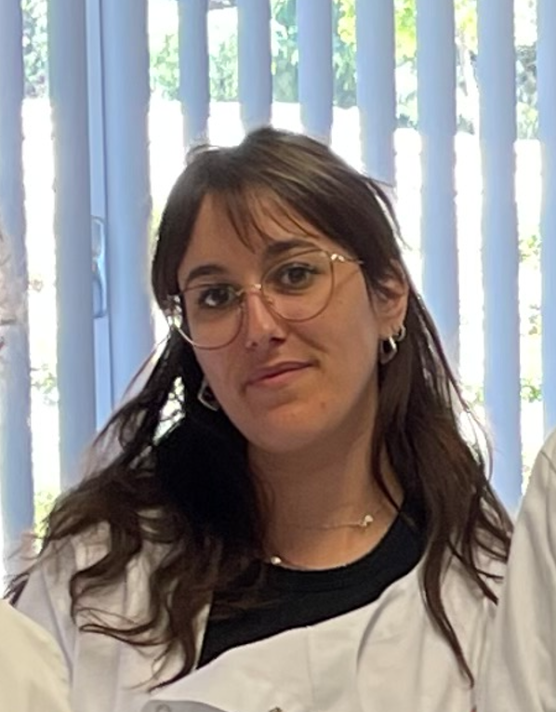
Aída Úbeda Trillo
Técnico de Laboratorio
Técnico superior en laboratorio de diagnóstico clínico en 2019. Lleva vinculada a la Unidad de Neumococos desde 2023 como técnico de laboratorio contratada. Anteriormente estuvo contratada en el Servicio de Microbiología y Urgencias del Hospital Infanta Sofía de Madrid.
-
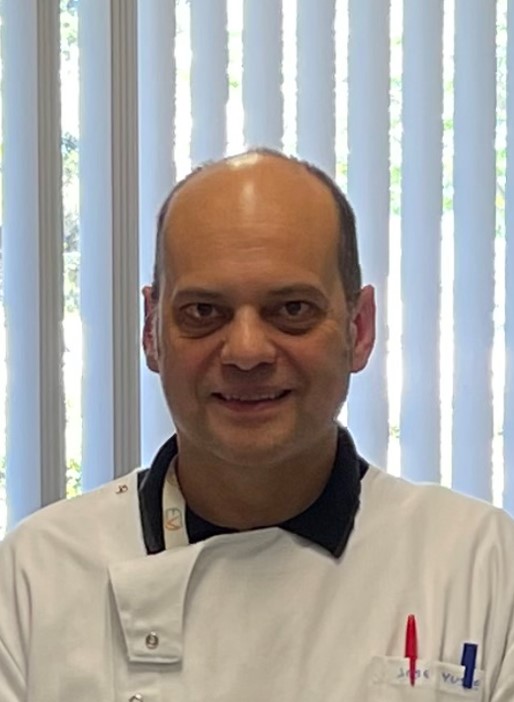
José Enrique Yuste Lobo
Científico Titular
ORCID code: 0000-0001-7996-0837
Licenciado en Farmacia en 1998 y Doctor en 2002 por la Universidad Complutense de Madrid. Realizó su tesis doctoral en el laboratorio de neumococos del Centro Nacional de Microbiología del ISCIII. Posteriormente trabajó durante 5 años en Londres, primero como Investigador Asociado en el Centre for Molecular Microbiology and Infection Biology de Imperial College hasta 2003 y luego en el Centre for Respiratory Research de University College hasta 2007. Tras esta etapa posdoctoral en Reino Unido, trabajó durante 3 años como Investigador Senior en el Centro de Investigaciones Biológicas del CSIC hasta 2010. Desde entonces trabaja como Científico Titular en la Unidad de Neumococos del CNM-ISCIII, siendo el responsable científico del laboratorio desde el año 2016. Es investigador principal del grupo CIBER de Enfermedades Respiratorias (CIBERES) CB06/06/0003 (https://www.ciberes.org/grupos/grupo-de-investigacion?id=18143)
-

Mirian Domenech Luchas
Investigadora posdoctoral
ORCID code: 0000-0002-0942-8180
Licenciada en Ciencias Biológicas en 2005 y Doctora en 2012 por la Universidad Complutense de Madrid. Realizó su tesis doctoral en el Centro de Investigaciones Biológicas del CSIC bajo la dirección del Profesor Ernesto García y la Dra. Miriam Moscoso caracterizando el biofilm neumocócico y estudiando distintos antimicrobianos para prevenir y tratar las infecciones producidas por neumococo y otros patógenos. Posteriormente ha trabajado como investigadora junior para el CIBER de Enfermedades Respiratorias y para la empresa Investigación y Proyectos Microbiológicos realizando estudios sobre biofilms de patógenos respiratorios. A finales del 2018 se incorporó a la Unidad de Neumococos del Centro Nacional Microbiología del ISCIII, donde participa en las distintas labores de investigación y referencia de la Unidad y es profesora ayudante Doctor de la Facultad de Biología de la Universidad Complutense de Madrid.
-
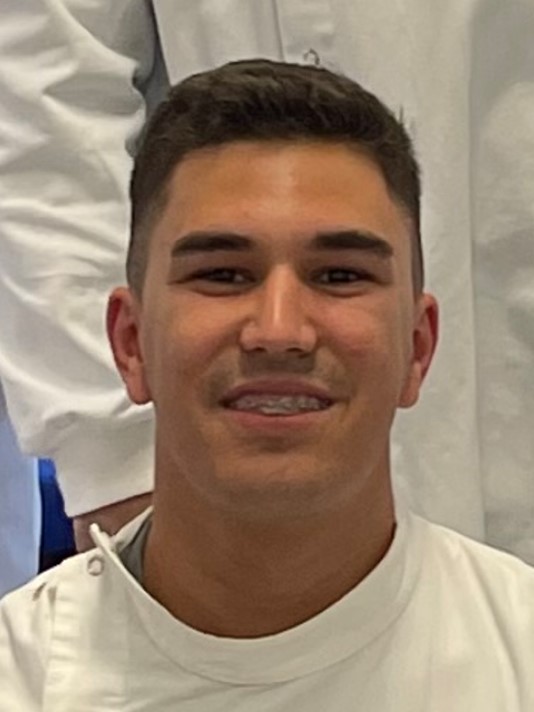
Julio Sempere García
Investigador Posdoctoral
ORCID code: 0000-0001-9340-6867
Graduado en Bioquímica por la Universidad Complutense de Madrid, donde posteriormente cursó estudios de Máster en Microbiología y Parasitología. Actualmente realiza el programa de doctorado en Microbiología y Parasitología. Lleva asociado a la Unidad de Neumococos desde 2017, donde realizó las prácticas extracurriculares de grado y posteriormente realizó su trabajo de fin de grado (2018) y trabajo de fin de máster (2019). En 2022 obtuvo el grado de Doctor y actualmente investiga biofilms de bacterias Gram positivas, la matriz de estos y cómo interaccionan con el sistema inmune. También trabaja en la interacción de diferentes cápsulas de Streptococcus pneumoniae con el sistema inmune y patogénesis de serotipos emergentes incluidos en las futuras vacunas antineumocócicas.
-
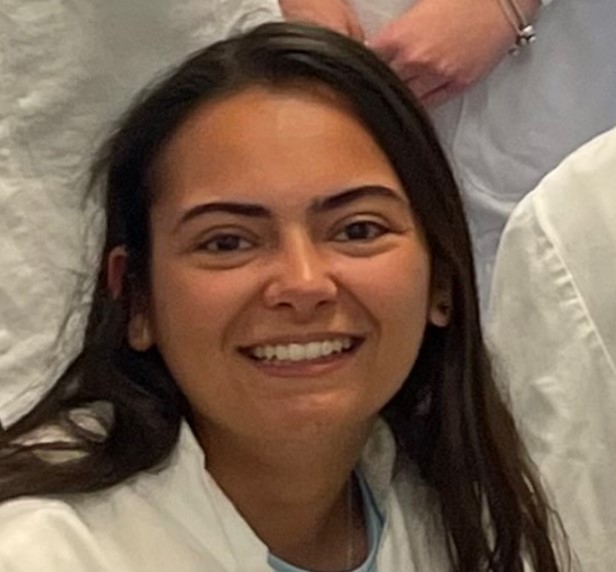
Covadonga Pérez García
Contratada predoctoral FPU
ORCID code: 0000-0002-5295-6480
Graduada en Biología por la Universidad Complutense de Madrid, donde posteriormente cursó estudios de Máster en Microbiología y Parasitología. Lleva vinculada a la Unidad de Neumococos desde 2019, donde realizó las prácticas extracurriculares de grado y posteriormente realizó su trabajo de fin de grado (2020) y trabajo de fin de máster (2021). En 2022 obtuvo beca predoctoral del programa FPU y actualmente investiga mecanismos de patogenicidad y protección de serotipos emergentes de neumococo.
-

Erick Joan Vidal Alcántara
Ayudante de Investigación
ORCID code: 0000-0001-8946-3754
Graduado en Biología por la Universidad Complutense de Madrid, y posteriormente cursó estudios de Máster en Microbiología aplicada a salud pública e investigación en enfermedades infecciosas por la Universidad de Alcalá de Henares. Lleva vinculado a la Unidad de Neumococos desde 2022 como ayudante de investigación y es personal de plantilla.
-
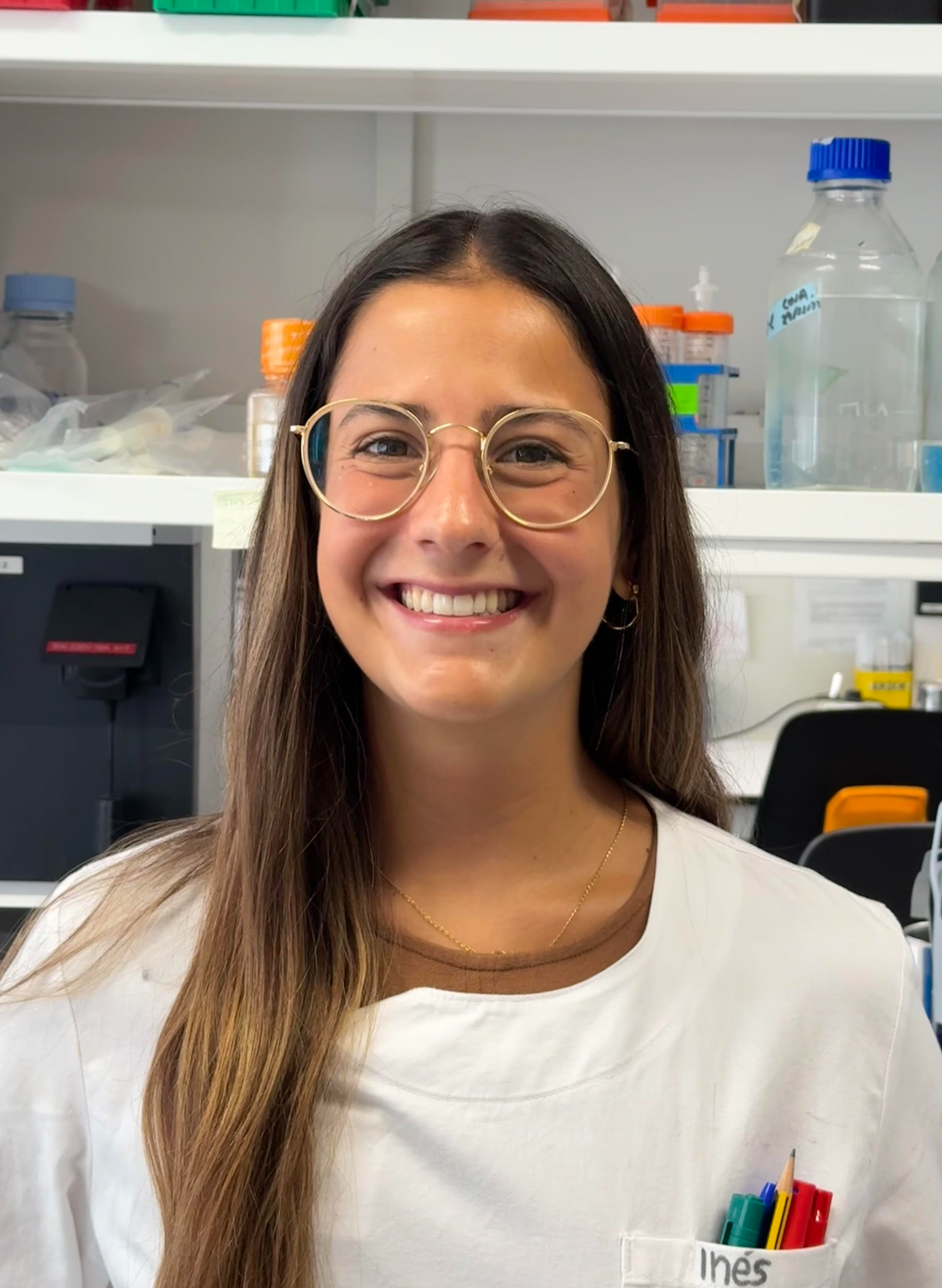
Inés Pareja Cerbán
Estudiante predoctoral CIBERES
ORCID code: 0009-0006-8015-7367
Graduada en Bioquímica por la Universidad de Málaga. Es contratada predoctoral del CIBER de Enfermedades Respiratorias (CIBERES) y en nuestro grupo está realizando su Tesis Doctoral en la caracterización de factores de virulencia de aislados prevalentes así como en el estudio y caracterización de nuevos antimicrobianos frente a bacterias respiratorias.
-

Mirella Llamosí Fornés
Contratada predoctoral
ORCID code: 0000-0002-4369-9558
Graduada en Biología por la Universidad Complutense de Madrid, donde posteriormente cursó estudios de Máster en Microbiología y Parasitología. Está realizando su Tesis Doctoral en el campo de la resistencia antibiótica así como en la búsqueda y caracterización de nuevos antimicrobianos con especial interés en lograr compuestos activos frente a infecciones producidas por biofilms.


List of staff
Additional Information
Induction of allograft tolerance remains a goal to be achieved in organ transplantation. Most therapeutic strategies focus on inhibition of the adaptive immune system, but recent data demonstrate that allogeneic recognition of myeloid cells initiates transplant rejection. Therapies targeting myeloid cells “in vivo” represent a potential target to induce immunological tolerance, but remain clinically unexplored.
Our laboratory uses a revolutionary nanoimmunotherapy of high-density lipoprotein (HDL) nanoparticles loaded with rapamycin (mTORi-HDL) that prevents epigenetic modifications associated with trained immunity, a recently discovered functional state of macrophages. Using an experimental mouse transplant model, our results demonstrate that the administration of this immunotherapy with mTORi-HDL prevents the immune response and promotes tolerance to the transplanted organ.
Our laboratory shows a multidisciplinary research approach articulated in three different objectives to evaluate the clinical relevance and therapeutic effects of immunotherapy in preparation for a clinical trial in organ transplantation. The general objectives will be aimed at confirming the identification of trained immunity as a biomarker and analytical value to predict the risk of rejection in transplant patients under three conditions: prolonged periods of ischemic reperfusion (IRI) (objective 1), allosensitization (objective 2) and infection (objective 3).
Induction of allograft tolerance remains a goal to be achieved in organ transplantation. Most therapeutic strategies focus on inhibition of the adaptive immune system, but recent data demonstrate that allogeneic recognition of myeloid cells initiates transplant rejection. Therapies targeting myeloid cells “in vivo” represent a potential target to induce immunological tolerance, but remain clinically unexplored.
Our laboratory uses a revolutionary nanoimmunotherapy of high-density lipoprotein (HDL) nanoparticles loaded with rapamycin (mTORi-HDL) that prevents epigenetic modifications associated with trained immunity, a recently discovered functional state of macrophages. Using an experimental mouse transplant model, our results demonstrate that the administration of this immunotherapy with mTORi-HDL prevents the immune response and promotes tolerance to the transplanted organ.
Our laboratory shows a multidisciplinary research approach articulated in three different objectives to evaluate the clinical relevance and therapeutic effects of immunotherapy in preparation for a clinical trial in organ transplantation. The general objectives will be aimed at confirming the identification of trained immunity as a biomarker and analytical value to predict the risk of rejection in transplant patients under three conditions: prolonged periods of ischemic reperfusion (IRI) (objective 1), allosensitization (objective 2) and infection (objective 3).