



We protect your health through science
Investigation
Organ Transplant
Research Lines
Content with Investigacion .
Research
The Molecular Virology group focuses its research on the study of HIV-1 genetic variation and viral evolution using both in vitro and ex vivo approaches, structured around the following research lines:
- Non-progressor patients. These patients maintain control of the disease in the absence of antiretroviral therapy and have therefore been proposed as a model of functional cure. Our objective is to study the contribution of viral factors to disease control through biological characterization and analysis of viral evolution in individuals with undetectable viral loads (elite controllers, EC), compared with individuals showing other patterns of viral control.
- Viral envelope. This viral protein is key in determining viral fitness. Therefore, its functionality significantly affects infection progression. In collaboration with Dr. Blanco and Dr. Valenzuela, we study which specific events (CD4 binding, fusogenicity, etc.) are associated with envelope functionality. To this end, we have analyzed envelopes from individuals with different patterns of disease progression. Some of these have been contributed to the AIDS Research Network envelope biobank for broader use.
- Dual infection. Infection with more than one viral variant (either through co-infection or superinfection) may have consequences for infection pathogenesis. Within our group, different aspects of DI have been analyzed, including its detection in non-progressor patients, its prevalence and incidence in Spain, and its influence on the neutralizing antibody response.
- Molecular Epidemiology. The group has analyzed viral evolution throughout the epidemic in Spain and in other countries (the Netherlands, Italy, Germany, Uruguay, Panama, Brazil, etc.).
- Role of amino acid residues in reverse transcriptase. We study the role of specific amino acid residues in HIV-1 reverse transcriptase in enzymatic function and replication capacity using an infectious molecular clone previously obtained by the group.
- “In vitro” variability. Serial passage studies have been used to detect the mechanisms responsible for the gain or loss of viral fitness.
- Antiviral studies. We have analyzed the selection of resistance mutations in vitro against different antivirals, as well as the effect of these mutations on viral fitness, and the activity of new antivirals such as ATR inhibitors.
Virological Diagnosis and Reference in HIV and HTLV Infections
The research group provides diagnostic and reference activities through the service portfolio of the National Center for Microbiology to the entire Spanish National Health System.
These services include:
-
Diagnosis and reference of HIV infection (types 1 and 2) through detection of specific antibodies and detection of proviral DNA by PCR.
-
Diagnosis and reference of HTLV-I/II infection through detection of specific antibodies and detection of proviral DNA by PCR. Quantification of HTLV-1 proviral load by real-time PCR.
European Union Reference Laboratory (EURL) in the field of in vitro diagnostic medical devices for microbiological diagnosis (IVD) of HIV and HTLV (Regulation 2023/2713 of December 5th, 2023). Our role is to confirm the reliability and effectiveness of devices for detecting these pathogens and to ensure their specific performance requirements through laboratory testing before they can be marketed within the European Union.
Research projects
Content with Investigacion .
1: Título del proyecto: Desarrollo de enzibióticos para combatir infecciones en pacientes con fibrosis quística provocadas por los patógenos Pseudomonas aeruginosa y Staphylococcus aureus: CF-TREAT
Referencia: CPP2022-009574 / MPY 375/23
Agencia Financiadora: Agencia Estatal de Investigación. MICINN.

Fecha Inicio: 01/12/2023
Fecha Fin: 30/11/2026
Financiación: 238.938 Euros
Investigadores principales: Roberto Díez Martínez, José E. Yuste Lobo y Pilar García Suárez
2: Título del proyecto: Desarrollo de enzibióticos para combatir infecciones humanas producidas por Enterococcus faecium resistente a vancomicina (ANTI‐VRE).
Proyecto CPP2021-009054 financiado por MICIU/AEI /10.13039/501100011033 y por la Unión Europea NextGenerationEU/ PRTR

Investigadores principales: Roberto Díez Martínez, Jose Yuste Lobo y Mirian Domenech
Periodo: 18/11/2022 - 17/11/2025
Cuantía total: 231.455 €
3: Título del proyecto: Mecanismos de virulencia en patógenos respiratorios.
Entidad financiadora: Ministerio de Ciencia e Innovación, Agencia Estatal de Investigación (Convocatoria «Proyectos I+D+I» 2020 - Modalidades «Retos Investigación» y «Generación de Conocimiento»). Referencia: PID2020-119298RB-I00

Investigador principal: Jose Yuste Lobo
Periodo: 01/09/2021 - 30/08/2024
Cuantía total: 121.000 €
4: Título del proyecto: Efectividad de la vacuna antineumocócica conjugada 13-valente frente a la hospitalización por neumonía adquirida en la comunidad en adultos de 60 años o mayores, mediante un estudio de casos y controles modificado. Estudio CIBELES.
Investigadores principales: Jose Yuste Lobo y Ángel Gil de Miguel
Entidad financiadora: PFIZER. Referencia: MVP 249/20
Periodo: 23/02/2021 - 22/02/2025
Cuantía total: 168.000 €
5: Título del proyecto: Evolution of Invasive Pneumococcal Disease in Spain with special focus on the pathogenesis of serotypes 3, 8, 11A, 19A, 22F and 33F. Investigadores principales: Jose Yuste Lobo y Mirian Domenech.
Entidad financiadora: Merck Sharp & Dohme USA. Referencia: MVP 132/21
Período: 16/06/2021 - 15/12/2023
Cuantía total: 157.448€
6: Título del proyecto: Mecanismos de patogenicidad y protección en bacterias Gram-positivas causantes de enfermedad respiratoria y bacteriemia
Investigador principal: Jose Yuste Lobo
Entidad financiadora: MINECO. Referencia: SAF2017-83388-R
Periodo: 31/12/2017 - 30/06/2021
Cuantía total: 145.200 €
7: Título del proyecto: Characterization of susceptibility to cefditoren investigating penicillin resistant clinical isolates of Streptococcus pneumoniae.
Investigadores: Jose Yuste Lobo y Mirian Domenech Lucas
Entidad financiadora: Tedec Meiji Farma, S.A. Referencia: MVP 119/20
Periodo: 11/07/2020 – 10-07-2022
Cuantía total: 76.517 €
8: Título del proyecto: Impact of clinical isolates of serotypes 22F and 33F in the epidemiology and pathogenesis of Streptococcus pneumoniae.
Investigador principal: Jose Yuste Lobo
Entidad financiadora: Merck Sharp & Dohme España, S.A. Referencia: MVE 213/18
Periodo: 10/05/2018 - 30/05/2021
Cuantía total: 157.604 €
Publications
LAMP kit for diagnosis of non-falciparum malaria in Plasmodium ovale infected patients
Cuadros J, Martin Ramírez A, González IJ, Ding XC, Perez Tanoira R, Rojo-Marcos G, Gómez-Herruz P, Rubio JM. LAMP kit for diagnosis of non-falciparum malaria in Plasmodium ovale infected patients. Malar J. 2017 Jan 7;16(1):20.
PUBMED DOIPlasmodium species differentiation by non-expert on-line volunteers for remote malaria field diagnosis
Ortiz-Ruiz A, Postigo M, Gil-Casanova S, Cuadrado D, Bautista JM, Rubio JM, Luengo-Oroz M, Linares M. Plasmodium species differentiation by non-expert on-line volunteers for remote malaria field diagnosis. Malar J. 2018 Jan 30;17(1):54.
PUBMED DOIStudy of the diagnostic accuracy of microbiological techniques in the diagnosis of malaria in the immigrant population in Madrid
Martín-Díaz A, Rubio JM, Herrero-Martínez JM, Lizasoain M, Ruiz-Giardin JM, Jaqueti J, Cuadros J, Rojo-Marcos G, Martín-Rabadán P, Calderón M, Campelo C, Velasco M, Pérez-Ayala A. Study of the diagnostic accuracy of microbiological techniques in the diagnosis of malaria in the immigrant population in Madrid. Malar J. 2018 Aug 29;17(1):314.
PUBMED DOIpective comparative multi-centre study on imported Plasmodium ovale wallikeri and Plasmodium ovale curtisi infections.
Rojo-Marcos G, Rubio-Muñoz JM, Angheben A, Jaureguiberry S, García-Bujalance S, Tomasoni LR, Rodríguez-Valero N, Ruiz-Giardín JM, Salas-Coronas J, Cuadros-González J, García-Rodríguez M, Molina-Romero I, López-Vélez R, Gobbi F, Calderón-Moreno M, Martin-Echevarría E, Elía-López M, Llovo-Taboada J; TropNet Plasmodium ovale investigator group. Prospective comparative multi-centre study on imported Plasmodium ovale wallikeri and Plasmodium ovale curtisi infections. Malar J. 2018 Oct 30;17(1):399.
PUBMED DOIContent with Investigacion .
-

Aída Úbeda Trillo
Técnico de Laboratorio
Técnico superior en laboratorio de diagnóstico clínico en 2019. Lleva vinculada a la Unidad de Neumococos desde 2023 como técnico de laboratorio contratada. Anteriormente estuvo contratada en el Servicio de Microbiología y Urgencias del Hospital Infanta Sofía de Madrid.
-
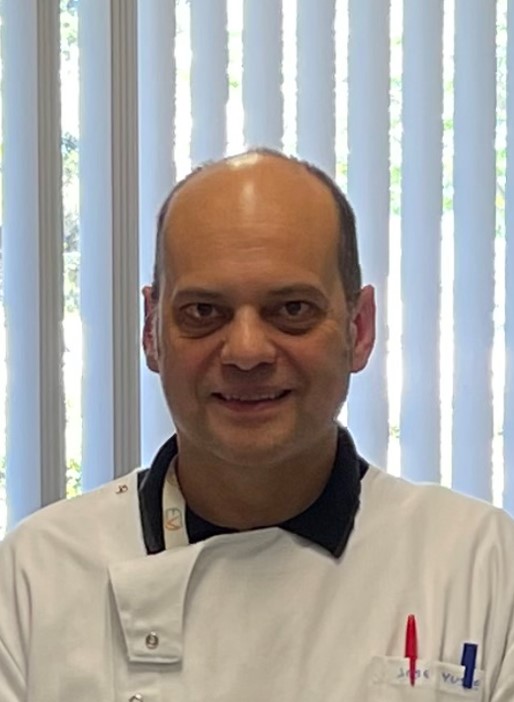
José Enrique Yuste Lobo
Científico Titular
ORCID code: 0000-0001-7996-0837
Licenciado en Farmacia en 1998 y Doctor en 2002 por la Universidad Complutense de Madrid. Realizó su tesis doctoral en el laboratorio de neumococos del Centro Nacional de Microbiología del ISCIII. Posteriormente trabajó durante 5 años en Londres, primero como Investigador Asociado en el Centre for Molecular Microbiology and Infection Biology de Imperial College hasta 2003 y luego en el Centre for Respiratory Research de University College hasta 2007. Tras esta etapa posdoctoral en Reino Unido, trabajó durante 3 años como Investigador Senior en el Centro de Investigaciones Biológicas del CSIC hasta 2010. Desde entonces trabaja como Científico Titular en la Unidad de Neumococos del CNM-ISCIII, siendo el responsable científico del laboratorio desde el año 2016. Es investigador principal del grupo CIBER de Enfermedades Respiratorias (CIBERES) CB06/06/0003 (https://www.ciberes.org/grupos/grupo-de-investigacion?id=18143)
-

Mirian Domenech Luchas
Investigadora posdoctoral
ORCID code: 0000-0002-0942-8180
Licenciada en Ciencias Biológicas en 2005 y Doctora en 2012 por la Universidad Complutense de Madrid. Realizó su tesis doctoral en el Centro de Investigaciones Biológicas del CSIC bajo la dirección del Profesor Ernesto García y la Dra. Miriam Moscoso caracterizando el biofilm neumocócico y estudiando distintos antimicrobianos para prevenir y tratar las infecciones producidas por neumococo y otros patógenos. Posteriormente ha trabajado como investigadora junior para el CIBER de Enfermedades Respiratorias y para la empresa Investigación y Proyectos Microbiológicos realizando estudios sobre biofilms de patógenos respiratorios. A finales del 2018 se incorporó a la Unidad de Neumococos del Centro Nacional Microbiología del ISCIII, donde participa en las distintas labores de investigación y referencia de la Unidad y es profesora ayudante Doctor de la Facultad de Biología de la Universidad Complutense de Madrid.
-
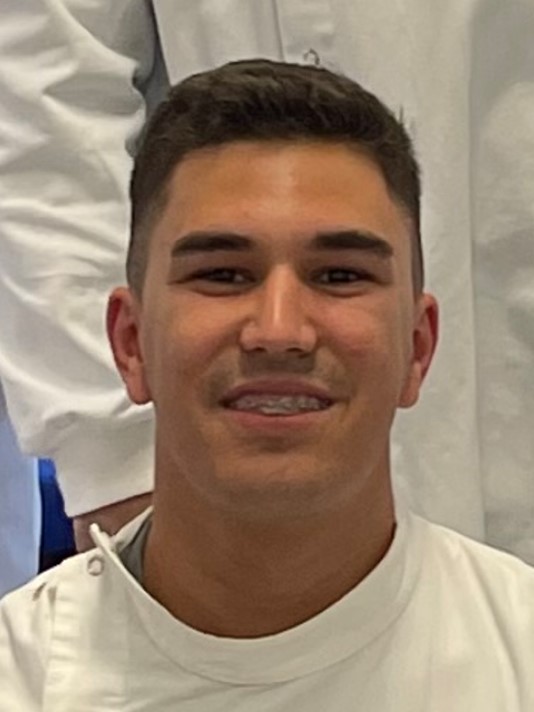
Julio Sempere García
Investigador Posdoctoral
ORCID code: 0000-0001-9340-6867
Graduado en Bioquímica por la Universidad Complutense de Madrid, donde posteriormente cursó estudios de Máster en Microbiología y Parasitología. Actualmente realiza el programa de doctorado en Microbiología y Parasitología. Lleva asociado a la Unidad de Neumococos desde 2017, donde realizó las prácticas extracurriculares de grado y posteriormente realizó su trabajo de fin de grado (2018) y trabajo de fin de máster (2019). En 2022 obtuvo el grado de Doctor y actualmente investiga biofilms de bacterias Gram positivas, la matriz de estos y cómo interaccionan con el sistema inmune. También trabaja en la interacción de diferentes cápsulas de Streptococcus pneumoniae con el sistema inmune y patogénesis de serotipos emergentes incluidos en las futuras vacunas antineumocócicas.
-
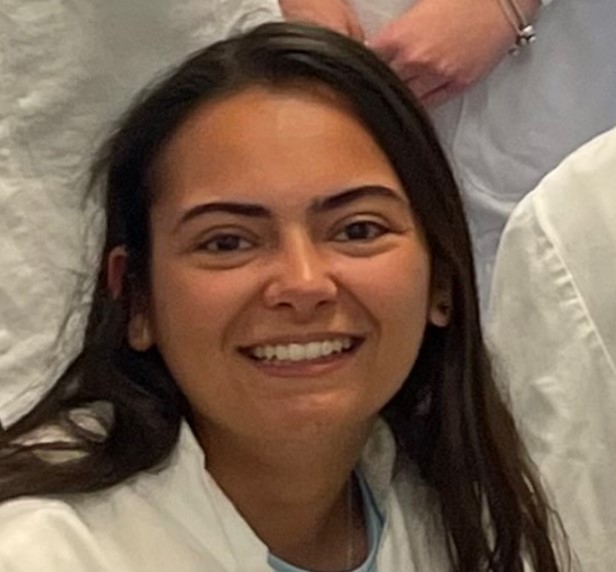
Covadonga Pérez García
Contratada predoctoral FPU
ORCID code: 0000-0002-5295-6480
Graduada en Biología por la Universidad Complutense de Madrid, donde posteriormente cursó estudios de Máster en Microbiología y Parasitología. Lleva vinculada a la Unidad de Neumococos desde 2019, donde realizó las prácticas extracurriculares de grado y posteriormente realizó su trabajo de fin de grado (2020) y trabajo de fin de máster (2021). En 2022 obtuvo beca predoctoral del programa FPU y actualmente investiga mecanismos de patogenicidad y protección de serotipos emergentes de neumococo.
-

Erick Joan Vidal Alcántara
Ayudante de Investigación
ORCID code: 0000-0001-8946-3754
Graduado en Biología por la Universidad Complutense de Madrid, y posteriormente cursó estudios de Máster en Microbiología aplicada a salud pública e investigación en enfermedades infecciosas por la Universidad de Alcalá de Henares. Lleva vinculado a la Unidad de Neumococos desde 2022 como ayudante de investigación y es personal de plantilla.
-
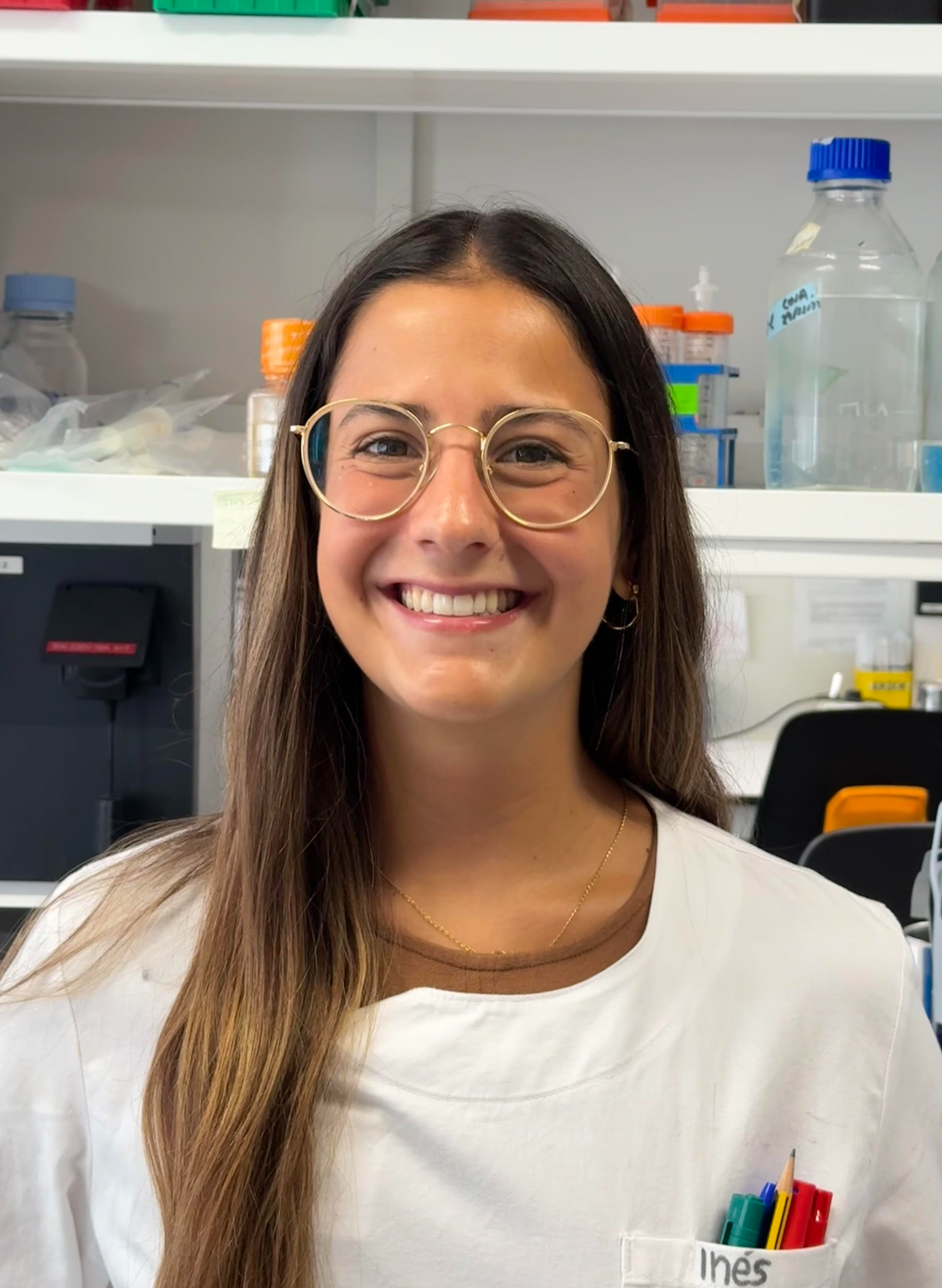
Inés Pareja Cerbán
Estudiante predoctoral CIBERES
ORCID code: 0009-0006-8015-7367
Graduada en Bioquímica por la Universidad de Málaga. Es contratada predoctoral del CIBER de Enfermedades Respiratorias (CIBERES) y en nuestro grupo está realizando su Tesis Doctoral en la caracterización de factores de virulencia de aislados prevalentes así como en el estudio y caracterización de nuevos antimicrobianos frente a bacterias respiratorias.
-

Mirella Llamosí Fornés
Contratada predoctoral
ORCID code: 0000-0002-4369-9558
Graduada en Biología por la Universidad Complutense de Madrid, donde posteriormente cursó estudios de Máster en Microbiología y Parasitología. Está realizando su Tesis Doctoral en el campo de la resistencia antibiótica así como en la búsqueda y caracterización de nuevos antimicrobianos con especial interés en lograr compuestos activos frente a infecciones producidas por biofilms.


List of staff
Additional Information
Induction of allograft tolerance remains a goal to be achieved in organ transplantation. Most therapeutic strategies focus on inhibition of the adaptive immune system, but recent data demonstrate that allogeneic recognition of myeloid cells initiates transplant rejection. Therapies targeting myeloid cells “in vivo” represent a potential target to induce immunological tolerance, but remain clinically unexplored.
Our laboratory uses a revolutionary nanoimmunotherapy of high-density lipoprotein (HDL) nanoparticles loaded with rapamycin (mTORi-HDL) that prevents epigenetic modifications associated with trained immunity, a recently discovered functional state of macrophages. Using an experimental mouse transplant model, our results demonstrate that the administration of this immunotherapy with mTORi-HDL prevents the immune response and promotes tolerance to the transplanted organ.
Our laboratory shows a multidisciplinary research approach articulated in three different objectives to evaluate the clinical relevance and therapeutic effects of immunotherapy in preparation for a clinical trial in organ transplantation. The general objectives will be aimed at confirming the identification of trained immunity as a biomarker and analytical value to predict the risk of rejection in transplant patients under three conditions: prolonged periods of ischemic reperfusion (IRI) (objective 1), allosensitization (objective 2) and infection (objective 3).
Induction of allograft tolerance remains a goal to be achieved in organ transplantation. Most therapeutic strategies focus on inhibition of the adaptive immune system, but recent data demonstrate that allogeneic recognition of myeloid cells initiates transplant rejection. Therapies targeting myeloid cells “in vivo” represent a potential target to induce immunological tolerance, but remain clinically unexplored.
Our laboratory uses a revolutionary nanoimmunotherapy of high-density lipoprotein (HDL) nanoparticles loaded with rapamycin (mTORi-HDL) that prevents epigenetic modifications associated with trained immunity, a recently discovered functional state of macrophages. Using an experimental mouse transplant model, our results demonstrate that the administration of this immunotherapy with mTORi-HDL prevents the immune response and promotes tolerance to the transplanted organ.
Our laboratory shows a multidisciplinary research approach articulated in three different objectives to evaluate the clinical relevance and therapeutic effects of immunotherapy in preparation for a clinical trial in organ transplantation. The general objectives will be aimed at confirming the identification of trained immunity as a biomarker and analytical value to predict the risk of rejection in transplant patients under three conditions: prolonged periods of ischemic reperfusion (IRI) (objective 1), allosensitization (objective 2) and infection (objective 3).