



We protect your health through science
Investigation
Organ Transplant
Research Lines
Content with Investigacion .
Research
The Molecular Virology group focuses its research on the study of HIV-1 genetic variation and viral evolution using both in vitro and ex vivo approaches, structured around the following research lines:
- Non-progressor patients. These patients maintain control of the disease in the absence of antiretroviral therapy and have therefore been proposed as a model of functional cure. Our objective is to study the contribution of viral factors to disease control through biological characterization and analysis of viral evolution in individuals with undetectable viral loads (elite controllers, EC), compared with individuals showing other patterns of viral control.
- Viral envelope. This viral protein is key in determining viral fitness. Therefore, its functionality significantly affects infection progression. In collaboration with Dr. Blanco and Dr. Valenzuela, we study which specific events (CD4 binding, fusogenicity, etc.) are associated with envelope functionality. To this end, we have analyzed envelopes from individuals with different patterns of disease progression. Some of these have been contributed to the AIDS Research Network envelope biobank for broader use.
- Dual infection. Infection with more than one viral variant (either through co-infection or superinfection) may have consequences for infection pathogenesis. Within our group, different aspects of DI have been analyzed, including its detection in non-progressor patients, its prevalence and incidence in Spain, and its influence on the neutralizing antibody response.
- Molecular Epidemiology. The group has analyzed viral evolution throughout the epidemic in Spain and in other countries (the Netherlands, Italy, Germany, Uruguay, Panama, Brazil, etc.).
- Role of amino acid residues in reverse transcriptase. We study the role of specific amino acid residues in HIV-1 reverse transcriptase in enzymatic function and replication capacity using an infectious molecular clone previously obtained by the group.
- “In vitro” variability. Serial passage studies have been used to detect the mechanisms responsible for the gain or loss of viral fitness.
- Antiviral studies. We have analyzed the selection of resistance mutations in vitro against different antivirals, as well as the effect of these mutations on viral fitness, and the activity of new antivirals such as ATR inhibitors.
Virological Diagnosis and Reference in HIV and HTLV Infections
The research group provides diagnostic and reference activities through the service portfolio of the National Center for Microbiology to the entire Spanish National Health System.
These services include:
-
Diagnosis and reference of HIV infection (types 1 and 2) through detection of specific antibodies and detection of proviral DNA by PCR.
-
Diagnosis and reference of HTLV-I/II infection through detection of specific antibodies and detection of proviral DNA by PCR. Quantification of HTLV-1 proviral load by real-time PCR.
European Union Reference Laboratory (EURL) in the field of in vitro diagnostic medical devices for microbiological diagnosis (IVD) of HIV and HTLV (Regulation 2023/2713 of December 5th, 2023). Our role is to confirm the reliability and effectiveness of devices for detecting these pathogens and to ensure their specific performance requirements through laboratory testing before they can be marketed within the European Union.
Research projects
Content with Investigacion .
- Towards a functional cure: Implications of early antiretroviral therapy and hormonal changes on the HIV reservoir in perinatally infected adolescents. Health Research Fund (FIS) – Carlos III Health Institute (01/01/2026 – 31/12/2028). €72,000. PI: María Pernas, Concepción Casado.
- Determination of factors associated with protection against Human Immunodeficiency Virus type 1 reinfection: Identification of correlates of protection. 9th Gilead Fellowship Program for Biomedical Research, Gilead Sciences, S.L. (01/07/2023 – 30/06/2025). €16,330. PI: María Pernas.
- Impact of the envelope on HIV viral replication: New avenues for vaccine development. Health Research Fund (FIS) – Carlos III Health Institute (01/01/2020 – 31/12/2023). €53,000. PI: María Pernas, Concepción Casado.
- Study of HIV-1 virulence in recently infected patients and its contribution, together with clinical and epidemiological factors, to disease progression. Ministry of Economy and Competitiveness. State Program for Scientific and Technical Research and Innovation (30/12/2016 – 30/06/2021). €145,000. PI: Concepción Casado, Cecilio López-Galíndez.
-Contribution of HIV-1 dual infection to virological and clinical evolution in homo/bisexual men. Health Research Fund (FIS) – Carlos III Health Institute (01/01/2014 – 31/01/2016). €74,410. PI: Cecilio López-Galíndez.
- Characterization of non-pathogenic HIV variants obtained “ex vivo” and “in vitro” for the study of disease pathogenesis. Ministry of Science and Innovation (01/01/2011 – 31/01/2014). €169,400. PI: Cecilio López-Galíndez.
- Spanish AIDS Research Network (RIS-RETIC). Carlos III Health Institute (02/01/2017 – 02/01/2022). €195,212. PI: Cecilio López-Galíndez, Concepción Casado.

Publications
Frecuencia de sustituciones relevantes asociadas a resistencia en la región NS5A a elbasvir en el virus de la hepatitis C en pacientes con genotipo 1a en España
2. Palladino C, Esteban-Cartelle B, Mate-Cano I, Sánchez-Carrillo M, Resino S, Briz V. Frecuencia de sustituciones relevantes asociadas a resistencia en la región NS5A a elbasvir en el virus de la hepatitis C en pacientes con genotipo 1a en España Enferm Infecc Microbiol Clin. 2018; 36 (5): 262-267. (A; FI= 1.707; Q2 Microbiology).
PUBMED DOIDevelopment of water-soluble polyanionic carbosilane dendrimers as novel and highly potent topical anti-HIV-2 microbicides.
4. Briz V, Sepulveda-Crespo D, Diniz AR; Borrego P, Rodes B; Javier de la Mata F, Gomez R, Taveira N, Muñoz-Fernandez MA. Development of water-soluble polyanionic carbosilane dendrimers as novel and highly potent topical anti-HIV-2 microbicides. Nanoscale 2015, 7(35): 14669-14683. (A; FI= 7.76; D1 Materials Science, Multidisciplinary).
PUBMED DOIHepatitis A outbreak disproportionately affecting men who have sex with men (MSM) in the European Union and European Economic Area, June 2016 to May 2017.
6. Hepatitis A outbreak disproportionately affecting men who have sex with men (MSM) in the European Union and European Economic Area, June 2016 to May 2017. Ndumbi P, Freidl GS, Williams CJ, Mårdh O, Varela C, Avellón A, …. Severi E; Members Of The European Hepatitis A Outbreak Investigation Team. Euro Surveill. 2018 Aug;23(33). doi: 10.2807/1560-7917.ES.2018.23.33.1700641.
PUBMED DOIDetection of hepatitis C virus (HCV) core-specific antibody suggests occult HCV infection among blood donors
7. Detection of hepatitis C virus (HCV) core-specific antibody suggests occult HCV infection among blood donors. Quiroga JA, Avellón A, Bartolomé J, Andréu M, Flores E, González MI, González R, Pérez S, Richart LA, Castillo I, Alcover J, Palacios R, Carreño V, Echevarría JM. Transfusion. 2016 Jul;56(7):1883-90. Epub 2016 May 17.
PUBMED DOIHepatitis E virus: Assessment of the epidemiological situation in humans in Europe, 2014/15.
8. Hepatitis E virus: Assessment of the epidemiological situation in humans in Europe, 2014/15. Adlhoch C, Avellon A, Baylis SA, Ciccaglione AR, Couturier E, de Sousa R, Epštein J, Ethelberg S, Faber M, Fehér Á, Ijaz S, Lange H, Manďáková Z, Mellou K, Mozalevskis A, Rimhanen-Finne R, Rizzi V, Said B, Sundqvist L, Thornton L, Tosti ME, van Pelt W, Aspinall E, Domanovic D, Severi E, Takkinen J, Dalton HR. J Clin Virol. 2016 Sep;82:9-16. Epub 2016 Jun 23.
PUBMED DOIFull coding hepatitis E virus genotype 3 genome amplification method
9. Full coding hepatitis E virus genotype 3 genome amplification method. Muñoz-Chimeno M, Forero JE, Echevarría JM, Muñoz-Bellido JL, Vázquez-López L, Morago L, García-Galera MC, Avellón A. J Virol Methods. 2016 Apr;230:18-23. Epub 2016 Jan 16.
PUBMED DOIAntigenicity of Leishmania-Activated C-Kinase Antigen (LACK) in Human Peripheral Blood Mononuclear Cells, and Protective Effect of Prime-Boost Vaccination With pCI-neo-LACK Plus Attenuated LACK-Expressing Vaccinia Viruses in Hamsters
2. Fernández L, Carrillo E, Sánchez-Sampedro L, Sánchez C, Ibarra-Meneses AV, Jimenez MA, Almeida VDA, Esteban M, Moreno J. Antigenicity of Leishmania-Activated C-Kinase Antigen (LACK) in Human Peripheral Blood Mononuclear Cells, and Protective Effect of Prime-Boost Vaccination With pCI-neo-LACK Plus Attenuated LACK-Expressing Vaccinia Viruses in Hamsters. Front Immunol. 2018 Apr 23;9:843.
PUBMED DOIInterleukin-2 as a marker for detecting asymptomatic individuals in areas where Leishmania infantum is endemic.
5. Ibarra-Meneses AV, Carrillo E, Sánchez C, García-Martínez J, López Lacomba D, San Martin JV, Alves F, Alvar J, Moreno J. Interleukin-2 as a marker for detecting asymptomatic individuals in areas where Leishmania infantum is endemic. Clin Microbiol Infect. 2016 Aug;22(8):739.e1-4.
PUBMED DOIProtein malnutrition impairs the immune response and influences the severity of infection in a hamster model of chronic visceral leishmaniasis.
7. Carrillo E, Jimenez MA, Sanchez C, Cunha J, Martins CM, da Paixão Sevá A, Moreno J. Protein malnutrition impairs the immune response and influences the severity of infection in a hamster model of chronic visceral leishmaniasis. PLoS One. 2014 Feb 25;9(2):e89412.
PUBMED DOIMolecular typing of Leishmania infantum isolates from a leishmaniasis outbreak in Madrid, Spain, 2009 to 2012
9. Chicharro C, Llanes-Acevedo IP, García E, Nieto J, Moreno J, Cruz I. Molecular typing of Leishmania infantum isolates from a leishmaniasis outbreak in Madrid, Spain, 2009 to 2012. Euro Surveill. 2013 Jul 25;18(30):20545.
PUBMED DOIHigh levels of anti-Phlebotomus perniciosus saliva antibodies in different reservoirs from the re-emerging leishmaniasis focus in Madrid, Spain.
2. Martín-Martín I, Molina R, Rohoušová I, Drahota J., Volf P, Jiménez M. High levels of anti-Phlebotomus perniciosus saliva antibodies in different reservoirs from the re-emerging leishmaniasis focus in Madrid, Spain. Vet Parasitol 2014, 202: 207–216.
PUBMED DOICould wild rabbits (Oryctolagus cuniculus) be reservoirs for Leishmania infantum in the focus of Madrid, Spain?
3. Jiménez M, González E, Martín-Martín I, Hernández S, Molina R. Could wild rabbits (Oryctolagus cuniculus) be reservoirs for Leishmania infantum in the focus of Madrid, Spain?. Vet Parasitol 2014, 202: 296–300.
PUBMED DOIReview of ten-years presence of Aedes albopictus in Spain 2004–2014: known distribution and public health concerns.
5. Collantes F, Delacour S, Alarcón-Elbal PM, Ruiz-Arrondo I, Delgado JA, Torrell-Sorio A, Bengoa M, Eritja R, Miranda MA, Molina R, Lucientes J. Review of ten-years presence of Aedes albopictus in Spain 2004–2014: known distribution and public health concerns. Parasit Vectors. 2015 Dec 23;8:655.
PUBMED DOIPhleboviruses detection in Phlebotomus perniciosus from a human leishmaniasis focus in South-West Madrid region, Spain.
6. Remoli ME, Jiménez M, Fortuna C, Benedetti E, Marchi A, Genovese D, Gramiccia M, Molina R, Ciufolini MG. Phleboviruses detection in Phlebotomus perniciosus from a human leishmaniasis focus in South-West Madrid region, Spain. Parasit Vectors 2016, 9:205.
PUBMED DOIInfectivity of Post-Kala-azar Dermal Leishmaniasis patients to sand flies: revisiting a proof of concept in the context of the Kala-azar Elimination Program in the Indian subcontinent.
7. Molina R, Ghosh D, Carrillo E, Monnerat S, Bern C, Mondal D, Alvar J. Infectivity of Post-Kala-azar Dermal Leishmaniasis patients to sand flies: revisiting a proof of concept in the context of the Kala-azar Elimination Program in the Indian subcontinent. Clin Infect Dis 2017, 65:
PUBMED DOIPrevalence and molecular characterization of Strongyloides stercoralis, Giardia duodenalis, Cryptosporidium spp., and Blastocystis spp. isolates in schoolchildren in Cubal, Central Angola
2. Dacal E, Saugar JM, de Lucio A, Hernández de Mingo M, Robinson E, Aznar Ruiz de Alegría ML, Espasa M, Ninda A, Gandasegui J, Sulleiro E, Moreno M, Salvador F, Molina I, Rodríguez E, Carmena D. 2018. Prevalence and molecular characterization of Strongyloides stercoralis, Giardia duodenalis, Cryptosporidium spp., and Blastocystis spp. isolates in schoolchildren in Cubal, Central Angola. Parasites and Vectors, 11: 67.
PUBMED DOIMolecular diversity and frequency of the diarrheagenic enteric protozoan Giardia duodenalis and Cryptosporidium spp. in a hospital setting in Northern Spain.
3. Azcona-Gutiérrez JM, de Lucio A, Hernández-de-Mingo M, García-García C, Soria-Blanco LM, Morales L, Aguilera M, Fuentes I, Carmena D. 2017. Molecular diversity and frequency of the diarrheagenic enteric protozoan Giardia duodenalis and Cryptosporidium spp. in a hospital setting in Northern Spain. PLoS One, 12: e0178575.
PUBMED DOIDetection of zoonotic protozoa Toxoplasma gondii and Sarcocystis suihominis in wild boars from Spain. Zoonoses Public Health
4. Calero-Bernal, R., Pérez-Martín, J.E., Reina, D., Serrano, F.J., Frontera, E., Fuentes, I, Dubey, J.P., 2016. Detection of zoonotic protozoa Toxoplasma gondii and Sarcocystis suihominis in wild boars from Spain. Zoonoses Public Health. 63:346-50
PUBMED DOIEpidemiological and clinical profile of adult patients with Blastocystis sp. infection in Barcelona, Spain.
5. Salvador F, Sulleiro E, Sánchez-Montalvá A, Alonso C, Santos J, Fuentes I, Molina I. 2016; Epidemiological and clinical profile of adult patients with Blastocystis sp. infection in Barcelona, Spain. Parasit Vectors; 9:548.
PUBMED DOIPrevalence and genetic diversity of Giardia duodenalis and Cryptosporidium spp. among schoolchildren in a rural area of the Amhara Region, North-West Ethiopia
6. de Lucio A, Amor-Aramendía A, Bailo B, Saugar JM, Anegagrie M, Arroyo A, López-Quintana B, Zewdie D, Ayehubizu Z, Yizengaw E, Abera B, Yimer M, Mulu W, Hailu T, Herrador Z, Fuentes I, Carmena D. 2016. Prevalence and genetic diversity of Giardia duodenalis and Cryptosporidium spp. among schoolchildren in a rural area of the Amhara Region, North-West Ethiopia. PLoS One 11: e0159992.
PUBMED DOIPrevalence and genotype identification of Toxoplasma gondii in wild animals from southwestern Spain.
8. Calero-Bernal R, Saugar JM, Frontera E, Pérez-Martín JE, Habela MA, Serrano FJ, Reina D, Fuentes I. 2015. Prevalence and genotype identification of Toxoplasma gondii in wild animals from southwestern Spain. J Wildl Dis, 51:233-8.
PUBMED DOIHigh SARS-CoV-2 Viral Load and Low CCL5 Expression Levels in the Upper Respiratory Tract Are Associated With COVID-19 Severity.
4. Pérez-García F, Martin-Vicente M, Rojas-García RL, Castilla-García L, Muñoz-Gomez MJ, Hervás-Fernández I, González-Ventosa V, Vidal-Alcántara EJ, Cuadros-González J, Bermejo-Martin JF (‡), Resino S (‡ *), Martínez I (‡). High SARS-CoV-2 Viral Load and Low CCL5 Expression Levels in the Upper Respiratory Tract Are Associated With COVID-19 Severity. J Infect Dis 2022; 225(6):977-982 (A; FI= 7.76; Q1, Infectious Diseases; JCR 2021). PMID: 34910814 DOI: 10.1093/infdis/jiab604.
PUBMED DOIMetabolomic changes after DAAs therapy are related to the improvement of cirrhosis and inflammation in HIV/HCV-coinfected patients.
5. Virseda-Berdices A, Rojo D, Martínez I, Berenguer J, González-García J, Brochado-Kith O, Fernández-Rodríguez A, Díez C, Hontañon V, Pérez-Latorre L, Micán R, Barbas C, Resino S (‡ *), Jiménez-Sousa MA (‡ *). Metabolomic changes after DAAs therapy are related to the improvement of cirrhosis and inflammation in HIV/HCV-coinfected patients. Biomed Pharmacother 2022, 147: 112626. (A; FI= 7.42; D1, Pharmacology & Pharmacy; JCR 2021).
PUBMED DOIBlood microbiome is associated with changes in portal hypertension after successful direct-acting antiviral therapy in patients with HCV-related cirrhosis.
7. Virseda-Berdices A, Brochado-Kith O, Díez C, Hontañon V, Berenguer J, González-García J, Rojo D, Fernández-Rodríguez A, Ibañez-Samaniego L, Llop-Herrera E, Olveira A, Perez-Latorre L, Barbas C, Rava M (‡), Resino S (‡ *), Jiménez-Sousa MA (‡ *). Blood microbiome is associated with changes in portal hypertension after successful direct-acting antiviral therapy in patients with HCV-related cirrhosis. J Antimicrob Chemoth 2022; 77 (3): 719–726 (A; FI= 5.76; Q1, Pharmacology & Pharmacy; JCR 2020).
PUBMED DOIA Q Fever Outbreak with a High Rate of Abortions at a Dairy Goat Farm: Coxiella burnetii Shedding, Environmental Contamination, and Viability
3. Álvarez-Alonso R, Basterretxea M, Barandika JF, Hurtado A, Idiazabal J, Jado I, Beraza X, Montes M, Liendo P, García-Pérez AL. A Q Fever Outbreak with a High Rate of Abortions at a Dairy Goat Farm: Coxiella burnetii Shedding, Environmental Contamination, and Viability. Appl Environ Microbiol. 2018 Oct 1;84(20).
PUBMED DOIIrruptive mammal host populations shape tularemia epidemiology.
4. Luque-Larena, Juan J.; Mougeot, Francois; Arroyo, Beatriz; Dolors Vidal, Ma; Rodriguez-Pastor, Ruth; Escudero, Raquel; Anda, Pedro; Lambin, Xavier. Irruptive mammal host populations shape tularemia epidemiology. Plos Pathogens. 13 - 11, Public Library Science, 01/11/2017.
PUBMED DOIEnvironmental sampling coupled with real-time PCR and genotyping to investigate the source of a Q fever outbreak in a work setting.
5. Hurtado A, Alonso E, Aspiritxaga I, López Etxaniz I, Ocabo B, Barandika JF, Fernández-Ortiz DE Murúa JI, Urbaneja F, Álvarez-Alonso R, Jado I, García-Pérez AL. Environmental sampling coupled with real-time PCR and genotyping to investigate the source of a Q fever outbreak in a work setting. Epidemiol Infect. 2017 Jul;145(9):1834-1842.
PUBMED DOIDensity-Dependent Prevalence of Francisella tularensis in Fluctuating Vole Populations, Northwestern Spain
6. Rodriguez-Pastor, Ruth; Escudero, Raquel; Vidal, Dolors; Mougeot, Francois; Arroyo, Beatriz; Lambin, Xavier; Maria Vila-Coro, Ave; Rodriguez-Moreno, Isabel; Anda, Pedro; Luque-Larena, Juan J.Density-Dependent Prevalence of Francisella tularensis in Fluctuating Vole Populations, Northwestern Spain. Emerging Infectious Diseases. 23 - 8, pp. 1377 - 1379. Centers Disease Control, 01/08/2017.
PUBMED DOIGenotypes of Coxiella burnetii in wildlife: disentangling the molecular epidemiology of a multi-host pathogen
7. González-Barrio D, Jado I, Fernández-de-Mera IG, Del Rocio Fernández-Santos M, Rodríguez-Vargas M, García-Amil C, Beltrán-Beck B, Anda P, Ruiz-Fons F. Genotypes of Coxiella burnetii in wildlife: disentangling the molecular epidemiology of a multi-host pathogen. Environ Microbiol Rep. 2016 Oct;8(5):708-714.
PUBMED DOIDevelopment of Improved Serodiagnostics for Tularemia by Use of Francisella tularensis Proteome Microarrays
8. Nakajima, Rie; Escudero, Raquel; Molina, Douglas M.; Rodriguez-Vargas, Manuela; Randall, Arlo; Jasinskas, Algis; Pablo, Jozelyn; Felgner, Philip L.; AuCoin, David P.; Anda, Pedro; Davies, D. Huw. Towards Development of Improved Serodiagnostics for Tularemia by Use of Francisella tularensis Proteome Microarrays. Journal of Clinical Microbiology. 2016 Jul;54(7):1755-1765.
PUBMED DOIInterruption of onchocerciasis transmission in Bioko Island: Accelerating the movement from control to elimination in Equatorial Guinea
5. Herrador Z, Garcia B, Ncogo P, Perteguer MJ, Rubio JM, Rivas E, Cimas M, Ordoñez G, de Pablos S, Hernández-González A, Nguema R, Moya L, Romay-Barja M, Garate T, Barbre K, Benito A. Interruption of onchocerciasis transmission in Bioko Island: Accelerating the movement from control to elimination in Equatorial Guinea. PLoS Negl Trop Dis. 2018 May 3;12(5):e0006471.
PUBMED DOILAMP kit for diagnosis of non-falciparum malaria in Plasmodium ovale infected patients
7. Thuy-Huong Ta-Tang, Sergio L. B. Luz, Francisco J. Merino, Isabel de Fuentes, Rogelio López-Vélez, Tatiana A. P. Almeida, Marta Lanza, Cláudia M. M. Abrahim, and José M. Rubio (2016). Atypical Mansonella ozzardi Microfilariae from an Endemic Area of Brazilian Amazonia. Am. J. Trop. Med. Hyg 95(3), 2016, pp. 633–636.
PUBMED DOIComparison of Imported Plasmodium ovale curtisi and P. ovale wallikeri Infections among Patients in Spain, 2005-2011.
9. Rojo-Marcos G, Rubio-Muñoz JM, Ramírez-Olivencia G, García-Bujalance S, Elcuaz-Romano R, Díaz-Menéndez M, Calderón M, García-Bermejo I, Ruiz-Giardín JM, Merino-Fernández FJ, Torrús-Tendero D, Delgado-Iribarren A, Ribell-Bachs M,Arévalo-Serrano J, Cuadros-González J (2014). Comparison of Imported Plasmodium ovale curtisi and P. ovale wallikeri Infections among Patients in Spain, 2005-2011. Emerg Infect Dis. 2014 Mar;20(3):409-16.
PUBMED DOIArbovirus surveillance: first dengue virus detection in local Aedes albopictus mosquitoes in Europe, Catalonia, Spain, 2015.
1. C Aranda; MJ Martínez; T Montalvo; R Eritja; J Navero-Castillejos; E Herreros; E Marqués; R Escosa; I Corbella; E Bigas; L Picart; M Jané; I Barrabeig; N Torner; S Talavera; Ana Vázquez; María Paz Sánchez-Seco; Nuria Busquets. Arbovirus surveillance: first dengue virus detection in local Aedes albopictus mosquitoes in Europe, Catalonia, Spain, 2015.Eurosurveillance. 23 - 47, 2018.
PUBMED DOIPhylogenetic Characterization of Crimean-Congo Hemorrhagic Fever Virus, Spain
2. Eva Ramírez de Arellano; Lourdes Hernández; M José Goyanes; Marta Arsuaga; Ana Fernández Cruz; Anabel Negredo; María Paz Sánchez Seco. Phylogenetic Characterization of Crimean-Congo Hemorrhagic Fever Virus, Spain. Emerging infectious diseases. 23 - 12, pp. 2078 - 2080. 12/2017. ISSN 1080-6059
PUBMED DOIToscana virus infection in Catalonia (Spain).
4. Neus Cardeñosa; Diana Kaptoul; Pedro Fernández Viladrich; Carles Aranda; Fernando de Ory; Jordi Niubó; Pere Plans; Angela Domínguez; Giovanni Fedele; Antonio Tenorio; María Paz Sánchez Seco. Toscana virus infection in Catalonia (Spain). Vector borne and zoonotic diseases (Larchmont, N.Y.). 13 - 4, pp. 273 - 278. 04/2013. ISSN 1557-7759
PUBMED DOI. Autochthonous Crimean-Congo Hemorrhagic Fever in Spain
5. Anabel Negredo; Fernando de la Calle Prieto; Eduardo Palencia Herrejón; Marta Mora Rillo; Jenaro Astray Mochales; María P Sánchez Seco; Esther Bermejo Lopez; Javier Menárguez; Ana Fernández Cruz; Beatriz Sánchez Artola; Elena Keough Delgado; Eva Ramírez de Arellano; Fátima Lasala; Jakob Milla; Jose L Fraile; Maria Ordobás Gavín; Amalia Martinez de la Gándara; Lorenzo López Perez; Domingo Diaz Diaz; M Aurora López García; Pilar Delgado Jimenez; Alejandro Martín Quirós; Elena Trigo; Juan C Figueira; Jesús Manzanares; Elena Rodriguez Baena; Luis Garcia Comas; Olaia Rodríguez Fraga; Nicolás García Arenzana; Maria V Fernández Díaz; Victor M Cornejo; Petra Emmerich; Jonas Schmidt Chanasit; Jose R Arribas. Autochthonous Crimean-Congo Hemorrhagic Fever in Spain.The New England journal of medicine. 377 - 2, pp. 154 - 161. 13/07/2017. ISSN 1533-4406
PUBMED DOIZika Virus Screening among Spanish Team Members After 2016 Rio de Janeiro, Brazil, Olympic Games
6. Natalia Rodriguez Valero; Alberto M Borobia; Mar Lago; Maria Paz Sánchez Seco; Fernando de Ory; Ana Vázquez; Jose Luis Pérez Arellano; Cristina Carranza Rodríguez; Miguel J Martínez; Alicia Capón; Elias Cañas; Joaquin Salas Coronas; Arkaitz Azcune Galparsoro; Jose Muñoz. Zika Virus Screening among Spanish Team Members After 2016 Rio de Janeiro, Brazil, Olympic Games. Emerging infectious diseases. 23 - 8, pp. 1426 - 1428. 08/2017. ISSN 1080-6059
PUBMED DOIProlonged Zika Virus Viremia during Pregnancy
7. Anna Suy; Elena Sulleiro; Carlota Rodó; Élida Vázquez; Cristina Bocanegra; Israel Molina; Juliana Esperalba; María P Sánchez Seco; Hector Boix; Tomás Pumarola; Elena Carreras. Prolonged Zika Virus Viremia during Pregnancy. The New England journal of medicine. 375 - 26, pp. 2611 - 2613. 29/12/2016. ISSN 1533-4406
PUBMED DOIContent with Investigacion .
-
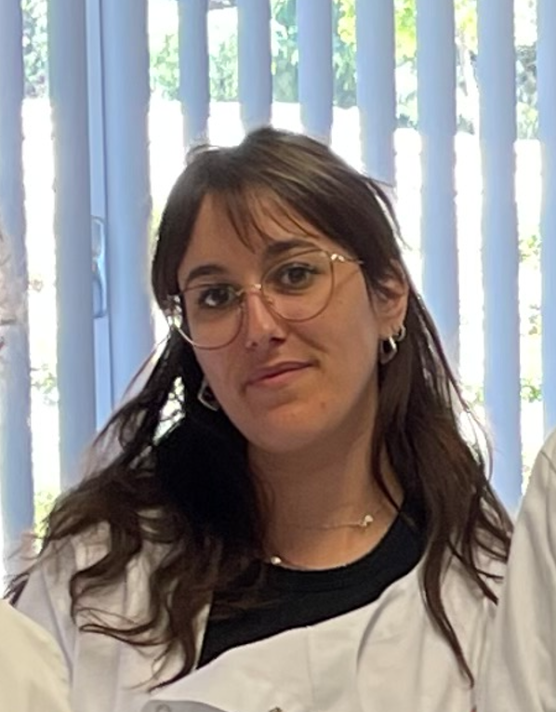
Aída Úbeda Trillo
Técnico de Laboratorio
Técnico superior en laboratorio de diagnóstico clínico en 2019. Lleva vinculada a la Unidad de Neumococos desde 2023 como técnico de laboratorio contratada. Anteriormente estuvo contratada en el Servicio de Microbiología y Urgencias del Hospital Infanta Sofía de Madrid.
-
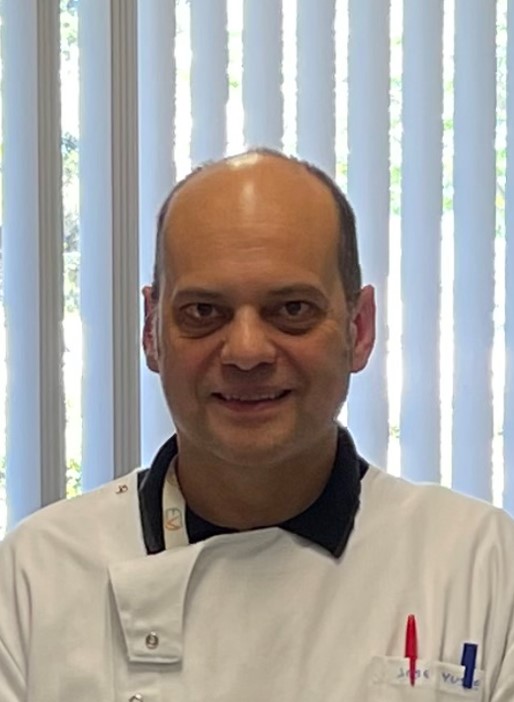
José Enrique Yuste Lobo
Científico Titular
ORCID code: 0000-0001-7996-0837
Licenciado en Farmacia en 1998 y Doctor en 2002 por la Universidad Complutense de Madrid. Realizó su tesis doctoral en el laboratorio de neumococos del Centro Nacional de Microbiología del ISCIII. Posteriormente trabajó durante 5 años en Londres, primero como Investigador Asociado en el Centre for Molecular Microbiology and Infection Biology de Imperial College hasta 2003 y luego en el Centre for Respiratory Research de University College hasta 2007. Tras esta etapa posdoctoral en Reino Unido, trabajó durante 3 años como Investigador Senior en el Centro de Investigaciones Biológicas del CSIC hasta 2010. Desde entonces trabaja como Científico Titular en la Unidad de Neumococos del CNM-ISCIII, siendo el responsable científico del laboratorio desde el año 2016. Es investigador principal del grupo CIBER de Enfermedades Respiratorias (CIBERES) CB06/06/0003 (https://www.ciberes.org/grupos/grupo-de-investigacion?id=18143)
-
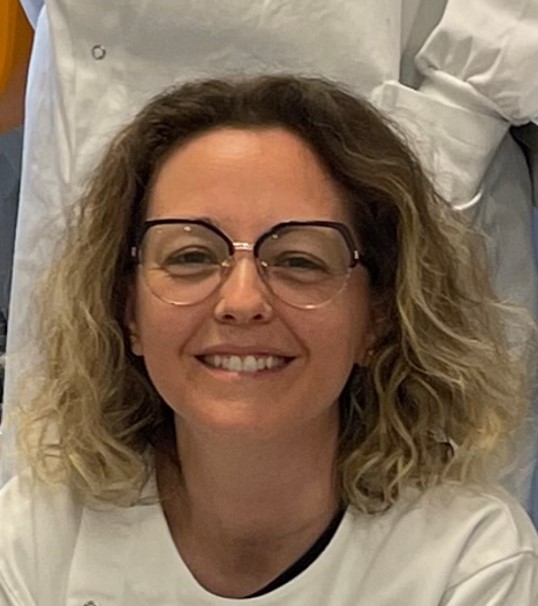
Mirian Domenech Luchas
Investigadora posdoctoral
ORCID code: 0000-0002-0942-8180
Licenciada en Ciencias Biológicas en 2005 y Doctora en 2012 por la Universidad Complutense de Madrid. Realizó su tesis doctoral en el Centro de Investigaciones Biológicas del CSIC bajo la dirección del Profesor Ernesto García y la Dra. Miriam Moscoso caracterizando el biofilm neumocócico y estudiando distintos antimicrobianos para prevenir y tratar las infecciones producidas por neumococo y otros patógenos. Posteriormente ha trabajado como investigadora junior para el CIBER de Enfermedades Respiratorias y para la empresa Investigación y Proyectos Microbiológicos realizando estudios sobre biofilms de patógenos respiratorios. A finales del 2018 se incorporó a la Unidad de Neumococos del Centro Nacional Microbiología del ISCIII, donde participa en las distintas labores de investigación y referencia de la Unidad y es profesora ayudante Doctor de la Facultad de Biología de la Universidad Complutense de Madrid.
-
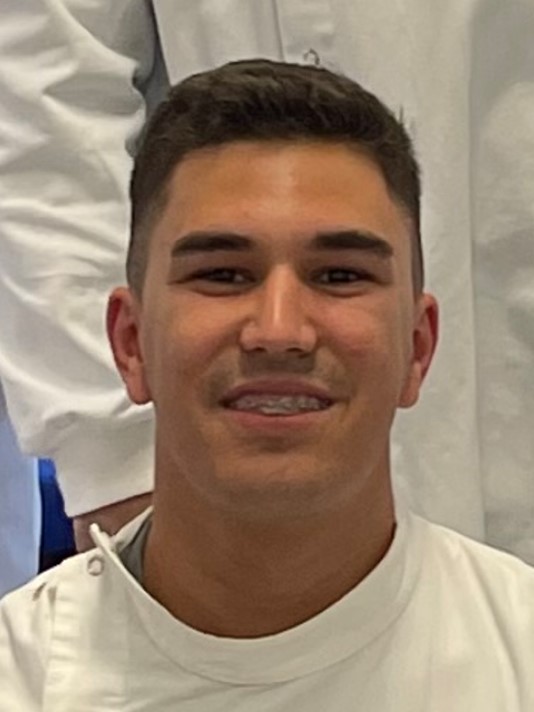
Julio Sempere García
Investigador Posdoctoral
ORCID code: 0000-0001-9340-6867
Graduado en Bioquímica por la Universidad Complutense de Madrid, donde posteriormente cursó estudios de Máster en Microbiología y Parasitología. Actualmente realiza el programa de doctorado en Microbiología y Parasitología. Lleva asociado a la Unidad de Neumococos desde 2017, donde realizó las prácticas extracurriculares de grado y posteriormente realizó su trabajo de fin de grado (2018) y trabajo de fin de máster (2019). En 2022 obtuvo el grado de Doctor y actualmente investiga biofilms de bacterias Gram positivas, la matriz de estos y cómo interaccionan con el sistema inmune. También trabaja en la interacción de diferentes cápsulas de Streptococcus pneumoniae con el sistema inmune y patogénesis de serotipos emergentes incluidos en las futuras vacunas antineumocócicas.
-
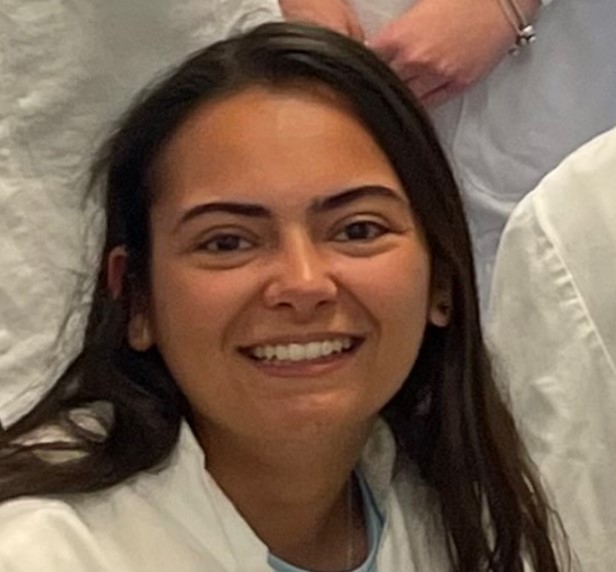
Covadonga Pérez García
Contratada predoctoral FPU
ORCID code: 0000-0002-5295-6480
Graduada en Biología por la Universidad Complutense de Madrid, donde posteriormente cursó estudios de Máster en Microbiología y Parasitología. Lleva vinculada a la Unidad de Neumococos desde 2019, donde realizó las prácticas extracurriculares de grado y posteriormente realizó su trabajo de fin de grado (2020) y trabajo de fin de máster (2021). En 2022 obtuvo beca predoctoral del programa FPU y actualmente investiga mecanismos de patogenicidad y protección de serotipos emergentes de neumococo.
-

Erick Joan Vidal Alcántara
Ayudante de Investigación
ORCID code: 0000-0001-8946-3754
Graduado en Biología por la Universidad Complutense de Madrid, y posteriormente cursó estudios de Máster en Microbiología aplicada a salud pública e investigación en enfermedades infecciosas por la Universidad de Alcalá de Henares. Lleva vinculado a la Unidad de Neumococos desde 2022 como ayudante de investigación y es personal de plantilla.
-
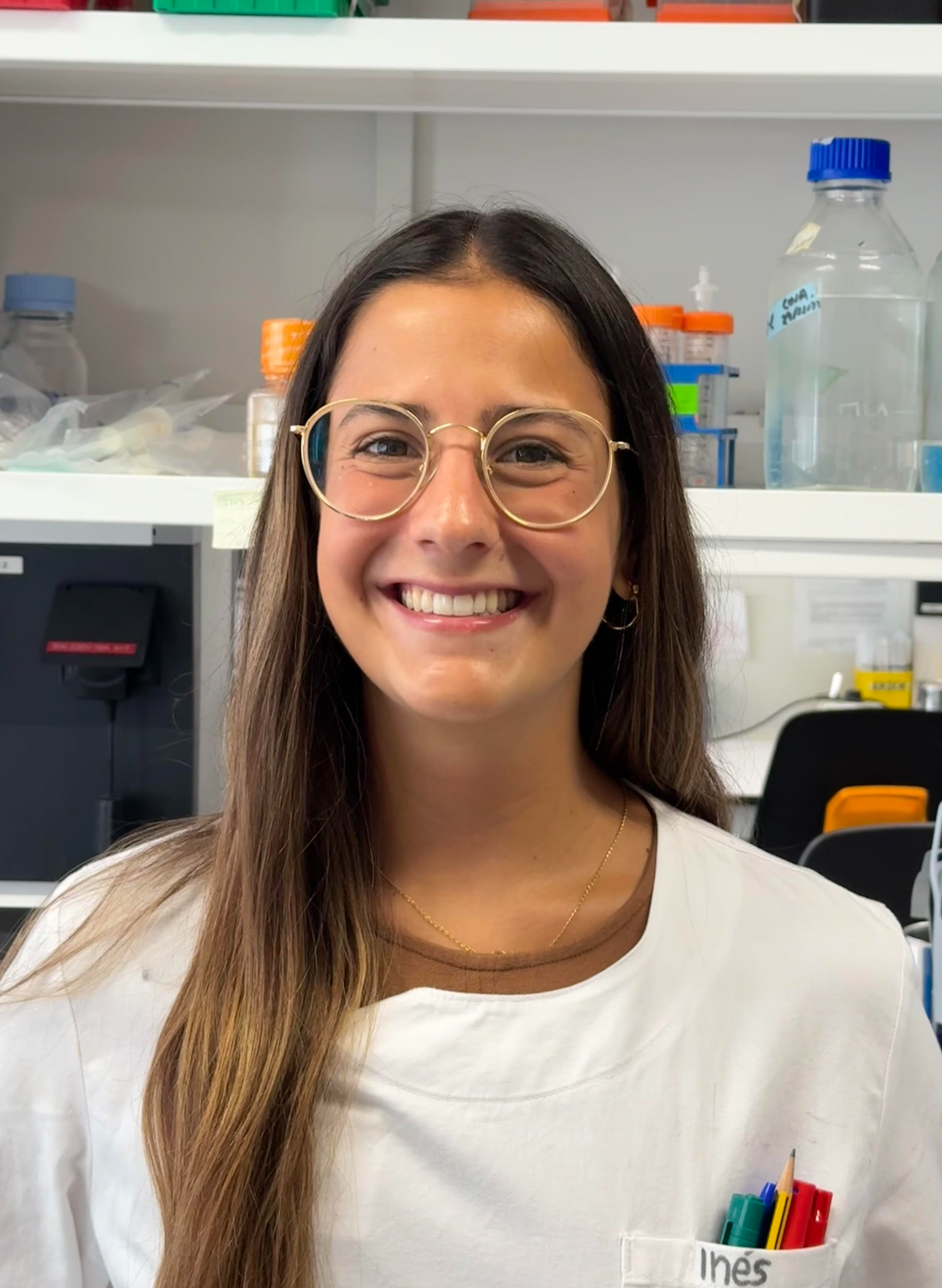
Inés Pareja Cerbán
Estudiante predoctoral CIBERES
ORCID code: 0009-0006-8015-7367
Graduada en Bioquímica por la Universidad de Málaga. Es contratada predoctoral del CIBER de Enfermedades Respiratorias (CIBERES) y en nuestro grupo está realizando su Tesis Doctoral en la caracterización de factores de virulencia de aislados prevalentes así como en el estudio y caracterización de nuevos antimicrobianos frente a bacterias respiratorias.
-

Mirella Llamosí Fornés
Contratada predoctoral
ORCID code: 0000-0002-4369-9558
Graduada en Biología por la Universidad Complutense de Madrid, donde posteriormente cursó estudios de Máster en Microbiología y Parasitología. Está realizando su Tesis Doctoral en el campo de la resistencia antibiótica así como en la búsqueda y caracterización de nuevos antimicrobianos con especial interés en lograr compuestos activos frente a infecciones producidas por biofilms.


List of staff
Additional Information
Induction of allograft tolerance remains a goal to be achieved in organ transplantation. Most therapeutic strategies focus on inhibition of the adaptive immune system, but recent data demonstrate that allogeneic recognition of myeloid cells initiates transplant rejection. Therapies targeting myeloid cells “in vivo” represent a potential target to induce immunological tolerance, but remain clinically unexplored.
Our laboratory uses a revolutionary nanoimmunotherapy of high-density lipoprotein (HDL) nanoparticles loaded with rapamycin (mTORi-HDL) that prevents epigenetic modifications associated with trained immunity, a recently discovered functional state of macrophages. Using an experimental mouse transplant model, our results demonstrate that the administration of this immunotherapy with mTORi-HDL prevents the immune response and promotes tolerance to the transplanted organ.
Our laboratory shows a multidisciplinary research approach articulated in three different objectives to evaluate the clinical relevance and therapeutic effects of immunotherapy in preparation for a clinical trial in organ transplantation. The general objectives will be aimed at confirming the identification of trained immunity as a biomarker and analytical value to predict the risk of rejection in transplant patients under three conditions: prolonged periods of ischemic reperfusion (IRI) (objective 1), allosensitization (objective 2) and infection (objective 3).
Induction of allograft tolerance remains a goal to be achieved in organ transplantation. Most therapeutic strategies focus on inhibition of the adaptive immune system, but recent data demonstrate that allogeneic recognition of myeloid cells initiates transplant rejection. Therapies targeting myeloid cells “in vivo” represent a potential target to induce immunological tolerance, but remain clinically unexplored.
Our laboratory uses a revolutionary nanoimmunotherapy of high-density lipoprotein (HDL) nanoparticles loaded with rapamycin (mTORi-HDL) that prevents epigenetic modifications associated with trained immunity, a recently discovered functional state of macrophages. Using an experimental mouse transplant model, our results demonstrate that the administration of this immunotherapy with mTORi-HDL prevents the immune response and promotes tolerance to the transplanted organ.
Our laboratory shows a multidisciplinary research approach articulated in three different objectives to evaluate the clinical relevance and therapeutic effects of immunotherapy in preparation for a clinical trial in organ transplantation. The general objectives will be aimed at confirming the identification of trained immunity as a biomarker and analytical value to predict the risk of rejection in transplant patients under three conditions: prolonged periods of ischemic reperfusion (IRI) (objective 1), allosensitization (objective 2) and infection (objective 3).