



We protect your health through science
Investigation
Organ Transplant
Research Lines
Content with Investigacion .
The Laboratory of Medical Entomology (LME) develops an intense reference and research activity, focused on the field of disease vectors of interest in Public Health. The LME has an insectary where biological cycles of insect vectors are currently maintained, allowing the performance, among others, of vector competence and xenodiagnostic studies. The LME supports the national health system by offering techniques available in the portfolio of services for the taxonomic identification of arthropods of health interest. In addition, it performs entomological surveillance of outbreaks, supporting Surveillance Plans. In particular, the LME plays a leading role in the Entomological Surveillance Plan for Leishmaniasis in the Community of Madrid. On the other hand, the LME offers scientific advice to the CCAES (Centro de Coordinación de Alertas y Emergencias Sanitarias, Ministerio de Sanidad, Consumo y Bienestar Social), and participates in the elaboration of reports and rapid risk assessments.

The main research lines of the Laboratory of Medical Entomology are:
1. Maintenance of insect vector colonies: phlebotomine sand flies (Phlebotomus perniciosus, Phlebotomus papatasi and Phlebotomus argentipes, vectors of Leishmania infantum, Leishmania major and Leishmania donovani, respectively), Culex and Aedes mosquitoes (vectors of various arboviruses) and Rhodnius prolixus (vector of Trypanosoma cruzi).
2. Biology of disease vectors of public health interest: biology, vector competence, experimental infections. The CNM has a BSL3 safety laboratory to carry out vector competence studies with culicidae and phlebotomine sand flies.
3. Entomological sampling, infectivity of potential reservoirs of leishmaniasis.
4. Insecticides and repellents: evaluation of their efficacy.
5. Characterization of saliva proteins of hematophagous Diptera: genomics, proteomics, biochemistry and gene editing. Study of salivary proteins as markers of bite exposure, virulence factors and/or vaccines.
6. Xenodiagnosis of leishmaniasis.
7. Molecular biology and taxonomy of phlebotomine sand flies. Molecular detection of Leishmania infantum in phlebotomine sand flies and characterization of Leishmania spp. Molecular identification of blood ingested by vectors.
Research projects
Content with Investigacion .
CURRENT PROJECTS
Project title: "Biochemical and functional characterisation of salivary proteins of Phlebotomus perniciosus and their role in infection by Leishmania infantum (PERNIPROT)"Reference: Project PID2023-147773NA-I00 funded by MICIU/AEI/10.13039/501100011033 and by FEDER, EU.
Start date: 01/09/2024
End date: 31/08/2028
Funding: €175,000
Principal investigator: Inés Elena Martín Martín.
Funding agency: Agencia Estatal de Investigación (Proyecto de Generación del Conocimiento 2023).

Project title: "Surveillance of leishmaniasis in the Community of Madrid from a “One Health” perspective: study of the infectious capacity of patients with visceral leishmaniasis and their role as reservoirs"
Reference: PI24CIII/00026
Start date: 01/01/2025
End date: 31/12/2027
Funding: €60,000.00
Principal investigator: Inés Elena Martín Martín.
Co-principal investigator: Maribel Jiménez Alonso
Funding agency: Instituto de Salud Carlos III (Strategic Action in Intramural Health, AESI).
Service Contract: "Analysis for the surveillance of the vector and wild reservoirs that transmit leishmaniasis in the Community of Madrid"
Reference: file no. 17/2024 (A/SER-008455/2024).
Start date: 26/06/2024
End date: 10/12/25, extendable to 2026
Total funding: €171,084
Principal Investigator: Maribel Jiménez Alonso
Funding agency: Service Contract between the Instituto de Salud Carlos III and the Directorate-General for Public Health, Regional Ministry of Health of the Community of Madrid
Project Title: CIBERINFEC Research Group (CB21/13/00110)
Start date: 2021
End date: currently active
Principal Investigator: Dr. Mª Paz Sánchez-Seco, Arbovirus and Imported Viral Diseases Unit.
Researchers from the Medical Entomology Laboratory: Maribel Jiménez (member), Inés Martín Martín (collaborator).
Funding: €108,134. File number: CB21/13/00110.
Funding agency: Consortium Centre for Biomedical Research in NETWORK (CIBER)
PAST PROJECTS
Service Contract: "Evaluation of the anti-leishmania effect of the bacteria Tc1 and its derivatives in the intravectorial cycle"
Reference: ISCIII-06896
Start date: 15/12/2022
End date: 15/04/2025
Funding: €71,265.67
Principal Investigator: Inés Elena Martín Martín
Funding agency: Service Contract between the company GlaxoSmithKline R&D (GSK) and the Instituto de Salud Carlos III
Service Contract: "Analysis for the surveillance of the vector and wild reservoirs that transmit leishmaniasis in the Community of Madrid"
Reference: 59/2020 (A/SER-040739/2020)
Start date: 10/12/2021
End date: 10/12/2023.
Funding: €42,612.17 per year Total 2021-2023: €127,836.51
Principal Investigators: Ricardo Molina /Maribel Jiménez Alonso
Funding agency: Service contract between the Instituto de Salud Carlos III (ISCIII) and the Directorate-General for Public Health, Regional Ministry of Health of the Community of Madrid
Project title: "Research and Integrated Surveillance of Emerging Arboviruses West Nile, Toscana and Dengue in some areas of Spain"
Reference: PI19CIII/00014
Start date: 2020
End date: 2022
Principal Investigator: Ana Vázquez González
Co-Principal Investigator: Ricardo Molina
Funding: €60,000.00
Funding agency: Instituto de Salud Carlos III (Strategic Action in Intramural Health, AESI).
Project title: "Characterisation of the concept of ‘asymptomatic carrier’ in leishmaniasis: implications for treatment".
Start date: 01/01/2015
End date: 31/12/2017
Principal investigators: Javier Moreno and Javier García
Funding: €159,940
Funding agency: Study Agreement between Drugs for Neglected Diseases Initiative (DNDi), the Spanish Foundation for International Cooperation, Health and Social Policy (FCSAI) and Fuenlabrada Hospital. Subcontractor: ISCIII Medical Entomology Unit (Maribel Jiménez and Ricardo Molina).
Project title: "Biology and control of vector-borne infections in Europe (EDENext Collaborative Project): Sandfly-borne diseases".
Reference: Subproject (PBD) (EU, FP7-HEALTH-2010-single-stage, contract No. 261504).
Start date: 2011
End date: 2014
Principal investigator: Ricardo Molina General coordinator: Petr Volf
Funding: €140,000
Funding agency: EU-FP7
Project Title: "Phlebotomus perniciosus saliva as a source in the search for potential targets for the development of vaccines against Leishmania infantum"
Reference: AGL2008-01592/GAN (MICINN)
Start date: 2009
End date: 2011
Principal investigator: Ricardo Molina
Funding: €70,180
Funding agency: Ministry of Science and Innovation
Publications
Emergence of cfr-Mediated Linezolid Resistance in a Methicillin-Resistant Staphylococcus aureus Epidemic Clone Isolated from Patients with Cystic Fibrosis.
4. Emergence of cfr-Mediated Linezolid Resistance in a Methicillin-Resistant Staphylococcus aureus Epidemic Clone Isolated from Patients with Cystic Fibrosis. de Dios Caballero J, Pastor MD, Vindel A, Máiz L, Yagüe G, Salvador C, Cobo M, Morosini MI, del Campo R, Cantón R; GEIFQ Study Group. Antimicrob Agents Chemother. 2015 Dec 14;60(3):1878-82.
PUBMED DOIThe dynamic changes of dominant clones of Staphylococcus aureus causing bloodstream infections in the European region: results of a second structured survey.
5. The dynamic changes of dominant clones of Staphylococcus aureus causing bloodstream infections in the European region: results of a second structured survey. Grundmann H, Schouls LM, Aanensen DM, Pluister GN, Tami A, Chlebowicz M, Glasner C, Sabat AJ, Weist K, Heuer O, Friedrich AW; ESCMID Study Group on Molecular Epidemiological Markers; European Staphylococcal Reference Laboratory Working Group. Euro Surveill. 2014 Dec 11;19(49).
PUBMED DOIPeptidoglycan recycling contributes to intrinsic resistance to fosfomycin in Acinetobacter baumannii.
6. Gil-Marqués ML, Moreno-Martínez P, Costas C, Pachón J, Blázquez J, McConnell M.J.* Peptidoglycan recycling contributes to intrinsic resistance to fosfomycin in Acinetobacter baumannii. Journal of Antimicrobial Chemotherapy. 2018 Nov 1;73(11):2960-2968.
PUBMED DOIImmunization with lipopolysaccharide-free outer membrane complexes protects against Acinetobacter baumannii infection.
7. Pulido MR, García-Quintanilla M, Pachón J, McConnell M.J.* Immunization with lipopolysaccharide-free outer membrane complexes protects against Acinetobacter baumannii infection. Vaccine. 2018 Jul 5;36(29):4153-4156.
PUBMED DOIInhibition of LpxC increases antibiotic susceptibility in Acinetobacter baumannii.
8. García-Quintanilla M, Caro-Vega JM, Pulido MR, Moreno-Martínez P, Pachón J, McConnell M.J.* Inhibition of LpxC increases antibiotic susceptibility in Acinetobacter baumannii. Antimicrobial Agents and Chemotherapy. 2016 Jul 22;60(8):5076-9.
PUBMED DOIImmunization with lipopolysaccharide-deficient whole cells provides protective immunity in an experimental mouse model of Acinetobacter baumannii infection.
9. García-Quintanilla M., Pulido M.R., Pachón J. and McConnell, M.J.* Immunization with lipopolysaccharide-deficient whole cells provides protective immunity in an experimental mouse model of Acinetobacter baumannii infection. PLOS One. 2014 Dec 8;9(12).
PUBMED DOIEncephalitis associated with human herpesvirus-7 infection in an immunocompetent adult.
M. Parra; A. Alcala; C. Amoros; A. Baeza; A. Galiana; D. Tarragó; M.Á. García-Quesada; V. Sánchez-Hellín. Encephalitis associated with human herpesvirus-7 infection in an immunocompetent adult. Virology Journal. 14 - 1, 2017.
PUBMED DOIMolecular epidemiology of enterovirus and parechovirus infections according to patient age over a 4-year period in Spain.
M. Cabrerizo; M. Díaz-Cerio; C. Muñoz-Almagro; N. Rabella; D. Tarragó; M.P. Romero; M.J. Pena; C. Calvo; S. Rey-Cao; A. Moreno-Docón; I. Martínez-Rienda; A. Otero; G. Trallero. Molecular epidemiology of enterovirus and parechovirus infections according to patient age over a 4-year period in Spain. J Med Virol. 2017 Mar;89(3):435-442.
PUBMED DOIViral epidemic outbreaks and public health alerts studied at the National Centre of Microbiology during a two-year period (2012-2013).
J.M. Echevarría Mayo; A.A. Avellón Calvo; M. Cabrerizo Sanz; I. Casas Flecha; J.E. Echevarría Mayo; Fd.eO. de Ory Manchón; A. Negredo Antón; F. Pozo Sánchez; M.P. Sánchez-Seco Fariñas; D. Tarragó Asensio; G. Trallero Masó. Viral epidemic outbreaks and public health alerts studied at the National Centre of Microbiology during a two-year period (2012-2013). Revista española de salud pública. 90, pp. E16 - E16. 2016
PUBMEDMolecular epidemiology of enterovirus 71, coxsackievirus A16 and A6 associated with hand, foot and mouth disease in Spain.
M. Cabrerizo; D. Tarragó; C. Muñoz-Almagro; E. del Amo; M. Domínguez-Gil; J.M.-S. Eiros; I. López-Miragaya; C. Pérez; J. Reina; A. Otero; I. González; J.E. Echevarría; G. Trallero. Molecular epidemiology of enterovirus 71, coxsackievirus A16 and A6 associated with hand, foot and mouth disease in Spain. Clinical Microbiology and Infection. 20 - 3, pp. O150 - O156. 2014.
PUBMED DOIMolecular epidemiology of the first Spanish enterovirus A71 outbreak associated with severe neurological diseases, 2016.
R Gonzalez-Sanz*, D Casas-Alba, C Launes, C Muñoz-Almagro, M Ruiz-García, MJ Gonzalez-Abad, M Alonso, G Megias, N Rabella, M del Cuerpo, M Gozalo-Margüello, A González-Praetorius, A Martínez-Sapiña, MJ Goyanes-Galán, MP Romero, C Calvo, A Antón, M Imaz, M Aranzamendi, Á Hernandez, A Moreno-Docón, S Rey Cao, A Navascuences, A Otero, M Cabrerizo. Molecular epidemiology of the first Spanish enterovirus A71 outbreak associated with severe neurological diseases, 2016. Euro Surveill. 2019 Feb;24(7).
PUBMED DOIAcute flaccid paralysis (AFP) surveillance: challenges and opportunities from 18 years’ experience, Spain, 1998 to 2015.
J Masa-Calles, N Torner, N López-Perea, MV Torres de Mier, B Fernández-Martínez, M Cabrerizo, V Gallardo-García, C Malo, M Margolles, M Portell, N Abadía, A Blasco, S García-Hernández, H Marcos, N Rabella, C Marín, A Fuentes, I Losada, A Nieto, V García Ortúzar, M García Cenoz, JM Arteagoitia, Á Blanco Martínez, A Rivas, D Castrillejo, Spanish AFP Surveillance Working Group. Acute flaccid paralysis (AFP) surveillance: challenges and opportunities from 18 years’ experience, Spain, 1998 to 2015. EuroSurveill 2018 23(47):pii=1700423.
PUBMED DOIRecommendations for enterovirus diagnostics and characterisation within and beyond Europe.
H Harvala, E Broberg, K Benschop, N Berginc, S Ladhani, P Susi, C Christiansen, J McKenna, D Allen, P Makiello, G McAllister, M Carmen, M Sveinsdottir, K Zakikhany, T Gunnarsdottir, R Dyrdak, X Nielsen, T Madsen, J Paul, C Moore, K von Eije, A Piralla , M Strutt, M Carileir, L Vanoverschelde, R Poelman, A Anton, X López-Labrador, C Galli, K Keeren, M Maier, H Cassidy, S Derdas, C Savolainen-Kopra, S Diedrich, S Nordbø, P Minor, J Buesa, H Yu, Q Liao, JL Bailly, F Baldanti, A MacAdam, N Grossly, A Mirand, S Dudman, I Schuffenecker, S Kadamba, n Neyts, M Griffiths, J Richter, C Margaretto, S Govind, U Morley, S Krokstad, J Dean, M Salort, B Prochazka, H-R Honkanen, M Cabrerizo, M Majumdar, L Pellegrinelli, G Nebbia, M Wiewel, S Cottrell, P Coyle, O Adams, J Martin, S Midgley, P Horby, K Wolthers, B Hubert Niesters, P Simmonds and TK Fischer. Recommendations for enterovirus diagnostics and characterisation within and beyond Europe. J Clin Virol 101: 11-17 (2018).
PUBMED DOIMolecular surveillance of norovirus, 2005-16: an epidemiological analysis of data collected from the NoroNet network.
4. J van Beek, M de Graaf, H Al-Hhello, DJ Allen, K Ambert-Balay, N Botteldoorn, M Brytting, J Buesa, M Cabrerizo, M Chan, F Cloak, I Di Bartolo, S Guix, J Hewitt, N Iritani, M Jin, R Johne, I Lederer, J Mans, V Martella, L Maunula, G McAllister, S Niendorf, HG Niesters, AT Podkolzin, M Poljsak-Prijatelj, L Dam Rasmussen, G Reuter, G Tuite, A Kroneman, H Vennema, MPG Koopmans, on behalf of NoroNet. Molecular surveillance of norovirus, 2005-16: an epidemiological analysis of data collected from the NoroNet network. Lancet Infect Dis 18:545-553 (2018)
PUBMED DOIFirst Cases of Severe Flaccid Paralysis Associated with Enterovirus D68 Infection in Spain, 2015-2016.
M Cabrerizo*, JP García-Iñiguez, F Munell, A Amado, P Madurga-Revilla, C Rodrigo, S Pérez, A Martínez-Sapiña, A Antón, G Suárez, N Rabella, V Del Campo, A Otero, J Masa-Calles. First Cases of Severe Flaccid Paralysis Associated with Enterovirus D68 Infection in Spain, 2015-2016. Pediatric Infect Dis J; 36: 1214-1216 (2017).
PUBMED DOIOutbreak of brainstem encephalitis associated with enterovirus-A71 in Catalonia, Spain (2016): a clinical observational study in a children’s reference centre in Catalonia
6. D Casas-Alba, M de Sevilla, A Valero-Rello, C Fortuny, JJ Garcia, C Ortez, J Muchart, T Armangue, I Jordan, C Luaces-Cubells, I Barrabeig, R González-Sanz, M Cabrerizo, C Munoz-Almagro, C Launes. Outbreak of brainstem encephalitis associated with enterovirus-A71 in Catalonia, Spain (2016): a clinical observational study in a children’s reference centre in Catalonia. Clin Microbiol Infect 23: 874-881 (2017)
PUBMED DOIMolecular epidemiology of enterovirus and parechovirus infections according to patient age over a 4-year period in Spain.
7. M Cabrerizo*, M Díaz-Cerio, C Muñoz-Almagro, N Rabella, D Tarragó, MP Romero, MJ Pena, C Calvo, S Rey-Cao, A Moreno-Docón, I Martínez-Rienda, A Otero, G Trallero. Molecular epidemiology of enterovirus and parechovirus infections according to patient age over a 4-year period in Spain. J Med Virol 89: 435-442 (2017).
PUBMED DOIContent with Investigacion .
-

Aída Úbeda Trillo
Técnico de Laboratorio
Técnico superior en laboratorio de diagnóstico clínico en 2019. Lleva vinculada a la Unidad de Neumococos desde 2023 como técnico de laboratorio contratada. Anteriormente estuvo contratada en el Servicio de Microbiología y Urgencias del Hospital Infanta Sofía de Madrid.
-
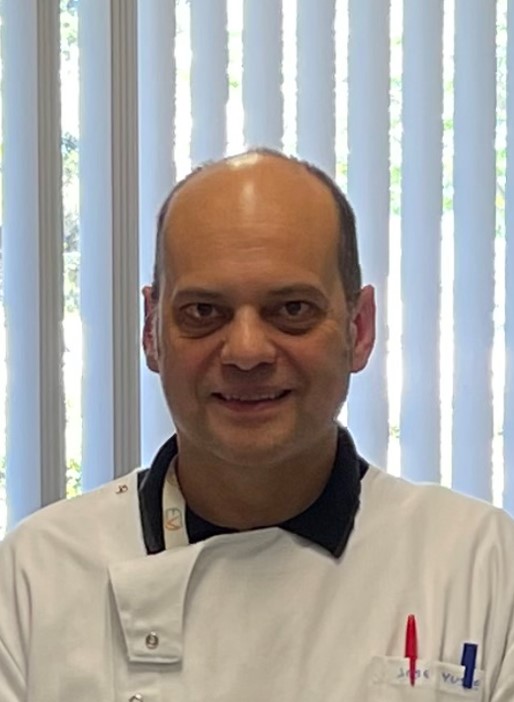
José Enrique Yuste Lobo
Científico Titular
ORCID code: 0000-0001-7996-0837
Licenciado en Farmacia en 1998 y Doctor en 2002 por la Universidad Complutense de Madrid. Realizó su tesis doctoral en el laboratorio de neumococos del Centro Nacional de Microbiología del ISCIII. Posteriormente trabajó durante 5 años en Londres, primero como Investigador Asociado en el Centre for Molecular Microbiology and Infection Biology de Imperial College hasta 2003 y luego en el Centre for Respiratory Research de University College hasta 2007. Tras esta etapa posdoctoral en Reino Unido, trabajó durante 3 años como Investigador Senior en el Centro de Investigaciones Biológicas del CSIC hasta 2010. Desde entonces trabaja como Científico Titular en la Unidad de Neumococos del CNM-ISCIII, siendo el responsable científico del laboratorio desde el año 2016. Es investigador principal del grupo CIBER de Enfermedades Respiratorias (CIBERES) CB06/06/0003 (https://www.ciberes.org/grupos/grupo-de-investigacion?id=18143)
-

Mirian Domenech Luchas
Investigadora posdoctoral
ORCID code: 0000-0002-0942-8180
Licenciada en Ciencias Biológicas en 2005 y Doctora en 2012 por la Universidad Complutense de Madrid. Realizó su tesis doctoral en el Centro de Investigaciones Biológicas del CSIC bajo la dirección del Profesor Ernesto García y la Dra. Miriam Moscoso caracterizando el biofilm neumocócico y estudiando distintos antimicrobianos para prevenir y tratar las infecciones producidas por neumococo y otros patógenos. Posteriormente ha trabajado como investigadora junior para el CIBER de Enfermedades Respiratorias y para la empresa Investigación y Proyectos Microbiológicos realizando estudios sobre biofilms de patógenos respiratorios. A finales del 2018 se incorporó a la Unidad de Neumococos del Centro Nacional Microbiología del ISCIII, donde participa en las distintas labores de investigación y referencia de la Unidad y es profesora ayudante Doctor de la Facultad de Biología de la Universidad Complutense de Madrid.
-
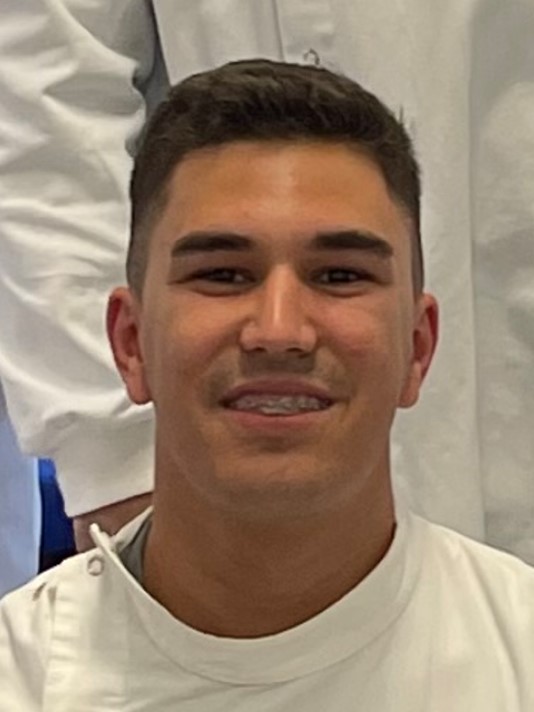
Julio Sempere García
Investigador Posdoctoral
ORCID code: 0000-0001-9340-6867
Graduado en Bioquímica por la Universidad Complutense de Madrid, donde posteriormente cursó estudios de Máster en Microbiología y Parasitología. Actualmente realiza el programa de doctorado en Microbiología y Parasitología. Lleva asociado a la Unidad de Neumococos desde 2017, donde realizó las prácticas extracurriculares de grado y posteriormente realizó su trabajo de fin de grado (2018) y trabajo de fin de máster (2019). En 2022 obtuvo el grado de Doctor y actualmente investiga biofilms de bacterias Gram positivas, la matriz de estos y cómo interaccionan con el sistema inmune. También trabaja en la interacción de diferentes cápsulas de Streptococcus pneumoniae con el sistema inmune y patogénesis de serotipos emergentes incluidos en las futuras vacunas antineumocócicas.
-
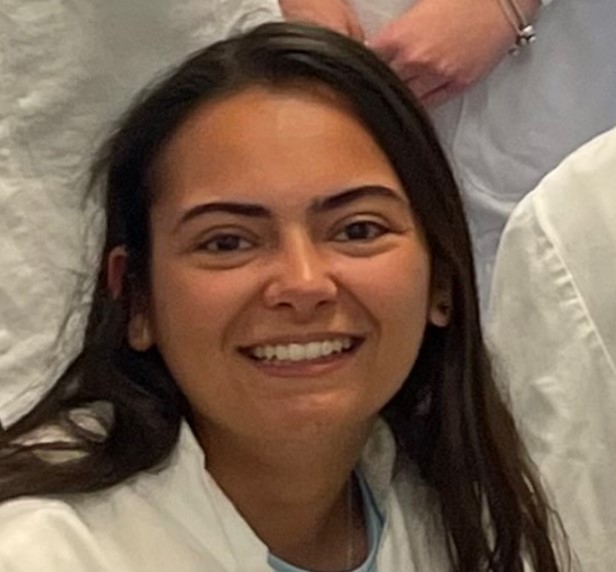
Covadonga Pérez García
Contratada predoctoral FPU
ORCID code: 0000-0002-5295-6480
Graduada en Biología por la Universidad Complutense de Madrid, donde posteriormente cursó estudios de Máster en Microbiología y Parasitología. Lleva vinculada a la Unidad de Neumococos desde 2019, donde realizó las prácticas extracurriculares de grado y posteriormente realizó su trabajo de fin de grado (2020) y trabajo de fin de máster (2021). En 2022 obtuvo beca predoctoral del programa FPU y actualmente investiga mecanismos de patogenicidad y protección de serotipos emergentes de neumococo.
-

Erick Joan Vidal Alcántara
Ayudante de Investigación
ORCID code: 0000-0001-8946-3754
Graduado en Biología por la Universidad Complutense de Madrid, y posteriormente cursó estudios de Máster en Microbiología aplicada a salud pública e investigación en enfermedades infecciosas por la Universidad de Alcalá de Henares. Lleva vinculado a la Unidad de Neumococos desde 2022 como ayudante de investigación y es personal de plantilla.
-
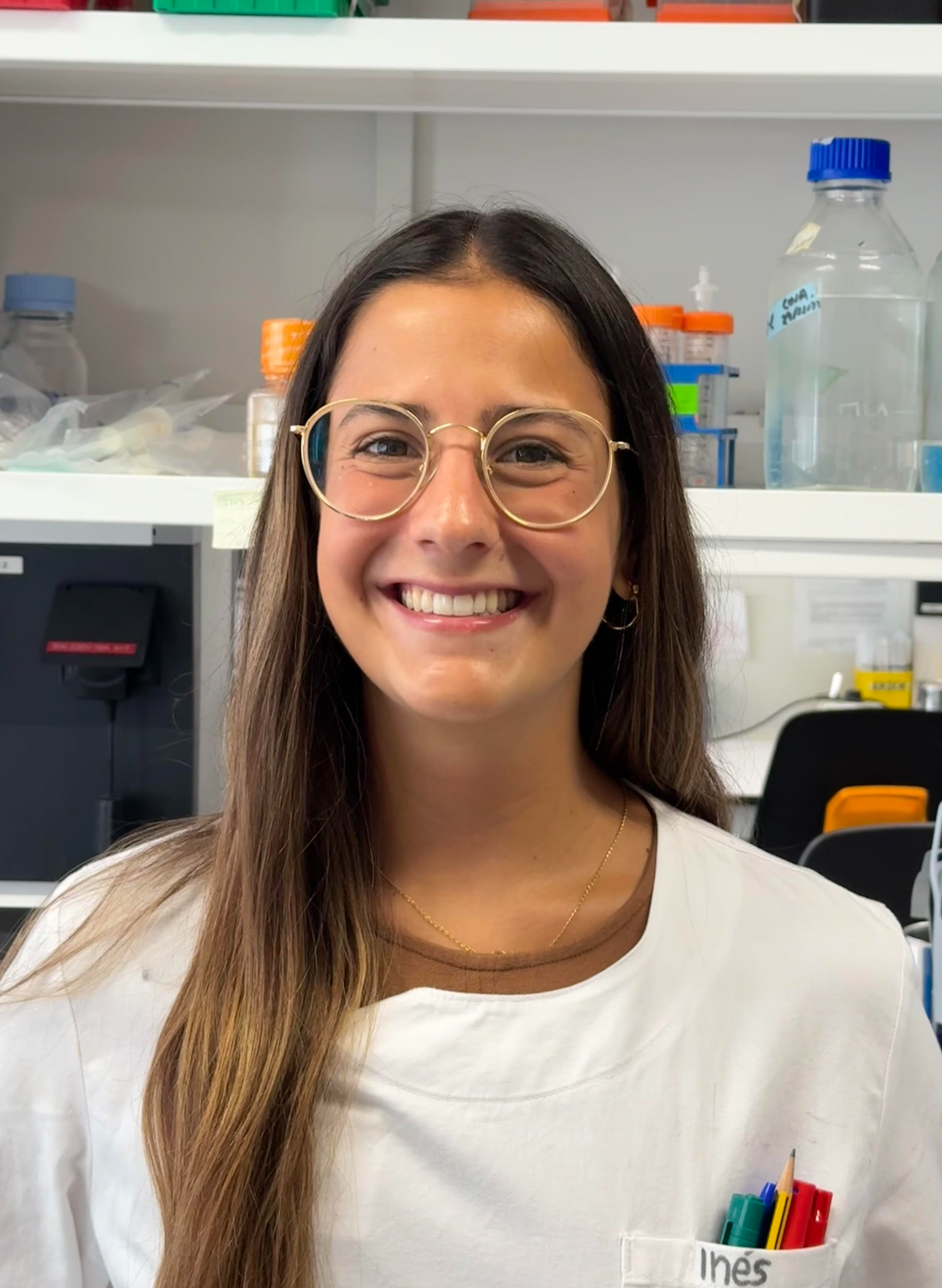
Inés Pareja Cerbán
Estudiante predoctoral CIBERES
ORCID code: 0009-0006-8015-7367
Graduada en Bioquímica por la Universidad de Málaga. Es contratada predoctoral del CIBER de Enfermedades Respiratorias (CIBERES) y en nuestro grupo está realizando su Tesis Doctoral en la caracterización de factores de virulencia de aislados prevalentes así como en el estudio y caracterización de nuevos antimicrobianos frente a bacterias respiratorias.
-

Mirella Llamosí Fornés
Contratada predoctoral
ORCID code: 0000-0002-4369-9558
Graduada en Biología por la Universidad Complutense de Madrid, donde posteriormente cursó estudios de Máster en Microbiología y Parasitología. Está realizando su Tesis Doctoral en el campo de la resistencia antibiótica así como en la búsqueda y caracterización de nuevos antimicrobianos con especial interés en lograr compuestos activos frente a infecciones producidas por biofilms.


List of staff
Additional Information
Induction of allograft tolerance remains a goal to be achieved in organ transplantation. Most therapeutic strategies focus on inhibition of the adaptive immune system, but recent data demonstrate that allogeneic recognition of myeloid cells initiates transplant rejection. Therapies targeting myeloid cells “in vivo” represent a potential target to induce immunological tolerance, but remain clinically unexplored.
Our laboratory uses a revolutionary nanoimmunotherapy of high-density lipoprotein (HDL) nanoparticles loaded with rapamycin (mTORi-HDL) that prevents epigenetic modifications associated with trained immunity, a recently discovered functional state of macrophages. Using an experimental mouse transplant model, our results demonstrate that the administration of this immunotherapy with mTORi-HDL prevents the immune response and promotes tolerance to the transplanted organ.
Our laboratory shows a multidisciplinary research approach articulated in three different objectives to evaluate the clinical relevance and therapeutic effects of immunotherapy in preparation for a clinical trial in organ transplantation. The general objectives will be aimed at confirming the identification of trained immunity as a biomarker and analytical value to predict the risk of rejection in transplant patients under three conditions: prolonged periods of ischemic reperfusion (IRI) (objective 1), allosensitization (objective 2) and infection (objective 3).
Induction of allograft tolerance remains a goal to be achieved in organ transplantation. Most therapeutic strategies focus on inhibition of the adaptive immune system, but recent data demonstrate that allogeneic recognition of myeloid cells initiates transplant rejection. Therapies targeting myeloid cells “in vivo” represent a potential target to induce immunological tolerance, but remain clinically unexplored.
Our laboratory uses a revolutionary nanoimmunotherapy of high-density lipoprotein (HDL) nanoparticles loaded with rapamycin (mTORi-HDL) that prevents epigenetic modifications associated with trained immunity, a recently discovered functional state of macrophages. Using an experimental mouse transplant model, our results demonstrate that the administration of this immunotherapy with mTORi-HDL prevents the immune response and promotes tolerance to the transplanted organ.
Our laboratory shows a multidisciplinary research approach articulated in three different objectives to evaluate the clinical relevance and therapeutic effects of immunotherapy in preparation for a clinical trial in organ transplantation. The general objectives will be aimed at confirming the identification of trained immunity as a biomarker and analytical value to predict the risk of rejection in transplant patients under three conditions: prolonged periods of ischemic reperfusion (IRI) (objective 1), allosensitization (objective 2) and infection (objective 3).