



We protect your health through science
Investigation
Organ Transplant
Research Lines
Content with Investigacion .
Inmunología Microbiana e Inmunogenética
1. Análisis de la respuesta innata de mamíferos en la infección por Leishmania.
2. Caracterización inmunoproteómica en :
a. Streptococcus suis
b. Lactococcus garviae
c. Mycobacterium spp
3. Desarrollo de inmunoensayos analíticos basados en anticuerpos monoclonales (AcM) para detectar y cuantificar antígenos de origen animal, vegetal y microbiano.
4. Desarrollo y caracterización de AcM frente a los componentes del sistema del Complemento. Aplicación diagnóstica.
5. Desarrollo de reactivos de referencia y diseño de inmunoensayos para la evaluación cualitativa y cuantitativa de toxinas clostridiales.
6. Oferta tecnológica de producción de AcM y policlonales frente a substancias de interés industrial y biomédico.
El grupo está interesado en el estudio de la respuesta inmune desde una perspectiva multidisciplinar que incluye aproximaciones bioquímicas, biotecnológicas, genómicas, inmunoinformáticas y proteómicas, que junto con el uso adicional de modelos in vivo se encaminan al diseño de estrategias terapéuticas frente a diversas enfermedades crónicas, infecciosas y raras que poseen un claro componente inmunológico en su etiología.
Las principales líneas de investigación que está desarrollando el grupo en la actualidad son:
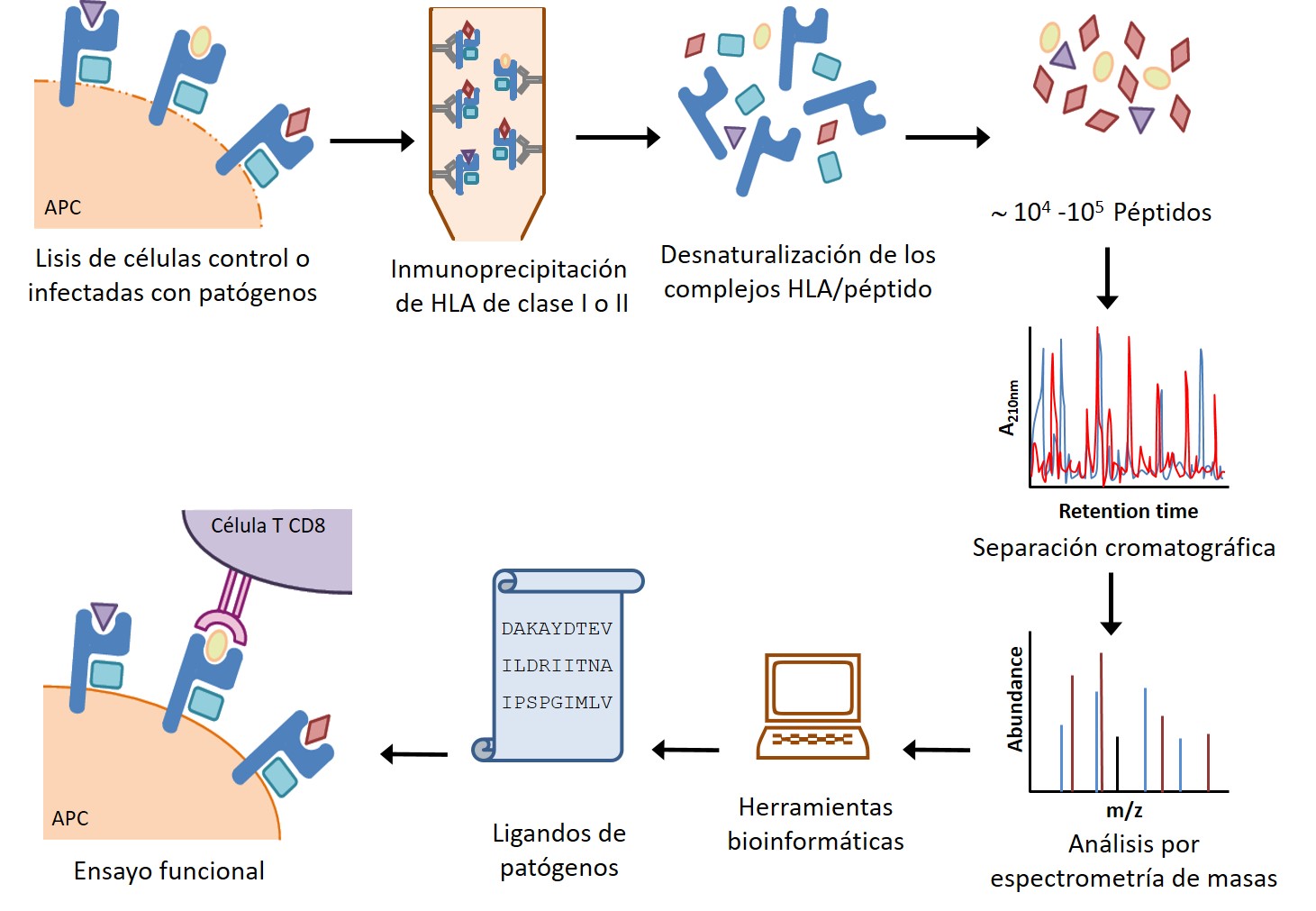
- * Análisis de las respuestas inmunes celulares frente a patógenos virales y bacterianos, mediante técnicas inmunoproteómicas, modelos in vivo con animales transgénicos y muestras humanas.
- * Caracterización de CD69: regulación génica, función reguladora inmune en homeostasis e infección y su uso como diana terapéutica, edición génica por CRISPR en modelos animales y celulares, etc.

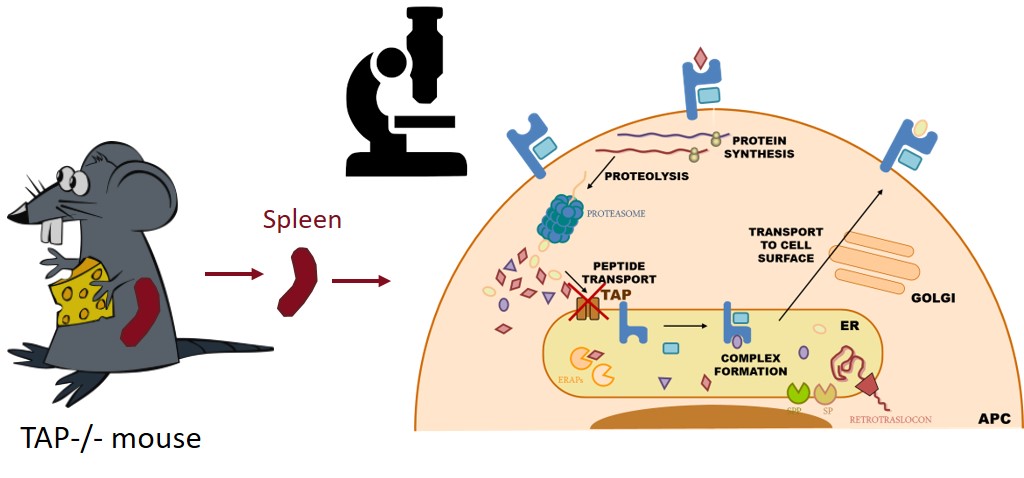
* Desarrollo de herramientas inmunoinformáticas que permitan analizar la respuesta inmune celular frente a diversos virus de interés sanitario y determinar la eficacia de sus vacunas a nivel de población mundial.

* Estudio de las respuestas inmunes celulares frente a enfermedades raras (artritis reactiva y síndrome del linfocito desnudo) y crónicas (espondiloartropatías).
* Inclusión de componentes del sistema inmune en la fabricación de tejidos humanos, especialmente piel, para uso clínico, farmacéutico y cosmético.
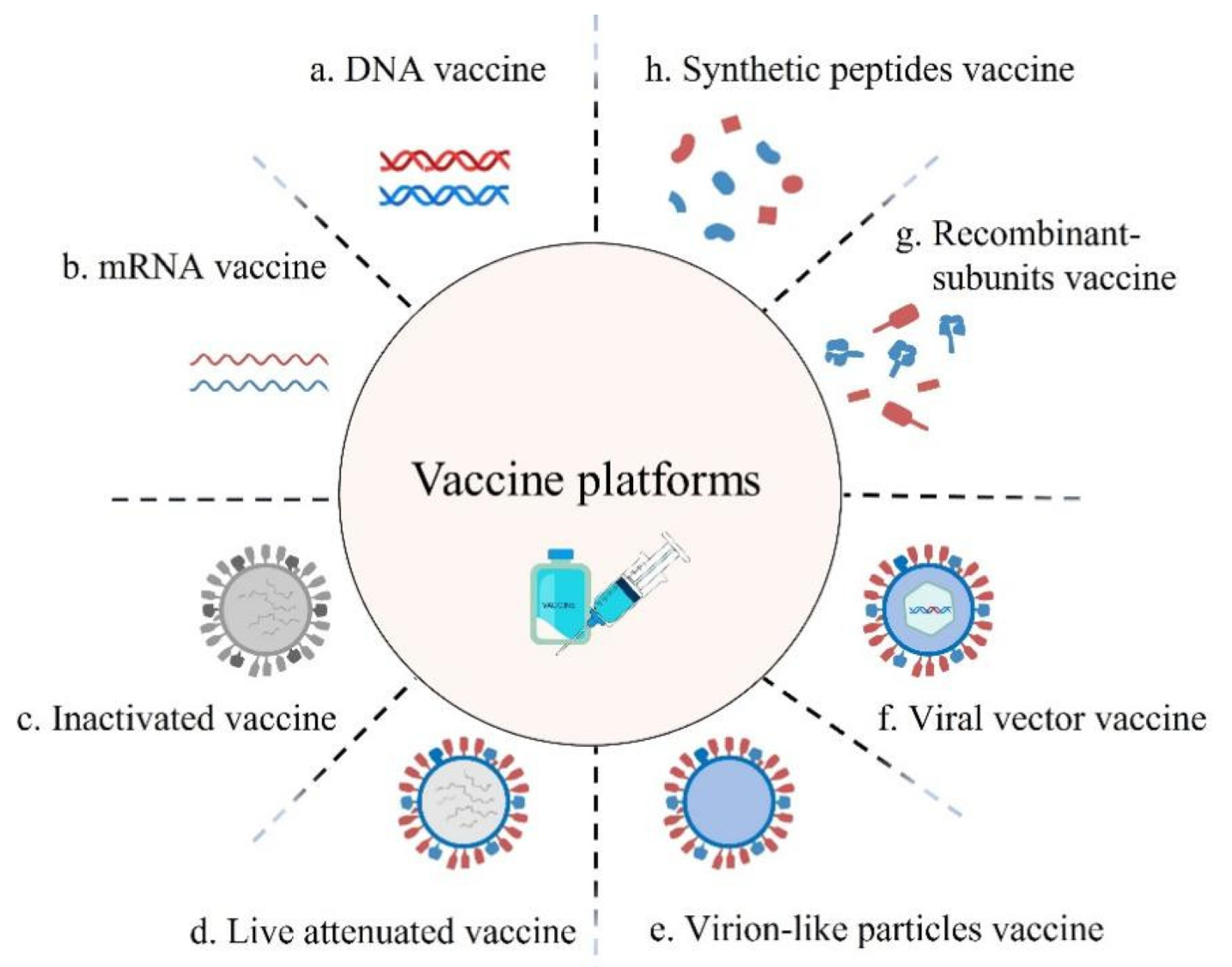
- * Generación de virus recombinantes como vectores vacunales.
Research projects
Content with Investigacion .
Los proyectos del grupo de los últimos años son los siguientes:
Proyecto “La interrelación de CD69 y el procesamiento antigénico en enfermedades infecciosas y autoinmunes" financiado por la Acción Estratégica en Salud del Ministerio de Ciencia, Innovación y Universidades. Año: 2023-2025.
Proyecto “Interacciones génicas y proteicas de CD69 y sus regiones génicas reguladoras con moléculas" financiado por la AEI. Año: 2022-2024.

Proyecto “Nuevas tecnologías de fabricación y optimización de tejidos: la piel como sistema modelo” financiado por el Programa de Actividades de I+D entre grupos de investigación de la Comunidad de Madrid en tecnologías 2018. Año: 2020-2023. Proyecto Coordinado por el Dr. Pablo Acedo de la Universidad Carlos III.
Proyecto “Estudio de CD69 como diana para mejorar el tratamiento de la leucopania y la movilización de células T de memoria de médula ósea" financiado por la Acción Estratégica en Salud del Ministerio de Ciencia, Innovación y Universidades. Año:2020-2024.
Proyecto “Diseño racional de una vacuna contra el virus respiratorio sincitial humano” financiado por la Acción Estratégica en Salud del Ministerio de Ciencia, Innovación y Universidades. Año: 2019-2022
Proyecto “Función de CD69 y sus elementos reguladores" financiado por la Acción Estratégica en Salud del Ministerio de Ciencia, Innovación y Universidades. Año: 2017-2022.
Proyecto “Diseño de vacunas recombinantes poliepitópicas para generar respuestas CD8+ contra virus emergentes” financiado por el Plan Nacional de I+D+i del Ministerio de Economía y Competitividad. Año: 2015-2017.
Proyecto “Análisis de los efectos de CD69 dependientes de S1P1 en modelos de infección e inflamación y estudio de su regulación” financiado por el FIS. Año: 2014-2017.
Proyecto “ADELVAC: Adenovirus con delecciones epitópicas para vacunación” financiado por el programa INNPACTO del Ministerio de Economía y Competitividad. Centro Nacional de Microbiología, Instituto de Salud Carlos III. Año: 2012-2014. Proyecto Coordinado por el Dr. Manel Cascallo de VCN BIOSCIENCES SL.
Proyecto “Diseño de vacunas multiepitópicas recombinantes para aumentar la respuesta inmune celular contra el VRSH” financiado por el Plan Nacional de I+D+i del Ministerio de Ciencia e Innovación. Año: 2012-2014.
Publications
Fernandez-Garcia MD, Kebe O, Fall AD, Ndiaye K. Identification and molecular characterization of non-polio enteroviruses from children with acute flaccid paralysis in West Africa, 2013-2014.
Fernandez-Garcia MD, Kebe O, Fall AD, Ndiaye K. Identification and molecular characterization of non-polio enteroviruses from children with acute flaccid paralysis in West Africa, 2013-2014. Scientific Reports. 2017 Jun 19; 7(1):3808. doi: 10.1038/s41598-017-03835-1 ISSN 2045-2322 PMID 28630462
Fernandez-Garcia MD, Manasi Majumdar, Ousmane Kebe, Kader Ndiaye, Javier Martin. Identification and whole-genome characterization of a recombinant Enterovirus B69 isolated from a patient with Acute Flaccid Paralysis in Niger, 2015
Fernandez-Garcia MD, Manasi Majumdar, Ousmane Kebe, Kader Ndiaye, Javier Martin. Identification and whole-genome characterization of a recombinant Enterovirus B69 isolated from a patient with Acute Flaccid Paralysis in Niger, 2015. Scientific Reports. 2018 Feb; 8(1):2181. doi: 10.1038/s41598-018-20346-9. ISSN 2045-2322 PMID 29391547
Fernandez-Garcia MD, Majumdar M, Kebe O, Fall AD, Kone M, Kande M, Dabo M, Sylla MS, Sompare D, Howard W, Faye O, Martin J, Ndiaye K. Emergence of Vaccine- Derived Polioviruses during Ebola Virus Disease Outbreak, Guinea, 2014-2015.
Fernandez-Garcia MD, Majumdar M, Kebe O, Fall AD, Kone M, Kande M, Dabo M, Sylla MS, Sompare D, Howard W, Faye O, Martin J, Ndiaye K. Emergence of Vaccine- Derived Polioviruses during Ebola Virus Disease Outbreak, Guinea, 2014-2015. Emerg Infect Dis. 2018 Jan;24(1):65-74. doi: 10.3201/eid2401.171174. PMID: 29260690; PMCID: PMC5749474.
Cabrerizo M, García-Iñiguez JP, Munell F, Amado A, Madurga-Revilla P, Rodrigo C, Pérez S, Martínez-Sapiña A, Antón A, Suárez G, Rabella N, Del Campo V, Otero A, Masa-Calles J. First Cases of Severe Flaccid Paralysis Associated With Enterovirus D68 Infection in Spain, 2015-2016.
Cabrerizo M, García-Iñiguez JP, Munell F, Amado A, Madurga-Revilla P, Rodrigo C, Pérez S, Martínez-Sapiña A, Antón A, Suárez G, Rabella N, Del Campo V, Otero A, Masa-Calles J. First Cases of Severe Flaccid Paralysis Associated With Enterovirus D68 Infection in Spain, 2015-2016. Pediatr Infect Dis J. 2017 Dec;36(12):1214-1216. doi: 10.1097/INF.0000000000001668. PMID: 28661963.
van Beek J, de Graaf M, Al-Hello H, Allen DJ, Ambert-Balay K, Botteldoorn N, Brytting M, Buesa J, Cabrerizo M, Chan M, Cloak F, Di Bartolo I, Guix S, Hewitt J, Iritani N, Jin M, Johne R, Lederer I, Mans J, Martella V, Maunula L, McAllister G, Niendorf S, Niesters HG, Podkolzin AT, Poljsak-Prijatelj M, Rasmussen LD, Reuter G, Tuite G, Kroneman A, Vennema H, Koopmans MPG; NoroNet. Molecular surveillance of norovirus, 2005-16
van Beek J, de Graaf M, Al-Hello H, Allen DJ, Ambert-Balay K, Botteldoorn N, Brytting M, Buesa J, Cabrerizo M, Chan M, Cloak F, Di Bartolo I, Guix S, Hewitt J, Iritani N, Jin M, Johne R, Lederer I, Mans J, Martella V, Maunula L, McAllister G, Niendorf S, Niesters HG, Podkolzin AT, Poljsak-Prijatelj M, Rasmussen LD, Reuter G, Tuite G, Kroneman A, Vennema H, Koopmans MPG; NoroNet. Molecular surveillance of norovirus, 2005-16: an epidemiological analysis of data collected from the NoroNet network. Lancet Infect Dis. 2018 May;18(5):545-553. doi: 10.1016/S1473-3099(18)30059-8. Epub 2018 Jan 26. PMID: 29396001.
González-Serrano L, Muñoz-Algarra M, González-Sanz R, Portero-Azorín MF, Amaro MJ, Higueras P, Cabrerizo M. Viral gastroenteritis in hospitalized patients: Evaluation of immunochromatographic methods for rapid detection in stool samples. J Clin Virol. 2020 Jul;
González-Serrano L, Muñoz-Algarra M, González-Sanz R, Portero-Azorín MF, Amaro MJ, Higueras P, Cabrerizo M. Viral gastroenteritis in hospitalized patients: Evaluation of immunochromatographic methods for rapid detection in stool samples. J Clin Virol. 2020 Jul; 128:104420. doi: 10.1016/j.jcv.2020.104420. Epub 2020 May 15. PMID: 32454428.
Bubba L, Broberg EK, Jasir A, Simmonds P, Harvala H; Enterovirus study collaborators. Circulation of non-polio enteroviruses in 24 EU and EEA countries between 2015 and 2017
Bubba L, Broberg EK, Jasir A, Simmonds P, Harvala H; Enterovirus study collaborators. Circulation of non-polio enteroviruses in 24 EU and EEA countries between 2015 and 2017: a retrospective surveillance study. Lancet Infect Dis. 2020 Mar;20(3):350-361. doi: 10.1016/S1473-3099(19)30566-3. Epub 2019 Dec 20. PMID: 31870905.
Fernandez-Garcia MD, Simon-Loriere E, Kebe O, Sakuntabhai A, Ndiaye K. Identification and molecular characterization of the first complete genome sequence of Human Parechovirus type 15. Sci Rep. 2020 Apr 21
Fernandez-Garcia MD, Simon-Loriere E, Kebe O, Sakuntabhai A, Ndiaye K. Identification and molecular characterization of the first complete genome sequence of Human Parechovirus type 15. Sci Rep. 2020 Apr 21;10(1):6759. doi: 10.1038/s41598-020-63467-w. PMID: 32317760; PMCID: PMC7174385.
Casas-Alba D, Valero-Rello A, Muchart J, Armangué T, Jordan I, Cabrerizo M, Molero-Luís M, Artuch R, Fortuny C, Muñoz-Almagro C, Launes C. Cerebrospinal Fluid Neopterin in Children With Enterovirus-Related Brainstem Encephalitis. Pediatr Neurol. 2019 Jul
Casas-Alba D, Valero-Rello A, Muchart J, Armangué T, Jordan I, Cabrerizo M, Molero-Luís M, Artuch R, Fortuny C, Muñoz-Almagro C, Launes C. Cerebrospinal Fluid Neopterin in Children With Enterovirus-Related Brainstem Encephalitis. Pediatr Neurol. 2019 Jul; 96:70-73. doi: 10.1016/j.pediatrneurol.2019.01.024. Epub 2019 Feb 7. PMID: 30935719.
González-Sanz R, Taravillo I, Reina J, Navascués A, Moreno-Docón A, Aranzamendi M, Romero MP, Del Cuerpo M, Pérez-González C, Pérez-Castro S, Otero A, Cabrerizo M. Enterovirus D68-associated respiratory and neurological illness in Spain, 2014-2018.
González-Sanz R, Taravillo I, Reina J, Navascués A, Moreno-Docón A, Aranzamendi M, Romero MP, Del Cuerpo M, Pérez-González C, Pérez-Castro S, Otero A, Cabrerizo M. Enterovirus D68-associated respiratory and neurological illness in Spain, 2014-2018. Emerg Microbes Infect. 2019;8(1):1438-1444. doi: 10.1080/22221751.2019.1668243. PMID: 31571527; PMCID: PMC6781473.
Monocytic Myeloid-Derived Suppressor Cells Accumulate in Renal Transplant Patients and Mediate CD4(+) Foxp3(+) Treg Expansion
Luan Y, Mosheir E, Menon MC, Wilson D, Woytovich C, Ochando J, Murphy B. Monocytic Myeloid-Derived Suppressor Cells Accumulate in Renal Transplant Patients and Mediate CD4(+) Foxp3(+) Treg Expansion. 2013. Am J Transplant.13(12):3123-31.
PUBMED DOIRiquelme P, Haarer J, Kammler A, Walter L, Tomiuk S, Ahrens N, Goecze I, Wege A, Fändrich F, Schlitt H, Banas B, Lutz M, Sawitzki B, Ochando J, Geissler E and Hutchinson J. Generation of BTNL8+ TIGIT+ Tregs by Human Regulatory Macrophages Before Kidney Transplantation. Nat Commun.
Riquelme P, Haarer J, Kammler A, Walter L, Tomiuk S, Ahrens N, Goecze I, Wege A, Fändrich F, Schlitt H, Banas B, Lutz M, Sawitzki B, Ochando J, Geissler E and Hutchinson J. Generation of BTNL8+ TIGIT+ Tregs by Human Regulatory Macrophages Before Kidney Transplantation. Nat Commun. 2018; Jul 20;9(1):2858. PMID: 30030423.
Inhibiting Inflammation with Myeloid Cell-Specific Nanobiologics Promotes Organ Transplant Acceptance
Braza MS, Lameijer M, Sanchez-Gaytan B, Arts R, Pérez-Medina C, Conde P, Brahmachary M, van der Touw W, Fay F, Kluza E, Kossatz S, Stroes E, Kroon J, Dress R, Salem F, Rialdi A, Reiner T, Boros P, van Leent M, Strijkers G, Calcagno C, Ginhoux F, Marazzi I, Lutgens E, Nicolaes G, Weber C, Swirski F, Nahrendorf M, Fisher E, Fayad Z, Duivenvoorden R, Netea M, Mulder WJ, and Ochando J. Inhibiting Inflammation with Myeloid Cell-Specific Nanobiologics Promotes Organ Transplant Acceptance.Immunity. 2018; 20;49(5):819-828.e6. PMID: 30413362.
PUBMED DOIFernandez-Garcia MD, Volle R, Joffret ML, Sadeuh-Mba SA, Gouandjika-Vasilache I, Kebe O, Wiley MR, Majumdar M, Simon-Loriere E, Sakuntabhai A, Palacios G, Martin J, Delpeyroux F, Ndiaye K, Bessaud M. Genetic Characterization of Enterovirus A71 Circulating in Africa.
Fernandez-Garcia MD, Volle R, Joffret ML, Sadeuh-Mba SA, Gouandjika-Vasilache I, Kebe O, Wiley MR, Majumdar M, Simon-Loriere E, Sakuntabhai A, Palacios G, Martin J, Delpeyroux F, Ndiaye K, Bessaud M. Genetic Characterization of Enterovirus A71 Circulating in Africa. Emerg Infect Dis. 2018 Apr;24(4):754-757. doi: 10.3201/eid2404.171783. PMID: 29553325; PMCID: PMC5875259.
Leon KE, Schubert RD, Casas-Alba D, Hawes IA, Ramachandran PS, Ramesh A, Pak JE, Wu W, Cheung CK, Crawford ED, Khan LM, Launes C, Sample HA, Zorn KC, Cabrerizo M, Valero-Rello A, Langelier C, Muñoz-Almagro C, DeRisi JL, Wilson MR. Genomic and serologic characterization of enterovirus A71 brainstem encephalitis. Neurol Neuroimmunol Neuroinflamm. 2020
Leon KE, Schubert RD, Casas-Alba D, Hawes IA, Ramachandran PS, Ramesh A, Pak JE, Wu W, Cheung CK, Crawford ED, Khan LM, Launes C, Sample HA, Zorn KC, Cabrerizo M, Valero-Rello A, Langelier C, Muñoz-Almagro C, DeRisi JL, Wilson MR. Genomic and serologic characterization of enterovirus A71 brainstem encephalitis. Neurol Neuroimmunol Neuroinflamm. 2020 Mar 5;7(3):e703. doi: 10.1212/NXI.0000000000000703. PMID: 32139440; PMCID: PMC7136061.
González-Sanz R, Casas-Alba D, Launes C, Muñoz-Almagro C, Ruiz-García MM, Alonso M, González-Abad MJ, Megías G, Rabella N, Del Cuerpo M, Gozalo-Margüello M, González-Praetorius A, Martínez-Sapiña A, Goyanes-Galán MJ, Romero MP, Calvo C, Antón A, Imaz M, Aranzamendi M, Hernández-Rodríguez Á, Moreno-Docón A, Rey- Cao S, Navascués A, Otero A, Cabrerizo M. Molecular epidemiology of an enterovirus A71 outbreak associated with severe neurological disease, Spain, 2016. Euro Surveill. 2019
González-Sanz R, Casas-Alba D, Launes C, Muñoz-Almagro C, Ruiz-García MM, Alonso M, González-Abad MJ, Megías G, Rabella N, Del Cuerpo M, Gozalo-Margüello M, González-Praetorius A, Martínez-Sapiña A, Goyanes-Galán MJ, Romero MP, Calvo C, Antón A, Imaz M, Aranzamendi M, Hernández-Rodríguez Á, Moreno-Docón A, Rey- Cao S, Navascués A, Otero A, Cabrerizo M. Molecular epidemiology of an enterovirus A71 outbreak associated with severe neurological disease, Spain, 2016. Euro Surveill. 2019 Feb;24(7):1800089. doi: 10.2807/1560-7917.ES.2019.24.7.1800089. PMID: 30782267; PMCID: PMC6381658.
Spanish Afp Surveillance Working Group. Acute flaccid paralysis (AFP) surveillance: challenges and opportunities from 18 years' experience, Spain, 1998 to 2015. Euro Surveill.
Spanish Afp Surveillance Working Group. Acute flaccid paralysis (AFP) surveillance: challenges and opportunities from 18 years' experience, Spain, 1998 to 2015. Euro Surveill. 2018 Nov;23(47):1700423. doi: 10.2807/1560-7917.ES.2018.23.47.1700423. PMID: 30482263; PMCID: PMC6341937.
Molecular Epidemiology of Human Parechoviruses in Children With Acute Respiratory Infection in Spain
M Cabrerizo*, C Calvo, G Trallero, ML García-García, M Arroyas, V Sánchez, F Pozo, I Casas. Molecular epidemiology of human parechoviruses children with acute respiratory infection in Spain. Pediatric Infect Dis J 32:802-3 (2013).
PUBMED DOIIdentification of novel Betaherpesviruses in iberian bats reveals parallel evolution
Pozo F, Juste J, Vázquez-Morón S., Aznar-López C, Ibáñez C, Garin I, Aihartza J, Casa I, Tenorio A, Echevarría JE. Identification of novel Betaherpesviruses in iberian bats reveals parallel evolution. PLoS ONE. 2016. 11(12): e0169153. doi:10.1371/journal.pone.0169153
PUBMED DOIAdditional Information
Induction of allograft tolerance remains a goal to be achieved in organ transplantation. Most therapeutic strategies focus on inhibition of the adaptive immune system, but recent data demonstrate that allogeneic recognition of myeloid cells initiates transplant rejection. Therapies targeting myeloid cells “in vivo” represent a potential target to induce immunological tolerance, but remain clinically unexplored.
Our laboratory uses a revolutionary nanoimmunotherapy of high-density lipoprotein (HDL) nanoparticles loaded with rapamycin (mTORi-HDL) that prevents epigenetic modifications associated with trained immunity, a recently discovered functional state of macrophages. Using an experimental mouse transplant model, our results demonstrate that the administration of this immunotherapy with mTORi-HDL prevents the immune response and promotes tolerance to the transplanted organ.
Our laboratory shows a multidisciplinary research approach articulated in three different objectives to evaluate the clinical relevance and therapeutic effects of immunotherapy in preparation for a clinical trial in organ transplantation. The general objectives will be aimed at confirming the identification of trained immunity as a biomarker and analytical value to predict the risk of rejection in transplant patients under three conditions: prolonged periods of ischemic reperfusion (IRI) (objective 1), allosensitization (objective 2) and infection (objective 3).
Induction of allograft tolerance remains a goal to be achieved in organ transplantation. Most therapeutic strategies focus on inhibition of the adaptive immune system, but recent data demonstrate that allogeneic recognition of myeloid cells initiates transplant rejection. Therapies targeting myeloid cells “in vivo” represent a potential target to induce immunological tolerance, but remain clinically unexplored.
Our laboratory uses a revolutionary nanoimmunotherapy of high-density lipoprotein (HDL) nanoparticles loaded with rapamycin (mTORi-HDL) that prevents epigenetic modifications associated with trained immunity, a recently discovered functional state of macrophages. Using an experimental mouse transplant model, our results demonstrate that the administration of this immunotherapy with mTORi-HDL prevents the immune response and promotes tolerance to the transplanted organ.
Our laboratory shows a multidisciplinary research approach articulated in three different objectives to evaluate the clinical relevance and therapeutic effects of immunotherapy in preparation for a clinical trial in organ transplantation. The general objectives will be aimed at confirming the identification of trained immunity as a biomarker and analytical value to predict the risk of rejection in transplant patients under three conditions: prolonged periods of ischemic reperfusion (IRI) (objective 1), allosensitization (objective 2) and infection (objective 3).