



We protect your health through science
Investigation
Organ Transplant
Research Lines
Content with Investigacion .
Inmunología Microbiana e Inmunogenética
1. Análisis de la respuesta innata de mamíferos en la infección por Leishmania.
2. Caracterización inmunoproteómica en :
a. Streptococcus suis
b. Lactococcus garviae
c. Mycobacterium spp
3. Desarrollo de inmunoensayos analíticos basados en anticuerpos monoclonales (AcM) para detectar y cuantificar antígenos de origen animal, vegetal y microbiano.
4. Desarrollo y caracterización de AcM frente a los componentes del sistema del Complemento. Aplicación diagnóstica.
5. Desarrollo de reactivos de referencia y diseño de inmunoensayos para la evaluación cualitativa y cuantitativa de toxinas clostridiales.
6. Oferta tecnológica de producción de AcM y policlonales frente a substancias de interés industrial y biomédico.
El grupo está interesado en el estudio de la respuesta inmune desde una perspectiva multidisciplinar que incluye aproximaciones bioquímicas, biotecnológicas, genómicas, inmunoinformáticas y proteómicas, que junto con el uso adicional de modelos in vivo se encaminan al diseño de estrategias terapéuticas frente a diversas enfermedades crónicas, infecciosas y raras que poseen un claro componente inmunológico en su etiología.
Las principales líneas de investigación que está desarrollando el grupo en la actualidad son:
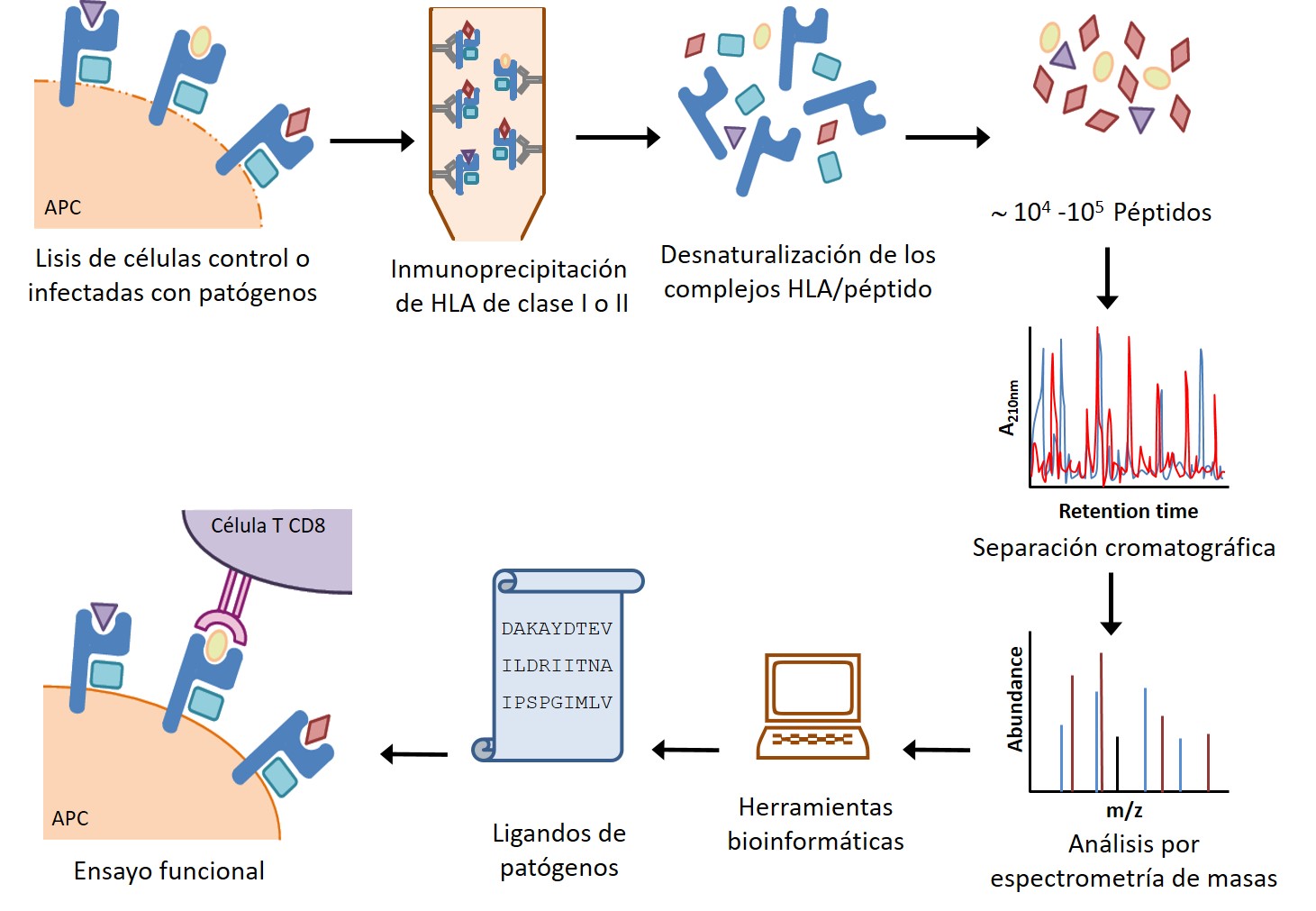
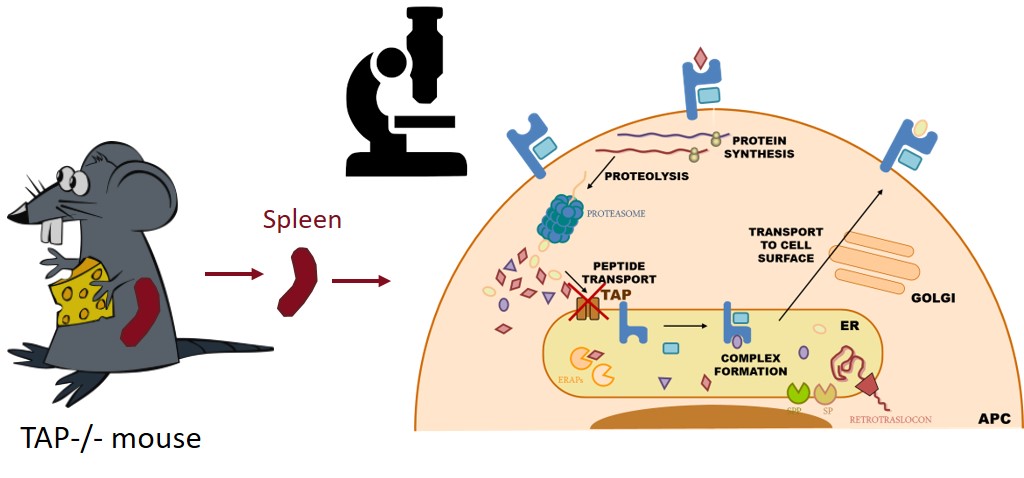
- * Análisis de las respuestas inmunes celulares frente a patógenos virales y bacterianos, mediante técnicas inmunoproteómicas, modelos in vivo con animales transgénicos y muestras humanas.
- * Caracterización de CD69: regulación génica, función reguladora inmune en homeostasis e infección y su uso como diana terapéutica, edición génica por CRISPR en modelos animales y celulares, etc.

* Desarrollo de herramientas inmunoinformáticas que permitan analizar la respuesta inmune celular frente a diversos virus de interés sanitario y determinar la eficacia de sus vacunas a nivel de población mundial.

* Estudio de las respuestas inmunes celulares frente a enfermedades raras (artritis reactiva y síndrome del linfocito desnudo) y crónicas (espondiloartropatías).
* Inclusión de componentes del sistema inmune en la fabricación de tejidos humanos, especialmente piel, para uso clínico, farmacéutico y cosmético.
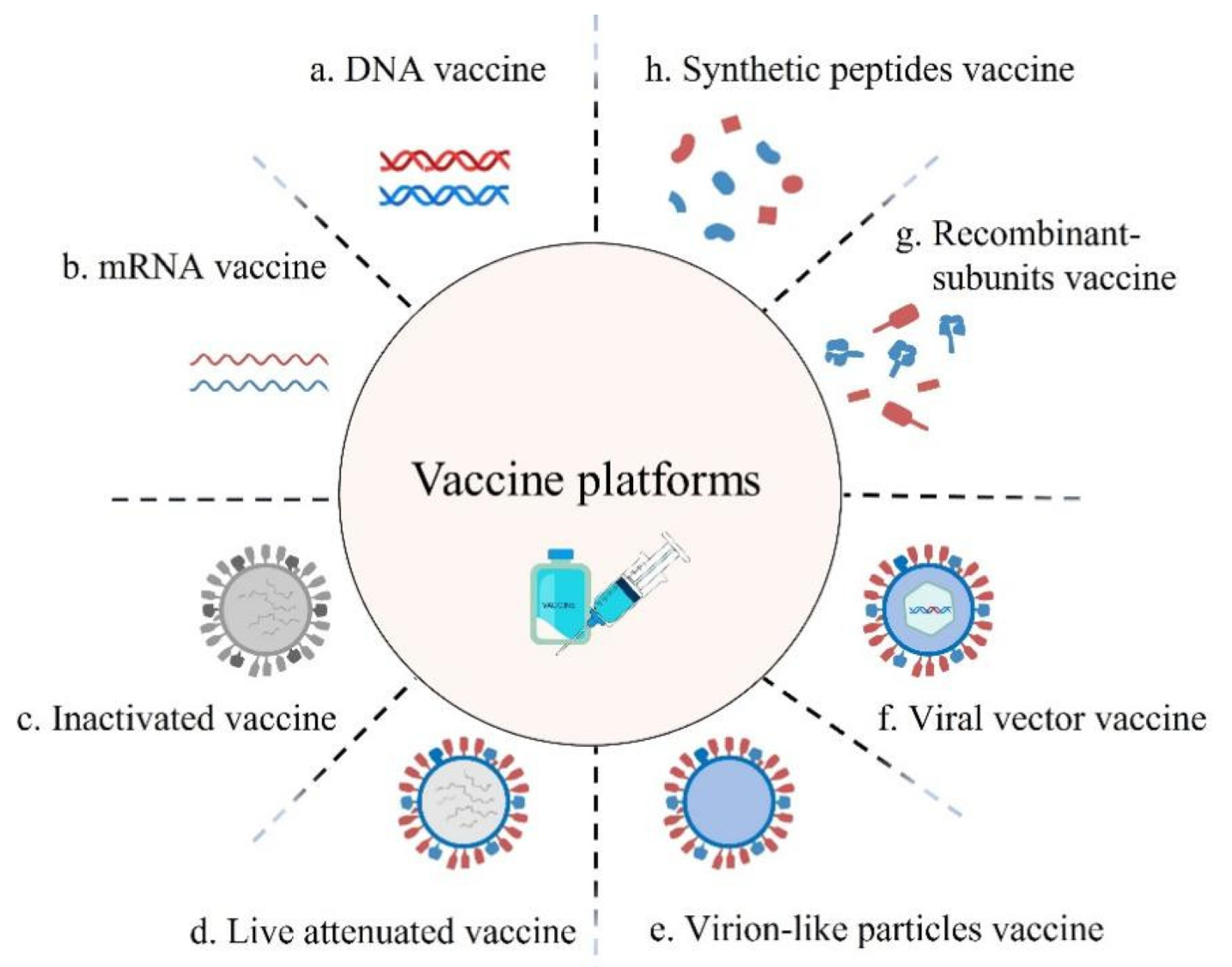
- * Generación de virus recombinantes como vectores vacunales.
Research projects
Content with Investigacion .
Los proyectos del grupo de los últimos años son los siguientes:
Proyecto “La interrelación de CD69 y el procesamiento antigénico en enfermedades infecciosas y autoinmunes" financiado por la Acción Estratégica en Salud del Ministerio de Ciencia, Innovación y Universidades. Año: 2023-2025.
Proyecto “Interacciones génicas y proteicas de CD69 y sus regiones génicas reguladoras con moléculas" financiado por la AEI. Año: 2022-2024.

Proyecto “Nuevas tecnologías de fabricación y optimización de tejidos: la piel como sistema modelo” financiado por el Programa de Actividades de I+D entre grupos de investigación de la Comunidad de Madrid en tecnologías 2018. Año: 2020-2023. Proyecto Coordinado por el Dr. Pablo Acedo de la Universidad Carlos III.
Proyecto “Estudio de CD69 como diana para mejorar el tratamiento de la leucopania y la movilización de células T de memoria de médula ósea" financiado por la Acción Estratégica en Salud del Ministerio de Ciencia, Innovación y Universidades. Año:2020-2024.
Proyecto “Diseño racional de una vacuna contra el virus respiratorio sincitial humano” financiado por la Acción Estratégica en Salud del Ministerio de Ciencia, Innovación y Universidades. Año: 2019-2022
Proyecto “Función de CD69 y sus elementos reguladores" financiado por la Acción Estratégica en Salud del Ministerio de Ciencia, Innovación y Universidades. Año: 2017-2022.
Proyecto “Diseño de vacunas recombinantes poliepitópicas para generar respuestas CD8+ contra virus emergentes” financiado por el Plan Nacional de I+D+i del Ministerio de Economía y Competitividad. Año: 2015-2017.
Proyecto “Análisis de los efectos de CD69 dependientes de S1P1 en modelos de infección e inflamación y estudio de su regulación” financiado por el FIS. Año: 2014-2017.
Proyecto “ADELVAC: Adenovirus con delecciones epitópicas para vacunación” financiado por el programa INNPACTO del Ministerio de Economía y Competitividad. Centro Nacional de Microbiología, Instituto de Salud Carlos III. Año: 2012-2014. Proyecto Coordinado por el Dr. Manel Cascallo de VCN BIOSCIENCES SL.
Proyecto “Diseño de vacunas multiepitópicas recombinantes para aumentar la respuesta inmune celular contra el VRSH” financiado por el Plan Nacional de I+D+i del Ministerio de Ciencia e Innovación. Año: 2012-2014.
Publications
Outbreak of brainstem encephalitis associated with enterovirus-A71 in Catalonia, Spain (2016): a clinical observational study in a children’s reference centre in Catalonia
6. D Casas-Alba, M de Sevilla, A Valero-Rello, C Fortuny, JJ Garcia, C Ortez, J Muchart, T Armangue, I Jordan, C Luaces-Cubells, I Barrabeig, R González-Sanz, M Cabrerizo, C Munoz-Almagro, C Launes. Outbreak of brainstem encephalitis associated with enterovirus-A71 in Catalonia, Spain (2016): a clinical observational study in a children’s reference centre in Catalonia. Clin Microbiol Infect 23: 874-881 (2017)
PUBMED DOIMolecular epidemiology of enterovirus and parechovirus infections according to patient age over a 4-year period in Spain.
7. M Cabrerizo*, M Díaz-Cerio, C Muñoz-Almagro, N Rabella, D Tarragó, MP Romero, MJ Pena, C Calvo, S Rey-Cao, A Moreno-Docón, I Martínez-Rienda, A Otero, G Trallero. Molecular epidemiology of enterovirus and parechovirus infections according to patient age over a 4-year period in Spain. J Med Virol 89: 435-442 (2017).
PUBMED DOIMolecular epidemiology of enterovirus 71, coxsackievirus A16 and A6 associated with hand, foot and mouth disease in Spain
9. M Cabrerizo*, D Tarragó, C Muñóz-Almagro, E del Amo, M Domínguez-Gil, JM Eiros, I López-Miragaya, C Pérez, J Reina, A Otero, I González, JE Echevarría, G Trallero. Molecular epidemiology of enterovirus 71, coxsackievirus A16 and A6 associated with hand, foot and mouth diease in Spain. Clin Microbiol Infect; 20: O150–O156 (2014).
PUBMED DOIImpact of pretransplant CMV-specific T-cell immune response in the control of CMV infection after solid organ transplantation: a prospective cohort study. Clin Microbiol Infect.
Molina-Ortega A, Martín-Gandul C, Mena-Romo JD, Rodríguez-Hernández MJ, Suñer M, Bernal C, Sánchez M, Sánchez-Céspedes J, Pérez Romero P*, Cordero E. Impact of pretransplant CMV-specific T-cell immune response in the control of CMV infection after solid organ transplantation: a prospective cohort study. Clin Microbiol Infect. 2019 Jun;25(6):753-758.
PUBMED DOIKinetic of the CMV-specific T-cell immune response and CMV infection in CMV-seropositive kidney transplant recipients receiving rabbit anti-thymocyte globulin induction therapy: A pilot study.
Martín-Gandul C, Pérez-Romero P*, Mena-Romo D, Molina-Ortega A, González-Roncero FM, Suñer M, Bernal G, Cordero E; Spanish Network for Research in Infectious Diseases (REIPI). Kinetic of the CMV-specific T-cell immune response and CMV infection in CMV-seropositive kidney transplant recipients receiving rabbit anti-thymocyte globulin induction therapy: A pilot study. Transpl Infect Dis. 2018 Jun;20(3):e12883.
PUBMED DOICMV-specific T-cell immunity in solid organ transplant recipients at low risk of CMV infection. Chronology and applicability in preemptive therapy.
Mena-Romo JD, Pérez Romero P*, Martín-Gandul C, Gentil MÁ, Suárez-Artacho G, Lage E, Sánchez M, Cordero E. CMV-specific T-cell immunity in solid organ transplant recipients at low risk of CMV infection. Chronology and applicability in preemptive therapy. J Infect. 2017 Oct;75(4):336-345.
PUBMED DOITwo Doses of Inactivated Influenza Vaccine Improve Immune Response in Solid Organ Transplant Recipients: Results of TRANSGRIPE 1-2, a Randomized Controlled Clinical Trial.
Cordero E, Roca-Oporto C, Bulnes-Ramos A, Aydillo T, Gavaldà J, Moreno A, Torre-Cisneros J, Montejo JM, Fortun J, Muñoz P, Sabé N, Fariñas MC, Blanes-Julia M, López-Medrano F, Suárez-Benjumea A, Martinez-Atienza J, Rosso-Fernández C, Pérez-Romero P*. Two Doses of Inactivated Influenza Vaccine Improve Immune Response in Solid Organ Transplant Recipients: Results of TRANSGRIPE 1-2, a Randomized Controlled Clinical Trial. Clin Infect Dis. 2017 Apr 1;64(7):829-838.
PUBMED DOIApplying lessons learned from cytomegalovirus infection in transplant patients to vaccine design.
Blanco-Lobo P, Bulnes-Ramos Á, McConnell MJ, Navarro D, Pérez-Romero P*. Applying lessons learned from cytomegalovirus infection in transplant patients to vaccine design. Drug Discov Today. 2016 Apr;21(4):674-81.
PUBMED DOIUse of antibodies neutralizing epithelial cell infection to diagnose patients at risk for CMV Disease after transplantation.
Blanco-Lobo P, Cordero E, Martín-Gandul C, Gentil MA, Suárez-Artacho G, Sobrino M, Aznar J, Pérez-Romero P*. Use of antibodies neutralizing epithelial cell infection to diagnose patients at risk for CMV Disease after transplantation. J Infect. 2016 May;72(5):597-607.
PUBMED DOITiming of CMV-specific effector memory T cells predicts viral replication and survival after allogeneic hematopoietic stem cell transplantation.
Espigado I, de la Cruz-Vicente F, BenMarzouk-Hidalgo OJ, Gracia-Ahufinger I, Garcia-Lozano JR, Aguilar-Guisado M, Cisneros JM, Urbano-Ispizua A, Perez-Romero P*. Timing of CMV-specific effector memory T cells predicts viral replication and survival after allogeneic hematopoietic stem cell transplantation. Transpl Int. 2014 Dec;27(12):1253-62.
PUBMED DOIClinical impact of neutropenia related with the preemptive therapy of CMV infection in solid organ transplant recipients.
Martín-Gandul C, Pérez-Romero P*, González-Roncero FM, Berdaguer S, Gómez MA, Lage E, Sánchez M, Cisneros JM, Cordero E; Spanish Network for Research in Infectious Diseases REIPI. Clinical impact of neutropenia related with the preemptive therapy of CMV infection in solid organ transplant recipients. J Infect. 2014 Nov;69(5):500-6.
PUBMED DOIViral load, CMV-specific T-cell immune response and cytomegalovirus disease in solid organ transplant recipients at higher risk for cytomegalovirus infection during preemptive therapy.
Martín-Gandul C, Pérez-Romero P*, Blanco-Lobo P, Benmarzouk-Hidalgo OJ, Sánchez M, Gentil MA, Bernal C, Sobrino JM, Rodríguez-Hernández MJ, Cordero E; Spanish Network for Research in Infectious Diseases (REIPI). Viral load, CMV-specific T-cell immune response and cytomegalovirus disease in solid organ transplant recipients at higher risk for cytomegalovirus infection during preemptive therapy. Transpl Int. 2014 Oct;27(10):1060-8.
PUBMED DOIHCV eradication with IFN-based therapy does not completely restore gene expression in PBMCs from HIV/HCV-coinfected patients.
9. Brochado O, Martínez I (*), Berenguer J, Medrano L, González-García J, Jiménez-Sousa MA, Carrero A, Hontañón V, Navarro J, Guardiola JM, Pérez-Latorre L, Micán R, Fernández-Rodríguez A (‡), Resino S (* ‡). HCV eradication with IFN-based therapy does not completely restore gene expression in PBMCs from HIV/HCV-coinfected patients. J Biomed Sci 2021; 28:23 (A; FI= 12.77; D1, Medicine, Research & Experimental; JCR 2021).
PUBMED DOIDynamics of HIV Reservoir and HIV-1 Viral Splicing in HCV-Exposed Individuals after Elimination with DAAs or Spontaneous Clearance.
Martínez-Román P, Crespo-Bermejo C, Valle-Millares D, Lara-Aguilar V, Arca-Lafuente S, Martín-Carbonero, Ryan P, De los Santos I, López-Huertas MR, Palladino C, Muñoz-Muñoz M, Fernández-Rodríguez A*, Coiras M, Briz V, on behalf of COVIHEP network. Dynamics of HIV Reservoir and HIV-1 Viral Splicing in HCV-Exposed Individuals after Elimination with DAAs or Spontaneous Clearance. Journal of Clinical Medicine 2022, 11: 3579.
PUBMED DOIProtein Saver® cards: the best alternative for DBS storage at room temperature for HCV RNA.
Arca-Lafuente S, Casanueva-Benítez C, Crespo-Bermejo C, Lara-Aguilar V, Martín-Carbonero L, De los Santos I, Madrid R, Briz V*. Protein Saver® cards: the best alternative for DBS storage at room temperature for HCV RNA. 903 Scientific Report 2022, 12: 10124.
PUBMED DOIDiarrhoea-causing enteric protist species in intensively and extensively raised pigs (Sus scrofa domesticus) in Southern Spain. Part II: Association with Hepatitis E virus susceptibility.
Rivero-Juarez A, Dashti A, Santín M, George, Köster PC, Lopez-Lopez P, Risalde MA, García-Bocanegra I, Gomez-Villamandos JC, Caballero-Gómez J, Frías M, Bailo B, Ortega S, Muadica AS, Calero-Bernal R, González-Barrio D, Rivero A, Briz V*, Carmena D. Diarrhoea-causing enteric protist species in intensively and extensively raised pigs (Sus scrofa domesticus) in Southern Spain. Part II: Association with Hepatitis E virus susceptibility. Transboundary and Emerging Diseases 2021, 69: e1172-e1178.
PUBMED DOIHepatitis C virus influences HIV-1 viral splicing in coinfected patients.
Martínez-Román P, López-Huertas MR, Crespo-Bermejo C, Arca-Lafuente S, Cortegano I, Valle-Millares D, Gaspar ML, Martín-Carbonero, Domínguez-Domínguez L, Ryan P, De los Santos I, De la Fuente Moral S, Fernández-Rodríguez A, Coiras M, Briz V, on behalf of COVIHEP. Hepatitis C virus influences HIV-1 viral splicing in coinfected patients. J Clin Med 2020, 9 (7): 2091.
PUBMED DOIrotist enteroparasites in wild boar (Sus scrofa ferus) and black Iberian pig (Sus scrofa domesticus) in southern Spain: a protective effect on hepatitis E acquisition?
Rivero-Juárez A, Dashti A, López-López P, Salimo Muadica A, Risalde MA, Köster PC, Machuca I, Bailo B, Hernández de Mingo M, Dacal E, García-Bocanegra I, Saugar JM, Calero-Bernal R, González-Barrio D, Rivero A, Briz V, Carmena D. Protist enteroparasites in wild boar (Sus scrofa ferus) and black Iberian pig (Sus scrofa domesticus) in southern Spain: a protective effect on hepatitis E acquisition? Parasites & Vectors 2020, 13: 281
PUBMED DOIAdditional Information
Induction of allograft tolerance remains a goal to be achieved in organ transplantation. Most therapeutic strategies focus on inhibition of the adaptive immune system, but recent data demonstrate that allogeneic recognition of myeloid cells initiates transplant rejection. Therapies targeting myeloid cells “in vivo” represent a potential target to induce immunological tolerance, but remain clinically unexplored.
Our laboratory uses a revolutionary nanoimmunotherapy of high-density lipoprotein (HDL) nanoparticles loaded with rapamycin (mTORi-HDL) that prevents epigenetic modifications associated with trained immunity, a recently discovered functional state of macrophages. Using an experimental mouse transplant model, our results demonstrate that the administration of this immunotherapy with mTORi-HDL prevents the immune response and promotes tolerance to the transplanted organ.
Our laboratory shows a multidisciplinary research approach articulated in three different objectives to evaluate the clinical relevance and therapeutic effects of immunotherapy in preparation for a clinical trial in organ transplantation. The general objectives will be aimed at confirming the identification of trained immunity as a biomarker and analytical value to predict the risk of rejection in transplant patients under three conditions: prolonged periods of ischemic reperfusion (IRI) (objective 1), allosensitization (objective 2) and infection (objective 3).
Induction of allograft tolerance remains a goal to be achieved in organ transplantation. Most therapeutic strategies focus on inhibition of the adaptive immune system, but recent data demonstrate that allogeneic recognition of myeloid cells initiates transplant rejection. Therapies targeting myeloid cells “in vivo” represent a potential target to induce immunological tolerance, but remain clinically unexplored.
Our laboratory uses a revolutionary nanoimmunotherapy of high-density lipoprotein (HDL) nanoparticles loaded with rapamycin (mTORi-HDL) that prevents epigenetic modifications associated with trained immunity, a recently discovered functional state of macrophages. Using an experimental mouse transplant model, our results demonstrate that the administration of this immunotherapy with mTORi-HDL prevents the immune response and promotes tolerance to the transplanted organ.
Our laboratory shows a multidisciplinary research approach articulated in three different objectives to evaluate the clinical relevance and therapeutic effects of immunotherapy in preparation for a clinical trial in organ transplantation. The general objectives will be aimed at confirming the identification of trained immunity as a biomarker and analytical value to predict the risk of rejection in transplant patients under three conditions: prolonged periods of ischemic reperfusion (IRI) (objective 1), allosensitization (objective 2) and infection (objective 3).