



We protect your health through science
Investigation
Toxoplasmosis and intestinal protozoa
Research Lines
Content with Investigacion .
Neisseria, Listeria y Bordetella
• Invasive Meningococcal Disease.
o Laboratory surveillance based on whole-genome sequencing and its application in Public Health.
o Study and characterization of antimicrobial resistance mechanisms.
o Study and evaluation of conventional (polysaccharide) and new-generation (protein) vaccines.
• Gonococcal Infection (Gonorrhea).
o Laboratory surveillance based on whole-genome sequencing and its application in Public Health.
o Study and characterization of antimicrobial resistance mechanisms.
• Listeriosis.
o Laboratory surveillance based on whole-genome sequencing and its application in Public Health.
• Pertussis.
o Development and application of molecular techniques for the diagnosis and characterization of Bordetella pertussis, B. parapertussis, B. holmessi, and B. bronchiseptica.
Research projects
Content with Investigacion .
1. Project Title: Determination of the degree of identity of common antigens of N. meningitidis and N. gonorrhoeae using genomic and immunological tools.
Principal Investigator: Raquel Abad Torreblanca
Funding Entity: ISCIII. Program: Strategic Action in Intramural Health
Reference: PI23CIII/00040
Period: 2024-2026
Amount Awarded: €68,500
2. Project Title: Meningococcal Disease and Molecular Epidemiology (MEMORY).
Principal Investigator: Raquel Abad Torreblanca and Julio A. Vázquez Moreno
Funding Entity: Pfizer Inc.
Reference: MVP 352/21
Period: 2022-2024
Amount Awarded: €82,834.50
3. Project Title: Modelling Approaches to Guide Intelligent Surveillance for the Sustainable Introduction of Novel Antibiotics. MAGIcIAN.
Principal Investigator: Raquel Abad Torreblanca
Funding Entity: ISCIII / International Joint Action / Joint Programming Initiatives (JPI) Program
Reference: AC19CIII/00002
Period: 2020-2024
Amount Awarded: €46,000
4. Project Title: Epidemiological, Microbiological, and Clinical Analysis of the Listeriosis Outbreak in Andalusia. LISMOAN Study.
Principal Investigator: José Miguel Cisneros Herreros
Funding Entity: FISEVI (Andalusian Public Foundation for Health Research Management)/FPS2020 Call for Proposals
Reference: PI-0001-2020
Period: 2020-2023
Amount Awarded: €114,954
5. Project Title: Population Structure of Neisseria meningitidis Using Massive Sequencing: A Potential Tool for Estimating Vaccine Effectiveness?
Principal Investigator: Raquel Abad Torreblanca
Funding Entity: ISCIII / Strategic Action in Intramural Health
Reference: PI19CIII/00030
Period: 2020-2023
Amount Awarded: €67,153
6. Project Title: Management agreement between the Ministry of Health, Social Services and Equality (Directorate General of Public Health, Quality and Innovation) and the Carlos III Health Institute, for the laboratory determinations corresponding to the 2nd seroprevalence study in Spain.
Principal Investigator: Fernando de Ory and Julio A. Vázquez
Funding Entity: Directorate General of Public Health, Ministry of Health
Reference: MEG151/17
Period: 2018-2020
Amount Awarded: €565,663
7. Project Title: Effectiveness of the Meningococcal B Vaccine in Immunocompromised Children with Sickle Cell Disease
Principal Investigator: Raquel Abad Torreblanca
Funding Entity: Spanish Society of Pediatric Hematology and Oncology Foundation (SEHOP)
Reference: MVP 199/18
Period: 2018-2020
Amount Awarded: €18,285
8. Project Title: Application of Massive Sequencing and Immunological Approaches in the Expression Analysis of New Vaccine Antigens in Meningococcal Populations
Principal Investigator: Raquel Abad Torreblanca
Funding Entity: ISCIII / Strategic Action in Intramural Health
Reference: PI16CIII/00023
Period: 2017-2020
Amount Awarded: €115,084
9. Project Title: fHbp variability over time and potential coverage of the new meningococcal serogroup B vaccine (bivalent rLP2086/fHbp) in Spain.
Principal Investigators: Raquel Abad and Julio A. Vázquez
Funding Entity: Pfizer SLU
Reference: MVP 1273/16
Period: 2017-2020
Amount Awarded: €125,350
10. Project Title: Estimation of protection of a conjugate vaccine against meningococcus serogroup C based on a mathematical model.
Principal Investigator: Julio A. Vázquez and Javier Díez
Funding Entity: Higher Center for Research in Public Health (CSISP)
Reference: MVP 1116/11
Period: 2011-2017
Amount awarded: €143,750
Publications
LAMP kit for diagnosis of non-falciparum malaria in Plasmodium ovale infected patients
Cuadros J, Martin Ramírez A, González IJ, Ding XC, Perez Tanoira R, Rojo-Marcos G, Gómez-Herruz P, Rubio JM. LAMP kit for diagnosis of non-falciparum malaria in Plasmodium ovale infected patients. Malar J. 2017 Jan 7;16(1):20.
PUBMED DOIPlasmodium species differentiation by non-expert on-line volunteers for remote malaria field diagnosis
Ortiz-Ruiz A, Postigo M, Gil-Casanova S, Cuadrado D, Bautista JM, Rubio JM, Luengo-Oroz M, Linares M. Plasmodium species differentiation by non-expert on-line volunteers for remote malaria field diagnosis. Malar J. 2018 Jan 30;17(1):54.
PUBMED DOIStudy of the diagnostic accuracy of microbiological techniques in the diagnosis of malaria in the immigrant population in Madrid
Martín-Díaz A, Rubio JM, Herrero-Martínez JM, Lizasoain M, Ruiz-Giardin JM, Jaqueti J, Cuadros J, Rojo-Marcos G, Martín-Rabadán P, Calderón M, Campelo C, Velasco M, Pérez-Ayala A. Study of the diagnostic accuracy of microbiological techniques in the diagnosis of malaria in the immigrant population in Madrid. Malar J. 2018 Aug 29;17(1):314.
PUBMED DOIpective comparative multi-centre study on imported Plasmodium ovale wallikeri and Plasmodium ovale curtisi infections.
Rojo-Marcos G, Rubio-Muñoz JM, Angheben A, Jaureguiberry S, García-Bujalance S, Tomasoni LR, Rodríguez-Valero N, Ruiz-Giardín JM, Salas-Coronas J, Cuadros-González J, García-Rodríguez M, Molina-Romero I, López-Vélez R, Gobbi F, Calderón-Moreno M, Martin-Echevarría E, Elía-López M, Llovo-Taboada J; TropNet Plasmodium ovale investigator group. Prospective comparative multi-centre study on imported Plasmodium ovale wallikeri and Plasmodium ovale curtisi infections. Malar J. 2018 Oct 30;17(1):399.
PUBMED DOIImported and autochthonous malaria in West Saudi Arabia: results from a reference hospital
Soliman RH, Garcia-Aranda P, Elzagawy SM, Hussein BE, Mayah WW, Martin Ramirez A, Ta-Tang TH, Rubio JM. Imported and autochthonous malaria in West Saudi Arabia: results from a reference hospital. Malar J. 2018 Aug 7;17(1):286.
PUBMED DOICryptosporidium hominis genotypes involved in increased incidence and clusters of cases, Navarra, Spain, 2012.
Fuentes, I., Martín, C., Beristain, X; Mazón,A, Saugar, JM, Blanco, A; García M, Cenoz, Valle-Cristia, Ezpeleta, C., Castilla, J. 2015. Cryptosporidium hominis genotypes involved in increased incidence and clusters of cases, Navarra, Spain, 2012. Epidemiology and Infection; 143:1033-6
PUBMED DOIMolecular genotyping of Giardia duodenalis isolates from symptomatic individuals attending two major public hospitals in Madrid, Spain.
Lucio A, Martínez-Ruiz R, Merino FJ, Bailo B, Aguilera M, Fuentes I, Carmena D. 2015. Molecular genotyping of Giardia duodenalis isolates from symptomatic individuals attending two major public hospitals in Madrid, Spain. PLoS One. 10 (12): e0143981.
PUBMED DOIOccurrence and subtype distribution of Blastocystis sp. in humans, dogs, and cats sharing household in northern Spain and assessment of zoonotic transmission risk.
Paulos S, Köster PC, de Lucio A, Hernández-de-Mingo M, Cardona GA, Fernández-Crespo JC, Stensvold RC, Carmena D. 2018. Occurrence and subtype distribution of Blastocystis sp. in humans, dogs, and cats sharing household in northern Spain and assessment of zoonotic transmission risk. Zoonoses and Public Health, 65:993-1002.
PUBMED DOIContent with Investigacion .
-
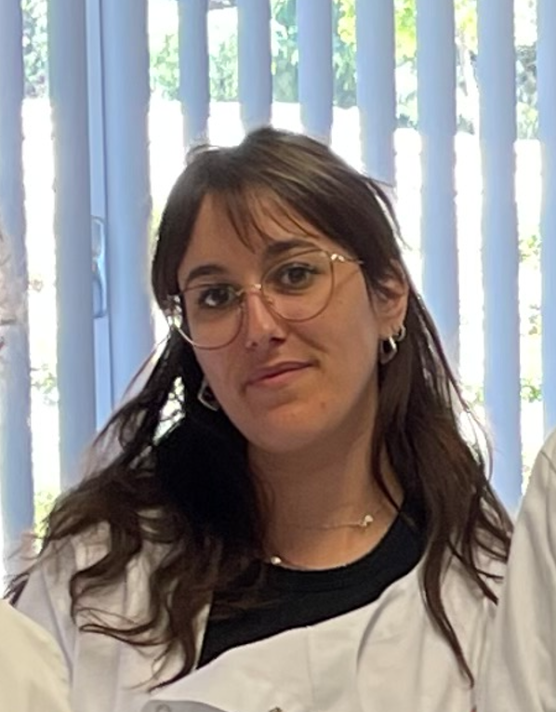
Aída Úbeda Trillo
Técnico de Laboratorio
Técnico superior en laboratorio de diagnóstico clínico en 2019. Lleva vinculada a la Unidad de Neumococos desde 2023 como técnico de laboratorio contratada. Anteriormente estuvo contratada en el Servicio de Microbiología y Urgencias del Hospital Infanta Sofía de Madrid.
-
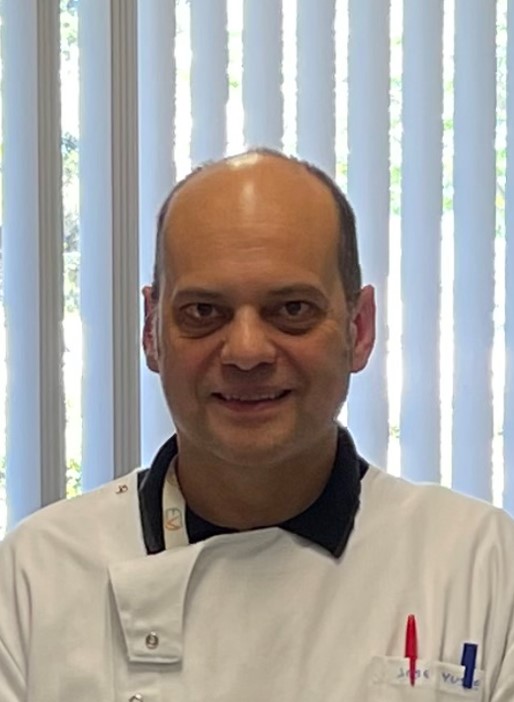
José Enrique Yuste Lobo
Científico Titular
ORCID code: 0000-0001-7996-0837
Licenciado en Farmacia en 1998 y Doctor en 2002 por la Universidad Complutense de Madrid. Realizó su tesis doctoral en el laboratorio de neumococos del Centro Nacional de Microbiología del ISCIII. Posteriormente trabajó durante 5 años en Londres, primero como Investigador Asociado en el Centre for Molecular Microbiology and Infection Biology de Imperial College hasta 2003 y luego en el Centre for Respiratory Research de University College hasta 2007. Tras esta etapa posdoctoral en Reino Unido, trabajó durante 3 años como Investigador Senior en el Centro de Investigaciones Biológicas del CSIC hasta 2010. Desde entonces trabaja como Científico Titular en la Unidad de Neumococos del CNM-ISCIII, siendo el responsable científico del laboratorio desde el año 2016. Es investigador principal del grupo CIBER de Enfermedades Respiratorias (CIBERES) CB06/06/0003 (https://www.ciberes.org/grupos/grupo-de-investigacion?id=18143)
-
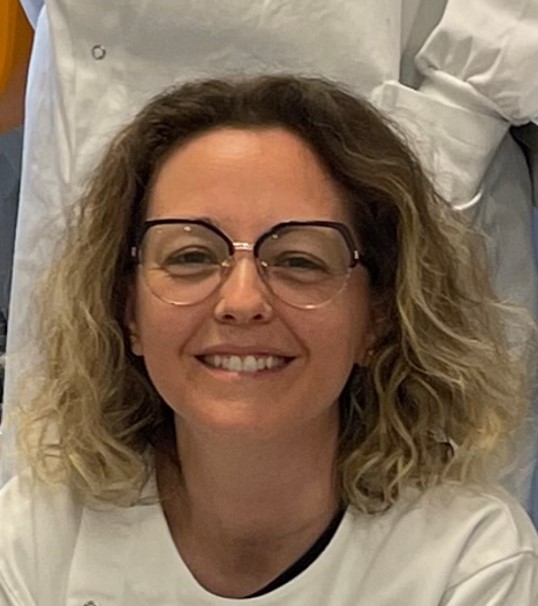
Mirian Domenech Luchas
Investigadora posdoctoral
ORCID code: 0000-0002-0942-8180
Licenciada en Ciencias Biológicas en 2005 y Doctora en 2012 por la Universidad Complutense de Madrid. Realizó su tesis doctoral en el Centro de Investigaciones Biológicas del CSIC bajo la dirección del Profesor Ernesto García y la Dra. Miriam Moscoso caracterizando el biofilm neumocócico y estudiando distintos antimicrobianos para prevenir y tratar las infecciones producidas por neumococo y otros patógenos. Posteriormente ha trabajado como investigadora junior para el CIBER de Enfermedades Respiratorias y para la empresa Investigación y Proyectos Microbiológicos realizando estudios sobre biofilms de patógenos respiratorios. A finales del 2018 se incorporó a la Unidad de Neumococos del Centro Nacional Microbiología del ISCIII, donde participa en las distintas labores de investigación y referencia de la Unidad y es profesora ayudante Doctor de la Facultad de Biología de la Universidad Complutense de Madrid.
-

Julio Sempere García
Investigador Posdoctoral
ORCID code: 0000-0001-9340-6867
Graduado en Bioquímica por la Universidad Complutense de Madrid, donde posteriormente cursó estudios de Máster en Microbiología y Parasitología. Actualmente realiza el programa de doctorado en Microbiología y Parasitología. Lleva asociado a la Unidad de Neumococos desde 2017, donde realizó las prácticas extracurriculares de grado y posteriormente realizó su trabajo de fin de grado (2018) y trabajo de fin de máster (2019). En 2022 obtuvo el grado de Doctor y actualmente investiga biofilms de bacterias Gram positivas, la matriz de estos y cómo interaccionan con el sistema inmune. También trabaja en la interacción de diferentes cápsulas de Streptococcus pneumoniae con el sistema inmune y patogénesis de serotipos emergentes incluidos en las futuras vacunas antineumocócicas.
-
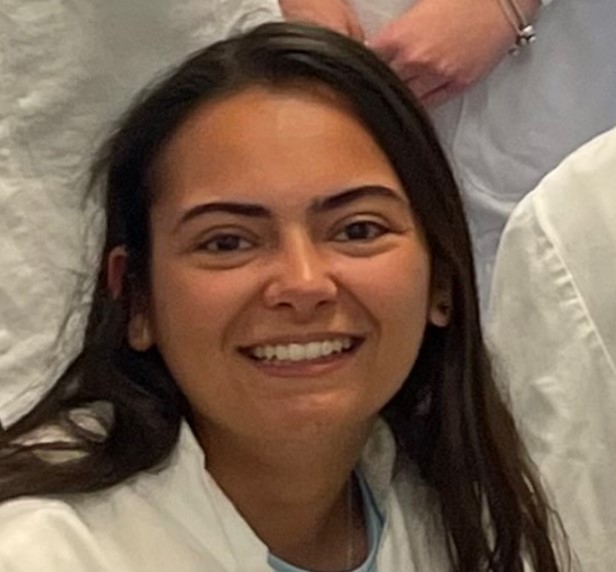
Covadonga Pérez García
Contratada predoctoral FPU
ORCID code: 0000-0002-5295-6480
Graduada en Biología por la Universidad Complutense de Madrid, donde posteriormente cursó estudios de Máster en Microbiología y Parasitología. Lleva vinculada a la Unidad de Neumococos desde 2019, donde realizó las prácticas extracurriculares de grado y posteriormente realizó su trabajo de fin de grado (2020) y trabajo de fin de máster (2021). En 2022 obtuvo beca predoctoral del programa FPU y actualmente investiga mecanismos de patogenicidad y protección de serotipos emergentes de neumococo.
-

Erick Joan Vidal Alcántara
Ayudante de Investigación
ORCID code: 0000-0001-8946-3754
Graduado en Biología por la Universidad Complutense de Madrid, y posteriormente cursó estudios de Máster en Microbiología aplicada a salud pública e investigación en enfermedades infecciosas por la Universidad de Alcalá de Henares. Lleva vinculado a la Unidad de Neumococos desde 2022 como ayudante de investigación y es personal de plantilla.
-
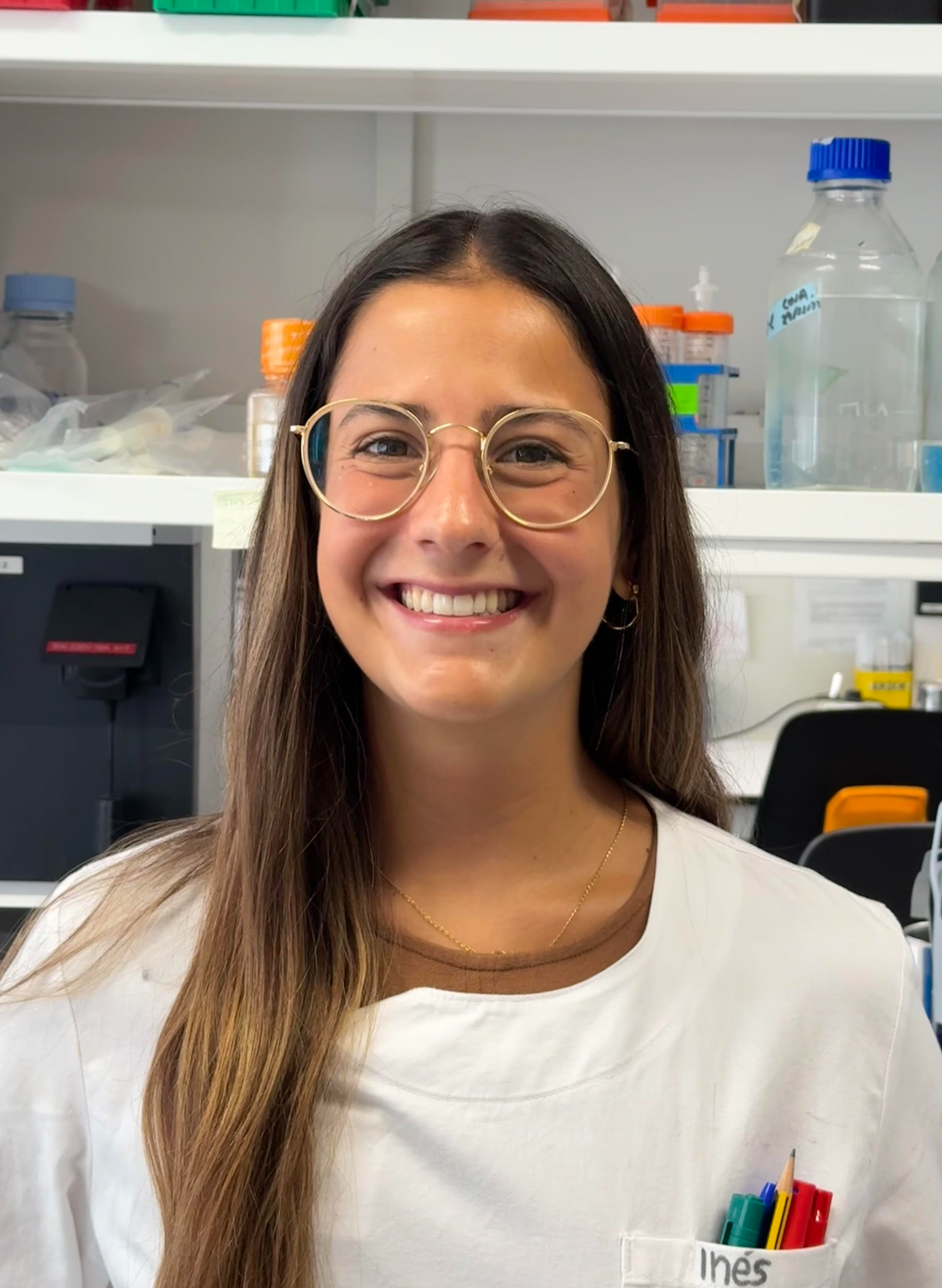
Inés Pareja Cerbán
Estudiante predoctoral CIBERES
ORCID code: 0009-0006-8015-7367
Graduada en Bioquímica por la Universidad de Málaga. Es contratada predoctoral del CIBER de Enfermedades Respiratorias (CIBERES) y en nuestro grupo está realizando su Tesis Doctoral en la caracterización de factores de virulencia de aislados prevalentes así como en el estudio y caracterización de nuevos antimicrobianos frente a bacterias respiratorias.
-

Mirella Llamosí Fornés
Contratada predoctoral
ORCID code: 0000-0002-4369-9558
Graduada en Biología por la Universidad Complutense de Madrid, donde posteriormente cursó estudios de Máster en Microbiología y Parasitología. Está realizando su Tesis Doctoral en el campo de la resistencia antibiótica así como en la búsqueda y caracterización de nuevos antimicrobianos con especial interés en lograr compuestos activos frente a infecciones producidas por biofilms.


List of staff
Additional Information
Our group carries out research studies in the diagnosis, reference and epidemiology of zoonoses and emerging diseases, both indigenous and imported, caused by protozoa. Coordinates the study in the human field with the relevance of the animal field and the environment (One Health initiative), with special interest in Toxoplasmosis, a highly prevalent zoonosis (WHO lists it as the 3rd food-borne zoonosis in Europe), presents a complex epidemiological cycle and causes neurological, ocular and systemic symptoms. We carry out diagnostic and characterization studies of Toxoplasma gondii from human and animal cases, to obtain greater epidemiological information and analyze the possible relationship with virulence and pathology.
Cryptosporidium, Giardia, Blastocystis and Entamoeba histolytica cause gastrointestinal diseases, affecting children, immunosuppressed people and travelers. They can cause outbreaks. We develop diagnostic and characterization studies of isolates from humans and animals, from different areas and countries, to establish the presence of the main species and genotypes and the epidemiological situation. We are beginning the study of associations between these parasites and the intestinal microbiota.
The pathogenic Free-Living Amoebas, Acanthamoeba, Naegleria fowleri and Balamuthia mandrillaris, cause emerging diseases, highlighting the importance of the environment in transmission. They cause underdiagnosed neurological and ocular cases. The diagnostic and genotyping study of human and animal isolates that we are carrying out aims to establish the real prevalence, transmission routes and epidemiology.
Our group carries out research studies in the diagnosis, reference and epidemiology of zoonoses and emerging diseases, both indigenous and imported, caused by protozoa. Coordinates the study in the human field with the relevance of the animal field and the environment (One Health initiative), with special interest in Toxoplasmosis, a highly prevalent zoonosis (WHO lists it as the 3rd food-borne zoonosis in Europe), presents a complex epidemiological cycle and causes neurological, ocular and systemic symptoms. We carry out diagnostic and characterization studies of Toxoplasma gondii from human and animal cases, to obtain greater epidemiological information and analyze the possible relationship with virulence and pathology.
Cryptosporidium, Giardia, Blastocystis and Entamoeba histolytica cause gastrointestinal diseases, affecting children, immunosuppressed people and travelers. They can cause outbreaks. We develop diagnostic and characterization studies of isolates from humans and animals, from different areas and countries, to establish the presence of the main species and genotypes and the epidemiological situation. We are beginning the study of associations between these parasites and the intestinal microbiota.
The pathogenic Free-Living Amoebas, Acanthamoeba, Naegleria fowleri and Balamuthia mandrillaris, cause emerging diseases, highlighting the importance of the environment in transmission. They cause underdiagnosed neurological and ocular cases. The diagnostic and genotyping study of human and animal isolates that we are carrying out aims to establish the real prevalence, transmission routes and epidemiology.