



We protect your health through science
Investigation
Bacterial Taxonomy
Research Lines
Content with Investigacion .
Hepatitis
- Diseño de métodos diagnósticos para el estudio de los virus de las hepatitis (VH) A, B, C, D, E: Diseñamos sistemas de PCR para su detección y caracterización.
- Evaluación de métodos diagnósticos de los VH. Colaboramos con empresas para estudios de sensibilidad y especificidad de equipos diagnósticos.
- Estudios de Seroprevalencia de los virus de las hepatitis.
- Epidemiología genómica de genomas completos de VHA, VHB, VHC, VHD y VHE en colaboración con el ECDC. Estudios de trazabilidad del VHE.
- Caracterización molecular de virus de las hepatitis mediante secuenciación masiva: a) VHB: mutantes de escape HBsAg (prevalencia y efectos en la detección del HBsAg). Estudio de mutaciones en epítopos de estimulación inmune y mutaciones asociadas a evolución clínica desfavorable.
- b) VHC: resistencias a los antivirales de acción directa. Análisis molecular de subtipos poco frecuentes.
c) Estudios filogenéticos del VHD.
d) Análisis genómico del VHE.
e) Investigación etiológica de hepatitis no filiadas mediante estudios de metagenómica.
- b) VHC: resistencias a los antivirales de acción directa. Análisis molecular de subtipos poco frecuentes.
Research projects
Content with Investigacion .
1. Proyecto CIBEREPS 2022. Microbiological and genomic investigation of hepatitis in children by metagenomic approach in case and control subjects (IP: Ana Avellón).
2023-2024. En colaboración con el Hospital San Joan de Deu de Barcelona.
2. MPY 501-19: Tracking hepatitis E virus infection by means of epidemiological research and whole genome sequencing. Project TrazHE. (IP: Ana Avellón). 2020-2024.
3. Proyecto CIBEREPS 2021 Metagenomic sequencing to identify viral aetiologies in undiagnosed paediatric cases of meningitis and encephalitis (IP: D. Tarragó). 2021-2022.
4. MPY 383/19 (PEJ2018-004446-A). Ayudas para la promoción de empleo joven e implantación de la garantía juvenil en I+D+I. análisis de la complejidad de secuencias de los virus de la hepatitis A, B, C; D y E (VHA, VHB, VHC, VHD y VHE) mediante técnicas de secuenciación masiva. (IP: Ana Avellón). 2020-2021.
5. MPY 1285/16 Movilidad "Salvador de Madariaga" programa estatal de promoción de talento y su empleabilidad. (IP: Ana Avellón). 2016.
Publications
Leon KE, Schubert RD, Casas-Alba D, Hawes IA, Ramachandran PS, Ramesh A, Pak JE, Wu W, Cheung CK, Crawford ED, Khan LM, Launes C, Sample HA, Zorn KC, Cabrerizo M, Valero-Rello A, Langelier C, Muñoz-Almagro C, DeRisi JL, Wilson MR. Genomic and serologic characterization of enterovirus A71 brainstem encephalitis. Neurol Neuroimmunol Neuroinflamm. 2020
Leon KE, Schubert RD, Casas-Alba D, Hawes IA, Ramachandran PS, Ramesh A, Pak JE, Wu W, Cheung CK, Crawford ED, Khan LM, Launes C, Sample HA, Zorn KC, Cabrerizo M, Valero-Rello A, Langelier C, Muñoz-Almagro C, DeRisi JL, Wilson MR. Genomic and serologic characterization of enterovirus A71 brainstem encephalitis. Neurol Neuroimmunol Neuroinflamm. 2020 Mar 5;7(3):e703. doi: 10.1212/NXI.0000000000000703. PMID: 32139440; PMCID: PMC7136061.
González-Sanz R, Casas-Alba D, Launes C, Muñoz-Almagro C, Ruiz-García MM, Alonso M, González-Abad MJ, Megías G, Rabella N, Del Cuerpo M, Gozalo-Margüello M, González-Praetorius A, Martínez-Sapiña A, Goyanes-Galán MJ, Romero MP, Calvo C, Antón A, Imaz M, Aranzamendi M, Hernández-Rodríguez Á, Moreno-Docón A, Rey- Cao S, Navascués A, Otero A, Cabrerizo M. Molecular epidemiology of an enterovirus A71 outbreak associated with severe neurological disease, Spain, 2016. Euro Surveill. 2019
González-Sanz R, Casas-Alba D, Launes C, Muñoz-Almagro C, Ruiz-García MM, Alonso M, González-Abad MJ, Megías G, Rabella N, Del Cuerpo M, Gozalo-Margüello M, González-Praetorius A, Martínez-Sapiña A, Goyanes-Galán MJ, Romero MP, Calvo C, Antón A, Imaz M, Aranzamendi M, Hernández-Rodríguez Á, Moreno-Docón A, Rey- Cao S, Navascués A, Otero A, Cabrerizo M. Molecular epidemiology of an enterovirus A71 outbreak associated with severe neurological disease, Spain, 2016. Euro Surveill. 2019 Feb;24(7):1800089. doi: 10.2807/1560-7917.ES.2019.24.7.1800089. PMID: 30782267; PMCID: PMC6381658.
Spanish Afp Surveillance Working Group. Acute flaccid paralysis (AFP) surveillance: challenges and opportunities from 18 years' experience, Spain, 1998 to 2015. Euro Surveill.
Spanish Afp Surveillance Working Group. Acute flaccid paralysis (AFP) surveillance: challenges and opportunities from 18 years' experience, Spain, 1998 to 2015. Euro Surveill. 2018 Nov;23(47):1700423. doi: 10.2807/1560-7917.ES.2018.23.47.1700423. PMID: 30482263; PMCID: PMC6341937.
Molecular Epidemiology of Human Parechoviruses in Children With Acute Respiratory Infection in Spain
M Cabrerizo*, C Calvo, G Trallero, ML García-García, M Arroyas, V Sánchez, F Pozo, I Casas. Molecular epidemiology of human parechoviruses children with acute respiratory infection in Spain. Pediatric Infect Dis J 32:802-3 (2013).
PUBMED DOIIdentification of novel Betaherpesviruses in iberian bats reveals parallel evolution
Pozo F, Juste J, Vázquez-Morón S., Aznar-López C, Ibáñez C, Garin I, Aihartza J, Casa I, Tenorio A, Echevarría JE. Identification of novel Betaherpesviruses in iberian bats reveals parallel evolution. PLoS ONE. 2016. 11(12): e0169153. doi:10.1371/journal.pone.0169153
PUBMED DOIDetection of Rhabdovirus viral RNA in oropharyngeal swabs and ectoparasites of Spanish bats
Aznar C, Vazquez-Moron S, Martson D, Juste J, Ibáñez C, Berciano JM, Salsamendi E, Aihartza J, Banyard AC, McElhinney L, Fooks AR, Echevarria JE. Detection of Rhabdovirus viral RNA in oropharyngeal swabs and ectoparasites of Spanish bats. Journal of General Virology. 2013. 94: 69-75.
PUBMED DOIGenomic non-coding regions reveal hidden patterns of mumps virus circulation in Spain, 2005 to 2015
Gavilán AM, Fernández-García A*, Rueda A, Castellanos A, Masa J, López-Perea N, Torres de Mier MV, de Ory F, Echevarría JE. Non-coding sequences reveal hidden patterns of mumps virus circulation in Spain, 2005 to 2015. Eurosurveillance,2018, 23(15): 1-8. *Corresponding author.
PUBMED DOIFirst cases of European Bat Lyssavirus type 1 in Iberian serotine bats: implications for the molecular epidemiology of bat rabies in Europe.
Mingo-Casas P, Sandonís V, Obón E, Berciano JM, Vázquez-Morón S, Juste J, Echevarría JE. First cases of European Bat Lyssavirus type 1 in Iberian serotine bats: implications for the molecular epidemiology of bat rabies in Europe. Plos Neglected Tropical Diseases, 2018: 12(4): e0006290.
PUBMED DOILast cases of rubella and congenital rubella syndrome in Spain, 1997–2016: The success of a vaccination program
Seppälä EM, López-Perea N, Torres de Mier MV, Echevarría JE, Fernández García A, Masa-Calles J. Last cases of rubella and congenital rubella syndrome in Spain, 1997–2016: The success of a vaccination program. Vaccine, 2019, 37(1):169-175.
PUBMED DOICombination of Cefditoren and N-acetyl-l-Cysteine Shows a Synergistic Effect against Multidrug-Resistant Streptococcus pneumoniae Biofilms
Llamosí M, Sempere J, Coronel P, Gimeno M, Yuste J, Domenech M. Combination of Cefditoren and N-acetyl-l-Cysteine Shows a Synergistic Effect against Multidrug-Resistant Streptococcus pneumoniae Biofilms. Microbiol Spectr. 2022 Dec 21;10(6):e0341522
PUBMED DOIClearance of mixed biofilms of Streptococcus pneumoniae and methicillin-susceptible/resistant Staphylococcus aureus by antioxidants N-acetyl-L-cysteine and cysteamine
Sempere J, Llamosí M, Román F, Lago D, González-Camacho F, Pérez-García C, Yuste J, Domenech M. Clearance of mixed biofilms of Streptococcus pneumoniae and methicillin-susceptible/resistant Staphylococcus aureus by antioxidants N-acetyl-L-cysteine and cysteamine. Sci Rep. 2022 Apr 23;12(1):6668
PUBMED DOIClinical Relevance and Molecular Pathogenesis of the Emerging Serotypes 22F and 33F of Streptococcus pneumoniae in Spain
Sempere J, de Miguel S, González-Camacho F, Yuste J, Domenech M. Clinical Relevance and Molecular Pathogenesis of the Emerging Serotypes 22F and 33F of Streptococcus pneumoniae in Spain. Front Microbiol. 2020 Feb 27;11:309.
PUBMED DOICombination of Antibodies and Antibiotics as a Promising Strategy Against Multidrug-Resistant Pathogens of the Respiratory Tract
Domenech M, Sempere J, de Miguel S, Yuste J. Combination of Antibodies and Antibiotics as a Promising Strategy Against Multidrug-Resistant Pathogens of the Respiratory Tract. Front Immunol. 2018 Nov 20;9:2700. doi: 10.3389/fimmu.2018.02700. PMID: 30515172; PMCID: PMC6256034.
DOIChemotherapy with Phage Lysins Reduces Pneumococcal Colonization of the Respiratory Tract
Corsini B, Díez-Martínez R, Aguinagalde L, González-Camacho F, García-Fernández E, Letrado P, García P, Yuste J. Chemotherapy with Phage Lysins Reduces Pneumococcal Colonization of the Respiratory Tract. Antimicrob Agents Chemother. 2018 May 25;62(6):e02212-17. doi: 10.1128/AAC.02212-17. PMID: 29581113; PMCID: PMC5971604.
DOIImpact of Biological Therapies on the Immune Response after Pneumococcal Vaccination in Patients with Autoimmune Inflammatory Diseases
Richi P, Yuste J, Navío T, González-Hombrado L, Salido M, Thuissard-Vasallo I, Jiménez-Díaz A, Llorente J, Cebrián L, Lojo L, Steiner M, Cobo T, Martín MD, García-Castro M, Castro P, Muñoz-Fernández S. Impact of Biological Therapies on the Immune Response after Pneumococcal Vaccination in Patients with Autoimmune Inflammatory Diseases. Vaccines. 2021 Feb 28;9(3):203. doi: 10.3390/vaccines9030203. PMID: 33671007; PMCID: PMC7997274.
DOIPleiotropic Effects of Cell Wall Amidase LytA on Streptococcus pneumoniae Sensitivity to the Host Immune Response
Ramos-Sevillano E, Urzainqui A, Campuzano S, Moscoso M, González-Camacho F, Domenech M, Rodríguez de Córdoba S, Sánchez-Madrid F, Brown JS, García E, Yuste J. Pleiotropic effects of cell wall amidase LytA on Streptococcus pneumoniae sensitivity to the host immune response. Infect Immun. 2015 Feb;83(2):591-603. doi: 10.1128/IAI.02811-14. PMID: 25404032; PMCID: PMC4294232.
DOIPSGL-1 on Leukocytes is a Critical Component of the Host Immune Response against Invasive Pneumococcal Disease
Ramos-Sevillano E, Urzainqui A, de Andrés B, González-Tajuelo R, Domenech M, González-Camacho F, Sánchez-Madrid F, Brown JS, García E, Yuste J. PSGL-1 on Leukocytes is a Critical Component of the Host Immune Response against Invasive Pneumococcal Disease. PLoS Pathog. 2016 Mar 14;12(3):e1005500. doi: 10.1371/journal.ppat.1005500. PMID: 26975045; PMCID: PMC4790886.
DOIComparison of methods and characterization of small RNAs from plasma extracellular vesicles of HIV/HCV coinfected patients
Martínez-González E; Brochado-Kith O; Gómez-Sanz A; et al; Fernández-Rodríguez A (AC). (9/9). 2020. Small RNA sequencing from plasma extracellular vesicles of HIV/HCV coinfected patients: a protocol comparison SCIENTIFIC REPORTS. 9. ISSN 2045-2322.
DOIRelative telomere length impact on mortality of COVID-19: Sex differences
Virseda-Berdices A; Concostrina-Martinez L; Martínez-González O;et al; Fernández-Rodríguez A (AC). (14/14). 2022. Relative telomere length impact on mortality of COVID-19: Sex differences.Journal of medical virology. 95, pp.e28368. ISSN 0146-6615.
DOIHepatitis C Virus Influences HIV-1 Viral Splicing in Coinfected Patients
Martínez-Román P; López-Huertas MR; Crespo-Bermejo C; et al; Briz V (AC). (16/15). 2020. Hepatitis C virus influences HIV-1 viral splicing in coinfected patients JOURNAL OF CLINICAL MEDICINE. MDPI. ISSN 2077-0383.
DOIContent with Investigacion .
-
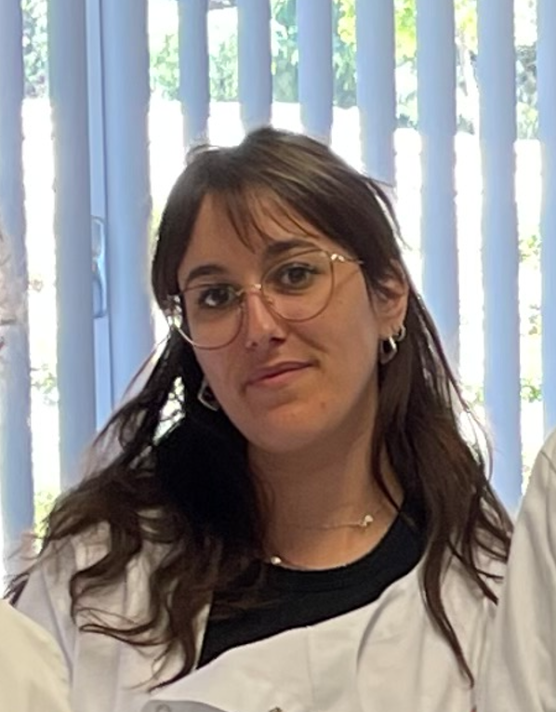
Aída Úbeda Trillo
Técnico de Laboratorio
Técnico superior en laboratorio de diagnóstico clínico en 2019. Lleva vinculada a la Unidad de Neumococos desde 2023 como técnico de laboratorio contratada. Anteriormente estuvo contratada en el Servicio de Microbiología y Urgencias del Hospital Infanta Sofía de Madrid.
-

José Enrique Yuste Lobo
Científico Titular
ORCID code: 0000-0001-7996-0837
Licenciado en Farmacia en 1998 y Doctor en 2002 por la Universidad Complutense de Madrid. Realizó su tesis doctoral en el laboratorio de neumococos del Centro Nacional de Microbiología del ISCIII. Posteriormente trabajó durante 5 años en Londres, primero como Investigador Asociado en el Centre for Molecular Microbiology and Infection Biology de Imperial College hasta 2003 y luego en el Centre for Respiratory Research de University College hasta 2007. Tras esta etapa posdoctoral en Reino Unido, trabajó durante 3 años como Investigador Senior en el Centro de Investigaciones Biológicas del CSIC hasta 2010. Desde entonces trabaja como Científico Titular en la Unidad de Neumococos del CNM-ISCIII, siendo el responsable científico del laboratorio desde el año 2016. Es investigador principal del grupo CIBER de Enfermedades Respiratorias (CIBERES) CB06/06/0003 (https://www.ciberes.org/grupos/grupo-de-investigacion?id=18143)
-

Mirian Domenech Luchas
Investigadora posdoctoral
ORCID code: 0000-0002-0942-8180
Licenciada en Ciencias Biológicas en 2005 y Doctora en 2012 por la Universidad Complutense de Madrid. Realizó su tesis doctoral en el Centro de Investigaciones Biológicas del CSIC bajo la dirección del Profesor Ernesto García y la Dra. Miriam Moscoso caracterizando el biofilm neumocócico y estudiando distintos antimicrobianos para prevenir y tratar las infecciones producidas por neumococo y otros patógenos. Posteriormente ha trabajado como investigadora junior para el CIBER de Enfermedades Respiratorias y para la empresa Investigación y Proyectos Microbiológicos realizando estudios sobre biofilms de patógenos respiratorios. A finales del 2018 se incorporó a la Unidad de Neumococos del Centro Nacional Microbiología del ISCIII, donde participa en las distintas labores de investigación y referencia de la Unidad y es profesora ayudante Doctor de la Facultad de Biología de la Universidad Complutense de Madrid.
-
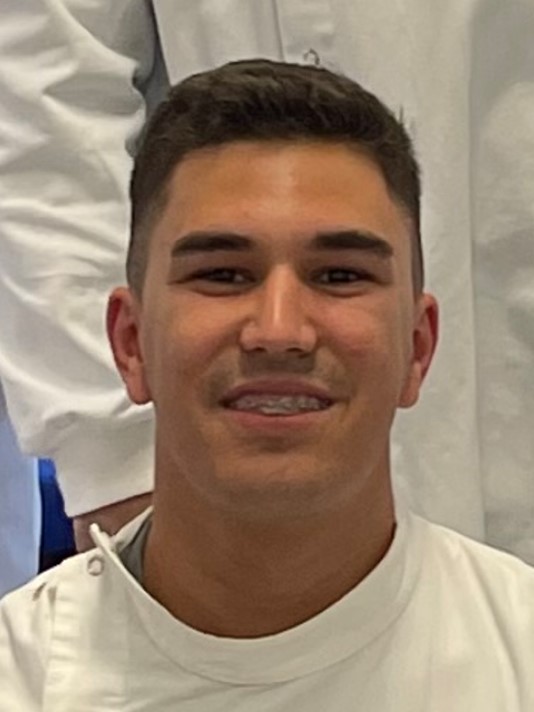
Julio Sempere García
Investigador Posdoctoral
ORCID code: 0000-0001-9340-6867
Graduado en Bioquímica por la Universidad Complutense de Madrid, donde posteriormente cursó estudios de Máster en Microbiología y Parasitología. Actualmente realiza el programa de doctorado en Microbiología y Parasitología. Lleva asociado a la Unidad de Neumococos desde 2017, donde realizó las prácticas extracurriculares de grado y posteriormente realizó su trabajo de fin de grado (2018) y trabajo de fin de máster (2019). En 2022 obtuvo el grado de Doctor y actualmente investiga biofilms de bacterias Gram positivas, la matriz de estos y cómo interaccionan con el sistema inmune. También trabaja en la interacción de diferentes cápsulas de Streptococcus pneumoniae con el sistema inmune y patogénesis de serotipos emergentes incluidos en las futuras vacunas antineumocócicas.
-
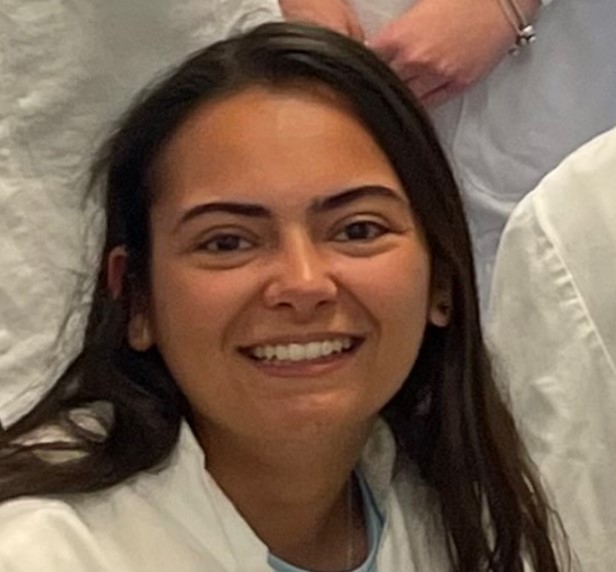
Covadonga Pérez García
Contratada predoctoral FPU
ORCID code: 0000-0002-5295-6480
Graduada en Biología por la Universidad Complutense de Madrid, donde posteriormente cursó estudios de Máster en Microbiología y Parasitología. Lleva vinculada a la Unidad de Neumococos desde 2019, donde realizó las prácticas extracurriculares de grado y posteriormente realizó su trabajo de fin de grado (2020) y trabajo de fin de máster (2021). En 2022 obtuvo beca predoctoral del programa FPU y actualmente investiga mecanismos de patogenicidad y protección de serotipos emergentes de neumococo.
-

Erick Joan Vidal Alcántara
Ayudante de Investigación
ORCID code: 0000-0001-8946-3754
Graduado en Biología por la Universidad Complutense de Madrid, y posteriormente cursó estudios de Máster en Microbiología aplicada a salud pública e investigación en enfermedades infecciosas por la Universidad de Alcalá de Henares. Lleva vinculado a la Unidad de Neumococos desde 2022 como ayudante de investigación y es personal de plantilla.
-
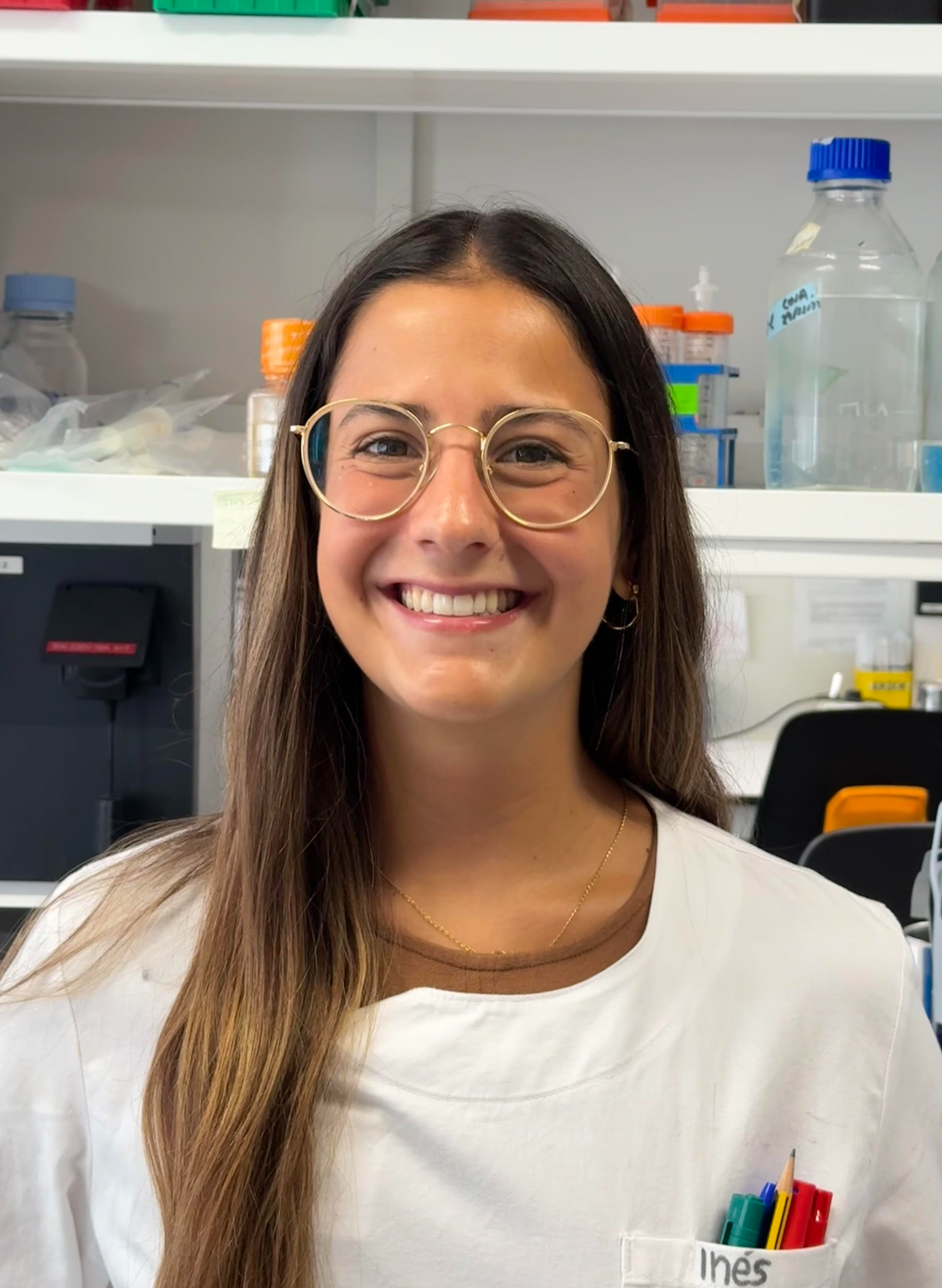
Inés Pareja Cerbán
Estudiante predoctoral CIBERES
ORCID code: 0009-0006-8015-7367
Graduada en Bioquímica por la Universidad de Málaga. Es contratada predoctoral del CIBER de Enfermedades Respiratorias (CIBERES) y en nuestro grupo está realizando su Tesis Doctoral en la caracterización de factores de virulencia de aislados prevalentes así como en el estudio y caracterización de nuevos antimicrobianos frente a bacterias respiratorias.
-

Mirella Llamosí Fornés
Contratada predoctoral
ORCID code: 0000-0002-4369-9558
Graduada en Biología por la Universidad Complutense de Madrid, donde posteriormente cursó estudios de Máster en Microbiología y Parasitología. Está realizando su Tesis Doctoral en el campo de la resistencia antibiótica así como en la búsqueda y caracterización de nuevos antimicrobianos con especial interés en lograr compuestos activos frente a infecciones producidas por biofilms.


List of staff
Additional Information
The research objectives focus on the areas of Bacterial Taxonomy and Microbiology in Public Health:
- Identification of pathogenic bacteria that are difficult to assign taxonomically
- Description of new species
- Study of bacterial population biology through typing
- Epidemiology of antimicrobial resistance and virulence factors for certain bacterial pathogens in different nosocomial/community settings.
These objectives are addressed from the perspective of polyphasic taxonomy (phenotypic and genotypic taxonomy) through the study of targets for genus/species assignment and phylogenetic analyses. The analysis of the virulome and resistome of certain species is approached from the perspective of complete genome sequencing.
Research on invasive infection by Streptococcus pyogenes and other beta-hemolytic streptococci has been carried out since 1994, through the Surveillance Program of the National Center for Microbiology. The typing of invasive S. pyogenes strains circulating in Spain includes determination of: serotype (emm-type); the genetic profile of streptococcal pyrogenic exotoxins; the antimicrobial resistance phenotype; and the genotypes of epidemiologically related strains and/or outbreaks.
The research objectives focus on the areas of Bacterial Taxonomy and Microbiology in Public Health:
- Identification of pathogenic bacteria that are difficult to assign taxonomically
- Description of new species
- Study of bacterial population biology through typing
- Epidemiology of antimicrobial resistance and virulence factors for certain bacterial pathogens in different nosocomial/community settings.
These objectives are addressed from the perspective of polyphasic taxonomy (phenotypic and genotypic taxonomy) through the study of targets for genus/species assignment and phylogenetic analyses. The analysis of the virulome and resistome of certain species is approached from the perspective of complete genome sequencing.
Research on invasive infection by Streptococcus pyogenes and other beta-hemolytic streptococci has been carried out since 1994, through the Surveillance Program of the National Center for Microbiology. The typing of invasive S. pyogenes strains circulating in Spain includes determination of: serotype (emm-type); the genetic profile of streptococcal pyrogenic exotoxins; the antimicrobial resistance phenotype; and the genotypes of epidemiologically related strains and/or outbreaks.