



We protect your health through science
Investigation
Bacterial Taxonomy
Research projects
Content with Investigacion .
PROYECTOS VIGENTES
Título del proyecto: "Vesículas extracelulares y otras moléculas de parásitos para el tratamiento de la enfermedad inflamatoria intestinal: PARATREAT-IBD"
Referencia: Proyecto PID2022-137661OB-I00 (MPY 341/23) financiado por MCIN/AEI /10.13039/501100011033/ y por FEDER Una manera de hacer Europa
Fecha Inicio: 01/12/2023
Fecha Fin: 31/08/2026
Financiación: 162.500 Euros
Investigador principal: Javier Sotillo
Agencia Financiadora: Agencia Estatal de Investigación. MICINN.

Título del proyecto: "Desarrollo de nuevos métodos diagnósticos y de seguimiento de la infección por schistosoma haematobium"
Referencia: PI23CIII00034 / MPY 386/23
Fecha Inicio: 01/01/2024
Fecha Fin: 31/12/2026
Financiación: 131.500 Euros
Investigador principal: Javier Sotillo
Agencia Financiadora: Instituto de Salud Carlos III (ISCIII/AESI)

Título del proyecto: "Desarrollo de herramientas para el control de la teniosis / cisticercosis en zonas endémicas y vigilancia de las helmintosis humanas emergentes en España"
Referencia: PI22CIII/00010
Fecha Inicio: 01/01/2023
Fecha Fin: 31/12/2025
Financiación: 80.000 Euros
Investigador principal: María Jesús Perteguer
Agencia Financiadora: Instituto de Salud Carlos III (ISCIII/AESI)
PROYECTOS PASADOS
Título del proyecto: "PERITAS: Molecular epidemiological studies on pathways of transmission and longlasting capacity building to prevent cystic echinococcosis infection."
Coordinador: Adriano Casulli. IP of ISCIII: Maria J. Perteguer.
Entidad financiadora: EULAC Health JOINT CALL on Research and Innovation 016-2017
Periodo: 01/03/2019-31/12/2022.
Cuantía total: 1.083.580 €.
Título del proyecto: "Producción de antígenos y controles positivos recombinantes para el desarrollo y la estandarización de nuevos ensayos serológicos aplicados al diagnóstico y control de helmintosis olvidadas. "
Investigador principal: María Jesús Perteguer.
Entidad financiadora: ISCIII-AESI. Instituto de Salud Carlos III
Periodo: 02/11/2018 - 31/06/2022.
Cuantía total: 78.050 €.
Título del proyecto: "Diagnóstico serológico diferencial de helmintiasis asociadas a eosinofilia: desarrollo de ensayos multianalito (xMAP) con antígenos recombinantes de especies de interés clínico"
Investigador principal: María Jesús Perteguer.
Entidad financiadora: ISCIII-AESI. Instituto de Salud Carlos III
Periodo: 01/01/2015 - 31/12/2018 .
Cuantía total: 91.000 €.
Publications
Characterizing carbapenemase-producing Escherichia coli isolates from Spain: high genetic heterogeneity and wide geographical spread.
1. Characterizing carbapenemase-producing Escherichia coli isolates from Spain: high genetic heterogeneity and wide geographical spread. Dahdouh E, Gómez-Marcos L, Cañada-García JE, de Arellano ER, Sánchez-García A, Sánchez-Romero I, López-Urrutia L, de la Iglesia P, Gonzalez-Praetorius A, Sotelo J, Valle-Millares D, Alonso-González I, Bautista V, Lara N, García-Cobos S, Cercenado E, Aracil B, Oteo-Iglesias J, Pérez-Vázquez M; Spanish Eco-Carba Study Group. Revista: Front Cell Infect Microbiol 2024 May 16;14:1390966.
PUBMED DOIThe sulfur-related metabolic status of Aspergillus fumigatus during infection reveals cytosolic serine hydroxymethyltransferase as a promising antifungal target
Alharthi R, Sueiro-Olivares M, Storer I, Bin Shuraym H, Scott J, Al-Shidhani R, Fortune-Grant R, Bignell E, Tabernero L, Bromley M and Amich J. 2025. Virulence, 16(1):2449075
PUBMED DOIThe importance of microbiology reference laboratories and adequate funding for infectious disease surveillance
Shaw D, Torreblanca RA, Amin-Chowdhury Z, Bautista A, Bennett D, Broughton K, Casanova C, Choi EH, Claus H, Corcoran M, Cottrell S, Cunney R, Cuypers L, Dalby T, Davies H, de Gouveia L, Deghmane AE, Desmet S, Domenech M, Drew R, Plessis MD, Duarte C, Fuursted K, Golden A, Almeida SCG, Henares D, Henriques-Normark B, Hilty M, Hoffmann S, Humphreys H, Jacobsson S, Johnson C, Jolley KA, Kawabata A, Kozakova J, Kristinsson KG, Krizova P, Kuch A, Ladhani S, Lâm TT, Ayala MEL, Lindholm L, Litt D, Maiden MCJ, Martin I, Martiny D, Mattheus W, McCarthy ND, Meehan M, Meiring S, Mölling P, Morfeldt E, Morgan J, Mulhall R, Muñoz-Almagro C, Murdoch D, Musilek M, Novakova L, Oftadeh S, Perez-Arguello A, Pérez-Vázquez MD, Perrin M, Prevost B, Roberts M, Rokney A, Ron M, Sanabria OM, Scott KJ, Sempere J, Siira L, de Lemos APS, Sintchenko V, Skoczyńska A, Slotved HC, Smith AJ, Taha MK, Toropainen M, Tzanakaki G, Vainio A, van der Linden MPG, van Sorge NM, Varon E, Moreno JV, Vohrnova S, von Gottberg A, Yuste J, Brueggemann AB. Lancet Digit Health. 2025 Apr;7(4):e275-e281.
PUBMED DOIETP-46321, a dual p110α/δ class IA phosphoinositide 3-kinase inhibitor modulates T lymphocyte activation and collagen-induced arthritis.
2. Aragoneses-Fenoll L, Montes-CasadoM, Ojeda G, Acosta YY, Herranz J, Martínez S, Blanco-Aparicio C, Criado G, Pastor J, Dianzani U, Portolés P, Rojo JM. ETP-46321, a dual p110α/δ class IA phosphoinositide 3-kinase inhibitor modulates T lymphocyte activation and collagen-induced arthritis. Biochem. Pharmacol. 2016 Apr 15;106:56-69. Epub 2016 Feb 13.
PUBMED DOIStructure and Immunogenicity of the Human Metapneumovirus F Protein in the Postfusion Conformation.
5. Mas V, Rodriguez L, Olmedillas E, Cano O, Palomo C, Terron MC, et al. Engineering, Structure and Immunogenicity of the Human Metapneumovirus F Protein in the Postfusion Conformation. PLoS Pathog. 2016;12(9):e1005859.
PUBMED DOIGodet C, Alastruey-Izquierdo A, Flick H, Hennequin C, Mikilps-Mikgelbs R, Munteanu O, Page I, Seidel D, Salzer HJF. A CPAnet consensus statement on research priorities for chronic pulmonary aspergillosis: a neglected fungal infection that requires attention. J Antimicrob Chemother. 2018
Godet C, Alastruey-Izquierdo A, Flick H, Hennequin C, Mikilps-Mikgelbs R, Munteanu O, Page I, Seidel D, Salzer HJF. A CPAnet consensus statement on research priorities for chronic pulmonary aspergillosis: a neglected fungal infection that requires attention. J Antimicrob Chemother. 2018 Feb 1;73(2):280-286. doi: 10.1093/jac/dkx390. PMID: 29126309.
PUBMED DOI-

Ana Alastruey Izquierdo
Research Scientist
ORCID code: 0000-0001-8651-4405
Doctor in microbiology from the Complutense University of Madrid and Master in Bioinformatics and computational biology from the same university. He completed his doctoral thesis at the ISCIII under the supervision of Dr. Juan Luis Rodríguez Tudela in molecular identification of human pathogenic fungi. He carried out research stays in Holland (Fungal Biodiversity Center, CBS-Knaw, Utrecht) and Austria (Austrian Institute of Technology). In 2010-2011 he joined Dr. David Perlin's group as a postdoctoral fellow at the Public Health Research Institute of Rutgers University in the United States working on antifungal resistance. In 2012 and 2013 he carried out research stays at the European Bioinformatics Institute (EMBL-EBI). Since 2014 he has been a Senior Scientist at the ISCIII.
-
María Cabrerizo Sanz
Tenure Scientist and Group Leader
ORCID code: 0000-0001-7054-5696
Doctor in Chemistry, specializing in Biochemistry and Molecular Biology, Universidad Autónoma de Madrid (2000). Except for a postdoctoral period of 2 years at the Hospital de La Princesa, in which her research was related to onco-hematological diseases, the rest of her scientific career has focused on the study of infectious diseases caused by viruses and their surveillance. She joined the Instituto de Salud Carlos III in 2003, first in the Laboratory of Arbovirus and Imported Viral Diseases, then in the Laboratory of Viral Hepatitis and finally, in the Laboratory of Enterovirus (which is accredited as a National Polio Laboratory -LNP- for the WHO since 1998). She obtained the position of Tenure Scientist in 2016, at the same time she assumed the responsibility of the laboratory, currently of Enteric Viruses: Poliovirus/Enterovirus, Parechovirus and Gastroenteritis-producing Viruses, of the CNM. She has 4 scientific sexennials and 4 quinquennials recognized.
She has been and is PI of 4 consecutive research projects and 3 service contracts, from 2012 to the present, participating, in addition, in other 20 projects. As head of the LNP, she is part of the Working Group of the National Plan for the Eradication of Poliomyelitis and of the WHO European Polio Laboratory Network. She is also a member of the European Non-Polio Enterovirus Network (ENPEN), and of the national cooperation networks CIBERESP and RITIP (IdiPAZ). Since 2023 she is a Council Member from Spain of the European Society.
In total she has published 98 articles in WoS indexed journals (23 Q1 and 22 D1), being first author, senior author or correspondence author in 43 of them (H=27). She has supervised 1 PhD Thesis (2017) and 12 TFM. She is currently supervising another doctoral thesis (IMIENS-UNED). She participates as a teacher in three university masters (UCM, UAH and UV), being coordinator of the subject H2 of the Master of Virology at UCM.
-
Concepción Casado Herrero
Tenure Scientist of Public Research Organizations (OPIs)
ORCID code: 0000-0003-3412-2877
-
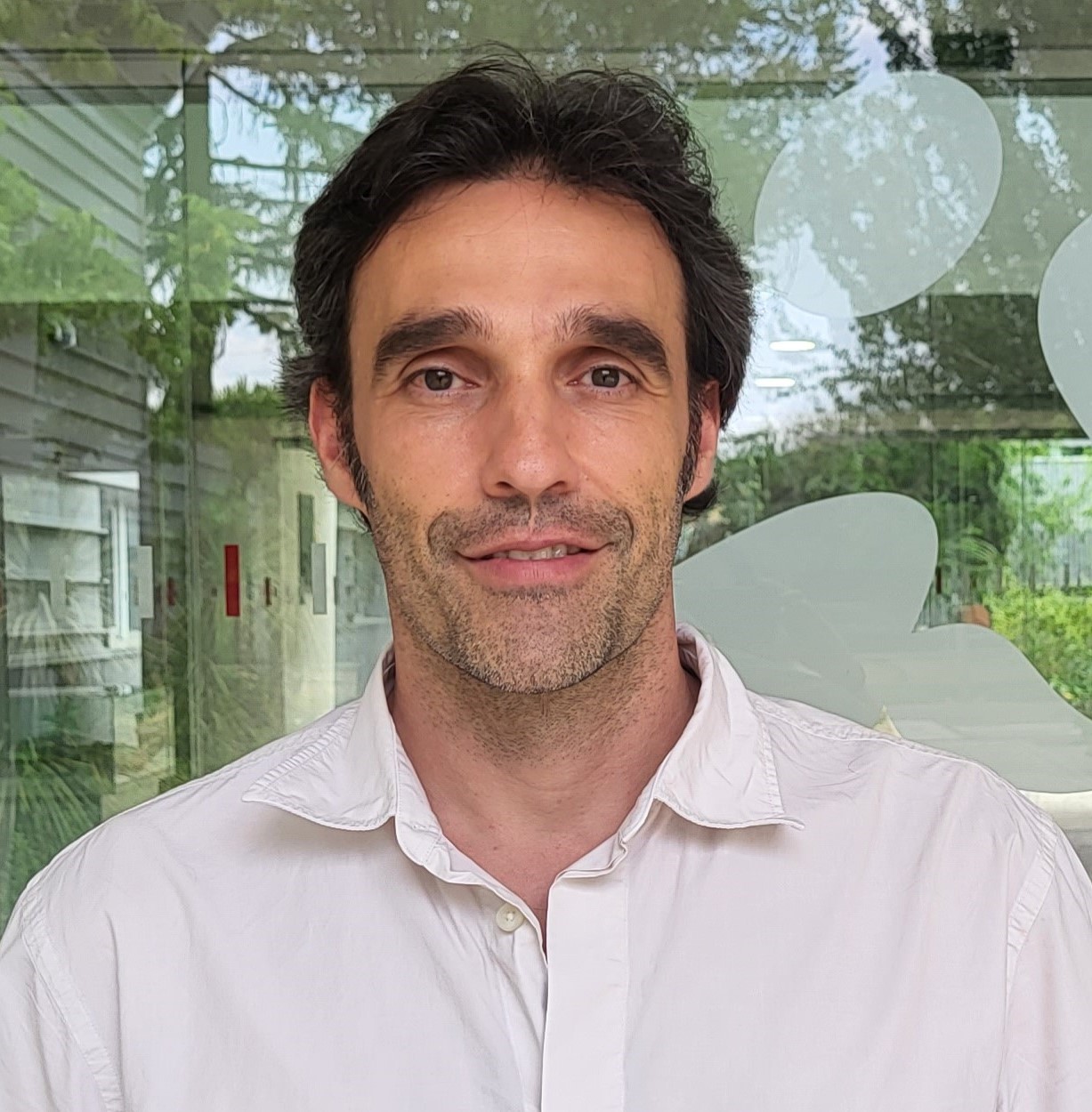
Javier García Pérez
Investigador Doctor
ORCID code: 0000-0001-7551-7803
Graduated in Biochemistry (1999) and Molecular Biology (2000) from the Autonomous University of Madrid (UAM), he obtained a predoctoral fellowship “ISCIII” in the AIDS Immunopathology laboratory, where he developed new techniques based on recombinant viruses. His doctoral thesis focused on the application of this technological development to the study of the replicative capacity of HIV-1 and its resistance to antiretroviral drugs, obtaining the degree of Doctor of Science from the UAM in 2007.
Thanks to a short postdoc in 2008 and several stays between 2009 and 2015 at the Viral Pathogenesis Unit of the Institut Pasteur in Paris he extended his training in the study of HIV-1 envelope and tropism. Between 2015 and 2019 he rejoins the AIDS Immunopathology Unit at ISCIII, focusing his work on the study of the functional capacity of founder viruses, as well as variants of the virus with interest in Public Health due to its recent expansion in our country. He is currently leading a project on the study of a mutation in transportin 3 observed in patients with a very rare muscular dystrophy (LGMDD2) that confers protection against HIV-1 infection.
During the last 5 years he combines this activity in HIV-1 with the participation and leadership of different clinical trials and studies investigating the immunity generated in people vaccinated against SARS-CoV-2 infection.
Since 2024 he is a “Investigador Doctor fuera de Convenio” at the Spanish National Centre of Microbiology and he currently coordinates together with Dr. Francisco Díez Fuertes the AIDS Immunopathology Unit.
-

María Luisa Gaspar Alonso-Vega
Research Professor
ORCID code: 0000-0001-9858-3862
Dr. María Luis Gaspar Alons-Vega graduated in 1980 and obtained her PhD in 1985 in Medicine and Surgery from the Autonomous University of Madrid. She completed the specialty of Immunology (1981-1985), and her doctoral thesis under the direction of Dr. Carmen Gutierrez, in the Immunology laboratory of the Puerta de Hierro Clinic directed by Dr. Miguel Kreisler. She completed a predoctoral stay in the Cytogenetics Laboratory of the National Institute of Autoimmune, Diabetes, Digestive and Kidney Diseases (NIDDK, NIH), under the supervision of Dr. JH Tjio and Dr. E. Raveché. She joined the Immunology Service of the National Center for Health Microbiology, Virology and Immunology (CNMVIS, AISNA and later ISCIII) as a Physician-Specialist in 1986, in the Immunology Laboratory directed by Dr. Alfredo Toraño. She completed a postdoctoral stay (1989-1991) at the Immunogenetics Unit of the Pasteur Institute (Paris) directed by Dr. T. Meo. From 1991 to 2006 she was Head of the Immunology Section successively at the CNMVIS, at the National Center for Fundamental Biology (CNBF-ISCIII) and at the National Center for Microbiology (CNM-ISCIII). From 2006 to 2016 she has been a Senior Researcher and Senior Scientist of OPIs, in the Immunobiology laboratory of the CNM-ISCIII. From 2016 to 2018 she was a Scientific Researcher at OPIs and since 2018, she is a Research Professor at OPIs at the CNM.
-

Horacio Gil Gil
Research Scientist
ORCID code: 0000-0002-7114-6686
Degree in Veterinary Medicine in 1995 and PhD in Veterinary Medicine in 2002 from the University of Zaragoza. He did his PhD thesis at NEIKER Tecknalia (Derio, Vizcaya) and the National Center for Microbiology of Instituto de Salud Carlos III (CNM-ISCIII, Majadahonda, Madrid) on the biological cycle of Lyme disease in the Basque Country. After that, he developed his postdoctoral training in different aspects of the pathogenesis of tularemia at the Center for Infectious Diseases, Stony Brook University, New York (USA) for 3 years. In December 2005, he joined the Reference and Research Laboratory in Special Pathogens of the CNM-ISCIII where he developed diagnostic, reference and research activities, in Bartonella, Leptospira and pathogens of interest in bioterrorism. Between 2014-2016 he participated in the European Program for the Training of Microbiologists in Public Health (EUPHEM), organized by the European Centre for Disease Prevention and Control. During this program, he participated in an international mission for the investigation of a cholera outbreak in Ghana, proposed by the Bernhard Nocht Institute for Tropical Diseases in Hamburg (Germany). In December 2016, he worked as a laboratory consultant for the World Health Organization at their office in Phnom Penh (Cambodia). Subsequently, he worked one year with Médecins Sans Frontières as director and quality manager of the TB laboratory in Nukus (Uzbekistan).
In 2019, he joined the HIV Variability and Biology Unit at CNM-ISCIII, where he developed different reference and research activities, including his contribution to the molecular epidemiological surveillance of HIV-1 in Spain and the study of HIV-1 antiretroviral resistance. Since September 2022 he has been leading the Human Papillomavirus Unit at the CNM-ISCIII. -
Alicia Gómez López
Research Scientist
ORCID code: 0000-0003-2780-5039
Doctor of Pharmacy from the Complutense University of Madrid and specialist in Microbiology and Parasitology via FIR (La Paz Hospital, Madrid). He completed his doctoral thesis at the Reference and Research Laboratory in Mycology under the supervision of Manuel Cuenca-Estrella. Currently a career civil servant in the Scientific Scale of O.P.I. at the Reference and Research Laboratory in Mycology.
Since 2010, he has been leading a line of research that seeks to advance clinical resistance in fungal infection through the study of dose/response relationships, the evaluation of PK/PD parameters of antifungals and their role in efficacy, as well as the study of biofilms as strategies that favour the resistance of fungal cells to the action of antifungals and immune cells. This line of research has resulted in the development and application of chromatographic methods (UPLC-UV) for antifungal monitoring and the characterisation of fungal biomolecules indicative of infection progression, which are useful for evaluating treatment response and diagnosis. Some of these methodologies have been validated according to protocols defined by the EMA and have been recognised by ENAC as valid methods for monitoring azoles in clinical samples. They are currently part of LRIM's portfolio of services and are in high demand as this methodology is not always available in clinical laboratories.
This line of research has been active since 2009, with continuous funding through various competitive calls from the AES as well as other collaborative private funding projects (9 Research Projects as IP in the period 2010-2025, Strategic Action in Health, AES FIS-ISCIII, calls for proposals 2009, 2013, 2016, 2021 and 2025; 22 research projects leading/collaborating in experimental or technological developments in the period 2000-2025).
-

Adela González de la Campa
Scientific Investigator
ORCID code: 0000-0002-3598-2548
Dr. Adela González de la Campa obtained her degree in Biology in 1981 and her PhD in 1985 from the Complutense University of Madrid. She did her doctoral thesis in the laboratory of Dr. Miguel Vicente at the Centro de Investigaciones Biológicas of CSIC. Subsequently she worked for 2 years at Brookhaven National Laboratory, Upton, New York, USA in the laboratory of Sandford Lacks. After this postdoctoral stage in the USA, she worked for 3 years as a Reincorporation Fellow at the Centro de Investigaciones Biológicas of CSIC in the laboratory of Dr. Manuel Espinosa. He is a CSIC Senior Scientist since 1990 and Research Scientist since 2007. He participated as group leader of the CIBER of Respiratory Diseases (CIBERES) from 2007 to 2015. Since 1990, she has been the principal investigator of the Bacterial Genetics Unit at the National Centre for Microbiology.
-

Maribel Jiménez Alonso
Tenured Scientist
ORCID code: 0000-0002-5615-3087
Doctor in Pharmacy from the Complutense University of Madrid (1994) and Extraordinary Doctorate Award. She started her research activity at ISCIII in 1990 in the field of leishmaniasis. Currently, she is the head of the LEM where she develops her scientific work in the field of entomological surveillance of phlebotomine sandflies in the CM and other studies in the field of molecular biology, mainly applied to the model of Leishmania infantum and its vector Phlebotomus perniciosus. Member of the team of experts of the ISCIII that participates in the elaboration of Rapid Risk Assessments and in the working groups in charge of the elaboration of National Plans of Prevention, Surveillance and Control of Vector-borne Diseases of the CCAES, Ministry of Health. She is currently “Operational Focal Point” for vector-borne diseases at national level for the One Health-Vectornet network (EFSA and ECDC) and coordinator of the VectorNet-Spain network since July 2024. In addition, she is a member of the expert committee of the Network of Surveillance and Control of Vectors with public health interest in the Community of Madrid. In addition, she is part of a research group from CIBER (CIBERINFEC; CB21/13/00110).
-
Vicente Mas Lloret
Scientific Researcher
-
-
Miguel Thomson
Research Professor. Head of Unit
-

Eloisa Yuste Herranz
Staff Scientist
ORCID code: 0000-0002-9484-9974
She holds a Bachelor's and a Ph.D. in Biological Sciences from the Complutense University of Madrid. She completed her first postdoctoral stay (1998–2001) at the “Severo Ochoa” Molecular Biology Center (Madrid). In 2001, she undertook a second postdoctoral stay at Harvard Medical School (USA), where she was promoted to Associate Researcher in 2005.
In 2008, she joined the August Pi i Sunyer Biomedical Research Institute (Barcelona) as a Ramón y Cajal Researcher, later being promoted to I3 Researcher in 2011 at the same institution. In 2016, she joined the National Center for Microbiology at the Carlos III Health Institute (Madrid) as a Distinguished Researcher. In 2018, she was promoted to Tenured Scientist at the same institution.
Her research has focused on the study of humoral immunity against HIV-1 and the development of preventive HIV-1 vaccine prototypes. She is currently co-leading, alongside Dr. Víctor Sánchez Merino, the newly established Humoral Immunity and HIV Vaccines Unit.
-
Óscar Zaragoza Hernández
Research Professor
ORCID code: 0000-0002-1581-0845
Dr. Oscar Zaragoza graduated in Biology from the Complutense University of Madrid in 1995 and obtained his PhD from the Autonomous University of Madrid. He completed his doctoral thesis (2000) at the CSIC under the direction of Dr. Juana María Gancedo on the topic of glucose catabolite repression in Saccharomyces cerevisiae. During this period, he was also tutored by Dr. Carlos Gancedo in collaborative projects, that allowed him to start working with the pathogenic yeast Candida albicans.
After a brief postdoctoral stay in the same laboratory, in 2001, he joined the laboratory of Dr. Arturo Casadevall (Albert Einstein College of Medicine, New York), where he specialized in research into virulence mechanisms of pathogenic fungi, mainly Cryptococcus neoformans. In 2006 he joined the National Center for Microbiology of the ISCIII thanks to a “Ramón y Cajal” contract and he became staff scientist in 2009. Currently, he occupies the rank of Research Professor of the OPIs.
During his career, he has published more than 140 articles, 4 book chapters and a popular book ("Microscopic fungi: Friends or Enemies?"). He has obtained public and private projects, and participates as CoIP of a CIBERINFEC group. He has supervised seven doctoral theses, and numerous master's thesis projects.
-
Laura Alguacil Cuéllar
PhD student (pFIS)
ORCID code: 0000-0002-7362-0214
Graduated in Biology from the Rey Juan Carlos University, she completed the Master's Degree in Microbiology and Parasitology: Research and Development from the Complutense University of Madrid (UCM) and is an expert in Research Methodology and Evidence-Based Clinical Practice from the Miguel de Cervantes European University. For two years he was a research assistant in the Microbiology department of the Faculty of Pharmacy at the UCM thanks to a CM Young Employment Scholarship. In 2023 he joined ISCIII with a pFIS predoctoral contract under the direction of Dr. Ana Alastruey Izquierdo.
-
Jorge Amich Elías
Tenure Scientist
ORCID code: 0000-0002-8987-5115
Doctor en Microbiología y Genética Molecular, realizó su tesis doctoral (2010) en la Universidad de Salamanca bajo la dirección del Dr. José Antonio Calera Abad. Realizó estancias postdoctorales en la Universidad de Würzburg (Alemania) bajo la supervisión del Prof. Sven Krappmann (2011-2012) y en el Hospital Clínico de Würzbug bajo la supervisión del Prof. Andreas Beilhack (2013-2015). Entre 2016 y 2021 fue Investigador Principal en el Manchester Fungal Infection Group (MFIG, Universidad de Manchester, Reino Unido) financiado con un MRC Career Development Award. En 2022 me he incorporado al Centro Nacional de Microbiología del ISCIII gracias a un contrato de Atracción de Talento de la Comunidad de Madrid. En 2024, pasó a ser Científico Titular de los OPIs en el CNM.
-
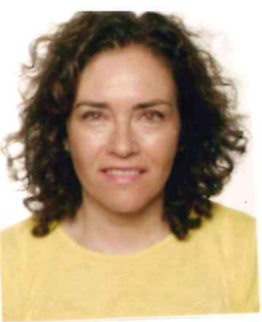
Belén de Andrés Muguruza
Research Scientist
ORCID code: 0000-0002-7391-2823
Graduated in Biology in 1987 and PhD in 1992 from the Autonomous University of Madrid. He completed his doctoral thesis in the laboratory of Dr. Carlos Lahoz in the Immunology department of the Jiménez Díaz Foundation with a pre-doctoral stay at the Institute Curie in Paris, in the laboratory of Dr. Wolf H. Fridman. Subsequently, he completed a two-year postdoctoral stay in the Department of Pathology of the College of Medicine at the University of Iowa, USA, in the laboratory of Dr. Richard G. Lynch. After a year as an Adjunct in the Immunology department of the Jiménez Diaz Foundation, she worked for 2 years with a reinstatement contract from the Ministry of Science in the Immunobiology department of the CNM/ISCIII in the laboratory of Dr. Mª Luisa Gaspar and later with a Ramón y Cajal contract. In 2006 she obtained a position as Staff Senior Scientist.
-
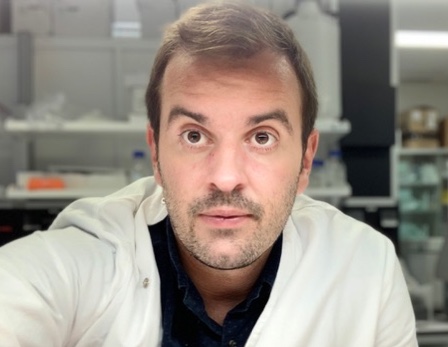
Francisco Díez Fuertes
Investigador Doctor Indefinido
ORCID code: 0000-0003-2413-9229
Degree in Biology from the University of León, PhD specialized in molecular virology from the Complutense University of Madrid in 2010 and master's degree in bioinformatics and computational biology from the same university in 2012. He has done research stays at University of Illinois at Urbana Champaign (USA) in 2010, Nebraska Center for Virology (USA) in 2011, Institut Pasteur (France) in 2013 and J. Craig Venter Institute (USA) in 2015-2016.
He joined the AIDS Immunopathology Unit in 2013 with a contract from the “Sara Borrell” postdoctoral program. After a period at the August Pi i Sunyer Biomedical Research Institute in Barcelona he rejoins the AIDS Immunopathology Unit in 2020 as a PhD researcher.
His lines of research have focused on the genomic and transcriptomic characterization of extreme phenotypes in HIV-1 infection, including long-term non-progressors and elite controllers. He collaborates with other laboratories of the center in the analysis of outbreaks caused by viruses with interest in Public Health, as well as in evolutionary studies on genomic epidemiology. Since 2020 he has led different clinical studies on COVID-19. Currently, he combines omics sciences with different bioinformatics tools to answer different scientific questions in the field of virology, especially in HIV-1 and SARS-CoV-2 research. He currently coordinates together with Dr. Javier García Pérez the AIDS Immunopathology Unit.
-
Mª Dolores Fernández García
Tenure Scientist
ORCID code: 0000-0003-0336-6596
Degree in Pharmacy (2005) and PhD from the University VII Paris Diderot in Microbiology (2010). She completed her doctoral thesis at the Pasteur Institute in Paris characterizing the molecular and cellular basis of flavivirus entry into cells. Specialist in Public Health Microbiology (European Program EUPHEM coordinated by ECDC). She has worked 3 years for the French Ministry of Foreign Affairs as a researcher at the Pasteur Institute in Dakar (Senegal) carrying out microbiological surveillance activities and research on polioviruses and non-polio enteroviruses in West Africa. She has obtained two Miguel Servet contracts: one to work at IMIBIC in Cordoba (2019) and an intramural one to work at CNM (2020). Both were awarded for the study of neurotropic viruses applying massive sequencing for their diagnosis. In 2021 he joined the CNM-ISCIII as a Tenure Research Scientist at the Enterovirus and Viral Gastroenteritis Unit of the CNM-ISCIII. Since then, she combines her scientific activity with the assistance to the National Health System in the microbiological research of outbreaks and in the Genomic Surveillance of Enteroviruses and Gastroenteritis-producing Viruses.
She is a researcher in the Epidemiology and Public Health Area of the Centro de Investigación Biomédica en Red (CIBERESP-ISCIII). In addition, she is an evaluator and panelist for the HORIZON health program projects of the European Commission, the French National Agency ANRS-Emerging Infectious Diseases, R&D&I in HEALTH of the Strategic Action in Health (ISCIII) and the Andalusian Public Foundation Progreso y Salud. She has worked as scientific advisor to the Spanish Ministry of Health on Rotavirus and Polio. Since 2020 she has been teaching virology in different Spanish universities.
She has worked for WHO in the investigation of numerous outbreaks caused by viruses (Ebola, Zika, Yellow Fever, Dengue, etc.) in African and Asian countries strengthening laboratory capacities through technology transfer of diagnostic methods, training of laboratory personnel in these countries and scientific advisory tasks to the Ministries of Health. She has been the Health Coordinator of the START Project (Spanish Technical Aid Response Team) of the AECID, framed in the “Emergency Medical Teams” initiative of the WHO, participating in the establishment for Spain of a field hospital classified by the WHO as EMT Level 2 for interventions in humanitarian emergencies.
-

María José Ferrándiz Avellano
Research Scientist
ORCID code: 0000-0003-1428-9506
Dr. María José Ferrández obtained her degree in Biology in 1990 and her PhD in 1997 from the Complutense University of Madrid. She completed her doctoral thesis at the Centro de Investigaciones Biológicas of CSIC in the laboratory of Dr. Miguel Vicente. She completed her postdoctoral training at the Centro Nacional de Microbiología of Instituto de Salud Carlos III (1998-2001 and 2003-2006) and at the Institute of Infection and Immunity (University of Nottingham) from 2001- 2003. From 2007 to 2015, she participated as a researcher of the CIBER of Respiratory Diseases (CIBERES). Since 2006, she is a Full Scientist at the National Microbiology Center of the ISCIII.






List of staff
Additional Information
The research objectives focus on the areas of Bacterial Taxonomy and Microbiology in Public Health:
- Identification of pathogenic bacteria that are difficult to assign taxonomically
- Description of new species
- Study of bacterial population biology through typing
- Epidemiology of antimicrobial resistance and virulence factors for certain bacterial pathogens in different nosocomial/community settings.
These objectives are addressed from the perspective of polyphasic taxonomy (phenotypic and genotypic taxonomy) through the study of targets for genus/species assignment and phylogenetic analyses. The analysis of the virulome and resistome of certain species is approached from the perspective of complete genome sequencing.
Research on invasive infection by Streptococcus pyogenes and other beta-hemolytic streptococci has been carried out since 1994, through the Surveillance Program of the National Center for Microbiology. The typing of invasive S. pyogenes strains circulating in Spain includes determination of: serotype (emm-type); the genetic profile of streptococcal pyrogenic exotoxins; the antimicrobial resistance phenotype; and the genotypes of epidemiologically related strains and/or outbreaks.
The research objectives focus on the areas of Bacterial Taxonomy and Microbiology in Public Health:
- Identification of pathogenic bacteria that are difficult to assign taxonomically
- Description of new species
- Study of bacterial population biology through typing
- Epidemiology of antimicrobial resistance and virulence factors for certain bacterial pathogens in different nosocomial/community settings.
These objectives are addressed from the perspective of polyphasic taxonomy (phenotypic and genotypic taxonomy) through the study of targets for genus/species assignment and phylogenetic analyses. The analysis of the virulome and resistome of certain species is approached from the perspective of complete genome sequencing.
Research on invasive infection by Streptococcus pyogenes and other beta-hemolytic streptococci has been carried out since 1994, through the Surveillance Program of the National Center for Microbiology. The typing of invasive S. pyogenes strains circulating in Spain includes determination of: serotype (emm-type); the genetic profile of streptococcal pyrogenic exotoxins; the antimicrobial resistance phenotype; and the genotypes of epidemiologically related strains and/or outbreaks.
The current director of CNM is Dr. José Miguel Rubio Muñoz.
Dr. José Miguel Rubio has a degree in Biological Sciences from the Universidad Autónoma de Madrid (1986) and a PhD in Biological Sciences from the same university (1992). He carried out his doctoral thesis at the Department of Genetics of the Universidad Autónoma de Madrid, as Associate Professor (1988-1989), and at the School of Biology of the University of East Anglia in Norwich, UK, as Senior Research Assistant (1989-1992).
During his postdoctoral period he obtained a grant from the European Commission within the Human Capital and Mobility Program to be carried out at the University of “La Sapienza” in Rome, Italy and the Institute of Molecular Biology and Biotechnology in Crete, Greece (1993-1994). Subsequently, he made a further stay funded by the WHO and the university itself at the Department of Entomology, Wageningen University, The Netherlands (1994-1996).
Since 1997 he has been a member of the Instituto de Salud Carlos III (ISCIII), where he joined the Department of Parasitology of the National Center of Microbiology, as an EU-INCO postdoctoral fellow and later with a grant from the Autonomous Community of Madrid (CAM). She was part of the founding group of the National Center for Tropical Medicine (2003-2006) and of the 24/7 Alerts and Emergencies Unit (2006-2018) and is currently Head of the Malaria and Emerging Parasitosis Unit of the National Microbiology Center and is part, as research staff, of the Center for Biomedical Research Network on Infectious Diseases (CIBERINFEC/ISCIII).
During his scientific career he has been Visiting Scientist at the Leonidas e Marie Dean Center (FIOCRUZ-AMAZONAS, Manaus, Brazil) and is an External Consultant of the Parasitology Departments of Cairo University (Egypt) and the Medical Research Center (MRC) of Kuala Lumpur (Malaysia). He also belongs or has belonged to different national and international committees: Member of the expert group for malaria control of the European Centre for Disease Control (ECDC) since 2011; Expert-Evaluator for health programs of the European Commission since 2004; Spanish Representative (commissioned by ISCIII and MSC) in the Technical Scientific Committee of the TDR (WHO) 2007-2008; Spanish Deputy Focal Point for microbiology at the European Centre for Disease Control (ECDC) from 2012 to 2020; and, member of the Research Ethics Committee of ISCIII until 2019.
In this period he has published more than 100 articles in international indexed journals, 10 book chapters and has been co-editor of two books in the area of malaria, tropical medicine and neglected diseases. He has participated in 58 competitively funded research projects, 20 of them international, having been the principal investigator in 8 national and 11 international projects as PI of the project or WP leader. In addition, he has led five agreements with companies. Currently he has been awarded four sexenios of research, being presented this year 2025 to the fifth. In the teaching field, he participates in different postgraduate programs in the areas of microbiology and parasitology, having directed seven doctoral theses and more than 20 Master's or Degree final projects, both nationally and internationally.
El laboratorio de Referencia e Investigación en Resistencia a Antibióticos ofrece una amplia cartera de servicios al Sistema Nacional de Salud, las cuales pueden solicitarse en cnm-laboratorios.isciii.es. Jefe del Laboratorio: Jesús Oteo Iglesias (Punto focal Nacional de Resistencia antibiótica).
Dispone de dos programas de Vigilancia oficiales y gratuitos que engloban los ensayos ofertados ya sea como aislamientos individuales o mediante estudio de brotes. El Laboratorio utiliza asimismo técnicas de PCR en tiempo real para la detección de genes de resistencia, estas técnicas se han adaptado a un formato multiplex que permite detectar varios genes en la misma reacción. En los últimos años se han incluido metodologías basadas en la secuenciación de genomas completos para el análisis de bacterias multiresistentes (WGS).
Programa de vigilancia de Haemophilus influenzae. Responsables: María Pérez Vázquez (Punto focal Nacional de Haemophilus influenzae) y Belén Aracil. Laboratorio encargado de la identificación, estudio de sensibilidad y análisis genotípico de aislados de Haemophilus influenzae, centrándose esencialmente en la patología invasiva debida este patógeno.
Programa de vigilancia de Resistencia a Antibióticos. Responsables: María Pérez Vázquez y Belén Aracil (Punto focal Nacional de Resistencia antibiótica). Laboratorio encargado de la identificación, el estudio de sensibilidad antibiótica, y el diagnóstico fenotípico y genotípico de los diferentes mecanismos de resistencia a antibióticos fundamentalmente en enterobacterias y gram-negativos no fermentadores y Enterococcus spp.
Estudio de brotes. Responsables: Belén Aracil y María Pérez Vázquez. El programa incluye la caracterización de brotes nosocomiales y clones emergentes de alto riesgo mediante diferentes técnicas moleculares (tabla resumen). Éstas, nos permiten realizar estudios filogenéticos con el fin de obtener una información detallada acerca la relación entre los diferentes aislados y su trazabilidad. El objetivo final es generar datos que se transfieren a los hospitales como ayuda para la prevención o control de la propagación del brote.
Acreditación y Calidad. Responsable: Belén Aracil. El laboratorio Referencia e Investigación en Resistencia a Antibióticos ha sido de los primeros en el ISCIII en la utilización de técnicas acreditadas por la Entidad Nacional de Acreditaciones (ENAC). Este laboratorio consiguió la primera acreditación homologada de técnicas diagnósticas en 2012, programa que ha sido ampliado, de manera que en la actualidad más de la mitad de las técnicas ofrecidas al Sistema Nacional de Salud están debidamente acreditadas por ENAC.
Técnicos responsables de las técnicas realizadas en el Laboratorio: Noelia Lara Fuella y Verónica Bautista Sánchez.
En la siguiente imagen se resumen las técnicas ofrecidas al Sistema Nacional de Salud.
| PROGRAMAS | NOMBRE CARTERA SERVICIO | PATÓGENO | DETERMINACIÓN, DETECCIÓN, ANÁLISIS | MÉTODOS |
|
Programa de vigilancia de Haemophilus Programa de vigilancia de resistencia a antibióticos. |
Identificación bacteriana |
Haemophilus sp. Enterobacterias, gram-negativos no fermentadores, Enterococcus spp |
Identificación bacteriana |
Bioquímicos MALDI TOF Secuenciación de RNAr |
| | Identificación capsular |
Haemophilus influenzae
|
Identificación capsular fenotípica y genotípica |
Aglutinación serológica en latex PCR ind/multiplex |
| | Determinación de Sensibilidad |
Haemophilus sp. Enterobacterias, gram-negativos no fermentadores, Enterococcus
|
Determinación de Sensibilidad |
Microdilución Tiras epsilon Kirby Bauer |
| | Métodos fenotípicos de detección de mecanismos de resistencia |
Enterobacterias, gram-negativos no fermentadores,
|
Métodos fenotípicos de detección de mecanismos de resistencia |
Discos y tabletas combinados con inhibidores Tiras combinadas Test de Hodge modificado CabaNP Inmunocromatografía CBP |
| | Métodos genotípicos de detección de mecanismos de resistencia |
Haemophilus sp. Enterobacterias, gram-negativos no fermentadores, Enterococcus
|
ADN, PCR y secuenciación |
PCR ind/multiplex Análisis comparativo de las secuencias |
| | Tipificación molecular/análisis filogenéticos |
Haemophilus sp. Enterobacterias, gram-negativos no fermentadores, Enterococcus
|
Corte enzimas de restricción, electroforesis ADN, PCR y secuenciación Preparación de librerías y secuenciación y análisis de genomas completos |
PFGE
MLST
WGS |