



We protect your health through science
Investigation
Measles, rubella, mumps, parvovirus B19 and rabies
Research projects
Content with Investigacion .
Los proyectos del grupo de los últimos años son los siguientes:
Proyecto “Enfoques inmunoinformaticos e inmunoproteomicos para identificar epitopos bacterianos implicados en la REA: diagnostico temprano y diseño de farmacos” financiado por el Plan Nacional de I+D+i del Ministerio de Ciencia, Innovación y Universidades. Centro Nacional de Microbiología, Instituto de Salud Carlos III. Investigador principal. Año: 2024-2026. Presupuesto Concedido: 225.000 euros. Proyecto PID2023-148729OB-100 financiado por MICIU/AEI/10.13039/501100011033 y por FEDER, UE.

Proyecto “La interrelación de CD69 y el procesamiento antigénico en enfermedades infecciosas y autoinmunes" financiado por la Acción Estratégica en Salud del Ministerio de Ciencia, Innovación y Universidades. Año: 2023-2025.
Proyecto “Interacciones génicas y proteicas de CD69 y sus regiones génicas reguladoras con moléculas" inanciado por el Plan Nacional de I+D+i del Ministerio de Ciencia, Innovación y Universidades. Centro Nacional de Microbiología, Instituto de Salud Carlos III. Proyecto PID2021-125757OB-100 financiado por MICIU/AEI/10.13039/501100011033 y por FEDER, UE.
Proyecto “Nuevas tecnologías de fabricación y optimización de tejidos: la piel como sistema modelo” financiado por el Programa de Actividades de I+D entre grupos de investigación de la Comunidad de Madrid en tecnologías 2018. Año: 2020-2023. Proyecto Coordinado por el Dr. Pablo Acedo de la Universidad Carlos III.
Proyecto “Estudio de CD69 como diana para mejorar el tratamiento de la leucopania y la movilización de células T de memoria de médula ósea" financiado por la Acción Estratégica en Salud del Ministerio de Ciencia, Innovación y Universidades. Año:2020-2024.
Proyecto “Diseño racional de una vacuna contra el virus respiratorio sincitial humano” financiado por la Acción Estratégica en Salud del Ministerio de Ciencia, Innovación y Universidades. Año: 2019-2022
Proyecto “Función de CD69 y sus elementos reguladores" financiado por la Acción Estratégica en Salud del Ministerio de Ciencia, Innovación y Universidades. Año: 2017-2022.
Proyecto “Diseño de vacunas recombinantes poliepitópicas para generar respuestas CD8+ contra virus emergentes” financiado por el Plan Nacional de I+D+i del Ministerio de Economía y Competitividad. Año: 2015-2017.

Proyecto “Análisis de los efectos de CD69 dependientes de S1P1 en modelos de infección e inflamación y estudio de su regulación” financiado por el FIS. Año: 2014-2017.
Proyecto “ADELVAC: Adenovirus con delecciones epitópicas para vacunación” financiado por el programa INNPACTO del Ministerio de Economía y Competitividad. Centro Nacional de Microbiología, Instituto de Salud Carlos III. Año: 2012-2014. Proyecto Coordinado por el Dr. Manel Cascallo de VCN BIOSCIENCES SL.
Proyecto “Diseño de vacunas multiepitópicas recombinantes para aumentar la respuesta inmune celular contra el VRSH” financiado por el Plan Nacional de I+D+i del Ministerio de Ciencia e Innovación. Año: 2012-2014.
Publications
Emergence of linezolid-resistant coagulase-negative staphylococci in an intensive care unit
2. Emergence of linezolid-resistant coagulase-negative staphylococci in an intensive care unit. Balandin B, Lobo B, Orden B, Román F, García E, Martínez R, Valdivia M, Ortega A, Fernández I, Galdos P. Infect Dis (Lond). 2016;48(5):343-9.
PUBMED DOIHorizontal gene transmission of the cfr gene to MRSA and Enterococcus: role of Staphylococcus epidermidis as a reservoir and alternative pathway for the spread of linezolid resistance.
3. Horizontal gene transmission of the cfr gene to MRSA and Enterococcus: role of Staphylococcus epidermidis as a reservoir and alternative pathway for the spread of linezolid resistance. Cafini F, Nguyen le TT, Higashide M, Román F, Prieto J, Morikawa K. J Antimicrob Chemother. 2016 Mar;71(3):587-92.
PUBMED DOIEmergence of cfr-Mediated Linezolid Resistance in a Methicillin-Resistant Staphylococcus aureus Epidemic Clone Isolated from Patients with Cystic Fibrosis.
4. Emergence of cfr-Mediated Linezolid Resistance in a Methicillin-Resistant Staphylococcus aureus Epidemic Clone Isolated from Patients with Cystic Fibrosis. de Dios Caballero J, Pastor MD, Vindel A, Máiz L, Yagüe G, Salvador C, Cobo M, Morosini MI, del Campo R, Cantón R; GEIFQ Study Group. Antimicrob Agents Chemother. 2015 Dec 14;60(3):1878-82.
PUBMED DOIThe dynamic changes of dominant clones of Staphylococcus aureus causing bloodstream infections in the European region: results of a second structured survey.
5. The dynamic changes of dominant clones of Staphylococcus aureus causing bloodstream infections in the European region: results of a second structured survey. Grundmann H, Schouls LM, Aanensen DM, Pluister GN, Tami A, Chlebowicz M, Glasner C, Sabat AJ, Weist K, Heuer O, Friedrich AW; ESCMID Study Group on Molecular Epidemiological Markers; European Staphylococcal Reference Laboratory Working Group. Euro Surveill. 2014 Dec 11;19(49).
PUBMED DOIPeptidoglycan recycling contributes to intrinsic resistance to fosfomycin in Acinetobacter baumannii.
6. Gil-Marqués ML, Moreno-Martínez P, Costas C, Pachón J, Blázquez J, McConnell M.J.* Peptidoglycan recycling contributes to intrinsic resistance to fosfomycin in Acinetobacter baumannii. Journal of Antimicrobial Chemotherapy. 2018 Nov 1;73(11):2960-2968.
PUBMED DOIImmunization with lipopolysaccharide-free outer membrane complexes protects against Acinetobacter baumannii infection.
7. Pulido MR, García-Quintanilla M, Pachón J, McConnell M.J.* Immunization with lipopolysaccharide-free outer membrane complexes protects against Acinetobacter baumannii infection. Vaccine. 2018 Jul 5;36(29):4153-4156.
PUBMED DOIInhibition of LpxC increases antibiotic susceptibility in Acinetobacter baumannii.
8. García-Quintanilla M, Caro-Vega JM, Pulido MR, Moreno-Martínez P, Pachón J, McConnell M.J.* Inhibition of LpxC increases antibiotic susceptibility in Acinetobacter baumannii. Antimicrobial Agents and Chemotherapy. 2016 Jul 22;60(8):5076-9.
PUBMED DOIImmunization with lipopolysaccharide-deficient whole cells provides protective immunity in an experimental mouse model of Acinetobacter baumannii infection.
9. García-Quintanilla M., Pulido M.R., Pachón J. and McConnell, M.J.* Immunization with lipopolysaccharide-deficient whole cells provides protective immunity in an experimental mouse model of Acinetobacter baumannii infection. PLOS One. 2014 Dec 8;9(12).
PUBMED DOIEncephalitis associated with human herpesvirus-7 infection in an immunocompetent adult.
M. Parra; A. Alcala; C. Amoros; A. Baeza; A. Galiana; D. Tarragó; M.Á. García-Quesada; V. Sánchez-Hellín. Encephalitis associated with human herpesvirus-7 infection in an immunocompetent adult. Virology Journal. 14 - 1, 2017.
PUBMED DOIMolecular epidemiology of enterovirus and parechovirus infections according to patient age over a 4-year period in Spain.
M. Cabrerizo; M. Díaz-Cerio; C. Muñoz-Almagro; N. Rabella; D. Tarragó; M.P. Romero; M.J. Pena; C. Calvo; S. Rey-Cao; A. Moreno-Docón; I. Martínez-Rienda; A. Otero; G. Trallero. Molecular epidemiology of enterovirus and parechovirus infections according to patient age over a 4-year period in Spain. J Med Virol. 2017 Mar;89(3):435-442.
PUBMED DOIViral epidemic outbreaks and public health alerts studied at the National Centre of Microbiology during a two-year period (2012-2013).
J.M. Echevarría Mayo; A.A. Avellón Calvo; M. Cabrerizo Sanz; I. Casas Flecha; J.E. Echevarría Mayo; Fd.eO. de Ory Manchón; A. Negredo Antón; F. Pozo Sánchez; M.P. Sánchez-Seco Fariñas; D. Tarragó Asensio; G. Trallero Masó. Viral epidemic outbreaks and public health alerts studied at the National Centre of Microbiology during a two-year period (2012-2013). Revista española de salud pública. 90, pp. E16 - E16. 2016
PUBMEDMolecular epidemiology of enterovirus 71, coxsackievirus A16 and A6 associated with hand, foot and mouth disease in Spain.
M. Cabrerizo; D. Tarragó; C. Muñoz-Almagro; E. del Amo; M. Domínguez-Gil; J.M.-S. Eiros; I. López-Miragaya; C. Pérez; J. Reina; A. Otero; I. González; J.E. Echevarría; G. Trallero. Molecular epidemiology of enterovirus 71, coxsackievirus A16 and A6 associated with hand, foot and mouth disease in Spain. Clinical Microbiology and Infection. 20 - 3, pp. O150 - O156. 2014.
PUBMED DOIMolecular epidemiology of the first Spanish enterovirus A71 outbreak associated with severe neurological diseases, 2016.
R Gonzalez-Sanz*, D Casas-Alba, C Launes, C Muñoz-Almagro, M Ruiz-García, MJ Gonzalez-Abad, M Alonso, G Megias, N Rabella, M del Cuerpo, M Gozalo-Margüello, A González-Praetorius, A Martínez-Sapiña, MJ Goyanes-Galán, MP Romero, C Calvo, A Antón, M Imaz, M Aranzamendi, Á Hernandez, A Moreno-Docón, S Rey Cao, A Navascuences, A Otero, M Cabrerizo. Molecular epidemiology of the first Spanish enterovirus A71 outbreak associated with severe neurological diseases, 2016. Euro Surveill. 2019 Feb;24(7).
PUBMED DOIAcute flaccid paralysis (AFP) surveillance: challenges and opportunities from 18 years’ experience, Spain, 1998 to 2015.
J Masa-Calles, N Torner, N López-Perea, MV Torres de Mier, B Fernández-Martínez, M Cabrerizo, V Gallardo-García, C Malo, M Margolles, M Portell, N Abadía, A Blasco, S García-Hernández, H Marcos, N Rabella, C Marín, A Fuentes, I Losada, A Nieto, V García Ortúzar, M García Cenoz, JM Arteagoitia, Á Blanco Martínez, A Rivas, D Castrillejo, Spanish AFP Surveillance Working Group. Acute flaccid paralysis (AFP) surveillance: challenges and opportunities from 18 years’ experience, Spain, 1998 to 2015. EuroSurveill 2018 23(47):pii=1700423.
PUBMED DOIRecommendations for enterovirus diagnostics and characterisation within and beyond Europe.
H Harvala, E Broberg, K Benschop, N Berginc, S Ladhani, P Susi, C Christiansen, J McKenna, D Allen, P Makiello, G McAllister, M Carmen, M Sveinsdottir, K Zakikhany, T Gunnarsdottir, R Dyrdak, X Nielsen, T Madsen, J Paul, C Moore, K von Eije, A Piralla , M Strutt, M Carileir, L Vanoverschelde, R Poelman, A Anton, X López-Labrador, C Galli, K Keeren, M Maier, H Cassidy, S Derdas, C Savolainen-Kopra, S Diedrich, S Nordbø, P Minor, J Buesa, H Yu, Q Liao, JL Bailly, F Baldanti, A MacAdam, N Grossly, A Mirand, S Dudman, I Schuffenecker, S Kadamba, n Neyts, M Griffiths, J Richter, C Margaretto, S Govind, U Morley, S Krokstad, J Dean, M Salort, B Prochazka, H-R Honkanen, M Cabrerizo, M Majumdar, L Pellegrinelli, G Nebbia, M Wiewel, S Cottrell, P Coyle, O Adams, J Martin, S Midgley, P Horby, K Wolthers, B Hubert Niesters, P Simmonds and TK Fischer. Recommendations for enterovirus diagnostics and characterisation within and beyond Europe. J Clin Virol 101: 11-17 (2018).
PUBMED DOIMolecular surveillance of norovirus, 2005-16: an epidemiological analysis of data collected from the NoroNet network.
4. J van Beek, M de Graaf, H Al-Hhello, DJ Allen, K Ambert-Balay, N Botteldoorn, M Brytting, J Buesa, M Cabrerizo, M Chan, F Cloak, I Di Bartolo, S Guix, J Hewitt, N Iritani, M Jin, R Johne, I Lederer, J Mans, V Martella, L Maunula, G McAllister, S Niendorf, HG Niesters, AT Podkolzin, M Poljsak-Prijatelj, L Dam Rasmussen, G Reuter, G Tuite, A Kroneman, H Vennema, MPG Koopmans, on behalf of NoroNet. Molecular surveillance of norovirus, 2005-16: an epidemiological analysis of data collected from the NoroNet network. Lancet Infect Dis 18:545-553 (2018)
PUBMED DOIFirst Cases of Severe Flaccid Paralysis Associated with Enterovirus D68 Infection in Spain, 2015-2016.
M Cabrerizo*, JP García-Iñiguez, F Munell, A Amado, P Madurga-Revilla, C Rodrigo, S Pérez, A Martínez-Sapiña, A Antón, G Suárez, N Rabella, V Del Campo, A Otero, J Masa-Calles. First Cases of Severe Flaccid Paralysis Associated with Enterovirus D68 Infection in Spain, 2015-2016. Pediatric Infect Dis J; 36: 1214-1216 (2017).
PUBMED DOIContent with Investigacion .
-
Concepción Casado Herrero
Tenure Scientist of Public Research Organizations (OPIs)
ORCID code: 0000-0003-3412-2877
-
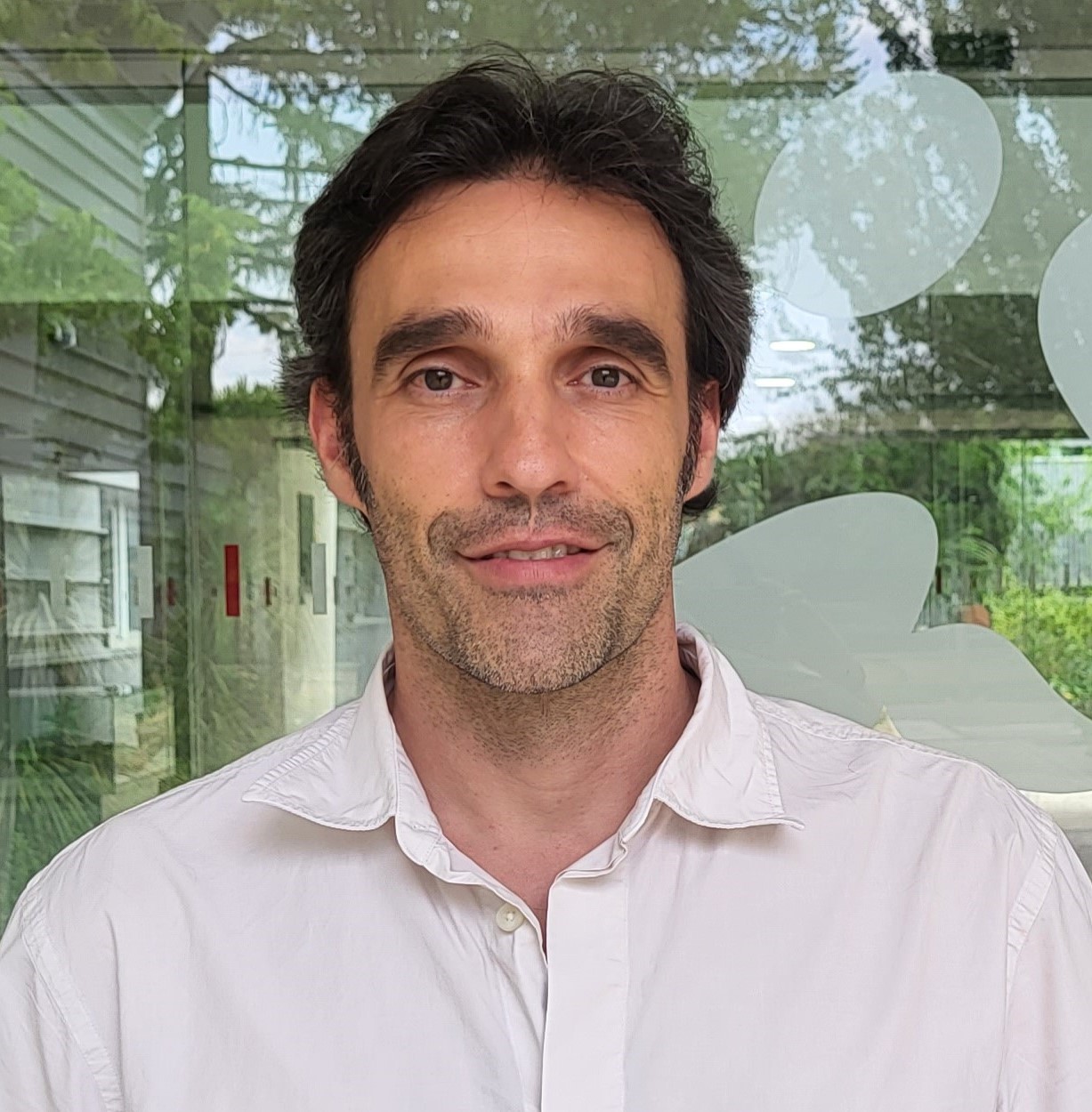
Javier García Pérez
Investigador Doctor
ORCID code: 0000-0001-7551-7803
Graduated in Biochemistry (1999) and Molecular Biology (2000) from the Autonomous University of Madrid (UAM), he obtained a predoctoral fellowship “ISCIII” in the AIDS Immunopathology laboratory, where he developed new techniques based on recombinant viruses. His doctoral thesis focused on the application of this technological development to the study of the replicative capacity of HIV-1 and its resistance to antiretroviral drugs, obtaining the degree of Doctor of Science from the UAM in 2007.
Thanks to a short postdoc in 2008 and several stays between 2009 and 2015 at the Viral Pathogenesis Unit of the Institut Pasteur in Paris he extended his training in the study of HIV-1 envelope and tropism. Between 2015 and 2019 he rejoins the AIDS Immunopathology Unit at ISCIII, focusing his work on the study of the functional capacity of founder viruses, as well as variants of the virus with interest in Public Health due to its recent expansion in our country. He is currently leading a project on the study of a mutation in transportin 3 observed in patients with a very rare muscular dystrophy (LGMDD2) that confers protection against HIV-1 infection.
During the last 5 years he combines this activity in HIV-1 with the participation and leadership of different clinical trials and studies investigating the immunity generated in people vaccinated against SARS-CoV-2 infection.
Since 2024 he is a “Investigador Doctor fuera de Convenio” at the Spanish National Centre of Microbiology and he currently coordinates together with Dr. Francisco Díez Fuertes the AIDS Immunopathology Unit.
-
Miguel Thomson
Research Professor. Head of Unit
-

Eloisa Yuste Herranz
Staff Scientist
ORCID code: 0000-0002-9484-9974
She holds a Bachelor's and a Ph.D. in Biological Sciences from the Complutense University of Madrid. She completed her first postdoctoral stay (1998–2001) at the “Severo Ochoa” Molecular Biology Center (Madrid). In 2001, she undertook a second postdoctoral stay at Harvard Medical School (USA), where she was promoted to Associate Researcher in 2005.
In 2008, she joined the August Pi i Sunyer Biomedical Research Institute (Barcelona) as a Ramón y Cajal Researcher, later being promoted to I3 Researcher in 2011 at the same institution. In 2016, she joined the National Center for Microbiology at the Carlos III Health Institute (Madrid) as a Distinguished Researcher. In 2018, she was promoted to Tenured Scientist at the same institution.
Her research has focused on the study of humoral immunity against HIV-1 and the development of preventive HIV-1 vaccine prototypes. She is currently co-leading, alongside Dr. Víctor Sánchez Merino, the newly established Humoral Immunity and HIV Vaccines Unit.
-
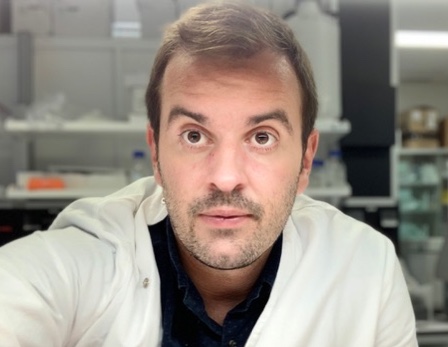
Francisco Díez Fuertes
Investigador Doctor Indefinido
ORCID code: 0000-0003-2413-9229
Degree in Biology from the University of León, PhD specialized in molecular virology from the Complutense University of Madrid in 2010 and master's degree in bioinformatics and computational biology from the same university in 2012. He has done research stays at University of Illinois at Urbana Champaign (USA) in 2010, Nebraska Center for Virology (USA) in 2011, Institut Pasteur (France) in 2013 and J. Craig Venter Institute (USA) in 2015-2016.
He joined the AIDS Immunopathology Unit in 2013 with a contract from the “Sara Borrell” postdoctoral program. After a period at the August Pi i Sunyer Biomedical Research Institute in Barcelona he rejoins the AIDS Immunopathology Unit in 2020 as a PhD researcher.
His lines of research have focused on the genomic and transcriptomic characterization of extreme phenotypes in HIV-1 infection, including long-term non-progressors and elite controllers. He collaborates with other laboratories of the center in the analysis of outbreaks caused by viruses with interest in Public Health, as well as in evolutionary studies on genomic epidemiology. Since 2020 he has led different clinical studies on COVID-19. Currently, he combines omics sciences with different bioinformatics tools to answer different scientific questions in the field of virology, especially in HIV-1 and SARS-CoV-2 research. He currently coordinates together with Dr. Javier García Pérez the AIDS Immunopathology Unit.
-
María Pernas Escario
Senior Specialized Technician of Public Research Organizations (OPIs)
ORCID code: 0000-0003-2966-0160
-
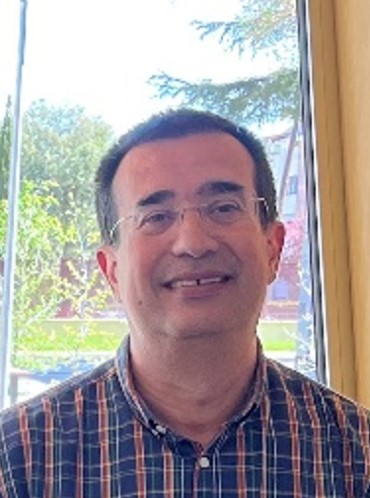
Victor Sánchez Merino
Distinguished Scientist
ORCID code: 0000-0001-9400-427X
He holds a Bachelor's and a Ph.D. in Pharmacy from the Complutense University of Madrid, specializing in virology and molecular biology. His research has focused on the study of HIV and EBV. His doctoral thesis addressed the evolution of HIV-1 and the restoration of mutant HIV-1 reverse transcriptase function.
He completed a postdoctoral stay at Harvard University, investigating new viral interactions (2001–2003). At the University of Massachusetts, he explored CD8+ T lymphocyte responses in vertical HIV transmission (2003–2008).
In Spain, at the Hospital Clínico-IDIBAPS (Barcelona; 2008–2017) and the Carlos III Health Institute (Madrid; 2017–Present), he has led research on HIV-1 neutralizing antibodies and the design of preventive vaccines.He is currently co-leading, alongside Dr. Eloísa Yuste Herranz, the newly established Humoral Immunity and HIV Vaccines Unit. Additionally, he is a professor and principal investigator at Alfonso X el Sabio University (Madrid).
-

Nuria González Fernández
Investigadora Contratada indefinida
ORCID code: 0000-0002-0087-5144
She completed her PhD in 2007 (Universidad Autónoma de Madrid), focused on the development of an envelope recombinant virus system to characterize HIV-1 tropism, as well as on the study of the role of the chemokine CXCL12 in virus propagation at the infectious synapse. Part of this work was carried out in the laboratory of Dr. Quentin Sattentau at the University of Oxford.
During her postdoctoral period, she expanded her research on the mechanisms of HIV entry and specialized in the study of the neutralizing response. She developed a system to measure neutralizing activity, which has been used in clinical trials of HIV vaccine candidates. During a stay at the Vaccine Research Center, NIH (USA), she acquired experience in various techniques for the characterization of broadly neutralizing antibodies, leading to new collaborations and research projects, which she is currently developing in the AIDS Immunopathology Unit of the Carlos III Health Institute.
She has participated in research networks such as EAVI2020 (co-PI), CIBERINFEC, RIS and EUROPRISE (EU). Since 2014 she is a professor of the Master in Microbiology applied to Public Health and Infectious Diseases Research at the University of the University of Alcalá and, since 2023, of the Master in Human Immunodeficiency Virus Infection at the University Rey Juan Carlos.
-

Almudena Rubio Perez
Research Assistant
ORCID code: 0009-0006-4687-7555
Graduated in Biochemistry from the University of Córdoba (Andalusia, Spain) with a master's degree in Biomedicine from the University of Cádiz (Andalusia, Spain). She is currently part of the Humoral Immunity and HIV Vaccines Unit (IHV) at the National Center for Microbiology (CNM) under a Youth Guarantee contract funded by the Community of Madrid and is pursuing a Ph.D. in the Microbiology and Parasitology program at the Complutense University of Madrid.
-
Virginia Sandonís Martín
Senior Specialized Technician of Public Research Organizations (OPIs)
ORCID code: 0000-0001-5762-7531
-
Mercedes Bermejo Herrero
Investigadora post-doctoral contratada
ORCID code: 0000-0001-9909-8578
Degree and PhD in Biological Sciences (Biochemistry and Molecular Biology) from the Autonoma University of Madrid. Her doctoral thesis studied the expression of CXCR4 and SDF-1/CXCL12 in lymphocytes and dendritic cells and their implications in HIV-1 infection.
She has completed internships in various laboratories: the Immunology Department of the Gregorio Marañón University Hospital in Madrid, the Research Center of the 12 de Octubre University Hospital in Madrid (where she was head of the flow cytometry service) and is currently at the CNM (National Research Center) of the Carlos III Health Institute.
Her research interests have focused on the study of HIV biology and its interaction with the immune system. She has currently participated in clinical trials, CombiVacs and ENE-Covid Senior, and in collaboration with Hipra.
-
Rosa Fuentes Fernández
Laboratory Technician
-

Rubén Ayala Suárez
Técnico Superior Especializado OPI
ORCID code: 0000-0002-1271-646.
Graduated in Biotechnology from the University of Cadiz (2015), Master in Microbiology of Infectious Diseases (2016) and PhD in Functional Biology from the University of Alcalá (2023). He carried out his PhD Thesis at the AIDS Immunopathology laboratory (CNM) on post-translational epigenetic mechanisms of natural control of HIV infection. In the same period, he completed a Diploma in Bioinformatics at Pablo de Olavide University (2021).
In 2023 he joined as a postdoctoral researcher in the HIV and AIDS research group at the August Pi i Sunyer Biomedical Research Institute (Barcelona), where he worked on the relationship of HIV and senescence until his incorporation as a Técnico Superior Especializado in the AIDS Immunopathology unit of the Spanish National Center of Microbiology (ISCIII) in 2025.
The main research projects in which he participates focus on resistance and natural control to HIV infection, as well as the evaluation of the immune response in vaccine trials, using mainly bioinformatics techniques focused on massive sequencing (RNA-Seq, single-cell, genome sequencing), the application of biostatistics and machine learning in data management.
-
-

Almudena Cascajero Díaz
Técnico de laboratorio
ORCID code: 0000-0002-9654-3100
Técnico Superior de Actividades Técnicas y Profesionales (Unidades de Inmunopatología del SIDA y Legionella, Centro Nacional de Microbiología). Clinical Diagnostic Laboratory Technician by IES Renacimiento de Madrid.
Experience in cloning techniques and characterization of neutralizing antibodies and participation in different projects on the pathogenesis of HIV by studying the viral envelope and the mechanisms of resistance to antiretroviral drugs. This experience has subsequently allowed me to participate in 5 multicenter clinical studies studying the immune response against different variants of SARS-CoV-2.
Since 2021, I also participate as a laboratory technician in the Legionella Unit as a support to the Spanish National Health System through the microbiological surveillance of the disease to contribute to the prevention and control of legionellosis.
-

Manuela Beltrán Vicente
Técnico de Laboratorio Indefinido
ORCID code: 0000-0001-6185-2280
Senior Technician of Technical and Professional Activities (AIDS Immunopathology Unit, Spanish National Center of Microbiology).
Clinical Analysis Laboratory Specialist Technician by IES Las Musas (Madrid, 1996). Demonstrated experience in the development of strategies against HIV, focused on the screening of compounds of both natural and synthetic origin with antiviral activity and identification and evaluation of potential therapeutic agents, as well as the screening of serological samples for the study of immunity for the identification of possible strategies for the development of vaccines against HIV. -

Silvia Jara Herrera
Técnico de Laboratorio Contratado CIBERINFEC
ORCID code: 0009-0001-2842-2040
Clinical and Biomedical Diagnostic Laboratory Technician.
She is currently working in the AIDS Immunopathology Unit of the Spanish National Center of Microbiology (ISCIII) with a contract through the Spanish Biomedical Research Networking Centre in Infectious Diseases (CIBER-INFEC).
She worked from March 2020 to September 2024 at the Department of Animal Health (Faculty of Veterinary Medicine) of the Universidad Complutense de Madrid.
She has experience in serological techniques (ELISA, Western Blot and IFA), cell culture and molecular biology.
-

Irene Díaz Marín
Técnico de laboratorio contratado
Clinical and Biomedical Diagnostics laboratory technician by CIFP Politécnico de Murcia-CESUR and graduated in Journalism from the Complutense University of Madrid.
She is currently at the AIDS Immunopathology Unit of the Spanish National Center of Microbiology with a contract of the “Garantía Juvenil” program (Community of Madrid), where she performs technical tasks in several research projects about HIV-1 and COVID-19.
-

Lorena Vigón Hernandez
Tenured Specialized Technician from OPIs
ORCID code: 0000-0002-6405-4054
Graduate in Health Biology and PhD in Health Sciences from the University of Alcalá de Henares. In 2016, she joined the CNM-ISCIII under a Youth Guarantee contract funded by the Community of Madrid, and in 2018 she was awarded a pFIS fellowship, which enabled her to remain at the same institution. Subsequently, in 2022, she was appointed as a Tenured Specialized Technical Staff of the Spanish Public Research Organizations (OPIs).
Her research has primarily focused on elucidating the mechanism of action of tyrosine kinase inhibitors in HIV-1 infection (PMID: 32828803; PMID: 34186065), as well as on the identification of biomarkers that could predict COVID-19 severity (PMID: 34616404; PMID: 34122423; PMID: 35960731).
She is currently a member of the recently established Humoral Immunity and HIV Vaccines Unit, led by Dr. Eloisa Yuste and Dr. Victor Sanchez-Merino.
Actualmente forma parte de la recientemente creada Unidad de Inmunidad Humoral y Vacunas frente al VIH, liderada por la Dra. Eloísa Yuste Herranz y el Dr. Víctor Sánchez Merino.
-
Laura Capa Muñoz
Investigadora post-doctoral contratada
ORCID code: 0000-0002-0234-331X
Degree in Biological Sciences from the Universidad Autónoma de Madrid and PhD from the Universidad Complutense de Madrid, she has a master's degree in AIDS (Universidad Complutense de Madrid) and a master's degree in HIV infection (Universidad Rey Juan Carlos de Madrid).
Professional activity developed mainly in the study of infectious diseases, both in the field of basic research in public research centers and in the pharmaceutical industry, as well as in the field of public health and scientific management. She has worked in the international response to the HIV pandemic, representing the Ministry of Health as an expert in meetings of the European Commission and collaborated with the WHO. At the Instituto de Salud Carlos III, she has led the scientific management of national and European projects in the AIDS Immunopathology Unit and has been part of the Institute's Data Protection Working Group. Currently, she continues to coordinate the Cohort of Long-Term Non-Progressing Patients created by the Spanish AIDS Research Network (RIS), is part of the coordination team of the PhD Program in Biomedical Sciences and Public Health IMIENS-UNED-ISCIII and of the Institute's Working Group on Equality.

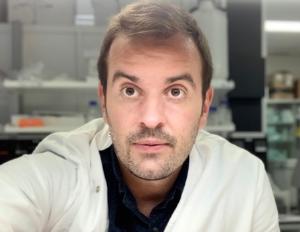


List of staff
Additional Information
This group, together with the CNM Serology Laboratory (LS), houses the National Reference Laboratories for Rabies (RD 1940/2004) and Measles and Rubella (National Elimination Plan) that are integrated into the corresponding European networks. It has 10 self-developed techniques in its service portfolio (2 accredited by ENAC and 3 by the WHO). In addition, it attends to three CNM microbiological surveillance programs (measles and rubella, mumps and rabies). It is integrated into a CIBERESP group of which Juan E. Echevarría is head and in which other CNM researchers participate.
Research on MMR vaccine diseases is currently financed through an AESI project (PI15CIII/00023) of which Aurora Fernández García is co-PI and in which the LS, the CNE, the CAM (LRSP and the Epidemiology Service) and a network of primary care pediatricians participate. of the CAM.
Research on lisaviruses and other viruses associated with bats is currently funded through the VIROBAT-4 project (MINECO, SAF 2017-89355-P) of which Juan E. Echevarría is PI and in which the CNM Respiratory Viruses Laboratory, the Doñana Biological Station (CSIC) and the University of Alcalá de Henares participate.
This group, together with the CNM Serology Laboratory (LS), houses the National Reference Laboratories for Rabies (RD 1940/2004) and Measles and Rubella (National Elimination Plan) that are integrated into the corresponding European networks. It has 10 self-developed techniques in its service portfolio (2 accredited by ENAC and 3 by the WHO). In addition, it attends to three CNM microbiological surveillance programs (measles and rubella, mumps and rabies). It is integrated into a CIBERESP group of which Juan E. Echevarría is head and in which other CNM researchers participate.
Research on MMR vaccine diseases is currently financed through an AESI project (PI15CIII/00023) of which Aurora Fernández García is co-PI and in which the LS, the CNE, the CAM (LRSP and the Epidemiology Service) and a network of primary care pediatricians participate. of the CAM.
Research on lisaviruses and other viruses associated with bats is currently funded through the VIROBAT-4 project (MINECO, SAF 2017-89355-P) of which Juan E. Echevarría is PI and in which the CNM Respiratory Viruses Laboratory, the Doñana Biological Station (CSIC) and the University of Alcalá de Henares participate.