



We protect your health through science
Investigation
Antibiotic Resistance
Research Lines
Content with Investigacion .
Patogénesis e inmunidad viral
A) Desarrollo de metodología point of care frente a hepatitis virales en el reservorio del VIH
El tratamiento precoz de las hepatitis virales reduce el deterioro progresivo del hígado y evita el trasplante hepático. Resulta esencial disponer de métodos diagnóstico rápido, sencillos y coste-efectivos, para el cribado, en la vigilancia epidemiológica y el diagnóstico virológico temprano de enfermedades virales hepáticas. Línea de investigación llevada a cabo en colaboración con el Dr. Ricardo Madrid (BioAssays S.L).
B) Impacto de la coinfección y eliminación de las hepatitis virales en el reservorio del VIH
La coinfección por el VHC impacta en el reservorio del VIH, principal obstáculo para eliminar esta infección. Se realizan distintos abordajes del estudio del reservorio del VIH en pacientes VIH+ con distinta exposición al VHC, y tras su eliminación espontánea o con antivirales de acción directa, con el objetivo de identificar y proponer nuevas estrategias de eliminación/curación del VIH. Esta línea de Investigación se desarrolla en el seno del Grupo Multidisciplinar COVIHEP (COinfección por VIH y HEPatitis).
C) Identificación de marcadores de senescencia inducida por virus y estrategias paliativas
Las infecciones virales inducen una senescencia acelerada cuyo impacto afecta a la evolución de la enfermedad y a posibles comorbilidades. Nuestro objetivo es profundizar en los mecanismos que desencadenan la inmunosenescencia y estrés oxidativo asociado a infecciones virales e identificar nuevas estrategias terapéuticas que palien el envejecimiento prematuro en estos pacientes.
D) Impacto de SARS-CoV-2 en la infección por el VIH y hepatitis virales
Se desconocen las complicaciones a largo plazo de la infección por SARS-CoV-2 en personas que viven con VIH y/o hepatitis virales que podrían experimentar un desarrollo clínico de la enfermedad más desfavorable. La identificación de biomarcadores de gravedad no invasivos (como en sangre/plasma) resulta de especial interés en estos pacientes.
E) Origen y Epidemiología de la enfermedad hepática
Estudio del origen y la dinámica de transmisión espacio-temporal de los virus hepáticos, clave para el entendimiento de su evolución y propagación, así como en el análisis de la carga global de las enfermedades, lo que podría ayudar a desarrollar programas de Salud Pública encaminados a prevenir y frenar su transmisión.
F) Impacto de la viremia de bajo grado del VIH
Se desconoce tanto el origen como los mecanismos de la viremia de bajo grado, presente entre el 3 y 16% que las personas que viven con VIH. Su presencia podría desembocar en un mayor riesgo de sufrir comorbilidades relacionadas con enfermedades cardiovasculares, cáncer y trastornos metabólicos.
G) Calidad del aire y su impacto en poblaciones vulnerables
La contaminación del aire agrava las patologías infecciosas y la salud cardiovascular y respiratoria. La evolución de la enfermedad en personas con enfermedades crónicas con VIH y hepatitis puede verse agravada tras la inhalación continua de contaminantes ambientales. Línea de investigación llevada a cabo en colaboración con el CNSA y el CNE del ISCIII.
H) Coinfección por VHE y protistas entéricos en el reservorio humano y animal: vigilancia e investigación
La coinfección entre virus y protistas entéricos podría influir en la cotransmisión y patogenicidad de dichas especies. Línea de investigación, bajo el concepto “One Health” que se centra en la vigilancia y estudio de la coinfección del VHE y protistas entéricos. Colaboración con el grupo multidisciplinar COHEPROEN (COinfección HEpatitis y PROtistas ENtéricos).
Research projects
Content with Investigacion .
A) Proyectos de investigación financiados en los últimos 10 años
-
Como investigadora principal
1. Impact of long-tem HCV eradication on HIV infection: integration of Immune-virologic HIV markers, host transcriptome, and plasma microbiome data. Ministerio de Ciencia (Proyectos de Generación de Conocimiento 2021). Expediente: PID2021-126781OB-I00 financiado por por MICIU/AEI /10.13039/501100011033 y por FEDER, UE Septiembre 2022 - agosto 2025. 157.300€.

2. Identificación de biomarcadores inmunológicos asociados a las infecciones virales crónicas hepatitis C y VIH relacionados con la infección por SARS-COV-2 y su pronóstico. Consejo de Educación e Investigación. Comunidad de Madrid. Doctorados Industriales. Expediente: IND2020/BMD-17373. 2021-2024. 150.000€.
3. Impacto de la erradicación y aclaramiento del VHC con los nuevos antivirales de acción directa, en pacientes coinfectados VIH/VHC en el reservorio VIH en sangre periférica y sistema inmune. Organismo Financiador: Fondo de Investigación Sanitaria (ISCIII). Expediente: PI18CIII/00020. 2019-2021. 154.000€.
4. Desarrollo de un sistema de diagnóstico in vitro para la determinación del virus de la Hepatitis C mediante nanosondas. Organismo Financiador: Comunidad Autónoma de Madrid. Doctorados Industriales. Expediente: IND2017/BMD7683. 2018-2020. 128.000€.
5. Validación preclínica de un nuevo método de diagnóstico in vitro para la determinación de la infección por el virus de la hepatitis C en humanos. Organismo financiador: BioAssays SL. Expediente: MVP-325/19. 2019-2023. 193.400€.
6. Estudio del reservorio VIH en sangre periférica y su relación con la infección por VHC, sistema inmune y perfil de microARNs. Organismo Financiador: Fondo de Investigación Sanitaria (ISCIII). Expediente: PI15CIII/00031. 2016-2018. 154.000€.
7. Development of a cell-based assay to characterize resistance mutations and drug susceptibility to protease inhibitors against hepatitis C virus and evaluation in vivo as predictors of failure. Organismo Financiador: Fondo de Investigación Sanitaria (ISCIII). Expediente: CP13/00098. 2014-2016. 120.000€.
- Como investigadora asociada
1. URBANOME (Urban Observatory for Multi-participatory Enhancement of Health and Wellbeing). IP: Saúl García Dos Santos-Alves. Agencia Financiadora: Horizon 2020 H2020-SC1-BHC-2018-2020 / H2020-SC1-2020-Two-Stage-RTDework. Call topic: Innovative actions for improving urban health and wellbeing - addressing environment, climate and socioeconomic factors". Expediente: 945391. 01/04/2021 - 01/04/2025. 268.000 €.
2. Antibiotics, hormones, persistent and mobile organic contaminants and pathogens, the complex mixture in agriculture and livestock scenario. Risk to health or natural attenuation? (Nat4Health). IP: Ana de Santiago y Raffaella Meffe. Agencia Financiadora: Ministerio de ciencia e Innovación. Convocatoria: Proyectos I+D+i 2020. Modalidad: Retos Investigación. Expediente: PID2020-118521RB-I00. 01/09/2021 - 01/09/2025. 170.000 €.
3. Inmunopatogenía del VIH. Red Temática De Investigación Cooperativa (RIS). Expediente: RD16CIII/00025. IP: Salvador Resino. (Instituto de Salud Carlos III). 01/01/2017-06/03/2022. 250.000 €.
4. Efectos de la erradicación del VHC en pacientes con cirrosis avanzada por VHC. Una aproximación traslacional. Investigador principal: Salvador Resino García. Organismo Financiador: Fondo de Investigación Sanitaria (ISCIII). Expediente: PI14/CIII/00011. 2016-2018. 154.000 €.
5. Desarrollo y mecanismo de acción de dendrímeros como microbicidas para frenar la infección por el VIH por transmisión sexual (vaginal y anal): prueba de concepto. IP: Mª Angeles Muñoz Fernández. Organismo Financiador: Fondo de Investigación Sanitaria (ISCIII). Expediente: PI13/02016. 2014-2016. 180.000 €.
6. Peptides-associated dendrimers in dendritic cells for the development of new nano-HIV vaccines. DENPEPTHIV. EuroNanoMed. IP: Mª Angeles Muñoz Fernández. Organismo financiador: Instituto de Salud Carlos III. Proyectos al amparo del Espacio Europeo de Investigación dentro del VII Programa Europeo. FP7 Cooperation Work Programme: Health-2010. Expediente: PS09102669. 2010-2013. 220.000 €.
Publications
Molecular epidemiology of enterovirus 71, coxsackievirus A16 and A6 associated with hand, foot and mouth disease in Spain
9. M Cabrerizo*, D Tarragó, C Muñóz-Almagro, E del Amo, M Domínguez-Gil, JM Eiros, I López-Miragaya, C Pérez, J Reina, A Otero, I González, JE Echevarría, G Trallero. Molecular epidemiology of enterovirus 71, coxsackievirus A16 and A6 associated with hand, foot and mouth diease in Spain. Clin Microbiol Infect; 20: O150–O156 (2014).
PUBMED DOIImpact of pretransplant CMV-specific T-cell immune response in the control of CMV infection after solid organ transplantation: a prospective cohort study. Clin Microbiol Infect.
Molina-Ortega A, Martín-Gandul C, Mena-Romo JD, Rodríguez-Hernández MJ, Suñer M, Bernal C, Sánchez M, Sánchez-Céspedes J, Pérez Romero P*, Cordero E. Impact of pretransplant CMV-specific T-cell immune response in the control of CMV infection after solid organ transplantation: a prospective cohort study. Clin Microbiol Infect. 2019 Jun;25(6):753-758.
PUBMED DOIKinetic of the CMV-specific T-cell immune response and CMV infection in CMV-seropositive kidney transplant recipients receiving rabbit anti-thymocyte globulin induction therapy: A pilot study.
Martín-Gandul C, Pérez-Romero P*, Mena-Romo D, Molina-Ortega A, González-Roncero FM, Suñer M, Bernal G, Cordero E; Spanish Network for Research in Infectious Diseases (REIPI). Kinetic of the CMV-specific T-cell immune response and CMV infection in CMV-seropositive kidney transplant recipients receiving rabbit anti-thymocyte globulin induction therapy: A pilot study. Transpl Infect Dis. 2018 Jun;20(3):e12883.
PUBMED DOICMV-specific T-cell immunity in solid organ transplant recipients at low risk of CMV infection. Chronology and applicability in preemptive therapy.
Mena-Romo JD, Pérez Romero P*, Martín-Gandul C, Gentil MÁ, Suárez-Artacho G, Lage E, Sánchez M, Cordero E. CMV-specific T-cell immunity in solid organ transplant recipients at low risk of CMV infection. Chronology and applicability in preemptive therapy. J Infect. 2017 Oct;75(4):336-345.
PUBMED DOITwo Doses of Inactivated Influenza Vaccine Improve Immune Response in Solid Organ Transplant Recipients: Results of TRANSGRIPE 1-2, a Randomized Controlled Clinical Trial.
Cordero E, Roca-Oporto C, Bulnes-Ramos A, Aydillo T, Gavaldà J, Moreno A, Torre-Cisneros J, Montejo JM, Fortun J, Muñoz P, Sabé N, Fariñas MC, Blanes-Julia M, López-Medrano F, Suárez-Benjumea A, Martinez-Atienza J, Rosso-Fernández C, Pérez-Romero P*. Two Doses of Inactivated Influenza Vaccine Improve Immune Response in Solid Organ Transplant Recipients: Results of TRANSGRIPE 1-2, a Randomized Controlled Clinical Trial. Clin Infect Dis. 2017 Apr 1;64(7):829-838.
PUBMED DOIApplying lessons learned from cytomegalovirus infection in transplant patients to vaccine design.
Blanco-Lobo P, Bulnes-Ramos Á, McConnell MJ, Navarro D, Pérez-Romero P*. Applying lessons learned from cytomegalovirus infection in transplant patients to vaccine design. Drug Discov Today. 2016 Apr;21(4):674-81.
PUBMED DOIUse of antibodies neutralizing epithelial cell infection to diagnose patients at risk for CMV Disease after transplantation.
Blanco-Lobo P, Cordero E, Martín-Gandul C, Gentil MA, Suárez-Artacho G, Sobrino M, Aznar J, Pérez-Romero P*. Use of antibodies neutralizing epithelial cell infection to diagnose patients at risk for CMV Disease after transplantation. J Infect. 2016 May;72(5):597-607.
PUBMED DOITiming of CMV-specific effector memory T cells predicts viral replication and survival after allogeneic hematopoietic stem cell transplantation.
Espigado I, de la Cruz-Vicente F, BenMarzouk-Hidalgo OJ, Gracia-Ahufinger I, Garcia-Lozano JR, Aguilar-Guisado M, Cisneros JM, Urbano-Ispizua A, Perez-Romero P*. Timing of CMV-specific effector memory T cells predicts viral replication and survival after allogeneic hematopoietic stem cell transplantation. Transpl Int. 2014 Dec;27(12):1253-62.
PUBMED DOIClinical impact of neutropenia related with the preemptive therapy of CMV infection in solid organ transplant recipients.
Martín-Gandul C, Pérez-Romero P*, González-Roncero FM, Berdaguer S, Gómez MA, Lage E, Sánchez M, Cisneros JM, Cordero E; Spanish Network for Research in Infectious Diseases REIPI. Clinical impact of neutropenia related with the preemptive therapy of CMV infection in solid organ transplant recipients. J Infect. 2014 Nov;69(5):500-6.
PUBMED DOIViral load, CMV-specific T-cell immune response and cytomegalovirus disease in solid organ transplant recipients at higher risk for cytomegalovirus infection during preemptive therapy.
Martín-Gandul C, Pérez-Romero P*, Blanco-Lobo P, Benmarzouk-Hidalgo OJ, Sánchez M, Gentil MA, Bernal C, Sobrino JM, Rodríguez-Hernández MJ, Cordero E; Spanish Network for Research in Infectious Diseases (REIPI). Viral load, CMV-specific T-cell immune response and cytomegalovirus disease in solid organ transplant recipients at higher risk for cytomegalovirus infection during preemptive therapy. Transpl Int. 2014 Oct;27(10):1060-8.
PUBMED DOIHCV eradication with IFN-based therapy does not completely restore gene expression in PBMCs from HIV/HCV-coinfected patients.
9. Brochado O, Martínez I (*), Berenguer J, Medrano L, González-García J, Jiménez-Sousa MA, Carrero A, Hontañón V, Navarro J, Guardiola JM, Pérez-Latorre L, Micán R, Fernández-Rodríguez A (‡), Resino S (* ‡). HCV eradication with IFN-based therapy does not completely restore gene expression in PBMCs from HIV/HCV-coinfected patients. J Biomed Sci 2021; 28:23 (A; FI= 12.77; D1, Medicine, Research & Experimental; JCR 2021).
PUBMED DOIDynamics of HIV Reservoir and HIV-1 Viral Splicing in HCV-Exposed Individuals after Elimination with DAAs or Spontaneous Clearance.
Martínez-Román P, Crespo-Bermejo C, Valle-Millares D, Lara-Aguilar V, Arca-Lafuente S, Martín-Carbonero, Ryan P, De los Santos I, López-Huertas MR, Palladino C, Muñoz-Muñoz M, Fernández-Rodríguez A*, Coiras M, Briz V, on behalf of COVIHEP network. Dynamics of HIV Reservoir and HIV-1 Viral Splicing in HCV-Exposed Individuals after Elimination with DAAs or Spontaneous Clearance. Journal of Clinical Medicine 2022, 11: 3579.
PUBMED DOIProtein Saver® cards: the best alternative for DBS storage at room temperature for HCV RNA.
Arca-Lafuente S, Casanueva-Benítez C, Crespo-Bermejo C, Lara-Aguilar V, Martín-Carbonero L, De los Santos I, Madrid R, Briz V*. Protein Saver® cards: the best alternative for DBS storage at room temperature for HCV RNA. 903 Scientific Report 2022, 12: 10124.
PUBMED DOIDiarrhoea-causing enteric protist species in intensively and extensively raised pigs (Sus scrofa domesticus) in Southern Spain. Part II: Association with Hepatitis E virus susceptibility.
Rivero-Juarez A, Dashti A, Santín M, George, Köster PC, Lopez-Lopez P, Risalde MA, García-Bocanegra I, Gomez-Villamandos JC, Caballero-Gómez J, Frías M, Bailo B, Ortega S, Muadica AS, Calero-Bernal R, González-Barrio D, Rivero A, Briz V*, Carmena D. Diarrhoea-causing enteric protist species in intensively and extensively raised pigs (Sus scrofa domesticus) in Southern Spain. Part II: Association with Hepatitis E virus susceptibility. Transboundary and Emerging Diseases 2021, 69: e1172-e1178.
PUBMED DOIHepatitis C virus influences HIV-1 viral splicing in coinfected patients.
Martínez-Román P, López-Huertas MR, Crespo-Bermejo C, Arca-Lafuente S, Cortegano I, Valle-Millares D, Gaspar ML, Martín-Carbonero, Domínguez-Domínguez L, Ryan P, De los Santos I, De la Fuente Moral S, Fernández-Rodríguez A, Coiras M, Briz V, on behalf of COVIHEP. Hepatitis C virus influences HIV-1 viral splicing in coinfected patients. J Clin Med 2020, 9 (7): 2091.
PUBMED DOIrotist enteroparasites in wild boar (Sus scrofa ferus) and black Iberian pig (Sus scrofa domesticus) in southern Spain: a protective effect on hepatitis E acquisition?
Rivero-Juárez A, Dashti A, López-López P, Salimo Muadica A, Risalde MA, Köster PC, Machuca I, Bailo B, Hernández de Mingo M, Dacal E, García-Bocanegra I, Saugar JM, Calero-Bernal R, González-Barrio D, Rivero A, Briz V, Carmena D. Protist enteroparasites in wild boar (Sus scrofa ferus) and black Iberian pig (Sus scrofa domesticus) in southern Spain: a protective effect on hepatitis E acquisition? Parasites & Vectors 2020, 13: 281
PUBMED DOIEpidemiological trend of hepatitis C-related liver events in Spain (2000-2015): A nationwide population-based study.
7. Rivero-Juárez A, Dashti A, López-López P, Salimo Muadica A, Risalde MA, Köster PC, Machuca I, Bailo B, Hernández de Mingo M, Dacal E, García-Bocanegra I, Saugar JM, Calero-Bernal R, González-Barrio D, Rivero A, Briz V, Carmena D. Protist enteroparasites in wild boar (Sus scrofa ferus) and black Iberian pig (Sus scrofa domesticus) in southern Spain: a protective effect on hepatitis E acquisition? Parasites & Vectors 2020, 13: 281
PUBMED DOIMultidisciplinary Group of viral coinfection HIV/Hepatitis (COVIHEP). HCV-coinfection is related to an increased HIV-1 reservoir size in cART-treated HIV patients: a cross-sectional study.
López-Huertas MR, Palladino C, Garrido-Arquero M, Esteban-Cartelle B, Sánchez-Carrillo M, Martínez-Román P, Martín-Carbonero L, Ryan P, Domínguez-Domínguez L, Santos ID, Moral SDLF, Benito JM, Rallón N, Alcamí J, Resino S, Fernández-Rodríguez A, Coiras M, Briz V*, on behalf of the Multidisciplinary Group of viral coinfection HIV/Hepatitis (COVIHEP). HCV-coinfection is related to an increased HIV-1 reservoir size in cART-treated HIV patients: a cross-sectional study. Sci Rep 2019: 9 (1); 5606.
PUBMED DOIPersistent Low-Level Viremia in treatment HIV infection: An unresolved status.
3. Crespo-Bermejo C, Ramírez de Arellano E, Lara-Aguilar V, Martínez-Román P, Arca Lafuente S, Gómez-Lus ML, Martín-Carbonero L, Briz V. Persistent Low-Level Viremia in treatment HIV infection: An unresolved status. Virulencia 2021, 12: 2919-2931.
PUBMED DOIFull coding hepatitis E virus genotype 3 genome amplification method.
Muñoz-Chimeno M, Forero JE, Echevarría JM, Muñoz-Bellido JL, Vázquez-López L, Morago L, García-Galera MC, Avellón A. Full coding hepatitis E virus genotype 3 genome amplification method. J Virol Methods. 2016 Apr;230:18-23.
PUBMED DOIComparative sensitivity of commercial tests for hepatitis E genotype 3 virus antibody detection.
• Avellón A, Morago L, García-Galera del Carmen M, Muñoz M, Jose-Manuel Echevarría JM. Comparative sensitivity of commercial tests for hepatitis E genotype 3 virus antibody detection. J Med Virol. 2015 Nov;87(11):1934-9.
PUBMED DOIEpidemiology and predictive factors for early and late mortality in Candida bloodstream infections: a population-based surveillance in Spain
11: Puig-Asensio M, Padilla B, Garnacho-Montero J, Zaragoza O, Aguado JM, Zaragoza R, Montejo M, Muñoz P, Ruiz-Camps I, Cuenca-Estrella M, Almirante B; CANDIPOP Project; GEIH-GEMICOMED (SEIMC); REIPI. Epidemiology and predictive factors for early and late mortality in Candida bloodstream infections: a population-based surveillance in Spain. Clin Microbiol Infect. 2014 Apr;20(4):O245-54.
PUBMED DOIB Pérez de Val, B Romero, MT Tórtola, L Herrera-León, P Pozo, I Mercader, JL Sáez, M Domingo, E Vidal. Poly-resistant Mycobacterium bovis infection in a human and sympatric sheep, Spain, 2017-2018
B Pérez de Val, B Romero, MT Tórtola, L Herrera-León, P Pozo, I Mercader, JL Sáez, M Domingo, E Vidal. Poly-resistant Mycobacterium bovis infection in a human and sympatric sheep, Spain, 2017-2018. Emerg Infect Dis. 2021 Apr;27(4):1241-1243. doi: 10.3201/eid2704.204467. PMID: 33755008.
DOIL Bernal-Martínez; L Herrera-Leon; C Valero; P de la Cruz; L Ghimpu; AC Mesa-Arango; G Santoni; L Goterris; R Millán; MJ Buitrago. Differential Diagnosis of Fungal Pneumonias vs.Tuberculosis in AIDS Patients by Using Two New Molecular Methods.
L Bernal-Martínez; L Herrera-Leon; C Valero; P de la Cruz; L Ghimpu; AC Mesa-Arango; G Santoni; L Goterris; R Millán; MJ Buitrago. Differential Diagnosis of Fungal Pneumonias vs.Tuberculosis in AIDS Patients by Using Two New Molecular Methods. J. Fungi 2021, 7, 336. doi.org: 10.3390/jof7050336. PMID: 33925404.
DOIE Tagliani, RAnthony, TA Kohl, A de Neeling, V Nikolayevskyy, C Ködmön, FP Maurer, S Niemann, D van Soolingen, MJ van der Werf, D Cirillo, ECDC molecular surveillance project participants. Use of a whole genome sequencing-based approach for Mycobacterium tuberculosis surveillance in Europe in 2017-2019: an ECDC pilot study
E Tagliani, RAnthony, TA Kohl, A de Neeling, V Nikolayevskyy, C Ködmön, FP Maurer, S Niemann, D van Soolingen, MJ van der Werf, D Cirillo, ECDC molecular surveillance project participants. Use of a whole genome sequencing-based approach for Mycobacterium tuberculosis surveillance in Europe in 2017-2019: an ECDC pilot study. Eur Respir J. 2021 Jan 5;57(1):2002272. doi: 10.1183/13993003.02272-2020. Print 2021 Jan. PMID: 32732329.
DOIMJ Iglesias, D Ibarz, A Cebollada, J Comín, MS Jiménez, MC Vázquez, S Samper, Spanish Working Group on MDRTB. The value of the continuous genotyping of multidrug resistant tuberculosis over 20 years in Spain.
MJ Iglesias, D Ibarz, A Cebollada, J Comín, MS Jiménez, MC Vázquez, S Samper, Spanish Working Group on MDRTB. The value of the continuous genotyping of multidrug resistant tuberculosis over 20 years in Spain. Sci Rep. 2020 Nov 24;10(1):20433. doi: 10.1038/s41598-020-77249-x. PMID: 33235225.
DOIS Campos-Gutierrez, MJ Ramos-Real, R Abreu, MS Jimenez, M Lecuona. Pseudo-ourbreak of Mycobacterium fortuitum, in a hospital bronchoscopy unit.
S Campos-Gutierrez, MJ Ramos-Real, R Abreu, MS Jimenez, M Lecuona. Pseudo-ourbreak of Mycobacterium fortuitum, in a hospital bronchoscopy unit. Am J Infect Control. 2020 Jul;48(7):765-769. doi: 10.1016/j.ajic.2019.11.019. Epub 2019 Dec 24. PMID: 31882175.
DOIGascha , Y Meijeb, M Espasac, B Fonta, MS Jiménez, N Fernández-Hidalgo. Disseminated Infection Due to Mycobacterium chimaera After Aortic Valve Replacement.
Gascha , Y Meijeb, M Espasac, B Fonta, MS Jiménez, N Fernández-Hidalgo. Disseminated Infection Due to Mycobacterium chimaera After Aortic Valve Replacement. Revista Española de cardiología. 2019. Vol 72 (6):502-503. DOI: 10.1016/j.rec.2018.06.026. PMID: 30029979
DOIPBMCs gene expression signature of advanced cirrhosis with high risk for clinically significant portal hypertension in HIV/HCV coinfected patients: A cross-control study
2. Salgüero S, Brochado-Kith O, Virseda Verdices A, Berenguer J, González-García J, Martínez I, Díez C, Hontañón V, Pérez-Latorre L, Fernández-Rodríguez A (‡), Jiménez-Sousa MA (‡,*), and Resino S (‡, *). PBMCs gene expression signature of advanced cirrhosis with high risk for clinically significant portal hypertension in HIV/HCV coinfected patients: A cross-control study. Biomed Pharmacother 2023, 159:114220. (A; FI= 7.42; D1, Pharmacology & Pharmacy; JCR 2021). PMID: 36628818. DOI: 10.1016/j.biopha.2023.114220.
PUBMEDLow anti-SARS-CoV-2 S antibody levels predict increased mortality and dissemination of viral components in the blood of critical COVID-19 patients
4. Martin-Vicente M, Almansa R, Martínez I, Tedim AP, Bustamante E, Tamayo L, Aldecoa C, Gómez JM, Renedo G, Berezo JA, Cedeño JA, Mamolar N, García Olivares P, Herrán-Monge R, Cicuendez R, Enríquez P, Ortega A, Jorge N, Doncel C, Fuente A, Bustamante-Munguira J, Muñoz-Gómez MJ, González-Rivera M, Puertas C, Más V, Vázquez M, Pérez-García F, Rico-Feijoo J, Martín S, Motos A, Fernandez-Barat L, Eiros JM, Domínguez-Gil M, Ferrer R, Barbé F, Trapiello W, Kelvin DJ (¥), Bermejo-Martin JF (* ¥), Resino S (¥), Torres A (* ¥). Low anti-SARS-CoV-2 S antibody levels predict increased mortality and dissemination of viral components in the blood of critical COVID-19 patients. J Intern Med. 2022, 291(2):232–240. (A; FI= 13.07; D1, Medicine, General & Internal; JCR 2021). PMID: 34611927. DOI: 10.1111/joim.13386.
PUBMEDPrevalence and factors associated with SARS-CoV-2 seropositivity in the Spanish HIV Research Network Cohort
5. Berenguer J (*), Díez C, Martín-Vicente M, Mican R, Pérez-Elías MJ, García-Fraile LJ, Vidal F, Suárez-García I, Podzamcer D, Del Romero J, Pulido F, Iribarren JA, Gutiérrez F, Poveda E, Galera C, Izquierdo R, Asensi V, Portilla J, López JC, Arribas JR, Moreno S, González-García J, Resino S (‡), Jarrín I (‡). Prevalence and factors associated with SARS-CoV-2 seropositivity in the Spanish HIV Research Network Cohort. Clin Microbiol Infect. 2021, 27(11):1678-1684. (A; FI= 13.31; D1, Microbiology; JCR 2021). PMID: 34186209 DOI: 10.1016/j.cmi.2021.06.023.
PUBMEDEnvironmental factors linked to hospital admissions in young children due to acute viral lower respiratory infections: A bidirectional case-crossover study
6. Álvaro-Meca A, Goez MC, Resino R, Matías V, Sepúlveda-Crespo D; Martínez I, Resino S (*). Environmental factors linked to hospital admissions in young children due to acute viral lower respiratory infections: a bidirectional case-crossover study. Environ Res. 2022. 212(Pt B), 113319. (A; FI= 8.43; D1, Public, Environmental & Occupational Health; JCR 2021). PMID: 35447151. DOI: 10.1016/j.envres.2022.113319.
PUBMEDDetection of active hepatitis C in a single visit and linkage to care among marginalized people using a mobile unit in Madrid, Spain
7. Ryan P, Valencia J, Cuevas G, Torres-Macho J, Troya J, Pueyo A, Muñoz-Gómez MJ, Muñoz-Rivas N, Vázquez-Morón S, Martínez, I, Lazarus JV, Resino S (*). Detection of active hepatitis C in a single visit and link-to-care among excluded people using a mobile unit in Madrid, Spain. Int J Drug Policy. 2021, 96:103424. (A; FI= 5.93; Q1, Substance Abuse; JCR 2021). PMID: 34429222 DOI: 10.1016/j.drugpo.2021.103424.
PUBMEDMaría José Ruiz-Lopéz, Milagros Muñoz-Chimeno, Jordi Figuerola, Ana M. Gavilán, Sarai Varona, Isabel Cuesta, Josué Martínez-de la Puente, Angel Zaballos, Francisca Molero, Ramón C. Soriguer, Mª Paz Sánchez-Seco, Santiago Ruiz, Ana Vázquez. Genomic analysis of West Nile virus lineage 1 isolated from mosquitoes
María José Ruiz-Lopéz, Milagros Muñoz-Chimeno, Jordi Figuerola, Ana M. Gavilán, Sarai Varona, Isabel Cuesta, Josué Martínez-de la Puente, Angel Zaballos, Francisca Molero, Ramón C. Soriguer, Mª Paz Sánchez-Seco, Santiago Ruiz, Ana Vázquez. Genomic analysis of West Nile virus lineage 1 isolated from mosquitoes from 2020-2021 outbreak occurred in Andalusia, Spain. Viruses 2023, 15, 266. https://doi.org/10.3390/v15020266
DOIJordi Figuerola, Miguel Ángel Jiménez-Clavero, María José Ruíz-López, Francisco Llorente, Santiago Ruiz, Andreas Hoefer, Pilar Aguilera-Sepúlveda, Jéssica Jiménez Peñuela1, Olaya García-Ruiz, Laura Herrero, Ramón C. Soriguer, Raúl Fernández Delgado, Mari Paz Sánchez-Seco, Josué Martínez-de la Puente, Ana Vázquez. A One Health view of the West Nile virus outbreak in Andalusía (Spain) in 2020
Jordi Figuerola, Miguel Ángel Jiménez-Clavero, María José Ruíz-López, Francisco Llorente, Santiago Ruiz, Andreas Hoefer, Pilar Aguilera-Sepúlveda, Jéssica Jiménez Peñuela1, Olaya García-Ruiz, Laura Herrero, Ramón C. Soriguer, Raúl Fernández Delgado, Mari Paz Sánchez-Seco, Josué Martínez-de la Puente, Ana Vázquez. A One Health view of the West Nile virus outbreak in Andalusía (Spain) in 2020. Emerg Microbes Infect. 2022 Dec;11(1):2570-2578. doi: 10.1080/22221751.2022.2134055.
DOIHCV eradication with IFN-based therapy does not completely restore gene expression in PBMCs from HIV/HCV-coinfected patients.
10.1186/s40249-021-00894-5. 9. Brochado O, Martínez I (*), Berenguer J, Medrano L, González-García J, Jiménez-Sousa MA, Carrero A, Hontañón V, Navarro J, Guardiola JM, Pérez-Latorre L, Micán R, Fernández-Rodríguez A (‡), Resino S (* ‡). HCV eradication with IFN-based therapy does not completely restore gene expression in PBMCs from HIV/HCV-coinfected patients. J Biomed Sci 2021; 28:23 (A; FI= 12.77; D1, Medicine, Research & Experimental; JCR 2021). PMID: 33785040. DOI: 10.1186/s12929-021-00718-6.
PUBMEDRelationship of vitamin D status with advanced liver fibrosis and response to hepatitis C virus therapy: A meta-analysis.
12. García-Álvarez M, Pineda-Tenor D, Jiménez-Sousa Ma, Fernández-Rodríguez A, Guzmán-Fulgencio M; Resino S (*). Relationship of vitamin D status with advanced liver fibrosis and response to hepatitis C virus therapy: A meta-analysis. Hepatology. 2014, 6(5):1541-1550. (A; FI= 11.05; D1, Gastroenterology & Hepatology; JCR 2014). PMID: 24975775. DOI: 10.1002/hep.27281.
PUBMEDContent with Investigacion .
-
Concepción Casado Herrero
Tenure Scientist of Public Research Organizations (OPIs)
ORCID code: 0000-0003-3412-2877
-
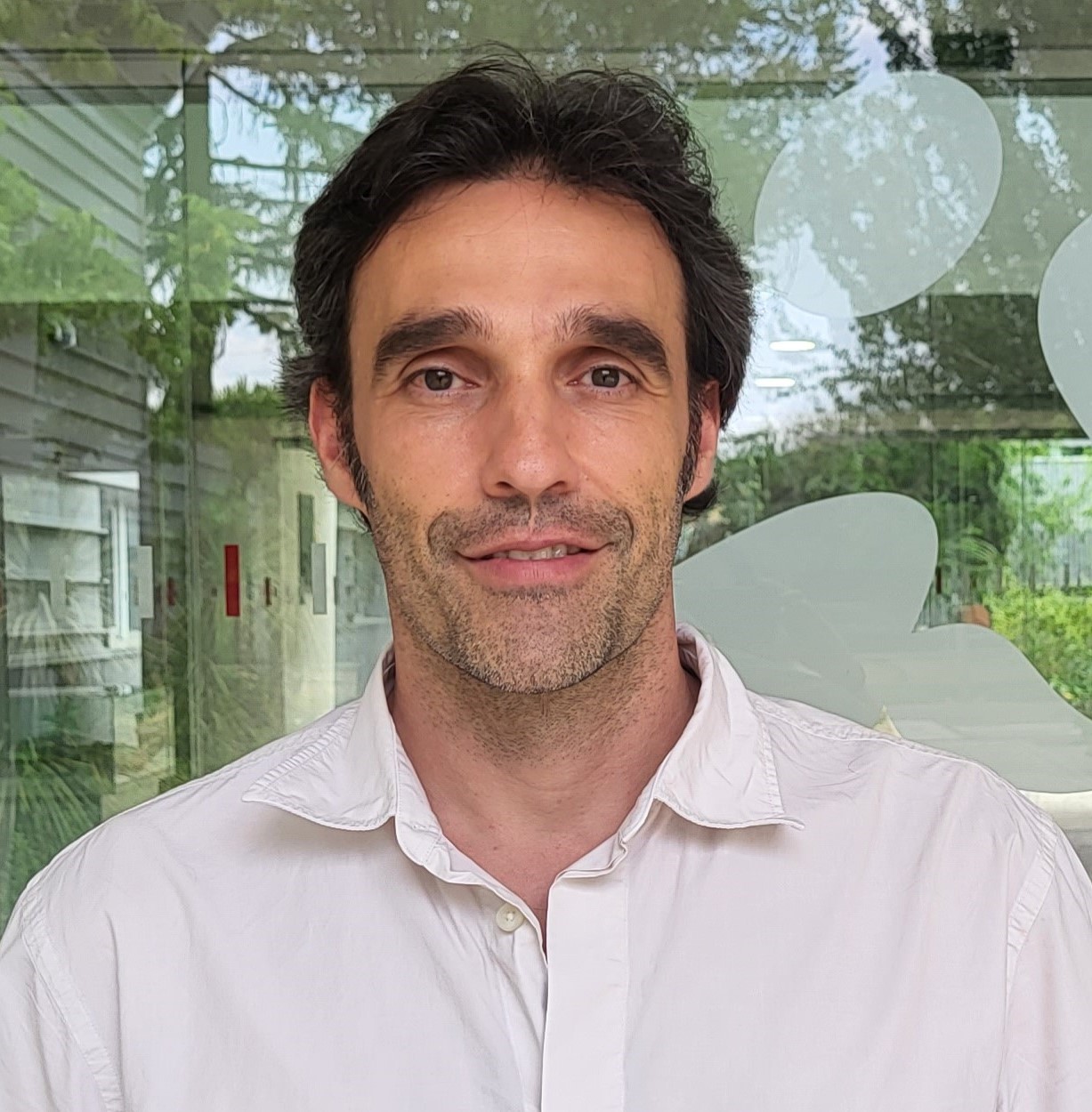
Javier García Pérez
Investigador Doctor
ORCID code: 0000-0001-7551-7803
Graduated in Biochemistry (1999) and Molecular Biology (2000) from the Autonomous University of Madrid (UAM), he obtained a predoctoral fellowship “ISCIII” in the AIDS Immunopathology laboratory, where he developed new techniques based on recombinant viruses. His doctoral thesis focused on the application of this technological development to the study of the replicative capacity of HIV-1 and its resistance to antiretroviral drugs, obtaining the degree of Doctor of Science from the UAM in 2007.
Thanks to a short postdoc in 2008 and several stays between 2009 and 2015 at the Viral Pathogenesis Unit of the Institut Pasteur in Paris he extended his training in the study of HIV-1 envelope and tropism. Between 2015 and 2019 he rejoins the AIDS Immunopathology Unit at ISCIII, focusing his work on the study of the functional capacity of founder viruses, as well as variants of the virus with interest in Public Health due to its recent expansion in our country. He is currently leading a project on the study of a mutation in transportin 3 observed in patients with a very rare muscular dystrophy (LGMDD2) that confers protection against HIV-1 infection.
During the last 5 years he combines this activity in HIV-1 with the participation and leadership of different clinical trials and studies investigating the immunity generated in people vaccinated against SARS-CoV-2 infection.
Since 2024 he is a “Investigador Doctor fuera de Convenio” at the Spanish National Centre of Microbiology and he currently coordinates together with Dr. Francisco Díez Fuertes the AIDS Immunopathology Unit.
-
Miguel Thomson
Research Professor. Head of Unit
-

Eloisa Yuste Herranz
Staff Scientist
ORCID code: 0000-0002-9484-9974
She holds a Bachelor's and a Ph.D. in Biological Sciences from the Complutense University of Madrid. She completed her first postdoctoral stay (1998–2001) at the “Severo Ochoa” Molecular Biology Center (Madrid). In 2001, she undertook a second postdoctoral stay at Harvard Medical School (USA), where she was promoted to Associate Researcher in 2005.
In 2008, she joined the August Pi i Sunyer Biomedical Research Institute (Barcelona) as a Ramón y Cajal Researcher, later being promoted to I3 Researcher in 2011 at the same institution. In 2016, she joined the National Center for Microbiology at the Carlos III Health Institute (Madrid) as a Distinguished Researcher. In 2018, she was promoted to Tenured Scientist at the same institution.
Her research has focused on the study of humoral immunity against HIV-1 and the development of preventive HIV-1 vaccine prototypes. She is currently co-leading, alongside Dr. Víctor Sánchez Merino, the newly established Humoral Immunity and HIV Vaccines Unit.
-
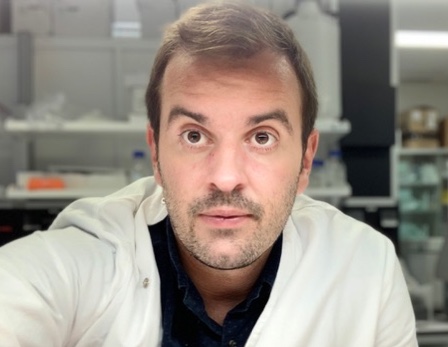
Francisco Díez Fuertes
Investigador Doctor Indefinido
ORCID code: 0000-0003-2413-9229
Degree in Biology from the University of León, PhD specialized in molecular virology from the Complutense University of Madrid in 2010 and master's degree in bioinformatics and computational biology from the same university in 2012. He has done research stays at University of Illinois at Urbana Champaign (USA) in 2010, Nebraska Center for Virology (USA) in 2011, Institut Pasteur (France) in 2013 and J. Craig Venter Institute (USA) in 2015-2016.
He joined the AIDS Immunopathology Unit in 2013 with a contract from the “Sara Borrell” postdoctoral program. After a period at the August Pi i Sunyer Biomedical Research Institute in Barcelona he rejoins the AIDS Immunopathology Unit in 2020 as a PhD researcher.
His lines of research have focused on the genomic and transcriptomic characterization of extreme phenotypes in HIV-1 infection, including long-term non-progressors and elite controllers. He collaborates with other laboratories of the center in the analysis of outbreaks caused by viruses with interest in Public Health, as well as in evolutionary studies on genomic epidemiology. Since 2020 he has led different clinical studies on COVID-19. Currently, he combines omics sciences with different bioinformatics tools to answer different scientific questions in the field of virology, especially in HIV-1 and SARS-CoV-2 research. He currently coordinates together with Dr. Javier García Pérez the AIDS Immunopathology Unit.
-
María Pernas Escario
Senior Specialized Technician of Public Research Organizations (OPIs)
ORCID code: 0000-0003-2966-0160
-
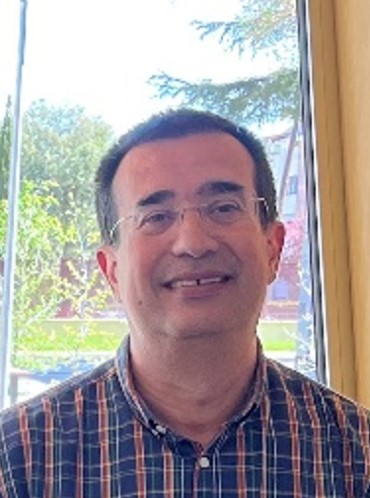
Victor Sánchez Merino
Distinguished Scientist
ORCID code: 0000-0001-9400-427X
He holds a Bachelor's and a Ph.D. in Pharmacy from the Complutense University of Madrid, specializing in virology and molecular biology. His research has focused on the study of HIV and EBV. His doctoral thesis addressed the evolution of HIV-1 and the restoration of mutant HIV-1 reverse transcriptase function.
He completed a postdoctoral stay at Harvard University, investigating new viral interactions (2001–2003). At the University of Massachusetts, he explored CD8+ T lymphocyte responses in vertical HIV transmission (2003–2008).
In Spain, at the Hospital Clínico-IDIBAPS (Barcelona; 2008–2017) and the Carlos III Health Institute (Madrid; 2017–Present), he has led research on HIV-1 neutralizing antibodies and the design of preventive vaccines.He is currently co-leading, alongside Dr. Eloísa Yuste Herranz, the newly established Humoral Immunity and HIV Vaccines Unit. Additionally, he is a professor and principal investigator at Alfonso X el Sabio University (Madrid).
-

Nuria González Fernández
Investigadora Contratada indefinida
ORCID code: 0000-0002-0087-5144
She completed her PhD in 2007 (Universidad Autónoma de Madrid), focused on the development of an envelope recombinant virus system to characterize HIV-1 tropism, as well as on the study of the role of the chemokine CXCL12 in virus propagation at the infectious synapse. Part of this work was carried out in the laboratory of Dr. Quentin Sattentau at the University of Oxford.
During her postdoctoral period, she expanded her research on the mechanisms of HIV entry and specialized in the study of the neutralizing response. She developed a system to measure neutralizing activity, which has been used in clinical trials of HIV vaccine candidates. During a stay at the Vaccine Research Center, NIH (USA), she acquired experience in various techniques for the characterization of broadly neutralizing antibodies, leading to new collaborations and research projects, which she is currently developing in the AIDS Immunopathology Unit of the Carlos III Health Institute.
She has participated in research networks such as EAVI2020 (co-PI), CIBERINFEC, RIS and EUROPRISE (EU). Since 2014 she is a professor of the Master in Microbiology applied to Public Health and Infectious Diseases Research at the University of the University of Alcalá and, since 2023, of the Master in Human Immunodeficiency Virus Infection at the University Rey Juan Carlos.
-

Almudena Rubio Perez
Research Assistant
ORCID code: 0009-0006-4687-7555
Graduated in Biochemistry from the University of Córdoba (Andalusia, Spain) with a master's degree in Biomedicine from the University of Cádiz (Andalusia, Spain). She is currently part of the Humoral Immunity and HIV Vaccines Unit (IHV) at the National Center for Microbiology (CNM) under a Youth Guarantee contract funded by the Community of Madrid and is pursuing a Ph.D. in the Microbiology and Parasitology program at the Complutense University of Madrid.
-
Virginia Sandonís Martín
Senior Specialized Technician of Public Research Organizations (OPIs)
ORCID code: 0000-0001-5762-7531
-
Mercedes Bermejo Herrero
Investigadora post-doctoral contratada
ORCID code: 0000-0001-9909-8578
Degree and PhD in Biological Sciences (Biochemistry and Molecular Biology) from the Autonoma University of Madrid. Her doctoral thesis studied the expression of CXCR4 and SDF-1/CXCL12 in lymphocytes and dendritic cells and their implications in HIV-1 infection.
She has completed internships in various laboratories: the Immunology Department of the Gregorio Marañón University Hospital in Madrid, the Research Center of the 12 de Octubre University Hospital in Madrid (where she was head of the flow cytometry service) and is currently at the CNM (National Research Center) of the Carlos III Health Institute.
Her research interests have focused on the study of HIV biology and its interaction with the immune system. She has currently participated in clinical trials, CombiVacs and ENE-Covid Senior, and in collaboration with Hipra.
-
Rosa Fuentes Fernández
Laboratory Technician
-

Rubén Ayala Suárez
Técnico Superior Especializado OPI
ORCID code: 0000-0002-1271-646.
Graduated in Biotechnology from the University of Cadiz (2015), Master in Microbiology of Infectious Diseases (2016) and PhD in Functional Biology from the University of Alcalá (2023). He carried out his PhD Thesis at the AIDS Immunopathology laboratory (CNM) on post-translational epigenetic mechanisms of natural control of HIV infection. In the same period, he completed a Diploma in Bioinformatics at Pablo de Olavide University (2021).
In 2023 he joined as a postdoctoral researcher in the HIV and AIDS research group at the August Pi i Sunyer Biomedical Research Institute (Barcelona), where he worked on the relationship of HIV and senescence until his incorporation as a Técnico Superior Especializado in the AIDS Immunopathology unit of the Spanish National Center of Microbiology (ISCIII) in 2025.
The main research projects in which he participates focus on resistance and natural control to HIV infection, as well as the evaluation of the immune response in vaccine trials, using mainly bioinformatics techniques focused on massive sequencing (RNA-Seq, single-cell, genome sequencing), the application of biostatistics and machine learning in data management.
-
-

Almudena Cascajero Díaz
Técnico de laboratorio
ORCID code: 0000-0002-9654-3100
Técnico Superior de Actividades Técnicas y Profesionales (Unidades de Inmunopatología del SIDA y Legionella, Centro Nacional de Microbiología). Clinical Diagnostic Laboratory Technician by IES Renacimiento de Madrid.
Experience in cloning techniques and characterization of neutralizing antibodies and participation in different projects on the pathogenesis of HIV by studying the viral envelope and the mechanisms of resistance to antiretroviral drugs. This experience has subsequently allowed me to participate in 5 multicenter clinical studies studying the immune response against different variants of SARS-CoV-2.
Since 2021, I also participate as a laboratory technician in the Legionella Unit as a support to the Spanish National Health System through the microbiological surveillance of the disease to contribute to the prevention and control of legionellosis.
-

Manuela Beltrán Vicente
Técnico de Laboratorio Indefinido
ORCID code: 0000-0001-6185-2280
Senior Technician of Technical and Professional Activities (AIDS Immunopathology Unit, Spanish National Center of Microbiology).
Clinical Analysis Laboratory Specialist Technician by IES Las Musas (Madrid, 1996). Demonstrated experience in the development of strategies against HIV, focused on the screening of compounds of both natural and synthetic origin with antiviral activity and identification and evaluation of potential therapeutic agents, as well as the screening of serological samples for the study of immunity for the identification of possible strategies for the development of vaccines against HIV. -

Silvia Jara Herrera
Técnico de Laboratorio Contratado CIBERINFEC
ORCID code: 0009-0001-2842-2040
Clinical and Biomedical Diagnostic Laboratory Technician.
She is currently working in the AIDS Immunopathology Unit of the Spanish National Center of Microbiology (ISCIII) with a contract through the Spanish Biomedical Research Networking Centre in Infectious Diseases (CIBER-INFEC).
She worked from March 2020 to September 2024 at the Department of Animal Health (Faculty of Veterinary Medicine) of the Universidad Complutense de Madrid.
She has experience in serological techniques (ELISA, Western Blot and IFA), cell culture and molecular biology.
-

Irene Díaz Marín
Técnico de laboratorio contratado
Clinical and Biomedical Diagnostics laboratory technician by CIFP Politécnico de Murcia-CESUR and graduated in Journalism from the Complutense University of Madrid.
She is currently at the AIDS Immunopathology Unit of the Spanish National Center of Microbiology with a contract of the “Garantía Juvenil” program (Community of Madrid), where she performs technical tasks in several research projects about HIV-1 and COVID-19.
-

Lorena Vigón Hernandez
Tenured Specialized Technician from OPIs
ORCID code: 0000-0002-6405-4054
Graduate in Health Biology and PhD in Health Sciences from the University of Alcalá de Henares. In 2016, she joined the CNM-ISCIII under a Youth Guarantee contract funded by the Community of Madrid, and in 2018 she was awarded a pFIS fellowship, which enabled her to remain at the same institution. Subsequently, in 2022, she was appointed as a Tenured Specialized Technical Staff of the Spanish Public Research Organizations (OPIs).
Her research has primarily focused on elucidating the mechanism of action of tyrosine kinase inhibitors in HIV-1 infection (PMID: 32828803; PMID: 34186065), as well as on the identification of biomarkers that could predict COVID-19 severity (PMID: 34616404; PMID: 34122423; PMID: 35960731).
She is currently a member of the recently established Humoral Immunity and HIV Vaccines Unit, led by Dr. Eloisa Yuste and Dr. Victor Sanchez-Merino.
Actualmente forma parte de la recientemente creada Unidad de Inmunidad Humoral y Vacunas frente al VIH, liderada por la Dra. Eloísa Yuste Herranz y el Dr. Víctor Sánchez Merino.
-
Laura Capa Muñoz
Investigadora post-doctoral contratada
ORCID code: 0000-0002-0234-331X
Degree in Biological Sciences from the Universidad Autónoma de Madrid and PhD from the Universidad Complutense de Madrid, she has a master's degree in AIDS (Universidad Complutense de Madrid) and a master's degree in HIV infection (Universidad Rey Juan Carlos de Madrid).
Professional activity developed mainly in the study of infectious diseases, both in the field of basic research in public research centers and in the pharmaceutical industry, as well as in the field of public health and scientific management. She has worked in the international response to the HIV pandemic, representing the Ministry of Health as an expert in meetings of the European Commission and collaborated with the WHO. At the Instituto de Salud Carlos III, she has led the scientific management of national and European projects in the AIDS Immunopathology Unit and has been part of the Institute's Data Protection Working Group. Currently, she continues to coordinate the Cohort of Long-Term Non-Progressing Patients created by the Spanish AIDS Research Network (RIS), is part of the coordination team of the PhD Program in Biomedical Sciences and Public Health IMIENS-UNED-ISCIII and of the Institute's Working Group on Equality.

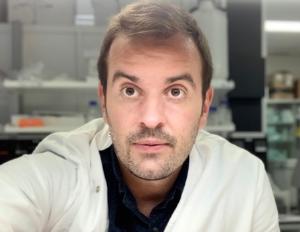


List of staff
Additional Information
Our general objective is to provide early knowledge about any emerging antibiotic resistance mechanism in our country. This contribution of knowledge is based on transversal objectives that we consider key, such as 1) the ability to adapt research to emerging resistance problems, 2) the promotion of cooperative and multidisciplinary research studies working in networks with different Spanish and foreign centers, 3) the transfer of research results in an agile way to the clinical practice of the national health system, and 4) the promotion of the interrelation of research with reference, advice, training and dissemination seeking the empowerment of all.
More specifically, our main scientific objectives are the characterization of the molecular bases of antibiotic resistance in pathogenic bacteria, the study of the molecular epidemiology and population structure of resistant bacteria, the characterization of the mobile genetic elements that carry resistance genes, and the development of diagnostic techniques and therapeutic alternatives against bacteria with extensive resistance to antibiotics. In this sense, research into the dissemination pathways of Enterobacteriaceae, Acinetobacter baumannii and carbapenemase-producing Pseudomonas aeruginosa (as a paradigm of extensive resistance and pan-resistance) is one of our current priority objectives.
Our general objective is to provide early knowledge about any emerging antibiotic resistance mechanism in our country. This contribution of knowledge is based on transversal objectives that we consider key, such as 1) the ability to adapt research to emerging resistance problems, 2) the promotion of cooperative and multidisciplinary research studies working in networks with different Spanish and foreign centers, 3) the transfer of research results in an agile way to the clinical practice of the national health system, and 4) the promotion of the interrelation of research with reference, advice, training and dissemination seeking the empowerment of all.
More specifically, our main scientific objectives are the characterization of the molecular bases of antibiotic resistance in pathogenic bacteria, the study of the molecular epidemiology and population structure of resistant bacteria, the characterization of the mobile genetic elements that carry resistance genes, and the development of diagnostic techniques and therapeutic alternatives against bacteria with extensive resistance to antibiotics. In this sense, research into the dissemination pathways of Enterobacteriaceae, Acinetobacter baumannii and carbapenemase-producing Pseudomonas aeruginosa (as a paradigm of extensive resistance and pan-resistance) is one of our current priority objectives.