



We protect your health through science
Investigation
Reference and Research on Helminths
Research Lines
Content with Investigacion .
Research Lines:
1. Molecular mechanisms associated to the protection of HIV-1 infection in limb-girdle muscular dystrophy dominant D2 (LGMDD2) patients.
2. Generation of neutralizing antibodies for therapeutic use based on the broad-spectrum neutralizing response against founder viruses.
3. Characterization of the immune memory against SARS-CoV-2 in a population over 65 years of age.
4. Screening and characterization of new anti-latency drugs against HIV-1.
5. Study of viral entry and HIV tropism in viruses of special epidemiological relevance in Spain.
6. Genetic mechanisms of protection and control of HIV-1 infection in populations with extreme phenotypes.
Clinical studies:
1. Phase 1 clinical trial to evaluate the safety and immunogenicity of HIV-1 envelope-based 763SIP8/MPLA-5 vaccine as a preventive vaccine in healthy uninfected adults.
2. ENE-COVID-Senior: Prospective observational study in a cohort of elderly nursing home residents to establish their immune status after receiving a complete vaccination regimen.
Implementation of new technologies:
1. Identification of HIV-1 integration sites by deep sequencing.
2. Single cell transcriptomics with simultaneous TCR/BCR sequencing.
3. Epidemiological intelligence for prediction of SARS-CoV-2 variants likely to emerge in different vaccination settings.
Research projects
Content with Investigacion .
1. Immune response to SARS-CoV-2 infection: effect in naïve vaccinees and seropositives against the most transmissible variants and relevance of host genetics.
Principal Investigator: Javier García Pérez.
Funding Agency: Acción Estratégica en Salud Intramural 2021(ISCIII)
Funding: 135.000 €
Duration: 2022-2025.
Project Reference: PI21CIII/00025.
2. Design and generation of viral stocks of new SARS-CoV-2 variants (omicron subvariants) and analysis of their susceptibility to antibodies neutralization.
Principal Investigator: Javier García Pérez.
Funding Agency: Hipra Scientific S.L.U.
Funding: 103.771 €
Duration: 2023-2025.
Project Reference: MVP 198/23.
3. Characterization of a mutation in transportin 3 that protects against HIV infection: molecular mechanisms and discovery of new drugs.
Principal Investigator: José Alcamí y Javier García Pérez.
Funding Agency: Proyectos de I+D+I, Generación de Conocimiento y Retos Investigación de la Agencia Estatal de Investigación.
Funding: 240.000 €
Duration: 2022-2026.
Project Reference: PID2021-125978OB-C21 funded by MICIU/AEI/10.13039/501100011033 and by FEDER, UE

4. Generation of immunogens based on HIV-1 envelopes from acutely infected individuals with a broad neutralizing response against founder viruses.
Principal investigator: Nuria González Fernández.
Funding Agency: Acción Estratégica en Salud Intramural 2023 (ISCIII)
Funding: 82.000 €
Duration: 2024-2026.
Project Reference: PI23CIII/00039.
5. Phase 1 clinical trial to evaluate the safety and immunogenicity of HIV-1 envelope-based 763SIP8/MPLA-5 vaccine.
Principal Investigator: Josep Mallolas Masferrer.
Funding Agency: Proyectos de Investigación Clínica Independiente, Acción Estratégica en Salud 2021-2023 (ISCIII).
Funding: 173.200 €
Duration: 2024-2026.
Project Reference: ICI23/00025.
6. Service of immunological determinations of the ENE-COVID SENIOR II protocol.
Principal Investigator: Mayte Pérez Olmeda y Javier García Pérez.
Funding Agency: Fundación para la investigación biomédica del Hospital Universitario La Paz
Funding: 185.037 €
Duration: 2024-2025.
Project Reference: MOTR 219/24.
7. Characterization of the immune memory against SARS-CoV-2 in a population over 65 years of age using single cell transcriptomics.
Principal Investigator: Javier García Pérez y Francisco Díez Fuertes.
Funding Agency: Acción Estratégica en Salud Intramural 2021(ISCIII)
Funding: 152.000 €
Duration: 2025-2027.
Project Reference: PI24CIII/00058
8. Evaluation of rimonabant and cannbinooid analogues in HIV infection and viral latency.
Principal Investigator: Luis Miguel Bedoya del Olmo.
Funding Agency: Universidad Complutense de Madrid
Funding: 12.000 €
Duration: 2024-2025.
Project Reference: PR12/24-31553.
9. Discovery of new inhibitors of HIV-1 RNA biogenesis based on blocking the ribonucleoprotein RRE-Rev.
Principal Investigator: José Gallego Sala. Associate Researcher: Luis Miguel Bedoya del Olmo
Funding Agency: Department of Innovation, Universities, Science and Digital Society. Generalitat Valenciana.
Funding: 543,683.84 €
Duration: 2025-2027.
Project Reference: PROMETEO/2021/036.
Publications
Protein malnutrition impairs the immune response and influences the severity of infection in a hamster model of chronic visceral leishmaniasis.
7. Carrillo E, Jimenez MA, Sanchez C, Cunha J, Martins CM, da Paixão Sevá A, Moreno J. Protein malnutrition impairs the immune response and influences the severity of infection in a hamster model of chronic visceral leishmaniasis. PLoS One. 2014 Feb 25;9(2):e89412.
PUBMED DOIMolecular typing of Leishmania infantum isolates from a leishmaniasis outbreak in Madrid, Spain, 2009 to 2012
9. Chicharro C, Llanes-Acevedo IP, García E, Nieto J, Moreno J, Cruz I. Molecular typing of Leishmania infantum isolates from a leishmaniasis outbreak in Madrid, Spain, 2009 to 2012. Euro Surveill. 2013 Jul 25;18(30):20545.
PUBMED DOIHigh levels of anti-Phlebotomus perniciosus saliva antibodies in different reservoirs from the re-emerging leishmaniasis focus in Madrid, Spain.
2. Martín-Martín I, Molina R, Rohoušová I, Drahota J., Volf P, Jiménez M. High levels of anti-Phlebotomus perniciosus saliva antibodies in different reservoirs from the re-emerging leishmaniasis focus in Madrid, Spain. Vet Parasitol 2014, 202: 207–216.
PUBMED DOICould wild rabbits (Oryctolagus cuniculus) be reservoirs for Leishmania infantum in the focus of Madrid, Spain?
3. Jiménez M, González E, Martín-Martín I, Hernández S, Molina R. Could wild rabbits (Oryctolagus cuniculus) be reservoirs for Leishmania infantum in the focus of Madrid, Spain?. Vet Parasitol 2014, 202: 296–300.
PUBMED DOIReview of ten-years presence of Aedes albopictus in Spain 2004–2014: known distribution and public health concerns.
5. Collantes F, Delacour S, Alarcón-Elbal PM, Ruiz-Arrondo I, Delgado JA, Torrell-Sorio A, Bengoa M, Eritja R, Miranda MA, Molina R, Lucientes J. Review of ten-years presence of Aedes albopictus in Spain 2004–2014: known distribution and public health concerns. Parasit Vectors. 2015 Dec 23;8:655.
PUBMED DOIPhleboviruses detection in Phlebotomus perniciosus from a human leishmaniasis focus in South-West Madrid region, Spain.
6. Remoli ME, Jiménez M, Fortuna C, Benedetti E, Marchi A, Genovese D, Gramiccia M, Molina R, Ciufolini MG. Phleboviruses detection in Phlebotomus perniciosus from a human leishmaniasis focus in South-West Madrid region, Spain. Parasit Vectors 2016, 9:205.
PUBMED DOIInfectivity of Post-Kala-azar Dermal Leishmaniasis patients to sand flies: revisiting a proof of concept in the context of the Kala-azar Elimination Program in the Indian subcontinent.
7. Molina R, Ghosh D, Carrillo E, Monnerat S, Bern C, Mondal D, Alvar J. Infectivity of Post-Kala-azar Dermal Leishmaniasis patients to sand flies: revisiting a proof of concept in the context of the Kala-azar Elimination Program in the Indian subcontinent. Clin Infect Dis 2017, 65:
PUBMED DOIPrevalence and molecular characterization of Strongyloides stercoralis, Giardia duodenalis, Cryptosporidium spp., and Blastocystis spp. isolates in schoolchildren in Cubal, Central Angola
2. Dacal E, Saugar JM, de Lucio A, Hernández de Mingo M, Robinson E, Aznar Ruiz de Alegría ML, Espasa M, Ninda A, Gandasegui J, Sulleiro E, Moreno M, Salvador F, Molina I, Rodríguez E, Carmena D. 2018. Prevalence and molecular characterization of Strongyloides stercoralis, Giardia duodenalis, Cryptosporidium spp., and Blastocystis spp. isolates in schoolchildren in Cubal, Central Angola. Parasites and Vectors, 11: 67.
PUBMED DOIContent with Investigacion .
-
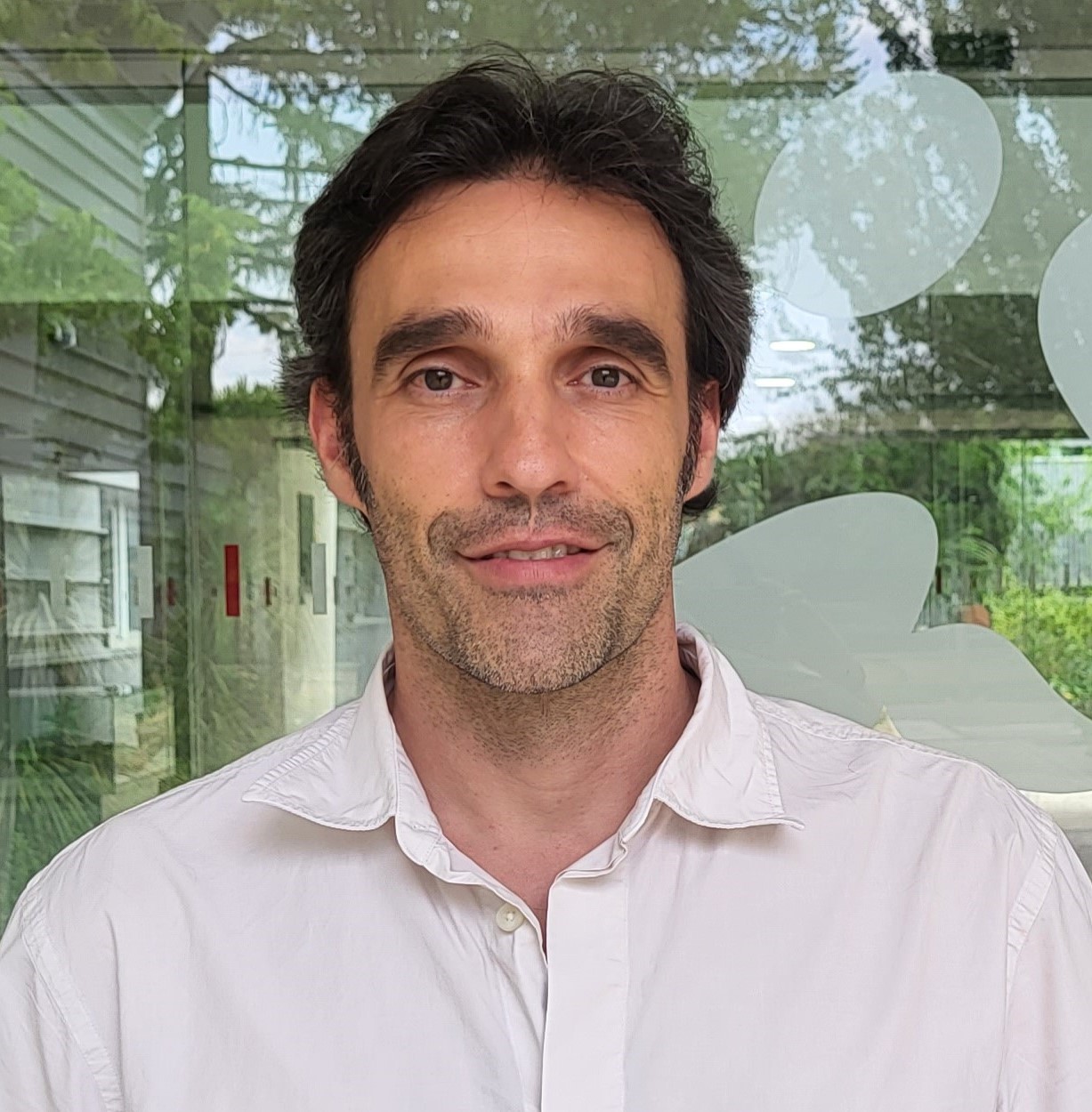
Javier García Pérez
Investigador Doctor
ORCID code: 0000-0001-7551-7803
Graduated in Biochemistry (1999) and Molecular Biology (2000) from the Autonomous University of Madrid (UAM), he obtained a predoctoral fellowship “ISCIII” in the AIDS Immunopathology laboratory, where he developed new techniques based on recombinant viruses. His doctoral thesis focused on the application of this technological development to the study of the replicative capacity of HIV-1 and its resistance to antiretroviral drugs, obtaining the degree of Doctor of Science from the UAM in 2007.
Thanks to a short postdoc in 2008 and several stays between 2009 and 2015 at the Viral Pathogenesis Unit of the Institut Pasteur in Paris he extended his training in the study of HIV-1 envelope and tropism. Between 2015 and 2019 he rejoins the AIDS Immunopathology Unit at ISCIII, focusing his work on the study of the functional capacity of founder viruses, as well as variants of the virus with interest in Public Health due to its recent expansion in our country. He is currently leading a project on the study of a mutation in transportin 3 observed in patients with a very rare muscular dystrophy (LGMDD2) that confers protection against HIV-1 infection.
During the last 5 years he combines this activity in HIV-1 with the participation and leadership of different clinical trials and studies investigating the immunity generated in people vaccinated against SARS-CoV-2 infection.
Since 2024 he is a “Investigador Doctor fuera de Convenio” at the Spanish National Centre of Microbiology and he currently coordinates together with Dr. Francisco Díez Fuertes the AIDS Immunopathology Unit.
-
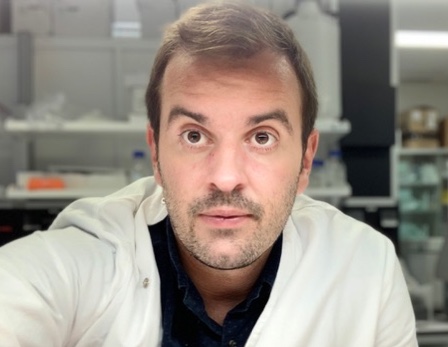
Francisco Díez Fuertes
Investigador Doctor Indefinido
ORCID code: 0000-0003-2413-9229
Degree in Biology from the University of León, PhD specialized in molecular virology from the Complutense University of Madrid in 2010 and master's degree in bioinformatics and computational biology from the same university in 2012. He has done research stays at University of Illinois at Urbana Champaign (USA) in 2010, Nebraska Center for Virology (USA) in 2011, Institut Pasteur (France) in 2013 and J. Craig Venter Institute (USA) in 2015-2016.
He joined the AIDS Immunopathology Unit in 2013 with a contract from the “Sara Borrell” postdoctoral program. After a period at the August Pi i Sunyer Biomedical Research Institute in Barcelona he rejoins the AIDS Immunopathology Unit in 2020 as a PhD researcher.
His lines of research have focused on the genomic and transcriptomic characterization of extreme phenotypes in HIV-1 infection, including long-term non-progressors and elite controllers. He collaborates with other laboratories of the center in the analysis of outbreaks caused by viruses with interest in Public Health, as well as in evolutionary studies on genomic epidemiology. Since 2020 he has led different clinical studies on COVID-19. Currently, he combines omics sciences with different bioinformatics tools to answer different scientific questions in the field of virology, especially in HIV-1 and SARS-CoV-2 research. He currently coordinates together with Dr. Javier García Pérez the AIDS Immunopathology Unit.
-

Nuria González Fernández
Investigadora Contratada indefinida
ORCID code: 0000-0002-0087-5144
She completed her PhD in 2007 (Universidad Autónoma de Madrid), focused on the development of an envelope recombinant virus system to characterize HIV-1 tropism, as well as on the study of the role of the chemokine CXCL12 in virus propagation at the infectious synapse. Part of this work was carried out in the laboratory of Dr. Quentin Sattentau at the University of Oxford.
During her postdoctoral period, she expanded her research on the mechanisms of HIV entry and specialized in the study of the neutralizing response. She developed a system to measure neutralizing activity, which has been used in clinical trials of HIV vaccine candidates. During a stay at the Vaccine Research Center, NIH (USA), she acquired experience in various techniques for the characterization of broadly neutralizing antibodies, leading to new collaborations and research projects, which she is currently developing in the AIDS Immunopathology Unit of the Carlos III Health Institute.
She has participated in research networks such as EAVI2020 (co-PI), CIBERINFEC, RIS and EUROPRISE (EU). Since 2014 she is a professor of the Master in Microbiology applied to Public Health and Infectious Diseases Research at the University of the University of Alcalá and, since 2023, of the Master in Human Immunodeficiency Virus Infection at the University Rey Juan Carlos.
-
Mercedes Bermejo Herrero
Investigadora post-doctoral contratada
ORCID code: 0000-0001-9909-8578
Degree and PhD in Biological Sciences (Biochemistry and Molecular Biology) from the Autonoma University of Madrid. Her doctoral thesis studied the expression of CXCR4 and SDF-1/CXCL12 in lymphocytes and dendritic cells and their implications in HIV-1 infection.
She has completed internships in various laboratories: the Immunology Department of the Gregorio Marañón University Hospital in Madrid, the Research Center of the 12 de Octubre University Hospital in Madrid (where she was head of the flow cytometry service) and is currently at the CNM (National Research Center) of the Carlos III Health Institute.
Her research interests have focused on the study of HIV biology and its interaction with the immune system. She has currently participated in clinical trials, CombiVacs and ENE-Covid Senior, and in collaboration with Hipra.
-

Rubén Ayala Suárez
Técnico Superior Especializado OPI
ORCID code: 0000-0002-1271-646.
Graduated in Biotechnology from the University of Cadiz (2015), Master in Microbiology of Infectious Diseases (2016) and PhD in Functional Biology from the University of Alcalá (2023). He carried out his PhD Thesis at the AIDS Immunopathology laboratory (CNM) on post-translational epigenetic mechanisms of natural control of HIV infection. In the same period, he completed a Diploma in Bioinformatics at Pablo de Olavide University (2021).
In 2023 he joined as a postdoctoral researcher in the HIV and AIDS research group at the August Pi i Sunyer Biomedical Research Institute (Barcelona), where he worked on the relationship of HIV and senescence until his incorporation as a Técnico Superior Especializado in the AIDS Immunopathology unit of the Spanish National Center of Microbiology (ISCIII) in 2025.
The main research projects in which he participates focus on resistance and natural control to HIV infection, as well as the evaluation of the immune response in vaccine trials, using mainly bioinformatics techniques focused on massive sequencing (RNA-Seq, single-cell, genome sequencing), the application of biostatistics and machine learning in data management.
-
-

Almudena Cascajero Díaz
Técnico de laboratorio
ORCID code: 0000-0002-9654-3100
Técnico Superior de Actividades Técnicas y Profesionales (Unidades de Inmunopatología del SIDA y Legionella, Centro Nacional de Microbiología). Clinical Diagnostic Laboratory Technician by IES Renacimiento de Madrid.
Experience in cloning techniques and characterization of neutralizing antibodies and participation in different projects on the pathogenesis of HIV by studying the viral envelope and the mechanisms of resistance to antiretroviral drugs. This experience has subsequently allowed me to participate in 5 multicenter clinical studies studying the immune response against different variants of SARS-CoV-2.
Since 2021, I also participate as a laboratory technician in the Legionella Unit as a support to the Spanish National Health System through the microbiological surveillance of the disease to contribute to the prevention and control of legionellosis.
-

Manuela Beltrán Vicente
Técnico de Laboratorio Indefinido
ORCID code: 0000-0001-6185-2280
Senior Technician of Technical and Professional Activities (AIDS Immunopathology Unit, Spanish National Center of Microbiology).
Clinical Analysis Laboratory Specialist Technician by IES Las Musas (Madrid, 1996). Demonstrated experience in the development of strategies against HIV, focused on the screening of compounds of both natural and synthetic origin with antiviral activity and identification and evaluation of potential therapeutic agents, as well as the screening of serological samples for the study of immunity for the identification of possible strategies for the development of vaccines against HIV. -

Silvia Jara Herrera
Técnico de Laboratorio Contratado CIBERINFEC
ORCID code: 0009-0001-2842-2040
Clinical and Biomedical Diagnostic Laboratory Technician.
She is currently working in the AIDS Immunopathology Unit of the Spanish National Center of Microbiology (ISCIII) with a contract through the Spanish Biomedical Research Networking Centre in Infectious Diseases (CIBER-INFEC).
She worked from March 2020 to September 2024 at the Department of Animal Health (Faculty of Veterinary Medicine) of the Universidad Complutense de Madrid.
She has experience in serological techniques (ELISA, Western Blot and IFA), cell culture and molecular biology.
-

Irene Díaz Marín
Técnico de laboratorio contratado
Clinical and Biomedical Diagnostics laboratory technician by CIFP Politécnico de Murcia-CESUR and graduated in Journalism from the Complutense University of Madrid.
She is currently at the AIDS Immunopathology Unit of the Spanish National Center of Microbiology with a contract of the “Garantía Juvenil” program (Community of Madrid), where she performs technical tasks in several research projects about HIV-1 and COVID-19.
-
Laura Capa Muñoz
Investigadora post-doctoral contratada
ORCID code: 0000-0002-0234-331X
Degree in Biological Sciences from the Universidad Autónoma de Madrid and PhD from the Universidad Complutense de Madrid, she has a master's degree in AIDS (Universidad Complutense de Madrid) and a master's degree in HIV infection (Universidad Rey Juan Carlos de Madrid).
Professional activity developed mainly in the study of infectious diseases, both in the field of basic research in public research centers and in the pharmaceutical industry, as well as in the field of public health and scientific management. She has worked in the international response to the HIV pandemic, representing the Ministry of Health as an expert in meetings of the European Commission and collaborated with the WHO. At the Instituto de Salud Carlos III, she has led the scientific management of national and European projects in the AIDS Immunopathology Unit and has been part of the Institute's Data Protection Working Group. Currently, she continues to coordinate the Cohort of Long-Term Non-Progressing Patients created by the Spanish AIDS Research Network (RIS), is part of the coordination team of the PhD Program in Biomedical Sciences and Public Health IMIENS-UNED-ISCIII and of the Institute's Working Group on Equality.
-
José Alcamí Pertejo
Profesor de Investigación
ORCID code: 0000-0003-0023-7377
Degree in Medicine from the Universidad Autónoma and Doctor of Medicine from the Universidad Complutense de Madrid. Specialist in Internal Medicine at Hospital 12 de Octubre (1982-1986). Training in immunology by means of a Research Staff grant (1986-1988). Research associate at the Viral Immunology Unit of the Pasteur Institute in Paris (1988-1992) where he obtained a Master in Immunopathology from the Institute. Research Professor since 2015, he directed the AIDS Immunopathology Unit at the National Microbiology Center since 2000. Coordinator since 2003 of the Spanish AIDS Research Network, he participates as group leader in European networks of excellence whose objective is the development of new vaccines, drugs and microbicides against HIV/AIDS: EUROPRISE, AIM-HIV, CHAARM and EAVI2020. Since 2019 he has been the Scientific Director of the HIV Unit at the Hospital Clinic of Barcelona. He has been Professor of Immunology and Virology at the European University of Madrid between 2012 and 2014 and Director of the Master in Public Health and Research in Infectious Diseases at the University of Alcalá de Henares from 2014 to 2023.
Author of more than 200 scientific articles in high impact journals such as Nature, Nature Reviews in Microbiology, Nature Medicine, Lancet and Journal of Clinical Investigation and more than 80 chapters in books. Scientific disseminator through his YouTube channel and on the X platform. He has been principal investigator of more than 50 research projects, including European projects and an American NIH project.
Consultant for FIS and ANEP since 1992, member of the scientific council of the French Evaluation Agency in AIDS between 2008 and 2014, evaluator of EU FP6, FP7 and H2020 programs, member of the external scientific council of the Global Health Institute (Hospital Ramón y Cajal), scientific collaborator of the EMA and AEMPS where he has been part of the biotechnology, antivirals and vaccines committees. Scientific member of the EU Vaccelerate consortium and associate editor of the Journal of Virology, Frontiers in Cellular and Infection Microbiology and HIV medicine.
-
Paloma Jiménez Santana
Técnico de laboratorio contratado


List of staff
Additional Information
The research group that makes up the Helminth Reference and Research Laboratory (RIHE) of the CNM-ISCIII works on different aspects of helminth immunobiology, taking advantage of recombinant DNA approaches, omics sciences, bioinformatics tools and biochemical assays. The research is basically oriented towards:
- The biochemical and molecular characterization of parasitic antigens of interest.
- The analysis of the immune response produced in the host against these antigens and the molecular mechanisms of these diseases.
- To the development and improvement of diagnostic systems.
- The definition of helminth allergenic candidates.
- The design of possible vaccines and participation in helminthosis control and surveillance strategies.
- Search for antiparasitic drugs.
- Research into new therapeutic alternatives for autoimmune diseases using helminth molecules.
The group works on helminthosis projects caused by species of Taenia spp., Fasciola spp., Trichinella spp., Filarias, O. volvulus, Anisakis spp., Ancylostoma spp., Opisthorchis spp., Schistosoma spp. and with experimental models such as Nippostrongylus brasiliensis and Trichuris muris, among others.
The research group that makes up the Helminth Reference and Research Laboratory (RIHE) of the CNM-ISCIII works on different aspects of helminth immunobiology, taking advantage of recombinant DNA approaches, omics sciences, bioinformatics tools and biochemical assays. The research is basically oriented towards:
- The biochemical and molecular characterization of parasitic antigens of interest.
- The analysis of the immune response produced in the host against these antigens and the molecular mechanisms of these diseases.
- To the development and improvement of diagnostic systems.
- The definition of helminth allergenic candidates.
- The design of possible vaccines and participation in helminthosis control and surveillance strategies.
- Search for antiparasitic drugs.
- Research into new therapeutic alternatives for autoimmune diseases using helminth molecules.
The group works on helminthosis projects caused by species of Taenia spp., Fasciola spp., Trichinella spp., Filarias, O. volvulus, Anisakis spp., Ancylostoma spp., Opisthorchis spp., Schistosoma spp. and with experimental models such as Nippostrongylus brasiliensis and Trichuris muris, among others.