



We protect your health through science
Investigation
Reference and Research on Helminths
Research Lines
Content with Investigacion .
The Immunobiology group has been working for years on the following lines of research:
1) The mechanisms of haematopoietic cell generation throughout ontogeny and the influence that the first haematopoietic cells exert on the innate and adaptive immune system present in the adults. We have identified and characterised a new population of B lymphocytes called B1-Rel (B220lo), which produce high levels of natural IgG/IgA antibodies. We sought to understand their role in the immune response in animal models of infection, analysing their impact on immune cell populations and on the production of soluble mediators (cytokines and immunoglobulins). In this regard, we have evaluated the generation of embryonic megakaryocytes (and their differentiation niches), their functionality and that of platelets, and their influence on haematopoietic development. For lymphoid populations, we have carried out extensive characterisation by flow cytometry and single cell RNA sequencing (scRNAseq) methodology. To carry out these cellomic studies, we have designed complex panels for use in multiparametric phenotypic analysis, and single cell cytometry and RNAseq omics technologies on purified cell populations.

In parallel, we are interested in understanding local immune responses in respiratory infections at times of particular susceptibility due to the fragility of the immune system (childhood and old age), both in mouse animal models, which allow their manipulation, and in humans.
2) Mouse models studied during neonatal life, in which we evaluated the effect of antibiotic (AB) treatment and addressed the role of TLR receptors in innate, pseudo-innate and adaptive immune cell populations. In these models, we observed that AB administration was able to modulate B-lymphoid populations, as well as their ability to secrete proinflammatory cytokines in culture and their differentiation into plasma cells, with differentiated immunoglobulin repertoires. Furthermore. These effects were mediated through the Toll-like receptor-2 (TLR2).

3) Mouse models with accelerated senescence (SAMP8) and senescent animals (over 20 months of age) to map lymphoid populations and soluble mediators of the immune response (immunoglobulins and cytokines). In these models, the B lymphoid populations (B1Rel and marginal zone B lymphocytes) are observed to be altered, accompanied by an increase in IgG1 with great restriction of their VDJ repertoires.

4) Role of the B1Rel population in animal models of local or systemic infection. We analysed the response to Streptoccoccus pneumoniae (SPN) locally in the lung and systemically in the spleen, as well as the role of TLR4 in these responses.

5) In humans, we are studying immune responses in children with respiratory syncytial virus (RSV) viral primo-infection. In this case we studied the immune response that occurs locally in the nasal mucosa (by analysis of nasal washings, NW) in a cohort of infected children versus healthy controls, stratified by age. We found that lymphomyeloid cells accumulate in these nasal washings in patients with diverse lymphocyte populations, as well as cytokines and immunoglobulins.

6) Analysis and characterisation of extracellular vesicles produced during respiratory infection both in lung supernatants from models of SPN infection and in LN in the case of children with RSV infection.

7) In parallel, we carry out studies of the genetic rearrangements of immunoglobulins and their use in the generation of chimeric receptors for possible use in immunotherapy.
Research projects
Content with Investigacion .
-Project “Induction, differentiation and modulation of resident B lymphocytes in the lung in response to pneumococcus (NEUBLUNG)”. Ministry of Science and Innovation, PID2022-141754OB-I00 Call 2022 "Knowledge Generation Projects". 09/01/2023-08/31/2026. Financed by MICIU/AEI /10.13039/501100011033 and by ERDF, EU. PI: Belén by Andrés Muguruza. CoPI: María Luisa Gaspar Alonso-Vega.

-Project." Immune response of the nasal mucosa in childhood bronchiolitis” Instituto de Salud Carlos III-AESI. AESI-PI22CIII/00030 PI: Belén by Andrés Muguruza. CoPI Maria Luisa Gaspar Alonso-Vega. 01/01/2023-12/31/2025..
-Project. BenBedPhar. CA20121, European Union. Antonio Cuadrado. (CNM-ISCIII).10/19/2021-10/18/2025.
-Spanish Association Against Cancer Project “Novel comprehensive immunotherapy to specifically target the malignant clone in Sézary syndrome, an ultra-rare cancer of mature T lymphocytes”, number PROYE20084REGU. PI: José Ramón Regueiro, PI group Maria Luisa Gaspar. 01/01/2021-12/31/2023.
Project “The pulmonary immune system in homeostasis and infection: characterization and function of immature and pseudoinnate lymphoid populations.” MINECO-RETOS RTI2018-099114-B-100. PI: Maria Luisa Gaspar, CoPI: Belén de Andrés 01/01/2019-12/31/2022. Financed by MICIU/AEI /10.13039/501100011033/ and by FEDER A way of making Europe.

-Project “New B lymphoid populations: B1-rel pseudoinnate cells, homeostatic maintenance and their response under infection conditions.” MINECO-RETOS SAF2015-70880-R. PI: Maria Luisa Gaspar. 01/01/2016-12/31/2019.

-Project “Role of CD19+CD45R lymphocytes- in perinatal immune responses. Implications related to respiratory diseases in neonates. AESI PI14CIII/00049; PI Belén de Andrés. 2015-2018.
-Project “Study of the pseudo-innate population of CD19+CD45R- B lymphocytes in TLR-dependent infection models”. AESI PI11/01733FIS. PI Belén de Andrés. 2012-2015.
-Project." Cellular interactions in the establishment of B lymphoid differentiation niches: role of megakaryocytes and their implications in pathology. MINECO; SAF2012-33916. Maria Luisa Gaspar. 01/01/2013-12/31/2015.
-ISCIII Platforms Project to support R&D&I in Biomedicine and Health Sciences. PT23CIII/00006. 2023. Participating researcher: Isabel Cortegano.
-Research contracts between the Carlos III Health Institute and Inmunotek S.L. for the development of the Bactek-mv130 and Uromune-MV140 study in protection against S. pneumoniae infections. Immunotek. IP: Belen de Andrés 2019-2021.
-Research contract between the Carlos III Health Institute and Inmunotek S.L. “MV130 as a vaccine model based on trained immunity against respiratory infections due to pneumococcus and respiratory syncytial virus”, CAM Call. Industrial Doctorates. IND2023/BMD-27071. PI: Belén by Andrés Muguruza. 12/01/2023-11/30/2026.
Publications
Outbreak of invasive meningococcal disease caused by a meningococcus serogroup B expressing a rare porA genosubtype (19-54, 15), Spain, March to April 2024.
Abad R, Navarro C, García-Amil C, Montes M, Castañeda-García A, Cuadros JA, Galar A, Martin F, Mena E, Pérez de Madrid S, Román C, Soler M, Vázquez JA. Euro Surveill. 2025 Nov;30(44):2500222
PUBMED DOITrends in invasive bacterial diseases during the first 2 years of the COVID-19 pandemic: analyses of prospective surveillance data from 30 countries and territories in the IRIS Consortium
Shaw D, Abad R, Amin-Chowdhury Z, Bautista A, Bennett D, Broughton K, Cao B, Casanova C, Choi EH, Chu YW, Claus H, Coelho J, Corcoran M, Cottrell S, Cunney R, Cuypers L, Dalby T, Davies H, de Gouveia L, Deghmane AE, Demczuk W, Desmet S, Domenech M, Drew R, du Plessis M, Duarte C, Erlendsdóttir H, Fry NK, Fuursted K, Hale T, Henares D, Henriques-Normark B, Hilty M, Hoffmann S, Humphreys H, Ip M, Jacobsson S, Johnson C, Johnston J, Jolley KA, Kawabata A, Kozakova J, Kristinsson KG, Krizova P, Kuch A, Ladhani S, Lâm TT, León ME, Lindholm L, Litt D, Maiden MCJ, Martin I, Martiny D, Mattheus W, McCarthy ND, Meehan M, Meiring S, Mölling P, Morfeldt E, Morgan J, Mulhall R, Muñoz-Almagro C, Murdoch D, Murphy J, Musilek M, Mzabi A, Novakova L, Oftadeh S, Perez-Argüello A, Pérez-Vázquez M, Perrin M, Perry M, Prevost B, Roberts M, Rokney A, Ron M, Sanabria OM, Scott KJ, Sheppard C, Siira L, Sintchenko V, Skoczyńska A, Sloan M, Slotved HC, Smith AJ, Steens A, Taha MK, Toropainen M, Tzanakaki G, Vainio A, van der Linden MPG, van Sorge NM, Varon E, Vohrnova S, von Gottberg A, Yuste J, Zanella R, Zhou F, Brueggemann AB. Lancet Digit Health. 2023 Sep;5(9):e582-e593.
PUBMED DOIEffectiveness of a Meningococcal Group B Vaccine (4CMenB) in Children
Castilla J, García Cenoz M, Abad R, Sánchez-Cambronero L, Lorusso N, Izquierdo C, Cañellas Llabrés S, Roig J, Malvar A, González Carril F, Boone ALD, Pérez Martín J, Rodríguez Recio MJ, Galmés A, Caballero A, García Rojas A, Juanas F, Nieto M, Viloria Raymundo LJ, Martínez Ochoa E, Rivas AI, Castrillejo D, Moreno Pérez D, Martínez A, Borràs E, Sánchez Gómez A, Pastor E, Nartallo V, Arteagoitia JM, Álvarez-Fernández B, García Pina R, Fernández Arribas S, Vanrell J, García Hernández S, Mendoza RM, Méndez M, López-Tercero MM, Fernández-Rodríguez Á, Blanco Á, Carrillo de Albornoz FJ, Ruiz Olivares J, Ruiz-Montero R, Limia A, Navarro-Alonso JA, Vázquez JA, Barricarte A. N Engl J Med. 2023 Feb 2;388(5):427-438
PUBMED DOIPertactin-Deficient Bordetella pertussis with Unusual Mechanism of Pertactin Disruption, Spain, 1986-2018
14. Mir-Cros A, Moreno-Mingorance A, Martín-Gómez MT, Abad R, Bloise I, Campins M, González-Praetorius A, Gutiérrez MN, Martín-González H, Muñoz-Almagro C, Orellana MÁ, de Pablos M, Roca-Grande J, Rodrigo C, Rodríguez ME, Uriona S, Vidal MJ, Pumarola T, Larrosa MN, González-López JJ. Emerg Infect Dis. 2022 May;28(5):967-976
PUBMED DOIHigh susceptibility to zoliflodacin and conserved target (GyrB) for zoliflodacin among 1209 consecutive clinical Neisseria gonorrhoeae isolates from 25 European countries, 2018.
Unemo M, Ahlstrand J, Sánchez-Busó L, Day M, Aanensen D, Golparian D, Jacobsson S, Cole MJ, Torreblanca RA, Ásmundsdóttir LR, Balla E, De Baetselier I, Bercot B, Carannante A, Caugant D, Borrego MJ, Buder S, Cassar R, Cole M, Dam A, Eder C, Hoffmann S, Hunjak B, Jeverica S, Kirjavainen V, Maikanti-Charalambous P, Miriagou V, Mlynarczyk-Bonikowska B, Pakarna G, Patterson L, Pavlik P, Perrin M, Shepherd J, Stefanelli P, Unemo M, Jelena V, Zákoucká H. J Antimicrob Chemother. 2021 Feb 10:dkab024
PUBMED DOIFirst Insight into the Genome Sequences of Two Linezolid-Resistant Nocardia farcinica Strains Isolated from Patients with Cystic Fibrosis
2: Valdezate S, Monzón S, Garrido N, Zaballos A, Medina-Pascual MJ, Azcona-Gutiérrez JM, Vilar B, Cuesta I. First Insight into the Genome Sequences of Two Linezolid-Resistant Nocardia farcinica Strains Isolated from Patients with Cystic Fibrosis. Genome Announc. 2017 Nov 16;5(46).
PUBMED DOIApoptosis, Toll-like, RIG-I-like and NOD-like Receptors Are Pathways Jointly Induced by Diverse Respiratory Bacterial and Viral Pathogens.
3: Martínez I, Oliveros JC, Cuesta I, de la Barrera J, Ausina V, Casals C, de Lorenzo A, García E, García-Fojeda B, Garmendia J, González-Nicolau M, Lacoma A, Menéndez M, Moranta D, Nieto A, Ortín J, Pérez-González A, Prat C, Ramos-Sevillano E, Regueiro V, Rodriguez-Frandsen A, Solís D, Yuste J, Bengoechea JA, Melero JA. Apoptosis, Toll-like, RIG-I-like and NOD-like Receptors Are Pathways Jointly Induced by Diverse Respiratory Bacterial and Viral Pathogens. Front Microbiol. 2017 Mar 1;8:276
PUBMED DOIMolecular identification, antifungal resistance and virulence of Cryptococcus neoformans and Cryptococcus deneoformans isolated in Seville, Spain
Gago S, Serrano C, Alastruey-Izquierdo A, Cuesta I, Martín-Mazuelos E, Aller AI, Gómez-López A, Mellado E. Molecular identification, antifungal resistance and virulence of Cryptococcus neoformans and Cryptococcus deneoformans isolated in Seville, Spain. Mycoses. 2017 Jan;60(1):40-50
PUBMED DOIHigh-Quality Draft Genome Sequence of Babesia divergens, the Etiological Agent of Cattle and Human Babesiosis
7: Cuesta I, González LM, Estrada K, Grande R, Zaballos A, Lobo CA, Barrera J, Sanchez-Flores A, Montero E. High-Quality Draft Genome Sequence of Babesia divergens, the Etiological Agent of Cattle and Human Babesiosis. Genome Announc. 2014 Nov 13;2(6).
PUBMED DOISerum galactomannan-based early detection of invasive aspergillosis in hematology patients receiving effective antimold prophylaxis
8: Duarte RF, Sánchez-Ortega I, Cuesta I, Arnan M, Patiño B, Fernández de Sevilla A, Gudiol C, Ayats J, Cuenca-Estrella M. Serum galactomannan-based early detection of invasive aspergillosis in hematology patients receiving effective antimold prophylaxis. Clin Infect Dis. 2014 Dec 15;59(12):1696-702.
PUBMED DOIAnalysis of the protein domain and domain architecture content in fungi and its application in the search of new antifungal targets.
9: Barrera A, Alastruey-Izquierdo A, Martín MJ, Cuesta I, Vizcaíno JA. Analysis of the protein domain and domain architecture content in fungi and its application in the search of new antifungal targets. PLoS Comput Biol. 2014 Jul 17;10(7):e1003733.
PUBMED DOICryptococcus neoformans can form titan-like cells in vitro in response to multiple signals
2. Trevijano-Contador N, de Oliveira HC, García-Rodas R, Rossi SA, Llorente I, Zaballos Á, Janbon G, Ariño J, Zaragoza Ó. Cryptococcus neoformans can form titan-like cells in vitro in response to multiple signals. PLoS Pathog. 2018 May 18;14(5):e1007007.
PUBMED DOIReclassification of the Candida haemulonii complex as Candida haemulonii (C. haemulonii group I), C. duobushaemulonii sp. nov. (C. haemulonii group II), and C. haemulonii var. vulnera var. nov.: three multiresistant human pathogenic yeasts
4. Cendejas-Bueno E, Kolecka A, Alastruey-Izquierdo A, Theelen B, Groenewald M, Kostrzewa M, Cuenca-Estrella M, Gómez-López A, Boekhout T. Reclassification of the Candida haemulonii complex as Candida haemulonii (C. haemulonii group I), C. duobushaemulonii sp. nov. (C. haemulonii group II), and C. haemulonii var. vulnera var. nov.: three multiresistant human pathogenic yeasts. J Clin Microbiol.
PUBMED DOIMolecular Identification and Susceptibility Testing of Molds Isolated in a Prospective Surveillance of Triazole Resistance in Spain (FILPOP2 Study).
5. Alastruey-Izquierdo A, Alcazar-Fuoli L, Rivero-Menéndez O, Ayats J, Castro C, García-Rodríguez J, Goterris-Bonet L, Ibáñez-Martínez E, Linares-Sicilia MJ, Martin-Gomez MT, Martín-Mazuelos E, Pelaez T, Peman J, Rezusta A, Rojo S, Tejero R, Anza DV, Viñuelas J, Zapico MS, Cuenca-Estrella M; the FILPOP2 Project from GEMICOMED (SEIMC) and REIPI. Molecular Identification and Susceptibility Testing of Molds Isolated in a Prospective Surveillance of Triazole Resistance in Spain (FILPOP2 Study). Antimicrob Agents Chemother. 2018 Aug 27;62(9).
PUBMED DOIEvaluation of Bronchoalveolar Lavage Fluid Cytokines as Biomarkers for Invasive Pulmonary Aspergillosis in At-Risk Patients
6. Gonçalves SM, Lagrou K, Rodrigues CS, Campos CF, Bernal-Martínez L, Rodrigues F, Silvestre R, Alcazar-Fuoli L, Maertens JA, Cunha C, Carvalho A. Evaluation of Bronchoalveolar Lavage Fluid Cytokines as Biomarkers for Invasive Pulmonary Aspergillosis in At-Risk Patients. Front Microbiol. 2017 Nov 29;8:2362.
PUBMED DOIPolymorphisms in Host Immunity-Modulating Genes and Risk of Invasive Aspergillosis: Results from the AspBIOmics Consortium
7. Lupiañez CB, Canet LM, Carvalho A, Alcazar-Fuoli L, Springer J, Lackner M, Segura-Catena J, Comino A, Olmedo C, Ríos R, Fernández-Montoya A, Cuenca-Estrella M, Solano C, López-Nevot MÁ, Cunha C, Oliveira-Coelho A, Villaescusa T, Fianchi L, Aguado JM, Pagano L, López-Fernández E, Potenza L, Luppi M, Lass-Flörl C, Loeffler J, Einsele H, Vazquez L; PCRAGA Study Group, Jurado M, Sainz J. Polymorphisms in Host Immunity-Modulating Genes and Risk of Invasive Aspergillosis: Results from the AspBIOmics Consortium. Infect Immun. 2015 Dec 14;84(3):643-57.
PUBMED DOICell Wall Changes in Amphotericin B-Resistant Strains from Candida tropicalis and Relationship with the Immune Responses Elicited by the Host.
9. Mesa-Arango AC, Rueda C, Román E, Quintin J, Terrón MC, Luque D, Netea MG, Pla J and Zaragoza O. Cell Wall Changes in Amphotericin B-Resistant Strains from Candida tropicalis and Relationship with the Immune Responses Elicited by the Host. Antimicrob. Agents Chemother. 2016. 60(4):2326-35.
PUBMED DOIThe role of respiratory viruses in children with humoral immunodeficiency on immunoglobulin replacement therapy
Benavides-Nieto M, Méndez-Echevarría A, Del Rosal T, García-García ML, Casas I, Pozo F, de la Serna O, Lopez-Granados E, Rodriguez-Pena R, Calvo C. The role of respiratory viruses in children with humoral immunodeficiency on immunoglobulin replacement therapy. Pediatr Pulmonol. 2019 Feb;54(2):194-199. Indice Impacto: 3,157. Revista en Q1.
PUBMED DOISeasonality and geographical spread of respiratory syncytial virus epidemics in 15 European countries, 2010 to 2016.
Broberg EK, Waris M, Johansen K, Snacken R, Penttinen P; European Influenza Surveillance Network. Seasonality and geographical spread of respiratory syncytial virus epidemics in 15 European countries, 2010 to 2016. Euro Surveill. 2018 Feb;23(5). Indice Impacto: 5,983. Revista en Decil 1
PUBMED DOIHuman Metapneumovirus infections in hospitalized children and comparison with other respiratory viruses in 2005-2014 prospective study.
García-García ML, Calvo C, Rey C, Díaz B, Molinero MD, Pozo F, Casas I. Human Metapneumovirus infections in hospitalized children and comparison with other respiratory viruses in 2005-2014 prospective study. PLoS One. 2017 Mar 16;12(3):e0173504. doi: 10.1371/journal.pone.0173504. eCollection 2017. Indice Impacto: 2,766. Revista en Q1.
PUBMED DOIRespiratory Infections by Enterovirus D68 in Outpatients and Inpatients Spanish Children
Calvo C, Cuevas MT, Pozo F, García-García ML, Molinero M, Calderón A, Gonzalez-Esguevillas M, Pérez-Sautu U, Casas I. Respiratory Infections by Enterovirus D68 in Outpatients and Inpatients Spanish Children. Pediatr Infect Dis J. 2016 Jan;35(1):45-9.
PUBMED DOIClinical and Virologic Characteristics of Early and Moderate Preterm Infants Readmitted with Viral Respiratory Infections.
García-Garcia ML, González-Carrasco E, Quevedo S, Muñoz C, Sánchez-Escudero V, Pozo F, Casas I, Calvo C. Clinical and Virologic Characteristics of Early and Moderate Preterm Infants Readmitted with Viral Respiratory Infections. Pediatr Infect Dis J. 2015 Jul;34(7):693-9. Indice Impacto: 2,587. Revista en Q1
PUBMED DOIEight Year Prospective Study of Adenoviruses Infections in Hospitalized Children. Comparison with Other Respiratory Viruses.
Calvo C, García-García ML, Sanchez-Dehesa R, Román C, Tabares A, Pozo F, Casas I. Eight Year Prospective Study of Adenoviruses Infections in Hospitalized Children. Comparison with Other Respiratory Viruses. PLoS One. 2015 Jul 6;10(7):e0132162. eCollection 2015. Indice Impacto: 3,057. Revista en Q1
PUBMED DOIInfluenza vaccine effectiveness in Spain 2013/14: subtype-specific early estimates using the cycEVA study
Jiménez-Jorge S, Pozo F, de Mateo S, Delgado-Sanz C, Casas I, García-Cenoz M, Castilla J, Sancho R, Etxebarriarteun-Aranzabal L, Quinones C, Martínez E, Vega T, Garcia A, Giménez J, Vanrell JM, Castrillejo D, Larrauri A, on behalf of the Spanish Influenza Sentinel Surveillance System (SISS). Influenza vaccine effectiveness in Spain 2013/14: subtype-specific early estimates using the cycEVA study. Euro Surveill. 2014 Mar 6;19(9). Indice Impacto: 5,722. Revista en Q1.
PUBMED DOIY155H amino acid substitution in influenza A(H1N1)pdm09 viruses does not confer a phenotype of reduced susceptibility to neuraminidase inhibitors
Perez-Sautu U, Pozo F, Cuesta I, Monzon S, Calderon A, Gonzalez M, Molinero M, Lopez-Miragaya I, Rey S, Cañizares A, Rodriguez G, Gonzalez-Velasco C, Lackenby A, Casas I. Y155H amino acid substitution in influenza A(H1N1)pdm09 viruses does not confer a phenotype of reduced susceptibility to neuraminidase inhibitors. Euro Surveill. 2014 Jul 10;19(27):14-20. Indice Impacto: 5,722. Revista en Q1
PUBMED DOICharacterization In Vitro and In Vivo of a Pandemic H1N1 Influenza Virus from a Fatal Case.
Rodriguez A, Falcon A, Cuevas MT, Pozo F, Guerra S, García-Barreno B, Martinez-Orellana P, Pérez-Breña P, Montoya M, Melero JA, Pizarro M, Ortin J, Casas I, Nieto A. Characterization In Vitro and In Vivo of a Pandemic H1N1 Influenza Virus from a Fatal Case. PLoS One. 2013;8(1):e53515. doi: 10.1371/journal.pone.0053515. Epub 2013 Jan 10. Indice Impacto: 3,534. Revista en Q1
PUBMED DOIMycobacterium tuberculosis genotypes and predominant clones among the multidrug-resistant isolates in Spain 1998-2006
3. Samper S, Gavin P, Millan-Lou MI, Iglesias M.J. Jimenez MS. Spanish Working Group on MDR-TB, Covin D, Rastogi N. Mycobacterium tuberculosis genotypes and predominant clones among the multidrug-resistant isolates in Spain 1998-2006. Infec Genet Evol. 2017. Aug 5;55:117.
PUBMED DOIAntitubercular drugs for an old target: GSK693 as a promising inhA direct inhibitor.
5. Martinez-Hoyos M, Perez-Herran E, Gulten G, Encinas L, Alvarez-Gomez D, Alvarez E, Ferrer Bazaga S, Garcia-Perez A, Ortega F, Angulo-Bartures I, Rullas-Trincado J, Blanco Ruano D, Torres P, Castañeda P, Huss S, Fernandez R, Gonzalez del Valle S, Ballel L, Barros D, Modha S, Dhar N, Signorino-Gelo F, McKinney JD, Garcia-Bustos JF, Lavandera JL, Sacchettini JC, Jimenez MS, Martin-Casabona N, Castro-PIchel J, Mendoza-Losana A. Antitubercular drugs for an old target: GSK693 as a promising inhA direct inhibitor. EBioMedicine. 2016; 8:291-301
PUBMED DOIPediatric drug-resistant tuberculosis in Madrid family matters
7. Santiago B, Baquero-Artiago F, Mejias A, Blázquez D, Jimenez MS, Mellado-Peña MJ, EREMITA Study group. Pediatric drug-resistant tuberculosis in Madrid: family matters. The Pediatric Infectious Disease Journal. 2014; 33:345-350.
PUBMED DOIMycobacterium kumamotonense, another Member of the Mycobacterium terrae Complex Unusually Carrying Two Copies of the Ribosomal RNA Operon
8. Menéndez MC, Jiménez MS, Yubero J, García MJ. Mycobacterium kumamotonense, another Member of the Mycobacterium terrae Complex Unusually Carrying Two Copies of the Ribosomal RNA Operon. Mycobac Dis; 2014; 4:176.
DOI-

Ana Alastruey Izquierdo
Research Scientist
ORCID code: 0000-0001-8651-4405
Doctor in microbiology from the Complutense University of Madrid and Master in Bioinformatics and computational biology from the same university. He completed his doctoral thesis at the ISCIII under the supervision of Dr. Juan Luis Rodríguez Tudela in molecular identification of human pathogenic fungi. He carried out research stays in Holland (Fungal Biodiversity Center, CBS-Knaw, Utrecht) and Austria (Austrian Institute of Technology). In 2010-2011 he joined Dr. David Perlin's group as a postdoctoral fellow at the Public Health Research Institute of Rutgers University in the United States working on antifungal resistance. In 2012 and 2013 he carried out research stays at the European Bioinformatics Institute (EMBL-EBI). Since 2014 he has been a Senior Scientist at the ISCIII.
-
María Cabrerizo Sanz
Tenure Scientist and Group Leader
ORCID code: 0000-0001-7054-5696
Doctor in Chemistry, specializing in Biochemistry and Molecular Biology, Universidad Autónoma de Madrid (2000). Except for a postdoctoral period of 2 years at the Hospital de La Princesa, in which her research was related to onco-hematological diseases, the rest of her scientific career has focused on the study of infectious diseases caused by viruses and their surveillance. She joined the Instituto de Salud Carlos III in 2003, first in the Laboratory of Arbovirus and Imported Viral Diseases, then in the Laboratory of Viral Hepatitis and finally, in the Laboratory of Enterovirus (which is accredited as a National Polio Laboratory -LNP- for the WHO since 1998). She obtained the position of Tenure Scientist in 2016, at the same time she assumed the responsibility of the laboratory, currently of Enteric Viruses: Poliovirus/Enterovirus, Parechovirus and Gastroenteritis-producing Viruses, of the CNM. She has 4 scientific sexennials and 4 quinquennials recognized.
She has been and is PI of 4 consecutive research projects and 3 service contracts, from 2012 to the present, participating, in addition, in other 20 projects. As head of the LNP, she is part of the Working Group of the National Plan for the Eradication of Poliomyelitis and of the WHO European Polio Laboratory Network. She is also a member of the European Non-Polio Enterovirus Network (ENPEN), and of the national cooperation networks CIBERESP and RITIP (IdiPAZ). Since 2023 she is a Council Member from Spain of the European Society.
In total she has published 98 articles in WoS indexed journals (23 Q1 and 22 D1), being first author, senior author or correspondence author in 43 of them (H=27). She has supervised 1 PhD Thesis (2017) and 12 TFM. She is currently supervising another doctoral thesis (IMIENS-UNED). She participates as a teacher in three university masters (UCM, UAH and UV), being coordinator of the subject H2 of the Master of Virology at UCM.
-
Concepción Casado Herrero
Tenure Scientist of Public Research Organizations (OPIs)
ORCID code: 0000-0003-3412-2877
-
Javier García Pérez
Investigador Doctor
ORCID code: 0000-0001-7551-7803
Graduated in Biochemistry (1999) and Molecular Biology (2000) from the Autonomous University of Madrid (UAM), he obtained a predoctoral fellowship “ISCIII” in the AIDS Immunopathology laboratory, where he developed new techniques based on recombinant viruses. His doctoral thesis focused on the application of this technological development to the study of the replicative capacity of HIV-1 and its resistance to antiretroviral drugs, obtaining the degree of Doctor of Science from the UAM in 2007.
Thanks to a short postdoc in 2008 and several stays between 2009 and 2015 at the Viral Pathogenesis Unit of the Institut Pasteur in Paris he extended his training in the study of HIV-1 envelope and tropism. Between 2015 and 2019 he rejoins the AIDS Immunopathology Unit at ISCIII, focusing his work on the study of the functional capacity of founder viruses, as well as variants of the virus with interest in Public Health due to its recent expansion in our country. He is currently leading a project on the study of a mutation in transportin 3 observed in patients with a very rare muscular dystrophy (LGMDD2) that confers protection against HIV-1 infection.
During the last 5 years he combines this activity in HIV-1 with the participation and leadership of different clinical trials and studies investigating the immunity generated in people vaccinated against SARS-CoV-2 infection.
Since 2024 he is a “Investigador Doctor fuera de Convenio” at the Spanish National Centre of Microbiology and he currently coordinates together with Dr. Francisco Díez Fuertes the AIDS Immunopathology Unit.
-

María Luisa Gaspar Alonso-Vega
Research Professor
ORCID code: 0000-0001-9858-3862
Dr. María Luis Gaspar Alons-Vega graduated in 1980 and obtained her PhD in 1985 in Medicine and Surgery from the Autonomous University of Madrid. She completed the specialty of Immunology (1981-1985), and her doctoral thesis under the direction of Dr. Carmen Gutierrez, in the Immunology laboratory of the Puerta de Hierro Clinic directed by Dr. Miguel Kreisler. She completed a predoctoral stay in the Cytogenetics Laboratory of the National Institute of Autoimmune, Diabetes, Digestive and Kidney Diseases (NIDDK, NIH), under the supervision of Dr. JH Tjio and Dr. E. Raveché. She joined the Immunology Service of the National Center for Health Microbiology, Virology and Immunology (CNMVIS, AISNA and later ISCIII) as a Physician-Specialist in 1986, in the Immunology Laboratory directed by Dr. Alfredo Toraño. She completed a postdoctoral stay (1989-1991) at the Immunogenetics Unit of the Pasteur Institute (Paris) directed by Dr. T. Meo. From 1991 to 2006 she was Head of the Immunology Section successively at the CNMVIS, at the National Center for Fundamental Biology (CNBF-ISCIII) and at the National Center for Microbiology (CNM-ISCIII). From 2006 to 2016 she has been a Senior Researcher and Senior Scientist of OPIs, in the Immunobiology laboratory of the CNM-ISCIII. From 2016 to 2018 she was a Scientific Researcher at OPIs and since 2018, she is a Research Professor at OPIs at the CNM.
-
Horacio Gil Gil
Research Scientist
ORCID code: 0000-0002-7114-6686
Degree in Veterinary Medicine in 1995 and PhD in Veterinary Medicine in 2002 from the University of Zaragoza. He did his PhD thesis at NEIKER Tecknalia (Derio, Vizcaya) and the National Center for Microbiology of Instituto de Salud Carlos III (CNM-ISCIII, Majadahonda, Madrid) on the biological cycle of Lyme disease in the Basque Country. After that, he developed his postdoctoral training in different aspects of the pathogenesis of tularemia at the Center for Infectious Diseases, Stony Brook University, New York (USA) for 3 years. In December 2005, he joined the Reference and Research Laboratory in Special Pathogens of the CNM-ISCIII where he developed diagnostic, reference and research activities, in Bartonella, Leptospira and pathogens of interest in bioterrorism. Between 2014-2016 he participated in the European Program for the Training of Microbiologists in Public Health (EUPHEM), organized by the European Centre for Disease Prevention and Control. During this program, he participated in an international mission for the investigation of a cholera outbreak in Ghana, proposed by the Bernhard Nocht Institute for Tropical Diseases in Hamburg (Germany). In December 2016, he worked as a laboratory consultant for the World Health Organization at their office in Phnom Penh (Cambodia). Subsequently, he worked one year with Médecins Sans Frontières as director and quality manager of the TB laboratory in Nukus (Uzbekistan).
In 2019, he joined the HIV Variability and Biology Unit at CNM-ISCIII, where he developed different reference and research activities, including his contribution to the molecular epidemiological surveillance of HIV-1 in Spain and the study of HIV-1 antiretroviral resistance. Since September 2022 he has been leading the Human Papillomavirus Unit at the CNM-ISCIII. -
Alicia Gómez López
Research Scientist
ORCID code: 0000-0003-2780-5039
Doctor of Pharmacy from the Complutense University of Madrid and specialist in Microbiology and Parasitology via FIR (La Paz Hospital, Madrid). He completed his doctoral thesis at the Reference and Research Laboratory in Mycology under the supervision of Manuel Cuenca-Estrella. Currently a career civil servant in the Scientific Scale of O.P.I. at the Reference and Research Laboratory in Mycology.
Since 2010, he has been leading a line of research that seeks to advance clinical resistance in fungal infection through the study of dose/response relationships, the evaluation of PK/PD parameters of antifungals and their role in efficacy, as well as the study of biofilms as strategies that favour the resistance of fungal cells to the action of antifungals and immune cells. This line of research has resulted in the development and application of chromatographic methods (UPLC-UV) for antifungal monitoring and the characterisation of fungal biomolecules indicative of infection progression, which are useful for evaluating treatment response and diagnosis. Some of these methodologies have been validated according to protocols defined by the EMA and have been recognised by ENAC as valid methods for monitoring azoles in clinical samples. They are currently part of LRIM's portfolio of services and are in high demand as this methodology is not always available in clinical laboratories.
This line of research has been active since 2009, with continuous funding through various competitive calls from the AES as well as other collaborative private funding projects (9 Research Projects as IP in the period 2010-2025, Strategic Action in Health, AES FIS-ISCIII, calls for proposals 2009, 2013, 2016, 2021 and 2025; 22 research projects leading/collaborating in experimental or technological developments in the period 2000-2025).
-
Adela González de la Campa
Scientific Investigator
ORCID code: 0000-0002-3598-2548
Dr. Adela González de la Campa obtained her degree in Biology in 1981 and her PhD in 1985 from the Complutense University of Madrid. She did her doctoral thesis in the laboratory of Dr. Miguel Vicente at the Centro de Investigaciones Biológicas of CSIC. Subsequently she worked for 2 years at Brookhaven National Laboratory, Upton, New York, USA in the laboratory of Sandford Lacks. After this postdoctoral stage in the USA, she worked for 3 years as a Reincorporation Fellow at the Centro de Investigaciones Biológicas of CSIC in the laboratory of Dr. Manuel Espinosa. He is a CSIC Senior Scientist since 1990 and Research Scientist since 2007. He participated as group leader of the CIBER of Respiratory Diseases (CIBERES) from 2007 to 2015. Since 1990, she has been the principal investigator of the Bacterial Genetics Unit at the National Centre for Microbiology.
-

Maribel Jiménez Alonso
Tenured Scientist
ORCID code: 0000-0002-5615-3087
Doctor in Pharmacy from the Complutense University of Madrid (1994) and Extraordinary Doctorate Award. She started her research activity at ISCIII in 1990 in the field of leishmaniasis. Currently, she is the head of the LEM where she develops her scientific work in the field of entomological surveillance of phlebotomine sandflies in the CM and other studies in the field of molecular biology, mainly applied to the model of Leishmania infantum and its vector Phlebotomus perniciosus. Member of the team of experts of the ISCIII that participates in the elaboration of Rapid Risk Assessments and in the working groups in charge of the elaboration of National Plans of Prevention, Surveillance and Control of Vector-borne Diseases of the CCAES, Ministry of Health. She is currently “Operational Focal Point” for vector-borne diseases at national level for the One Health-Vectornet network (EFSA and ECDC) and coordinator of the VectorNet-Spain network since July 2024. In addition, she is a member of the expert committee of the Network of Surveillance and Control of Vectors with public health interest in the Community of Madrid. In addition, she is part of a research group from CIBER (CIBERINFEC; CB21/13/00110).
-
Vicente Mas Lloret
Scientific Researcher
-
-
Miguel Thomson
Research Professor. Head of Unit
-

Eloisa Yuste Herranz
Staff Scientist
ORCID code: 0000-0002-9484-9974
She holds a Bachelor's and a Ph.D. in Biological Sciences from the Complutense University of Madrid. She completed her first postdoctoral stay (1998–2001) at the “Severo Ochoa” Molecular Biology Center (Madrid). In 2001, she undertook a second postdoctoral stay at Harvard Medical School (USA), where she was promoted to Associate Researcher in 2005.
In 2008, she joined the August Pi i Sunyer Biomedical Research Institute (Barcelona) as a Ramón y Cajal Researcher, later being promoted to I3 Researcher in 2011 at the same institution. In 2016, she joined the National Center for Microbiology at the Carlos III Health Institute (Madrid) as a Distinguished Researcher. In 2018, she was promoted to Tenured Scientist at the same institution.
Her research has focused on the study of humoral immunity against HIV-1 and the development of preventive HIV-1 vaccine prototypes. She is currently co-leading, alongside Dr. Víctor Sánchez Merino, the newly established Humoral Immunity and HIV Vaccines Unit.
-
Óscar Zaragoza Hernández
Research Professor
ORCID code: 0000-0002-1581-0845
Dr. Oscar Zaragoza graduated in Biology from the Complutense University of Madrid in 1995 and obtained his PhD from the Autonomous University of Madrid. He completed his doctoral thesis (2000) at the CSIC under the direction of Dr. Juana María Gancedo on the topic of glucose catabolite repression in Saccharomyces cerevisiae. During this period, he was also tutored by Dr. Carlos Gancedo in collaborative projects, that allowed him to start working with the pathogenic yeast Candida albicans.
After a brief postdoctoral stay in the same laboratory, in 2001, he joined the laboratory of Dr. Arturo Casadevall (Albert Einstein College of Medicine, New York), where he specialized in research into virulence mechanisms of pathogenic fungi, mainly Cryptococcus neoformans. In 2006 he joined the National Center for Microbiology of the ISCIII thanks to a “Ramón y Cajal” contract and he became staff scientist in 2009. Currently, he occupies the rank of Research Professor of the OPIs.
During his career, he has published more than 140 articles, 4 book chapters and a popular book ("Microscopic fungi: Friends or Enemies?"). He has obtained public and private projects, and participates as CoIP of a CIBERINFEC group. He has supervised seven doctoral theses, and numerous master's thesis projects.
-
Laura Alguacil Cuéllar
PhD student (pFIS)
ORCID code: 0000-0002-7362-0214
Graduated in Biology from the Rey Juan Carlos University, she completed the Master's Degree in Microbiology and Parasitology: Research and Development from the Complutense University of Madrid (UCM) and is an expert in Research Methodology and Evidence-Based Clinical Practice from the Miguel de Cervantes European University. For two years he was a research assistant in the Microbiology department of the Faculty of Pharmacy at the UCM thanks to a CM Young Employment Scholarship. In 2023 he joined ISCIII with a pFIS predoctoral contract under the direction of Dr. Ana Alastruey Izquierdo.
-
Jorge Amich Elías
Tenure Scientist
ORCID code: 0000-0002-8987-5115
Doctor en Microbiología y Genética Molecular, realizó su tesis doctoral (2010) en la Universidad de Salamanca bajo la dirección del Dr. José Antonio Calera Abad. Realizó estancias postdoctorales en la Universidad de Würzburg (Alemania) bajo la supervisión del Prof. Sven Krappmann (2011-2012) y en el Hospital Clínico de Würzbug bajo la supervisión del Prof. Andreas Beilhack (2013-2015). Entre 2016 y 2021 fue Investigador Principal en el Manchester Fungal Infection Group (MFIG, Universidad de Manchester, Reino Unido) financiado con un MRC Career Development Award. En 2022 me he incorporado al Centro Nacional de Microbiología del ISCIII gracias a un contrato de Atracción de Talento de la Comunidad de Madrid. En 2024, pasó a ser Científico Titular de los OPIs en el CNM.
-
Belén de Andrés Muguruza
Research Scientist
ORCID code: 0000-0002-7391-2823
Graduated in Biology in 1987 and PhD in 1992 from the Autonomous University of Madrid. He completed his doctoral thesis in the laboratory of Dr. Carlos Lahoz in the Immunology department of the Jiménez Díaz Foundation with a pre-doctoral stay at the Institute Curie in Paris, in the laboratory of Dr. Wolf H. Fridman. Subsequently, he completed a two-year postdoctoral stay in the Department of Pathology of the College of Medicine at the University of Iowa, USA, in the laboratory of Dr. Richard G. Lynch. After a year as an Adjunct in the Immunology department of the Jiménez Diaz Foundation, she worked for 2 years with a reinstatement contract from the Ministry of Science in the Immunobiology department of the CNM/ISCIII in the laboratory of Dr. Mª Luisa Gaspar and later with a Ramón y Cajal contract. In 2006 she obtained a position as Staff Senior Scientist.
-
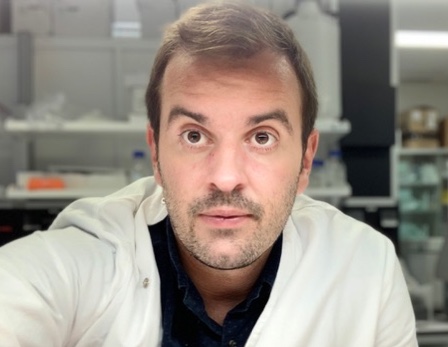
Francisco Díez Fuertes
Investigador Doctor Indefinido
ORCID code: 0000-0003-2413-9229
Degree in Biology from the University of León, PhD specialized in molecular virology from the Complutense University of Madrid in 2010 and master's degree in bioinformatics and computational biology from the same university in 2012. He has done research stays at University of Illinois at Urbana Champaign (USA) in 2010, Nebraska Center for Virology (USA) in 2011, Institut Pasteur (France) in 2013 and J. Craig Venter Institute (USA) in 2015-2016.
He joined the AIDS Immunopathology Unit in 2013 with a contract from the “Sara Borrell” postdoctoral program. After a period at the August Pi i Sunyer Biomedical Research Institute in Barcelona he rejoins the AIDS Immunopathology Unit in 2020 as a PhD researcher.
His lines of research have focused on the genomic and transcriptomic characterization of extreme phenotypes in HIV-1 infection, including long-term non-progressors and elite controllers. He collaborates with other laboratories of the center in the analysis of outbreaks caused by viruses with interest in Public Health, as well as in evolutionary studies on genomic epidemiology. Since 2020 he has led different clinical studies on COVID-19. Currently, he combines omics sciences with different bioinformatics tools to answer different scientific questions in the field of virology, especially in HIV-1 and SARS-CoV-2 research. He currently coordinates together with Dr. Javier García Pérez the AIDS Immunopathology Unit.
-
Mª Dolores Fernández García
Tenure Scientist
ORCID code: 0000-0003-0336-6596
Degree in Pharmacy (2005) and PhD from the University VII Paris Diderot in Microbiology (2010). She completed her doctoral thesis at the Pasteur Institute in Paris characterizing the molecular and cellular basis of flavivirus entry into cells. Specialist in Public Health Microbiology (European Program EUPHEM coordinated by ECDC). She has worked 3 years for the French Ministry of Foreign Affairs as a researcher at the Pasteur Institute in Dakar (Senegal) carrying out microbiological surveillance activities and research on polioviruses and non-polio enteroviruses in West Africa. She has obtained two Miguel Servet contracts: one to work at IMIBIC in Cordoba (2019) and an intramural one to work at CNM (2020). Both were awarded for the study of neurotropic viruses applying massive sequencing for their diagnosis. In 2021 he joined the CNM-ISCIII as a Tenure Research Scientist at the Enterovirus and Viral Gastroenteritis Unit of the CNM-ISCIII. Since then, she combines her scientific activity with the assistance to the National Health System in the microbiological research of outbreaks and in the Genomic Surveillance of Enteroviruses and Gastroenteritis-producing Viruses.
She is a researcher in the Epidemiology and Public Health Area of the Centro de Investigación Biomédica en Red (CIBERESP-ISCIII). In addition, she is an evaluator and panelist for the HORIZON health program projects of the European Commission, the French National Agency ANRS-Emerging Infectious Diseases, R&D&I in HEALTH of the Strategic Action in Health (ISCIII) and the Andalusian Public Foundation Progreso y Salud. She has worked as scientific advisor to the Spanish Ministry of Health on Rotavirus and Polio. Since 2020 she has been teaching virology in different Spanish universities.
She has worked for WHO in the investigation of numerous outbreaks caused by viruses (Ebola, Zika, Yellow Fever, Dengue, etc.) in African and Asian countries strengthening laboratory capacities through technology transfer of diagnostic methods, training of laboratory personnel in these countries and scientific advisory tasks to the Ministries of Health. She has been the Health Coordinator of the START Project (Spanish Technical Aid Response Team) of the AECID, framed in the “Emergency Medical Teams” initiative of the WHO, participating in the establishment for Spain of a field hospital classified by the WHO as EMT Level 2 for interventions in humanitarian emergencies.
-

María José Ferrándiz Avellano
Research Scientist
ORCID code: 0000-0003-1428-9506
Dr. María José Ferrández obtained her degree in Biology in 1990 and her PhD in 1997 from the Complutense University of Madrid. She completed her doctoral thesis at the Centro de Investigaciones Biológicas of CSIC in the laboratory of Dr. Miguel Vicente. She completed her postdoctoral training at the Centro Nacional de Microbiología of Instituto de Salud Carlos III (1998-2001 and 2003-2006) and at the Institute of Infection and Immunity (University of Nottingham) from 2001- 2003. From 2007 to 2015, she participated as a researcher of the CIBER of Respiratory Diseases (CIBERES). Since 2006, she is a Full Scientist at the National Microbiology Center of the ISCIII.




List of staff
Additional Information
The research group that makes up the Helminth Reference and Research Laboratory (RIHE) of the CNM-ISCIII works on different aspects of helminth immunobiology, taking advantage of recombinant DNA approaches, omics sciences, bioinformatics tools and biochemical assays. The research is basically oriented towards:
- The biochemical and molecular characterization of parasitic antigens of interest.
- The analysis of the immune response produced in the host against these antigens and the molecular mechanisms of these diseases.
- To the development and improvement of diagnostic systems.
- The definition of helminth allergenic candidates.
- The design of possible vaccines and participation in helminthosis control and surveillance strategies.
- Search for antiparasitic drugs.
- Research into new therapeutic alternatives for autoimmune diseases using helminth molecules.
The group works on helminthosis projects caused by species of Taenia spp., Fasciola spp., Trichinella spp., Filarias, O. volvulus, Anisakis spp., Ancylostoma spp., Opisthorchis spp., Schistosoma spp. and with experimental models such as Nippostrongylus brasiliensis and Trichuris muris, among others.
The research group that makes up the Helminth Reference and Research Laboratory (RIHE) of the CNM-ISCIII works on different aspects of helminth immunobiology, taking advantage of recombinant DNA approaches, omics sciences, bioinformatics tools and biochemical assays. The research is basically oriented towards:
- The biochemical and molecular characterization of parasitic antigens of interest.
- The analysis of the immune response produced in the host against these antigens and the molecular mechanisms of these diseases.
- To the development and improvement of diagnostic systems.
- The definition of helminth allergenic candidates.
- The design of possible vaccines and participation in helminthosis control and surveillance strategies.
- Search for antiparasitic drugs.
- Research into new therapeutic alternatives for autoimmune diseases using helminth molecules.
The group works on helminthosis projects caused by species of Taenia spp., Fasciola spp., Trichinella spp., Filarias, O. volvulus, Anisakis spp., Ancylostoma spp., Opisthorchis spp., Schistosoma spp. and with experimental models such as Nippostrongylus brasiliensis and Trichuris muris, among others.
The current director of CNM is Dr. José Miguel Rubio Muñoz.
Dr. José Miguel Rubio has a degree in Biological Sciences from the Universidad Autónoma de Madrid (1986) and a PhD in Biological Sciences from the same university (1992). He carried out his doctoral thesis at the Department of Genetics of the Universidad Autónoma de Madrid, as Associate Professor (1988-1989), and at the School of Biology of the University of East Anglia in Norwich, UK, as Senior Research Assistant (1989-1992).
During his postdoctoral period he obtained a grant from the European Commission within the Human Capital and Mobility Program to be carried out at the University of “La Sapienza” in Rome, Italy and the Institute of Molecular Biology and Biotechnology in Crete, Greece (1993-1994). Subsequently, he made a further stay funded by the WHO and the university itself at the Department of Entomology, Wageningen University, The Netherlands (1994-1996).
Since 1997 he has been a member of the Instituto de Salud Carlos III (ISCIII), where he joined the Department of Parasitology of the National Center of Microbiology, as an EU-INCO postdoctoral fellow and later with a grant from the Autonomous Community of Madrid (CAM). She was part of the founding group of the National Center for Tropical Medicine (2003-2006) and of the 24/7 Alerts and Emergencies Unit (2006-2018) and is currently Head of the Malaria and Emerging Parasitosis Unit of the National Microbiology Center and is part, as research staff, of the Center for Biomedical Research Network on Infectious Diseases (CIBERINFEC/ISCIII).
During his scientific career he has been Visiting Scientist at the Leonidas e Marie Dean Center (FIOCRUZ-AMAZONAS, Manaus, Brazil) and is an External Consultant of the Parasitology Departments of Cairo University (Egypt) and the Medical Research Center (MRC) of Kuala Lumpur (Malaysia). He also belongs or has belonged to different national and international committees: Member of the expert group for malaria control of the European Centre for Disease Control (ECDC) since 2011; Expert-Evaluator for health programs of the European Commission since 2004; Spanish Representative (commissioned by ISCIII and MSC) in the Technical Scientific Committee of the TDR (WHO) 2007-2008; Spanish Deputy Focal Point for microbiology at the European Centre for Disease Control (ECDC) from 2012 to 2020; and, member of the Research Ethics Committee of ISCIII until 2019.
In this period he has published more than 100 articles in international indexed journals, 10 book chapters and has been co-editor of two books in the area of malaria, tropical medicine and neglected diseases. He has participated in 58 competitively funded research projects, 20 of them international, having been the principal investigator in 8 national and 11 international projects as PI of the project or WP leader. In addition, he has led five agreements with companies. Currently he has been awarded four sexenios of research, being presented this year 2025 to the fifth. In the teaching field, he participates in different postgraduate programs in the areas of microbiology and parasitology, having directed seven doctoral theses and more than 20 Master's or Degree final projects, both nationally and internationally.
El laboratorio de Referencia e Investigación en Resistencia a Antibióticos ofrece una amplia cartera de servicios al Sistema Nacional de Salud, las cuales pueden solicitarse en cnm-laboratorios.isciii.es. Jefe del Laboratorio: Jesús Oteo Iglesias (Punto focal Nacional de Resistencia antibiótica).
Dispone de dos programas de Vigilancia oficiales y gratuitos que engloban los ensayos ofertados ya sea como aislamientos individuales o mediante estudio de brotes. El Laboratorio utiliza asimismo técnicas de PCR en tiempo real para la detección de genes de resistencia, estas técnicas se han adaptado a un formato multiplex que permite detectar varios genes en la misma reacción. En los últimos años se han incluido metodologías basadas en la secuenciación de genomas completos para el análisis de bacterias multiresistentes (WGS).
Programa de vigilancia de Haemophilus influenzae. Responsables: María Pérez Vázquez (Punto focal Nacional de Haemophilus influenzae) y Belén Aracil. Laboratorio encargado de la identificación, estudio de sensibilidad y análisis genotípico de aislados de Haemophilus influenzae, centrándose esencialmente en la patología invasiva debida este patógeno.
Programa de vigilancia de Resistencia a Antibióticos. Responsables: María Pérez Vázquez y Belén Aracil (Punto focal Nacional de Resistencia antibiótica). Laboratorio encargado de la identificación, el estudio de sensibilidad antibiótica, y el diagnóstico fenotípico y genotípico de los diferentes mecanismos de resistencia a antibióticos fundamentalmente en enterobacterias y gram-negativos no fermentadores y Enterococcus spp.
Estudio de brotes. Responsables: Belén Aracil y María Pérez Vázquez. El programa incluye la caracterización de brotes nosocomiales y clones emergentes de alto riesgo mediante diferentes técnicas moleculares (tabla resumen). Éstas, nos permiten realizar estudios filogenéticos con el fin de obtener una información detallada acerca la relación entre los diferentes aislados y su trazabilidad. El objetivo final es generar datos que se transfieren a los hospitales como ayuda para la prevención o control de la propagación del brote.
Acreditación y Calidad. Responsable: Belén Aracil. El laboratorio Referencia e Investigación en Resistencia a Antibióticos ha sido de los primeros en el ISCIII en la utilización de técnicas acreditadas por la Entidad Nacional de Acreditaciones (ENAC). Este laboratorio consiguió la primera acreditación homologada de técnicas diagnósticas en 2012, programa que ha sido ampliado, de manera que en la actualidad más de la mitad de las técnicas ofrecidas al Sistema Nacional de Salud están debidamente acreditadas por ENAC.
Técnicos responsables de las técnicas realizadas en el Laboratorio: Noelia Lara Fuella y Verónica Bautista Sánchez.
En la siguiente imagen se resumen las técnicas ofrecidas al Sistema Nacional de Salud.
| PROGRAMAS | NOMBRE CARTERA SERVICIO | PATÓGENO | DETERMINACIÓN, DETECCIÓN, ANÁLISIS | MÉTODOS |
|
Programa de vigilancia de Haemophilus Programa de vigilancia de resistencia a antibióticos. |
Identificación bacteriana |
Haemophilus sp. Enterobacterias, gram-negativos no fermentadores, Enterococcus spp |
Identificación bacteriana |
Bioquímicos MALDI TOF Secuenciación de RNAr |
| | Identificación capsular |
Haemophilus influenzae
|
Identificación capsular fenotípica y genotípica |
Aglutinación serológica en latex PCR ind/multiplex |
| | Determinación de Sensibilidad |
Haemophilus sp. Enterobacterias, gram-negativos no fermentadores, Enterococcus
|
Determinación de Sensibilidad |
Microdilución Tiras epsilon Kirby Bauer |
| | Métodos fenotípicos de detección de mecanismos de resistencia |
Enterobacterias, gram-negativos no fermentadores,
|
Métodos fenotípicos de detección de mecanismos de resistencia |
Discos y tabletas combinados con inhibidores Tiras combinadas Test de Hodge modificado CabaNP Inmunocromatografía CBP |
| | Métodos genotípicos de detección de mecanismos de resistencia |
Haemophilus sp. Enterobacterias, gram-negativos no fermentadores, Enterococcus
|
ADN, PCR y secuenciación |
PCR ind/multiplex Análisis comparativo de las secuencias |
| | Tipificación molecular/análisis filogenéticos |
Haemophilus sp. Enterobacterias, gram-negativos no fermentadores, Enterococcus
|
Corte enzimas de restricción, electroforesis ADN, PCR y secuenciación Preparación de librerías y secuenciación y análisis de genomas completos |
PFGE
MLST
WGS |