



We protect your health through science
Investigation
Immune Presentation and Regulation
Research Lines
Content with Investigacion .
Hepatitis
- Diseño de métodos diagnósticos para el estudio de los virus de las hepatitis (VH) A, B, C, D, E: Diseñamos sistemas de PCR para su detección y caracterización.
- Evaluación de métodos diagnósticos de los VH. Colaboramos con empresas para estudios de sensibilidad y especificidad de equipos diagnósticos.
- Estudios de Seroprevalencia de los virus de las hepatitis.
- Epidemiología genómica de genomas completos de VHA, VHB, VHC, VHD y VHE en colaboración con el ECDC. Estudios de trazabilidad del VHE.
- Caracterización molecular de virus de las hepatitis mediante secuenciación masiva: a) VHB: mutantes de escape HBsAg (prevalencia y efectos en la detección del HBsAg). Estudio de mutaciones en epítopos de estimulación inmune y mutaciones asociadas a evolución clínica desfavorable.
- b) VHC: resistencias a los antivirales de acción directa. Análisis molecular de subtipos poco frecuentes.
c) Estudios filogenéticos del VHD.
d) Análisis genómico del VHE.
e) Investigación etiológica de hepatitis no filiadas mediante estudios de metagenómica.
- b) VHC: resistencias a los antivirales de acción directa. Análisis molecular de subtipos poco frecuentes.
Research projects
Content with Investigacion .
1. Proyecto CIBEREPS 2022. Microbiological and genomic investigation of hepatitis in children by metagenomic approach in case and control subjects (IP: Ana Avellón).
2023-2024. En colaboración con el Hospital San Joan de Deu de Barcelona.
2. MPY 501-19: Tracking hepatitis E virus infection by means of epidemiological research and whole genome sequencing. Project TrazHE. (IP: Ana Avellón). 2020-2024.
3. Proyecto CIBEREPS 2021 Metagenomic sequencing to identify viral aetiologies in undiagnosed paediatric cases of meningitis and encephalitis (IP: D. Tarragó). 2021-2022.
4. MPY 383/19 (PEJ2018-004446-A). Ayudas para la promoción de empleo joven e implantación de la garantía juvenil en I+D+I. análisis de la complejidad de secuencias de los virus de la hepatitis A, B, C; D y E (VHA, VHB, VHC, VHD y VHE) mediante técnicas de secuenciación masiva. (IP: Ana Avellón). 2020-2021.
5. MPY 1285/16 Movilidad "Salvador de Madariaga" programa estatal de promoción de talento y su empleabilidad. (IP: Ana Avellón). 2016.
Publications
Identification of an HIV-1 BG intersubtype recombinant form (CRF73_BG), partially related to CRF14_BG, which Is circulating in Portugal and Spain.
Fernández-García A, Delgado E, Cuevas MT, Vega Y, Montero V, Sánchez M, Carrera C, López-Álvarez MJ, Miralles C, Pérez-Castro S, Cilla G, Hinojosa C, Pérez-Álvarez L, Thomson MM. Identification of an HIV-1 BG intersubtype recombinant form (CRF73_BG), partially related to CRF14_BG, which Is circulating in Portugal and Spain. PLoS One. 2016; 11:e0148549.
PUBMED DOISequence analysis of in vivo-expressed HIV-1 spliced RNAs reveals the usage of new and unusual splice sites by viruses of different subtypes
Vega Y, Delgado E, de la Barrera J, Carrera C, Zaballos Á, Cuesta I, Mariño A, Ocampo A, Miralles C, Pérez-Castro S, Álvarez H, López-Miragaya I, García-Bodas E, Díez-Fuertes F, Thomson MM. Sequence analysis of in vivo-expressed HIV-1 spliced RNAs reveals the usage of new and unusual splice sites by viruses of different subtypes. PLoS One. 2016; 11:e0158525.
PUBMED DOIHIV-1 genetic diversity in recently diagnosed infections in Moscow: predominance of AFSU, frequent branching in clusters, and circulation of the Iberian subtype G variant.
Karamov E, Epremyan K, Siniavin A, Zhernov Y, Cuevas MT, Delgado E, Sánchez-Martínez M, Carrera C, Kornilaeva G, Turgiev A, Bacqué J, Pérez-Álvarez L, Thomson MM. HIV-1 genetic diversity in recently diagnosed infections in Moscow: predominance of AFSU, frequent branching in clusters, and circulation of the Iberian subtype G variant. AIDS Res Hum Retroviruses. 2018; 34:629-634.
PUBMED DOIBayesian phylogeographic analyses clarify the origin of the HIV-1 subtype A variant circulating in former Soviet Union's countries.
Díez-Fuertes F, Cabello M, Thomson MM. Bayesian phylogeographic analyses clarify the origin of the HIV-1 subtype A variant circulating in former Soviet Union's countries. Infect Genet Evol. 2015; 33:197-205.
PUBMED DOI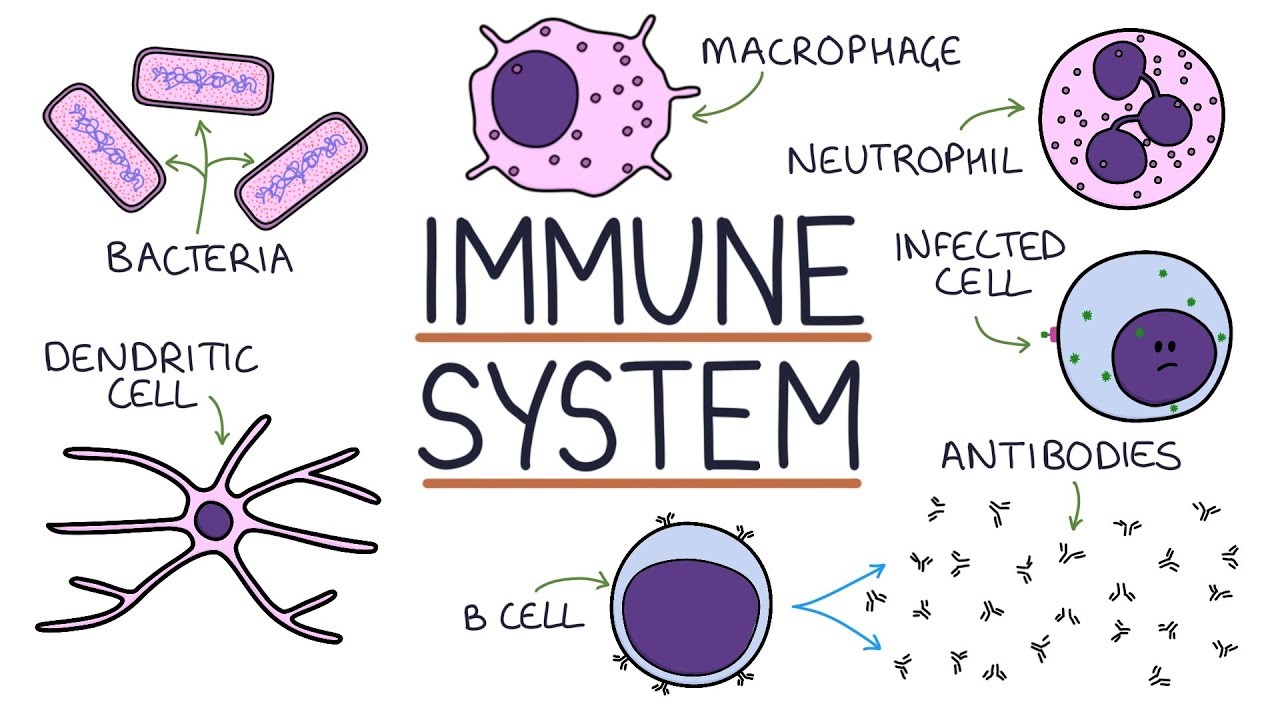
Additional Information
The group is interested in the study of the immune response from a multidisciplinary perspective that includes genomic, biochemical, proteomic, in vivo and biotechnological models aimed at the design of therapeutic strategies against various chronic, infectious and rare diseases that have a clear immunological component in their etiology.
The current specific objectives focus on:
- Antigenic presentation: Identification of antigenic presentation rules for their application in the design of therapeutic treatments including vaccines.
- Study of CD69 function and its regulation; its use as a therapeutic target in the mobilization of hematopoietic precursors and in the potentiation of the immune response mediated by CD69 with the potentiation of vaccines using the vaccinia virus as a vector.
The group is interested in the study of the immune response from a multidisciplinary perspective that includes genomic, biochemical, proteomic, in vivo and biotechnological models aimed at the design of therapeutic strategies against various chronic, infectious and rare diseases that have a clear immunological component in their etiology.
The current specific objectives focus on:
- Antigenic presentation: Identification of antigenic presentation rules for their application in the design of therapeutic treatments including vaccines.
- Study of CD69 function and its regulation; its use as a therapeutic target in the mobilization of hematopoietic precursors and in the potentiation of the immune response mediated by CD69 with the potentiation of vaccines using the vaccinia virus as a vector.