



We protect your health through science
Investigation
Immune Presentation and Regulation
Research Lines
Content with Investigacion .
The Immunobiology group has been working for years on the following lines of research:
1) The mechanisms of haematopoietic cell generation throughout ontogeny and the influence that the first haematopoietic cells exert on the innate and adaptive immune system present in the adults. We have identified and characterised a new population of B lymphocytes called B1-Rel (B220lo), which produce high levels of natural IgG/IgA antibodies. We sought to understand their role in the immune response in animal models of infection, analysing their impact on immune cell populations and on the production of soluble mediators (cytokines and immunoglobulins). In this regard, we have evaluated the generation of embryonic megakaryocytes (and their differentiation niches), their functionality and that of platelets, and their influence on haematopoietic development. For lymphoid populations, we have carried out extensive characterisation by flow cytometry and single cell RNA sequencing (scRNAseq) methodology. To carry out these cellomic studies, we have designed complex panels for use in multiparametric phenotypic analysis, and single cell cytometry and RNAseq omics technologies on purified cell populations.

In parallel, we are interested in understanding local immune responses in respiratory infections at times of particular susceptibility due to the fragility of the immune system (childhood and old age), both in mouse animal models, which allow their manipulation, and in humans.
2) Mouse models studied during neonatal life, in which we evaluated the effect of antibiotic (AB) treatment and addressed the role of TLR receptors in innate, pseudo-innate and adaptive immune cell populations. In these models, we observed that AB administration was able to modulate B-lymphoid populations, as well as their ability to secrete proinflammatory cytokines in culture and their differentiation into plasma cells, with differentiated immunoglobulin repertoires. Furthermore. These effects were mediated through the Toll-like receptor-2 (TLR2).

3) Mouse models with accelerated senescence (SAMP8) and senescent animals (over 20 months of age) to map lymphoid populations and soluble mediators of the immune response (immunoglobulins and cytokines). In these models, the B lymphoid populations (B1Rel and marginal zone B lymphocytes) are observed to be altered, accompanied by an increase in IgG1 with great restriction of their VDJ repertoires.

4) Role of the B1Rel population in animal models of local or systemic infection. We analysed the response to Streptoccoccus pneumoniae (SPN) locally in the lung and systemically in the spleen, as well as the role of TLR4 in these responses.

5) In humans, we are studying immune responses in children with respiratory syncytial virus (RSV) viral primo-infection. In this case we studied the immune response that occurs locally in the nasal mucosa (by analysis of nasal washings, NW) in a cohort of infected children versus healthy controls, stratified by age. We found that lymphomyeloid cells accumulate in these nasal washings in patients with diverse lymphocyte populations, as well as cytokines and immunoglobulins.

6) Analysis and characterisation of extracellular vesicles produced during respiratory infection both in lung supernatants from models of SPN infection and in LN in the case of children with RSV infection.

7) In parallel, we carry out studies of the genetic rearrangements of immunoglobulins and their use in the generation of chimeric receptors for possible use in immunotherapy.
Research projects
Content with Investigacion .
-Project “Induction, differentiation and modulation of resident B lymphocytes in the lung in response to pneumococcus (NEUBLUNG)”. Ministry of Science and Innovation, PID2022-141754OB-I00 Call 2022 "Knowledge Generation Projects". 09/01/2023-08/31/2026. Financed by MICIU/AEI /10.13039/501100011033 and by ERDF, EU. PI: Belén by Andrés Muguruza. CoPI: María Luisa Gaspar Alonso-Vega.

-Project." Immune response of the nasal mucosa in childhood bronchiolitis” Instituto de Salud Carlos III-AESI. AESI-PI22CIII/00030 PI: Belén by Andrés Muguruza. CoPI Maria Luisa Gaspar Alonso-Vega. 01/01/2023-12/31/2025..
-Project. BenBedPhar. CA20121, European Union. Antonio Cuadrado. (CNM-ISCIII).10/19/2021-10/18/2025.
-Spanish Association Against Cancer Project “Novel comprehensive immunotherapy to specifically target the malignant clone in Sézary syndrome, an ultra-rare cancer of mature T lymphocytes”, number PROYE20084REGU. PI: José Ramón Regueiro, PI group Maria Luisa Gaspar. 01/01/2021-12/31/2023.
Project “The pulmonary immune system in homeostasis and infection: characterization and function of immature and pseudoinnate lymphoid populations.” MINECO-RETOS RTI2018-099114-B-100. PI: Maria Luisa Gaspar, CoPI: Belén de Andrés 01/01/2019-12/31/2022. Financed by MICIU/AEI /10.13039/501100011033/ and by FEDER A way of making Europe.

-Project “New B lymphoid populations: B1-rel pseudoinnate cells, homeostatic maintenance and their response under infection conditions.” MINECO-RETOS SAF2015-70880-R. PI: Maria Luisa Gaspar. 01/01/2016-12/31/2019.

-Project “Role of CD19+CD45R lymphocytes- in perinatal immune responses. Implications related to respiratory diseases in neonates. AESI PI14CIII/00049; PI Belén de Andrés. 2015-2018.
-Project “Study of the pseudo-innate population of CD19+CD45R- B lymphocytes in TLR-dependent infection models”. AESI PI11/01733FIS. PI Belén de Andrés. 2012-2015.
-Project." Cellular interactions in the establishment of B lymphoid differentiation niches: role of megakaryocytes and their implications in pathology. MINECO; SAF2012-33916. Maria Luisa Gaspar. 01/01/2013-12/31/2015.
-ISCIII Platforms Project to support R&D&I in Biomedicine and Health Sciences. PT23CIII/00006. 2023. Participating researcher: Isabel Cortegano.
-Research contracts between the Carlos III Health Institute and Inmunotek S.L. for the development of the Bactek-mv130 and Uromune-MV140 study in protection against S. pneumoniae infections. Immunotek. IP: Belen de Andrés 2019-2021.
-Research contract between the Carlos III Health Institute and Inmunotek S.L. “MV130 as a vaccine model based on trained immunity against respiratory infections due to pneumococcus and respiratory syncytial virus”, CAM Call. Industrial Doctorates. IND2023/BMD-27071. PI: Belén by Andrés Muguruza. 12/01/2023-11/30/2026.
Publications
Immunogenicity of a third dose with mRNA-vaccines in the ChAdOx1-S/BNT162b2 vaccination regimen against SARS-CoV-2 variants.
García-Pérez J, Borobia AM, Pérez-Olmeda M, Portolés A, Castaño L, Campins-Artí M, Bertrán MJ, Bermejo M, Arribas JR, López A, Ascaso-Del-Rio A, Arana-Arri E, Fuentes Camps I, Vilella A, Cascajero A, García-Morales MT, Castillo de la Osa M, Pérez Ingidua C, Lora D, Jiménez-Santana P, Pino-Rosa S, Gómez de la Cámara A, De La Torre-Tarazona E, Calonge E, Cruces R, Belda-Iniesta C, Alcamí J, Frías J, Carcas AJ, Díez-Fuertes F. iScience. 2024; 27(9):110728
PUBMED DOILonger intervals between SARS-CoV-2 infection and mRNA-1273 doses improve the neutralization of different variants of concern
García-Pérez J, Bermejo M, Ramírez-García A, De La Torre-Tarazona HE, Cascajero A, Castillo de la Osa M, Jiménez P, Aparicio Gómez M, Calonge E, Sancho-López A, Payares-Herrera C, Layunta Acero R, Vicente-Izquierdo L, Avendaño-Solá C, Alcamí J, Pérez-Olmeda M, Díez-Fuertes F. J Med Virol. 2023; 95(3):e28679
PUBMED DOIImmune response and reactogenicity after immunization with two-doses of an experimental COVID-19 vaccine (CVnCOV) followed by a third-fourth shot with a standard mRNA vaccine (BNT162b2): RescueVacs multicenter cohort study
Ascaso-Del-Rio A, García-Pérez J, Pérez-Olmeda M, Arana-Arri E, Vergara I, Pérez-Ingidua C, Bermejo M, Castillo de la Osa M, Imaz-Ayo N, Riaño Fernández I, Astasio González O, Díez-Fuertes F, Meijide S, Arrizabalaga J, Hernández Gutiérrez L, de la Torre-Tarazona HE, Mariano Lázaro A, Vargas-Castrillón E, Alcamí J, Portolés A; RescueVac study Group. EClinicalMedicine. 2022; 51:101542
PUBMED DOIImmunogenic dynamics and SARS-CoV-2 variant neutralisation of the heterologous ChAdOx1-S/BNT162b2 vaccination: Secondary analysis of the randomised CombiVacS study
García-Pérez J, González-Pérez M, Castillo de la Osa M, Borobia AM, Castaño L, Bertrán MJ, Campins M, Portolés A, Lora D, Bermejo M, Conde P, Hernández-Gutierrez L, Carcas A, Arana-Arri E, Tortajada M, Fuentes I, Ascaso A, García-Morales MT, Erick de la Torre-Tarazona H, Arribas JR, Imaz-Ayo N, Mellado-Pau E, Agustí A, Pérez-Ingidua C, Gómez de la Cámara A, Ochando J, Belda-Iniesta C, Frías J, Alcamí J, Pérez-Olmeda M; CombiVacS study Group. EClinicalMedicine. 2022; 50:101529
PUBMED DOITranscriptomic Evidence of the Immune Response Activation in Individuals With Limb Girdle Muscular Dystrophy Dominant 2 (LGMDD2) Contributes to Resistance to HIV-1 Infection
Diez-Fuertes F, López-Huertas MR, García-Pérez J, Calonge E, Bermejo M, Mateos E, Martí P, Muelas N, Vílchez JJ, Coiras M, Alcamí J, Rodríguez-Mora S. Front Cell Dev Biol. 2022; 10:839813
PUBMED DOIImmunogenicity and reactogenicity of BNT162b2 booster in ChAdOx1-S-primed participants (CombiVacS): a multicentre, open-label, randomised, controlled, phase 2 trial
Borobia AM, Carcas AJ, Pérez-Olmeda M, Castaño L, Bertran MJ, García-Pérez J, Campins M, Portolés A, González-Pérez M, García Morales MT, Arana-Arri E, Aldea M, Díez-Fuertes F, Fuentes I, Ascaso A, Lora D, Imaz-Ayo N, Barón-Mira LE, Agustí A, Pérez-Ingidua C, Gómez de la Cámara A, Arribas JR, Ochando J, Alcamí J, Belda-Iniesta C, Frías J; CombiVacS Study Group. Lancet. 2021; 398(10295):121-130
PUBMED DOIBroth microdilution protocol for determining antimicrobial susceptibility of Legionella pneumophila to clinically relevant antimicrobials
Sewell M, Farley C, Portal EAR, Lindsay D, Ricci ML, Jarraud S, Scaturro M, Descours G, Krøvel AV, Barton R, Boostom I, Ure R, Kese D, Gaia V, Golob M, Paukner S, Ginevra C, Afshar B, Nadarajah S, Wybo I, Michel C, Echahdi F, González-Rubio JM, González-Camacho F, Mentasti M, Flountzi AS, Petzold M, Moran-Gilad J, Uldum S, Winchell J, Wooton M, Bernard K, Jones LC, Chalker VJ, Spiller OB. J Microbiol Methods. 2025 Jan;228:107071.
PUBMED DOIEpidemiology, molecular characterisation and antimicrobial susceptibility of Neisseria gonorrhoeae isolates in Madrid, Spain, in 2016
María D. Guerrero-Torres, María B. Menéndez, Carmen S. Guerras, Estela Tello, Juan Ballesteros, Petunia Clavo, Teresa Puerta, Mar Vera, Oskar Ayerdi, Juan C. Carrio, Inmaculada Monzo, Jorge del Romero, Julio A. Vázquez, Raquel Abad. 20. María D. Guerrero-Torres, María B. Menéndez, Carmen S. Guerras, Estela Tello, Juan Ballesteros, Petunia Clavo, Teresa Puerta, Mar Vera, Oskar Ayerdi, Juan C. Carrio, Inmaculada Monzo, Jorge del Romero, Julio A. Vázquez, Raquel Abad. Epidemiol Infect. 2019 Sep 24;147:e274
PUBMED DOIThe global meningitis genome partnership
Rodgers E, Bentley SD, Borrow R, Bratcher HB, Brisse S, Brueggemann AB, Caugant DA, Findlow J, Fox L, Glennie L, Harrison LH, Harrison OB, Heyderman RS, van Rensburg MJ, Jolley KA, Kwambana-Adams B, Ladhani S, LaForce M, Levin M, Lucidarme J, MacAlasdair N, Maclennan J, Maiden MCJ, Maynard-Smith L, Muzzi A, Oster P, Rodrigues CMC, Ronveaux O, Serino L, Smith V, van der Ende A, Vázquez J, Wang X, Yezli S, Stuart JM. J Infect. 2020; 81(4): 510-520
PUBMED DOIThe importance of microbiology reference laboratories and adequate funding for infectious disease surveillance
Shaw D, Torreblanca RA, Amin-Chowdhury Z, Bautista A, Bennett D, Broughton K, Casanova C, Choi EH, Claus H, Corcoran M, Cottrell S, Cunney R, Cuypers L, Dalby T, Davies H, de Gouveia L, Deghmane AE, Desmet S, Domenech M, Drew R, Plessis MD, Duarte C, Fuursted K, Golden A, Almeida SCG, Henares D, Henriques-Normark B, Hilty M, Hoffmann S, Humphreys H, Jacobsson S, Johnson C, Jolley KA, Kawabata A, Kozakova J, Kristinsson KG, Krizova P, Kuch A, Ladhani S, Lâm TT, Ayala MEL, Lindholm L, Litt D, Maiden MCJ, Martin I, Martiny D, Mattheus W, McCarthy ND, Meehan M, Meiring S, Mölling P, Morfeldt E, Morgan J, Mulhall R, Muñoz-Almagro C, Murdoch D, Musilek M, Novakova L, Oftadeh S, Perez-Arguello A, Pérez-Vázquez MD, Perrin M, Prevost B, Roberts M, Rokney A, Ron M, Sanabria OM, Scott KJ, Sempere J, Siira L, de Lemos APS, Sintchenko V, Skoczyńska A, Slotved HC, Smith AJ, Taha MK, Toropainen M, Tzanakaki G, Vainio A, van der Linden MPG, van Sorge NM, Varon E, Moreno JV, Vohrnova S, von Gottberg A, Yuste J, Brueggemann AB. Lancet Digit Health. 2025 Apr;7(4):e275-e281.
PUBMED DOIAntimicrobial resistance and epidemiological aspects of Neisseria gonorrhoeae in the province of Lleida, Spain (2017-2024).
Cumplido A, Aramburu J, Font M, Montes M, Abad R, López E, Bernet A, Mormeneo S, Prats I, García M, Sánchez E, Bellés A. Enferm Infecc Microbiol Clin (Engl Ed). 2025 Mar;43(3):156-161.
PUBMED DOIExploring the sequence diversity and surface expression of Factor H-Binding Protein among invasive serogroup B meningococcal strains from selected European countries
Clark SA, Willerton L, Claus H, Carannante A, Stefanelli P, Abad R, Vázquez JA, Borrow R. Hum Vaccin Immunother. 2024 Dec 31;20(1):2427471
PUBMED DOIResultado falso negativo en diversas PCR multiplex y monoplex en un episodio de bacteriemia por Neisseria meningitidis. Implicaciones diagnósticas, terapéuticas y epidemiológicas [False negative result in both multiplex and monoplex PCR in a case of Neisseria meningitidis bacteremia. Diagnostic, therapeutic and epidemiological implications]
Monforte ML, Cebollada R, Escobar MJ, Abad R, Aspiroz C. Rev Esp Quimioter. 2024 Oct;37(5):427-428
PUBMED DOIGlobal Meningococcal Initiative: Insights on antibiotic resistance, control strategies and advocacy efforts in Western Europe
Borrow R, Campbell H, Caugant DA, Cherkaoui A, Claus H, Deghmane AE, Dinleyici EC, Harrison LH, Hausdorff WP, Bajanca-Lavado P, Levy C, Mattheus W, Mikula-Pratschke C, Mölling P, Sáfadi MA, Smith V, van Sorge NM, Stefanelli P, Taha MK, Toropainen M, Tzanakaki G, Vázquez J. . J Infect. 2024; 89(6): 106335
PUBMED DOIMeningococcal disease in the Middle East: A report from the Global Meningococcal Initiative
Al-Abri SS, Abuhasan MY, Albayat SSA, Bai X, Bastaki H, Borrow R, Caugant DA, Dbaibo G, Deghmane AE, Dinleyici EC, Ghuneim N, Sheek-Hussein M, Lucidarme J, Leng S, Koliou MG, Sáfadi MAP, Salman JA, Al-Sanouri T, Smith V, Taha MK, Vázquez J, Wright C, Yezli S. J Infect. 2024; 88(2):71-76.
PUBMED DOIAntimicrobial-resistant Neisseria gonorrhoeae in Europe in 2020 compared with in 2013 and 2018: a retrospective genomic surveillance study.
Golparian D, Cole MJ, Sánchez-Busó L, Day M, Jacobsson S, Uthayakumaran T, Abad R, Bercot B, Caugant DA, Heuer D, Jansen K, Pleininger S, Stefanelli P, Aanensen DM, Bluemel B, Unemo M; Euro-GASP study group. Lancet Microbe. 2024 May;5(5):e478-e488.
PUBMED DOIContent with Investigacion .
-

Almudena Cascajero Díaz
Técnico de laboratorio
ORCID code: 0000-0002-9654-3100
Técnico Superior de Actividades Técnicas y Profesionales (Unidades de Inmunopatología del SIDA y Legionella, Centro Nacional de Microbiología). Clinical Diagnostic Laboratory Technician by IES Renacimiento de Madrid.
Experience in cloning techniques and characterization of neutralizing antibodies and participation in different projects on the pathogenesis of HIV by studying the viral envelope and the mechanisms of resistance to antiretroviral drugs. This experience has subsequently allowed me to participate in 5 multicenter clinical studies studying the immune response against different variants of SARS-CoV-2.
Since 2021, I also participate as a laboratory technician in the Legionella Unit as a support to the Spanish National Health System through the microbiological surveillance of the disease to contribute to the prevention and control of legionellosis.
-

Laura del Estal Gómez
Ayudante de investigación
ORCID code: 0009-0000-2773-8986
Graduada en Biología Sanitaria por la Universidad de Alcalá. Máster Universitario en Microbiología Aplicada a la Salud Pública e Investigación en Enfermedades Infecciosas.
-

Caroline Stephanie Crisóstomo Vergara
Técnico de Laboratorio
ORCID code: 0009-0008-0525-1737
Técnico de Laboratorio. Técnico superior de Laboratorio Clínico y Biomédico por la Escuela Técnica de Enseñanzas Especializadas de Madrid. Máster en Microbiología Clínica por el Instituto Europeo de Química, Física y Biología de Madrid.
-

Fernando González Camacho
Científico Titular
ORCID code: 0000-0003-3175-9004
Licenciado en Ciencias Biológicas por la Universidad de Salamanca y Doctor por la Universidad Autónoma de Madrid. Actualmente, es Científico Titular de plantilla en el Centro Nacional de Microbiología (CNM) del Instituto de Salud Carlos III (ISCIII). Responsable de la Unidad de Legionella del Laboratorio de Referencia e Investigación en Enfermedades Bacterianas transmitidas por agua y alimentos.
A nivel europeo es sustituto (Alternate) al National Focal Point para la enfermedad del legionario en el ECDC y es OCP (Operational Contact Point) en microbiología para la legionelosis en la European Legionnaires' Disease Surveillance Network (ELDSNet).
Coordina las líneas de investigación del laboratorio que se desarrollan en tres perspectivas diferentes: en las instalaciones colonizadas, estudios sobre la resistencia a los tratamientos y su persistencia; en la clínica, sobre factores de virulencia y su interacción con el sistema inmune; y en la vigilancia microbiológica, sobre la mejorar de los métodos de caracterización del microorganismo.
Es Investigador Principal en el proyecto “Búsqueda de biomarcadores de patogenicidad en Legionella spp con interés predictivo de riesgo de infección".
Es miembro de distintas sociedades científicas como son la Sociedad Española de Salud Ambiental (SESA), Sociedad Española de Enfermedades Infecciosas y Microbiología Clínica (SEIMC) y la European Society of Clinical Microbiology and Infectious Diseases (ESCMID).
-

Juana María González Rubio
Científica Titular
ORCID code: 0000-0001-6979-2964
La Dra. Juana María González Rubio es Licenciada en Bioquímica por la Universidad de Salamanca y Doctora por la Facultad de Medicina de la Universidad Autónoma de Madrid. Actualmente, es Científico Titular de plantilla en el Centro Nacional de Microbiología del Instituto de Salud Carlos III (ISCIII), donde trabaja en la Unidad de Legionella del Laboratorio de Referencia e Investigación en Enfermedades Bacterianas transmitidas por agua y alimentos.
Dentro del laboratorio, realiza las actividades propias del Programa de Vigilancia Microbiológica de Legionella, y lleva las líneas de investigación del laboratorio sobre la caracterización de biofilms y la puesta a punto de nuevas técnicas para la caracterización de Legionella. También forma parte del equipo investigador del proyecto “Búsqueda de marcadores de patogenicidad para el análisis de riesgos en las instalaciones".
Anteriormente, ha trabajado en la Unidad de Biomonitorización humana del Centro Nacional de Sanidad Ambiental (ISCIII) participando en diferentes proyectos de investigación relacionados con la Sanidad Ambiental, siendo el último más destacado el proyecto “HBM4EU" en el que ha trabajado hasta junio de 2023.


List of staff
Additional Information
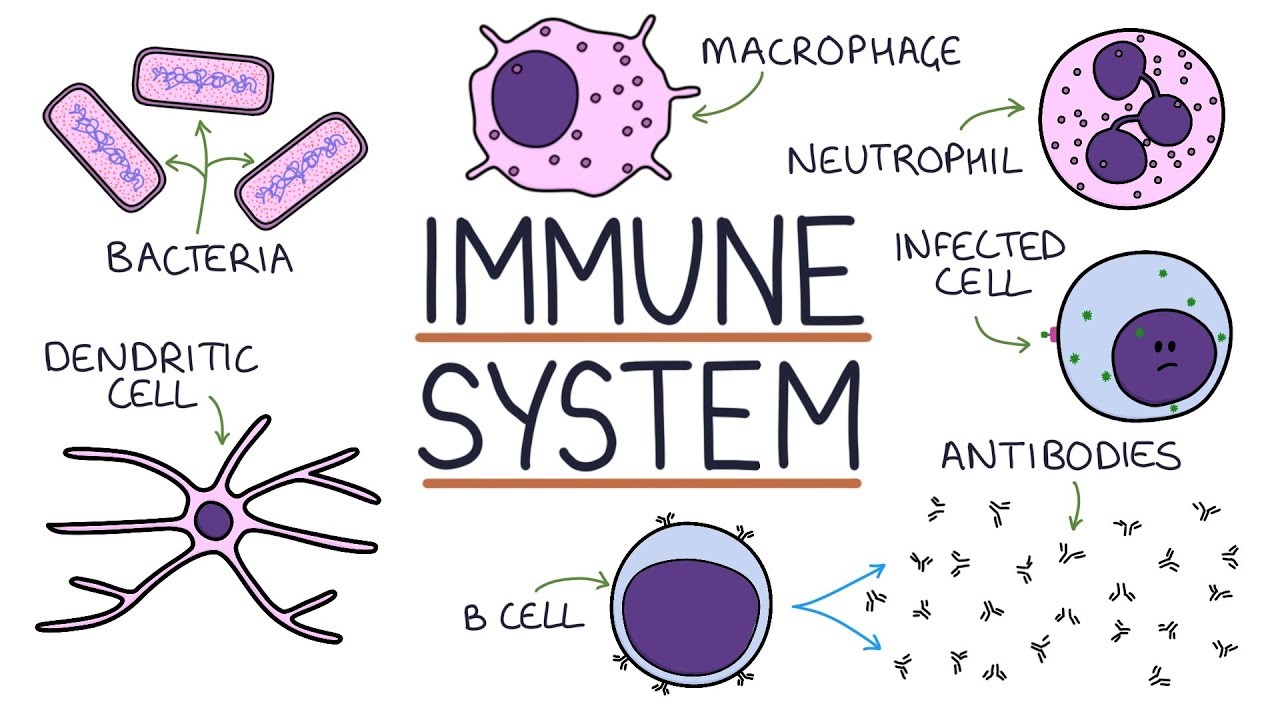
The group is interested in the study of the immune response from a multidisciplinary perspective that includes genomic, biochemical, proteomic, in vivo and biotechnological models aimed at the design of therapeutic strategies against various chronic, infectious and rare diseases that have a clear immunological component in their etiology.
The current specific objectives focus on:
- Antigenic presentation: Identification of antigenic presentation rules for their application in the design of therapeutic treatments including vaccines.
- Study of CD69 function and its regulation; its use as a therapeutic target in the mobilization of hematopoietic precursors and in the potentiation of the immune response mediated by CD69 with the potentiation of vaccines using the vaccinia virus as a vector.
The group is interested in the study of the immune response from a multidisciplinary perspective that includes genomic, biochemical, proteomic, in vivo and biotechnological models aimed at the design of therapeutic strategies against various chronic, infectious and rare diseases that have a clear immunological component in their etiology.
The current specific objectives focus on:
- Antigenic presentation: Identification of antigenic presentation rules for their application in the design of therapeutic treatments including vaccines.
- Study of CD69 function and its regulation; its use as a therapeutic target in the mobilization of hematopoietic precursors and in the potentiation of the immune response mediated by CD69 with the potentiation of vaccines using the vaccinia virus as a vector.