



We protect your health through science
Investigation
Immune Presentation and Regulation
Research Lines
Content with Investigacion .
The Immunobiology group has been working for years on the following lines of research:
1) The mechanisms of haematopoietic cell generation throughout ontogeny and the influence that the first haematopoietic cells exert on the innate and adaptive immune system present in the adults. We have identified and characterised a new population of B lymphocytes called B1-Rel (B220lo), which produce high levels of natural IgG/IgA antibodies. We sought to understand their role in the immune response in animal models of infection, analysing their impact on immune cell populations and on the production of soluble mediators (cytokines and immunoglobulins). In this regard, we have evaluated the generation of embryonic megakaryocytes (and their differentiation niches), their functionality and that of platelets, and their influence on haematopoietic development. For lymphoid populations, we have carried out extensive characterisation by flow cytometry and single cell RNA sequencing (scRNAseq) methodology. To carry out these cellomic studies, we have designed complex panels for use in multiparametric phenotypic analysis, and single cell cytometry and RNAseq omics technologies on purified cell populations.

In parallel, we are interested in understanding local immune responses in respiratory infections at times of particular susceptibility due to the fragility of the immune system (childhood and old age), both in mouse animal models, which allow their manipulation, and in humans.
2) Mouse models studied during neonatal life, in which we evaluated the effect of antibiotic (AB) treatment and addressed the role of TLR receptors in innate, pseudo-innate and adaptive immune cell populations. In these models, we observed that AB administration was able to modulate B-lymphoid populations, as well as their ability to secrete proinflammatory cytokines in culture and their differentiation into plasma cells, with differentiated immunoglobulin repertoires. Furthermore. These effects were mediated through the Toll-like receptor-2 (TLR2).

3) Mouse models with accelerated senescence (SAMP8) and senescent animals (over 20 months of age) to map lymphoid populations and soluble mediators of the immune response (immunoglobulins and cytokines). In these models, the B lymphoid populations (B1Rel and marginal zone B lymphocytes) are observed to be altered, accompanied by an increase in IgG1 with great restriction of their VDJ repertoires.

4) Role of the B1Rel population in animal models of local or systemic infection. We analysed the response to Streptoccoccus pneumoniae (SPN) locally in the lung and systemically in the spleen, as well as the role of TLR4 in these responses.

5) In humans, we are studying immune responses in children with respiratory syncytial virus (RSV) viral primo-infection. In this case we studied the immune response that occurs locally in the nasal mucosa (by analysis of nasal washings, NW) in a cohort of infected children versus healthy controls, stratified by age. We found that lymphomyeloid cells accumulate in these nasal washings in patients with diverse lymphocyte populations, as well as cytokines and immunoglobulins.

6) Analysis and characterisation of extracellular vesicles produced during respiratory infection both in lung supernatants from models of SPN infection and in LN in the case of children with RSV infection.

7) In parallel, we carry out studies of the genetic rearrangements of immunoglobulins and their use in the generation of chimeric receptors for possible use in immunotherapy.
Research projects
Content with Investigacion .
-Project “Induction, differentiation and modulation of resident B lymphocytes in the lung in response to pneumococcus (NEUBLUNG)”. Ministry of Science and Innovation, PID2022-141754OB-I00 Call 2022 "Knowledge Generation Projects". 09/01/2023-08/31/2026. Financed by MICIU/AEI /10.13039/501100011033 and by ERDF, EU. PI: Belén by Andrés Muguruza. CoPI: María Luisa Gaspar Alonso-Vega.

-Project." Immune response of the nasal mucosa in childhood bronchiolitis” Instituto de Salud Carlos III-AESI. AESI-PI22CIII/00030 PI: Belén by Andrés Muguruza. CoPI Maria Luisa Gaspar Alonso-Vega. 01/01/2023-12/31/2025..
-Project. BenBedPhar. CA20121, European Union. Antonio Cuadrado. (CNM-ISCIII).10/19/2021-10/18/2025.
-Spanish Association Against Cancer Project “Novel comprehensive immunotherapy to specifically target the malignant clone in Sézary syndrome, an ultra-rare cancer of mature T lymphocytes”, number PROYE20084REGU. PI: José Ramón Regueiro, PI group Maria Luisa Gaspar. 01/01/2021-12/31/2023.
Project “The pulmonary immune system in homeostasis and infection: characterization and function of immature and pseudoinnate lymphoid populations.” MINECO-RETOS RTI2018-099114-B-100. PI: Maria Luisa Gaspar, CoPI: Belén de Andrés 01/01/2019-12/31/2022. Financed by MICIU/AEI /10.13039/501100011033/ and by FEDER A way of making Europe.

-Project “New B lymphoid populations: B1-rel pseudoinnate cells, homeostatic maintenance and their response under infection conditions.” MINECO-RETOS SAF2015-70880-R. PI: Maria Luisa Gaspar. 01/01/2016-12/31/2019.

-Project “Role of CD19+CD45R lymphocytes- in perinatal immune responses. Implications related to respiratory diseases in neonates. AESI PI14CIII/00049; PI Belén de Andrés. 2015-2018.
-Project “Study of the pseudo-innate population of CD19+CD45R- B lymphocytes in TLR-dependent infection models”. AESI PI11/01733FIS. PI Belén de Andrés. 2012-2015.
-Project." Cellular interactions in the establishment of B lymphoid differentiation niches: role of megakaryocytes and their implications in pathology. MINECO; SAF2012-33916. Maria Luisa Gaspar. 01/01/2013-12/31/2015.
-ISCIII Platforms Project to support R&D&I in Biomedicine and Health Sciences. PT23CIII/00006. 2023. Participating researcher: Isabel Cortegano.
-Research contracts between the Carlos III Health Institute and Inmunotek S.L. for the development of the Bactek-mv130 and Uromune-MV140 study in protection against S. pneumoniae infections. Immunotek. IP: Belen de Andrés 2019-2021.
-Research contract between the Carlos III Health Institute and Inmunotek S.L. “MV130 as a vaccine model based on trained immunity against respiratory infections due to pneumococcus and respiratory syncytial virus”, CAM Call. Industrial Doctorates. IND2023/BMD-27071. PI: Belén by Andrés Muguruza. 12/01/2023-11/30/2026.
Publications
Botulism in Spain: Epidemiology and Outcomes of Antitoxin Treatment, 1997-2019
Peñuelas M, Guerrero-Vadillo M, Valdezate S, Zamora MJ, Leon-Gomez I, Flores-Cuéllar Á, Carrasco G, Díaz-García O, Varela C. (2022). Botulism in Spain: Epidemiology and Outcomes of Antitoxin Treatment, 1997-2019. Toxins (Basel). 20;15(1):2
PUBMED DOIInvasive Streptococcus pyogenes disease in Spain: a microbiological and epidemiological study covering the period 2007-2019
Villalón P, Sáez-Nieto JA, Rubio-López V, Medina-Pascual MJ, Garrido N, Carrasco G, Pino-Rosa S, Valdezate S. (2021). Invasive Streptococcus pyogenes disease in Spain: a microbiological and epidemiological study covering the period 2007-2019. Eur J Clin Microbiol Infect Dis. 2021 Nov;40(11):2295-2303
PUBMED DOIRevisiting the Ancylostoma caninum secretome provides new information on hookworm-host interactions.
Morante T, Shepherd C, Constantinoiu C, Loukas A, Sotillo J. Revisiting the Ancylostoma caninum secretome provides new information on hookworm-host interactions. Proteomics. 2017 Dec;17(23-24).
PUBMED DOIHookworm secreted extracellular vesicles interact with host cells and prevent inducible colitis in mice.
Eichenberger RM, Ryan S, Jones L, Buitrago G, Polster R, Montes de Oca M, Zuvelek J, Giacomin PR, Dent LA, Engwerda CR, Field MA, Sotillo J, Loukas A. Hookworm secreted extracellular vesicles interact with host cells and prevent inducible colitis in mice. Front Immunol. 2018 Apr 30;9:850.
PUBMED DOIHDP2: a ribosomal DNA (NTS-ETS) sequence as a target for species-specific molecular diagnosis of intestinal taeniasis in humans.
Flores MD, Gonzalez LM, Hurtado C, Motta YM, Domínguez-Hidalgo C, Merino FJ, Perteguer MJ, Gárate T. HDP2: a ribosomal DNA (NTS-ETS) sequence as a target for species-specific molecular diagnosis of intestinal taeniasis in humans. Parasit Vectors. 2018 Feb 27;11(1):117. doi: 10.1186/s13071-018-2646-6.
PUBMED DOIAntibody responses to chimeric peptides derived from parasite antigens in mice and other animal species.
Orbegozo-Medina RA, Martínez-Sernández V, Folgueira I, Mezo M, González-Warleta M, Perteguer MJ, Romarís F, Leiro JM, Ubeira FM. Antibody responses to chimeric peptides derived from parasite antigens in mice and other animal species. Mol Immunol. 2018 Dec 17;106:1-11.
PUBMED DOIComparison of T24H-his, GST-T24H and GST-Ts8B2 recombinant antigens in western blot, ELISA and multiplex bead-based assay for diagnosis of neurocysticercosis.
Hernández-González A, Noh J, Perteguer MJ, Gárate T, Handali S. Comparison of T24H-his, GST-T24H and GST-Ts8B2 recombinant antigens in western blot, ELISA and multiplex bead-based assay for diagnosis of neurocysticercosis. Parasit Vectors. 2017 May 15;10(1):237.
PUBMED DOIContent with Investigacion .
-
Carmen Marcos Moreno
Ayudante de Investigación de OPIs
-
Antonio Javier Martín Galiano
Investigador Miguel Servet II
-
Mireia López Siles
Investigadora Posdoctoral
-
Andrés Corral Lugo
Investigador Posdoctoral
-
Ana Tajuelo Moreno-Palancas
Investigadora predoctoral
-
Marta Vicente Pazos
Investigador predoctoral
-
Astrid Pérez Gomez
Investigador posdoctoral
-
Mar Cordero Alba
Investigador posdoctoral
-
Sonia Prieto Martín Gil
Investigador predoctoral
-
Beatriz Cano Castaño
Investigador predoctoral
-
Michael McConnell
Científico Titular
-
Federico Román Alonso
Científico Titular de OPIs
-
Miriam García López
Contratada predoctoral pFIS
-
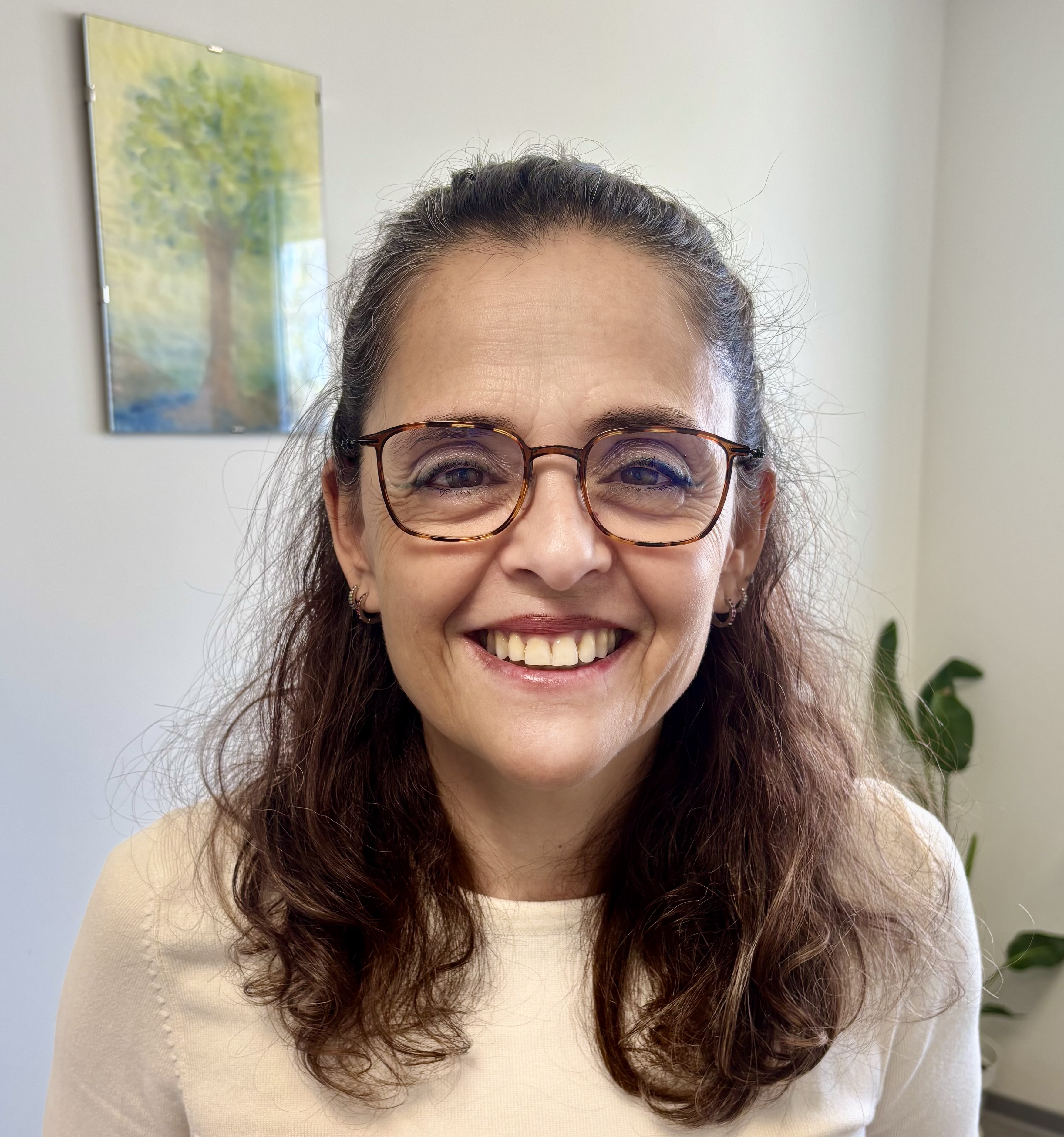
María Dolores Pérez Vázquez
Científica Titular OPI
Licenciada y doctora en Farmacia (Universidad de Santiago de Compostela, Universidad Complutense de Madrid). Especialista en Microbiología y Parasitología clínicas (F.I.R.). Mi trayectoria investigadora se ha centrado en la resistencia a los antibióticos y la epidemiología de patógenos resistentes, desarrollándose principalmente en el Centro Nacional de Microbiología (ISCIII), así como en el ámbito hospitalario (HU Ramón y Cajal) y en el Wellcome Sanger Institute (Cambridge). Desde 2012, tras mi formación en bioinformática, he consolidado una línea de investigación basada en la secuenciación masiva (WGS) aplicada a la vigilancia microbiológica, promoviendo la creación de la RedLabRA para la vigilancia nacional de bacterias multirresistentes. Mi producción científica alcanza 111 publicaciones (7056 citas; h-index 39/36) y he destacado por integrar investigación, vigilancia y transferencia al Sistema Nacional de Salud, junto con una sólida actividad docente y formadora.
-

Noelia Lara Fuella
Técnico Superior
ORCID code: 0009-0004-8912-7741
Noelia Lara Fuella (NLF) es Técnica Superior Especialista en Anatomía Patológica y Citología, con amplia experiencia en técnicas fenotípicas y genotípicas de identificación de mecanismos de resistencia en enterobacterias y gran positivos, amplia experiencia en técnicas de biología molecular, incluyendo aislamiento de ADN, PCR, RT-Y qPCR, campo Pulsante, preparación de librerías para su posterior análisis por secuenciación masiva, análisis de secuencias mediante herramienta Galaxy. Posee experiencia en manipulación de animales, realizando técnicas de inoculación y posterior sangrado para realización de posteriores ensayos, cultivo de células tumorales y mantenimiento de líneas celulares. Su trayectoria investigadora abarca un periodo de 22 años llevados a cabo en el Centro Nacional de Microbiología, en el Laboratorio de Referencia e Investigación en Resistencia a Antibióticos e IRAS, durante todo este tiempo NLF ha sido clave para la realización y puesta a punto de diversas técnicas moleculares y pruebas diagnósticas del programa de vigilancia de Haemophilus Influenzae y Programa de Vigilancia de Resistencia a Antibióticos donde permanece en la actualidad.
-

Verónica Casquero García
Técnico Superior Especializado de OPIs
ORCID code: 0000-0002-2365-394X
Verónica Casquero García es Licenciada en Bioquímica y en Biología, con amplia experiencia en técnicas de biología molecular, incluyendo aislamiento de ADN y ARN, PCR, RT- y qPCR, clonaje, mutagénesis dirigida, silenciamiento génico mediante shRNA y edición génica con CRISPR-Cas9. Posee experiencia en cultivo y manipulación de células madre embrionarias de ratón, células primarias de ratón y humano y líneas celulares, así como en técnicas de bioquímica de proteínas y en microscopía. Su trayectoria investigadora abarca varios centros incluyendo CSIC, CNIC y CNIO. Desde su incorporación al CNM en el Laboratorio de Referencia e Investigación en Resistencia a Antibióticos e IRAS ha sido clave en la actualización y desarrollo de técnicas moleculares y pruebas diagnósticas del Programa de Vigilancia en Infecciones Estafilocócicas. Domina la extracción de ADN/ARN bacteriano de distintos tipos de muestras y la preparación de librerías para secuenciación genómica, metagenómica y metatranscriptómica.
-

Jesús Oteo Iglesias
Investigador Científico OPI
ORCID code: 0000-0003-3327-8263
Licenciado en Medicina y Cirugía en 1992 y Doctor en 2005 por la Universidad Complutense de Madrid. Realizó la especialidad en Microbiología y Parasitología en el Hospital de Móstoles (2000) y desde 2001 ha desarrollado su carrera profesional en el CNM del ISCIII, del cual fue Director entre 2019-2021 liderando el plan de acción del CNM-ISCIII frente a la pandemia de COVID-19. Es profesor de investigación de OPIs, director científico del CIBER de Enfermedades Infecciosas (CIBERINFEC), coordinador de la Red Nacional de Laboratorios para la Vigilancia de Microorganismos Resistentes (RedLabRA) y National Focal Point español en resistencia a antimicrobianos. Su actividad investigadora está centrada en el campo de la resistencia a antibióticos, ha publicado más de 200 artículos en revistas con índice de impacto y ha sido investigador principal de numerosos proyectos. Ha sido secretario científico de la Junta Directiva de la SEIMC, y presidente de su grupo para el estudio de los mecanismos de acción y resistencia a antibióticos (GEMARA).
-

Silvia García Cobos
Investigador Posdoctoral
ORCID code: 0000-0002-1417-5691
Doctora en Biología por la Universidad Complutense de Madrid (2009), realizó su tesis en el Centro Nacional de Microbiología (CNM) del Instituto de Salud Carlos III, donde investigó los mecanismos de resistencia a antibióticos β-lactámicos en Haemophilus influenzae. Continuó su investigación en el mismo centro hasta el 2013, especializándose en la caracterización molecular de mecanismos de resistencia a antibióticos y su vigilancia epidemiológica, colaborando en redes nacionales como REIPI. Entre 2013 y 2019 desarrolló su labor en el University Medical Center Groningen (UMCG), Países Bajos, donde aplicó la secuenciación completa de genomas en el estudio de la diseminación de bacterias resistentes a los antibióticos bajo el enfoque One Health y la colaboración transfronteriza (programa INTERREG), además de investigar el resistoma intestinal humano en proyectos europeos de investigación. En 2019 regresó a España con financiación del programa Atracción de Talento de la Comunidad de Madrid para iniciar una línea de investigación sobre el papel del microbioma humano en las enfermedades infecciosas bacterianas y la resistencia a antibióticos, mediante secuenciación y análisis de datos metagenómicos y metatranscriptómicos.
-

María Belén Aracil García
Científica Titular OPI
ORCID code: 0000-0002-6156-8252
Licenciada y doctora en Medicina y Cirugía (Universidad Autónoma de Madrid, y Universidad Complutense de Madrid, respectivamente). Especialista en Microbiología y Parasitología clínicas (M.I.R.). Experiencia clínica en enfermedades infecciosas y microbiología desarrollada en el ámbito hospitalario (HU de Móstoles y HM Hospitales- Madrid-Montepríncipe) y en el Laboratorio de Referencia e Investigación de .Resistencia a Antibióticos y Enfermedades Relacionadas con la Asistencia Sanitaria (IRAS) del Centro Nacional de Microbiología del Instituto de Salud Carlos III, donde desde 2000 se ha desarrollado también mi actividad investigadora, enfocada en el estudio de la resistencia a los antibióticos esencialmente en patógenos multirresistentes gnosocomiales desde el punto de vista de la epidemiología molecular y la salud pública. Desde 2012, responsable de calidad del laboratorio, punto focal alternate de resistencia a antibióticos en España y coordinadora de la red EARS-Net en España, red del ECDC para la vigilancia de la resistencia a antibióticos en infecciones invasivas causadas por los principales microorganismos involucrados en la multirresistencia. Labor formativa de posgrado en la Universidad de Alcalá y la UNED y en otros ciclos formativos relacionados. Destacada producción científica con 114 publicaciones e informes técnicos y 30 proyectos de investigación.
-

Isabela Alonzo González
Dra.
ORCID code: 0009-0007-4291-4870
La Dra. Isabela Alonso González es licenciada en Biología por la Universidad Complutense de Madrid, en 2002. Realizó su tesis doctoral en el ámbito de la regulación de la expresión génica en células de mamífero en el Centro de Biología Molecular Severo Ochoa (CBMSO-UAM), donde concluyó su doctorado en Biología Molecular en 2009. Tras varias estancias posdoctorales, se especializó mediante un Máster en Gestión de Proyectos de I+D y es experta en la coordinación y gestión de redes de investigación. Desde 2023 trabaja como Project Manager del proyecto MePRAM, contratada por el CIBER y, en paralelo, desarrolla su labor en el Centro Nacional de Microbiología (CNM) en el grupo de investigación del Dr. Jesús Oteo, explorando oportunidades en una nueva línea de trabajo relacionada con la proteómica y la resistencia a antimicrobianos en patógenos de interés para el Sistema Nacional de Salud (SNS), así como en el estudio de nuevas terapias celulares frente a las infecciones producidas por bacterias multirresistentes.


List of staff
Additional Information
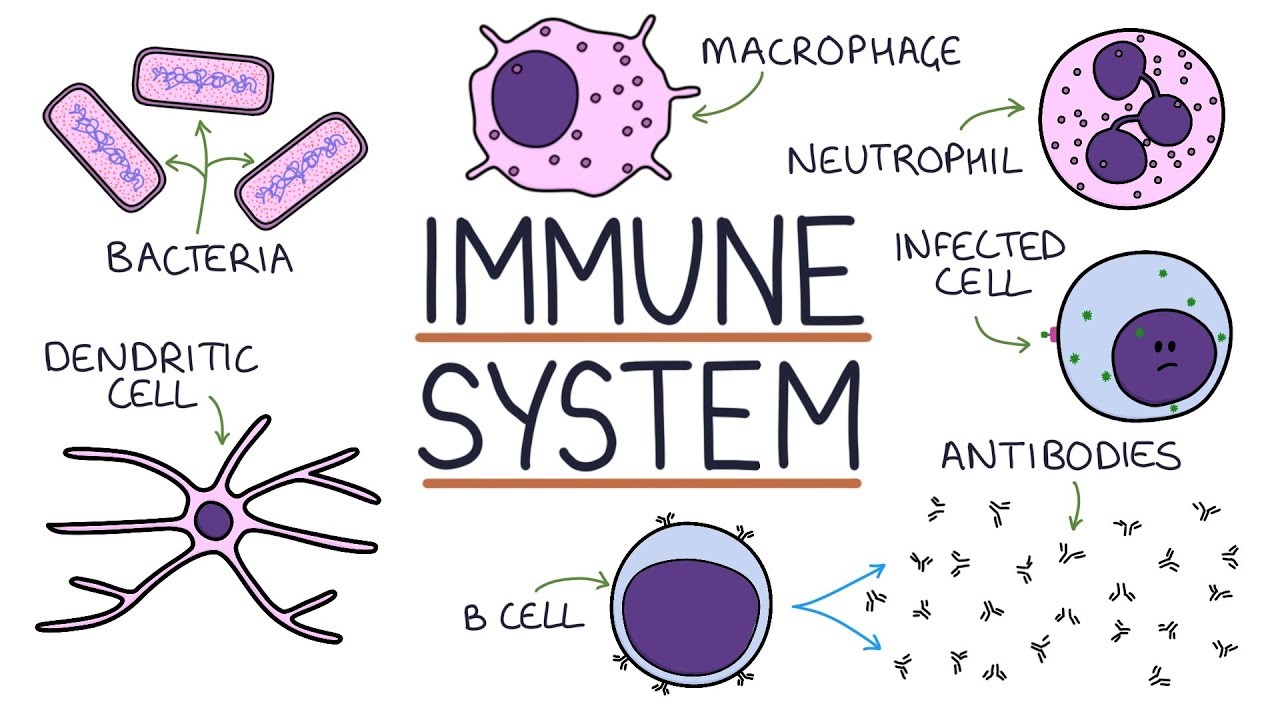
The group is interested in the study of the immune response from a multidisciplinary perspective that includes genomic, biochemical, proteomic, in vivo and biotechnological models aimed at the design of therapeutic strategies against various chronic, infectious and rare diseases that have a clear immunological component in their etiology.
The current specific objectives focus on:
- Antigenic presentation: Identification of antigenic presentation rules for their application in the design of therapeutic treatments including vaccines.
- Study of CD69 function and its regulation; its use as a therapeutic target in the mobilization of hematopoietic precursors and in the potentiation of the immune response mediated by CD69 with the potentiation of vaccines using the vaccinia virus as a vector.
The group is interested in the study of the immune response from a multidisciplinary perspective that includes genomic, biochemical, proteomic, in vivo and biotechnological models aimed at the design of therapeutic strategies against various chronic, infectious and rare diseases that have a clear immunological component in their etiology.
The current specific objectives focus on:
- Antigenic presentation: Identification of antigenic presentation rules for their application in the design of therapeutic treatments including vaccines.
- Study of CD69 function and its regulation; its use as a therapeutic target in the mobilization of hematopoietic precursors and in the potentiation of the immune response mediated by CD69 with the potentiation of vaccines using the vaccinia virus as a vector.