



We protect your health through science
Investigation
Immune Presentation and Regulation
Publications
Identification of Novel Short C-Terminal Transcripts of Human SERPINA1 Gene.
Matamala N, Aggarwal N, Iadarola P, Fumagalli M, Gomez-Mariano G, Lara B, Martinez MT, Cuesta I, Stolk J, Janciauskiene S, Martinez-Delgado B. Identification of Novel Short C-Terminal Transcripts of Human SERPINA1 Gene. PLoS One. 2017 Jan 20;12(1):e0170533.
PUBMED DOIA case of respiratory toxigenic diphtheria: Contact tracing results and considerations following a 30-year disease-free interval, Catalonia, Spain, 2015.
Jané, M., Vidal, M.J., Camps, N., Campins, M., Martínez, A., Balcells, J., Martin-Gomez, M.T., Bassets, G., Herrera-Leon, S., Foguet, A., Maresma, M., Follia, N., Uriona, S., Pumarola, T. A case of respiratory toxigenic diphtheria: Contact tracing results and considerations following a 30-year disease-free interval, Catalonia, Spain, 2015. (2018) Eurosurveillance, 23 (13).
PUBMED DOIDevelopment of three multiplex PCR assays targeting the 21 most clinically relevant serogroups associated with Shiga toxin-producing E. coli infection in humans
Sánchez, S., Llorente, M.T., Echeita, M.A., Herrera-León, S. Development of three multiplex PCR assays targeting the 21 most clinically relevant serogroups associated with Shiga toxin-producing E. coli infection in humans (2015) PLoS ONE, 10 (1).
PUBMED DOIShiga toxin-producing Escherichia coli and atypical enteropathogenic E. coli infection in a Spanish household
Sánchez, S., Cenoz, M.G., Martín, C., Beristain, X., Llorente, M.T., Herrera-León, S. Cluster investigation of mixed O76:H19 Shiga toxin-producing Escherichia coli and atypical enteropathogenic E. coli infection in a Spanish household (2014) Epidemiology and Infection, 142 (5), pp. 1029-1033.
PUBMED DOI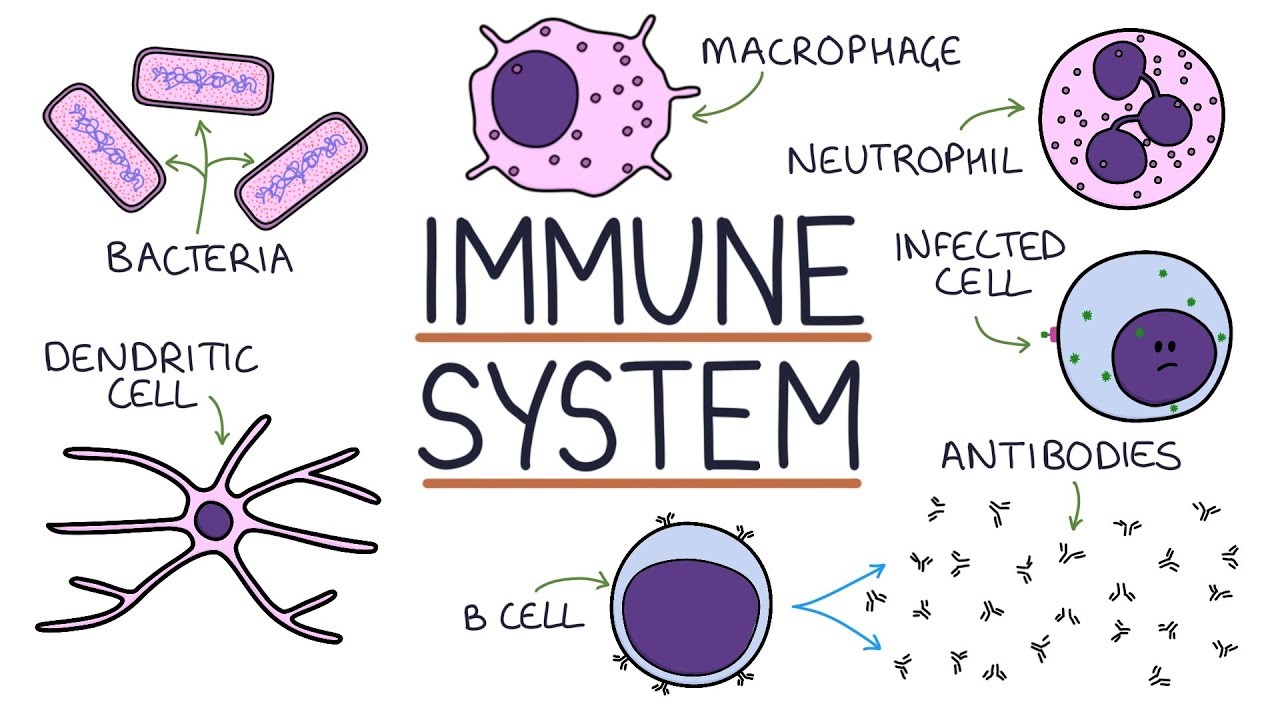
Additional Information
The group is interested in the study of the immune response from a multidisciplinary perspective that includes genomic, biochemical, proteomic, in vivo and biotechnological models aimed at the design of therapeutic strategies against various chronic, infectious and rare diseases that have a clear immunological component in their etiology.
The current specific objectives focus on:
- Antigenic presentation: Identification of antigenic presentation rules for their application in the design of therapeutic treatments including vaccines.
- Study of CD69 function and its regulation; its use as a therapeutic target in the mobilization of hematopoietic precursors and in the potentiation of the immune response mediated by CD69 with the potentiation of vaccines using the vaccinia virus as a vector.
The group is interested in the study of the immune response from a multidisciplinary perspective that includes genomic, biochemical, proteomic, in vivo and biotechnological models aimed at the design of therapeutic strategies against various chronic, infectious and rare diseases that have a clear immunological component in their etiology.
The current specific objectives focus on:
- Antigenic presentation: Identification of antigenic presentation rules for their application in the design of therapeutic treatments including vaccines.
- Study of CD69 function and its regulation; its use as a therapeutic target in the mobilization of hematopoietic precursors and in the potentiation of the immune response mediated by CD69 with the potentiation of vaccines using the vaccinia virus as a vector.