



We protect your health through science
Investigation
Immune Presentation and Regulation
Research projects
Content with Investigacion .
PROYECTOS VIGENTES
Título del proyecto: "Vesículas extracelulares y otras moléculas de parásitos para el tratamiento de la enfermedad inflamatoria intestinal: PARATREAT-IBD"
Referencia: Proyecto PID2022-137661OB-I00 (MPY 341/23) financiado por MCIN/AEI /10.13039/501100011033/ y por FEDER Una manera de hacer Europa
Fecha Inicio: 01/12/2023
Fecha Fin: 31/08/2026
Financiación: 162.500 Euros
Investigador principal: Javier Sotillo
Agencia Financiadora: Agencia Estatal de Investigación. MICINN.

Título del proyecto: "Desarrollo de nuevos métodos diagnósticos y de seguimiento de la infección por schistosoma haematobium"
Referencia: PI23CIII00034 / MPY 386/23
Fecha Inicio: 01/01/2024
Fecha Fin: 31/12/2026
Financiación: 131.500 Euros
Investigador principal: Javier Sotillo
Agencia Financiadora: Instituto de Salud Carlos III (ISCIII/AESI)

Título del proyecto: "Desarrollo de herramientas para el control de la teniosis / cisticercosis en zonas endémicas y vigilancia de las helmintosis humanas emergentes en España"
Referencia: PI22CIII/00010
Fecha Inicio: 01/01/2023
Fecha Fin: 31/12/2025
Financiación: 80.000 Euros
Investigador principal: María Jesús Perteguer
Agencia Financiadora: Instituto de Salud Carlos III (ISCIII/AESI)
PROYECTOS PASADOS
Título del proyecto: "PERITAS: Molecular epidemiological studies on pathways of transmission and longlasting capacity building to prevent cystic echinococcosis infection."
Coordinador: Adriano Casulli. IP of ISCIII: Maria J. Perteguer.
Entidad financiadora: EULAC Health JOINT CALL on Research and Innovation 016-2017
Periodo: 01/03/2019-31/12/2022.
Cuantía total: 1.083.580 €.
Título del proyecto: "Producción de antígenos y controles positivos recombinantes para el desarrollo y la estandarización de nuevos ensayos serológicos aplicados al diagnóstico y control de helmintosis olvidadas. "
Investigador principal: María Jesús Perteguer.
Entidad financiadora: ISCIII-AESI. Instituto de Salud Carlos III
Periodo: 02/11/2018 - 31/06/2022.
Cuantía total: 78.050 €.
Título del proyecto: "Diagnóstico serológico diferencial de helmintiasis asociadas a eosinofilia: desarrollo de ensayos multianalito (xMAP) con antígenos recombinantes de especies de interés clínico"
Investigador principal: María Jesús Perteguer.
Entidad financiadora: ISCIII-AESI. Instituto de Salud Carlos III
Periodo: 01/01/2015 - 31/12/2018 .
Cuantía total: 91.000 €.
Publications
In vitro activity of olorofim (F901318) against clinical isolates of cryptic species of Aspergillus by EUCAST and CLSI methodologies. J Antimicrob Chemother. 2019 Jun 1
Rivero-Menendez O, Cuenca-Estrella M, Alastruey-Izquierdo A.* In vitro activity of olorofim (F901318) against clinical isolates of cryptic species of Aspergillus by EUCAST and CLSI methodologies. J Antimicrob Chemother. 2019 Jun 1;74(6):1586-1590. doi: 10.1093/jac/dkz078. PMID: 30891600.
PUBMED DOIMolecular Identification, Antifungal Susceptibility Testing, and Mechanisms of Azole Resistance in Aspergillus Species Received within a Surveillance Program on Antifungal Resistance in Spain. Antimicrob Agents Chemother. 2019 Aug 23
Rivero-Menendez O, Soto-Debran JC, Medina N, Lucio J, Mellado E, Alastruey-Izquierdo A*. Molecular Identification, Antifungal Susceptibility Testing, and Mechanisms of Azole Resistance in Aspergillus Species Received within a Surveillance Program on Antifungal Resistance in Spain. Antimicrob Agents Chemother. 2019 Aug 23;63(9). doi: 10.1128/AAC.00865-19. PMID: 31285229.
PUBMED DOIClinical and Laboratory Development of Echinocandin Resistance in Candida glabrata: Molecular Characterization. Front Microbiol. 2019 Jul 11
Rivero-Menendez O, Navarro-Rodriguez P, Bernal-Martinez L, Martin-Cano G, Lopez-Perez L, Sanchez-Romero I, Perez-Ayala A, Capilla J, Zaragoza O, Alastruey-Izquierdo A*. Clinical and Laboratory Development of Echinocandin Resistance in Candida glabrata: Molecular Characterization. Front Microbiol. 2019 Jul 11;10:1585. doi: 10.3389/fmicb.2019.01585. PMID: 31354675.
PUBMED DOIIn vitro activity of olorofim against clinical isolates of Scedosporium species and Lomentospora prolificans using EUCAST and CLSI methodologies. J Antimicrob Chemother. 2020 Aug 28
Rivero-Menendez O, Cuenca-Estrella M, Alastruey-Izquierdo A.* In vitro activity of olorofim against clinical isolates of Scedosporium species and Lomentospora prolificans using EUCAST and CLSI methodologies. J Antimicrob Chemother. 2020 Aug 28. doi: 10.1093/jac/dkaa351. PMID:32856079.
PUBMED DOIEarly innate immune response triggered by the human respiratory syncytial virus and its regulation by ubiquitination/deubiquitination processes.
Martín-Vicente M*, Resino S#, Martínez I#*. Early innate immune response triggered by the human respiratory syncytial virus and its regulation by ubiquitination/deubiquitination processes. J Biomed Sci. 2022 Feb 13;29(1):11. doi: 10.1186/s12929-022-00793-3. PMID: 35152905 (R; FI= 12.771; D1 Medicine, Research & Experimental; JCR 2021).
PUBMEDHigh SARS-CoV-2 viral load and low CCL5 expression levels in the upper respiratory tract are associated with COVID-19 severity.
Pérez-García F, Martin-Vicente M, Rojas-García RL, Castilla-García L, Muñoz-Gomez MJ, Hervás Fernández I, González Ventosa V, Vidal-Alcántara EJ, Cuadros-González J, Bermejo-Martin JF, Resino S#, Martínez I#. High SARS-CoV-2 viral load and low CCL5 expression levels in the upper respiratory tract are associated with COVID-19 severity. J Infect Dis. 2022 Mar 15;225(6):977-982. doi: 10.1093/infdis/jiab604. PMID: 34910814 (A; FI= 7.759; Q1 Microbiology; JCR 2021).
PUBMEDNeighborhood environmental factors linked to hospitalizations of older people for viral lower respiratory tract infections in Spain: a case-crossover study.
Álvaro-Meca A, Sepúlveda-Crespo D#, Resino R, Ryan P, Martínez I#, Resino S#. Neighborhood environmental factors linked to hospitalizations of older people for viral lower respiratory tract infections in Spain: a case-crossover study. Environ Health. 2022 Nov 8;21(1):107. doi: 10.1186/s12940-022-00928-x. PMID: 36348411.
PUBMEDDiagnostic Performance of the HCV Core Antigen Test To Identify Hepatitis C in HIV-Infected Patients: a Systematic Review and Meta-Analysis.
Sepúlveda-Crespo D, Treviño-Nakoura A, Bellon JM, Jiménez-Sousa MA, Ryan P, Martínez I#, Fernández-Rodríguez A#, Resino S#. Diagnostic Performance of the HCV Core Antigen Test To Identify Hepatitis C in HIV-Infected Patients: a Systematic Review and Meta-Analysis. J Clin Microbiol. 2023 Jan 26; 61(1):e0133122. doi: 10.1128/jcm.01331-22. PMID: 36537787.
PUBMEDHCV Cure With Direct-Acting Antivirals Improves Liver and Immunological Markers in HIV/HCV-Coinfected Patients.
Brochado-Kith Ó, Martínez I*, Berenguer J, González-García J, Salgüero S, Sepúlveda-Crespo D, Díez C, Hontañón V, Ibañez-Samaniego L, Pérez-Latorre L, Fernández-Rodríguez A, Ángeles Jiménez-Sousa M, Resino S*. HCV Cure With Direct-Acting Antivirals Improves Liver and Immunological Markers in HIV/HCV-Coinfected Patients. Front Immunol. 2021 Aug 23;12:723196. doi: 10.3389/fimmu.2021.723196. eCollection 2021.PMID: 34497613 (A; FI= 8.786; Q1 Immunology; JCR 2021).
PUBMEDHIV screening and retention in care in people who use drugs in Madrid, Spain: a prospective study
Ryan P, Valencia J, Cuevas G; Troya J; Torres-Macho J; Muñoz-Gómez MJ, Muñoz-Rivas N, Canorea I, Vázquez-Morón S (‡), Resino S (‡ *). HIV screening and retention in care in people who use drugs in Madrid, Spain: A prospective study. Infect Dis Poverty. 2021; 10(1): 111. (A; FI= 10.49; D1, Tropical Medicine; JCR 2021). PMID: 34412695. DOI: 10.1186/s40249-021-00894-5.
PUBMEDObesity-related SNPs and weight gain following first-line antiretroviral therapy.
Berenguer J (*), Jarrín I, Bellón JM, Díez C, Jiménez-Sousa MA, Roca C, González-García J, Dalmau D, Olalla J, Herrero C, Villarroya F, Domingo P, Resino S. Obesity-related SNPs and weight gain following first-line antiretroviral therapy. Clin Inf Dis. 2023; In press. (A; FI= 20.99; D1, Infectious Diseases; JCR 2021).
PUBMED DOIMild profile improvement of immune biomarkers in HIV/HCV-coinfected patients who removed hepatitis C after HCV treatment: a prospective study.
García-Broncano P, Medrano LM, Berenguer J, Brochado O, González-García J, Jiménez-Sousa MA, Quereda C, Sanz J, Téllez MJ, Díaz L, Jiménez JL, Muñoz-Fernández MA, Resino S (*). Mild profile improvement of immune biomarkers in HIV/HCV-coinfected patients who removed hepatitis C after HCV treatment: a prospective study. J Infect 2020; 80(1):99-110. (A; FI= 6.07; Q1, Infectious Diseases; JCR 2020). PMID: 31585189. DOI: 10.1016/j.jinf.2019.09.020.
PUBMEDEvaluation of the possible influence of trailing and paradoxical effects on the clinical outcome of patients with candidemia
Rueda C, Puig-Asensio M, Guinea J, Almirante B, Cuenca-Estrella M, Zaragoza O; CANDIPOP Project from GEIH-GEMICOMED (SEIMC) and REIPI. Evaluation of the possible influence of trailing and paradoxical effects on the clinical outcome of patients with candidemia. Clin Microbiol Infect. 2017 Jan;23(1):49.e1-49.e8.
PUBMED DOIIdentification of Off-Patent Drugs That Show Synergism with Amphotericin B or That Present Antifungal Action against Cryptococcus neoformans and Candida spp
Rossi SA, de Oliveira HC, Agreda-Mellon D, Lucio J, Mendes-Giannini MJS, García-Cambero JP, Zaragoza O. Identification of Off-Patent Drugs That Show Synergism with Amphotericin B or That Present Antifungal Action against Cryptococcus neoformans and Candida spp. Antimicrob Agents Chemother. 2020 Mar 24;64(4):e01921-19. PMCID: PMC7179310.
PUBMED DOIParadoxical Growth of Candida albicans in the Presence of Caspofungin Is Associated with Multiple Cell Wall Rearrangements and Decreased Virulence
Rueda C, Cuenca-Estrella M, Zaragoza O. Paradoxical growth of Candida albicans in the presence of caspofungin is associated with multiple cell wall rearrangements and decreased virulence. Antimicrob Agents Chemother. 2014;58(2):1071-83. PMCID: PMC3910852.
PUBMED DOIHCV cure with direct-acting antivirals improves liver and immunological markers in HIV/HCV-coinfected patients.
Brochado-Kith O, Martínez I, Berenguer J, González-García J, Salgüero S, Sepúlveda-Crespo D, Díez C, Hontañón V, Ibañez-Samaniego L, Pérez-Latorre L, Fernández-Rodríguez A (‡), Jiménez-Sousa MA (‡), Resino S (‡ *). HCV cure with direct-acting antivirals improves liver and immunological markers in HIV/HCV-coinfected patients. Front immunol. 2021; 12:723196. (A; FI= 8.79; Q1, Immunology; JCR 2021). PMID: 34497613. DOI: 10.3389/fimmu.2021.723196.
PUBMEDCryptococcus neoformans induces antimicrobial responses and behaves as a facultative intracellular pathogen in the non mammalian model Galleria mellonella
Trevijano-Contador N, Herrero-Fernández I, García-Barbazán I, Scorzoni L, Rueda C, Rossi SA, García-Rodas R, Zaragoza O. Cryptococcus neoformans induces antimicrobial responses and behaves as a facultative intracellular pathogen in the non mammalian model Galleria mellonella. Virulence. 2015;6(1):66-74. PMCID: PMC4603429.
PUBMED DOIThe formation of titan cells in Cryptococcus neoformans depends on the mouse strain and correlates with induction of Th2-type responses
García-Barbazán I, Trevijano-Contador N, Rueda C, de Andrés B, Pérez-Tavárez R, Herrero-Fernández I, Gaspar ML, Zaragoza O. The formation of titan cells in Cryptococcus neoformans depends on the mouse strain and correlates with induction of Th2-type responses. Cell Microbiol. 2016 Jan;18(1):111-24.
PUBMED DOIPrevalence and undiagnosed fraction of hepatitis C infection in 2018 in Spain: results from a national population-based survey.
• Estirado Gómez A, Justo-Gil S, Limia A, Avellón A, Arce-Arnáez A, González-Rubio R, Diaz A, Del Amo J; Prevalence and undiagnosed fraction of hepatitis C infection in 2018 in Spain: results from a national population-based survey. Sci Rep. 2018 Jan 30;8(1):1858.
PUBMED DOIContent with Investigacion .
-

Sara Vázquez Ávila
Técnico de Laboratorio
Obtuve mi título como Técnico de Laboratorio Clínico y Biomédico en el año 2020 y en el 2021obtuve el Grado Superior de Anatomía Patológica y Citodiagnóstico. Trabajé en el Centro Andaluz de Biología Molecular y Medicina Regenerativa (Sevilla) y en el Departamento de Farmacología de la Facultad de Medicina (Universidad Complutense de Madrid). Actualmente soy Técnico de Laboratorio en el Laboratorio de Helmintos del CNM (ISCIII).
-
Maria Jesús Perteguer Prieto
Investigadora Titular, Jefa de grupo
-

Javier Sotillo Gallego
Científico Titular
ORCID code: 0000-0002-1443-7233
En el año 2011 obtuve mi título de doctor “cum laude” por la Universidad de Valencia. Durante mi etapa postdoctoral en la James Cook University en Australia (2012-2019) me especialicé en estudiar las interacciones parásito-hospedador usando diferentes técnicas ómicas. En 2019 volví España y comencé a trabajar en el Laboratorio de Helmintos del CNM (ISCIII) primero como Investigador Miguel Servet y más adelante como Investigador Ramón y Cajal. Actualmente soy Científico Titular en el mismo laboratorio.
-

Ana Hernández González
Laboral Fijo Doctor
ORCID code: 0000-0001-6762-8175
Licenciada en Biología y doctora en Enfermedades Tropicales por la Universidad de Salamanca. Puestos ocupados con anterioridad: investigadora predoctoral en el IRNASA-CSIC (contrato JAE predoc), investigadora postdoctoral en el CNM (contrato Sara Borrell) e investigadora contratada como técnico superior en el CNM (RICET). Actualmente, personal Laboral Fijo Doctor en el laboratorio de Helmintos del CNM.
-

Esther Rodríguez Pérez
Técnico de Laboratorio
ORCID code: 0000-0002-3680-7733
Obtuve mi título como Graduada en Biología Sanitaria en el año 2015 y en el año 2019 obtuve el Grado Superior de Laboratorio de Diagnóstico Clínico. De 2019 a 2022 trabajé en el Museo Nacional de Ciencias Naturales (MNCN-CSIC), en el Departamento de Biogeoquímica y Ecología Microbiana. Actualmente trabajo como Técnico de Laboratorio en el Laboratorio de Helmintos del CNM (ISCIII).
-

Lourdes Castro Companioni
Ayudante de Investigación
ORCID code: 0009-0003-2746-4067
Bióloga sanitaria graduada en la Universidad de Alcalá de Henares (UAH), con master de Microbiología y Salud pública en la UAH en colaboración con el ISCIII.


List of staff
Additional Information
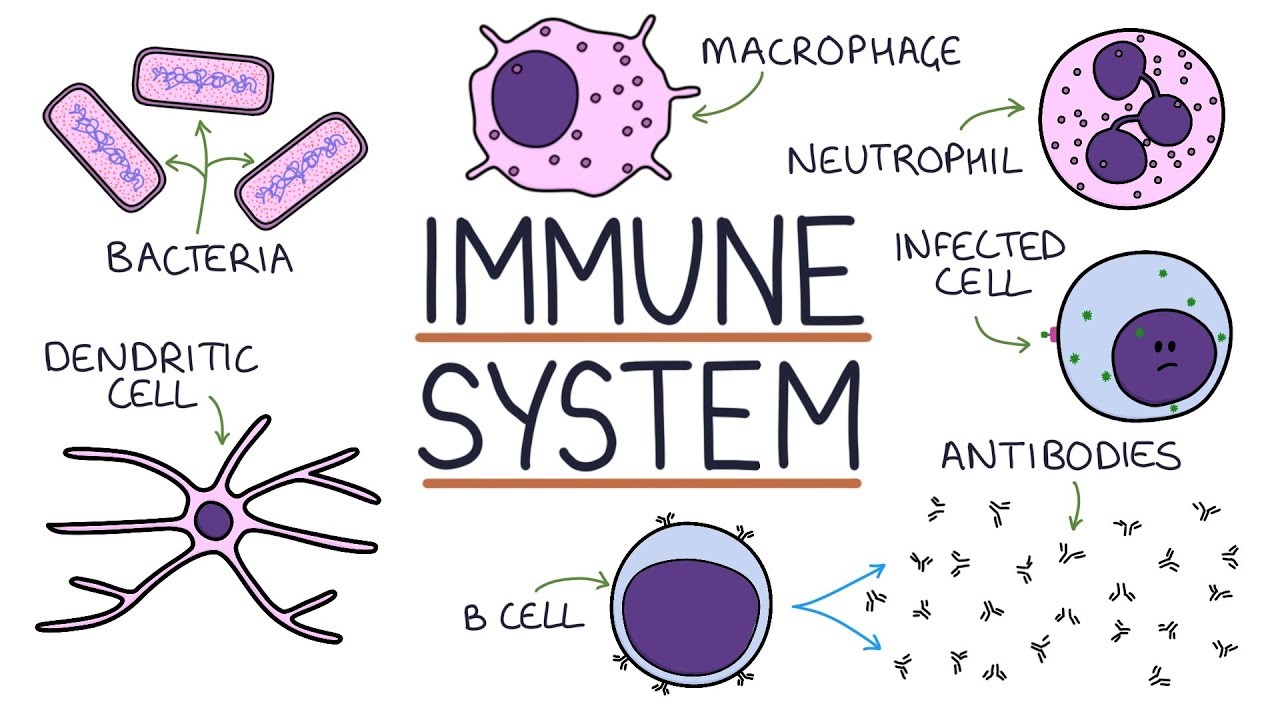
The group is interested in the study of the immune response from a multidisciplinary perspective that includes genomic, biochemical, proteomic, in vivo and biotechnological models aimed at the design of therapeutic strategies against various chronic, infectious and rare diseases that have a clear immunological component in their etiology.
The current specific objectives focus on:
- Antigenic presentation: Identification of antigenic presentation rules for their application in the design of therapeutic treatments including vaccines.
- Study of CD69 function and its regulation; its use as a therapeutic target in the mobilization of hematopoietic precursors and in the potentiation of the immune response mediated by CD69 with the potentiation of vaccines using the vaccinia virus as a vector.
The group is interested in the study of the immune response from a multidisciplinary perspective that includes genomic, biochemical, proteomic, in vivo and biotechnological models aimed at the design of therapeutic strategies against various chronic, infectious and rare diseases that have a clear immunological component in their etiology.
The current specific objectives focus on:
- Antigenic presentation: Identification of antigenic presentation rules for their application in the design of therapeutic treatments including vaccines.
- Study of CD69 function and its regulation; its use as a therapeutic target in the mobilization of hematopoietic precursors and in the potentiation of the immune response mediated by CD69 with the potentiation of vaccines using the vaccinia virus as a vector.
The current director of CNM is Dr. José Miguel Rubio Muñoz.
Dr. José Miguel Rubio has a degree in Biological Sciences from the Universidad Autónoma de Madrid (1986) and a PhD in Biological Sciences from the same university (1992). He carried out his doctoral thesis at the Department of Genetics of the Universidad Autónoma de Madrid, as Associate Professor (1988-1989), and at the School of Biology of the University of East Anglia in Norwich, UK, as Senior Research Assistant (1989-1992).
During his postdoctoral period he obtained a grant from the European Commission within the Human Capital and Mobility Program to be carried out at the University of “La Sapienza” in Rome, Italy and the Institute of Molecular Biology and Biotechnology in Crete, Greece (1993-1994). Subsequently, he made a further stay funded by the WHO and the university itself at the Department of Entomology, Wageningen University, The Netherlands (1994-1996).
Since 1997 he has been a member of the Instituto de Salud Carlos III (ISCIII), where he joined the Department of Parasitology of the National Center of Microbiology, as an EU-INCO postdoctoral fellow and later with a grant from the Autonomous Community of Madrid (CAM). She was part of the founding group of the National Center for Tropical Medicine (2003-2006) and of the 24/7 Alerts and Emergencies Unit (2006-2018) and is currently Head of the Malaria and Emerging Parasitosis Unit of the National Microbiology Center and is part, as research staff, of the Center for Biomedical Research Network on Infectious Diseases (CIBERINFEC/ISCIII).
During his scientific career he has been Visiting Scientist at the Leonidas e Marie Dean Center (FIOCRUZ-AMAZONAS, Manaus, Brazil) and is an External Consultant of the Parasitology Departments of Cairo University (Egypt) and the Medical Research Center (MRC) of Kuala Lumpur (Malaysia). He also belongs or has belonged to different national and international committees: Member of the expert group for malaria control of the European Centre for Disease Control (ECDC) since 2011; Expert-Evaluator for health programs of the European Commission since 2004; Spanish Representative (commissioned by ISCIII and MSC) in the Technical Scientific Committee of the TDR (WHO) 2007-2008; Spanish Deputy Focal Point for microbiology at the European Centre for Disease Control (ECDC) from 2012 to 2020; and, member of the Research Ethics Committee of ISCIII until 2019.
In this period he has published more than 100 articles in international indexed journals, 10 book chapters and has been co-editor of two books in the area of malaria, tropical medicine and neglected diseases. He has participated in 58 competitively funded research projects, 20 of them international, having been the principal investigator in 8 national and 11 international projects as PI of the project or WP leader. In addition, he has led five agreements with companies. Currently he has been awarded four sexenios of research, being presented this year 2025 to the fifth. In the teaching field, he participates in different postgraduate programs in the areas of microbiology and parasitology, having directed seven doctoral theses and more than 20 Master's or Degree final projects, both nationally and internationally.
El laboratorio de Referencia e Investigación en Resistencia a Antibióticos ofrece una amplia cartera de servicios al Sistema Nacional de Salud, las cuales pueden solicitarse en cnm-laboratorios.isciii.es. Jefe del Laboratorio: Jesús Oteo Iglesias (Punto focal Nacional de Resistencia antibiótica).
Dispone de dos programas de Vigilancia oficiales y gratuitos que engloban los ensayos ofertados ya sea como aislamientos individuales o mediante estudio de brotes. El Laboratorio utiliza asimismo técnicas de PCR en tiempo real para la detección de genes de resistencia, estas técnicas se han adaptado a un formato multiplex que permite detectar varios genes en la misma reacción. En los últimos años se han incluido metodologías basadas en la secuenciación de genomas completos para el análisis de bacterias multiresistentes (WGS).
Programa de vigilancia de Haemophilus influenzae. Responsables: María Pérez Vázquez (Punto focal Nacional de Haemophilus influenzae) y Belén Aracil. Laboratorio encargado de la identificación, estudio de sensibilidad y análisis genotípico de aislados de Haemophilus influenzae, centrándose esencialmente en la patología invasiva debida este patógeno.
Programa de vigilancia de Resistencia a Antibióticos. Responsables: María Pérez Vázquez y Belén Aracil (Punto focal Nacional de Resistencia antibiótica). Laboratorio encargado de la identificación, el estudio de sensibilidad antibiótica, y el diagnóstico fenotípico y genotípico de los diferentes mecanismos de resistencia a antibióticos fundamentalmente en enterobacterias y gram-negativos no fermentadores y Enterococcus spp.
Estudio de brotes. Responsables: Belén Aracil y María Pérez Vázquez. El programa incluye la caracterización de brotes nosocomiales y clones emergentes de alto riesgo mediante diferentes técnicas moleculares (tabla resumen). Éstas, nos permiten realizar estudios filogenéticos con el fin de obtener una información detallada acerca la relación entre los diferentes aislados y su trazabilidad. El objetivo final es generar datos que se transfieren a los hospitales como ayuda para la prevención o control de la propagación del brote.
Acreditación y Calidad. Responsable: Belén Aracil. El laboratorio Referencia e Investigación en Resistencia a Antibióticos ha sido de los primeros en el ISCIII en la utilización de técnicas acreditadas por la Entidad Nacional de Acreditaciones (ENAC). Este laboratorio consiguió la primera acreditación homologada de técnicas diagnósticas en 2012, programa que ha sido ampliado, de manera que en la actualidad más de la mitad de las técnicas ofrecidas al Sistema Nacional de Salud están debidamente acreditadas por ENAC.
Técnicos responsables de las técnicas realizadas en el Laboratorio: Noelia Lara Fuella y Verónica Bautista Sánchez.
En la siguiente imagen se resumen las técnicas ofrecidas al Sistema Nacional de Salud.
| PROGRAMAS | NOMBRE CARTERA SERVICIO | PATÓGENO | DETERMINACIÓN, DETECCIÓN, ANÁLISIS | MÉTODOS |
|
Programa de vigilancia de Haemophilus Programa de vigilancia de resistencia a antibióticos. |
Identificación bacteriana |
Haemophilus sp. Enterobacterias, gram-negativos no fermentadores, Enterococcus spp |
Identificación bacteriana |
Bioquímicos MALDI TOF Secuenciación de RNAr |
| | Identificación capsular |
Haemophilus influenzae
|
Identificación capsular fenotípica y genotípica |
Aglutinación serológica en latex PCR ind/multiplex |
| | Determinación de Sensibilidad |
Haemophilus sp. Enterobacterias, gram-negativos no fermentadores, Enterococcus
|
Determinación de Sensibilidad |
Microdilución Tiras epsilon Kirby Bauer |
| | Métodos fenotípicos de detección de mecanismos de resistencia |
Enterobacterias, gram-negativos no fermentadores,
|
Métodos fenotípicos de detección de mecanismos de resistencia |
Discos y tabletas combinados con inhibidores Tiras combinadas Test de Hodge modificado CabaNP Inmunocromatografía CBP |
| | Métodos genotípicos de detección de mecanismos de resistencia |
Haemophilus sp. Enterobacterias, gram-negativos no fermentadores, Enterococcus
|
ADN, PCR y secuenciación |
PCR ind/multiplex Análisis comparativo de las secuencias |
| | Tipificación molecular/análisis filogenéticos |
Haemophilus sp. Enterobacterias, gram-negativos no fermentadores, Enterococcus
|
Corte enzimas de restricción, electroforesis ADN, PCR y secuenciación Preparación de librerías y secuenciación y análisis de genomas completos |
PFGE
MLST
WGS |