



We protect your health through science
Investigation
Immune Presentation and Regulation
Publications
Viral Characteristics Associated with the Clinical Nonprogressor Phenotype Are Inherited by Viruses from a Cluster of HIV-1 Elite Controllers
Casado C, Marrero-Hernández S, Márquez-Arce D, Pernas M, Marfil S, Borràs-Grañana F, Olivares I, Cabrera-Rodríguez R, Valera MS, de Armas-Rillo L, Lemey P, Blanco J, Valenzuela-Fernández A, Lopez-Galíndez C. mBio. 2018 Apr 10,9(2): e02338-17
PUBMED DOIViral and Cellular Factors Leading to the Loss of CD4 Homeostasis in HIV-1 Viremic Nonprogressors.
Colomer-Lluch M, Kilpelainen A, Pernas M, Peña R, Ouchi D, Jimenez-Moyano E, Dalmau J, Casado C, López-Galíndez C, Clotet B, Martinez-Picado J, Prado JG. J Virol. 2022 Jan 12, 96(1): e0149921. doi: 10.1128/JVI.01499-21. Epub 2021 Oct 20.
PUBMED DOIContent with Investigacion .
-
Isabel de Fuentes Corripio
Jefa de Unidad, Investigador Titular OPIS
-
David Carmena Jiménez
Investigador Doctor distinguido
-
Aly Salimo Omar Muadica
Becario pre-doctoral
-
Marta Hernández de Mingo
Colaborador I+D+I
-
Begoña Bailo Cardoso
Técnico de Laboratorio
-
María Aguilera
Técnico de laboratorio
-
David González Barrio
Investigador contratado
List of staff
Additional Information
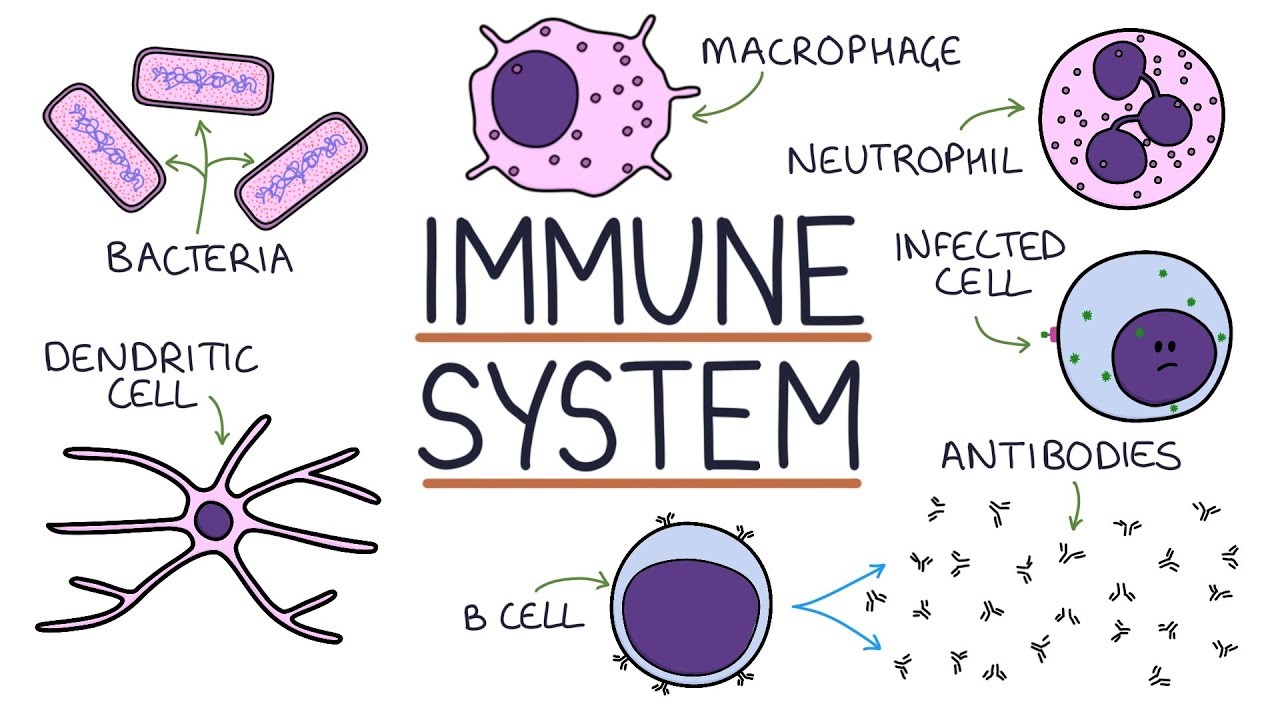
The group is interested in the study of the immune response from a multidisciplinary perspective that includes genomic, biochemical, proteomic, in vivo and biotechnological models aimed at the design of therapeutic strategies against various chronic, infectious and rare diseases that have a clear immunological component in their etiology.
The current specific objectives focus on:
- Antigenic presentation: Identification of antigenic presentation rules for their application in the design of therapeutic treatments including vaccines.
- Study of CD69 function and its regulation; its use as a therapeutic target in the mobilization of hematopoietic precursors and in the potentiation of the immune response mediated by CD69 with the potentiation of vaccines using the vaccinia virus as a vector.
The group is interested in the study of the immune response from a multidisciplinary perspective that includes genomic, biochemical, proteomic, in vivo and biotechnological models aimed at the design of therapeutic strategies against various chronic, infectious and rare diseases that have a clear immunological component in their etiology.
The current specific objectives focus on:
- Antigenic presentation: Identification of antigenic presentation rules for their application in the design of therapeutic treatments including vaccines.
- Study of CD69 function and its regulation; its use as a therapeutic target in the mobilization of hematopoietic precursors and in the potentiation of the immune response mediated by CD69 with the potentiation of vaccines using the vaccinia virus as a vector.