



We protect your health through science
Investigation
Immune Presentation and Regulation
Research Lines
Content with Investigacion .
Arbovirus y Enfermedades víricas importadas
El laboratorio de Arbovirus y Enfermedades Víricas Importadas (AEVI) del CNM desarrolla su trabajo dentro de la línea de investigación “Virus emergentes transmitidos por vector y/o reservorio, de importancia en salud pública”, que se sustenta en las áreas de epidemiología molecular, desarrollo metodológico, detección en vectores y reservorios y, otros aspectos relacionados con estas zoonosis con una aplicación clara hacia la investigación, prevención, preparación, control y respuesta a las amenazas o brotes causados por estos virus.
Arbovirus como Dengue, Chikungunya o Zika son virus endémicos en todo el cordón tropical/sub-tropical del planeta en continua expansión a latitudes más lejanas debido al calentamiento global y a la dispersión y colonización de nuevos hábitats llevada a cabo por sus vectores artrópodos y son transportados a otras zonas del planeta a través de pacientes virémicos por lo que si, como ocurre en España, se cuenta con vectores transmisores establecidos, se puede propiciar el establecimiento de circulación autóctona. Además de estos virus exóticos, en España circulan endémicamente los arbovirus Toscana, West Nile y el virus de la Fiebre hemorrágica de Crimea-Congo, entre otros.
La OMS elaboró un listado en 2019 con las 10 amenazas para la Salud Global que consideraron más importantes, entre las que se encuentran los virus Dengue, Ébola y Zika. El principal temor es que la falta de preparación cause una epidemia. Además, algunos de estos virus como Dengue y Chikungunya son considerados también “Enfermedades Tropicales Desatendidas” que ponen en peligro la salud de muchas personas en países empobrecidos sin que se estudien con los recursos necesarios.
La importancia para la salud pública de estos patógenos, y la necesidad de prepararse frente a ellos, se refleja también en la lista de actividades prioritarias de investigación y desarrollo de la OMS que actualmente incluye, entre otros, el Ébola, el virus de la Fiebre Hemorrágica de Crimea Congo, el virus de Zika y la enfermedad por el virus de Nipah, debido a la amenaza que suponen para la Salud Pública por su potencial epidémico o porque no hay medidas de control suficientes. Además del peligro real que representan en zonas endémicas, algunos de los virus mencionados (Ébola, Zika, West Nile, Crimea-Congo y Dengue) han supuesto, y continúan siendo, una amenaza para nuestro país habiendo producido casos esporádicos o brotes localizados de infección autóctona. El riesgo para España de las enfermedades transmitidas por vectores está aumentando de manera muy clara como se ha podido observar en los últimos años, y la previsión es que siga aumentando.
Todos estos virus son virus zoonóticos emergentes y nuestro grupo de investigación lleva décadas trabajando en diferentes aspectos en relación con estos patógenos. El riesgo de emergencia y expansión de estos virus se basa de sus ciclos complejos de transmisión, por lo que nuestros estudios se basan tanto en el ser humano, como en los reservorios y los vectores que los transmiten. De esta base, parten transversalmente las líneas de actuación que van enfocadas a estudios de epidemiología molecular, desarrollo metodológico, detección de virus en vectores y hospedadores, caracterización de los mismos y estudios de competencia vectorial, con una aplicación dirigida hacia la investigación, prevención y respuesta a las amenazas o brotes causados por estos virus. El trabajo que desarrollamos se articula en torno a 3 objetivos principales:
Objetivo 1. Búsqueda y caracterización de virus emergentes en vectores y/o reservorios. Se lleva a cabo mediante herramientas moleculares incluyendo las nuevas estrategias de NGS, de virus emergentes en vectores y reservorios. De los virus detectados se realiza una caracterización molecular y serológica, llevando a cabo estudios de epidemiología molecular y de relaciones genéticas y antigénicas con virus relacionados.
Objetivo 2. Desarrollo metodológico para detección, identificación y caracterización de virus emergentes. Los métodos desarrollados pueden transferirse al SNS, explotarse comercialmente y/o utilizarse en la Cartera de Servicios del CNM. Estos desarrollos moleculares, y/o serológicos, refuerzan al CNM en su papel como Laboratorio Nacional de Referencia de Zoonosis, con un aporte de herramientas útiles y necesarias para la detección y caracterización de estos agentes. De igual forma, el desarrollo de herramientas tipo flujo lateral, las denominadas “Point Of Care” es una de las necesidades que pretendemos dar solución.
Objetivo 3. Eco-epidemiología de viriasis emergentes. Debido a los complejos ciclos biológicos de los arbovirus, el estudio de las especies de vectores implicados en nuestro país, así como el origen y evolución de los agentes circulantes, es crucial a la hora de entenderlos y responder a las amenazas que generan. Para ello estudiamos la presencia de estos virus tanto en muestras humanas como de vectores y posibles hospedadores, lo que nos permite, con un enfoque de “Una Salud”, entender los mecanismos que controlan su circulación y que puedan estar implicados en su patogenicidad.
Research projects
Content with Investigacion .
CURRENT PROJECTS
Project title: "Biochemical and functional characterisation of salivary proteins of Phlebotomus perniciosus and their role in infection by Leishmania infantum (PERNIPROT)"Reference: Project PID2023-147773NA-I00 funded by MICIU/AEI/10.13039/501100011033 and by FEDER, EU.
Start date: 01/09/2024
End date: 31/08/2028
Funding: €175,000
Principal investigator: Inés Elena Martín Martín.
Funding agency: Agencia Estatal de Investigación (Proyecto de Generación del Conocimiento 2023).

Project title: "Surveillance of leishmaniasis in the Community of Madrid from a “One Health” perspective: study of the infectious capacity of patients with visceral leishmaniasis and their role as reservoirs"
Reference: PI24CIII/00026
Start date: 01/01/2025
End date: 31/12/2027
Funding: €60,000.00
Principal investigator: Inés Elena Martín Martín.
Co-principal investigator: Maribel Jiménez Alonso
Funding agency: Instituto de Salud Carlos III (Strategic Action in Intramural Health, AESI).
Service Contract: "Analysis for the surveillance of the vector and wild reservoirs that transmit leishmaniasis in the Community of Madrid"
Reference: file no. 17/2024 (A/SER-008455/2024).
Start date: 26/06/2024
End date: 10/12/25, extendable to 2026
Total funding: €171,084
Principal Investigator: Maribel Jiménez Alonso
Funding agency: Service Contract between the Instituto de Salud Carlos III and the Directorate-General for Public Health, Regional Ministry of Health of the Community of Madrid
Project Title: CIBERINFEC Research Group (CB21/13/00110)
Start date: 2021
End date: currently active
Principal Investigator: Dr. Mª Paz Sánchez-Seco, Arbovirus and Imported Viral Diseases Unit.
Researchers from the Medical Entomology Laboratory: Maribel Jiménez (member), Inés Martín Martín (collaborator).
Funding: €108,134. File number: CB21/13/00110.
Funding agency: Consortium Centre for Biomedical Research in NETWORK (CIBER)
PAST PROJECTS
Service Contract: "Evaluation of the anti-leishmania effect of the bacteria Tc1 and its derivatives in the intravectorial cycle"
Reference: ISCIII-06896
Start date: 15/12/2022
End date: 15/04/2025
Funding: €71,265.67
Principal Investigator: Inés Elena Martín Martín
Funding agency: Service Contract between the company GlaxoSmithKline R&D (GSK) and the Instituto de Salud Carlos III
Service Contract: "Analysis for the surveillance of the vector and wild reservoirs that transmit leishmaniasis in the Community of Madrid"
Reference: 59/2020 (A/SER-040739/2020)
Start date: 10/12/2021
End date: 10/12/2023.
Funding: €42,612.17 per year Total 2021-2023: €127,836.51
Principal Investigators: Ricardo Molina /Maribel Jiménez Alonso
Funding agency: Service contract between the Instituto de Salud Carlos III (ISCIII) and the Directorate-General for Public Health, Regional Ministry of Health of the Community of Madrid
Project title: "Research and Integrated Surveillance of Emerging Arboviruses West Nile, Toscana and Dengue in some areas of Spain"
Reference: PI19CIII/00014
Start date: 2020
End date: 2022
Principal Investigator: Ana Vázquez González
Co-Principal Investigator: Ricardo Molina
Funding: €60,000.00
Funding agency: Instituto de Salud Carlos III (Strategic Action in Intramural Health, AESI).
Project title: "Characterisation of the concept of ‘asymptomatic carrier’ in leishmaniasis: implications for treatment".
Start date: 01/01/2015
End date: 31/12/2017
Principal investigators: Javier Moreno and Javier García
Funding: €159,940
Funding agency: Study Agreement between Drugs for Neglected Diseases Initiative (DNDi), the Spanish Foundation for International Cooperation, Health and Social Policy (FCSAI) and Fuenlabrada Hospital. Subcontractor: ISCIII Medical Entomology Unit (Maribel Jiménez and Ricardo Molina).
Project title: "Biology and control of vector-borne infections in Europe (EDENext Collaborative Project): Sandfly-borne diseases".
Reference: Subproject (PBD) (EU, FP7-HEALTH-2010-single-stage, contract No. 261504).
Start date: 2011
End date: 2014
Principal investigator: Ricardo Molina General coordinator: Petr Volf
Funding: €140,000
Funding agency: EU-FP7
Project Title: "Phlebotomus perniciosus saliva as a source in the search for potential targets for the development of vaccines against Leishmania infantum"
Reference: AGL2008-01592/GAN (MICINN)
Start date: 2009
End date: 2011
Principal investigator: Ricardo Molina
Funding: €70,180
Funding agency: Ministry of Science and Innovation
PROYECTOS VIGENTES
Título del proyecto: "Vesículas extracelulares y otras moléculas de parásitos para el tratamiento de la enfermedad inflamatoria intestinal: PARATREAT-IBD"
Referencia: Proyecto PID2022-137661OB-I00 (MPY 341/23) financiado por MCIN/AEI /10.13039/501100011033/ y por FEDER Una manera de hacer Europa
Fecha Inicio: 01/12/2023
Fecha Fin: 31/08/2026
Financiación: 162.500 Euros
Investigador principal: Javier Sotillo
Agencia Financiadora: Agencia Estatal de Investigación. MICINN.

Título del proyecto: "Desarrollo de nuevos métodos diagnósticos y de seguimiento de la infección por schistosoma haematobium"
Referencia: PI23CIII00034 / MPY 386/23
Fecha Inicio: 01/01/2024
Fecha Fin: 31/12/2026
Financiación: 131.500 Euros
Investigador principal: Javier Sotillo
Agencia Financiadora: Instituto de Salud Carlos III (ISCIII/AESI)

Título del proyecto: "Desarrollo de herramientas para el control de la teniosis / cisticercosis en zonas endémicas y vigilancia de las helmintosis humanas emergentes en España"
Referencia: PI22CIII/00010
Fecha Inicio: 01/01/2023
Fecha Fin: 31/12/2025
Financiación: 80.000 Euros
Investigador principal: María Jesús Perteguer
Agencia Financiadora: Instituto de Salud Carlos III (ISCIII/AESI)
PROYECTOS PASADOS
Título del proyecto: "PERITAS: Molecular epidemiological studies on pathways of transmission and longlasting capacity building to prevent cystic echinococcosis infection."
Coordinador: Adriano Casulli. IP of ISCIII: Maria J. Perteguer.
Entidad financiadora: EULAC Health JOINT CALL on Research and Innovation 016-2017
Periodo: 01/03/2019-31/12/2022.
Cuantía total: 1.083.580 €.
Título del proyecto: "Producción de antígenos y controles positivos recombinantes para el desarrollo y la estandarización de nuevos ensayos serológicos aplicados al diagnóstico y control de helmintosis olvidadas. "
Investigador principal: María Jesús Perteguer.
Entidad financiadora: ISCIII-AESI. Instituto de Salud Carlos III
Periodo: 02/11/2018 - 31/06/2022.
Cuantía total: 78.050 €.
Título del proyecto: "Diagnóstico serológico diferencial de helmintiasis asociadas a eosinofilia: desarrollo de ensayos multianalito (xMAP) con antígenos recombinantes de especies de interés clínico"
Investigador principal: María Jesús Perteguer.
Entidad financiadora: ISCIII-AESI. Instituto de Salud Carlos III
Periodo: 01/01/2015 - 31/12/2018 .
Cuantía total: 91.000 €.
Publications
Content with Investigacion .
-

Maribel Jiménez Alonso
Tenured Scientist
ORCID code: 0000-0002-5615-3087
Doctor in Pharmacy from the Complutense University of Madrid (1994) and Extraordinary Doctorate Award. She started her research activity at ISCIII in 1990 in the field of leishmaniasis. Currently, she is the head of the LEM where she develops her scientific work in the field of entomological surveillance of phlebotomine sandflies in the CM and other studies in the field of molecular biology, mainly applied to the model of Leishmania infantum and its vector Phlebotomus perniciosus. Member of the team of experts of the ISCIII that participates in the elaboration of Rapid Risk Assessments and in the working groups in charge of the elaboration of National Plans of Prevention, Surveillance and Control of Vector-borne Diseases of the CCAES, Ministry of Health. She is currently “Operational Focal Point” for vector-borne diseases at national level for the One Health-Vectornet network (EFSA and ECDC) and coordinator of the VectorNet-Spain network since July 2024. In addition, she is a member of the expert committee of the Network of Surveillance and Control of Vectors with public health interest in the Community of Madrid. In addition, she is part of a research group from CIBER (CIBERINFEC; CB21/13/00110).
-

Inés Martín Martín
Tenured Scientist
ORCID code: 0000-0002-0956-7324
Within Medical Entomology, my work focuses on the study of phlebotomine sand flies and culicidae as vectors of leishmaniasis and arbovirosis, respectively. In 2014 I obtained my PhD degree “cum laude” with European mention from the Complutense University of Madrid. My PhD Thesis (developed at the Instituto de Salud Carlos III), focused on the study of phlebotomine sandfly saliva. Subsequently, during my postdoctoral period, I worked on insect gene editing, molecular, biochemical and functional characterization of insect saliva proteins and their role in the infection and transmission of pathogens. Most of my scientific career has been developed at the Laboratory of Malaria and Vector Research, National Institutes of Health (NIH), USA. Since 2021 I am a Senior Scientist at the Laboratory of Medical Entomology (ISCIII).
-

Ricardo Molina Moreno
Doctor Ad Honorem
ORCID code: 0000-0001-6662-173X
Doctor in Biological Sciences from the Complutense University of Madrid (1994). In 1979 he began his professional career at the Instituto de Salud Carlos III (ISCIII), where he became a researcher in 1985. He was in charge of the Medical Entomology Laboratory from that year until his retirement in 2023. He is currently a doctor linked “Ad Honorem”. He has extensive experience in medical entomology, advising the Ministry of Health (CCAES) and Health Departments of Autonomous Communities, on surveillance and control of arthropods transmitting vector-borne diseases. In recent years he has been involved in surveillance programs in Spain for leishmaniasis vectors, especially in the Fuenlabrada outbreak, and for viruses causing Crimean-Congo hemorrhagic fever and dengue. Also in the surveillance of invasive exotic mosquitoes, especially Aedes albopictus, in ports and airports. In his last stage he has been part of the research group within the CIBER (CIBERINFEC; CB21/13/00110).
-

Marcos López de Felipe Escudero
Predoctoral contract FPU
ORCID code: 0000-0002-2919-836X
Graduated in Biology from the Autonomous University of Madrid and Master in Tropical Parasitic Diseases from the University of Valencia. He started his professional career in 2019 in surveillance and management of hematophagous diptera of veterinary-medical interest, as well as other urban pests. In 2024 he began his work at the Instituto de Salud Carlos III (ISCIII) within the framework of the project “Evaluation of the anti-leishmanicidal effect of the bacterium Tc1 and its derivatives in the intravectorial cycle of the parasite” directed by Dr. Inés Martín Martín where he continues after the award of a FPU fellowship. He has extensive experience in medical entomology, especially in surveillance and vector control and taxonomic identification. Her career so far has focused mainly on the study of phlebotomine sand flies, simulids and culicidae, with special attention to citizen science.
-

Eva Pérez Martínez
Clinical and Biomedical Laboratory Technician
ORCID code: 0000-0002-6553-9969
Graduated in 2019 from the Advanced Vocational Training Program in Clinical and Biomedical Laboratory Sciences. I began my professional career in 2020 at Eurofins Megalab laboratories. In 2024, I started working as a freelance professional on an international project focused on the bioecology of phlebotomine sand flies in urban environments across the Mediterranean Basin, conducting fieldwork in Spain, Italy, Greece, and southern France within the framework of citizen science. Since 2025, I have been part of the Medical Entomology Laboratory at the Instituto de Salud Carlos III (ISCIII), where I work as a laboratory technician on the project “Biochemical and functional characterization of salivary proteins from Phlebotomus perniciosus and their role in Leishmania infantum infection (PERNIPROT)”, led by Dr. Inés Martín Martín.
-
-
José Miguel Rubio Muñoz
Científico Titular. Jefe de Grupo
-
Isabel de Fuentes Corripio
Jefa de Unidad, Investigador Titular OPIS
-
Francisco Javier Nieto Martínez
Científico titular
-
Carmen Chicharro Gonzalo
Técnico Superior Especializado de OPI
-
José Carlos Solana
Titulado Superior en prácticas
-
Laura Botana Veguilla
Titulado Superior en prácticas
-
Loren Bernardo Bernardo
Investigador predoctoral en formación
-
Emilia García Diez
Ayudante de investigación
-
Carmen Sánchez Herrero
Técnico superior contratado
-
Raquel Budejo Sancho
Técnico superior en prácticas
-
David Carmena Jiménez
Investigador Doctor distinguido
-
Aly Salimo Omar Muadica
Becario pre-doctoral
-
Marta Hernández de Mingo
Colaborador I+D+I
-
Begoña Bailo Cardoso
Técnico de Laboratorio



List of staff
Additional Information
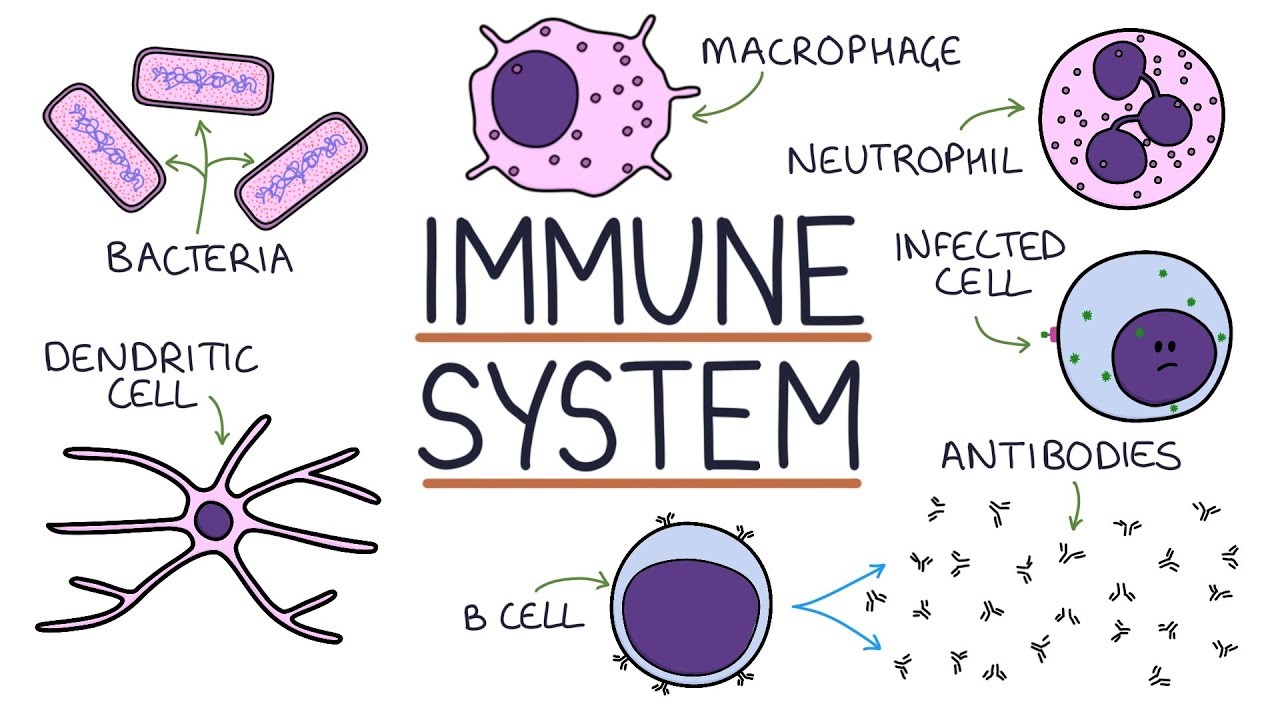
The group is interested in the study of the immune response from a multidisciplinary perspective that includes genomic, biochemical, proteomic, in vivo and biotechnological models aimed at the design of therapeutic strategies against various chronic, infectious and rare diseases that have a clear immunological component in their etiology.
The current specific objectives focus on:
- Antigenic presentation: Identification of antigenic presentation rules for their application in the design of therapeutic treatments including vaccines.
- Study of CD69 function and its regulation; its use as a therapeutic target in the mobilization of hematopoietic precursors and in the potentiation of the immune response mediated by CD69 with the potentiation of vaccines using the vaccinia virus as a vector.
The group is interested in the study of the immune response from a multidisciplinary perspective that includes genomic, biochemical, proteomic, in vivo and biotechnological models aimed at the design of therapeutic strategies against various chronic, infectious and rare diseases that have a clear immunological component in their etiology.
The current specific objectives focus on:
- Antigenic presentation: Identification of antigenic presentation rules for their application in the design of therapeutic treatments including vaccines.
- Study of CD69 function and its regulation; its use as a therapeutic target in the mobilization of hematopoietic precursors and in the potentiation of the immune response mediated by CD69 with the potentiation of vaccines using the vaccinia virus as a vector.