



We protect your health through science
Investigation
Immune Presentation and Regulation
Publications
Phlebotomine sand fly survey in the focus of leishmaniasis of Madrid, Spain (2012–2014): seasonal dynamics, Leishmania infantum infection rates and blood meal preferences.
González E, Jiménez M, Hernández S, Martín-Martín I, Molina R. Phlebotomine sand fly survey in the focus of leishmaniasis of Madrid, Spain (2012–2014): seasonal dynamics, Leishmania infantum infection rates and blood meal preferences. Parasit Vectors 2017, 10:368.
PUBMED DOIMethods in Sand Fly Research
Molina R, Jiménez M, Alvar J, González E, Hernández-Taberna S, Martín-Martín Inés. 2017. Methods in Sand Fly Research (R. Molina, M. Jiménez & J. Alvar, edits.). Servicio de Publicaciones Universidad de Alcalá de Henares. ISBN: 978-84-16978-28-1
Factors associated with Leishmania asymptomatic infection: results from a cross-sectional survey in highland northern Ethiopia
Custodio E, Gadisa E, Sordo L, Cruz I, Moreno J, Nieto J, Chicharro C, Aseffa A, Abraham Z, Hailu T, Cañavate C. Factors associated with Leishmania asymptomatic infection: results from a cross-sectional survey in highland northern Ethiopia. PLoS Negl Trop Dis. 2012;6(9):e1813.
PUBMED DOICytokine Release Assays as Tests for Exposure to Leishmania, and for Confirming Cure from Leishmaniasis, in Solid Organ Transplant Recipients.
Carrillo E, Carrasco-Antón N, López-Medrano F, Salto E, Fernández L, San Martín JV, Alvar J, Aguado JM, Moreno J. Cytokine Release Assays as Tests for Exposure to Leishmania, and for Confirming Cure from Leishmaniasis, in Solid Organ Transplant Recipients. PLoS Negl Trop Dis. 2015 Oct 23;9(10):e0004179.
PUBMED DOIChemotactic Protein 1 in Plasma from Soluble Leishmania Antigen-Stimulated Whole Blood as a Potential Biomarker of the Cellular Immune Response to Leishmania infantum
Ibarra-Meneses AV, Sanchez C, Alvar J, Moreno J, Carrillo E. Monocyte Chemotactic Protein 1 in Plasma from Soluble Leishmania Antigen-Stimulated Whole Blood as a Potential Biomarker of the Cellular Immune Response to Leishmania infantum. Front Immunol. 2017 Sep 29;8:1208.
PUBMED DOIContent with Investigacion .
-

Isabel Jado García
Científico Titular OPIS, Director laboratorio
-
Raquel Escudero Nieto
Científico Titular OPIS, Director laboratorio
-
Escolástica Chaparro Tercero
Técnico de Laboratorio
-
Ave María Vila-Coro Laviña
Auxiliar de Investigación
-
María Elena Andrés Galván
Ayudante de Investigación.
Técnico superior en laboratorio de diagnóstico clínico en 2013 y Técnico superior en laboratorio de análisis y control de calidad en 2015. Lleva vinculada a la Unidad de Neumococos desde 2022 como ayudante de investigación y es personal de plantilla. Anteriormente estuvo contratada en el Instituto de recursos naturales y agrobiología de Salamanca (IRNASA) del CSIC.

List of staff
Additional Information
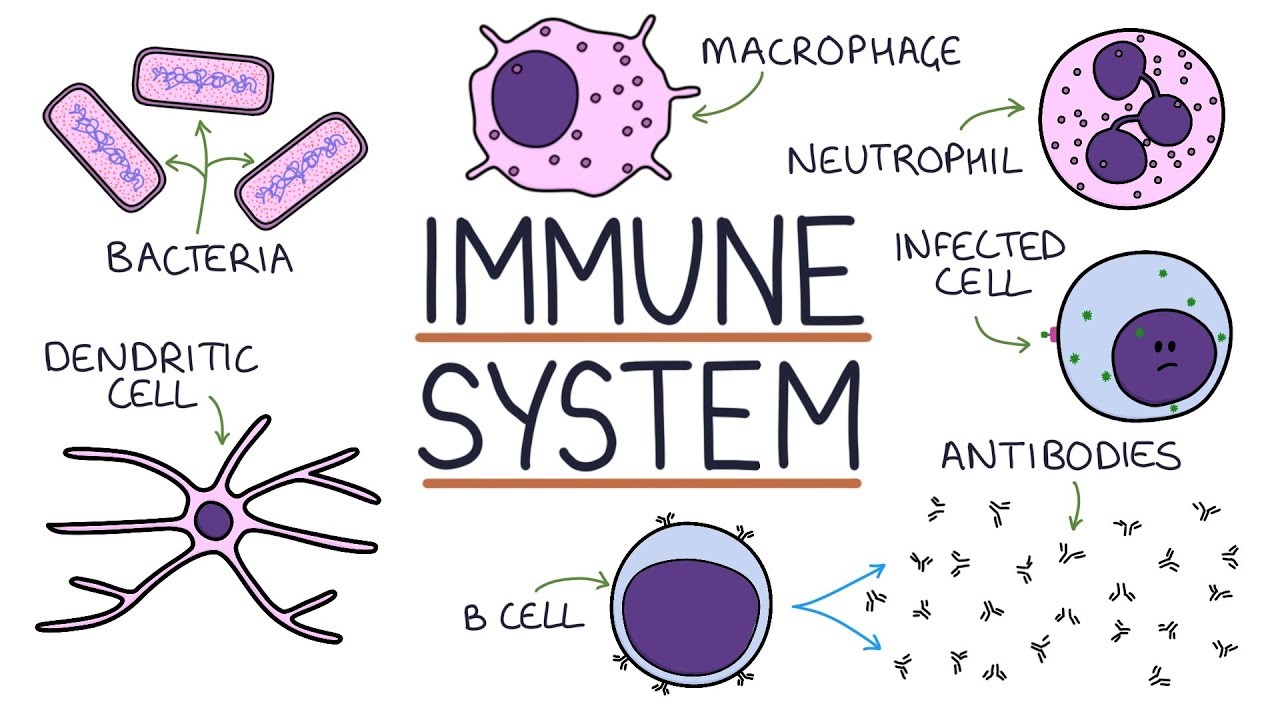
The group is interested in the study of the immune response from a multidisciplinary perspective that includes genomic, biochemical, proteomic, in vivo and biotechnological models aimed at the design of therapeutic strategies against various chronic, infectious and rare diseases that have a clear immunological component in their etiology.
The current specific objectives focus on:
- Antigenic presentation: Identification of antigenic presentation rules for their application in the design of therapeutic treatments including vaccines.
- Study of CD69 function and its regulation; its use as a therapeutic target in the mobilization of hematopoietic precursors and in the potentiation of the immune response mediated by CD69 with the potentiation of vaccines using the vaccinia virus as a vector.
The group is interested in the study of the immune response from a multidisciplinary perspective that includes genomic, biochemical, proteomic, in vivo and biotechnological models aimed at the design of therapeutic strategies against various chronic, infectious and rare diseases that have a clear immunological component in their etiology.
The current specific objectives focus on:
- Antigenic presentation: Identification of antigenic presentation rules for their application in the design of therapeutic treatments including vaccines.
- Study of CD69 function and its regulation; its use as a therapeutic target in the mobilization of hematopoietic precursors and in the potentiation of the immune response mediated by CD69 with the potentiation of vaccines using the vaccinia virus as a vector.