



We protect your health through science
Investigation
Immune Presentation and Regulation
Publications
Fungired. Comparative performance of the laboratory assays used by a Diagnostic Laboratory Hub for opportunistic infections in people living with HIV. AIDS. 2020 Sep 1
Medina N, Alastruey-Izquierdo A, Mercado D, Bonilla O, Pérez JC, Aguirre L, Samayoa B, Arathoon E, Denning DW, Rodriguez-Tudela JL; Fungired. Comparative performance of the laboratory assays used by a Diagnostic Laboratory Hub for opportunistic infections in people living with HIV. AIDS. 2020 Sep 1;34(11):1625-1632. doi: 10.1097/QAD.0000000000002631. PMID: 32694415.
PUBMED DOIPopulation-Based Program of filamentous fungi and Antifungal Resistance in Spain (FILPOP STUDY). Antimicrob Agents Chemother. 2013 Jul
Ana Alastruey-Izquierdo*, Emilia Mellado, Teresa Pelaez, Javier Pemán, Soledad Zapico, María Álvarez, Juan L Rodriguez-Tudela, Manuel Cuenca-Estrella Population-Based Program of filamentous fungi and Antifungal Resistance in Spain (FILPOP STUDY). Antimicrob Agents Chemother. 2013 Jul;57(7):3380-7. doi: 10.1128/AAC.01287-13. PMID: 28319466
PUBMED DOIThe global problem of antifungal resistance: prevalence, mechanisms, and management. Lancet Infect Dis. 2017 Dec
Perlin DS, Rautemaa-Richardson R, Alastruey-Izquierdo A. The global problem of antifungal resistance: prevalence, mechanisms, and management. Lancet Infect Dis. 2017 Dec;17(12. doi: 10.1016/S1473-3099(17)30316-X. PMID: 28774698.
PUBMED DOISequence Analysis of In Vivo-Expressed HIV-1 Spliced RNAs Reveals the Usage of New and Unusual Splice Sites by Viruses of Different Subtypes.
Vega Y, Delgado E, de la Barrera J, Carrera C, Zaballos Á, Cuesta I, Mariño A, Ocampo A, Miralles C, Pérez-Castro S, Álvarez H, López-Miragaya I, García-Bodas E, Díez-Fuertes F, Thomson MM. Sequence Analysis of In Vivo-Expressed HIV-1 Spliced RNAs Reveals the Usage of New and Unusual Splice Sites by Viruses of Different Subtypes. PLoS One. 2016 Jun 29;11(6):e0158525.
PUBMED DOIY155H amino acid substitution in influenza A(H1N1)pdm09 viruses does not confer a phenotype of reduced susceptibility to neuraminidase inhibitors
Perez-Sautu U, Pozo F, Cuesta I, Monzon S, Calderon A, Gonzalez M, Molinero M, Lopez-Miragaya I, Rey S, Cañizares A, Rodriguez G, Gonzalez-Velasco C, Lackenby A, Casas I. Y155H amino acid substitution in influenza A(H1N1)pdm09 viruses does not confer a phenotype of reduced susceptibility to neuraminidase inhibitors. Euro Surveill. 2014 Jul 10;19(27):14-20.
PUBMED DOIComparison of two highly discriminatory typing methods to analyze Aspergillus fumigatus azole resistance
Garcia-Rubio R, Escribano P, Gomez A, Guinea J, and Mellado E. Comparison of two highly discriminatory typing methods to analyze Aspergillus fumigatus azole resistance. Frontiers in Microbiology 2018. Jul 20;9:1626.
PUBMED DOIEvaluation of the possible influence of trailing and paradoxical effects on the clinical outcome of patients with candidemia.
Rueda C, Puig-Asensio M, Guinea J, Almirante B, Cuenca-Estrella M, Zaragoza O. Evaluation of the possible influence of trailing and paradoxical effects on the clinical outcome of patients with candidemia. CANDIPOP Project from GEIH-GEMICOMED (SEIMC) and REIPI. Clin Microbiol Infect. 2017 Jan; 23(1):49.e1-49.e8.
PUBMED DOIDevelopment and Validation of a High-Resolution Melting Assay To Detect Azole Resistance in Aspergillus fumigatus.
Bernal-Martínez L, Gil H, Rivero-Menéndez O, Gago S, Cuenca-Estrella M, Mellado E, Alastruey-Izquierdo A. Development and Validation of a High-Resolution Melting Assay To Detect Azole Resistance in Aspergillus fumigatus. Antimicrob Agents Chemother. 2017 Nov 22;61(12). pii: e01083-17.
PUBMED DOI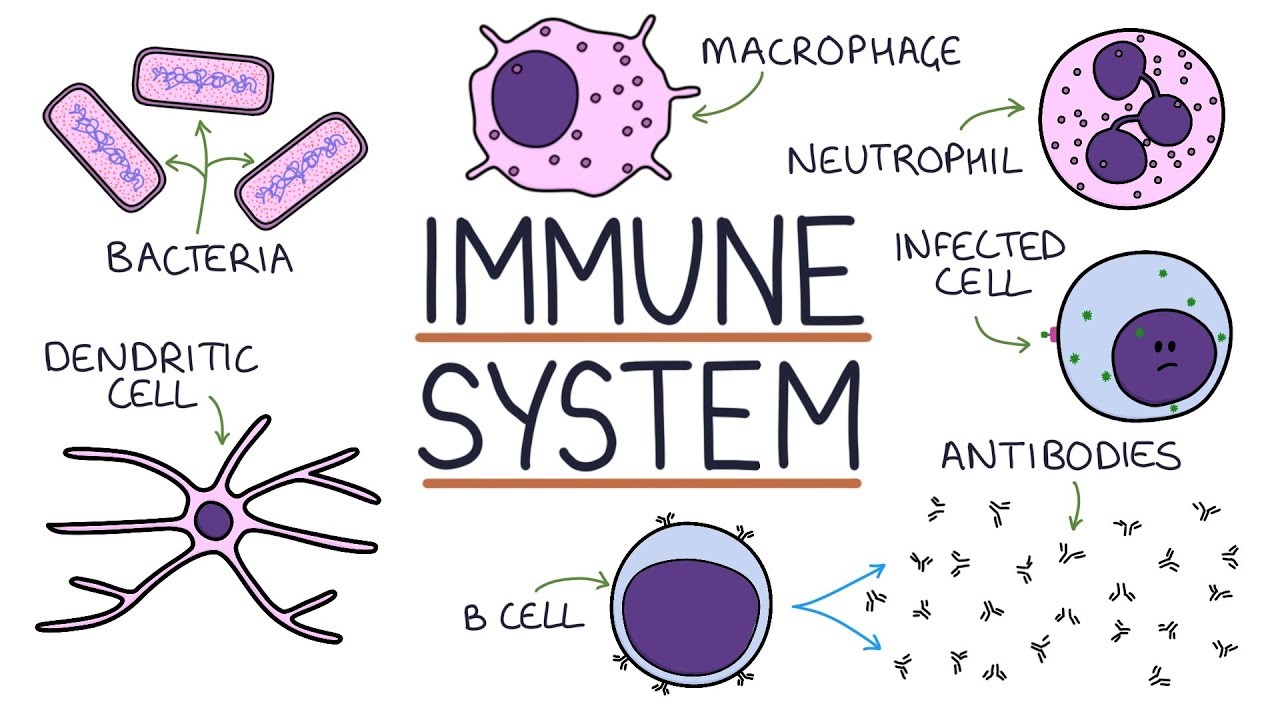
Additional Information
The group is interested in the study of the immune response from a multidisciplinary perspective that includes genomic, biochemical, proteomic, in vivo and biotechnological models aimed at the design of therapeutic strategies against various chronic, infectious and rare diseases that have a clear immunological component in their etiology.
The current specific objectives focus on:
- Antigenic presentation: Identification of antigenic presentation rules for their application in the design of therapeutic treatments including vaccines.
- Study of CD69 function and its regulation; its use as a therapeutic target in the mobilization of hematopoietic precursors and in the potentiation of the immune response mediated by CD69 with the potentiation of vaccines using the vaccinia virus as a vector.
The group is interested in the study of the immune response from a multidisciplinary perspective that includes genomic, biochemical, proteomic, in vivo and biotechnological models aimed at the design of therapeutic strategies against various chronic, infectious and rare diseases that have a clear immunological component in their etiology.
The current specific objectives focus on:
- Antigenic presentation: Identification of antigenic presentation rules for their application in the design of therapeutic treatments including vaccines.
- Study of CD69 function and its regulation; its use as a therapeutic target in the mobilization of hematopoietic precursors and in the potentiation of the immune response mediated by CD69 with the potentiation of vaccines using the vaccinia virus as a vector.