



We protect your health through science
Investigation
Immune Presentation and Regulation
Publications
High-Resolution Melting Assay to Detect the Mutations That Cause the Y132F and G458S Substitutions at the ERG11 Gene Involved in Azole Resistance in Candida parapsilosis
Nuria Trevijano-Contador, Elena López-Peralta, Jorge López-López, Alejandra Roldán, Cristina de Armentia, Óscar Zaragoza. Mycoses 2024 Nov;67(11):e13811
PUBMED DOIBroad Protection against Invasive Fungal Disease from a Nanobody Targeting the Active Site of Fungal β-1,3-Glucanosyltransferases
Redrado-Hernández S, Macías-León J, Castro-López J, Belén Sanz A, Dolader E, Arias M, González-Ramírez AM, Sánchez-Navarro D, Petryk Y, Farkaš V, Vincke C, Muyldermans S, García-Barbazán I, Del Agua C, Zaragoza O, Arroyo J, Pardo J, Gálvez EM, Hurtado-Guerrero R. Angew Chem Int Ed Engl. 2024 Aug 19;63(34):e202405823.
PUBMED DOIDiagnósitico microbiológico y control de la legionelosis
Pelaz Antolín, C., et al., En Procedimientos en Microbiología Clínica, E.C.y.R. Cantón, Editor. 2005, SEIMC. p. 1-72.
PUBMEDLegionella-Biofilms-Amebas, un problema industrial, de sanidad ambiental y de salud pública
Juana María González-Rubio, Celia Játiva, Almudena Cascajero, Fernando González-Camacho. Infoplagas, nº 112, agosto 2023 pags: 20-24. (Artículo de divulgación).
DOIPrograma de Legionelosis. En Echevarría Mayo JE y Oteo Iglesias J (Editores). Programas de Vigilancia Microbiológica pags: 74-80. Centro Nacional de Microbiología, Madrid: Instituto de Salud Carlos III, 2021.
Bellido B y Pelaez C: Programa de Legionelosis. En Echevarría Mayo JE y Oteo Iglesias J (Editores). Programas de Vigilancia Microbiológica pags: 74-80. Centro Nacional de Microbiología, Madrid: Instituto de Salud Carlos III, 2021.
Additional Information
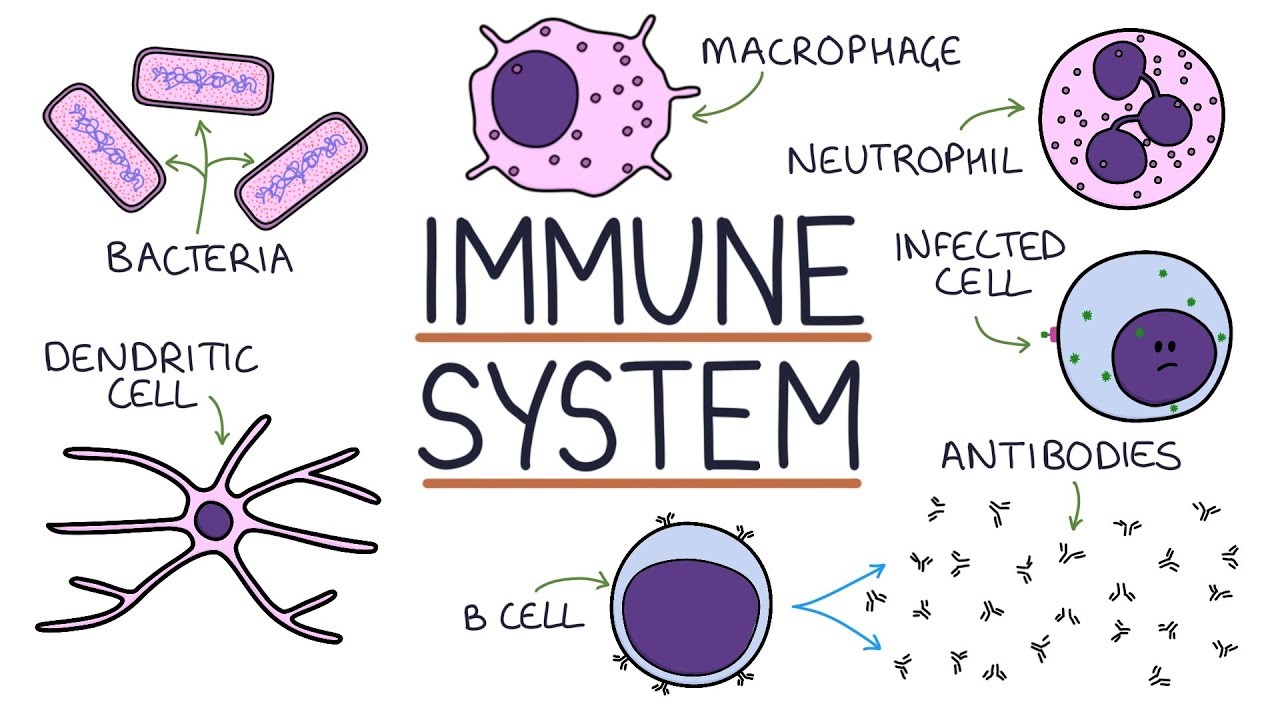
The group is interested in the study of the immune response from a multidisciplinary perspective that includes genomic, biochemical, proteomic, in vivo and biotechnological models aimed at the design of therapeutic strategies against various chronic, infectious and rare diseases that have a clear immunological component in their etiology.
The current specific objectives focus on:
- Antigenic presentation: Identification of antigenic presentation rules for their application in the design of therapeutic treatments including vaccines.
- Study of CD69 function and its regulation; its use as a therapeutic target in the mobilization of hematopoietic precursors and in the potentiation of the immune response mediated by CD69 with the potentiation of vaccines using the vaccinia virus as a vector.
The group is interested in the study of the immune response from a multidisciplinary perspective that includes genomic, biochemical, proteomic, in vivo and biotechnological models aimed at the design of therapeutic strategies against various chronic, infectious and rare diseases that have a clear immunological component in their etiology.
The current specific objectives focus on:
- Antigenic presentation: Identification of antigenic presentation rules for their application in the design of therapeutic treatments including vaccines.
- Study of CD69 function and its regulation; its use as a therapeutic target in the mobilization of hematopoietic precursors and in the potentiation of the immune response mediated by CD69 with the potentiation of vaccines using the vaccinia virus as a vector.