



We protect your health through science
Investigation
Immune Presentation and Regulation
Publications
Immunoescape of HIV-1 in Env-EL9 CD8 + T cell response restricted by HLA-B*14:02 in a Non progressor who lost twenty-seven years of HIV-1 control
Moyano A, Blanch-Lombarte O, Tarancon-Diez L, Pedreño-Lopez N, Arenas M, Alvaro T, Casado C, Olivares I, Vera M, Rodriguez C, Del Romero J, López-Galíndez C, Ruiz-Mateos E, Prado JG, Pernas M. Retrovirology. 2022 Mar 26,19(1):6
PUBMED DOIThe Characteristics of the HIV-1 Env Glycoprotein Are Linked with Viral Pathogenesis
Pérez-Yanes S, Pernas M, Marfil S, Cabrera-Rodríguez R, Ortiz R, Urrea V, Rovirosa C, Estévez-Herrera J, Olivares I, Casado C, Lopez-Galindez C, Blanco J, Valenzuela-Fernández A. Front Microbiol. 2022 Mar 24, 3:763039.
PUBMED DOIAnalysis of HIV-1 “in vitro” evolution through 3D real fitness landscapes constructed by Self Organizing Maps.
Ramón Lorenzo‐Redondo, Soledad Delgado, Federico Morán, and Cecilio Lopez‐Galindez. Analysis of HIV-1 “in vitro” evolution through 3D real fitness landscapes constructed by Self Organizing Maps. (2014) PLoS One. 9(2): e88579.
PUBMED DOI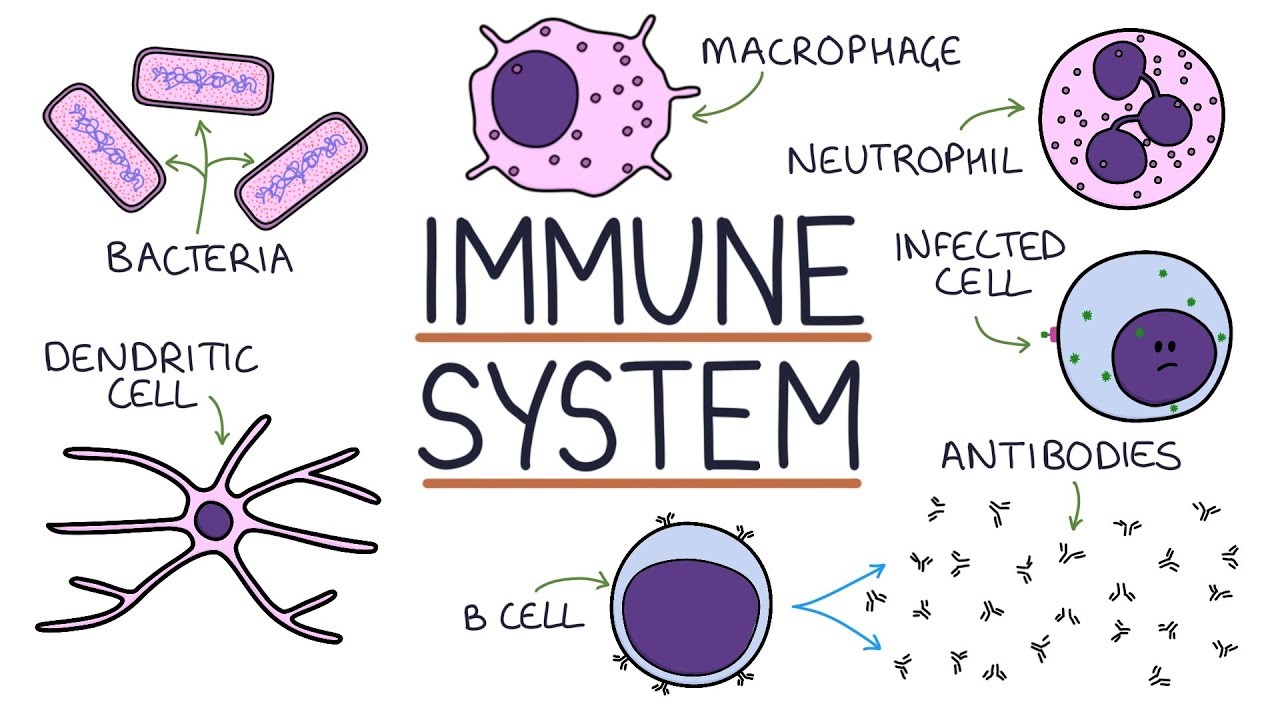
Additional Information
The group is interested in the study of the immune response from a multidisciplinary perspective that includes genomic, biochemical, proteomic, in vivo and biotechnological models aimed at the design of therapeutic strategies against various chronic, infectious and rare diseases that have a clear immunological component in their etiology.
The current specific objectives focus on:
- Antigenic presentation: Identification of antigenic presentation rules for their application in the design of therapeutic treatments including vaccines.
- Study of CD69 function and its regulation; its use as a therapeutic target in the mobilization of hematopoietic precursors and in the potentiation of the immune response mediated by CD69 with the potentiation of vaccines using the vaccinia virus as a vector.
The group is interested in the study of the immune response from a multidisciplinary perspective that includes genomic, biochemical, proteomic, in vivo and biotechnological models aimed at the design of therapeutic strategies against various chronic, infectious and rare diseases that have a clear immunological component in their etiology.
The current specific objectives focus on:
- Antigenic presentation: Identification of antigenic presentation rules for their application in the design of therapeutic treatments including vaccines.
- Study of CD69 function and its regulation; its use as a therapeutic target in the mobilization of hematopoietic precursors and in the potentiation of the immune response mediated by CD69 with the potentiation of vaccines using the vaccinia virus as a vector.