



We protect your health through science
Investigation
Immune Presentation and Regulation
Publications
Analysis of strain relatedness using High Resolution Melting in a case of recurrent candiduria
7. Gago S, Lorenzo B, Gomez-Lopez A, Cuesta I, Cuenca-Estrella M, Buitrago MJ. Analysis of strain relatedness using high resolution melting in a case of recurrent candiduria. BMC Microbiol. 2013 Jan 23;13:13. doi: 10.1186/1471-2180-13-13. PMID: 23343107.
PUBMED DOIHigh-Resolution Melting Analysis for Identification of the Cryptococcus neoformans-Cryptococcus gattii Complex
8. Gago S, Zaragoza Ó, Cuesta I, Rodríguez-Tudela JL, Cuenca-Estrella M, Buitrago MJ. High-resolution melting analysis for identification of the Cryptococcus neoformans-Cryptococcus gattii complex. J Clin Microbiol. 2011 Oct;49(10):3663-6. doi: 10.1128/JCM.01091-11. Epub 2011 Aug 10. PMID: 21832024.
PUBMED DOIPerformance of Panfungal- and Specific-PCR-Based Procedures for Etiological Diagnosis of Invasive Fungal Diseases on Tissue Biopsy Specimens with Proven Infection: a 7-Year Retrospective Analysis from a Reference Laboratory
9. Buitrago MJ, Bernal-Martinez L, Castelli MV, Rodriguez-Tudela JL, Cuenca-Estrella M Performance of panfungal--and specific-PCR-based procedures for etiological diagnosis of invasive fungal diseases on tissue biopsy specimens with proven infection: a 7-year retrospective analysis from a reference laboratory. J Clin Microbiol. 2014 May;52(5):1737-40. doi: 10.1128/JCM.00328-14. Epub 2014 Feb 26.PMID: 24574295.
PUBMED DOIEpidemiología actual y diagnóstico de laboratorio de las micosis endémicas en España
11. Buitrago MJ, Cuenca-Estrella M. [Current epidemiology and laboratory diagnosis of endemic mycoses in Spain]. Enferm Infecc Microbiol Clin. 2012 Aug;30(7):407-13. doi: 10.1016/j.eimc.2011.09.014. Epub 2011 Nov 29. PMID: 22130575 Review. Spanish.
PUBMED DOI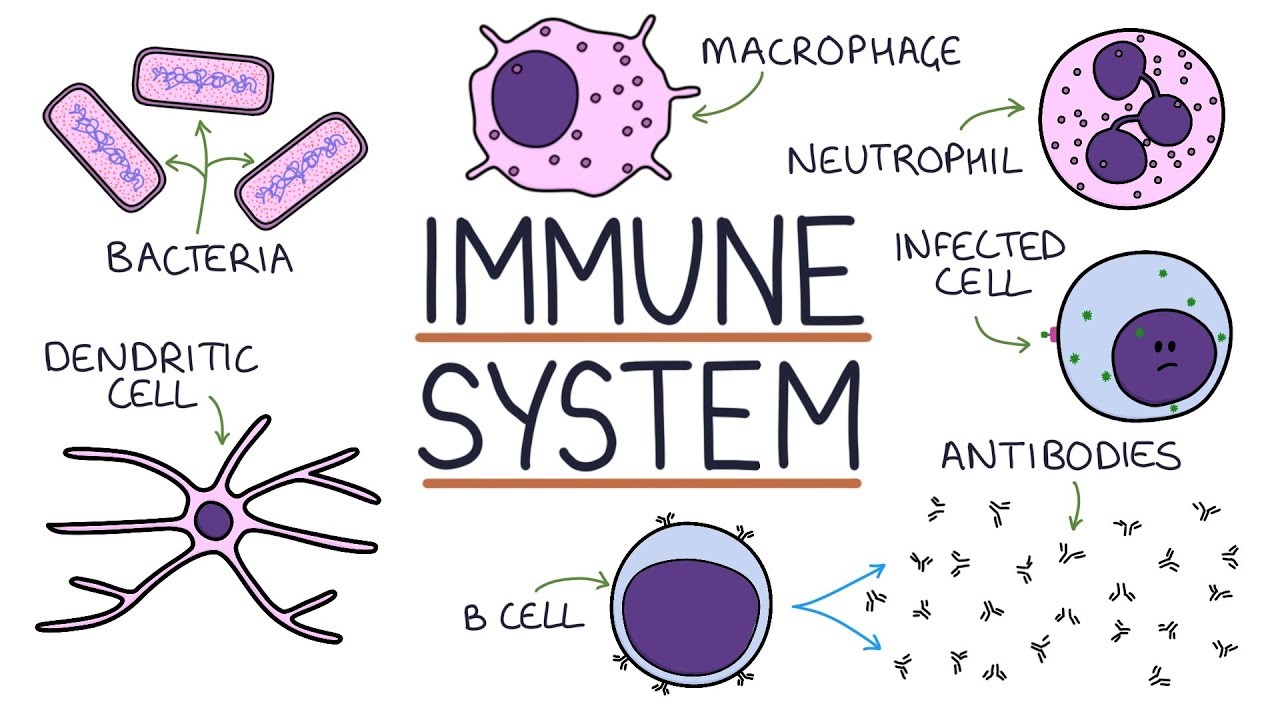
Additional Information
The group is interested in the study of the immune response from a multidisciplinary perspective that includes genomic, biochemical, proteomic, in vivo and biotechnological models aimed at the design of therapeutic strategies against various chronic, infectious and rare diseases that have a clear immunological component in their etiology.
The current specific objectives focus on:
- Antigenic presentation: Identification of antigenic presentation rules for their application in the design of therapeutic treatments including vaccines.
- Study of CD69 function and its regulation; its use as a therapeutic target in the mobilization of hematopoietic precursors and in the potentiation of the immune response mediated by CD69 with the potentiation of vaccines using the vaccinia virus as a vector.
The group is interested in the study of the immune response from a multidisciplinary perspective that includes genomic, biochemical, proteomic, in vivo and biotechnological models aimed at the design of therapeutic strategies against various chronic, infectious and rare diseases that have a clear immunological component in their etiology.
The current specific objectives focus on:
- Antigenic presentation: Identification of antigenic presentation rules for their application in the design of therapeutic treatments including vaccines.
- Study of CD69 function and its regulation; its use as a therapeutic target in the mobilization of hematopoietic precursors and in the potentiation of the immune response mediated by CD69 with the potentiation of vaccines using the vaccinia virus as a vector.